Top 20 Natural Monuments in the Cordillera de Talamanca
Best natural monuments in the Cordillera de Talamanca are found within a mountain range spanning southern Costa Rica and western Panama. This UNESCO World Heritage site is a biodiversity hotspot, featuring diverse ecosystems from tropical rainforests to high-altitude páramo. The region is home to an extraordinary array of flora and fauna, including numerous bird species and large mammals. These natural monuments offer opportunities for exploring varied landscapes and observing wildlife.
Best natural monuments in the Cordillera de Talamanca
- The most…
Last updated: July 10, 2026
Cerro Chirripó Summit
Highlight • Summit
Tip by

Nauyaca Waterfalls
Highlight • Waterfall
Translated by Google •
Tip by

Sign up now to discover places like this
Get recommendations on the best single tracks, peaks, & plenty of other exciting outdoor places.
Sign up for free
Volcán Barú Summit
Highlight • Summit
Tip by
Cenizo (Ulmus Mexicana) – The 1,000-Year-Old Tree
Highlight • Natural Monument
Tip by

Entrance to Marino Ballena National Park
Highlight • Rest Area
There are trails in both directions.
Parking is available.
Translated by Google •
Tip by

Whale Tail Sandbar Hike (Parque Nacional Marino Ballena)
Highlight • Beach
Translated by Google •
Tip by

Third Waterfall, Parque Internacional La Amistad
Highlight • Waterfall
Translated by Google •
Tip by

Waterfall at the End of Pipeline Trail
Highlight • Waterfall
Translated by Google •
Tip by
First waterfall
Highlight • Waterfall
Translated by Google •
Tip by
Iggy's Falls
Highlight • Waterfall
PS: The hike is in …
Translated by Google •
Tip by

Sign up for free to discover even more natural monuments in the Cordillera de Talamanca.
Sign up for free
Already have an account?
Start today with a free account
Your next adventure awaits.
Login or Signup
Popular around Cordillera de Talamanca
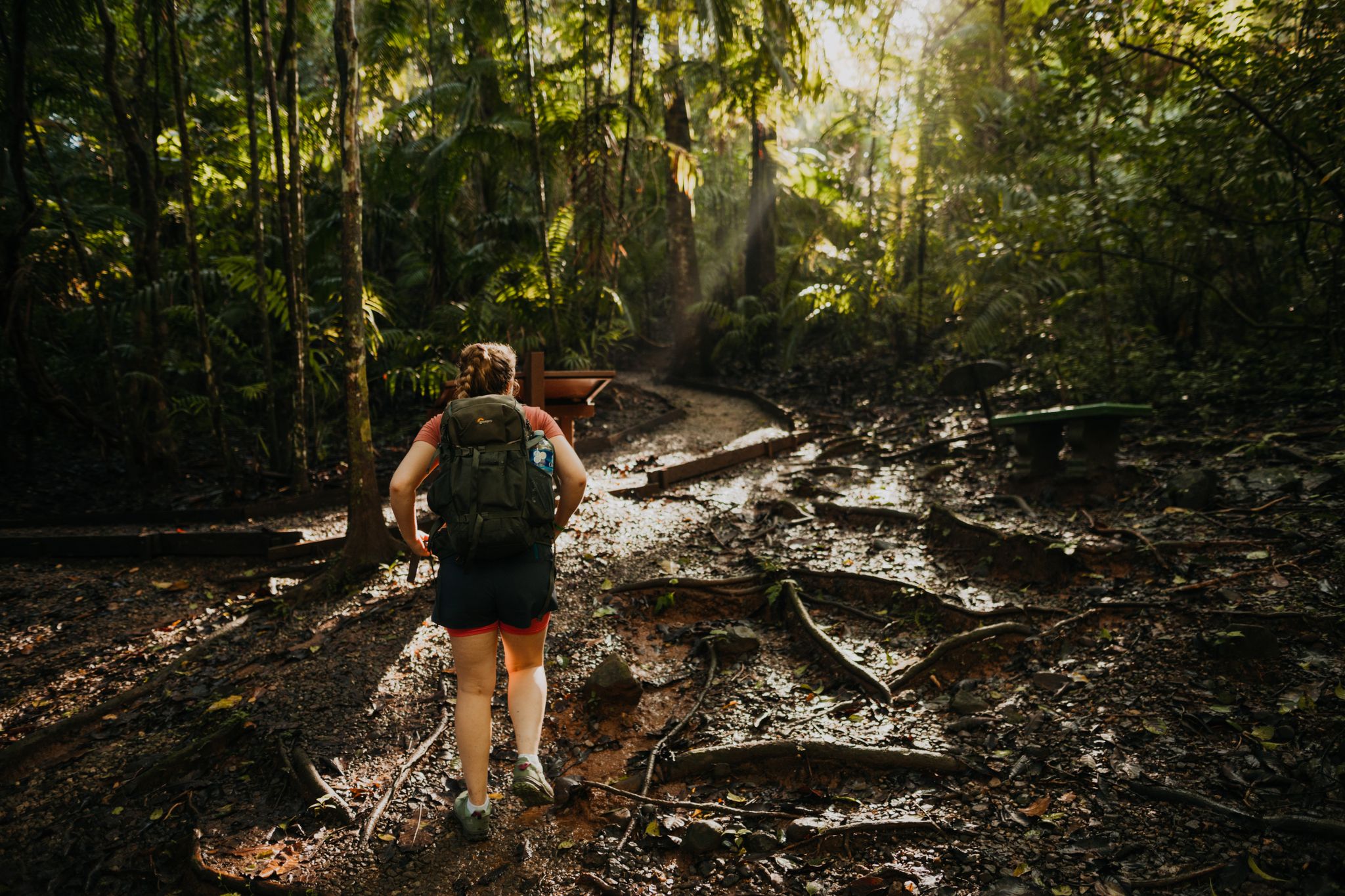
Through the rainforest up to 3,300 metres – hiking in Panama
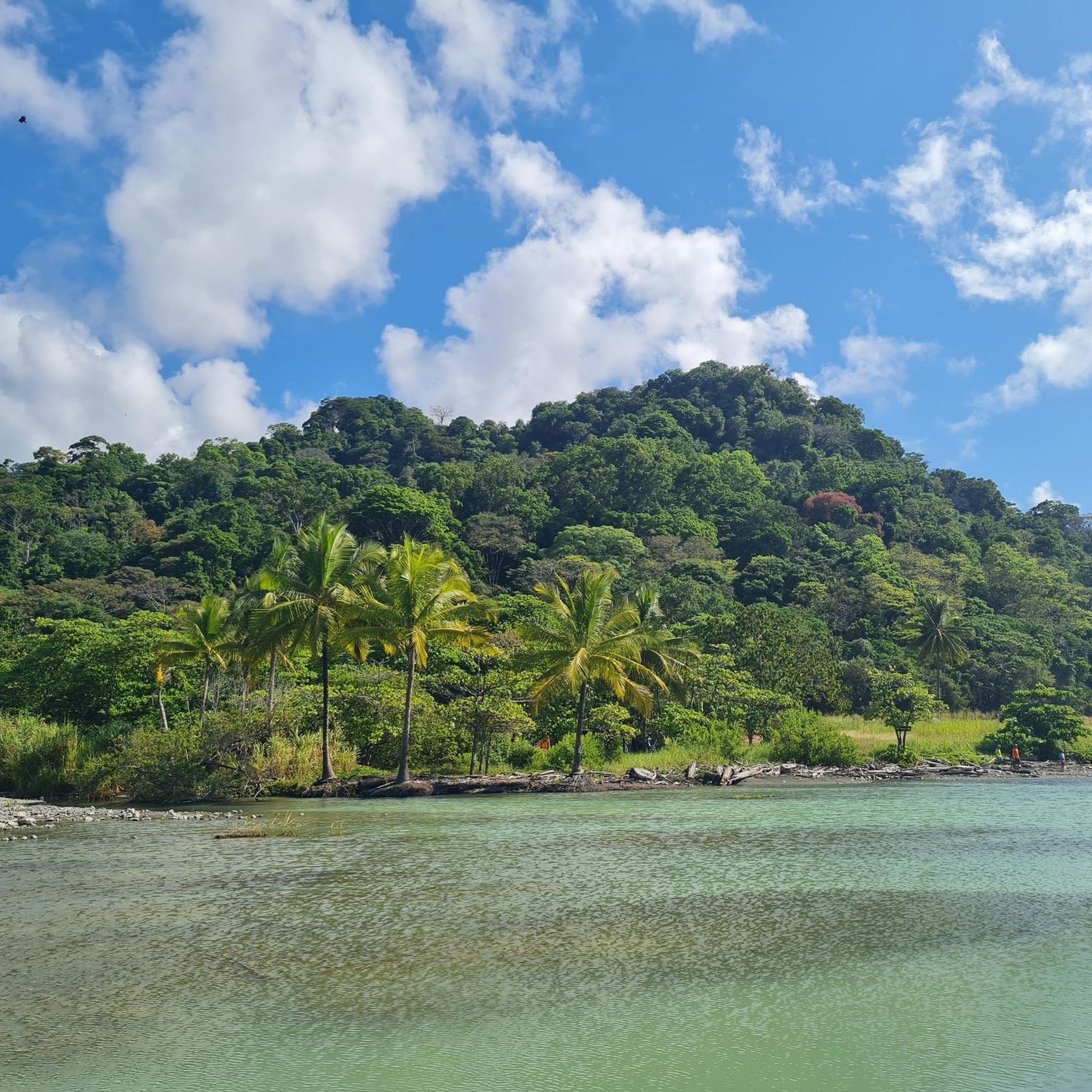
Hiking in the Cordillera de Talamanca
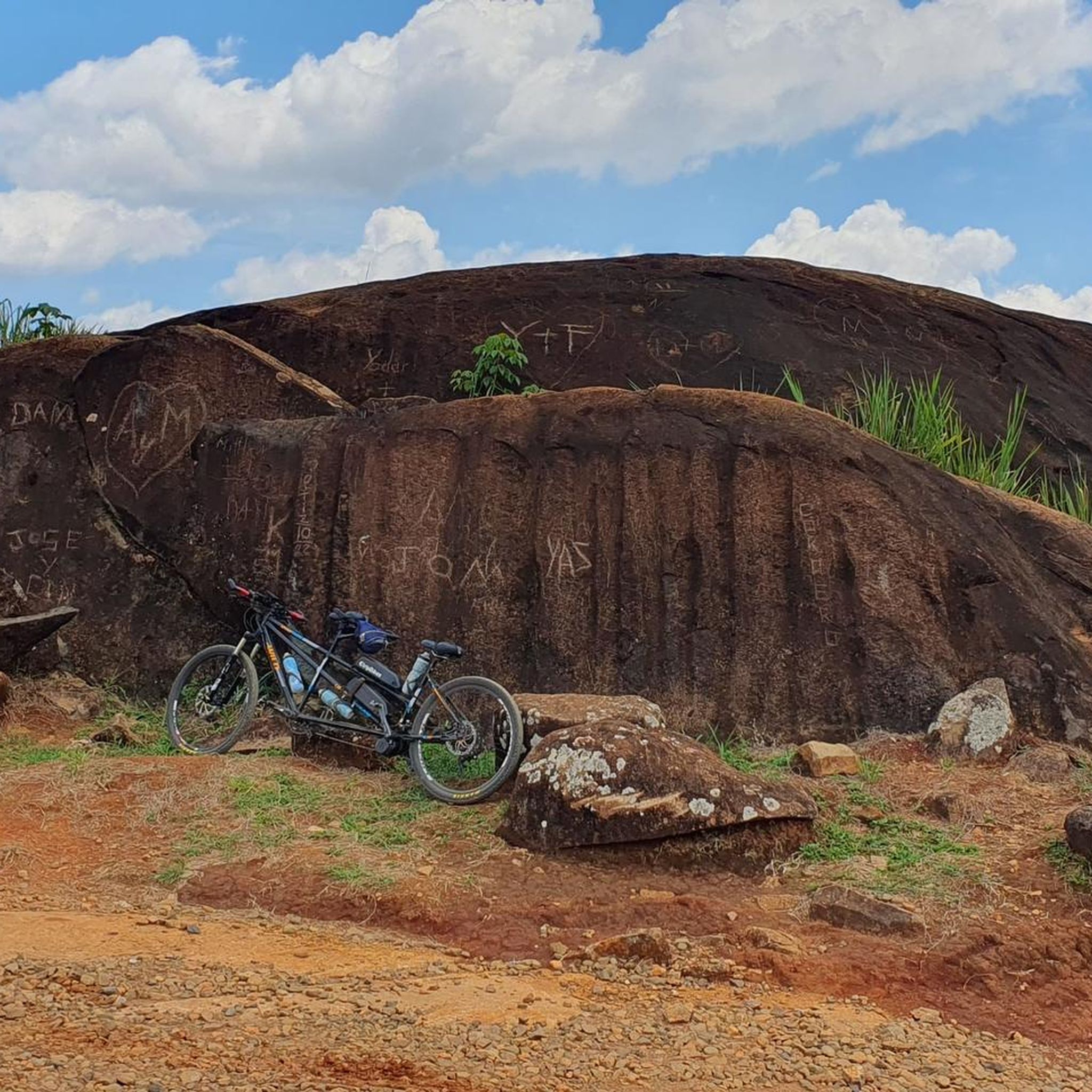
Road Cycling Routes in the Cordillera de Talamanca
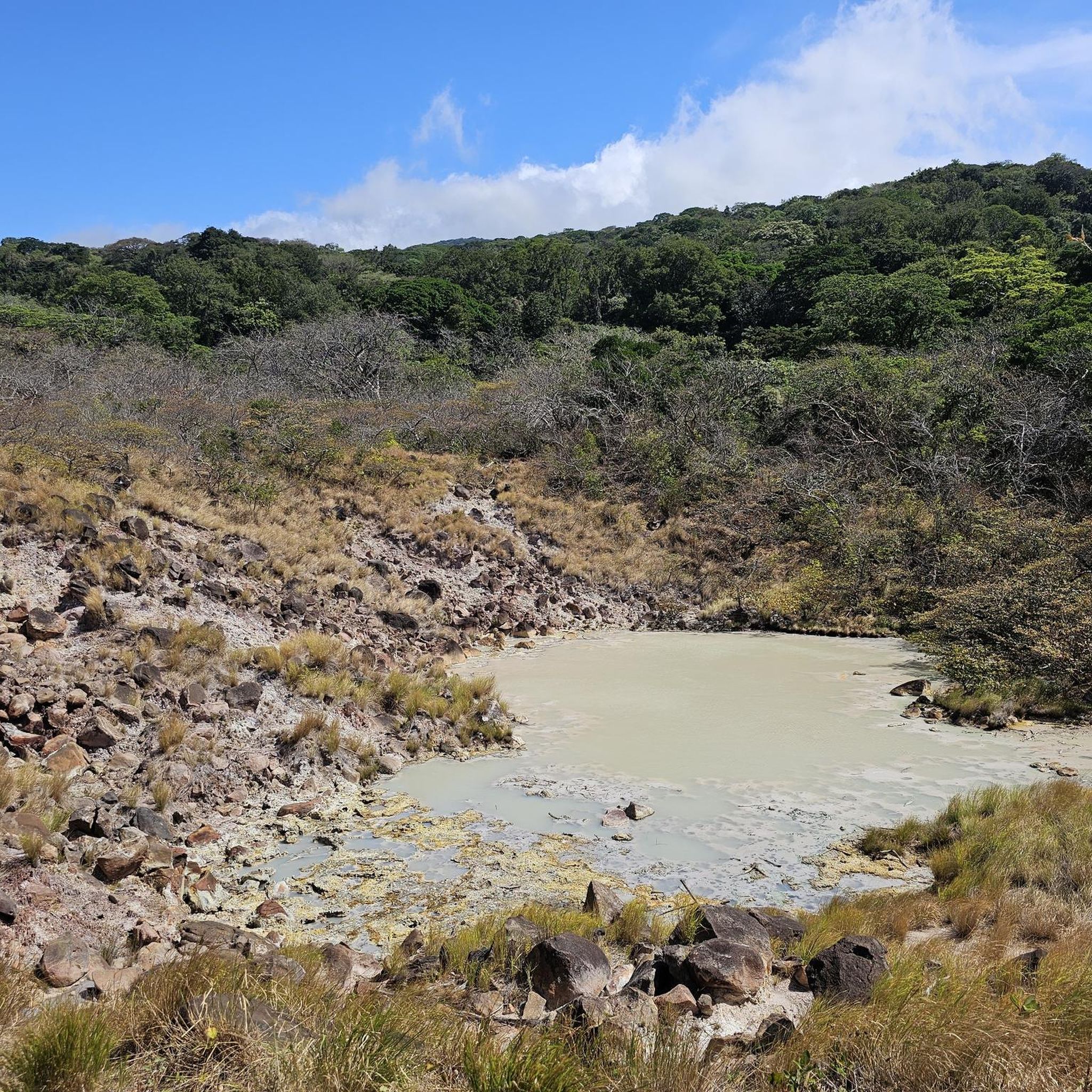
Cycling in the Cordillera de Talamanca
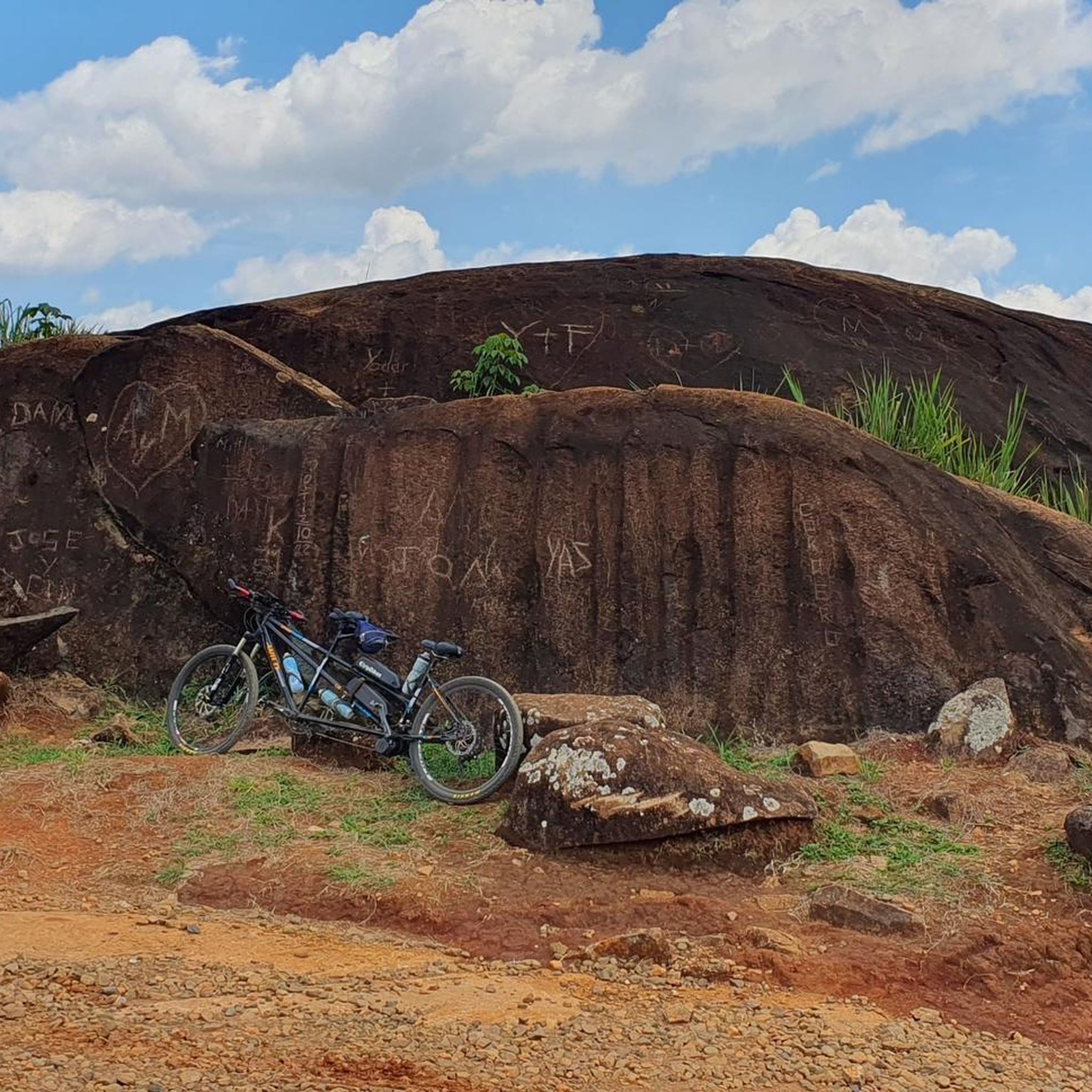
MTB Trails in the Cordillera de Talamanca

Running Trails in the Cordillera de Talamanca
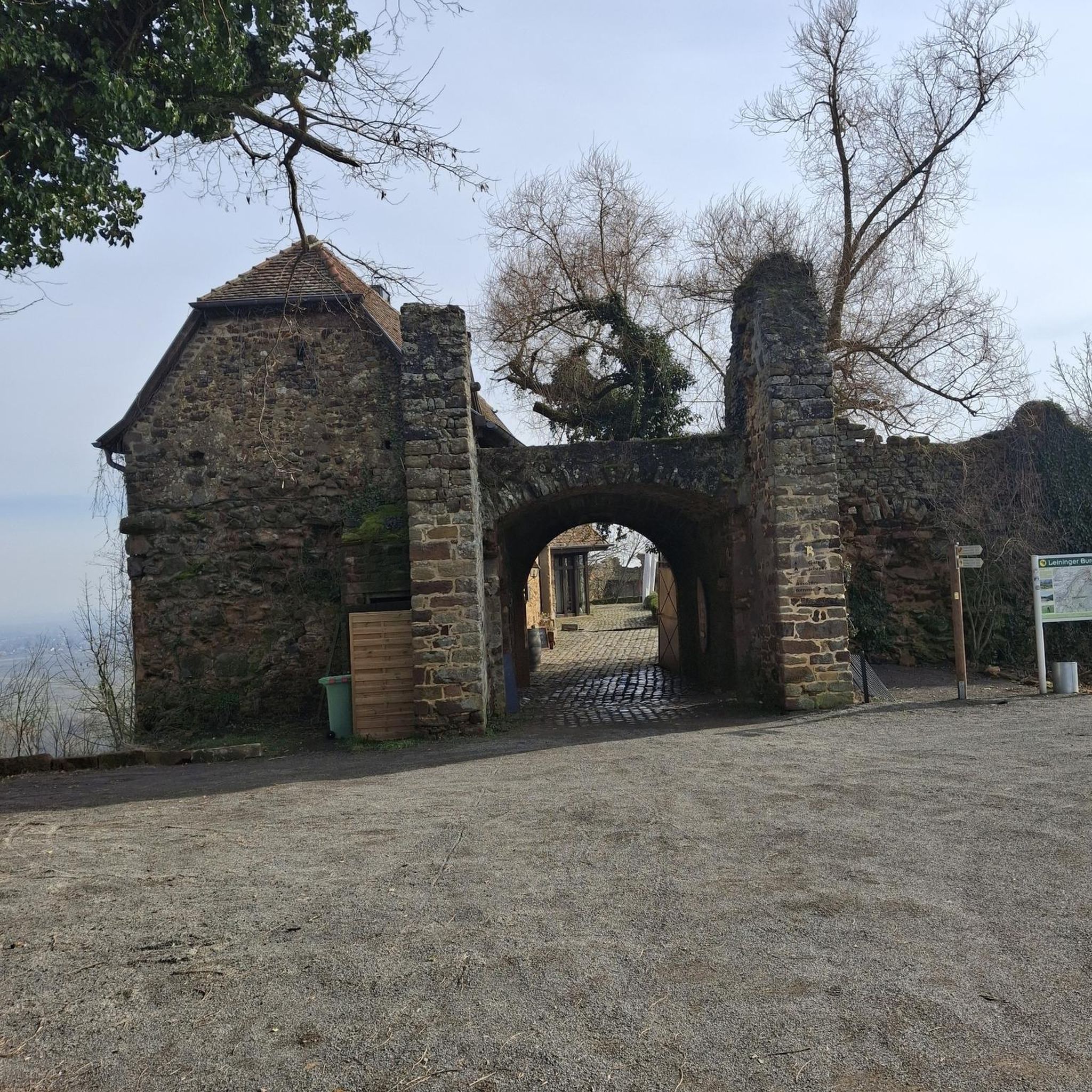
Gravel biking in the Cordillera de Talamanca
Other adventures in the Cordillera de Talamanca

Tips from the Community

Marino Ballena National Park near Uvita protects a spectacular coastal landscape. The park is famous for its whale-shaped sandbar, visible at low tide. Mangroves, reefs, and beaches provide habitat for sea turtles. Humpback whales migrate past the park between July and October, and again from December to April. The park is ideal for snorkeling, hiking, and enjoying relaxing sunsets every day.
0
0
Marino Ballena National Park near Uvita protects a spectacular coastal landscape. The park is famous for its whale-shaped sandbar, visible at low tide. Mangroves, reefs, and beaches provide habitat for sea turtles. Humpback whales migrate past the park between July and October, and again from December to April. The park is ideal for snorkeling, hiking, and enjoying relaxing sunsets every day.
0
0


Nice hike to catarata Nauyaca and go for a delicious splash in the cool water!
0
0


The ascent from Nueve Bambito is only possible with a guide, which must be arranged in advance. Unfortunately, the staff at the entrance to the park will not let you through if you do not have a reservation.
0
0

Best to check the tides, and plan your visit accordingly. At high tide itself, that part of the beach becomes inaccessible.
1
0
Frequently Asked Questions
What are some of the most popular natural monuments in the Cordillera de Talamanca?
Visitors frequently enjoy the challenging ascent to Cerro Chirripó Summit, the highest peak in Costa Rica, offering panoramic views. Another highly appreciated spot is Cenizo (Ulmus Mexicana) – The 1,000-Year-Old Tree, which provides an impressive experience through a primeval forest. The majestic Nauyaca Waterfalls are also a favorite, known for their beauty and opportunities for wildlife spotting.
Are there natural monuments suitable for families in the Cordillera de Talamanca?
Yes, Marino Ballena National Park is an excellent choice for families. It features pristine beaches, mangroves, and the unique "Whale's Tail" sandbar, which is great for exploring at low tide. The park is also known for whale watching, offering an exciting experience for all ages.
What kind of wildlife can I expect to see at the natural monuments in the Cordillera de Talamanca?
The Cordillera de Talamanca is a biodiversity hotspot. In areas like Chirripó National Park and La Amistad International Park, you might spot tapirs, various monkey species, sloths, and a wide array of birds, including the resplendent quetzal. Marino Ballena National Park is famous for marine life, particularly humpback whales and dolphins, while its adjacent rainforests host scarlet macaws and toucans.
What are the best natural monuments for birdwatching in the region?
For birdwatching enthusiasts, Chirripó National Park, La Amistad International Park, and Cerro de la Muerte are prime locations, especially for spotting the elusive resplendent quetzal and numerous other highland species. Cloudbridge Nature Reserve and Talamanca Reserve also boast over 300 recorded bird species each, offering excellent opportunities for observation in cloud forest environments.
Are there challenging hikes to natural monuments in the Cordillera de Talamanca?
Absolutely. The multi-day hike to Cerro Chirripó Summit is a significant challenge, rewarding hikers with unparalleled views. Similarly, the climb to Volcán Barú Summit in Panama, part of the Talamanca range, is known for its demanding trails and spectacular 360-degree vistas. Within La Amistad International Park, reaching the Third Waterfall can also be quite challenging, requiring some climbing and surefootedness.
What unique geological features can be found in the Cordillera de Talamanca's natural monuments?
The region is home to diverse geological formations. Chirripó National Park features remarkable glacial formations, including U-shaped valleys, over 30 glacial lakes, moraines, and distinctive rock formations known as Los Crestones. Volcán Barú National Park is centered around a dormant stratovolcano with seven craters, while Marino Ballena National Park is famous for its iconic "Whale's Tail" sandbar, a natural formation that emerges at low tide.
What outdoor activities can I do near these natural monuments?
Beyond exploring the natural monuments themselves, the Cordillera de Talamanca offers a variety of outdoor activities. You can find numerous hiking trails, from easy to difficult, as well as running routes and road cycling paths. For detailed routes and guides, you can explore options like Hiking in the Cordillera de Talamanca, Running Trails in the Cordillera de Talamanca, and Road Cycling Routes in the Cordillera de Talamanca.
What is the best time to visit the natural monuments in the Cordillera de Talamanca?
The dry season, generally from December to April, is often considered the best time for hiking and exploring the high-altitude areas like Cerro Chirripó and Volcán Barú, as trails are less muddy and views are clearer. For whale watching at Marino Ballena National Park, humpback whales migrate there from July to October and again from December to April, offering two distinct viewing seasons.
Are there any natural monuments focused on conservation or reforestation efforts?
Yes, Cloudbridge Nature Reserve, adjacent to Chirripó National Park, is a private cloud forest reserve dedicated to conservation and reforestation. It spans over 1600 acres of protected and regenerating forest, offering an immersive experience in a montane cloud forest and a chance to observe the effects of reforestation efforts.
What makes La Amistad International Park a significant natural monument?
La Amistad International Park is a UNESCO World Heritage site and biosphere reserve, recognized for its unparalleled biodiversity. As the largest and most remote national park in Costa Rica, it encompasses a vast range of habitats and is a critical sanctuary for approximately two-thirds of Costa Rica's plant and animal species, including all six species of Central American big cats and over 600 bird species.
Can I see both the Pacific and Caribbean oceans from any natural monument in the Cordillera de Talamanca?
Yes, on clear days, both Cerro Chirripó Summit and Volcán Barú Summit offer the unique opportunity to see both the Pacific Ocean and the Caribbean Sea simultaneously from their peaks.
What should I know about visiting the waterfalls in the Cordillera de Talamanca?
The region boasts several impressive waterfalls. Nauyaca Waterfalls are very popular, but it's advisable to go early to avoid crowds. For a more secluded experience, the Waterfall at the End of Pipeline Trail offers a majestic view, though you should pay attention to weather conditions as the riverbed can fill quickly during heavy rain. The Third Waterfall in Parque Internacional La Amistad is also a beautiful, wild spot but requires some climbing.
Most popular routes in the Cordillera de Talamanca
Most popular attractions in the Cordillera de Talamanca

Get inspired with the komoot mobile app


Explore more
Extend your search for the best caves by checking out these guides of the top ones in the Cordillera de Talamanca:
