Top 19 Natural Monuments in Lyngby-Taarbæk
Best natural monuments in Lyngby-Taarbæk offer diverse landscapes, including extensive forest parks, river systems, and lakes. The region is characterized by its ancient forests, open plains, and significant water bodies, shaped by glacial activity. These areas provide opportunities to experience Denmark's natural heritage and observe local wildlife. The municipality features 19 natural monuments, providing varied outdoor experiences.
Best natural monuments in Lyngby-Taarbæk
- The most popular natural monuments is Rose Garden at Rosenborg Castle, a natural monument that offers a…
Last updated: May 14, 2026
The Little Mermaid
Highlight • Monument
Translated by Google •
Tip by

Gefion Fountain
Highlight • Monument
Translated by Google •
Tip by

Sign up now to discover places like this
Get recommendations on the best single tracks, peaks, & plenty of other exciting outdoor places.
Sign up for free
Rose Garden at Rosenborg Castle
Highlight • Natural Monument
Translated by Google •
Tip by

Damhus Lake
Highlight • Lake
Tip by

Botanical Garden Copenhagen
Highlight • Natural
Translated by Google •
Tip by
Sign up for free to discover even more natural monuments in Lyngby-Taarbæk.
Sign up for free
Already have an account?
Start today with a free account
Your next adventure awaits.
Login or Signup
Tips from the Community

Probably Copenhagen's most visited bronze statue. A must-see on any city tour.
7
0
Finely landscaped spacious garden with greenhouses which can be visited for an entrance fee
7
0

Beautifully landscaped, quiet, and relaxing. Garden free, palm house fee applies.
1
0

Free admission to an impressive garden. Visits to the butterfly and palm houses cost extra or are included in the Copenhagen Card. Very worthwhile.
1
0

Great park with many beautiful plants 🪴 well worth seeing 💯🔝👍🏻😉
3
0
Beautiful park with many beautiful plants 🪴 well worth seeing 💯🔝👍🏻😉
1
0

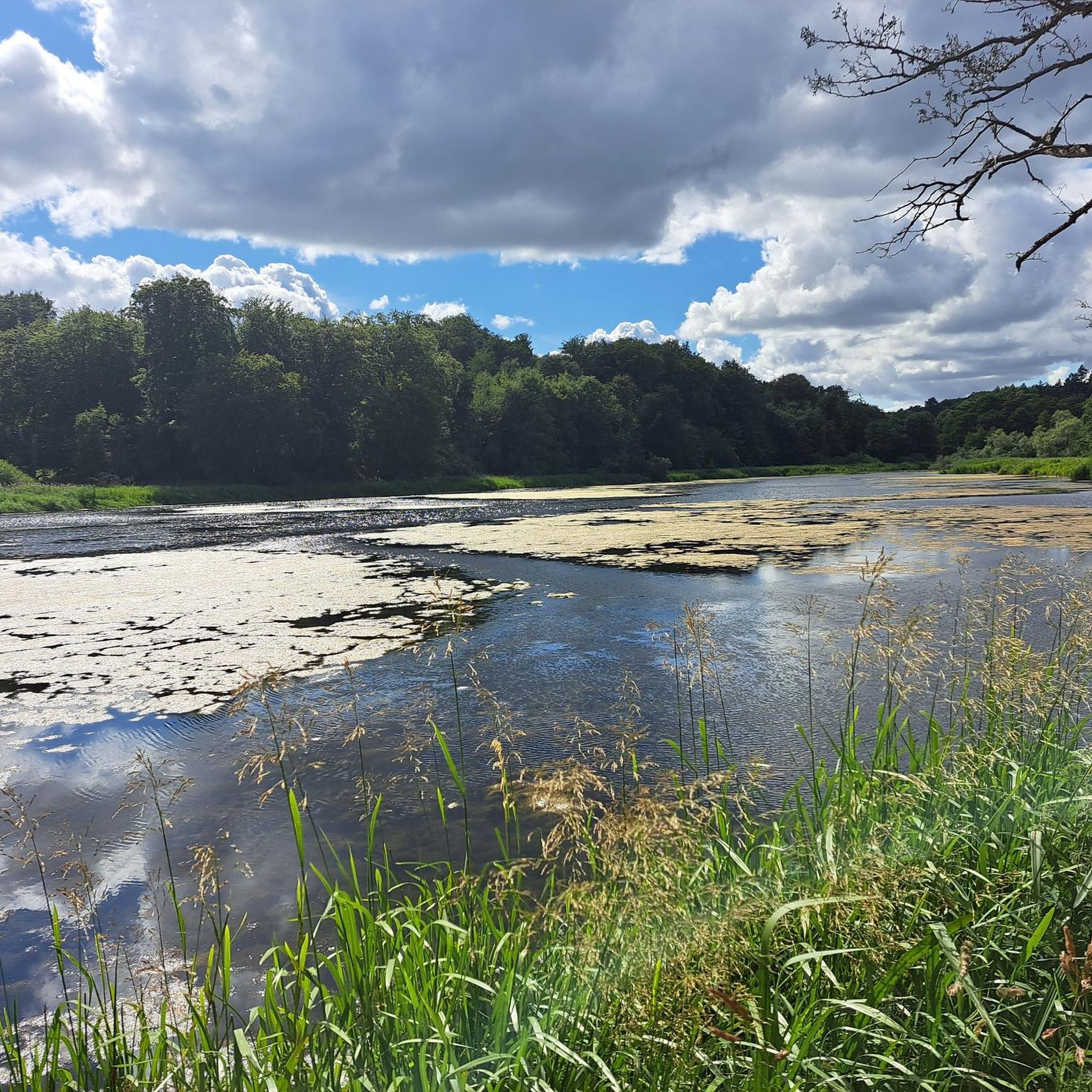
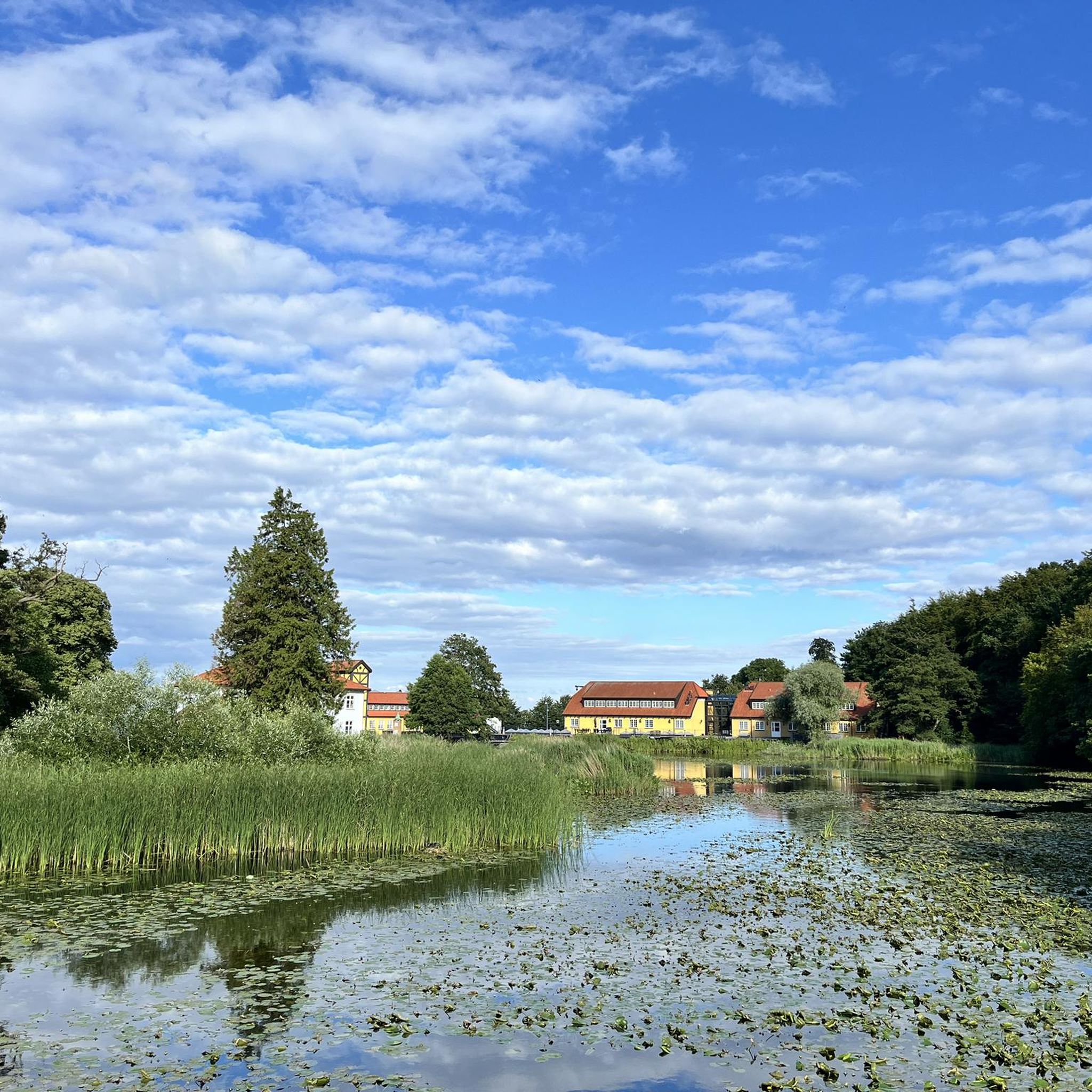
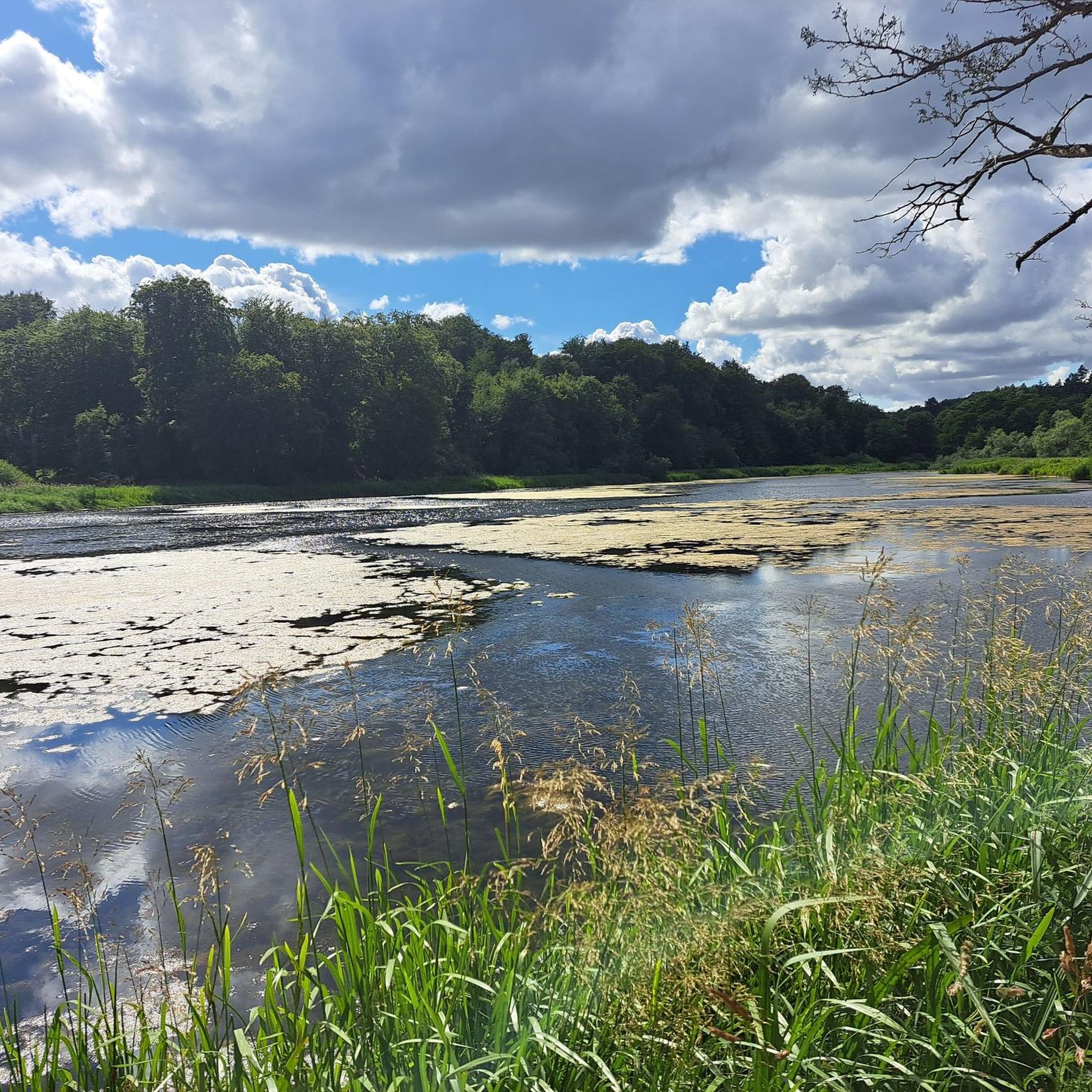
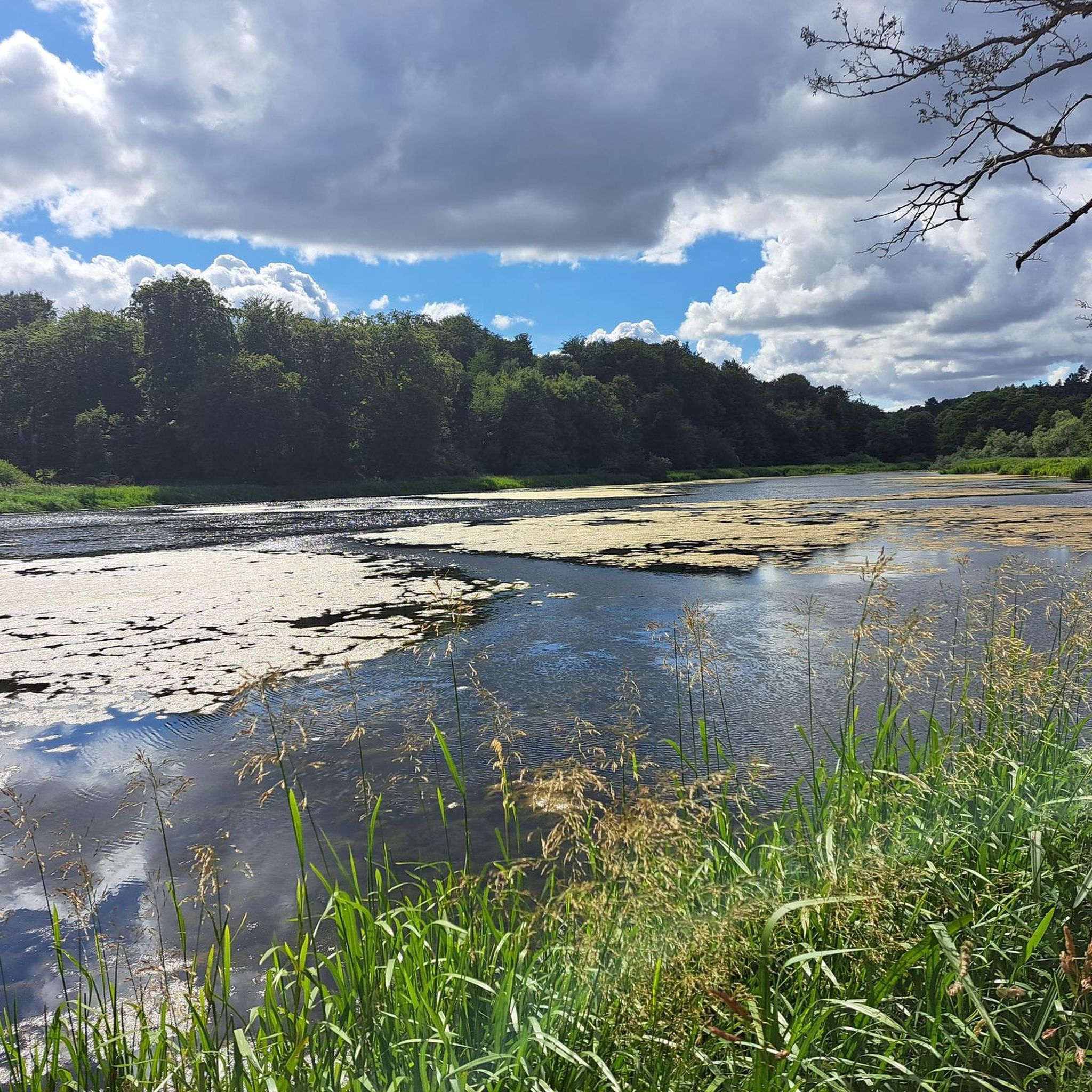
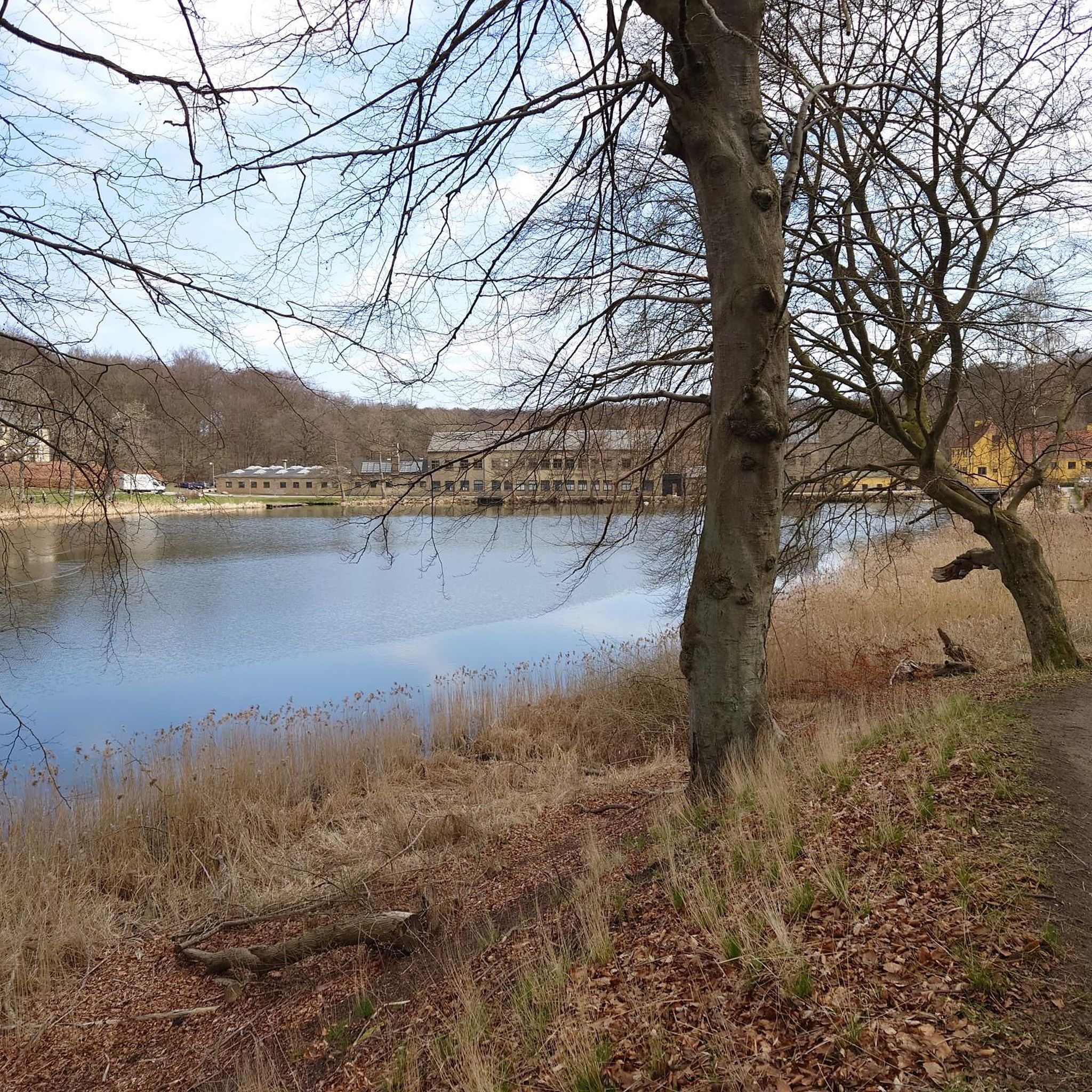
Damhussøen, or Damhussøen, is located in Copenhagen between Vanløse, Rødovre, Roskildevej, and Damhusengen, extending to Jyllingevej in the north. The green space is connected to Grøndalsparken, Krogebjergparken, and Vigerslevparken. The lake covers an area of 46 hectares. The dam in the south, over which Roskildevej is carried, was built in connection with the construction of the road in 1621. The aim was to ensure a stable water level in the lake and a better water supply to Copenhagen via Grøndalsåen and Ladegårdsåen. In 1849, additional dams were built, separating the northern part of the lake, Bagsøen, from the southern part. The Harrestrup Å, which formerly ran through the lake, was diverted into a ditch with dams on each side on the eastern side of the meadow in 1938. At the same time, Bagsøen was drained, creating Damhusengen. The lake and meadow were granted park status in 1941 and have been protected since 1966. The lake is named Damhus Sø after Damhuset, which is actually named after the lake formerly known as Langvaddam or simply Dammen. The area is also known for its inn. The small local amusement park was demolished in 2016.
0
0

Frequently Asked Questions
What are some popular natural monuments in Lyngby-Taarbæk?
Beyond the well-known spots, visitors frequently enjoy the expansive Jægersborg Deer Park, a UNESCO World Heritage site known for its ancient trees and large deer populations. Another favorite is Damhus Lake, offering scenic views and a pleasant environment for a stop. The Rose Garden at Rosenborg Castle also stands out for its beautiful garden setting and historical context.
What is the best time to visit the natural monuments in Lyngby-Taarbæk?
The best time to visit depends on your interests. For spotting deer and enjoying vibrant autumn colors, Jægersborg Deer Park is particularly beautiful in autumn. For water activities like paddling or canoeing on Mølleåen and Furesø, the summer months offer the most vibrant nature and wildlife. Spring also brings fresh greenery and blooming flora across the region's forests and lakesides.
Are there family-friendly natural monuments in Lyngby-Taarbæk?
Yes, many natural monuments in Lyngby-Taarbæk are very family-friendly. Jægersborg Deer Park is excellent for families to walk, run, or cycle, with the added excitement of spotting free-roaming deer. Damhus Lake provides a pleasant setting for a leisurely stroll and a picnic. Lyngby Lake also features a 4.5 km 'Heart Trail' popular with walkers and offers boat rentals for family outings on the water.
What kind of natural features can I expect to see?
Lyngby-Taarbæk boasts diverse natural features. You'll find extensive ancient forests with huge oak and beech trees, wide plains, and subglacial stream channels, particularly in Jægersborg Dyrehave. The region is also defined by its picturesque river systems like Mølleåen and large freshwater lakes such as Furesø and Lyngby Lake, which are home to rich aquatic life and diverse waterfowl.
Are there any historical or cultural sites within these natural monuments?
Yes, the natural monuments are rich in history. Jægersborg Deer Park is a UNESCO World Heritage site, featuring the 18th-century Eremitageslottet royal hunting lodge and around 80 Bronze Age grave mounds. Along Mølleåen, you can explore the historical watermills, which were once the 'cradle of industry' in Denmark, with many dating back to the Middle Ages.
What outdoor activities can I do near these natural monuments?
The area offers a wide range of outdoor activities. You can enjoy road cycling on routes like the 'Vestvolden Bike Path – Skrædderholmen Bridge loop' or explore gravel biking trails such as the 'Frederiksdal Fribad – Three Deer Trail loop'. For runners, there are numerous options, including the 'Lyngby Lake Wooden Bridge – Sophienholm loop'. You can find more details on these and other routes in the Road Cycling Routes in Lyngby-Taarbæk, Running Trails in Lyngby-Taarbæk, and Gravel biking in Lyngby-Taarbæk guides.
Are there good running trails near the natural monuments?
Absolutely. Lyngby-Taarbæk offers excellent running trails. For instance, you can try the 'Lyngby Lake Wooden Bridge – Sophienholm loop' from Sorgenfri, which is a moderate 11.2 km route. There are also shorter loops like the 'Running loop from Lyngby Lokal' (6.7 km) or the 'Running loop from Lyngby-Taarbæk Municipality' (6.5 km). For more options, consult the Running Trails in Lyngby-Taarbæk guide.
Can I bring my dog to the natural monuments?
Generally, dogs are welcome in most natural areas in Lyngby-Taarbæk, but they must be kept on a leash to protect wildlife and ensure the comfort of other visitors. Specific rules may apply in certain protected zones or during particular seasons, so it's always good to check local signage.
What wildlife can I expect to see?
The region is rich in wildlife. In Jægersborg Deer Park, you can observe large populations of red, fallow, and sika deer, totaling around 2100 animals. The lakes, such as Lyngby Lake, are known for their fine fish stock, particularly carp, and support a variety of waterfowl and migratory birds, making them excellent for birdwatching.
Are there accessible natural monuments in Lyngby-Taarbæk?
While specific accessibility details vary, many areas offer relatively flat paths suitable for a wider range of visitors. For example, the paths around Lyngby Lake, including the 'Heart Trail', are generally well-maintained and popular with walkers. The main paths in Jægersborg Deer Park are also often easy to navigate. For detailed accessibility information on specific routes, it's advisable to check individual trail descriptions.
How long should I plan for a visit to the natural monuments?
The duration of your visit can vary greatly depending on the monument and your planned activities. For a leisurely walk around Damhus Lake or Lyngby Lake, an hour or two might suffice. Exploring the vast Jægersborg Deer Park, with its extensive trails and opportunities for deer spotting, could easily fill half a day or more. If you plan to engage in activities like paddling on Mølleåen or Furesø, you might want to dedicate several hours or a full day.
What do visitors enjoy most about the natural monuments in Lyngby-Taarbæk?
Visitors frequently praise the serene beauty and opportunities for active recreation. Many appreciate the chance to spot deer in Jægersborg Deer Park and enjoy its vast, ancient landscapes. The peaceful atmosphere and scenic views around lakes like Damhus Lake are also highly valued for relaxation and pleasant walks. The combination of natural beauty and historical significance, such as the old mills along Mølleåen, adds to the overall appeal.
Most popular routes in Lyngby-Taarbæk
Most popular attractions in Lyngby-Taarbæk

Get inspired with the komoot mobile app


Explore more
Extend your search for the best caves by checking out these guides of the top ones in Lyngby-Taarbæk:
