Top 5 Natural Monuments in Holbæk
Best natural monuments in Holbæk include diverse landscapes shaped by geological history, such as ancient ice age formations and coastal areas. The region features protected natural areas, forests, and significant historical sites recognized for their unique features. These locations offer a range of natural attractions and opportunities for outdoor exploration.
Best natural monuments in Holbæk
- The most popular natural monuments is Tingstedet Long Barrow, a historical site and natural monument that is a long dolmen from the Neolithic period.…
Last updated: June 26, 2026
Tingstedet Long Barrow
Highlight • Historical Site
Translated by Google •
Tip by

The Troll Rock at Egebjerg Beach
Highlight • Natural Monument
Tip by

Sign up now to discover places like this
Get recommendations on the best single tracks, peaks, & plenty of other exciting outdoor places.
Sign up for free
King Øre's Grave Dolmen
Highlight • Historical Site
Tip by
Prinsehøje Burial Mounds
Highlight • Historical Site
Tip by
Torneløkke Passage Grave
Highlight • Historical Site
Translated by Google •
Tip by
Start today with a free account
Your next adventure awaits.
Login or Signup

Tips from the Community

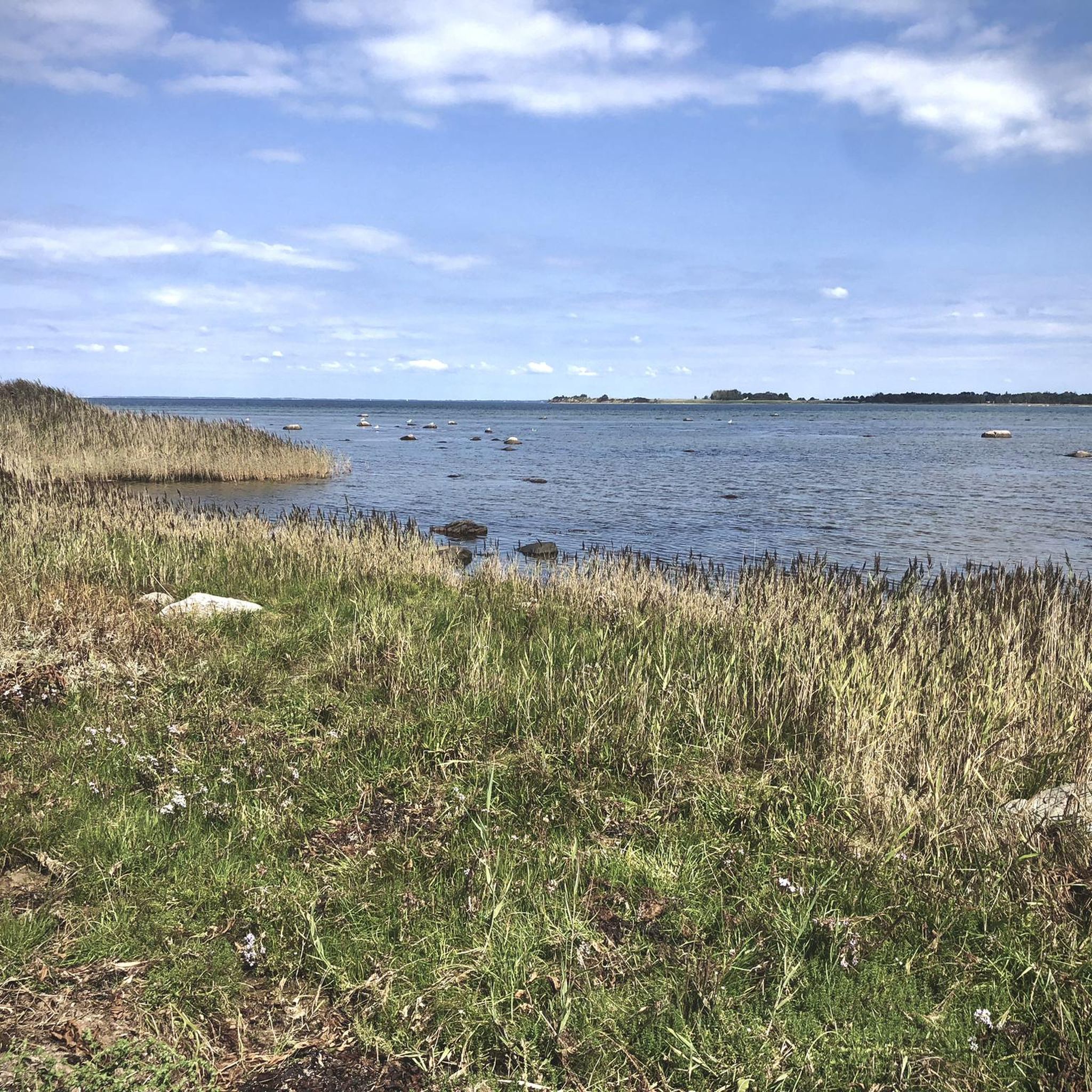
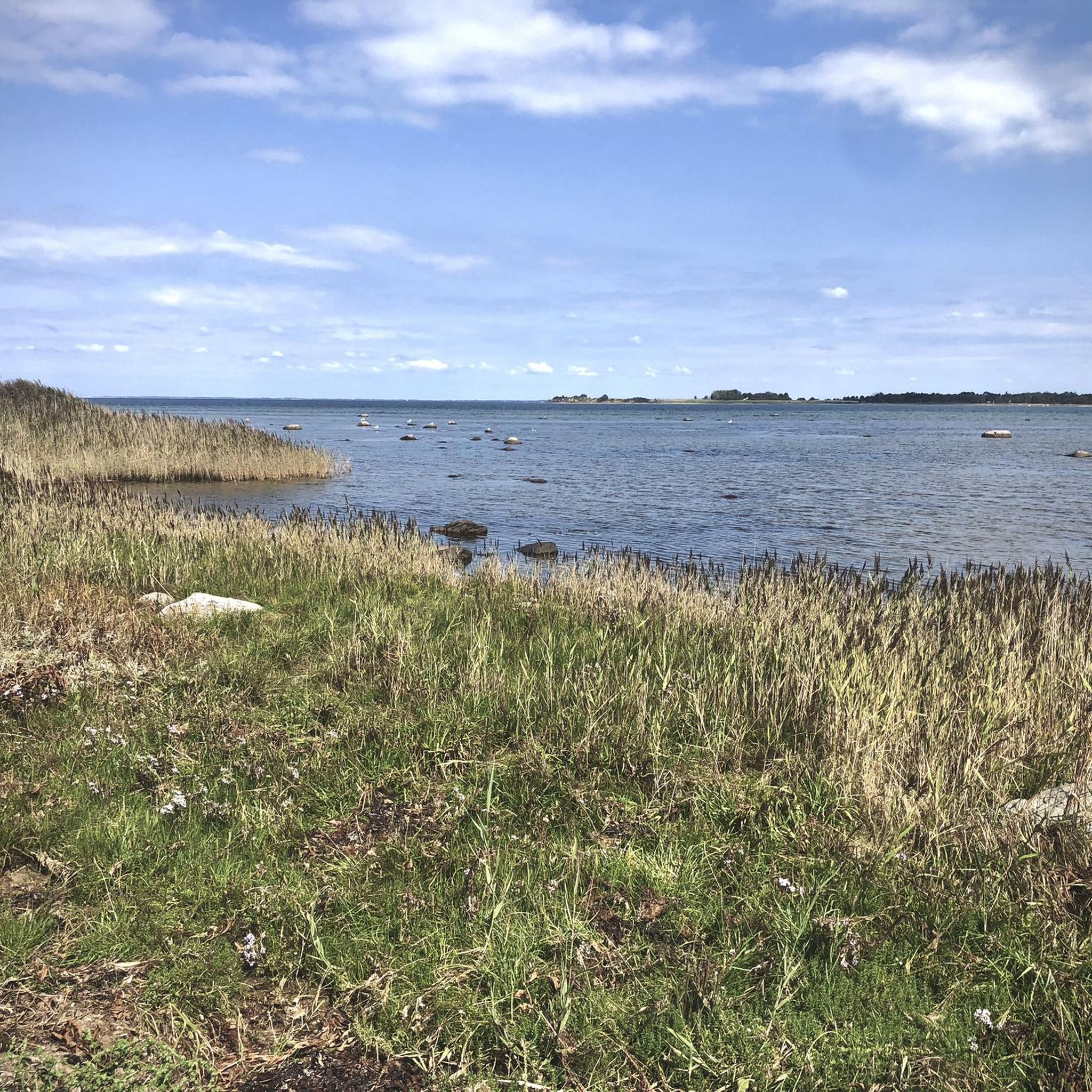
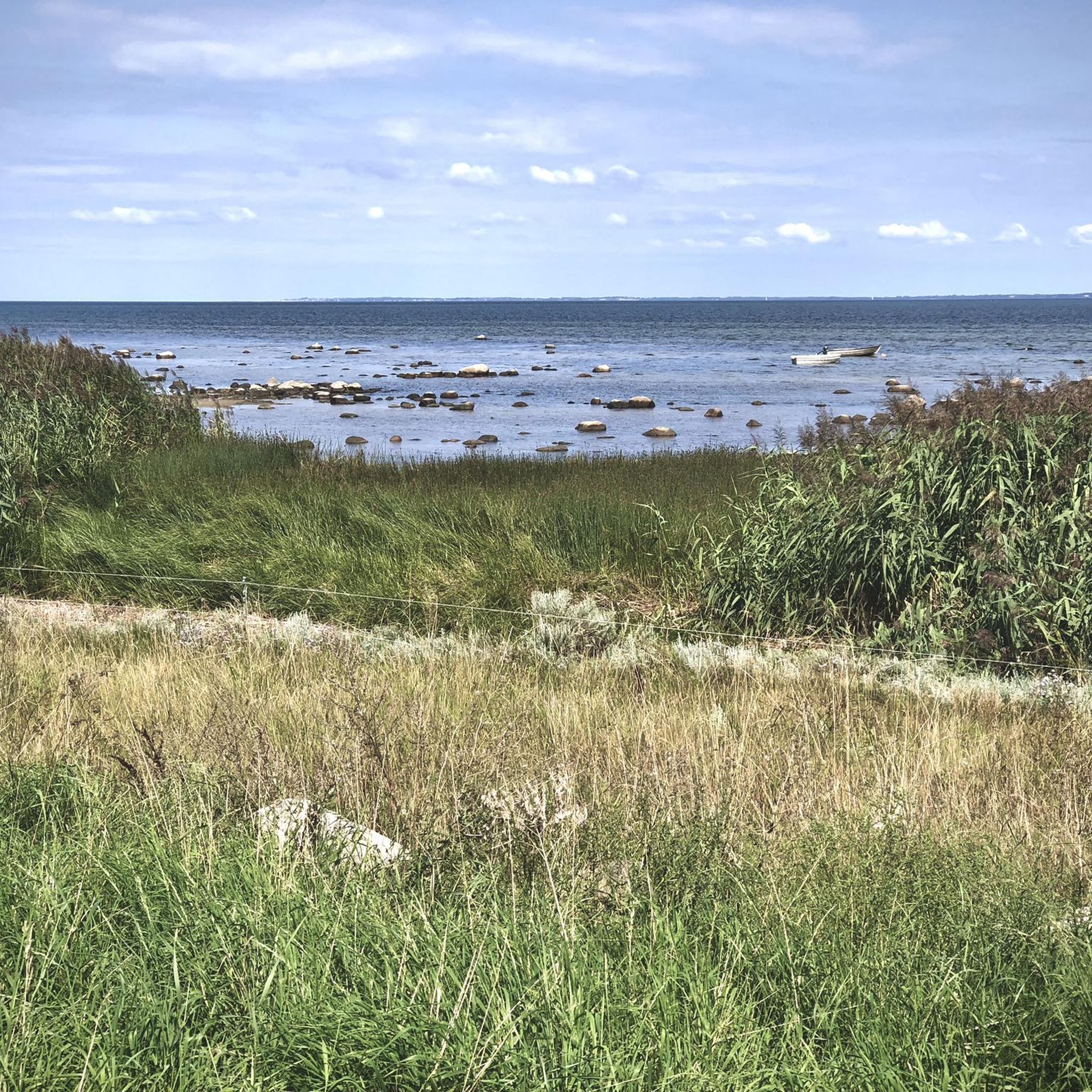
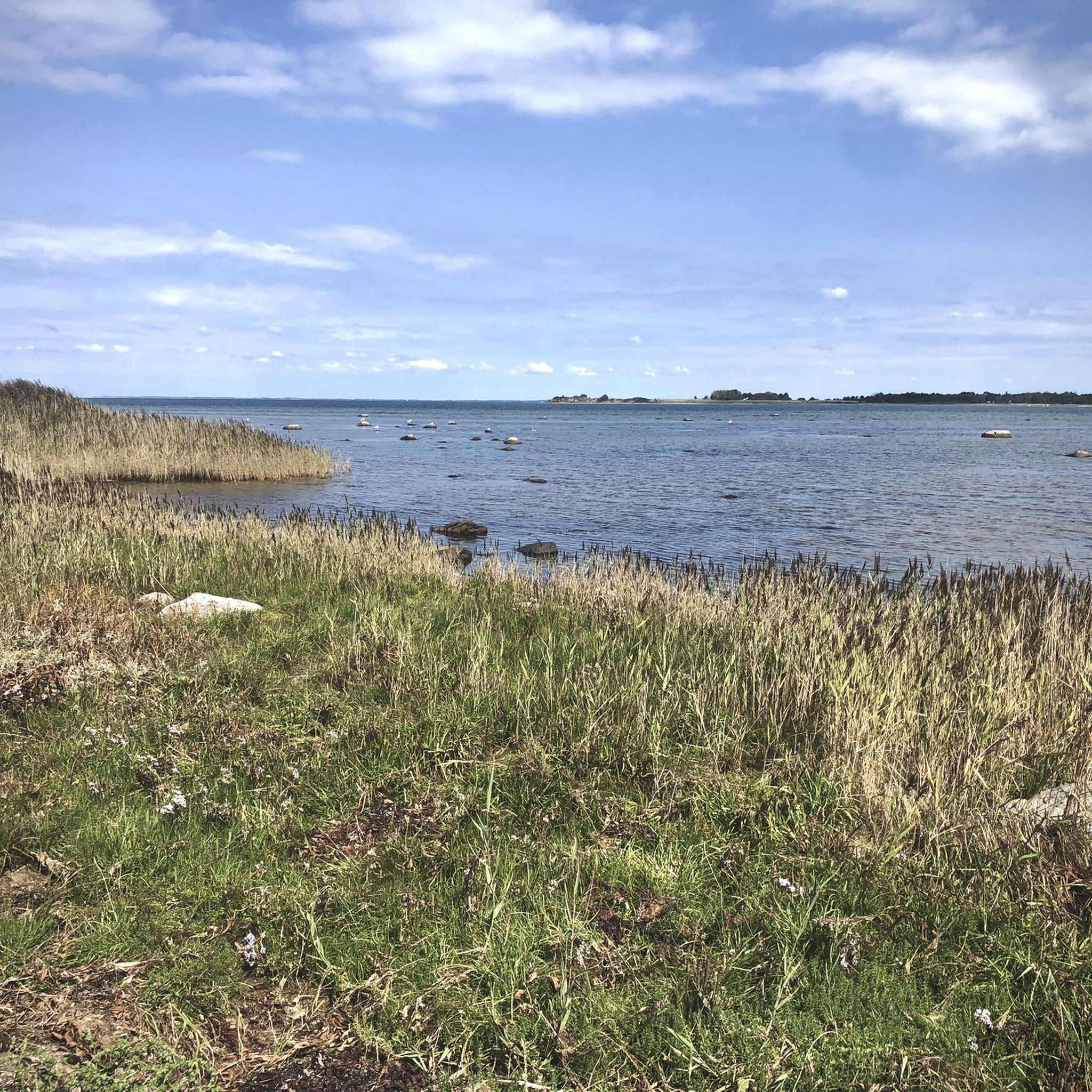
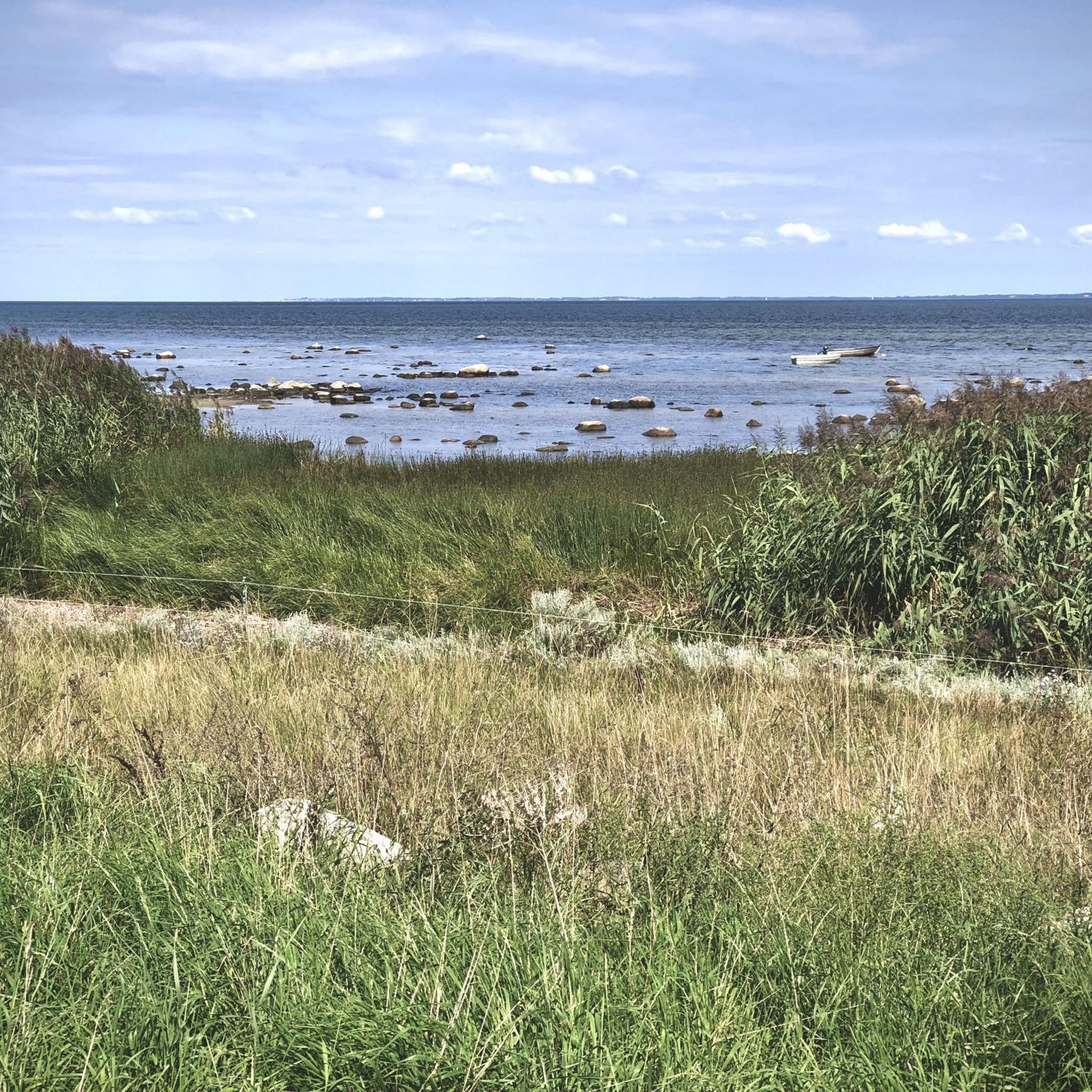
After the Courthouse you will see a large rock out in the water. It is said that it was an angry troll who threw it at the church in Egebjerg. Firewood and timber for Holbæk, Roskilde and Copenhagen were previously shipped from the beach here. It was both faster and cheaper to transport the logs by boat than by road. In addition to the large, beautiful beech trees that grow all the way to the water, this particular place is known for its blue anemones in April.
0
0
The story goes that the legendary King Øre is buried here after he was killed at Kalundborg. According to the legend, he was buried with a gold chain so long that it reached from King Øre's grave to a mound in Stokkebjerg Forest, which is four km from the grave. You have never seen the shadow of the gold chain and the burial mound is from before the time when there were kings in Denmark. The grave is a long dowel that is dated to approx. 3,500 BCE i.e. to the Stone Age. At that time there was no such thing as Kalundborg, and thus hardly any King Øre. The legend has also been associated with the forest's name Kongsøre. Others believe that it is the "King's Islands" - tree-covered hilltops. The name researchers believe that -øre means "gravel beach". The forest was owned by the crown for centuries, and was therefore supposed to be the king's "gravel beach". The mound was restored and got a new capstone in 1937. In one of the southern curbstones you can see bowl marks. Bowl signs are a primitive form of petroglyphs. The bowl signs can be a fertility symbol. On one of the northern stones, a circular mark is carved. However, it is of recent date – made by the Geodetic Institute for use in their surveys.
0
0
Prinsehøje are two burial mounds that lie next to each other. Frederik VII, who was very interested in archaeology, had one mound excavated when he was crown prince. Hence the name Prinsehøje. Unfortunately, we do not know what he found in the grave. The excavated mound dates from the Stone Age, approx. 3,500 BCE In the cover stone you can see 19 bowl signs. These are rock carvings – small depressions which are believed to be symbols of fertility. A narrow passage leads into the dowel chamber on the excavated mound. The western mound is probably from the Early Bronze Age, approx. 1800-1000 BCE An old crooked oak grows here. The oak was protected in 1907. Prinsehøje are two of a total of 55 burial mounds in Kongsøre Forest.
0
0

A little further north along Isefjordstien you come across Tingstedet, which is in fact a long dolmen from the Neolithic. The name suggests that it was once thought that the stone setting was an old courthouse. Part of the dolmen has crashed down the slope and into the fjord.
1
0
From the forest road Gl. Grønlandsvej takes a path up to the left to Torneløkke round dolmen. The round dolmen is from the Peasant Stone Age and is approx. 5,000 years old. It is majestically situated on its hill surrounded by beech trees and is definitely worth a visit. The mound is about 13 meters in diameter. It has been surrounded by a ring of smaller stones and has five supporting stones and a large high-backed deck. In the entrance there are on each side two more stones. The chamber itself is 2x1 meters long. On the inside of the dolmen northwestern supporting stone are six bowl signs - a primitive form of petroglyph that is thought to be a symbol of fertility. Several wheel marks have also been found on the inside of the support stones in the dolmen. They're a little hard to see, but try for yourself!
2
0
Frequently Asked Questions
What unique natural features can I explore in Holbæk?
Holbæk offers a diverse range of natural features, from ancient geological formations to coastal landscapes. You can explore areas like Maglesø, a stunning lake formed in a 'dead ice hole' from the last ice age, surrounded by impressive moraine hills. The region also features coastal natural monuments such as The Troll Rock at Egebjerg Beach, known for its unique rock formation and blue anemones in April, and the protected coastal slopes of Børrehoved on Orø, where you might spot seals.
Are there any historical natural monuments in Holbæk?
Yes, Holbæk is rich in historical natural monuments, often blending ancient human history with natural landscapes. Notable sites include Tingstedet Long Barrow, a Neolithic long dolmen with part of it having crashed into the fjord. You can also visit Prinsehøje Burial Mounds, two ancient mounds within a forest, one from the Stone Age with bowl signs and another from the Early Bronze Age with a protected oak. Another significant site is King Øre's Grave Dolmen, a Stone Age long dolmen featuring ancient bowl marks.
What kind of outdoor activities can I do near Holbæk's natural monuments?
The natural monuments in Holbæk are surrounded by opportunities for various outdoor activities. You can find numerous trails for hiking, cycling, and running. For instance, explore the diverse landscapes of Holbæk Fælled, which offers disc golf, crolf, horse riding, cycling, and dog walking. You can find detailed routes and guides for these activities, such as Hiking in Holbæk, Cycling in Holbæk, and Running Trails in Holbæk.
Are there family-friendly natural monuments or activities in Holbæk?
Many of Holbæk's natural areas are suitable for families. Holbæk Fælled, for example, is a large public natural area with open grasslands and small forests, perfect for walks, cycling, and other recreational activities. The trail around Maglesø is approximately 2 km and offers an accessible way to experience diverse nature. Historical sites like King Øre's Grave Dolmen are also categorized as family-friendly, offering an educational and engaging experience for all ages.
Where can I find scenic viewpoints among the natural monuments?
Holbæk offers several natural monuments with excellent viewpoints. The Troll Rock at Egebjerg Beach is not only a natural monument but also a popular viewpoint overlooking the water. Additionally, Arnolds Bjerg, the highest point on Holbæk Fælled, provides fantastic views over Holbæk city and the surrounding countryside. The moraine hills surrounding Maglesø, locally known as 'The Zealand Alps,' also offer impressive vistas.
What is the best time to visit Holbæk's natural monuments?
The best time to visit Holbæk's natural monuments largely depends on what you wish to experience. Spring, particularly April, is ideal for seeing the blue anemones near The Troll Rock at Egebjerg Beach. Summer offers lush greenery and pleasant weather for hiking and cycling. Autumn brings beautiful fall colors to areas like Holbæk Lystskov and Svinninge Hills. Winter can be serene for quiet walks, especially for birdwatching at Selsø Lake, which hosts large flocks of tufted ducks and coots.
Are there any protected natural areas in Holbæk?
Yes, Holbæk is home to several important protected natural areas. Udby Vig is a protected EU Habitat and Natura 2000 area, recognized for its rich plant and animal communities, including rare orchid species and the Marsh Snail. Holbæk Fælled is a 150-hectare public natural area protected since 2014, undergoing extensive nature management. Selsø Lake is also a 500-hectare conservation area, particularly known for its abundant birdlife.
Can I go birdwatching near Holbæk's natural monuments?
Absolutely. Selsø Lake is a prime location for birdwatching in the Holbæk area. This 500-hectare conservation area is recognized for its abundant birdlife and is best viewed from Selsø Church or a dedicated birdwatching tower. The land bordering the lake is considered among the best in Denmark for waterfowl, with several species breeding there and large flocks present in winter.
What kind of geological formations can be found in Holbæk?
Holbæk's landscape is significantly shaped by its geological history, particularly from the last ice age. Maglesø is a prime example, situated in a deep 'dead ice hole' surrounded by impressive moraine hills known as 'The Zealand Alps.' The region also features ancient burial mounds and dolmens like Torneløkke Passage Grave, which are natural monuments showcasing the area's long geological and human history.
Are there forests to explore near Holbæk's natural monuments?
Yes, Holbæk offers beautiful forest areas for exploration. Holbæk Lystskov, a 1,000-hectare forest, is a short drive from the city center and features diverse landscapes with lush greenery and winding trails. The Svinninge Hills also boast dense forests. Additionally, Prinsehøje Burial Mounds are located within a forest, offering a blend of natural beauty and historical intrigue.
Is it possible to find parking at Holbæk's natural monuments?
While specific parking details for every single natural monument are not always available, most public natural areas and popular sites in Holbæk, such as Holbæk Fælled and areas around Maglesø, typically offer designated parking facilities or roadside parking options. It is advisable to check local signage upon arrival or consult specific route information for the most accurate parking guidance.
What makes Udby Vig a significant natural monument?
Udby Vig is a significant natural monument because it is a protected EU Habitat and Natura 2000 area. Established in 1998, it safeguards unique natural, botanical, geological, and landscape values. This shallow bay is particularly rich in plant and animal communities, notably hosting Denmark's most numerous population of the red-listed orchid species *Langakset Trådspore* and the rare *Hvidgul Gøgeurt* orchid, along with the rare Marsh Snail.
Most popular attractions in Holbæk

Get inspired with the komoot mobile app


Explore more
Extend your search for the best caves by checking out these guides of the top ones in Holbæk:
