Top 20 Natural Monuments in Vordingborg
Natural monuments in Vordingborg Municipality feature diverse landscapes, from dramatic chalk cliffs to tranquil coastal ecosystems. This region, located in southeastern Zealand, offers a variety of natural attractions shaped by geological history and coastal processes. The area includes significant sites recognized for their ecological importance and unique natural features. Vordingborg's natural environment provides opportunities to observe diverse habitats and geological formations.
Best natural monuments in Vordingborg
- The most popular natural monuments is Møns Klint, a natural monument featuring towering snow-white chalk cliffs. It offers unique views of the cliffs and includes Denmark's longest staircase with 497 steps leading down to the beach.
- Another must-see spot is Liselund Castle Park, a beautifully landscaped castle park. This romantic pleasure garden from the 18th century is nestled between the cliffs high above the Baltic Sea.
- Visitors also love Kong Asgers Høj Burial Mound, a historical site and natural monument. This gang tomb, dating back more than 4000 years, is the largest of its kind in Denmark and features an 8-meter long passage leading to a 10-meter long burial chamber.
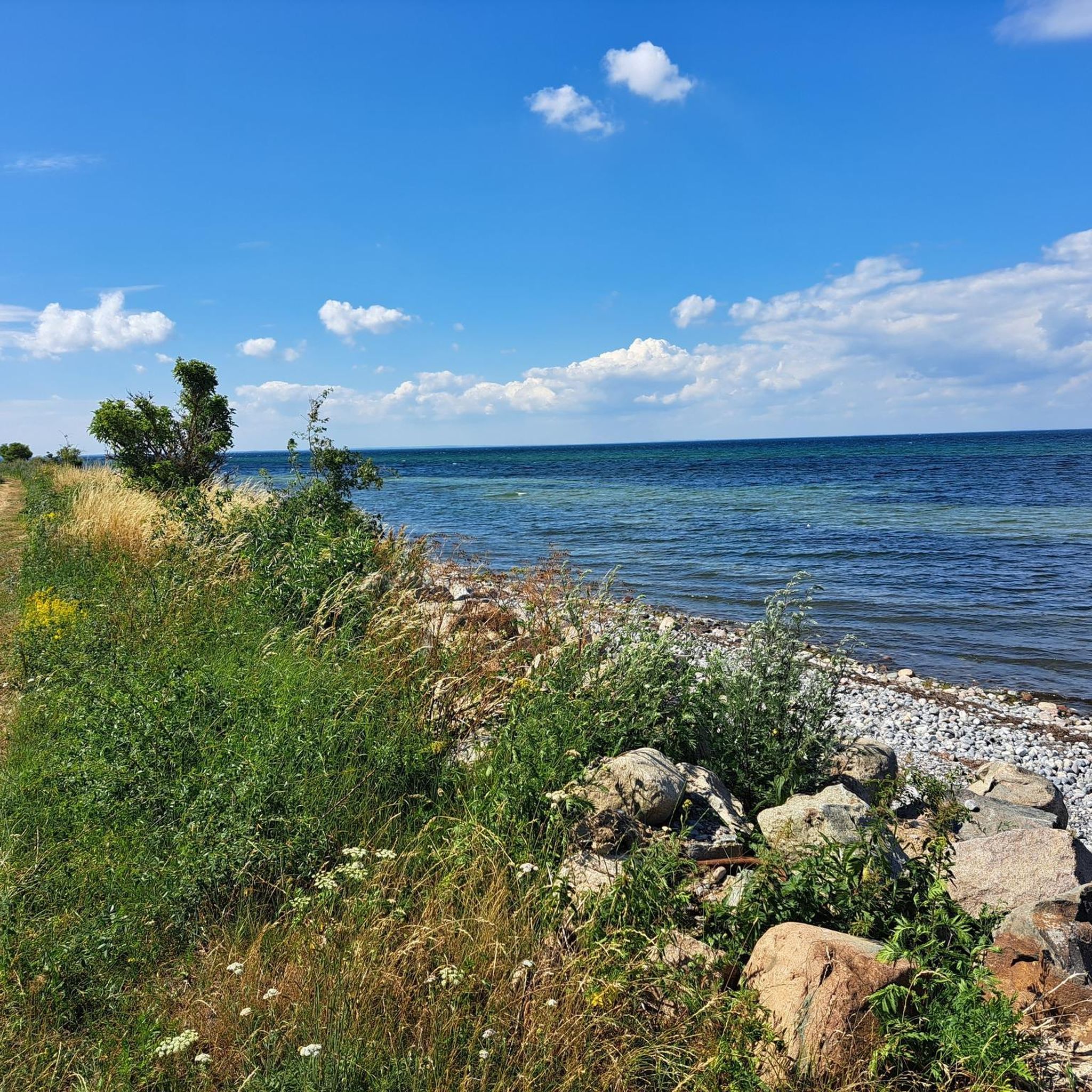
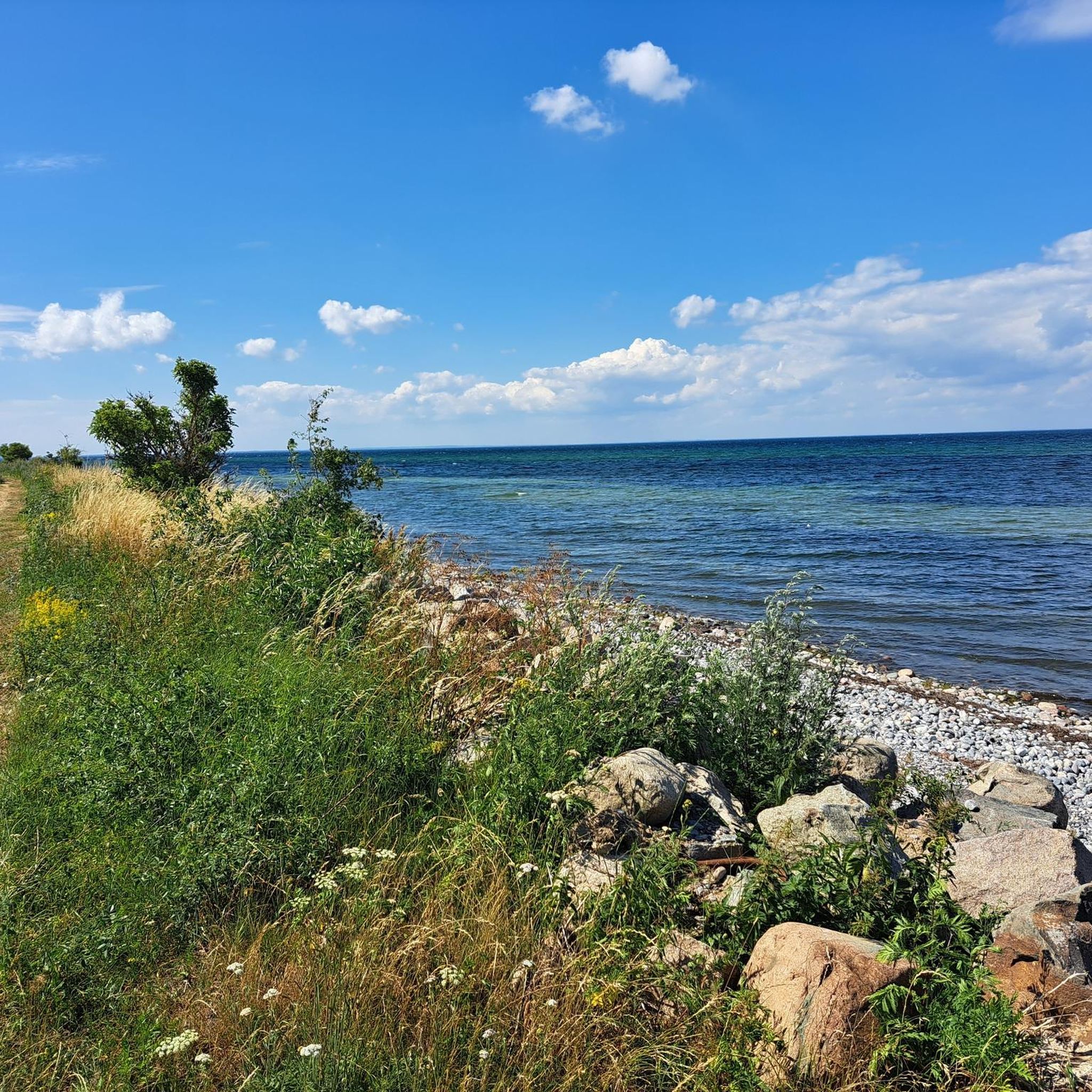
- Vordingborg is known for its chalk cliffs, fjords, and peninsulas. The region offers a variety of natural monuments to see and explore, including coastal areas, forests, and historical sites integrated into the landscape.
- The natural monuments in Vordingborg are appreciated by the komoot community, with more than 610 upvotes and over 500 photos shared across 40 highlights.
Last updated: May 14, 2026
Møns Klint
Highlight • Natural Monument
Translated by Google •
Tip by

Staircase to the Møns Klint cliffs
Highlight • Structure
Translated by Google •
Tip by

Sign up now to discover places like this
Get recommendations on the best single tracks, peaks, & plenty of other exciting outdoor places.
Sign up for free
Liselund Castle Park
Highlight • Castle
Translated by Google •
Tip by

GeoCenter Møns Klint
Highlight • Rest Area
Translated by Google •
Tip by
Queen's Chair (Dronningestolen) Chalk Cliffs
Highlight • Natural Monument
The pictures and travel notes by painters such as Caspar David Friedrich and Hans Christian Andersen make this transformation clear, because in their times the so-called summer peak was still the symbol of the island. Meanwhile the chalk cliff collapsed and now the Dronningestolen (the Queen's Chair) is the largest chalk cliff.
daenemark.citysam.de/mon.htm
Translated by Google •
Tip by
Sign up for free to discover even more natural monuments in Vordingborg.
Sign up for free
Already have an account?
Start today with a free account
Your next adventure awaits.
Login or Signup
Popular around Vordingborg



Tips from the Community

Be sure to climb down to the beach. The view of the rocks is breathtaking.
0
0
Once you're there, you have to climb down. Spectacular views of the mighty rock face from below! NOTE: The stairs, approximately 1 km to the north, are NOT accessible (as of October 2025).
0
0
Spectacular views from above and below. A top natural spectacle.
0
0

Here you are not often alone… bumpy you could also call it
5
0

It's beautiful here. Definitely worth a visit!
1
0

Frequently Asked Questions
What are some of the most popular natural monuments to visit in Vordingborg Municipality?
Vordingborg Municipality is home to several highly-rated natural monuments. Visitors particularly enjoy the dramatic Møns Klint, known for its towering chalk cliffs. Another favorite is Liselund Castle Park, a beautifully landscaped pleasure garden nestled above the Baltic Sea. The historical Kong Asgers Høj Burial Mound, a 4000-year-old gang tomb, also draws significant interest.
Are there family-friendly natural monuments in Vordingborg?
Yes, several natural monuments in Vordingborg are suitable for families. Liselund Castle Park offers a pleasant environment for walks, and the GeoCenter Møns Klint near Møns Klint has interactive exhibits and a playground. Knudshoved Odde also features a child-friendly beach with shallow waters, perfect for families.
What kind of unique natural features can I expect to see in Vordingborg's natural monuments?
Vordingborg's natural monuments showcase diverse features. At Møns Klint, you'll find towering white chalk cliffs, 70-million-year-old fossils, and a unique ecosystem with wild orchids. Feddet Peninsula boasts expansive sandy beaches, coastal dune heathland, and lush woodlands. Dybsø Fjord is a shallow fjord vital for birdlife, while Knudshoved Odde features wild grasslands, ancient trees, and beach ridges, supporting rare amphibians and reptiles.
What is the best time of year to visit the natural monuments in Vordingborg?
The best time to visit is generally from spring to early autumn (April to October) when the weather is mild and nature is in full bloom. This period is ideal for hiking, wildlife spotting, and enjoying the beaches. For specific wildlife, like listening for the European fire-bellied toad at Knudshoved Odde, May and June are recommended. Møns Klint is also Scandinavia's first Dark Sky Park, offering unparalleled stargazing opportunities year-round, especially on clear nights.
What outdoor activities can I do near these natural monuments?
The region offers a wide range of outdoor activities. Near Møns Klint, you can enjoy hiking along cliff-top trails and descending to the beach for fossil hunting. Feddet Peninsula is excellent for hiking, cycling, horseback riding, kayaking, and birdwatching. Dybsø Fjord is a prime spot for birdwatching. For more detailed routes, you can explore options like the 'Klintekongens Rige' hiking trail or various running and MTB trails in the area. Find more inspiration for hiking, running, and MTB trails in Vordingborg.
Are there opportunities for wildlife spotting at Vordingborg's natural monuments?
Yes, Vordingborg's natural monuments are rich in wildlife. Feddet Peninsula is an ornithologist's paradise with over 200 bird species, including sea eagles. Dybsø Fjord is an international bird protection area, vital for large flocks of ducks and wading birds, and also hosts rare species like the natterjack toad. Knudshoved Odde is home to rare amphibians, reptiles, and birds, with seals often seen along the coast. Møns Klint is a habitat for rare peregrine falcons.
What are the hiking conditions like at Møns Klint?
Hiking at Møns Klint offers varied conditions. You can walk along cliff-top trails, which provide spectacular views. To reach the beach, you'll descend numerous steps, such as the 497 steps at Maglevandstrappen near GeoCenter Møns Klint. The beach itself consists of coarse stones. Some trails can be challenging, but there are also easier options like the 'Møns Klint loop from GeoCenter Møns Klint' which is an easy 4.8 km route. Be aware that parts of the cliff and stairs can be affected by weather, so check local conditions.
Where can I find historical or cultural sites integrated with the natural landscape?
The region beautifully integrates history with nature. Kong Asgers Høj Burial Mound is a significant historical site, a 4000-year-old gang tomb located within the natural landscape. Liselund Castle Park, an 18th-century romantic pleasure garden, is another example, nestled between the cliffs high above the Baltic Sea.
Is there parking available at the major natural monuments?
Yes, parking is generally available at the major natural monuments. For instance, Møns Klint has a paid parking lot near the GeoCenter. Liselund Castle Park also offers parking facilities. It's always advisable to check specific location details for any potential fees or restrictions.
What makes Dybsø Fjord an important natural area?
Dybsø Fjord is recognized as a Ramsar area, a Habitat area, and an international bird protection area under Natura 2000 plans. Its shallow, clean waters and sandy banks serve as a vital feeding ground for large flocks of ducks and wading birds. The islands and coastlines within the fjord are protected, with restricted access in certain areas during breeding seasons to safeguard the abundant birdlife, including frequently seen sea eagles.
What is unique about Knudshoved Odde?
Knudshoved Odde is a slender, 15-kilometer-long peninsula celebrated for its exceptional biodiversity, boasting over 15 different natural habitat types. These include wild grasslands, ancient trees, beach ridges, and dunes. It's a crucial habitat for rare amphibians, reptiles, and birds, such as the European fire-bellied toad, and seals can be spotted along its coast. Exmoor ponies and Galloway cattle graze in certain areas, contributing to landscape maintenance, and the outermost tip has been protected since 1952.
Can I find accommodation or amenities near the natural monuments?
While the natural monuments themselves are focused on preserving nature, you can find amenities and accommodation in nearby towns and villages. For example, near Møns Klint, there is the GeoCenter with a shop and exhibition, and the nearby town of Klintholm offers various services. Feddet Peninsula also has camping facilities and other amenities in its vicinity.
Most popular routes in Vordingborg
Most popular attractions in Vordingborg

Get inspired with the komoot mobile app


Explore more
Extend your search for the best caves by checking out these guides of the top ones in Vordingborg:
