Top 12 Natural Monuments in Holstebro
Best natural monuments in Holstebro are found in West Jutland, Denmark, characterized by diverse natural landscapes. The region encompasses coastal dunes, extensive plantations, and unique glacial formations from the last ice age. These areas provide opportunities to explore varied ecosystems, scenic views, and historical contexts. Visitors can find a range of natural features, from the North Sea coast to inland lakes and forests.
Best natural monuments in Holstebro
- The most popular natural monuments is View from Marens Maw dune,…
Last updated: May 14, 2026
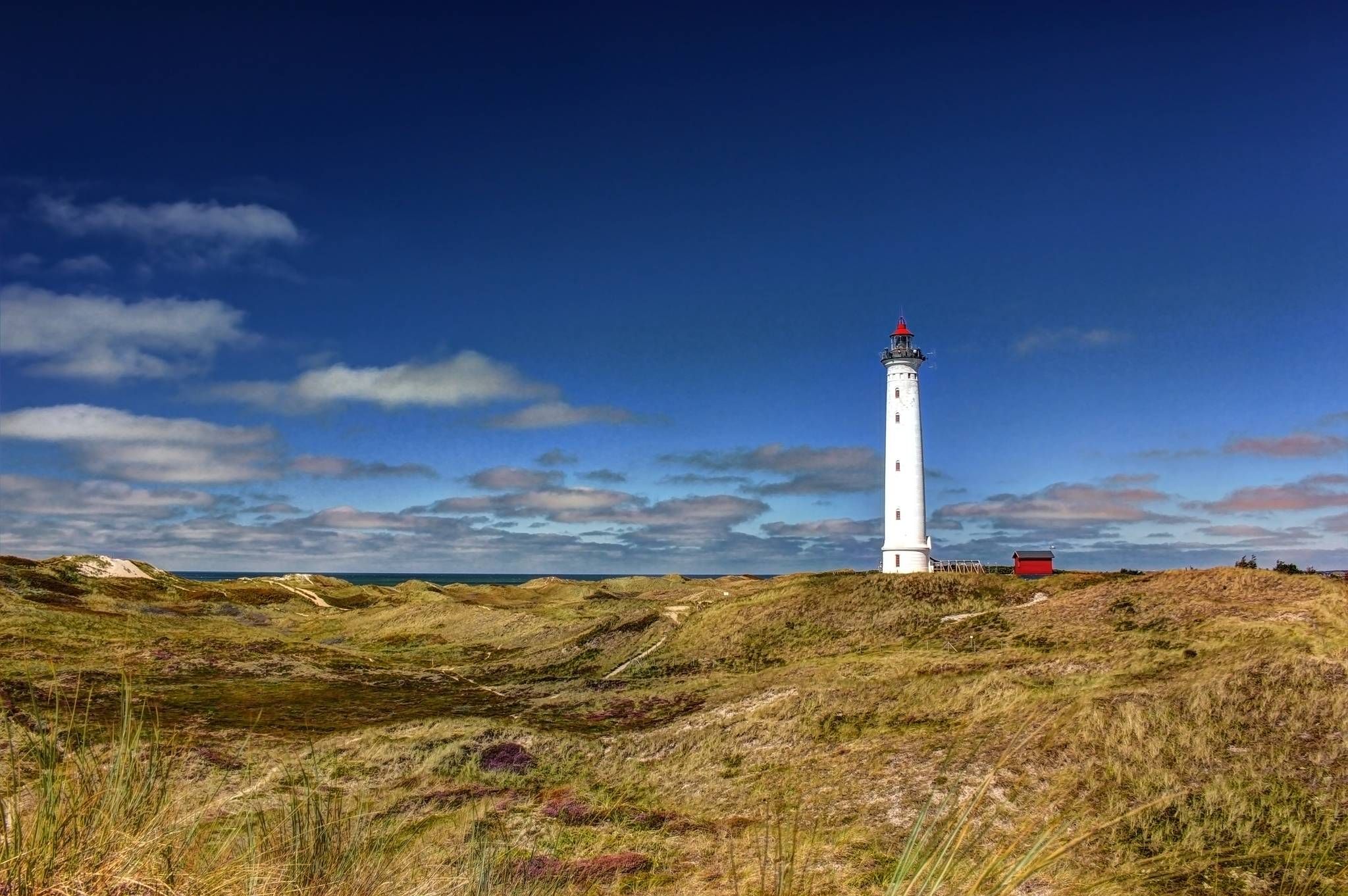
Nøgenbjerg Dune, Husby Dune Plantation
Highlight • Natural Monument
Translated by Google •
Tip by

Græm Beach
Highlight • Beach
Translated by Google •
Tip by

Sign up now to discover places like this
Get recommendations on the best single tracks, peaks, & plenty of other exciting outdoor places.
Sign up for free
Husby Sea Mark
Highlight • Monument
Translated by Google •
Tip by

View from Marens Maw dune
Highlight • Viewpoint
Translated by Google •
Tip by

Hareflod Lake
Highlight • Lake
Translated by Google •
Tip by

Sign up for free to discover even more natural monuments in Holstebro.
Sign up for free
Already have an account?
Start today with a free account
Your next adventure awaits.
Login or Signup

Other adventures in Holstebro

Tips from the Community

11 historically remarkable sea marks along the Danish North Sea coast Sea marks or beacons along the west coast of Jutland are tall, sculptural, three-legged wooden structures dating from 1884-85 and are part of a whole system of beacons that the coastal protection authorities of the time set up to improve maritime safety. Of the original 23 sea marks, the remaining 11 beacons in Gl. Skagen, Løkken, Vigsø, Thorup, Stenbjerg, Vedersø Klit, Husby Klit, Årgab, Havrvig, Kærgård and Ringebjerge were listed as monuments by the Nature Agency in 1997. The beacons are up to 12 meters high and the top part can be a circle, triangle, square or other easily recognizable figure. All beacons were marked as locations on the nautical charts so that the ship's captains could determine the exact position of the ship. Today, the beacons no longer have any function for seafaring, but together with the rescue stations they are seen as cultural, historical and architectural landmarks in the West Jutland coastal landscape. The term "Bake" or "Bavn" comes from the Middle Ages and was the name for a pile of wood that was lit as a signal fire on a hill. (Source: https://www.visitvesterhavet.de/nordsee/nordseeurlaub/schifffahrtszeichen-bei-husby-gdk1122772)
1
0

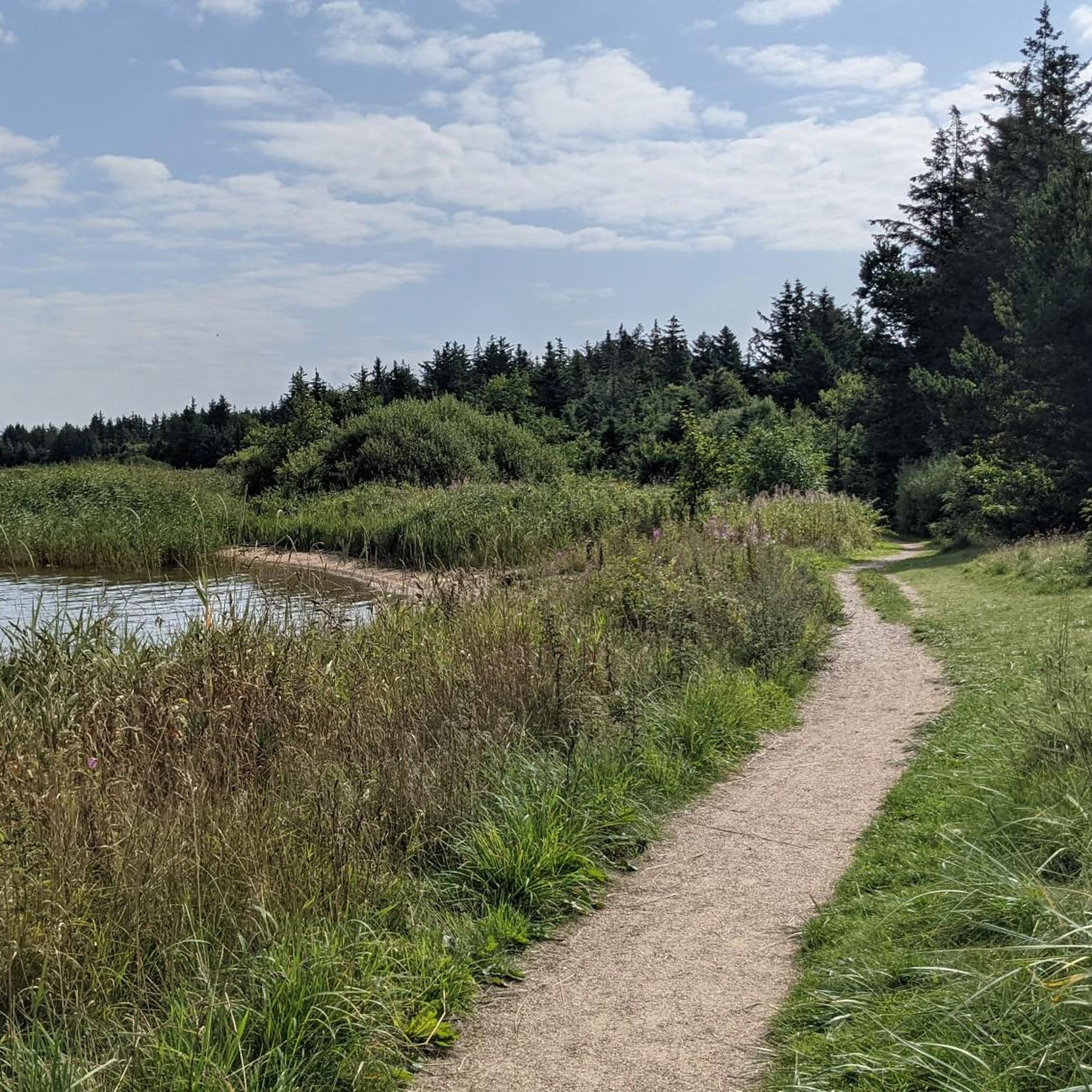
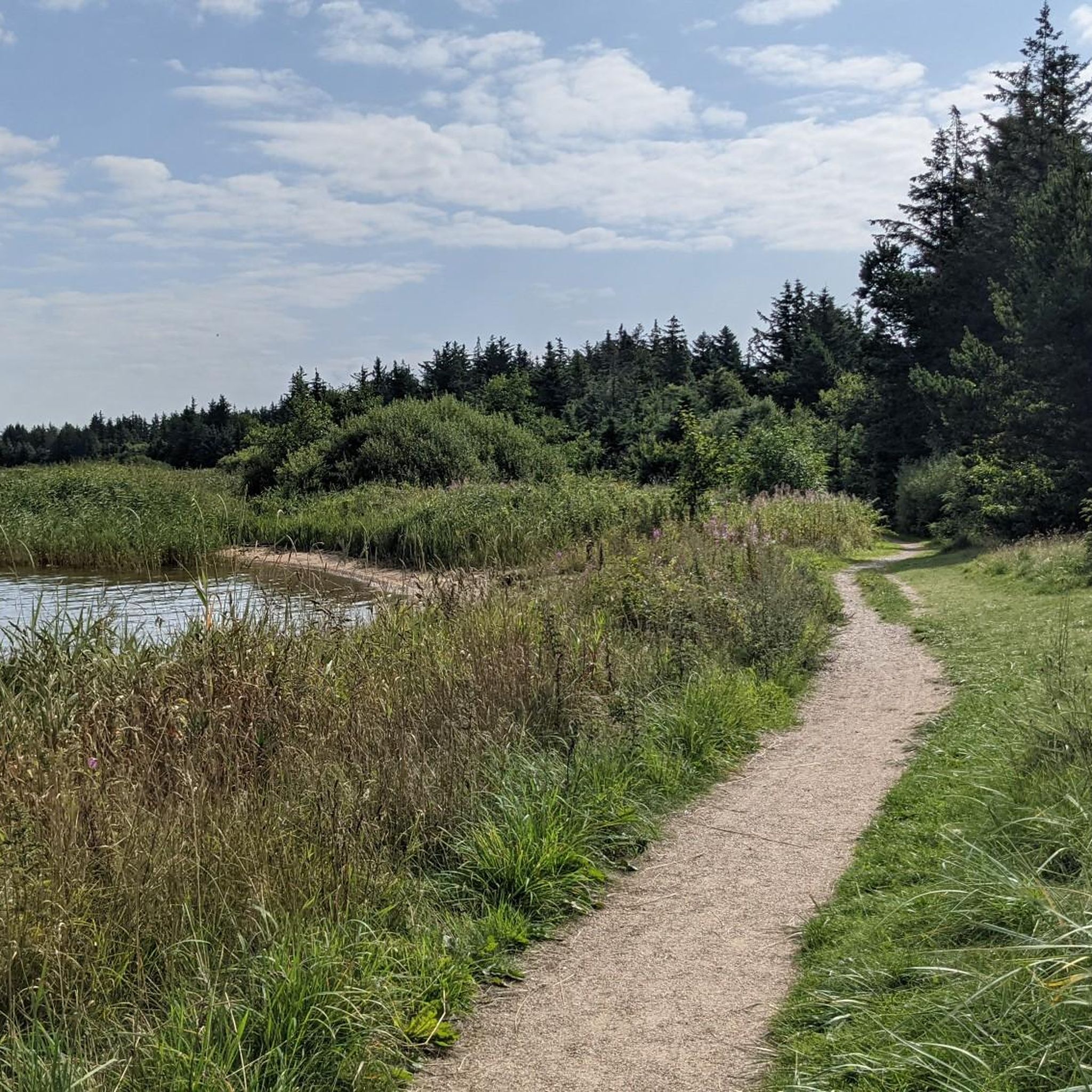
A small trail leads from the main path to the lake.
3
0

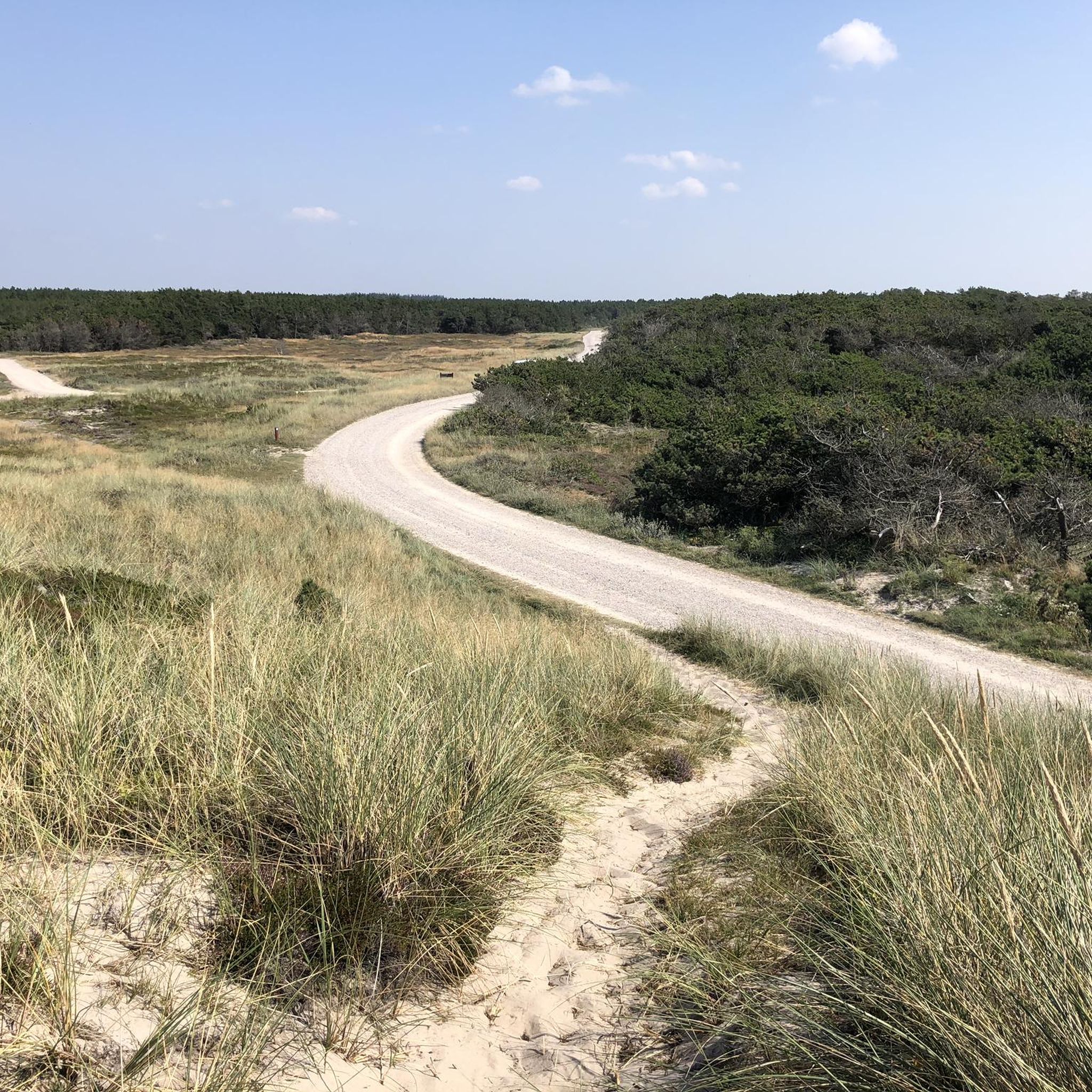
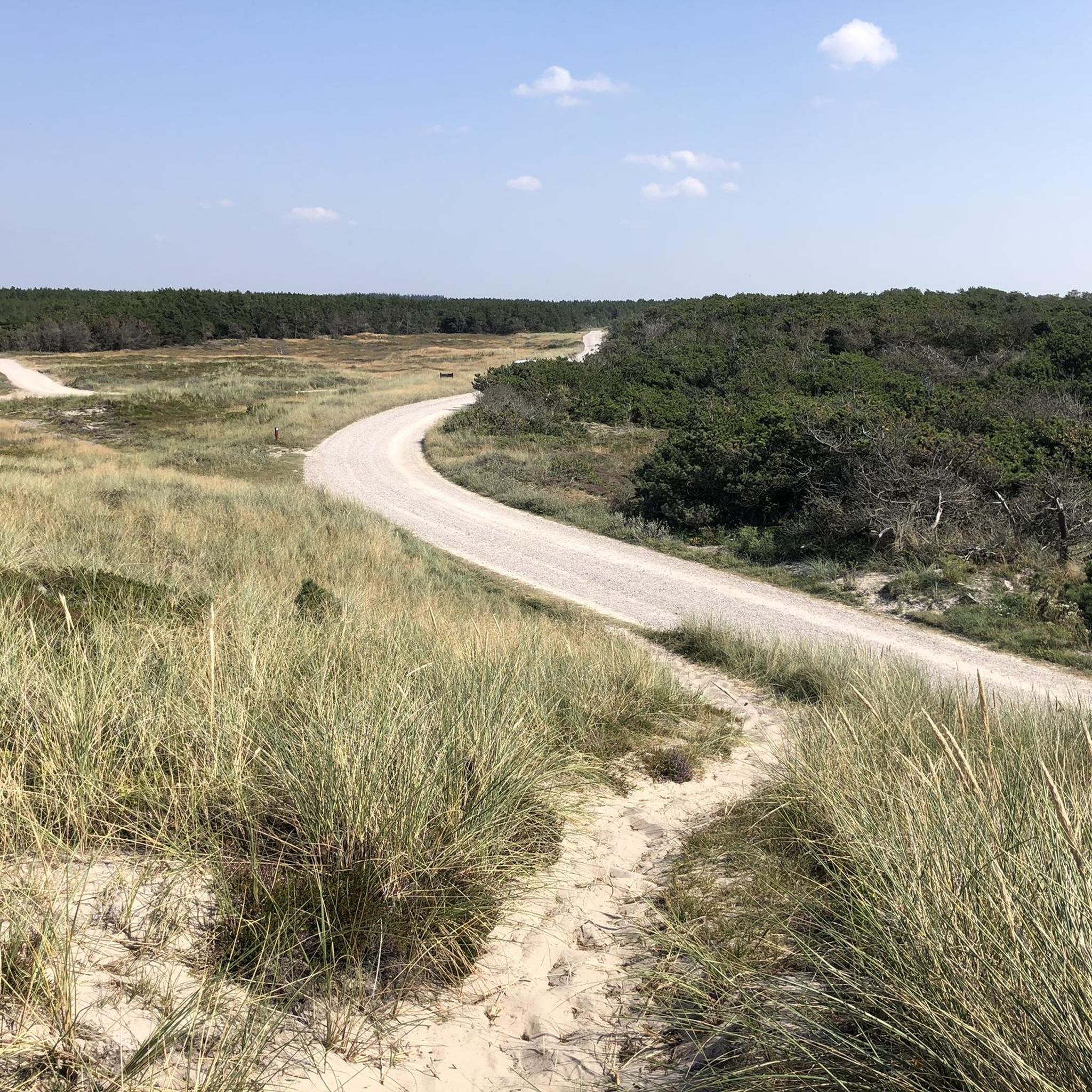
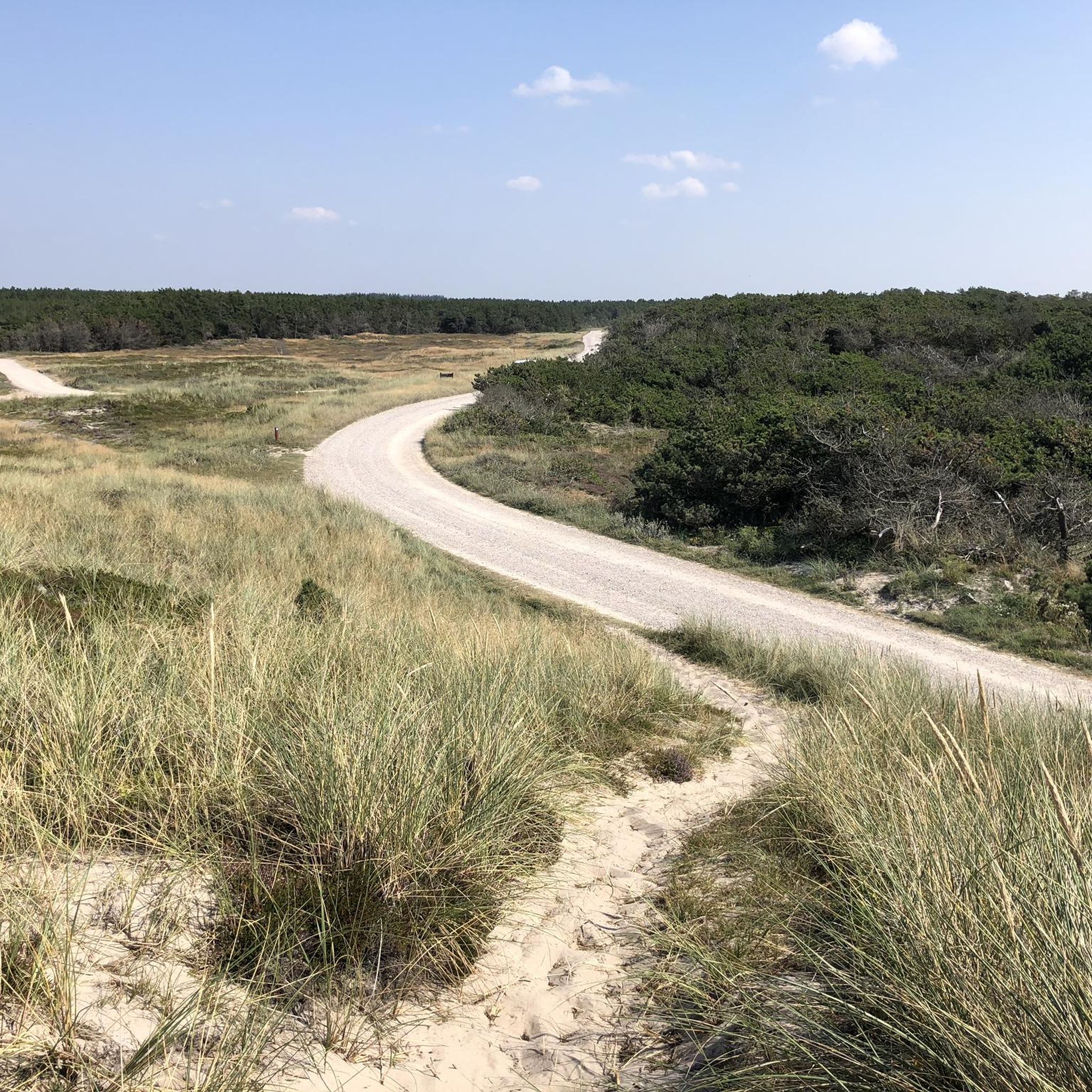
Winding paths through the impressive dune landscape, with great views of the North Sea.
2
1
The beach offers special experiences in all seasons.
1
0

Beacons on the dune, great view from up there.
2
0
Parking at the beach access, with rest areas and a toilet is also available.
2
1
Good view of the beach and dunes.
1
0

In the south-western part of Husby Klitplantage lies the Nøgenbjerg dune formation, a popular lookout point. From the summit you can see the southern part of the large parabolic dune of the dune plantation and the extensive mountain pine areas in the area. At night, Nøgenbjerg is a good place to watch the starry sky as there is no other light in the way. https://de.naturstyrelsen.dk/naturerlebnisse/natur-guide/husby-klitplantage/sehenswuerdheiten/#3
1
2
Frequently Asked Questions
What are some of the most popular natural monuments in Holstebro?
Among the most popular natural monuments in Holstebro, visitors highly recommend the View from Marens Maw dune for its beautiful vistas over the North Sea and Nissum Fjord. Another favorite is Nøgenbjerg Dune, known for its impressive size and winding paths offering great views of the North Sea. Græm Beach is also a popular spot for its light sand and opportunities for walks along the coast.
Are there family-friendly natural monuments in Holstebro?
Yes, Holstebro offers several family-friendly natural monuments. Græm Beach is ideal for families, offering soft sand for play and walks. Within the Husby Dune Plantation, Skavemosen Lake is a shallow swimming spot with barbecue areas, perfect for a family day out. Holstebro Park, while urban, provides a peaceful green space with paths and a lake for feeding ducks, suitable for all generations.
What kind of natural features can I expect to see in Holstebro's natural monuments?
Holstebro's natural monuments showcase a diverse range of features. You'll find extensive dune landscapes, heathlands, and forests at Husby Dune Plantation, including unique parabolic dune formations like Marens Maw. The region also features serene lakes such as Skavemosen Lake and Hareflod Lake. Sir Lyngbjerg Plantage offers a distinct glacial landscape with steep hills and gorges, remnants of the last ice age.
Are there any historical or cultural sites within the natural monuments?
Yes, some natural monuments in Holstebro also hold historical and cultural significance. Sir Lyngbjerg Plantage is a prime example, being a ridge moraine formed during the last ice age and a site for popular gatherings since the 1860s, with several monuments dedicated to historical events. Additionally, Husby Sea Mark, located on the dunes, is a historical man-made monument that once guided ships.
What outdoor activities can I do near these natural monuments?
The natural monuments in Holstebro are excellent for various outdoor activities. Husby Dune Plantation offers marked trails for hiking, biking, horseback riding, and running. Sir Lyngbjerg Plantage also has marked hiking and exercise routes. For more specific routes, you can explore options like cycling tours in the area, mountain biking trails, or dedicated running trails. Find more details on these activities in the Cycling in Holstebro, MTB Trails in Holstebro, and Running Trails in Holstebro guides.
What is the best time to visit the natural monuments in Holstebro?
The best time to visit Holstebro's natural monuments largely depends on your preferred activities. Summer offers pleasant weather for swimming at Skavemosen Lake and enjoying the beaches. Spring and autumn provide comfortable temperatures for hiking and cycling, with beautiful seasonal colors in the plantations. Even in winter, places like the View from Marens Maw dune can offer a unique, tranquil experience, often with fewer visitors.
Are there good viewpoints within the natural monuments?
Yes, Holstebro's natural monuments feature several excellent viewpoints. The View from Marens Maw dune provides expansive vistas over the dune-heath landscape, the North Sea, and Nissum Fjord. Nøgenbjerg Dune also offers impressive views of the North Sea. In Sir Lyngbjerg Plantage, a view tower at the highest point provides panoramic views over the glacial hills.
What kind of wildlife can be observed in the natural monuments?
The diverse ecosystems of Holstebro's natural monuments support various wildlife. Husby Dune Plantation is home to crustaceans, deer, kingfishers, buzzards, kestrels, and natterjacks. The lakes within the plantation, such as Skavemosen Lake and Hareflod Lake, are inhabited by fish like pike, perch, bream, and roach.
Can I find easy walking routes at the natural monuments?
Yes, many natural monuments in Holstebro offer easy walking routes. Holstebro Park features accessible paths for leisurely strolls. Within Husby Dune Plantation, while some areas are hilly, there are marked trails suitable for various fitness levels. Græm Beach provides a flat, expansive area for easy walks along the coast.
Are there any natural monuments accessible by public transport?
Holstebro Park is centrally located within the town and easily accessible. For other natural monuments like those within Husby Dune Plantation or Sir Lyngbjerg Plantage, public transport options might be limited, and it's generally recommended to check local bus schedules or consider driving for easier access to trailheads and specific sites.
What do visitors enjoy most about the natural monuments in Holstebro?
Visitors frequently highlight the stunning views, particularly from spots like the View from Marens Maw dune and Nøgenbjerg Dune. The tranquility and spaciousness of areas like Græm Beach are also highly appreciated. Many enjoy the diverse landscapes, from coastal dunes to glacial hills, and the extensive network of trails for various outdoor pursuits.
Are dogs allowed on trails within the natural monuments?
Generally, dogs are welcome on trails in many natural areas in Denmark, including plantations and beaches, often on a leash. However, specific rules can vary by location, especially in protected areas or during certain seasons. It's always best to look for local signage or check specific regulations for areas like Husby Dune Plantation or Sir Lyngbjerg Plantage to ensure compliance.
Most popular attractions in Holstebro

Get inspired with the komoot mobile app


Explore more
Extend your search for the best caves by checking out these guides of the top ones in Holstebro:
