Top 20 Natural Monuments in Fanø
Natural monuments in Fanø are primarily found within the UNESCO World Heritage-listed Wadden Sea National Park. This Danish island features a dynamic landscape shaped by ocean and tides, supporting diverse ecosystems. Fanø's natural attractions include extensive sandy beaches, unique dune formations, and significant salt meadows. The island offers a variety of natural sights for exploration.
Best natural monuments in Fanø
- The most popular natural monuments is Skallingen Peninsula, an other natural area that is a nature reserve in the…
Last updated: May 14, 2026
Men at Sea Sculpture
Highlight • Monument
Wonderful eye-catcher with a good unobstructed view of the Danish Sea.
Translated by Google •
Tip by

Skallingen Peninsula
Highlight • Natural
Translated by Google •
Tip by

Sign up now to discover places like this
Get recommendations on the best single tracks, peaks, & plenty of other exciting outdoor places.
Sign up for free
Pælebjerg – Highest Point on Fanø
Highlight • Summit
Translated by Google •
Tip by

Tip of the Skallingen Peninsula
Highlight • Beach
Translated by Google •
Tip by

Sønderho Sea Mark
Highlight • Monument
From here you have a wonderful view.
Translated by Google •
Tip by
Sign up for free to discover even more natural monuments in Fanø.
Sign up for free
Already have an account?
Start today with a free account
Your next adventure awaits.
Login or Signup

Tips from the Community

The view is great and you can take a nice walk.
0
0

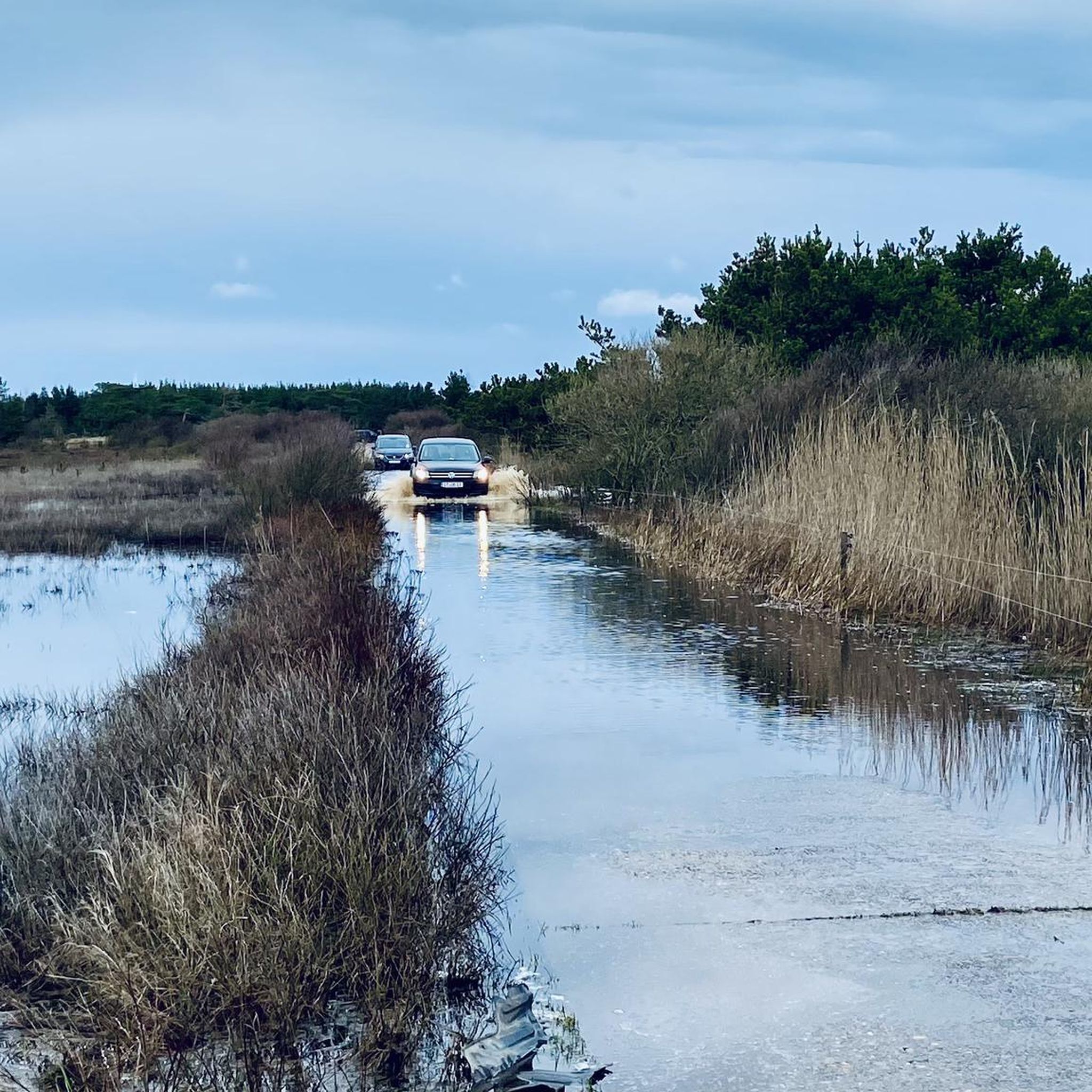
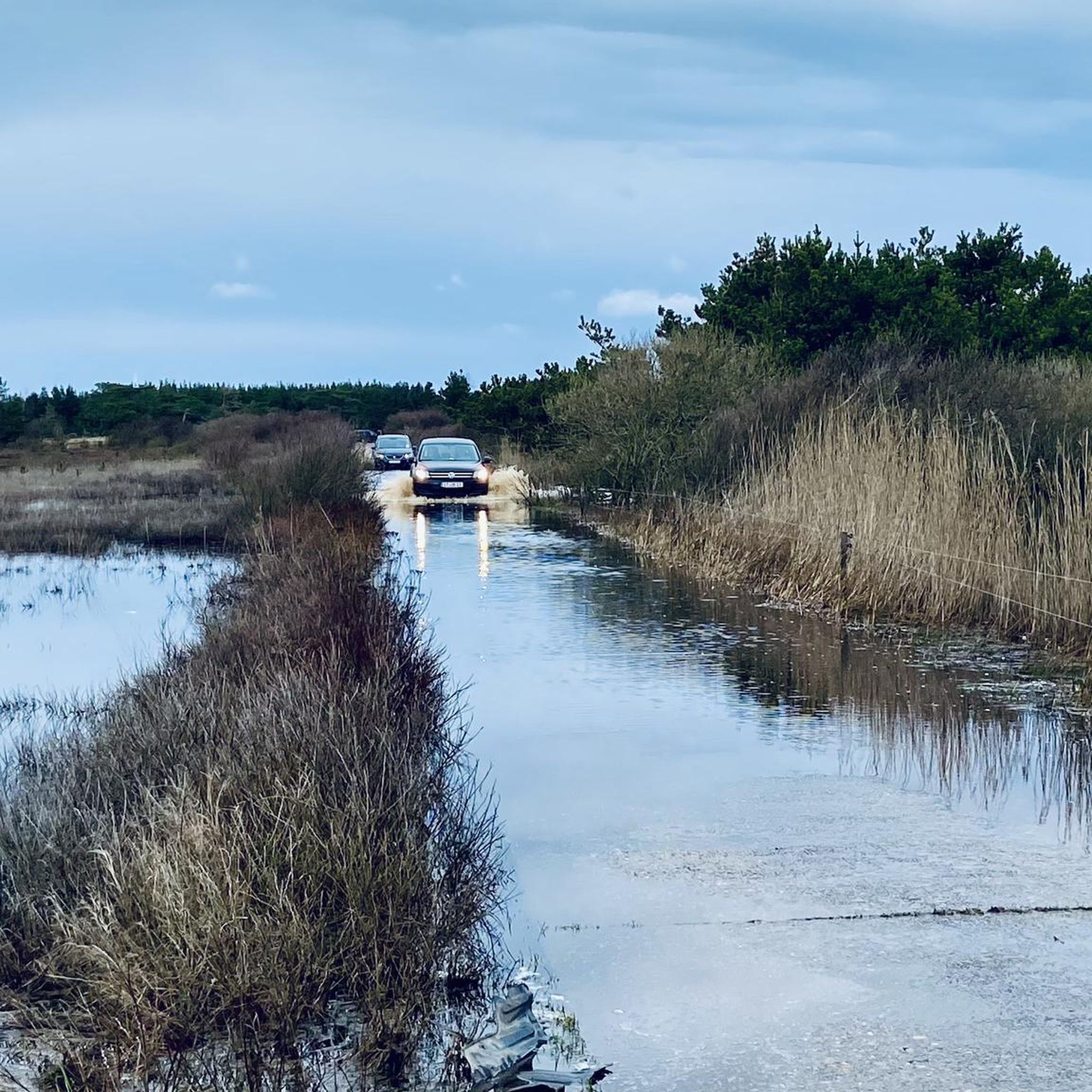
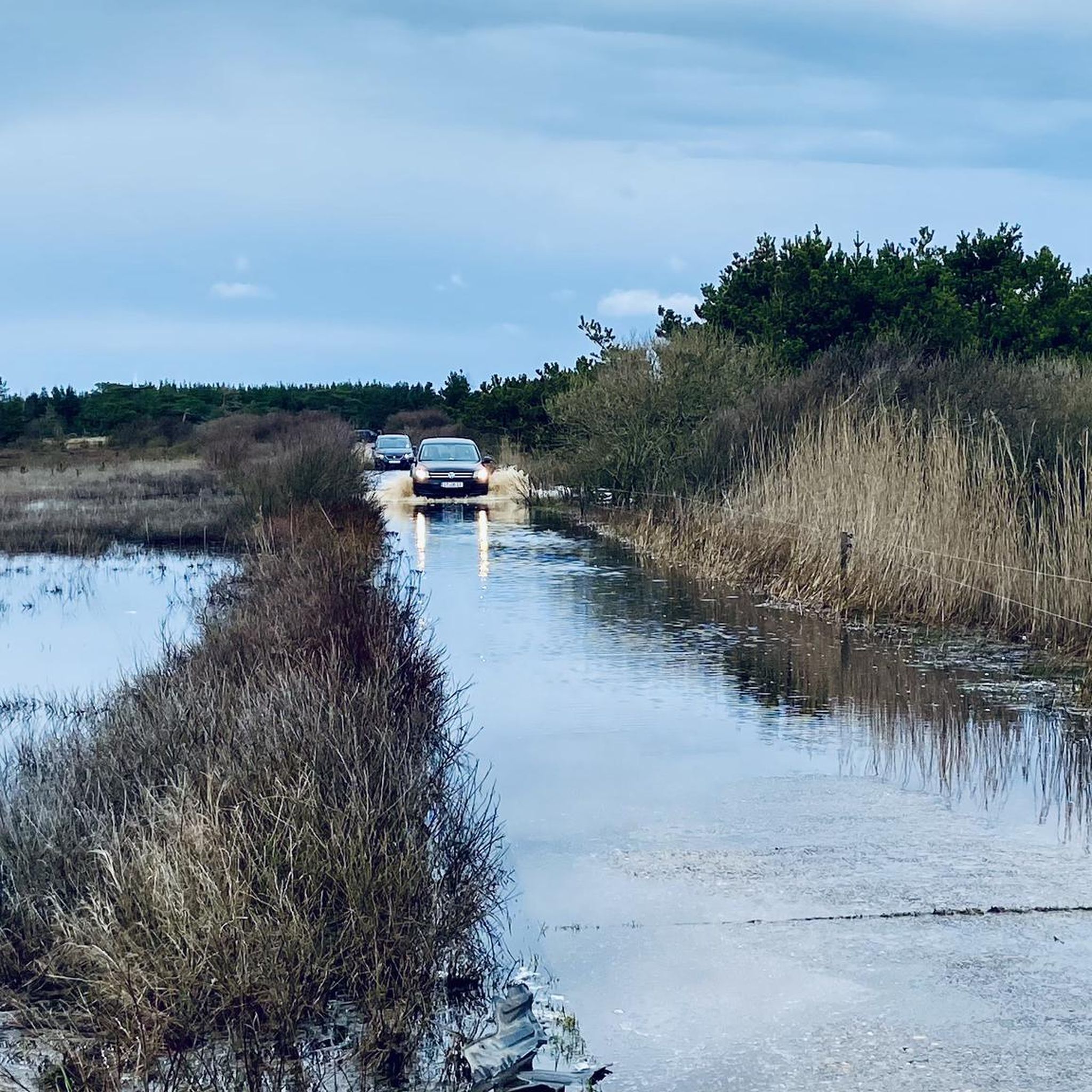
Always beautiful. The view of the small lakes and the view towards the beach. Be careful when planning! We wanted to do a circular route and use part of the mountain bike trail. However, because it had rained heavily beforehand, a good portion of the mountain bike trail was impassable. Wellington boots probably wouldn't have helped either. So we returned and used the standard route (see also our route).
0
0
Very nice panoramic view over Sönderho and towards the mainland.
0
0

Great view! The Æ Kaver, together with a second, no longer existing, sea mark, formed a bearing point for over 200 years that helped find the entrance to Sønderho harbor. The original fell over in a storm in 1930 and was rebuilt in 2011 as a symbol of Sønderho's continued connection with shipping.
0
0

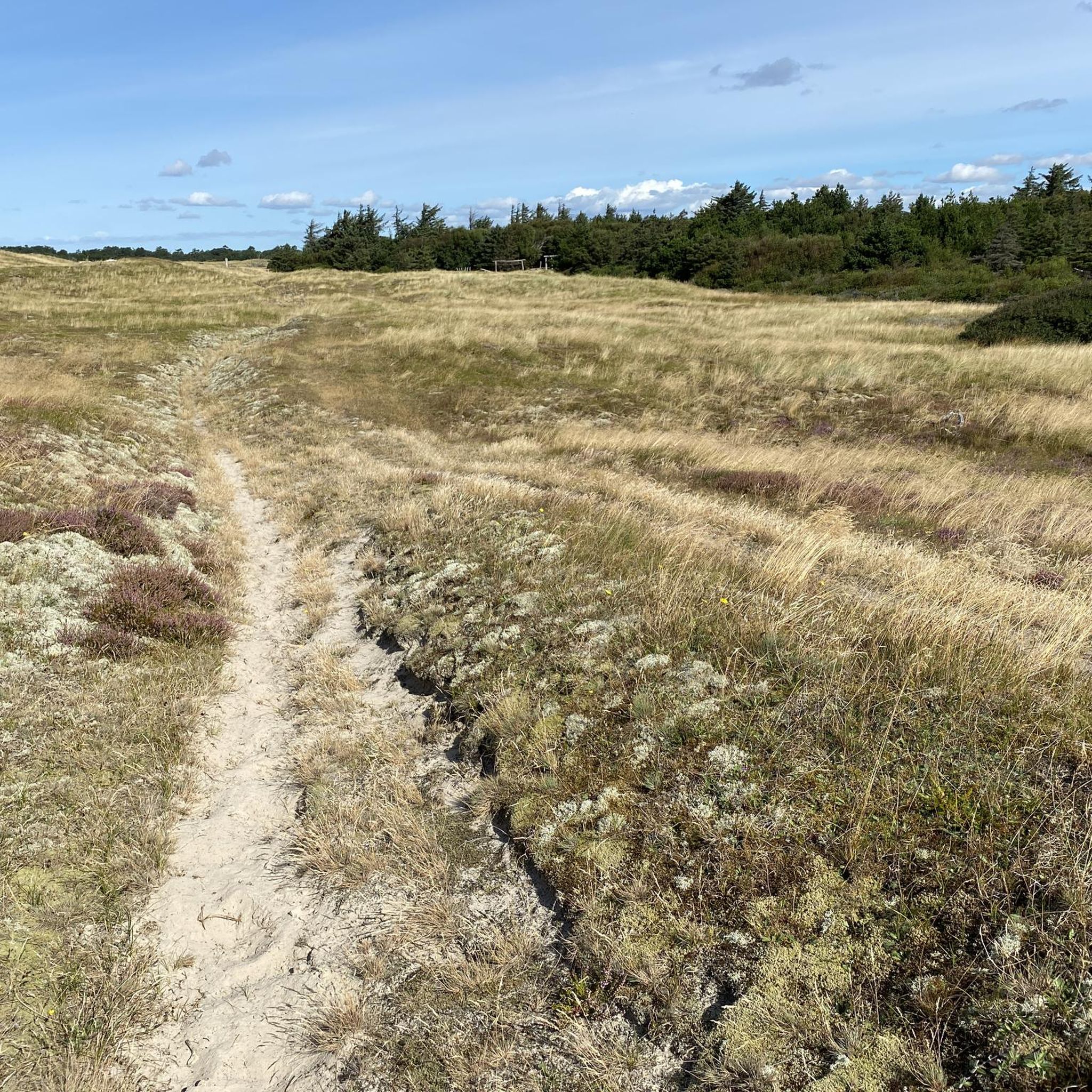
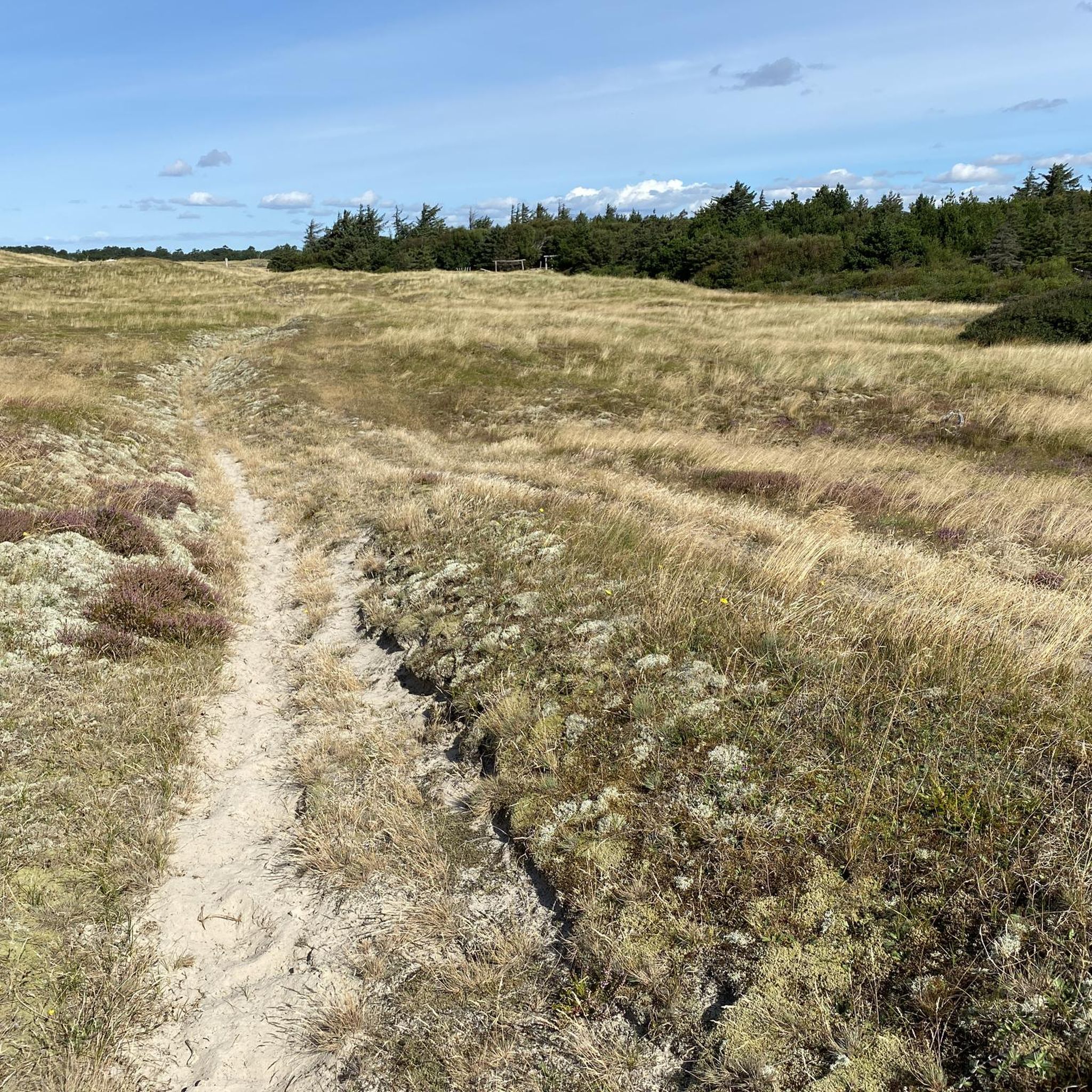
Pælebjerg is now a very popular and beautiful tourist destination, from where you have a fantastic view of the sea, Fanø Klitplantage with small marshes and a rolling heath landscape. (Source: https://www.vadehavskysten.de/ribe-esbjerg-fano/ribe-esbjerg-fano/paelebjerg-auf-fano-gdk1088319)
2
2


It is worth walking up the small hill. From here you have a beautiful, wide view all the way to the sea
2
0

Super nice path with a wide view to Esbjerg
2
0
Frequently Asked Questions
What makes the natural monuments in Fanø unique?
Fanø's natural monuments are primarily part of the UNESCO World Heritage-listed Wadden Sea National Park, a dynamic landscape shaped by tides. This creates unique features such as extensive mudflats, salt meadows, and diverse dune formations. The island offers a chance to experience a globally important ecological site with rich biodiversity.
Where can I experience the Wadden Sea's unique tidal landscape?
The entire island of Fanø is situated within the Wadden Sea National Park. You can experience the significant tidal range and its effects on the landscape, including vast mudflats and salt meadows, across the island. For a specific natural reserve known for its untouched nature and rich animal world within the Wadden Sea, consider visiting Skallingen Peninsula.
Are there family-friendly natural monuments to visit in Fanø?
Yes, many natural monuments in Fanø are suitable for families. For instance, Pælebjerg – Highest Point on Fanø offers panoramic views from its summit and is considered family-friendly. The expansive sandy beaches are also ideal for family activities. Additionally, the Fanø Dune Plantation features a forest playground and various trails suitable for all ages.
What kind of wildlife can I spot among Fanø's natural monuments?
Fanø is excellent for wildlife spotting, especially birds and seals. The Wadden Sea is a crucial habitat for migratory birds and marine life. In the Fanø Dune Plantation, you might encounter deer, hares, and rabbits. The Skallingen Peninsula is also known for its rich animal world.
What are the best places for hiking among Fanø's natural monuments?
Fanø offers diverse hiking opportunities. The Fanø Dune Plantation provides extensive trails through varied terrain, including open areas, dunes, and forests. For a unique experience, explore the dynamic, shifting sands of Søren Jessens Sand. You can find various hiking routes, including the Premium Hiking Route: Fanø Dunes Plantation, to explore these areas. For more options, check out the Running Trails in Fanø guide, which also includes walking routes.
Can I explore Fanø's natural monuments by bike?
Absolutely. The Fanø Dune Plantation is a popular area for mountain biking, offering varied terrain. The island's flat landscape and extensive network of paths also make it suitable for road cycling and gravel biking. You can find specific routes in the Gravel biking in Fanø and Road Cycling Routes in Fanø guides.
What are the prominent geological features of Fanø's natural monuments?
Fanø's geology is dominated by its dynamic coastal processes. The most prominent features are the extensive dune landscapes, which locals affectionately call 'mountains,' formed by sand and wind over centuries. Examples include Pælebjerg, the highest point, and older dunes like Annesdals Bjerg and Klingebjerg. The island also features vast sandy beaches and the unique tidal flats of the Wadden Sea.
What is the best time of year to visit Fanø's natural monuments?
The best time to visit depends on your interests. Spring and autumn are ideal for birdwatching, as the Wadden Sea is a crucial stopover for migratory birds. Summer offers pleasant weather for beach activities and exploring the dunes. While winter can be cold, it provides a unique, tranquil experience of the stark natural beauty, especially for observing seals.
Are there any accessible natural monuments for visitors with limited mobility?
Yes, some areas are more accessible. The Men at Sea Sculpture, while a man-made monument, is considered a natural monument and is wheelchair accessible, offering views of the sea. The wide, flat sandy beaches can also be navigated in many areas, though specific accessibility features may vary.
What should I bring when visiting Fanø's natural monuments?
Given the coastal and dynamic nature of Fanø, it's advisable to bring layers of clothing, as the weather can change quickly. Sturdy, waterproof footwear is recommended, especially if exploring the Wadden Sea or dune areas. Sun protection, binoculars for wildlife spotting, and plenty of water are also good to have. If visiting the Wadden Sea, be mindful of the tides and consider joining a guided tour.
What are the 'mountains' of Fanø?
Despite Fanø being a relatively flat island, its dunes are affectionately known as 'mountains' by locals. These are large, elevated sand formations created by wind over hundreds of years. The most notable is Pælebjerg, which at 21 meters is the highest point on the island and offers beautiful panoramic views.
Are there any significant salt meadows to visit on Fanø?
Yes, Fanø features valuable salt meadows, which are among Denmark's most significant natural habitats. Grønningen, located in the northern part of the island, is the most extensive salt meadow area. Another interesting, albeit smaller, salt meadow is Hønen at the southern tip of Fanø. These areas showcase unique ecosystems where plants and animals have adapted to the regular ebb and flow of salty tidal water.
Most popular attractions in Fanø

Get inspired with the komoot mobile app


Explore more
Extend your search for the best caves by checking out these guides of the top ones in Fanø:
