Top 5 Natural Monuments in Korinthia
Natural monuments in Korinthia, located in Greece's Peloponnese peninsula, offer diverse landscapes including mountains, lakes, and caves. This region provides opportunities for outdoor activities and showcases unique ecosystems. Many sites hold significant mythological or historical importance, contributing to the area's rich natural and cultural heritage. Korinthia's natural features make it a destination for exploration and appreciation of its varied environment.
Best natural monuments in Korinthia
- The most popular natural monuments is Seal Cave Natural Rock Arch, a natural monument…
Last updated: June 26, 2026
Upper Peirene Spring
Highlight • Historical Site
Translated by Google •
Tip by

Lake Stymphalia and the Sixth Labor of Hercules
Highlight • Lake
Translated by Google •
Tip by

Sign up now to discover places like this
Get recommendations on the best single tracks, peaks, & plenty of other exciting outdoor places.
Sign up for free
Seal Cave Natural Rock Arch
Highlight • Natural Monument
Translated by Google •
Tip by

Heraion of Perachora
Highlight • Historical Site
1. Great views
2. Interesting excavations of a shrine to the goddess Hera
3. Fabulous romantic bathing bay
Translated by Google •
Tip by

Extinct Volcano
Highlight • Volcano
The colors and shapes of the rock are fascinating.
Translated by Google •
Tip by

Start today with a free account
Your next adventure awaits.
Login or Signup
Tips from the Community

(2) - Pegasus and Bellerophon: According to one legend, the spring originated where the winged horse Pegasus touched the ground with its hoof. It is said that the hero Bellerophon captured and tamed the steed here. - Tears of Pirene: According to another tradition, the spring (or its lower counterpart) originated from the incessant tears of the nymph Pirene, who mourned her son Kenchrias, killed by Artemis. The spring is located about 85 meters below the summit (where the temple of Aphrodite once stood) in a hollow between the fortress walls. It is an underground well house, accessible via a staircase carved into the rock.
1
0
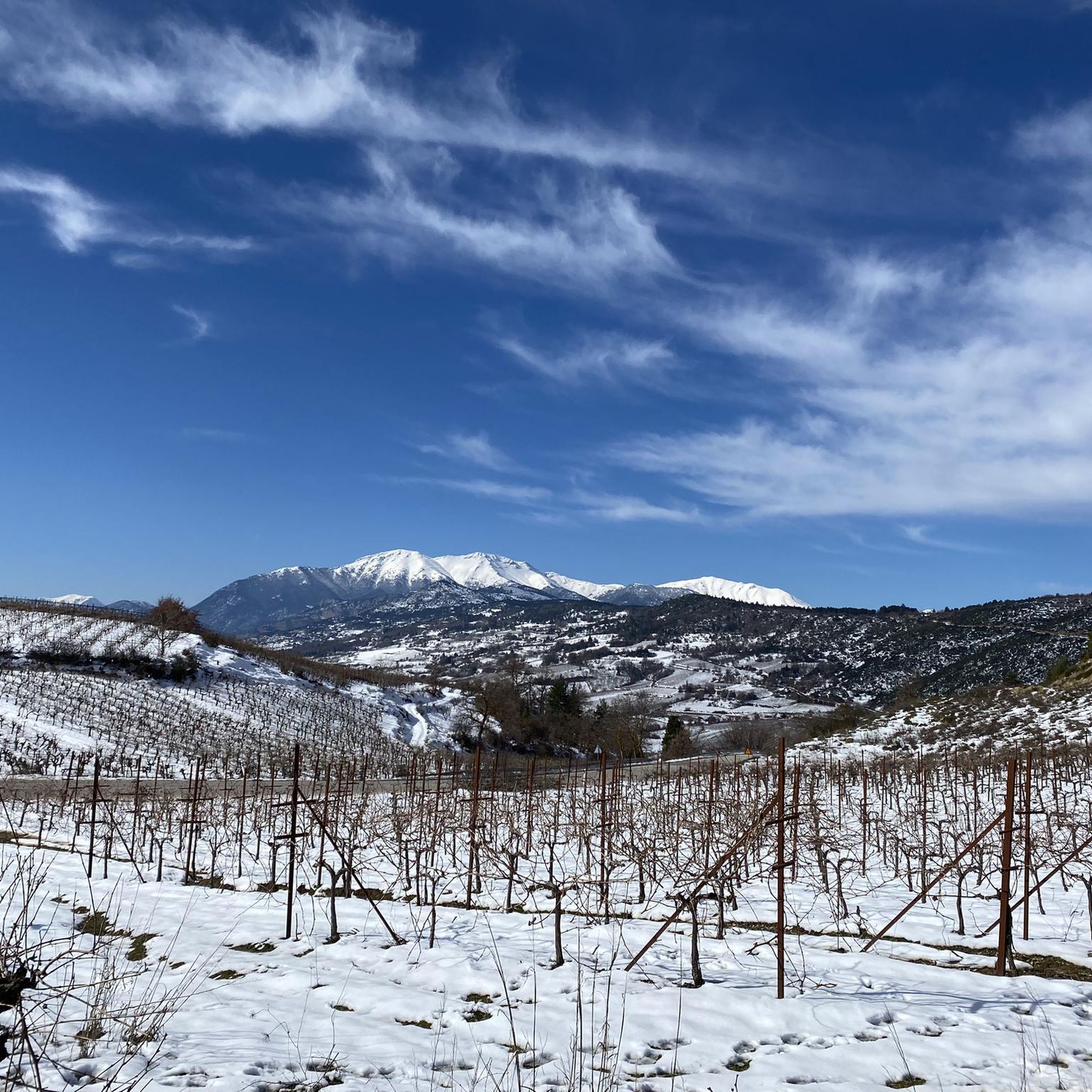
The Upper Peirene Spring (also Ano Peirene) is located on the summit of Akrokorinth, the table mountain of the ancient city of Corinth. It is considered one of the most important water sources in Greek mythology and was crucial for the defensive capability of the Akrokorinth fortress, as it never dried up, even during sieges. The spring is deeply rooted in the world of Greek myths: - Sisyphus, the king of Corinth, revealed to the river god Asopos the whereabouts of his daughter Aegina, who had been abducted by Zeus. As a reward, Asopos gifted him the Peirene spring on Akrokorinth.
1
0

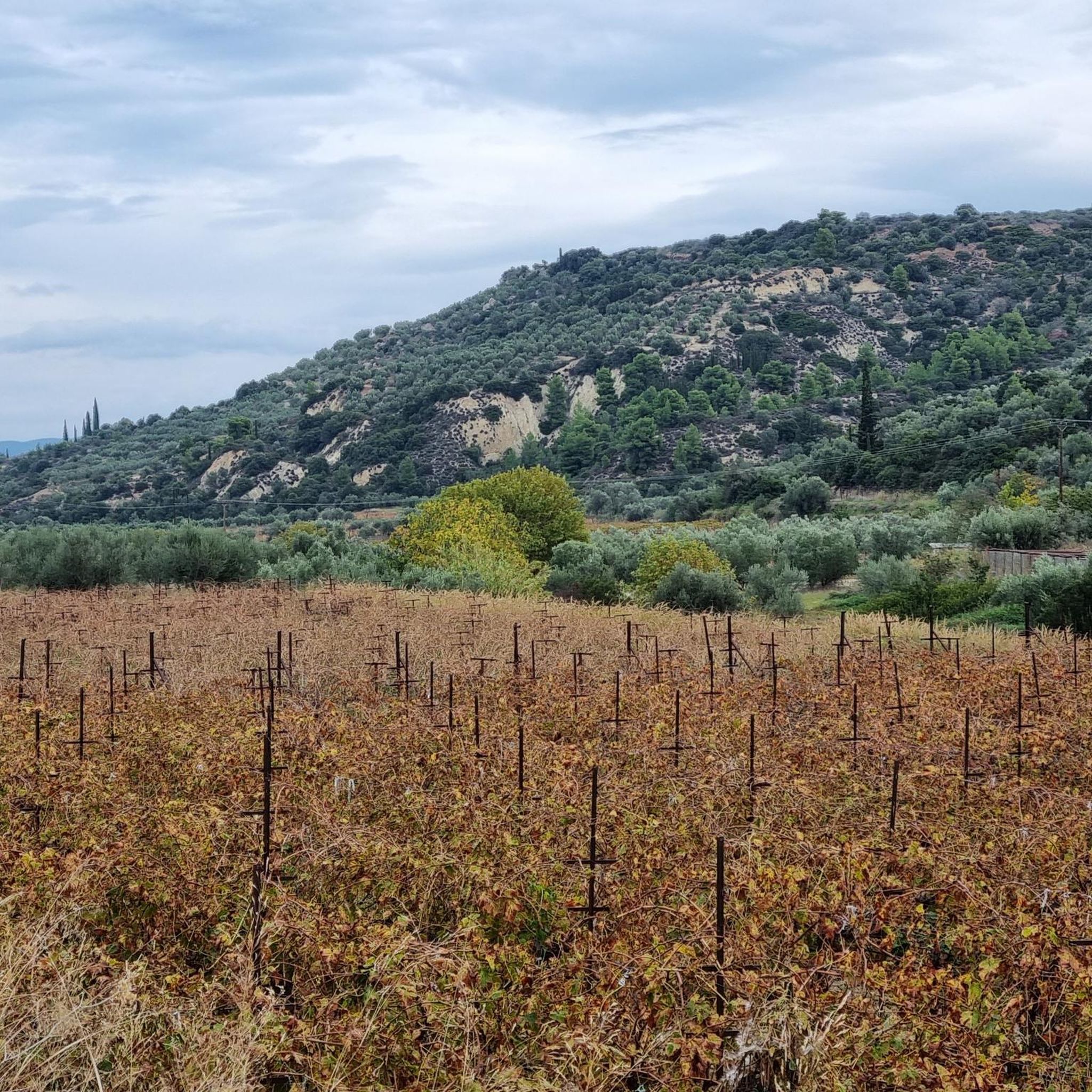
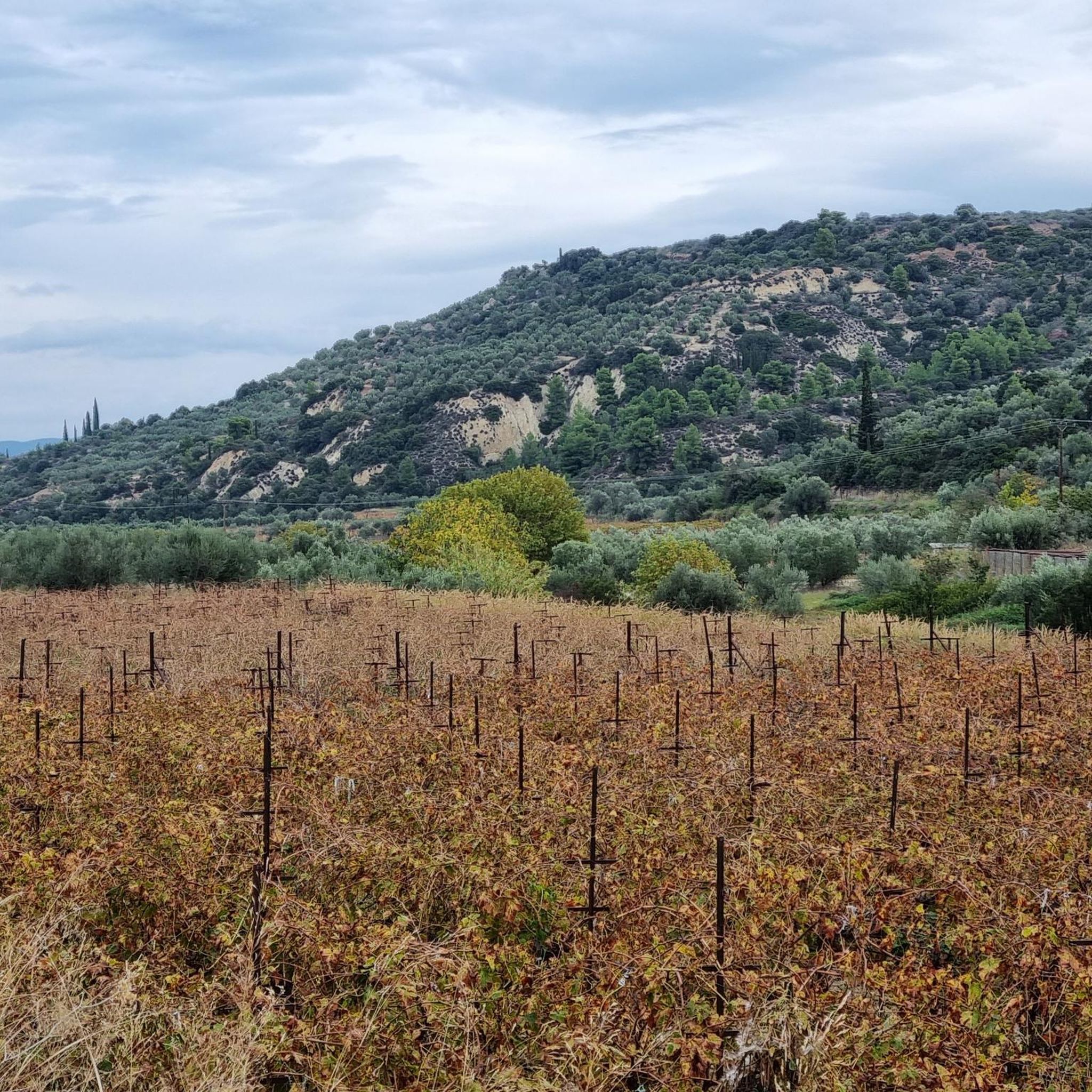
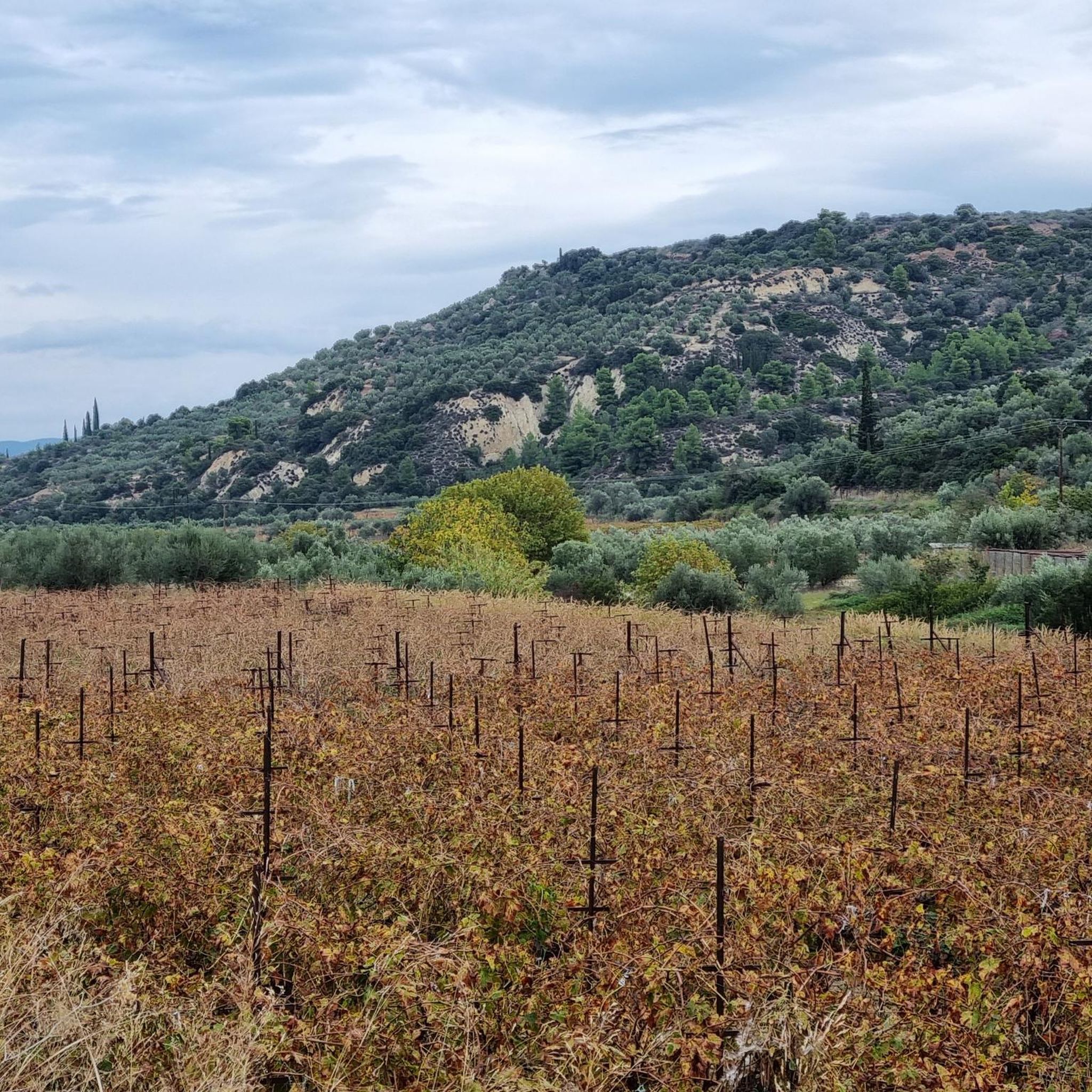
An extinct volcano that still smells faintly of sulfur. Please do not enter the caves. Danger of suffocation! The colors and shapes of the rock are fascinating.
1
0

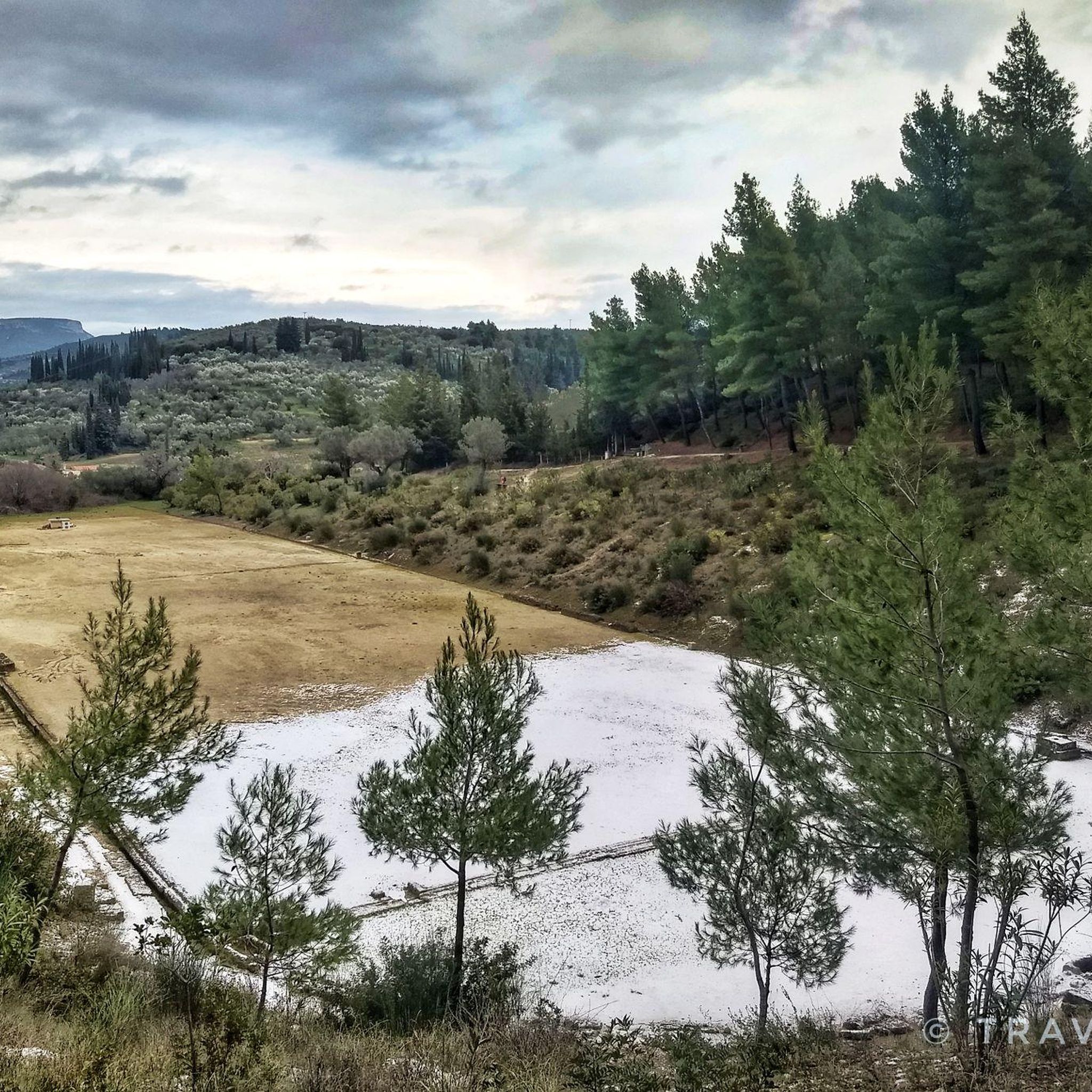
Important resting place for migratory birds and protected as an ecologically important wetland.
0
0

You need to know approximately where to find this beautiful cave, there are no signs or indications to show you the way. Suddenly we were there, what a reward!
1
0

Lake Stymphale, now dried up, offers a striking landscape, like a vast depression populated with reeds and from which poplars and willows emerge. The 12 Labors of Hercules are the exploits carried out on the orders of Eurytheus, the king of Argos, the half-brother and enemy of Hercules, who also reigns over the cities of Mycenae and Tiryns The sixth labor entrusted to Hercules was to have to kill the gigantic birds of Lake Stymphale, which not only swarmed, but had a fearsome beak, wings and talons, all in bronze (ancient bronze) and they fed on fresh flesh. attacking men and herds to feed themselves and leaving the remains of the corpses to rot on the spot spreading a putrid odor. According to the legend, Hercules first killed them with his arrows, but there were so many of them that by the end of the day the arrows were exhausted. Hercules, angry, struck his sword hard against his shield, causing such fright among the birds that they clashed with each other and drowned in the lake.
2
0


Definitely go down to the source, that's where the water is
1
0
Frequently Asked Questions
What kind of natural features can I explore in Korinthia?
Korinthia offers a diverse range of natural features, from serene lakes and impressive mountains to fascinating caves and coastal lagoons. You can discover unique geological formations like the Seal Cave Natural Rock Arch, explore the rich biodiversity of wetlands such as Lake Stymfalia, or marvel at the striking colors and shapes of the Extinct Volcano.
Are there any natural monuments in Korinthia with historical or mythological significance?
Yes, several natural monuments in Korinthia are steeped in history and mythology. For instance, Lake Stymphalia is famously associated with Hercules' fifth labor, where he slew the Stymphalian birds. The Heraion of Perachora combines a historical site with natural beauty, offering views of ancient ruins and a romantic bathing bay. Hermes Cave, with its impressive geological formations, was also an ancient place of worship for the god Hermes.
What are some family-friendly natural monuments to visit in Korinthia?
Many natural monuments in Korinthia are suitable for families. Lake Doxa, with its serene landscape and opportunities for hiking and boat rides, is a peaceful escape. The Environmental Museum of Stymfalia, near Lake Stymphalia, offers engaging insights into the lake's ecosystem. The Pegasus Fountain in Corinth Harbor is also considered family-friendly, offering an interesting historical and mythological landmark.
What outdoor activities can I do near Korinthia's natural monuments?
Korinthia's natural monuments are excellent starting points for various outdoor activities. You can enjoy hiking and cycling around Lake Doxa, or explore the extensive trails in the Geraneia Mountains. For more structured activities, you can find numerous cycling routes in the region, including options for touring bicycle and road cycling. There are also dedicated running trails, such as the Doxa Lake Dam loop.
Are there good places for birdwatching in Korinthia?
Yes, Lake Stymphalia is a significant wetland habitat and a paradise for birdwatchers. It is known for its rich biodiversity, harboring over 140 species of fowl, including some rare ones. It serves as an important resting place for migratory birds and is protected as an ecologically important wetland.
Where can I find impressive mountain scenery in Korinthia?
For impressive mountain scenery, Mount Ziria (Kyllini) is a prime destination. As the second-highest mountain in the Peloponnese, it offers spectacular mountain ranges, plateaus, and serene landscapes with forests of juniper, fir, and black pine. It's ideal for nature lovers seeking stunning views, especially during autumn or winter.
What is the best time of year to visit the natural monuments in Korinthia?
The best time to visit Korinthia's natural monuments depends on your preferred activities. Spring and autumn offer pleasant temperatures for hiking and exploring, with vibrant colors. Summer is ideal for water-based activities at Lake Doxa or Lake Vouliagmeni. Winter can be beautiful for mountain scenery, especially on Mount Ziria, which is stunning with snow.
Can I go swimming or do water sports at any of Korinthia's natural monuments?
Yes, Lake Doxa is suitable for swimming and tranquil boat rides. Additionally, Lake Vouliagmeni (Corinthia), a coastal lagoon, offers calm waters perfect for swimming, stand-up paddleboarding (SUP), and enjoying peaceful sunsets.
What do visitors enjoy most about the natural monuments in Korinthia?
Visitors frequently praise the breathtaking views and the sense of peace found at these sites. For example, the Seal Cave Natural Rock Arch is described as a rewarding discovery, while the Heraion of Perachora is loved for its great views and romantic bathing bay. The unique geological formations and the blend of natural beauty with historical context are also highly appreciated.
Are there any hidden gems among Korinthia's natural monuments?
While not widely signposted, the Seal Cave Natural Rock Arch is considered a hidden gem, offering a beautiful cave formation that is a rewarding discovery for those who find it. The Geraneia Mountains also offer many hidden paths for both casual walkers and experienced trekkers, providing breathtaking views away from the crowds.
Are there any natural monuments in Korinthia that offer unique geological features?
Absolutely. The Extinct Volcano is notable for its fascinating colors and shapes of rock formations. Hermes Cave (Cave of the Lakes) is another significant natural monument, millions of years old, featuring voluminous stalactites and stalagmites, along with rare white stone decorations across its eight distinct halls.
Most popular routes in Korinthia
Most popular attractions in Korinthia

Get inspired with the komoot mobile app


Explore more
Extend your search for the best caves by checking out these guides of the top ones in Korinthia:
