Top 17 Natural Monuments in Περιφερειακή Ενότητα Τρικάλων
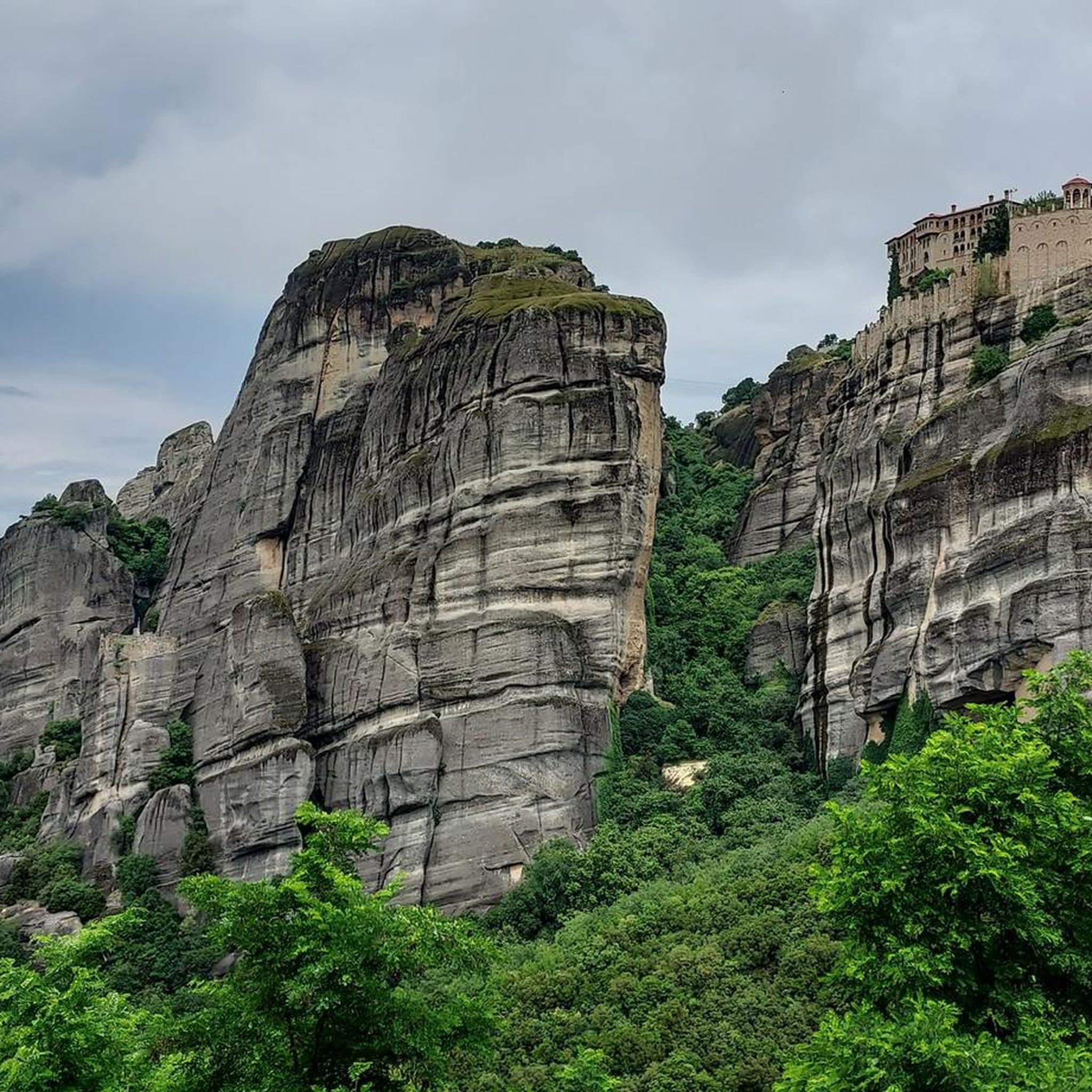
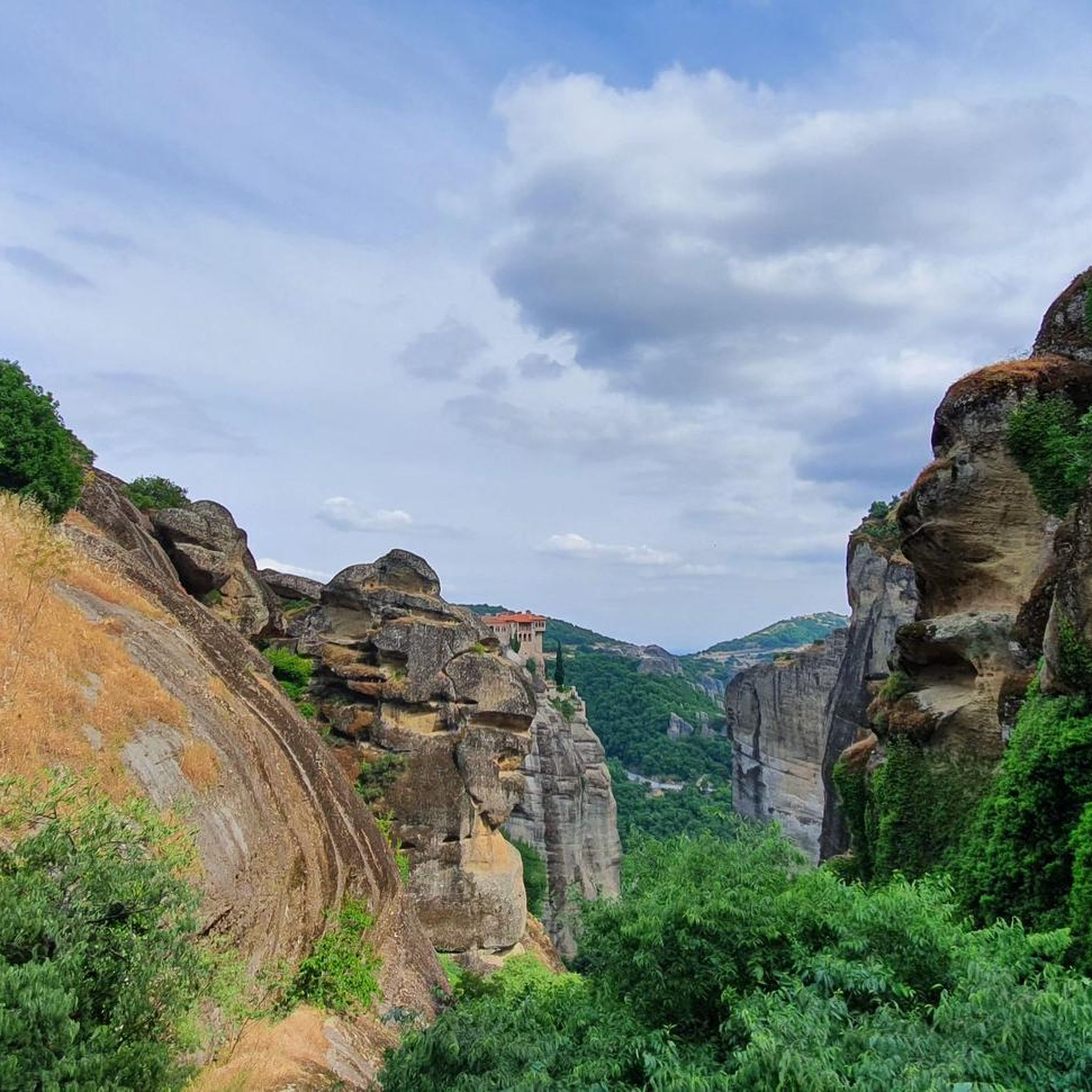
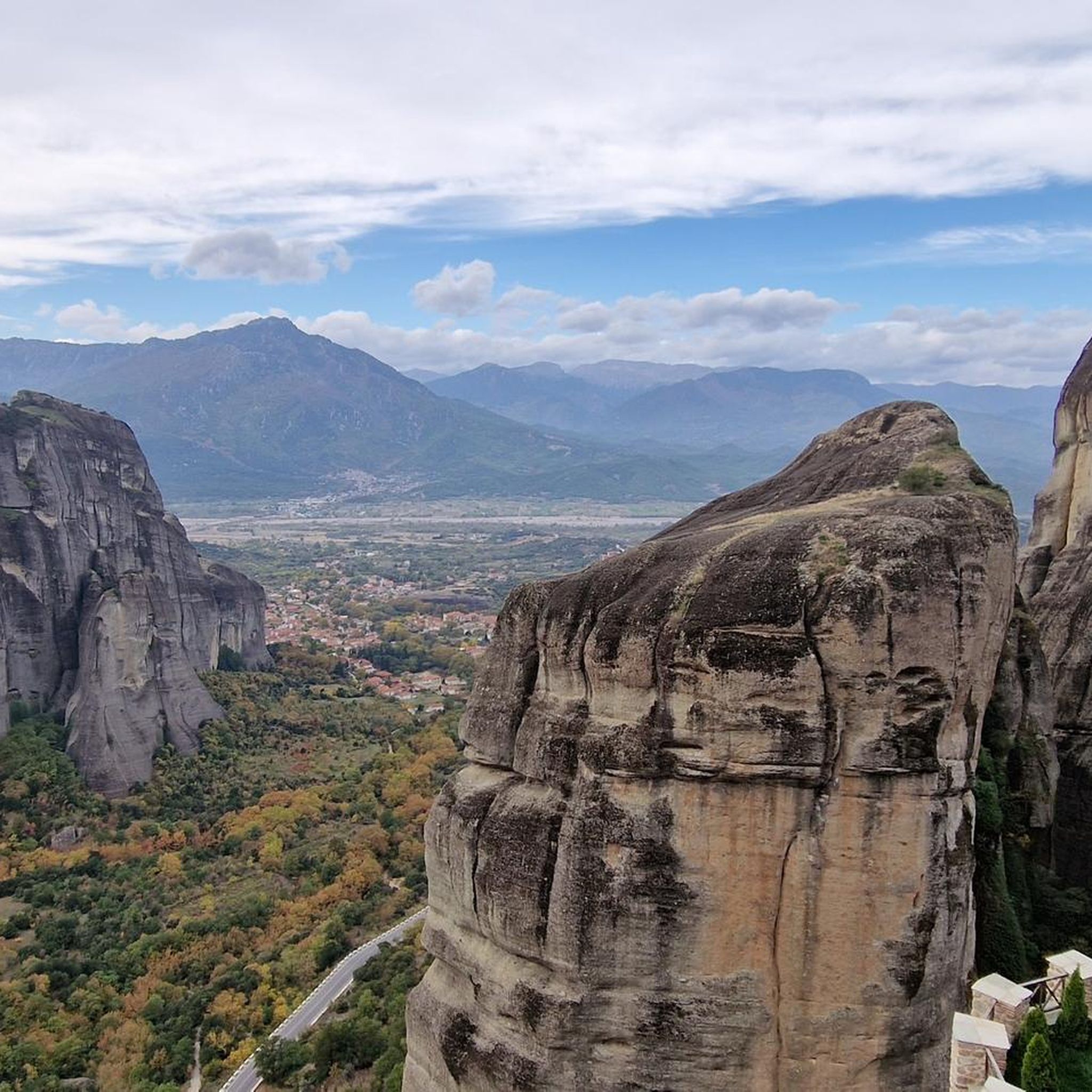
Best natural monuments in Περιφερειακή Ενότητα Τρικάλων feature a landscape characterized by unique geological formations and significant natural areas. The region is home to Meteora, a UNESCO World Heritage site recognized for its dramatic rock pillars. Portions of the Pindos National Park also lie within this area, offering diverse mountainous biodiversity. These sites showcase millions of years of geological processes and provide habitats for various flora and fauna.
Best natural monuments in Περιφερειακή Ενότητα Τρικάλων
- The most popular natural monuments…
Last updated: August 20, 2026
Agia Triada (Holy Trinity) Monastery, Meteora
Highlight • Religious Site
Translated by Google •
Tip by

Roussanou Monastery
Highlight • Religious Site
Translated by Google •
Tip by

Sign up now to discover places like this
Get recommendations on the best single tracks, peaks, & plenty of other exciting outdoor places.
Sign up for free
Meteora Monasteries
Highlight • Religious Site
Translated by Google •
Tip by

Holy Monastery of Saint Stephen (Agios Stefanos)
Highlight • Religious Site
Translated by Google •
Tip by
Meteora UNESCO site
Highlight • Religious Site
Translated by Google •
Tip by

James Bond Rock
Highlight • Natural Monument
Translated by Google •
Tip by
View of the Meteora Rock Formations
Highlight • Viewpoint
Translated by Google •
Tip by
Rock Needle Above Kimisis Theotokou Chapel
Highlight • Natural Monument
Translated by Google •
Tip by

Agios Nikolaos Anapafsas Monastery and Chapel
Highlight • Religious Site
Translated by Google •
Tip by
St. Nicholas Anapafsas Monastery
Highlight • Religious Site
Translated by Google •
Tip by

Sign up for free to discover even more natural monuments in Περιφερειακή Ενότητα Τρικάλων.
Sign up for free
Already have an account?
Start today with a free account
Your next adventure awaits.
Login or Signup
Popular around Περιφερειακή Ενότητα Τρικάλων
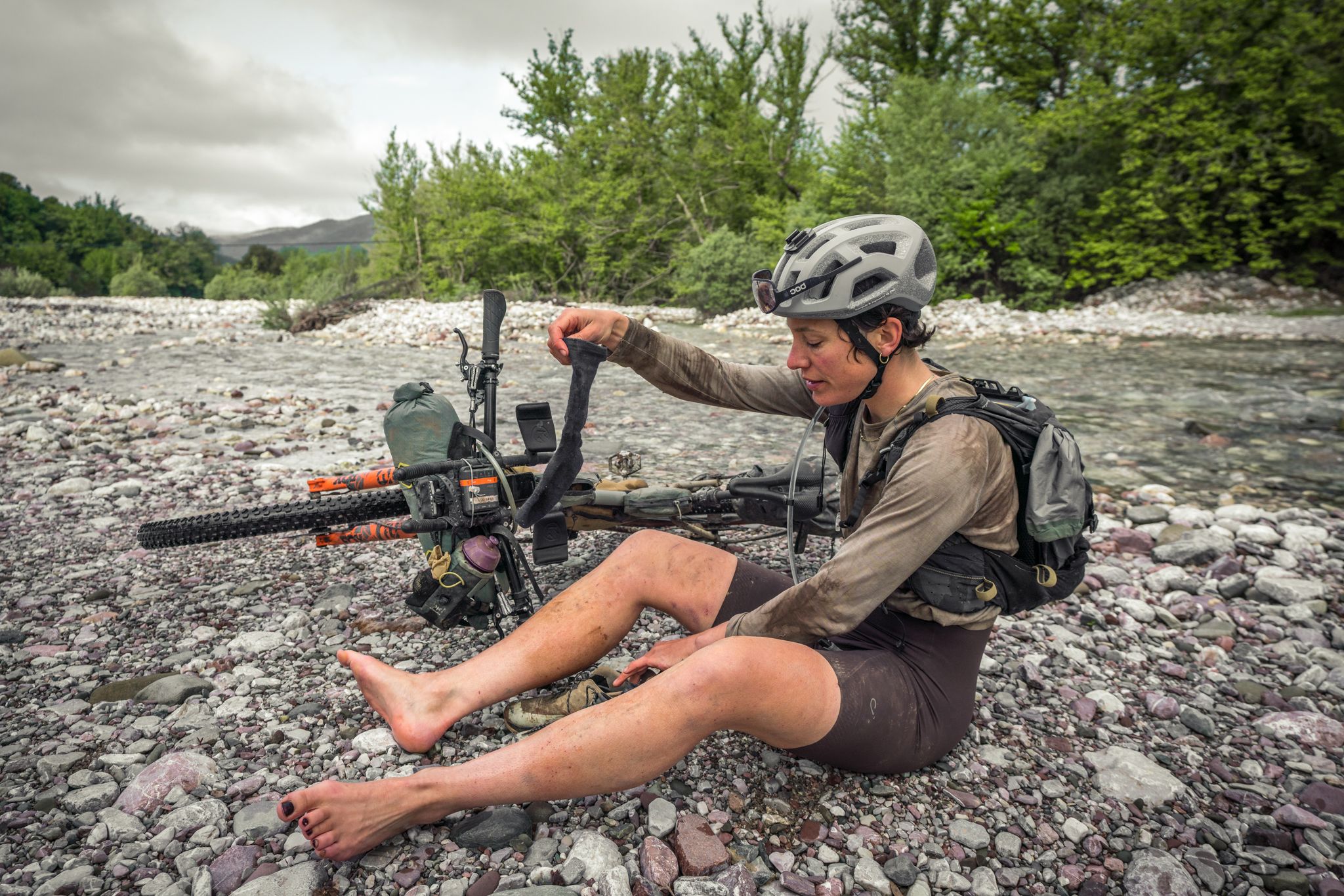
Hellenic Mountain Race — Bikepacking through the Greek mountains
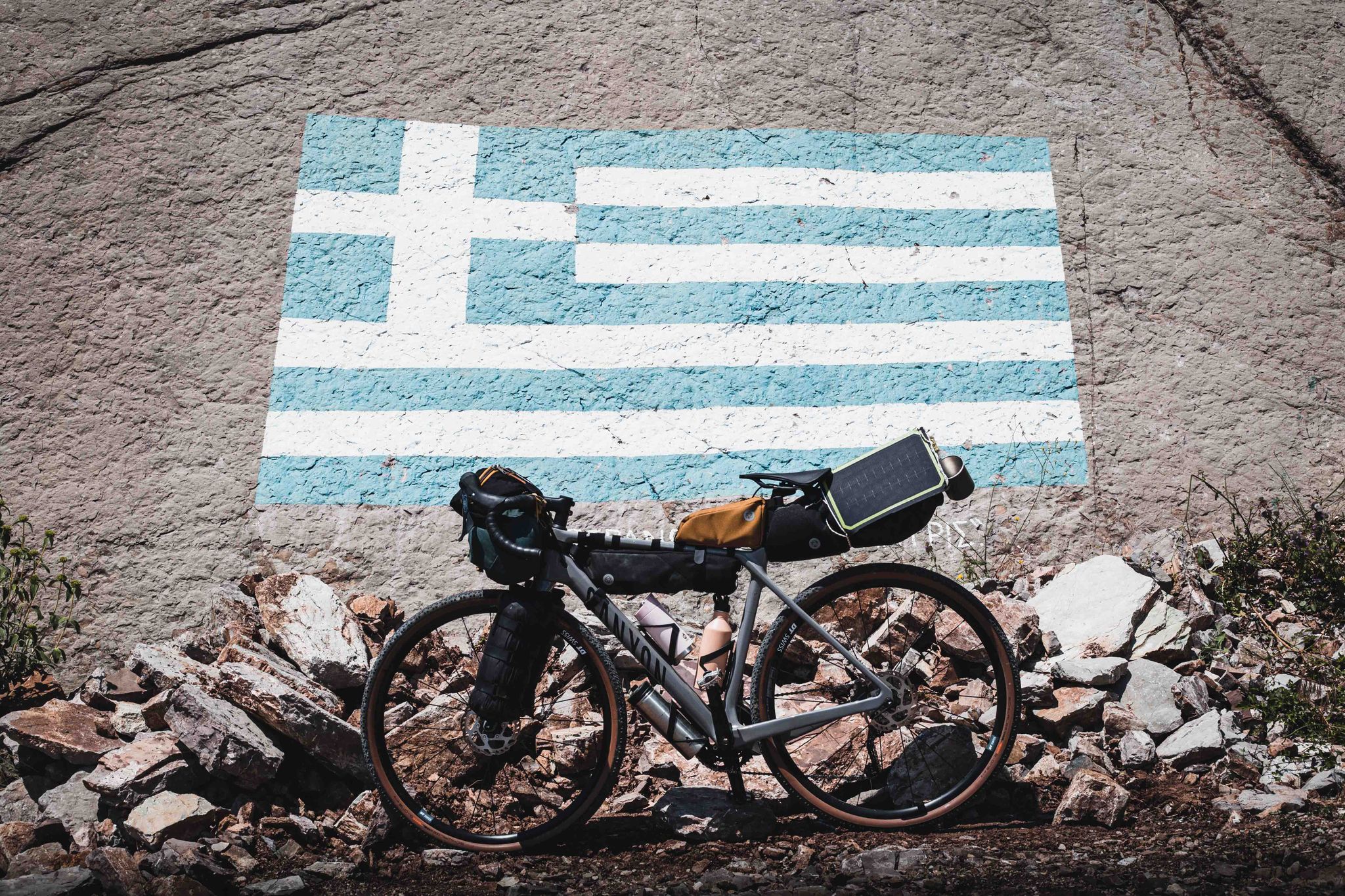
Bikepacking Griekenland: van berg tot zee
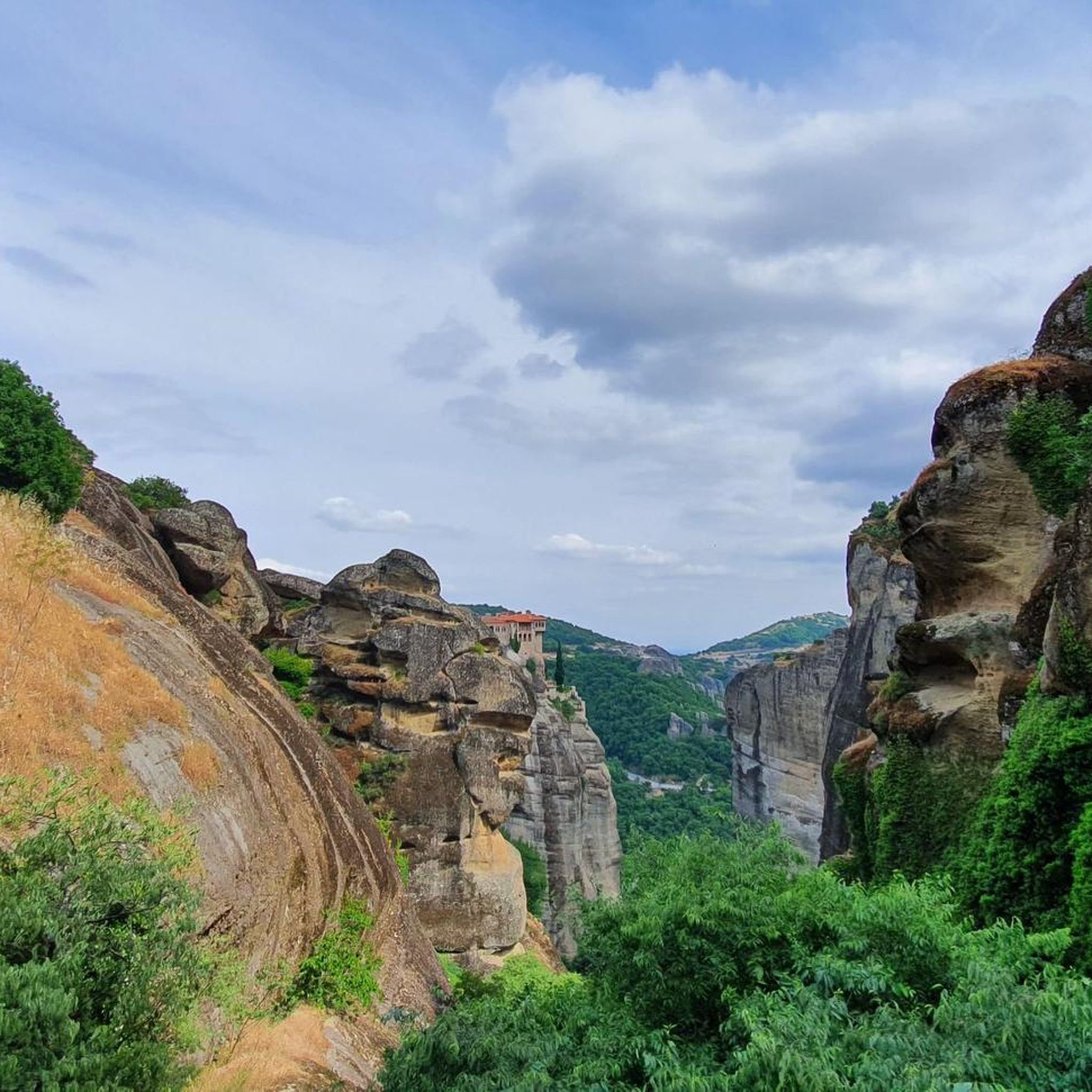
Hiking in Περιφερειακή Ενότητα Τρικάλων
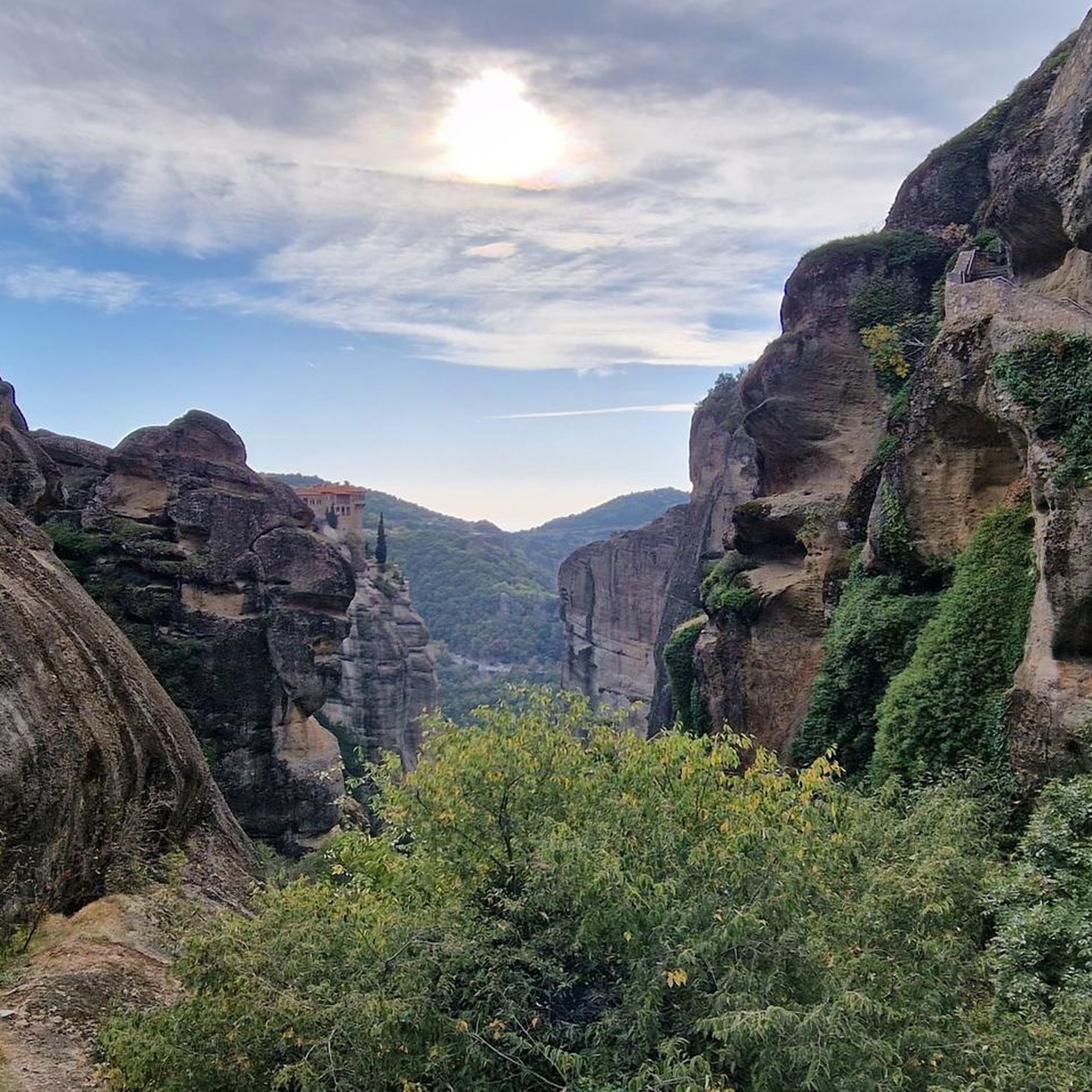
Running Trails in Περιφερειακή Ενότητα Τρικάλων
MTB Trails in Περιφερειακή Ενότητα Τρικάλων
Cycling in Περιφερειακή Ενότητα Τρικάλων
Road Cycling Routes in Περιφερειακή Ενότητα Τρικάλων

Mountain Hikes in Περιφερειακή Ενότητα Τρικάλων
Other adventures in Περιφερειακή Ενότητα Τρικάλων


Tips from the Community

Very beautiful Meteora monastery with a great view.
0
0
Very beautiful monastery.
0
0

The Agia Triada (Holy Trinity) Monastery in Meteora is a filming location in the 1981 James Bond film "For Your Eyes Only." In the film, it appears as the abandoned St. Cyril's Monastery, where Bond searches for a stolen ATAC decoder and then confronts KGB agents. Despite the monks' protests, an exterior shot at the monastery was possible, but a set had to be built on a nearby rock for the interior shots.
2
0
East of the Pindus Mountains, mighty sandstone cliffs rise to a height of approximately 500 meters. 24 monasteries were once built on their summits. Monks and nuns still live in six of them today. These monasteries are now UNESCO World Heritage sites and are often referred to as "floating monasteries" because they appear almost suspended in fog or low clouds.
1
0
East of the Pindus Mountains, mighty sandstone cliffs rise to a height of approximately 500 meters. 24 monasteries were once built on their summits. Monks and nuns still live in six of them today. These monasteries are now UNESCO World Heritage sites and are often referred to as "floating monasteries" because they appear almost suspended in fog or low clouds.
2
0
East of the Pindus Mountains, mighty sandstone cliffs rise to a height of approximately 500 meters. 24 monasteries were once built on their summits. Monks and nuns still live in six of them today. These monasteries are now UNESCO World Heritage sites and are often referred to as "floating monasteries" because they appear almost suspended in fog or low clouds.
2
0
East of the Pindus Mountains, mighty sandstone cliffs rise to a height of approximately 500 meters. 24 monasteries were once built on their summits. Monks and nuns still live in six of them today. These monasteries are now UNESCO World Heritage sites and are often referred to as "floating monasteries" because they appear almost suspended in fog or low clouds.
3
0

The patronage of this monastery was not conferred on one of the (almost infinite) number of saints, but rather placed under the protection of the "Holy Trinity." The following words come from the late Holy Father, Pope Benedict XVI (Joseph Ratzinger), about the mystery of faith that we in Christianity venerate the ONE God in THREE Persons: "On the Sunday after Pentecost, we celebrate the Solemnity of the Most Holy Trinity. Through the Holy Spirit, who helps us understand the words of Jesus and guides us into all truth, the faithful can, so to speak, gain knowledge of the innermost being of God and thereby discover that He is by no means infinite solitude, but a communion of light and love, life given and received in an eternal dialogue between the Father and the Son in the Holy Spirit—lover, beloved, and love, to use the words of St. Augustine." (Address by Pope Benedict XVI, at the Angelus on June 11, 2006)
1
0
Frequently Asked Questions
What makes the natural monuments in Περιφερειακή Ενότητα Τρικάλων unique?
The region is renowned for its extraordinary geological formations, particularly the towering rock pillars of Meteora, a UNESCO World Heritage site. These formations, primarily conglomerate and sandstone, were sculpted over millions of years by erosion. Additionally, parts of the Pindos National Park offer diverse mountainous biodiversity, featuring ancient forests and a rich array of flora and fauna.
Are there any family-friendly natural attractions in the Trikala region?
Yes, Meteora offers accessible options for families. For instance, the Holy Monastery of Saint Stephen (Agios Stefanos) is unique as it can be reached via a small bridge without climbing stairs, making it suitable for visitors with young children or those with mobility concerns. The general landscape of Meteora is also captivating for all ages.
What kind of outdoor activities can I do near the natural monuments?
The area around Meteora and Pindos National Park is excellent for outdoor activities. You can enjoy various hiking trails, ranging from moderate loops like the Varlaam Monastery – Roussanou Monastery route to easier options around the monasteries. There are also numerous MTB trails, such as the Roussanou Monastery – View of Meteora Monasteries loop, offering scenic rides through the unique landscape.
What is the best time to visit the natural monuments in Περιφερειακή Ενότητα Τρικάλων?
Spring (April-May) and autumn (September-October) are generally considered the best times to visit. The weather is pleasant for exploring, and the landscapes are particularly beautiful with lush greenery or autumnal colors. Summer can be hot, especially at Meteora, while winter offers a different, often snow-covered, serene experience, particularly in Pindos National Park.
What historical and cultural sites are integrated with the natural monuments?
Meteora is a prime example, where the natural rock formations host a significant medieval monastic community. Six monasteries are still active, including the Agia Triada (Holy Trinity) Monastery and the Great Meteoron Monastery (Megalo Meteoro). These sites offer a unique blend of geological wonder and spiritual history, with monasteries perched atop dramatic cliffs.
Can I find less-known or 'hidden' natural gems in the region?
While Meteora is widely known, exploring the broader Pindos National Park can reveal less-trafficked areas of pristine nature. The park, also known as Valia Calda, features dense ancient forests, high peaks, and diverse wildlife, offering a more secluded experience for nature enthusiasts. The Rock Needle Above Kimisis Theotokou Chapel also offers a unique natural monument experience away from the main monastery crowds.
What kind of wildlife can be observed in the natural areas?
Pindos National Park is a critical habitat for diverse fauna. It is notably home to Eurasian brown bears, as well as lynxes, roe deer, wildcats, wolves, and wild boars. Birdwatchers can also find a variety of species in its dense forests and alpine meadows, making it an important area for wildlife observation in Europe.
Are there accessible natural sites for visitors with limited mobility?
Yes, the Holy Monastery of Saint Stephen (Agios Stefanos) in Meteora is particularly accessible, as it can be reached via a small bridge without requiring extensive climbing. This makes it a good option for visitors using wheelchairs or those who prefer easier access to the stunning views and historical sites.
What do visitors enjoy most about the natural monuments in Περιφερειακή Ενότητα Τρικάλων?
Visitors are consistently awestruck by the surreal landscape of Meteora, with its 'floating monasteries' appearing almost suspended in the clouds. The breathtaking panoramic views from sites like Roussanou Monastery and View of the Meteora Rock Formations are frequently praised. The unique blend of geological wonder and spiritual history, along with the opportunities for hiking and photography, are also highly valued.
Are there any natural monuments suitable for dog-friendly trails?
While specific monastery interiors may not allow dogs, the outdoor trails and viewpoints around Meteora offer opportunities for walks with dogs, provided they are kept on a leash. The natural paths and roads connecting the monasteries, such as those leading to Meteora Monasteries, provide scenic routes for you and your pet to enjoy the unique landscape.
What geological features define the Meteora rock formations?
Meteora's rock formations are primarily composed of a thick stack of sedimentary rocks, mainly conglomerate and sandstone. These were deposited in an ancient shallow sea millions of years ago, then uplifted and sculpted by erosion from water, wind, and gravity into their distinctive isolated pillar and cliff shapes. They belong to the 'Pentalophos Formation' and are a testament to millions of years of tectonic activity and natural weathering.
What is the significance of Pindos National Park within the Trikala region?
Pindos National Park, also known as Valia Calda, is a vital protected area for mountainous biodiversity. It features dense forests of European black pine and common beech, with some trees over 700 years old, and boasts a diverse array of flora and fauna. Its rocky ridges, fast-flowing streams, and mountain lakes make it an ecologically significant and unique area, crucial for maintaining biodiversity at a national level.
Most popular routes in Περιφερειακή Ενότητα Τρικάλων
Most popular attractions in Περιφερειακή Ενότητα Τρικάλων

Get inspired with the komoot mobile app


Didn’t find what you were looking for?
Find even more amazing natural monuments in Περιφερειακή Ενότητα Τρικάλων by checking out the top Highlights region by region:
Explore more
Extend your search for the best caves by checking out these guides of the top ones in Περιφερειακή Ενότητα Τρικάλων:
