Top 11 Natural Monuments in Meath
Best natural monuments in Meath include ancient sites and natural landscapes. County Meath, known as the Royal County, features a landscape rich in archaeological and historical significance. These sites offer insights into Ireland's past and showcase the region's natural environment. The area contains numerous ancient monuments and natural features.
Best natural monuments in Meath
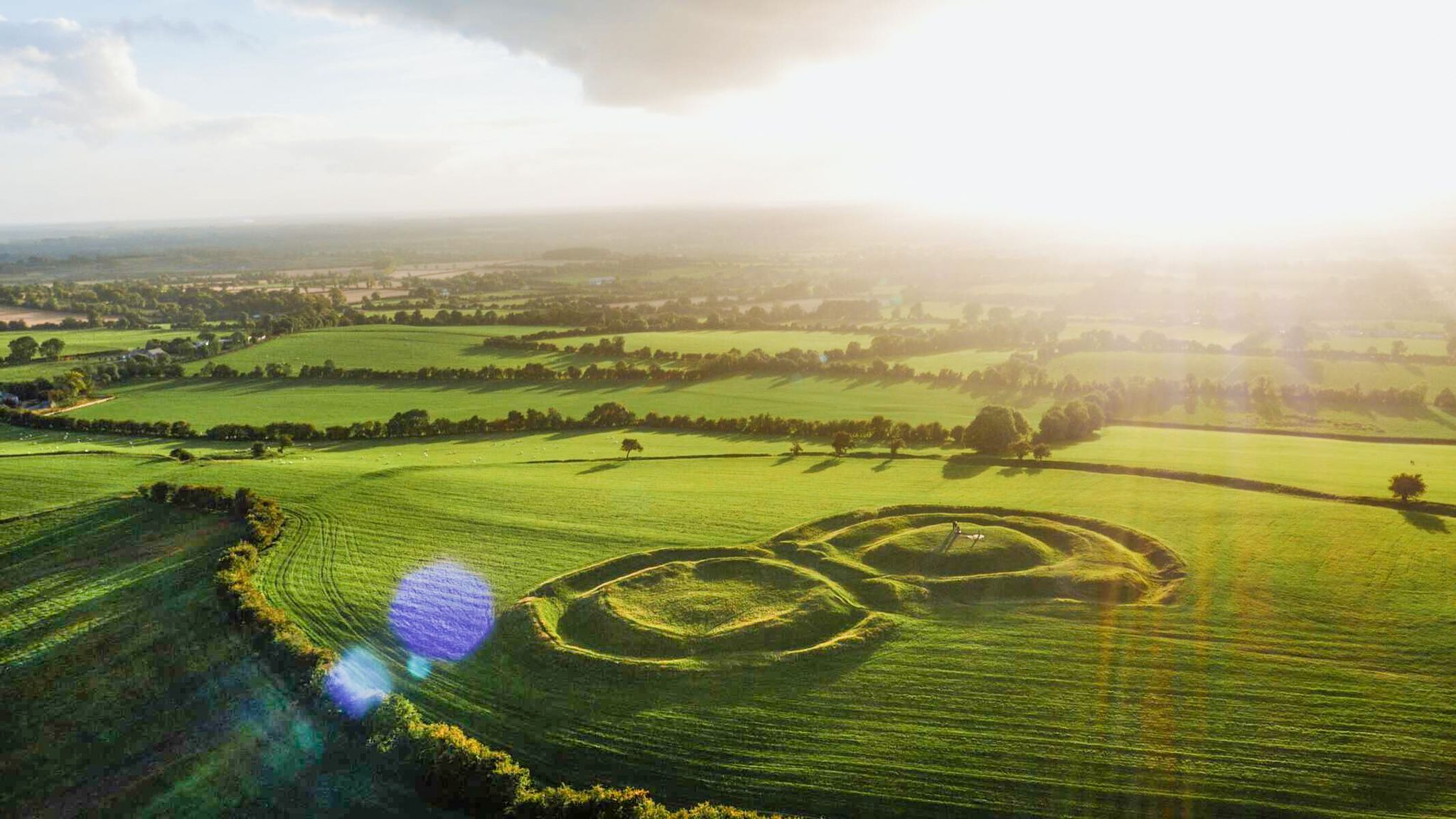
- The most popular natural monuments is Hill of Tara, a historical site that was once the ancient seat of power and traditional seat of the High Kings of Ireland. It includes ancient monuments, defensive earthworks, and passage tombs like the Mound of the Hostages.
- Another must-see spot is Newgrange Passage Tomb, a historical site and man-made monument. This prehistoric passage tomb, part of the Brú na Bóinne complex, was constructed around 3200 BC and is known for its winter solstice alignment.
- Visitors also love Knowth Megalithic Tombs, a historical site with a large collection of ancient megalithic structures. This site, also part of the Brú na Bóinne complex, is larger than Newgrange and contains numerous smaller burial mounds.
- Meath is known for its historical sites, ancient passage tombs, and megalithic structures. Visitors can explore a variety of natural monuments, from prehistoric burial sites to significant viewpoints.
- The natural monuments in Meath are appreciated by the komoot community, with 19 upvotes and 15 photos shared across 10 highlights.
Last updated: August 20, 2026
Hill of Tara
Highlight • Historical Site
Up until the 12th century it was one of the most important religious and power-political places in Ireland. For a long time the Hill of Tara was used as the center of power for the so-called Hochkönige. The traditions report that the coronation of the Hochkönig by the fate stone should have taken place. The coronation stone still exists today. According to tradition, he should have uttered a scream when the rightful king touched him. The mythology differs from the reality, because there never was one Hochkönig in Ireland. So the Hill of Tara was most likely used by several regional rulers.
But even before the 3rd century AD, the place must have had a religious significance. That is what the buildings and finds suggest. Today, of the former monuments, the hill of the hostages (a passage grave), various Raths (circles of the earth from the Iron Age), the stone of destiny and the St. Patrick's Church are still present. It is believed that in earlier times there were wooden structures in various places on the Hill of Tara that are no longer there today.
With the spread of Christianity, the Hill of Tara lost its importance as a place of worship. But today it is still considered the home of gods and druids and numerous myths surround this place: heritageireland.ie/visit/places-to-visit/hill-of-tara.
Translated by Google •
Tip by

Newgrange Passage Tomb
Highlight • Historical Site
Translated by Google •
Tip by

Sign up now to discover places like this
Get recommendations on the best single tracks, peaks, & plenty of other exciting outdoor places.
Sign up for free
Knowth Megalithic Tombs
Highlight • Historical Site
Translated by Google •
Tip by
Loughcrew Cairns
Highlight • Historical Site
Tip by

Brú na Bóinne
Highlight • Historical Site
Archaeologists classified Newgrange as a passage grave, but today Newgrange is recognised as much more than a passage grave. The designation "Ancient Temple" is more fitting, a place of astrological, spiritual, religious and ceremonial significance, much like today's cathedrals are places of prestige and worship where dignitaries can find their final rest.
Newgrange is a large, kidney-shaped mound covering over an acre of land, supported at its base by 97 kerbstones, some of which are richly decorated with megalithic art. The 19m (62ft) long inner passage leads to a cruciform chamber with a corbelled roof. The time and labour invested in the construction of Newgrange suggest a well-organised society with specialised groups responsible for various aspects of the build.
Newgrange is part of a complex of monuments erected along a bend in the River Boyne, known generically as Brú na Bóinne. The other two main monuments are Knowth (the largest) and Dowth, but there are up to 35 smaller mounds throughout the area. (Source: newgrange.com/)
Showing Translation
Tip by

Knowth Passage Tomb and Megalithic Art
Highlight • Historical Site
The complex is probably older than Newgrange, which is dated to around 3,150 BC. The main mound contains a structure with a widened, bent chamber (western grave) and a cross chamber, the chamber ceiling of which consists of a false vault (eastern grave). In addition, the main mound, known as Knowth 1, contains numerous younger graves, as well as several medieval basements.
Knowth has many decorated wall stones in the corridors and chambers of the main mound
- de.wikipedia.org/wiki/Knowth
- en.wikipedia.org/wiki/Knowth
I was in Newgrange and Knowth in 1994. Back then I could drive to Newgrange, park my bike right at the entrance to the complex and buy a ticket in a small house for a small amount of money - very easy.
By 2017 that was no longer possible - just drive there.
There was a visitor center, located south of Newgrange - with a lot of entrance fees and bus transfers to Newgrange and Knowth.
It is possible to book just Newgrange or just Knowth - or both together.
Everything was planned out - small groups and a tour every half hour...
I got a sticker on my jacket - it told me when it was my turn and which bus I had to get on...
When I arrived in Newgrange - then the same thing happened - small groups - clearly organized who was next when...
The bus transfer to Knowth too - my group was given 10 minutes to walk around the site on their own - the bus then drove on.
Knowth has turned out great - the whole thing has been beautifully restored!
In 1994 Knowth was still a construction site - there was nothing to see.
Here too, unfortunately, I only had a short time to walk around on my own - the bus was already ready for the return journey to the visitor center...
But it was nice! I'll definitely come back!
Translated by Google •
Tip by

Ben Head Cliffs
Highlight • Climb
Tip by

Ben Head
Highlight • Viewpoint
Tip by
Loughcrew Cairns
Highlight • Historical Site
Tip by

Start today with a free account
Your next adventure awaits.
Login or Signup
Popular around Meath


Tips from the Community

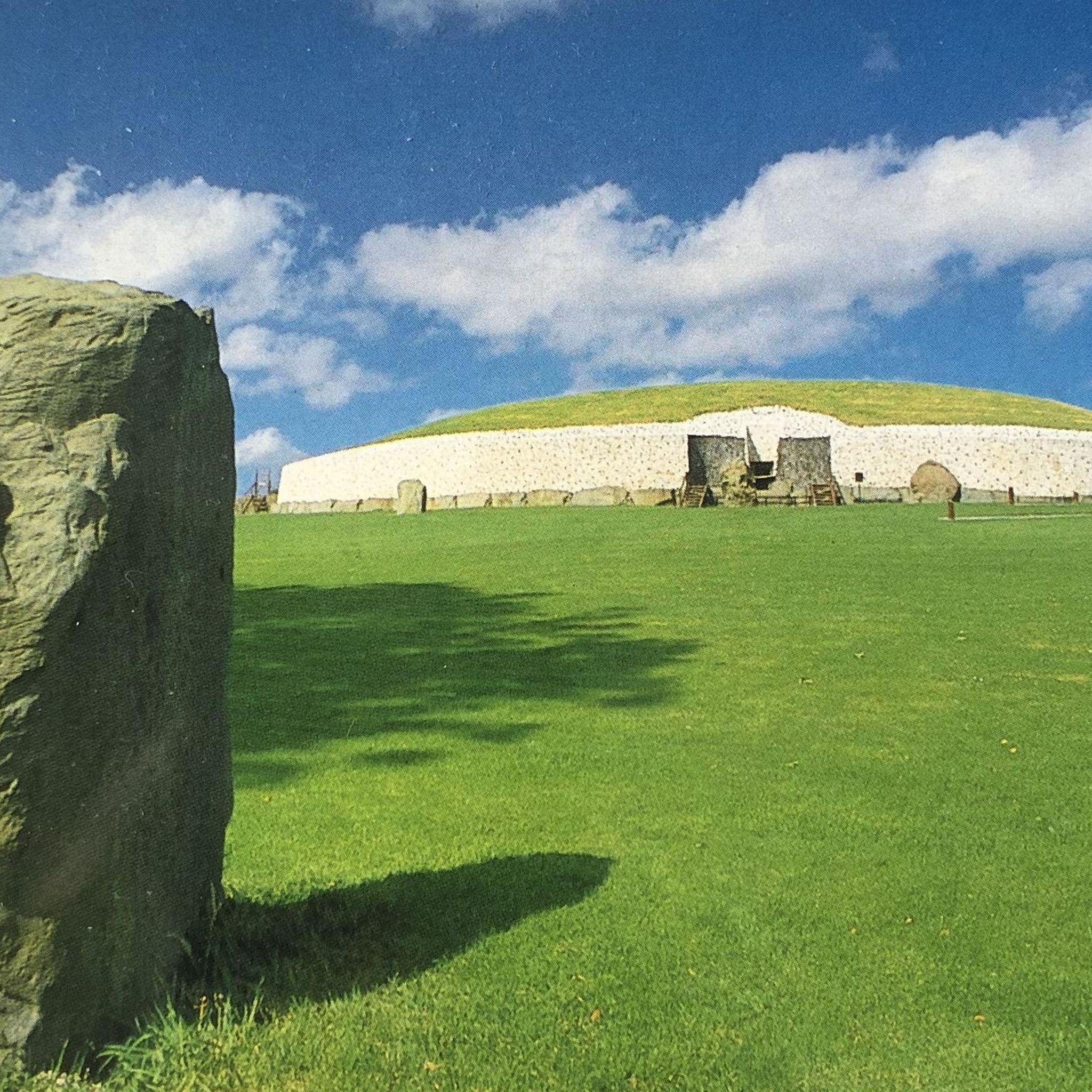
Older than Stonehenge and the pyramids, this monument stands in the green countryside of County Meath and tells stories of a time long gone. The journey here takes you along quiet roads along the Boyne until you finally stand in front of the massive burial mound. The intricate decorations on the stones and the special architecture of the cross-shaped chamber are impressive. It is amazing how people back then were able to create such precise construction without modern tools. If you take a break here, you can feel the special energy of the place - as if history itself is whispering through the wind. A detour is worthwhile, especially if you want to incorporate a little culture into your cycling tour. The journey is easy and there are plenty of places to park your bike and explore the area.
1
0

Underground secrets... Newgrange isn't the only passage tomb in Ireland, of course. There are two more in Brú na Bóinne. Along with the nearby Knowth and Dowth tombs, Newgrange has been a UNESCO World Heritage Site since 1993. Not bad for a site that was once doomed to become a quarry! Nearby, at Oldcastle in County Meath, you'll find a lesser-known collection of passage tombs. Around a handful of hills in Loughcrew are several cairns dating back to around 3200 BC. More mysterious and difficult to reach, exploring them is even more like Indiana Jones. If you get the feeling you're being watched, you might be right. About 60km away, on the summit of Slieve Gullion in County Armagh, the passage of another tomb points directly towards Loughcrew. The two cairns at Slieve Gullion are located on either side of the summit lake. The southern grave is said to be aligned with the sunset on the winter solstice. In good weather you can even see Dublin Bay from here. (Source: https://www.ireland.com/de-de/magazine/built-heritage/newgrange/)
2
1
5,000 years. That makes Newgrange older than Stonehenge. It's also older than the Egyptian pyramids. But over the past five millennia, the passage tomb has lost none of its fascination. But let's start from the beginning: There is no direct access to Newgrange. If you're driving, don't let your sat nav take you to Brú na Bóinne/Boyne Valley (latitude 53.694567, longitude 6.4463). The visitor center there sells tickets and you can take a shuttle bus for a guided tour. If you don't have a car, that's no problem either: you can book a day trip from Dublin. Arriving at the iconic tomb is an overwhelming experience. You stand in front of an 80m wide mound, lined with decorated stones and covered in white Wicklow quartzite. A guide tells you about the myths and history behind the landmark. Newgrange could have been a tomb or a temple. Nobody knows for sure. The truth will remain hidden forever. (Source:https://www.ireland.com/de-de/magazine/built-heritage/newgrange/)
2
1
Newgrange was built by a farming community that flourished on the fertile soils of the Boyne Valley. Knowth and Dowth are similar mounds that, together with Newgrange, have been declared a UNESCO World Heritage Site. Archaeologists classified Newgrange as a passage grave, but today Newgrange is recognised as much more than a passage grave. The designation "Ancient Temple" is more fitting, a place of astrological, spiritual, religious and ceremonial significance, much like today's cathedrals are places of prestige and worship where dignitaries can find their final rest. Newgrange is a large, kidney-shaped mound covering over an acre of land, supported at its base by 97 kerbstones, some of which are richly decorated with megalithic art. The 19m (62ft) long inner passage leads to a cruciform chamber with a corbelled roof. The time and labour invested in the construction of Newgrange suggest a well-organised society with specialised groups responsible for various aspects of the build. Newgrange is part of a complex of monuments erected along a bend in the River Boyne, known generically as Brú na Bóinne. The other two main monuments are Knowth (the largest) and Dowth, but there are up to 35 smaller mounds throughout the area. (Source: https://www.newgrange.com/)
5
0
interesting @Christian427: In 1995 I was there with a friend. We could even spend the night on the meadow next door. A top experience with a couple and after a shared breakfast in the morning we went to visit Newgrange. Today we were there: a mega visitor center, however with (entrance fee: 5 Euros) absolutely ok and really well prepared. However, we were on our way back to Dublin and the next bus didn't leave for another 1.5 hours. A visit from the inside was not possible, only from the outside (according to the lady at the ticket counter). The shuttle bus tour would be just over 50 minutes and with the stop about 2 hours (however, only bookable online in advance). Visitor center alone does not have to/cannot be booked online.
3
0

In 1994 I was in Newgrange and Knoth. I could just drive to Newgrange back then, park my bike right at the entrance of the site and buy a ticket in a small booth for little money - very simple. By 2017, that was no longer possible - just driving there like that. There was a visitor center, located south of Newgrange - with admission and bus transfer to Newgrange and Knoth. It is possible to book only Newgrange or only Knoth - or both together. Everything is planned - small groups and a tour every half hour... I received a sticker on my jacket - which told me when it was my turn and which bus I had to board... In Newgrange, the same procedure - small groups - clearly organized who was next... Also the further bus transfer to Knoth - my group got 10 minutes to walk around the site alone - the bus was already moving on. Knoth has become great - the whole thing beautifully restored! In 1994, Knoth was still a construction site - there was nothing to see yet. Here too, unfortunately, only a short time to walk around alone - the bus was already ready for the return trip to the visitor center... But it was nice! I will definitely come back!
3
0

The World Heritage Property of Brú na Bóinne is Ireland’s richest archaeological landscape and is situated within a bend in the River Boyne. Brú na Bóinne is famous for the spectacular prehistoric passage tombs of Knowth, Newgrange and Dowth which were built circa 3200BC. These ceremonial structures are among the most important Neolithic sites in the world and contain the largest collection of megalithic art in Western Europe. (https://heritageireland.ie/places-to-visit/bru-na-boinne-visitor-centre-newgrange-knowth-and-dowth/)
3
0
The Hill of Tara has been important since the late Stone Age, when a passage tomb was built there. However, the site became truly significant in the Iron Age (600 BC to 400 AD) and into the Early Christian Period when it rose to supreme prominence – as the seat of the high kings of Ireland. All old Irish roads lead to this critical site. St Patrick himself went there in the fifth century. As Christianity achieved dominance over the following centuries, Tara’s importance became symbolic. Its halls and palaces have now disappeared and only earthworks remain. There are still remarkable sights to be seen, however. Just one example is the Lia Fáil – the great coronation stone and one of the four legendary treasures of the Tuatha Dé Danann – which stands proudly on the monument known as An Forradh. https://heritageireland.ie/places-to-visit/hill-of-tara/
4
0
Frequently Asked Questions
What types of ancient monuments can I explore in Meath?
County Meath is rich in ancient and historically significant natural monuments. You can explore spectacular prehistoric passage tombs like those at Newgrange Passage Tomb and Knowth Megalithic Tombs, which are part of the UNESCO World Heritage site of Brú na Bóinne. Another significant site is Hill of Tara, an ancient ritual landscape and traditional seat of the High Kings of Ireland, featuring numerous earthworks and tombs.
Are there any natural landscapes or unique ecosystems to visit in Meath?
Yes, beyond the ancient sites, you can experience unique natural ecosystems. The Girley Bog Boardwalk offers access through one of the few remaining bogs in County Meath, providing a habitat for diverse wildlife. It's an excellent spot for nature enthusiasts to learn about local flora and fauna.
What are the most popular natural monuments in Meath according to visitors?
Visitors frequently highlight the ancient sites. The Hill of Tara is a popular choice, known as the heart of early Irish history. Newgrange Passage Tomb and Knowth Megalithic Tombs, both part of the Brú na Bóinne complex, are also highly regarded for their historical significance and impressive megalithic art.
Are there family-friendly natural monuments in Meath?
Many of Meath's natural monuments are suitable for families. The Hill of Tara, Newgrange Passage Tomb, and Knowth Megalithic Tombs are all listed as family-friendly. The Brú na Bóinne Visitor Centre, which serves as the starting point for tours to Newgrange and Knowth, offers an engaging experience for all ages.
Where can I find the best panoramic views among Meath's natural monuments?
For breathtaking views, the Hill of Tara offers expansive vistas, where on a clear day, you can reportedly see a quarter of the Irish landscape. The Loughcrew Cairns, situated on hilltops, also provide rewarding panoramic views after a steep climb.
What walking or hiking opportunities are available near Meath's natural monuments?
There are several walking and hiking opportunities. You can find easy hikes like the Trim Historic Trail or the Girley Bog Eco Walk. For those visiting the ancient sites, the Hill of Tara and Loughcrew Cairns also offer walking trails. You can find more details on these and other routes in the Easy hikes in Meath guide.
Are there cycling routes near the natural monuments in Meath?
Yes, County Meath offers various cycling routes. For road cycling, you can explore routes like the 'Kells to Virginia Town loop – Loughcrew Cairns' which passes near Loughcrew Cairns. Mountain biking enthusiasts can find trails such as the 'Loughcrew Cairns & Mullaghmeen Forest loop'. More information is available in the Road Cycling Routes in Meath and MTB Trails in Meath guides.
What is the significance of the winter solstice at Newgrange?
Newgrange Passage Tomb is famous for its alignment with the winter solstice. During this event, sunlight penetrates its passage and illuminates the inner chamber, a remarkable feat of ancient engineering. A recreation of this illumination can be experienced at the Brú na Bóinne Visitor Centre at any time of the year.
What is unique about Loughcrew Cairns compared to other passage tombs?
Loughcrew Cairns, also known as Slieve na Calliagh, are spread across three hilltops and are notable for their distinctive megalithic petroglyphs. Similar to Newgrange, Cairn T at Loughcrew features an equinox illumination, where the rising sun shines through the passage to light up symbols on the back wall during the March and September equinoxes.
Do I need to book tickets in advance for sites like Newgrange or Knowth?
Yes, it is highly recommended to book tickets in advance, especially for popular sites like Newgrange Passage Tomb and Knowth Megalithic Tombs. These sites are part of the Brú na Bóinne complex, and tours often have limited availability. You can check for booking information and opening times on the official Heritage Ireland website: heritageireland.ie.
What should I wear when visiting natural monuments in Meath?
Given the outdoor nature of these sites, it's advisable to wear comfortable walking shoes, especially if you plan to explore sites like the Hill of Tara or the Loughcrew Cairns, which may involve some climbing. For the Girley Bog Boardwalk, sturdy shoes are recommended due to potentially slippery conditions after rain. Layered clothing is also a good idea to adapt to changing weather.
Most popular routes in Meath
Most popular attractions in Meath

Get inspired with the komoot mobile app


Didn’t find what you were looking for?
Find even more amazing natural monuments in Meath by checking out the top Highlights region by region:
Explore more
Extend your search for the best caves by checking out these guides of the top ones in Meath:
