Top 16 Natural Monuments in Venezia
Natural monuments in Venezia encompass a diverse range of ecological and geological features, primarily centered around the Venetian Lagoon. This expansive lagoon, the largest in Italy, is a unique ecosystem of shallow waters, tidal flats, and salt marshes that has shaped the region's landscape. Beyond the lagoon, the area features river mouths, dune habitats, and protected natural areas. These sites offer opportunities to observe local wildlife and experience the natural environment of the Venezia region.
Best natural monuments in Venezia
…Last updated: August 20, 2026
Sile River mouth
Highlight • River
Translated by Google •
Tip by

Old River Port of Noventa di Piave
Highlight • Historical Site
The origin of the river port …
Translated by Google •
Tip by
Sign up now to discover places like this
Get recommendations on the best single tracks, peaks, & plenty of other exciting outdoor places.
Sign up for free
Palù del Bandiziol
Highlight • Lake
Showing Translation
Tip by
Vallevecchia Nature Reserve
Highlight • Natural Monument
Translated by Google •
Tip by

Motta del Buffetto Bronze Age Mound
Highlight • Historical Site
Translated by Google •
Tip by

Villanova Oak (national monument)
Highlight • Natural Monument
Translated by Google •
Tip by

The Quaderno di Zaher Memorial, Mestre Woods
Highlight • Monument
Gardener, open the garden door;
I'm not a flower thief,
I myself turned pink,
I don't go looking
of any flower
These verses were found on a page …
Translated by Google •
Tip by

San Pietro Ford on the Versiola
Highlight (Segment) • River
Translated by Google •
Tip by

Observation Tower at Brussa Wetlands
Highlight • Monument
Translated by Google •
Tip by

San Nicolò Dunes Nature Reserve
Highlight • Natural Monument
Translated by Google •
Tip by

Sign up for free to discover even more natural monuments in Venezia.
Sign up for free
Already have an account?
Start today with a free account
Your next adventure awaits.
Login or Signup
Popular around Venezia
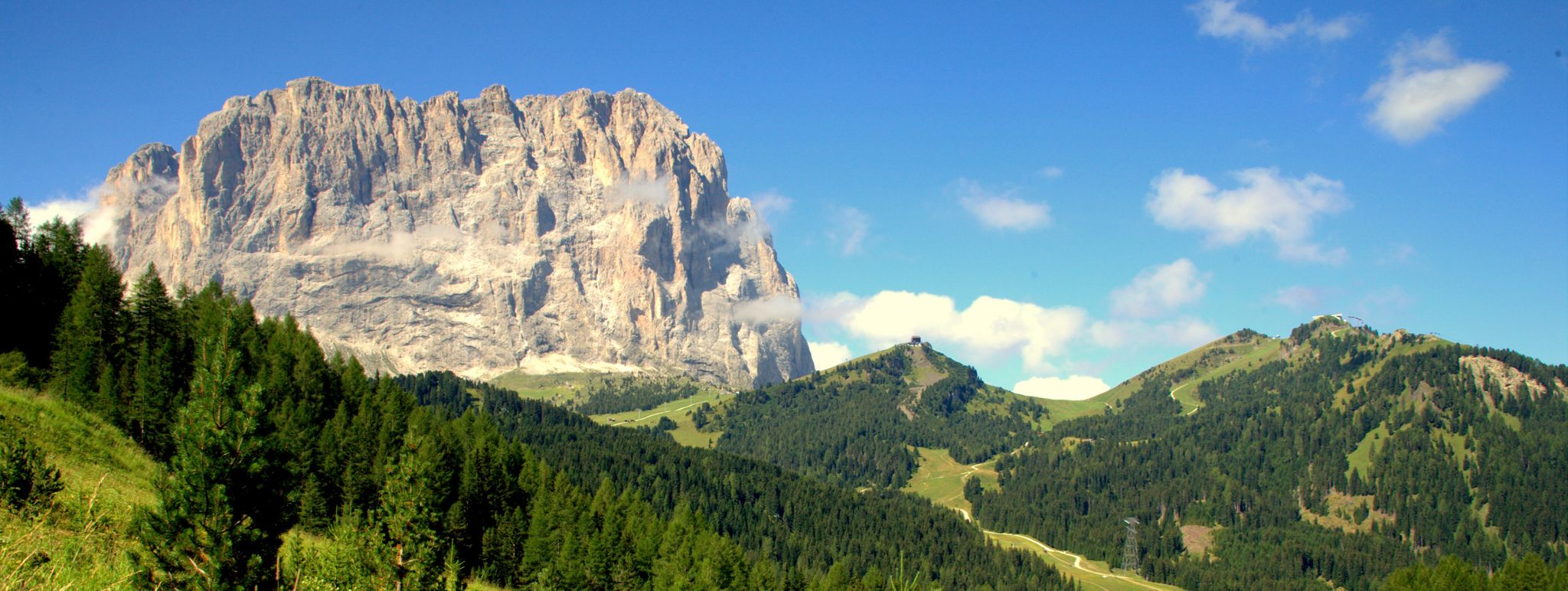
Via Venezia Alpina – hiking across the Alps to the Adriatic Sea
Budapest to Venice via the beautiful Soča Valley
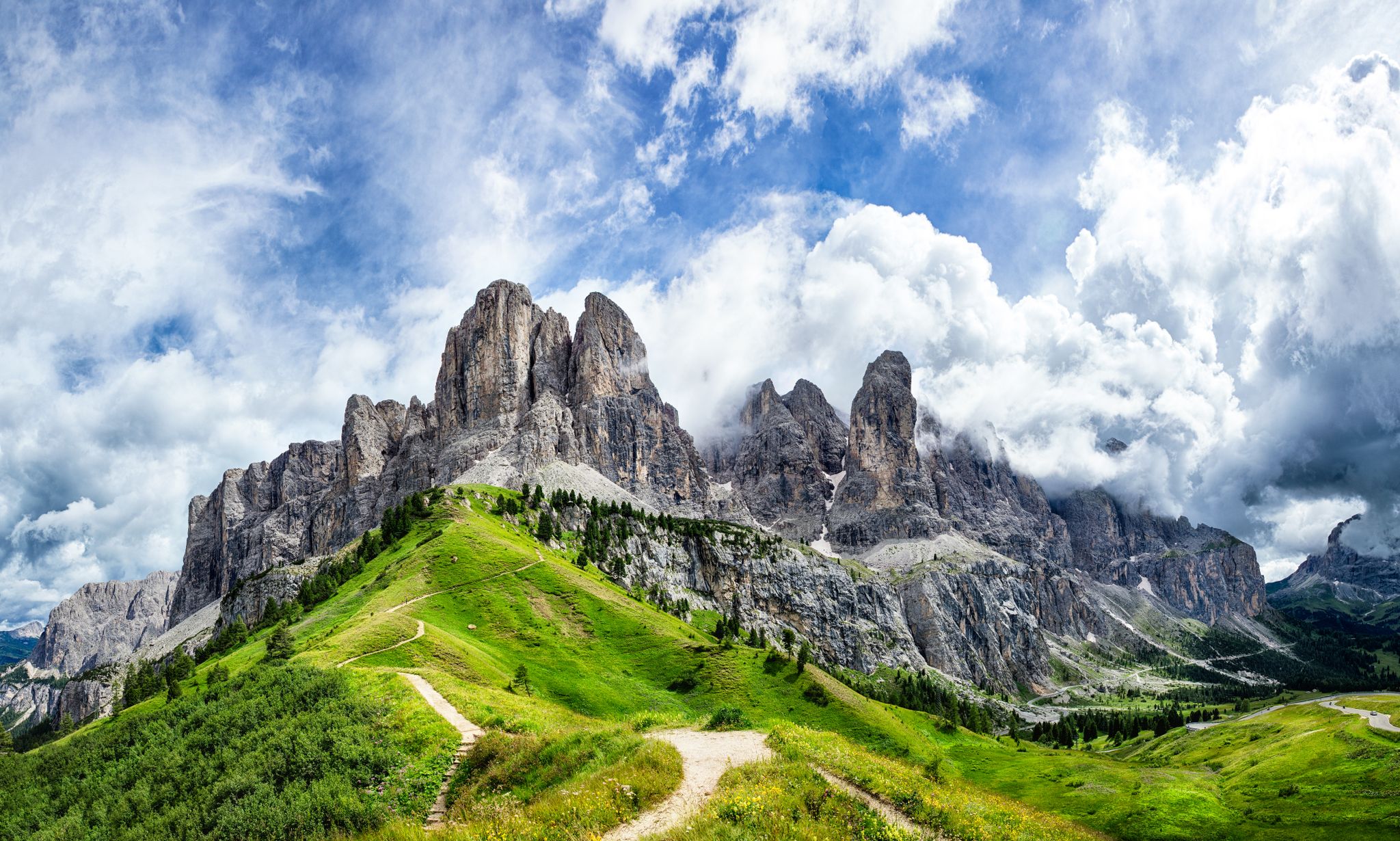
The "Dream Path" hiking trail – From Munich to Venice in 28 stages
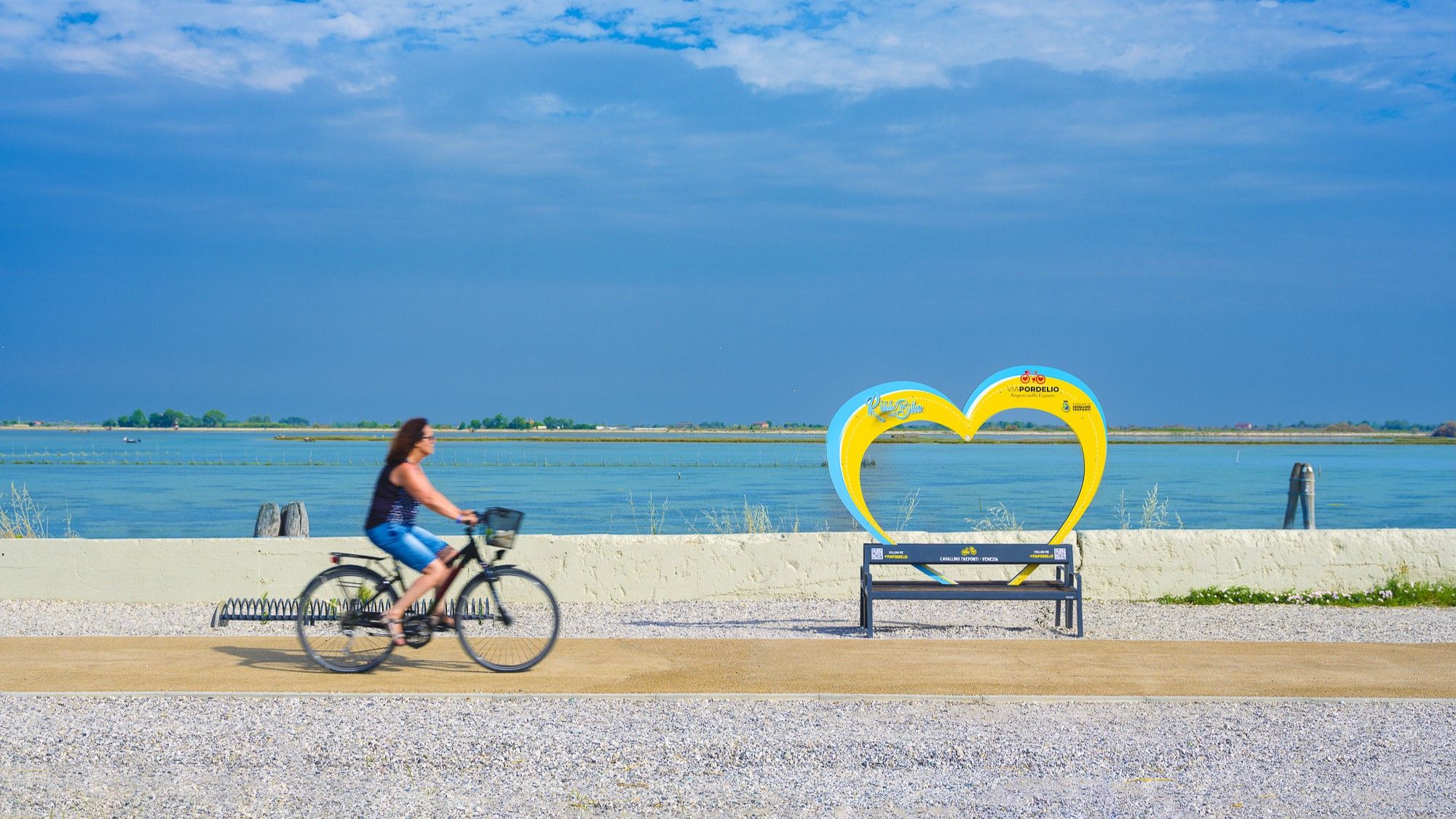
Cavallino Treporti by bike – routes to experience the lagoon
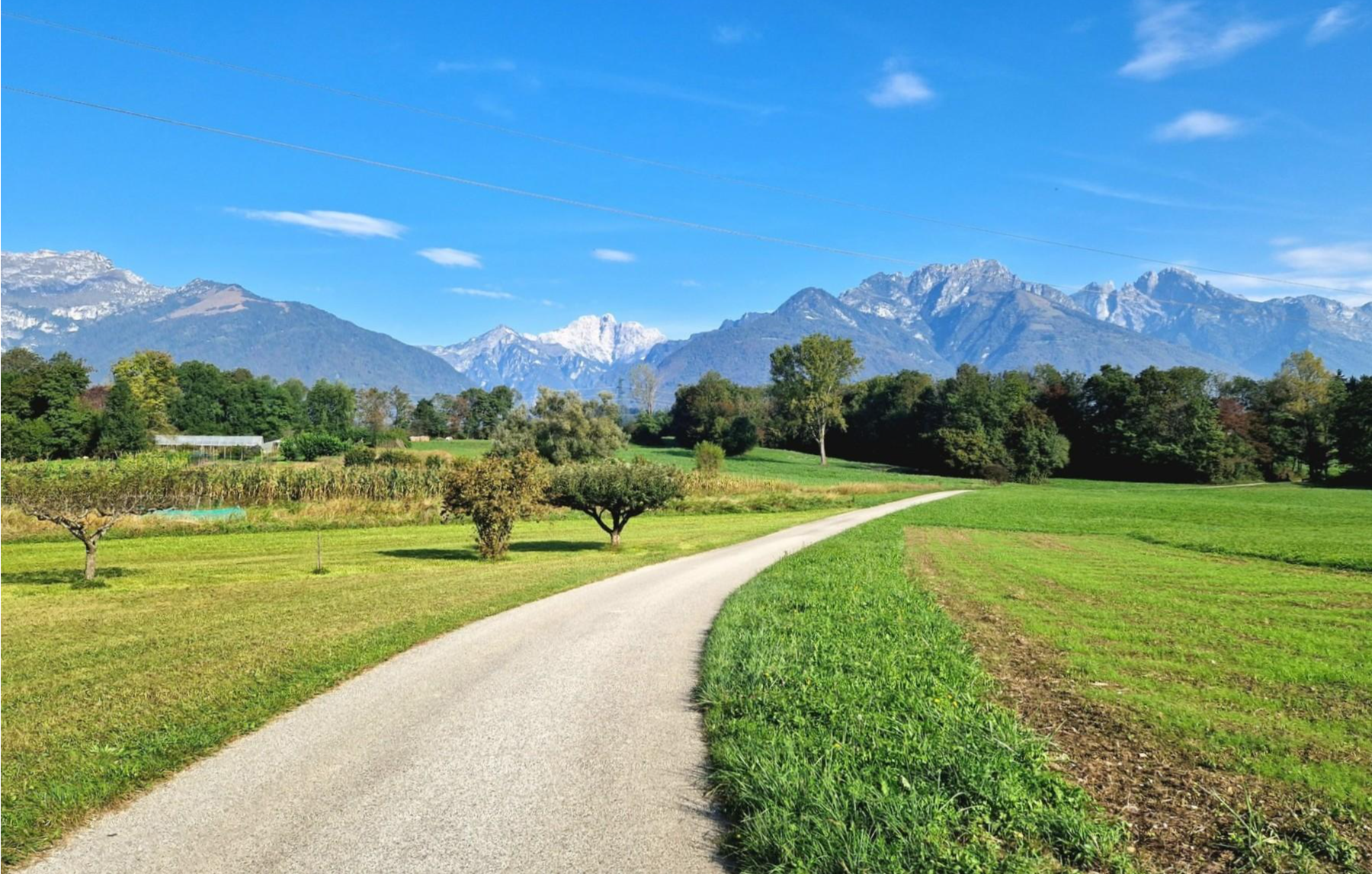
Veneto and Trentino by bike – between the Lagoon and the Dolomites
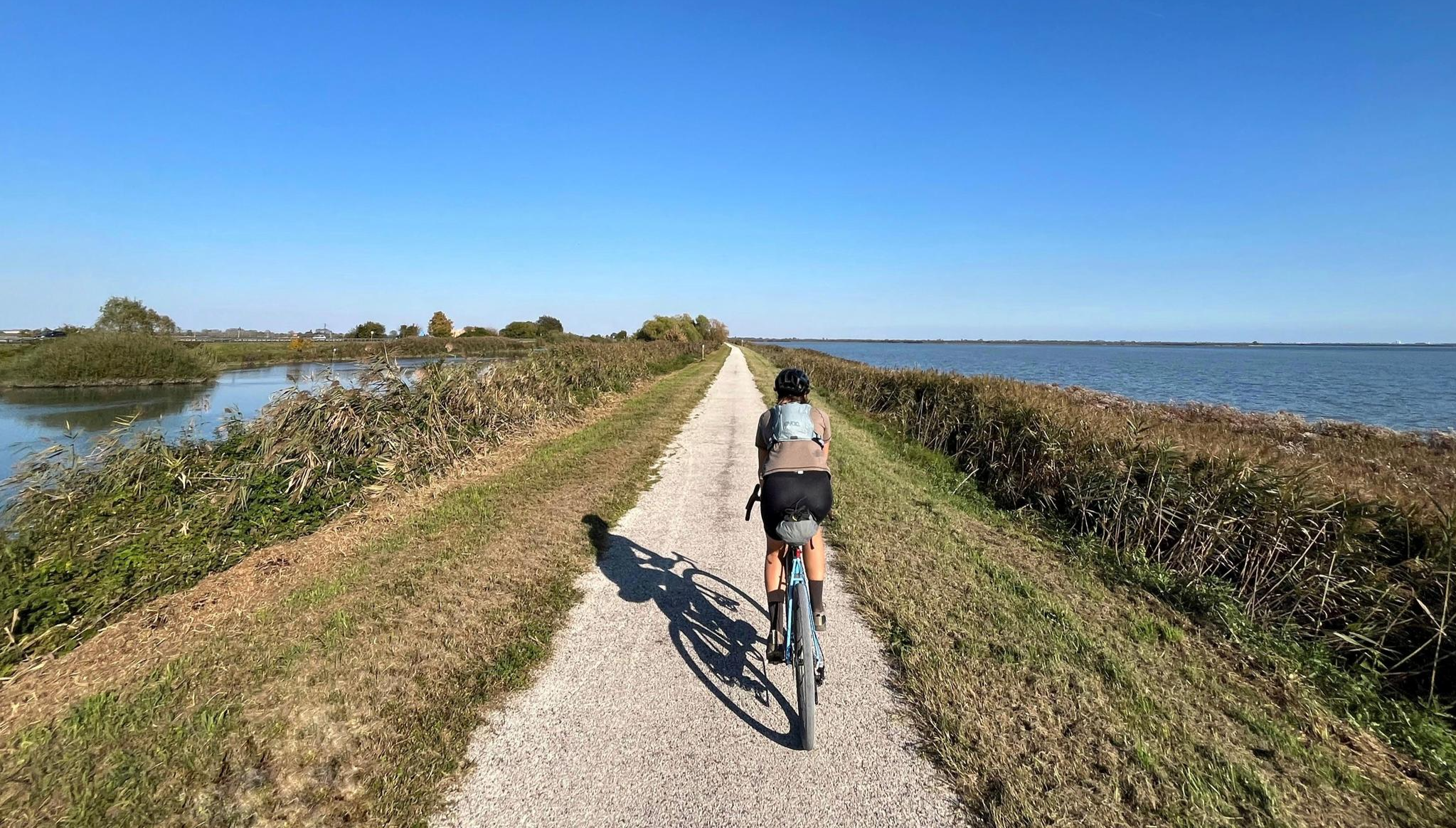
Jesolo Gravel Loop – between sandbanks and archaeology
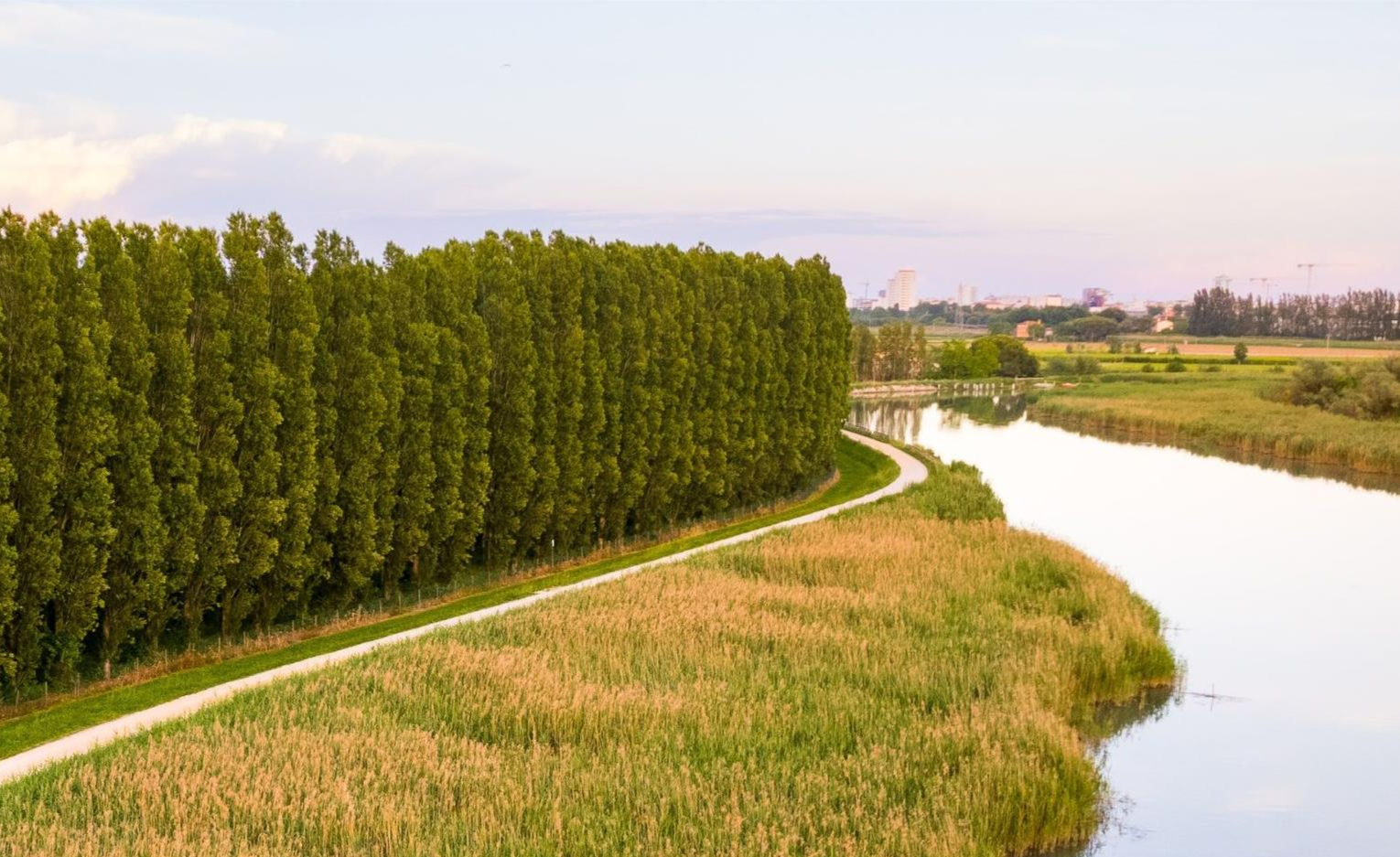
Cycling around Jesolo – between Sile, Piave and lagoon
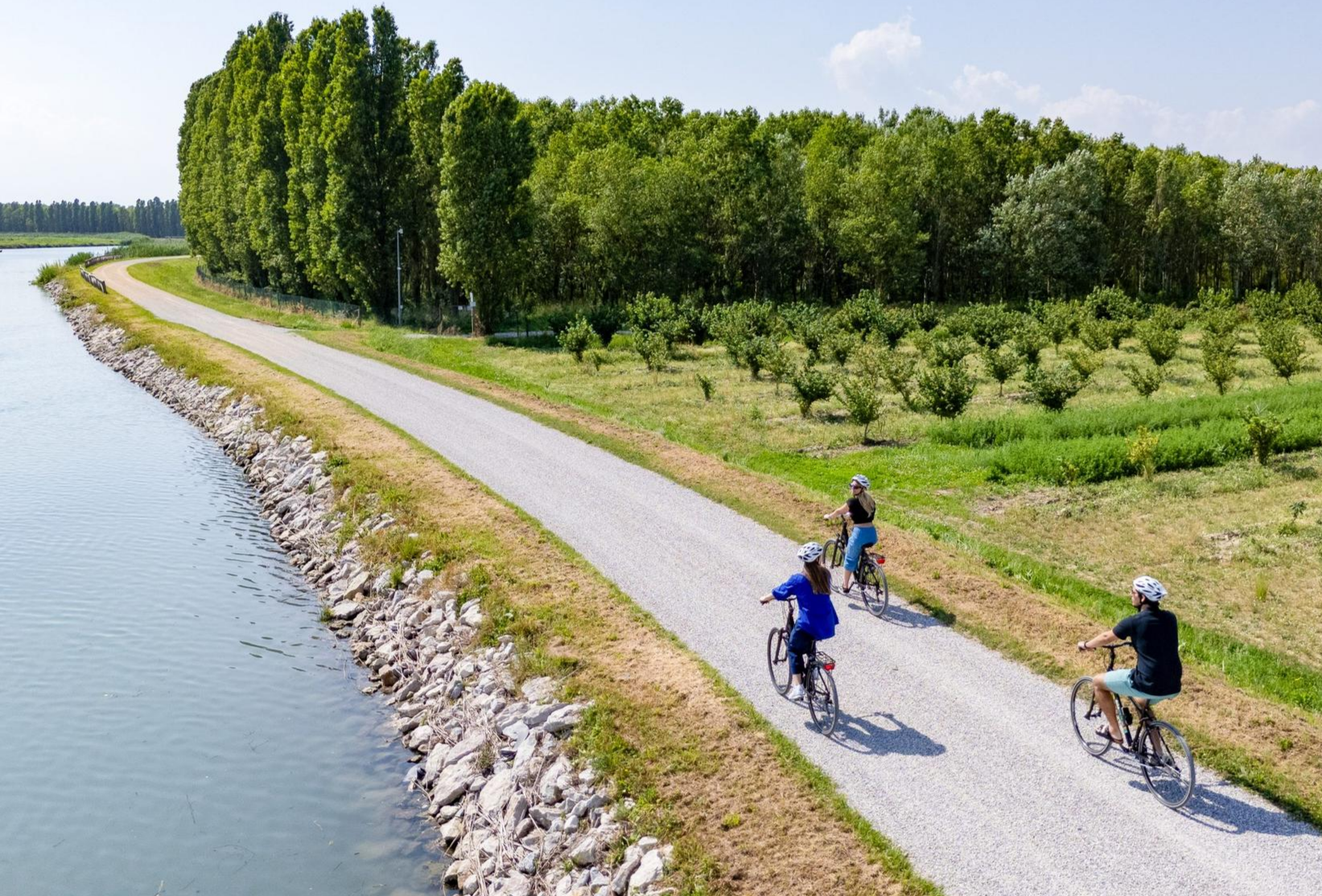
Exploring Jesolo by bike – two wheels, a thousand discoveries
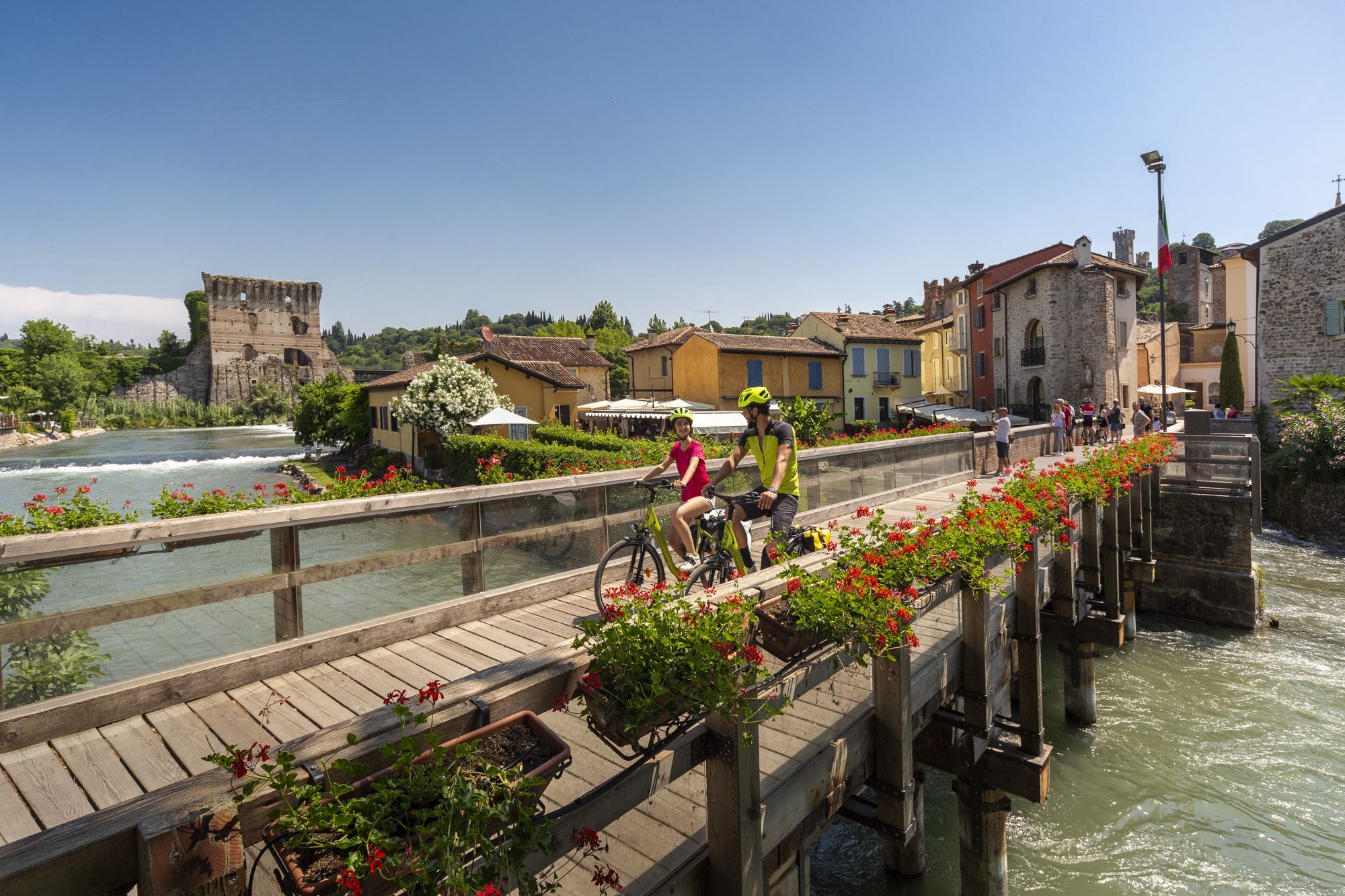
Explore Veneto at a slow pace – day trips by bike
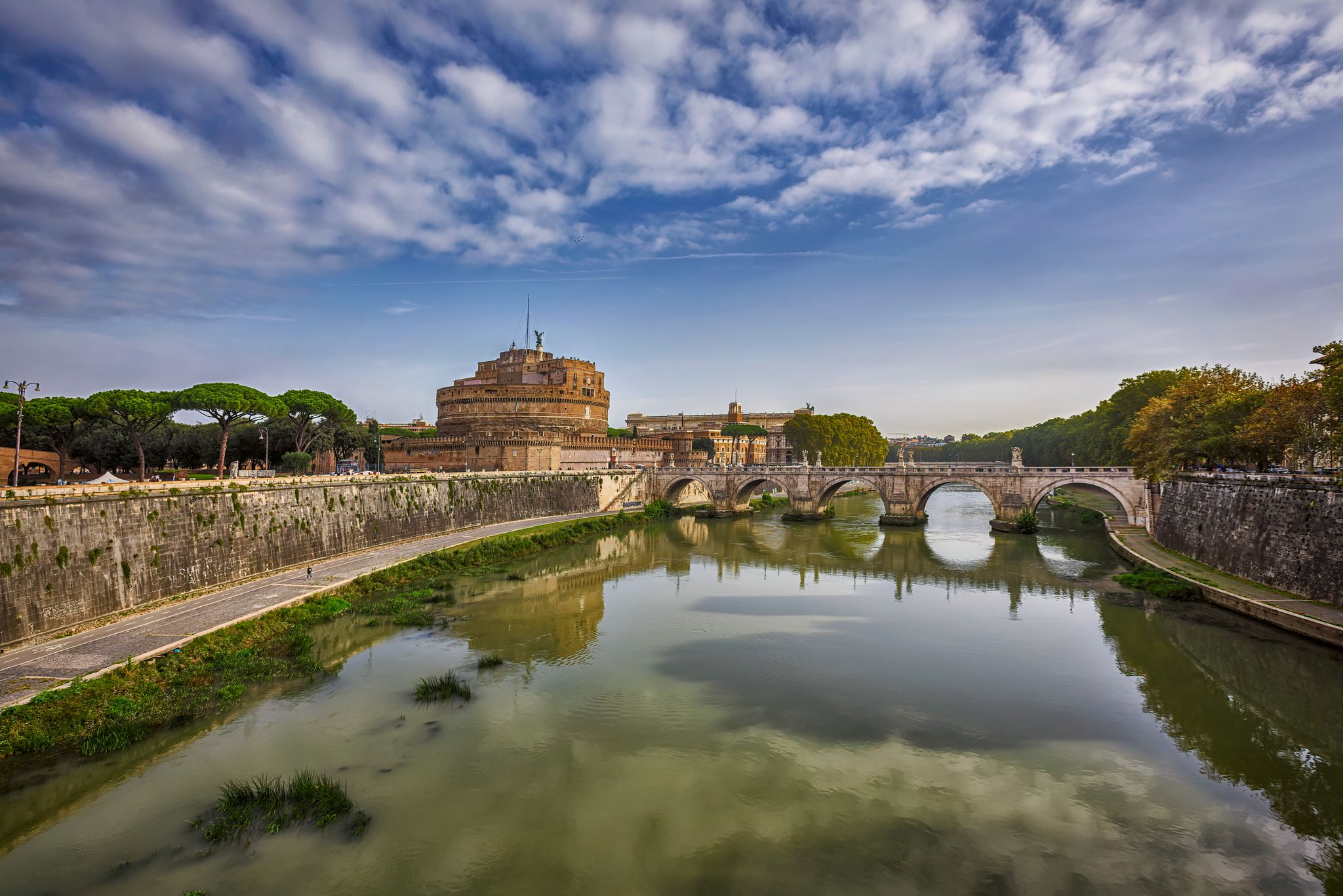
All roads lead to Rome – Romea Tiberina Cycleway
Other adventures in Venezia


Tips from the Community

A true natural paradise, one of the last remaining areas with wetlands. Well-maintained forest paths, country lanes, gravel roads, and paved sections, as well as stretches along the dikes, invite you to cycle. Tip: visit while it is still so natural.
0
0

Il Guado di San Pietro, located near Bagnarola, is a place where history blends with the nature of the springs. This ancient crossing on the Versiola canal owes its name to the nearby church of San Pietro, a Romanesque jewel mentioned as early as the 12th century. In the past, the ford represented a fundamental transit point for wayfarers and pilgrims heading to the Abbey of Sesto, offering a safe passage in a territory dominated by water. Today, the area retains a suspended and evocative atmosphere, immersed in lush vegetation of alder and willow trees. The small church, with its fifteenth-century frescoes, testifies to the deep rural spirituality of Friuli. It is an essential stop for those who travel along the nature trails connecting the village to the Mulini di Stalis.
0
0

The Sanstino territory was characterized in its southern part by large lagoons and marshes until a few decades ago. Until the first half of the 20th century, these environments proved very harmful to humans, in various aspects, as they were a source of diseases, such as malaria, and were not sufficiently productive. Thus, with major land reclamation works, the land was taken from the water to make it cultivable and to obtain products that allowed many families to live. However, the lagoons were also a huge reservoir of biodiversity with many species of animals and plants that were largely destroyed during the land reclamation operations. It is also for this reason that, within the project for the historical reconstruction of the Bandiziol and Prassaccon woods, it was desired to leave a further mark of what the territory and landscape of S. Stino once were, by creating a wetland area, partly similar to the numerous wetlands once present even within the woods, called "bassone". This intervention is not only an operation of "philological" recovery of the pre-reclamation hydraulic system but, above all, presents a significant environmental value as it reconstructs the natural habitat of various bird species. The small lake is located in the eastern part of the Bosco di Bandiziol, covers an area of approximately 10,000 sq m and has a rounded shape with small islands within it. To better reproduce different lake habitats, the small lake has varying depths, from a few centimeters to over 2 meters, thus offering many bird species the opportunity to find a suitable environment to stay. In fact, in the shallower waters and marginal areas, it is possible to see herons, egrets, plovers, mallards, and other surface ducks. In the rest of the lake, there are divers, cormorants, and diving ducks that find food in open water or on deep bottoms. The islands and the winding perimeter shapes were created specifically to allow the avifauna to hide and find refuge, so that it can be disturbed as little as possible by human presence. In fact, the conformation of the banks and the vegetation (reeds, herbaceous and shrubby vegetation) offer all the necessary environments for the rest, feeding, and nesting of birds.
11
0
A former port site, lovingly transformed into a park, with historical images. A must-see, and not just for historians.
2
0

The Palù del Bandiziol is a wetland formed by a sulfur spring that, at its source, gives off the characteristic smell of rotten eggs. This wetland is of great naturalistic value due to the presence of numerous bird species.
1
0

Now, next to the ford, there is a comfortable metal walkway
0
0

On the border between Veneto and Friuli Venezia Giulia there is a very beautiful path immersed in nature, which starts from Gruaro and crosses the Versiola river, until reaching the Stalis mills. A historical and naturalistic path in the countryside full of canals and bodies of water.
1
0

It is the habitat of the first embryonic dunes, it forms further inside habitat 1210, where the action of winter storms is less severe. the wind accumulates sand behind the tufts of vegetation forming small embryonic dunes, but its strength and the scarcity of vegetation lead to the movement of the accumulations. Due to the lack of sand supply during bora storms (dry wind blowing from the NE) due to the presence of the port mouth, high dunes do not form in San Nicolò and this means that the habitat of the embryonic dunes does not come into contact with the usual habitat of the white dunes of Ammophila (Ammophila arenaria), but extends to the retrodune habitats of the sileno-vulpieto and the tortulo-scabioseto. Due to an insufficient supply of sand, ammophila is found only with a few isolated tufts, while its place is increasingly taken by spartina (Spartina versicolor), which forms pure and compact populations even on flat soils and in the absence of sand supply.
0
0
Frequently Asked Questions
What are the most unique natural monuments in Venezia?
The most unique natural monument is undoubtedly the Venetian Lagoon itself, an expansive and dynamic ecosystem of shallow waters, tidal flats, and salt marshes. Other distinctive sites include the Salt Marshes (Barene) within the lagoon, the Dune Habitats of Lido di Venezia, and the Ca' Roman Oasis in Pellestrina, all offering unique natural experiences.
Are there protected natural areas to explore in Venezia?
Yes, Venezia offers several protected natural areas. The Vallevecchia Nature Reserve is a significant island refuge with forests, beaches, and diverse ecosystems. The Lido island features nature protection areas like the San Nicolò oasis and the WWF-protected Alberoni oasis. Further south, the Ca' Roman Natural Reserve on Pellestrina island is known as a wild and pristine area.
What kind of wildlife can I expect to see in Venezia's natural monuments?
Venezia's natural monuments are excellent for wildlife spotting, especially birds. The Salt Marshes of the Lagoon are vital breeding grounds and stopover points for over 200 species, including Greater Flamingos, Herons, Egrets, and Black-Winged Stilts. The dune habitats on Lido and the Ca' Roman Oasis also host various migratory birds, birds of prey, and rare wader species like the plover and little tern.
Are there family-friendly natural monuments in Venezia?
Many natural monuments in Venezia are suitable for families. The Old River Port of Noventa di Piave offers a park with a barbecue area. The Villanova Oak is a national monument that's easy to visit. The Vallevecchia Nature Reserve and the Observation Tower at Brussa Wetlands are also great for walks and birdwatching with children.
What outdoor activities can I do near these natural monuments?
The region around Venezia's natural monuments offers diverse outdoor activities. You can enjoy hiking, gravel biking, and running. For example, there are routes like the 'Lido di Jesolo Promenade Trail' for hiking, 'Gravel of the Idrovore' for gravel biking, and 'Sunrise at the Beach – Jesolo Lighthouse' for running. You can find more details and routes in the Hiking in Venezia, Gravel biking in Venezia, and Running Trails in Venezia guides.
What is the best time to visit Venezia's natural monuments?
The best time to visit depends on your interests. For birdwatching, spring and autumn are ideal due to migration. To avoid crowds and intense heat, consider visiting in the shoulder seasons (spring and early autumn). For places like the Vallevecchia Nature Reserve, it's recommended to avoid the summer months due to heat and insects, while every other season offers its own unique appeal.
Can I explore historical sites alongside natural monuments?
Yes, many natural monuments in Venezia have historical significance. The Old River Port of Noventa di Piave is a historical site dating back to the 10th century. The Sile River mouth has a rich history related to the Serenissima Republic's efforts to manage the lagoon. Even the Royal Gardens of Venice, while a natural monument, are steeped in history, once known as Napoleonic gardens.
How can I access the natural monuments, especially those in the lagoon?
Access varies by location. Many lagoon-based natural monuments, like the Salt Marshes, are best explored via boat tours. The Lido di Venezia, with its dune habitats, is accessible by public vaporetto (water bus) from Venice. For places like the Observation Tower at Brussa Wetlands, you can often reach them by gravel bike or on foot, with parking available nearby.
What are the Royal Gardens of Venice, and why are they considered a natural monument?
The Royal Gardens of Venice are a public park very close to Saint Mark's Square. They are considered a natural monument due to their historical significance as a green space overlooking the Venetian lagoon, providing a densely wooded area and a unique piece of nature amidst the city's architecture. They were known as Napoleonic gardens in the 19th century.
What do visitors enjoy most about the natural monuments in Venezia?
Visitors appreciate the diverse natural beauty and tranquility offered by Venezia's natural monuments. Many enjoy the opportunities for birdwatching, exploring unique ecosystems like the lagoon's salt marshes, and experiencing the contrast to the bustling city center. The Observation Tower at Brussa Wetlands is particularly popular for its wide views and birdwatching opportunities, while the Vallevecchia Nature Reserve is loved for its wild, sandy beach and peaceful atmosphere.
Are there any natural monuments that offer views of the Venetian Lagoon?
Yes, several natural monuments provide stunning views of the Venetian Lagoon. The Lido di Venezia, with its dune habitats, offers excellent views, especially during sunsets over the San Marco basin. The Observation Tower at Brussa Wetlands also provides wide views over the water landscape, which is part of the broader lagoon system.
Most popular routes in Venezia
Most popular attractions in Venezia

Get inspired with the komoot mobile app


Didn’t find what you were looking for?
Find even more amazing natural monuments in Venezia by checking out the top Highlights region by region:
Explore more
Extend your search for the best caves by checking out these guides of the top ones in Venezia:
