Top 20 Natural Monuments in Perugia
Best natural monuments in Perugia are found in Umbria, known as the "Green Heart of Italy," offering diverse natural experiences. The region features captivating landscapes, from tranquil lakes to challenging mountain terrains. Perugia's surroundings provide a blend of natural beauty and historical significance, with various natural monuments to explore.
Best natural monuments in Perugia
- The most popular natural monuments is Summit of Monte Cucco, a summit that rises to 1,566 m above sea level. This mountain is known for…
Last updated: May 14, 2026
Croce di Sasso Piano (Sasso Piano Cross)
Highlight • Summit
Translated by Google •
Tip by

Monte Subasio Summit
Highlight • Summit
Translated by Google •
Tip by
Sign up now to discover places like this
Get recommendations on the best single tracks, peaks, & plenty of other exciting outdoor places.
Sign up for free
Summit of Monte Cucco
Highlight • Summit
Translated by Google •
Tip by

Fontana Maggiore, Perugia
Highlight • Monument
Built by Umberto the Master, between 1278 and 1280, to …
Translated by Google •
Tip by

Flower Fields of Castelluccio di Norcia
Highlight • Natural Monument
Translated by Google •
Tip by

Piano Grande Castellucio
Highlight • Natural Monument
Translated by Google •
Tip by

Monte Acuto Summit Cross
Highlight • Summit
Translated by Google •
Tip by

Clitunno Springs
Highlight • Lake
Dream apartments, treat yourself to the relaxation you deserve.
A gastronomic experience in the Parco della Poesia and a garden with …
Translated by Google •
Tip by

Rasiglia Springs and Waterfalls
Highlight • Waterfall
Translated by Google •
Tip by

Abbadessa Caves of Pale
Highlight • Cave
This mineral, depositing over millennia, has given rise to spectacular caves, including the Abbadessa Caves, …
Translated by Google •
Tip by

Sign up for free to discover even more natural monuments in Perugia.
Sign up for free
Already have an account?
Start today with a free account
Your next adventure awaits.
Login or Signup
Popular around Perugia
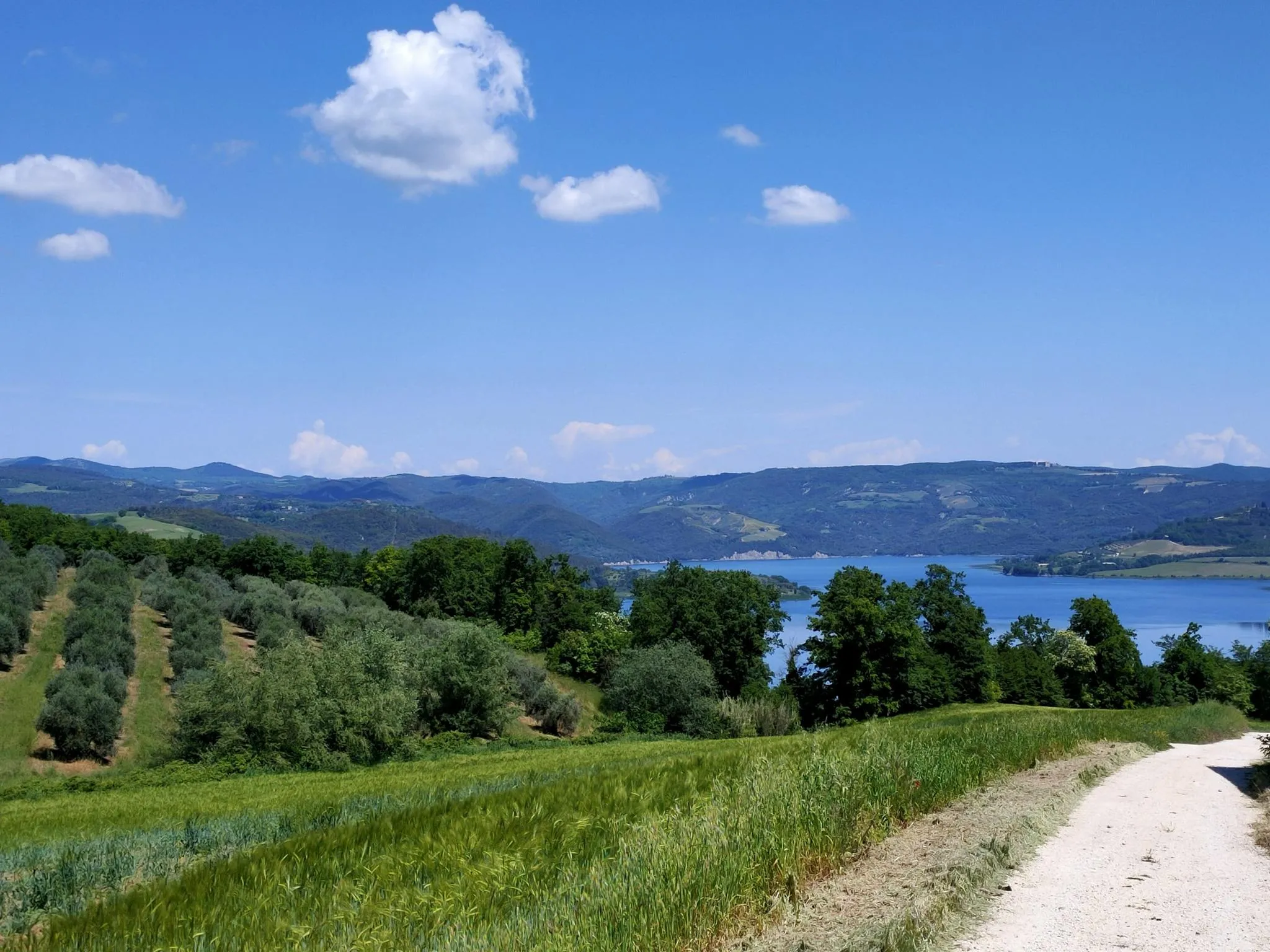
Italian Coast2Coast – From Portonovo to Orbetello
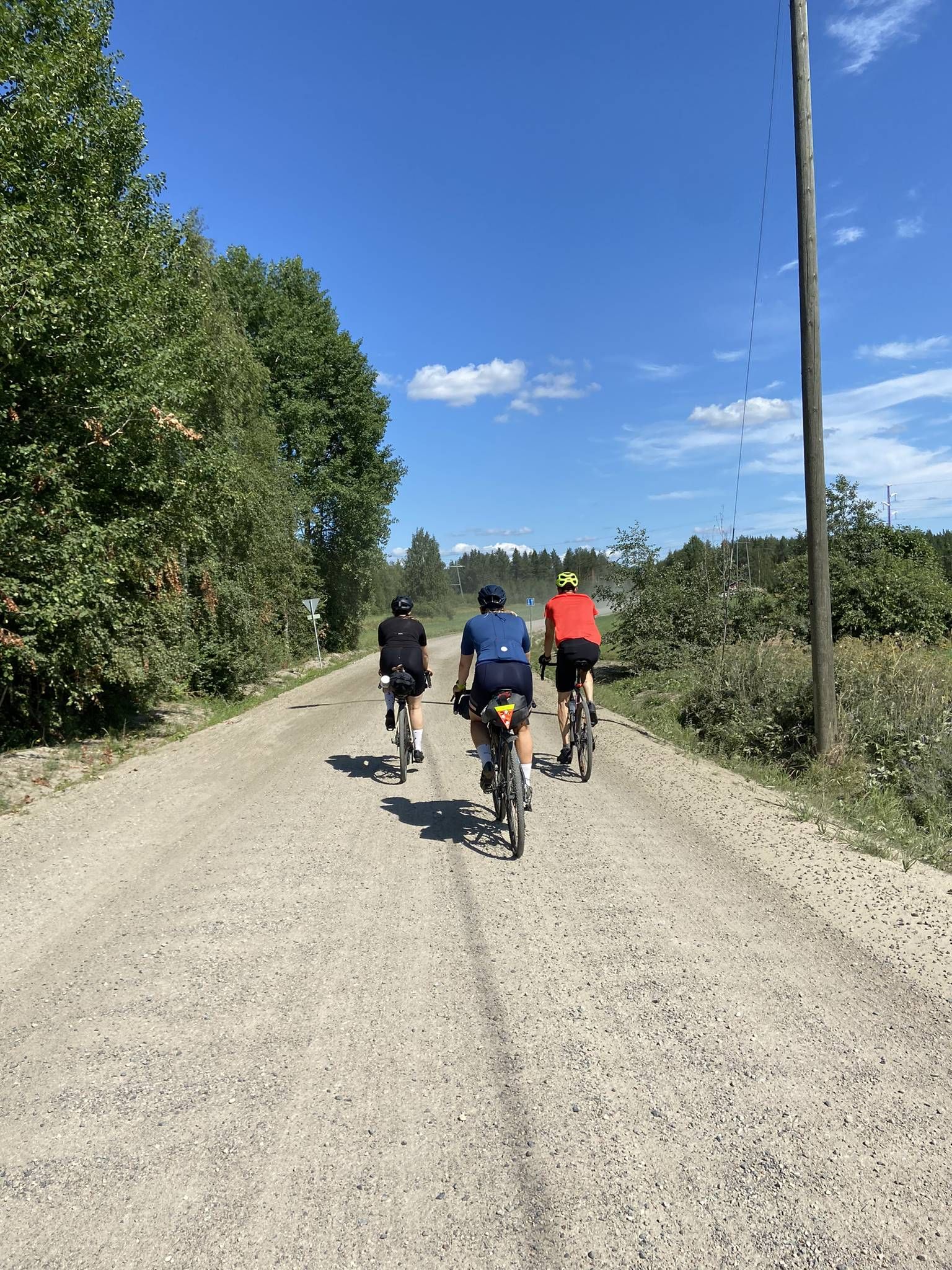
Naples to North Cape — Two friends, one purpose and many scoops of ice-cream
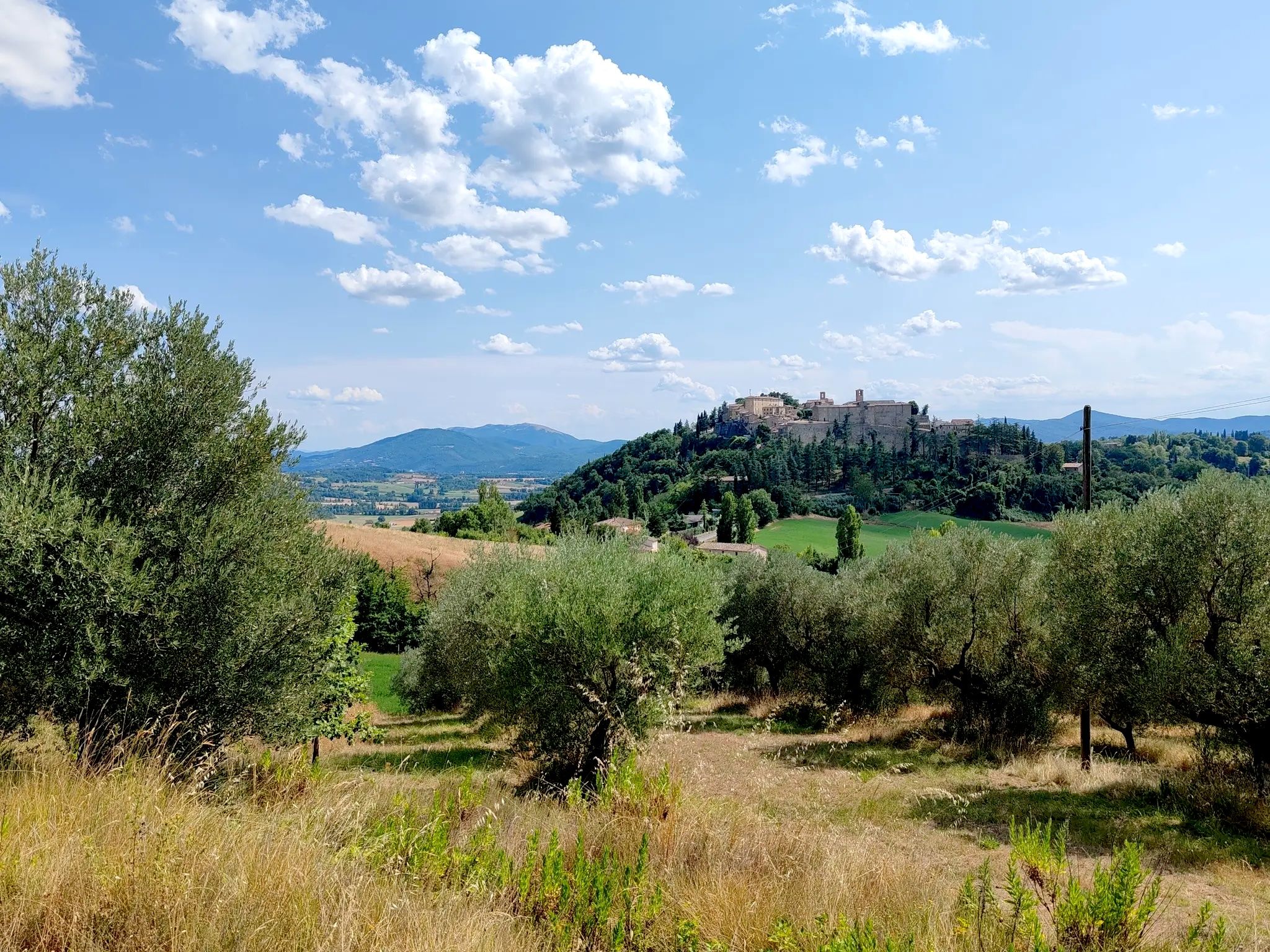
Day rides in the heart of Umbria – a Journey through History
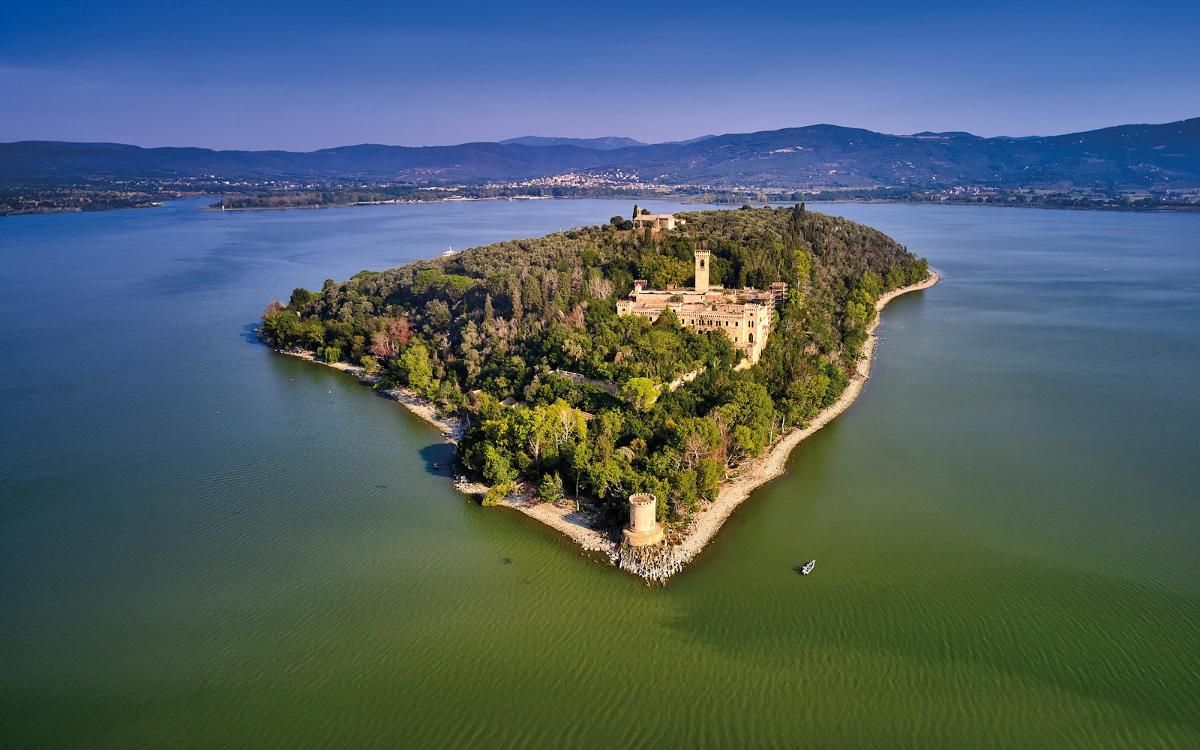
Trasimeno cycle route – Trasimeno for all
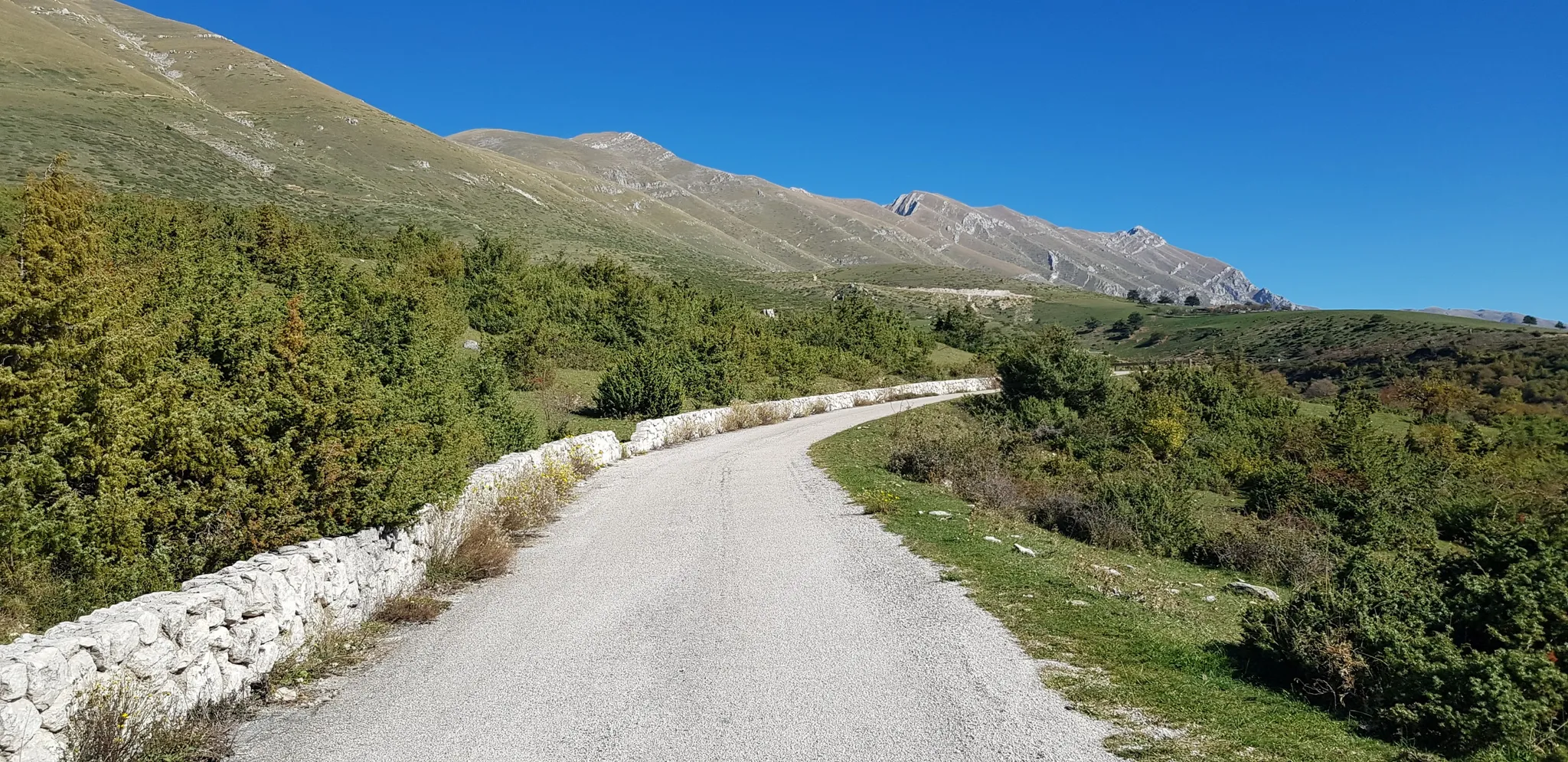
The Apennine Cycleway (Part 2) - From Umbria to Calabria
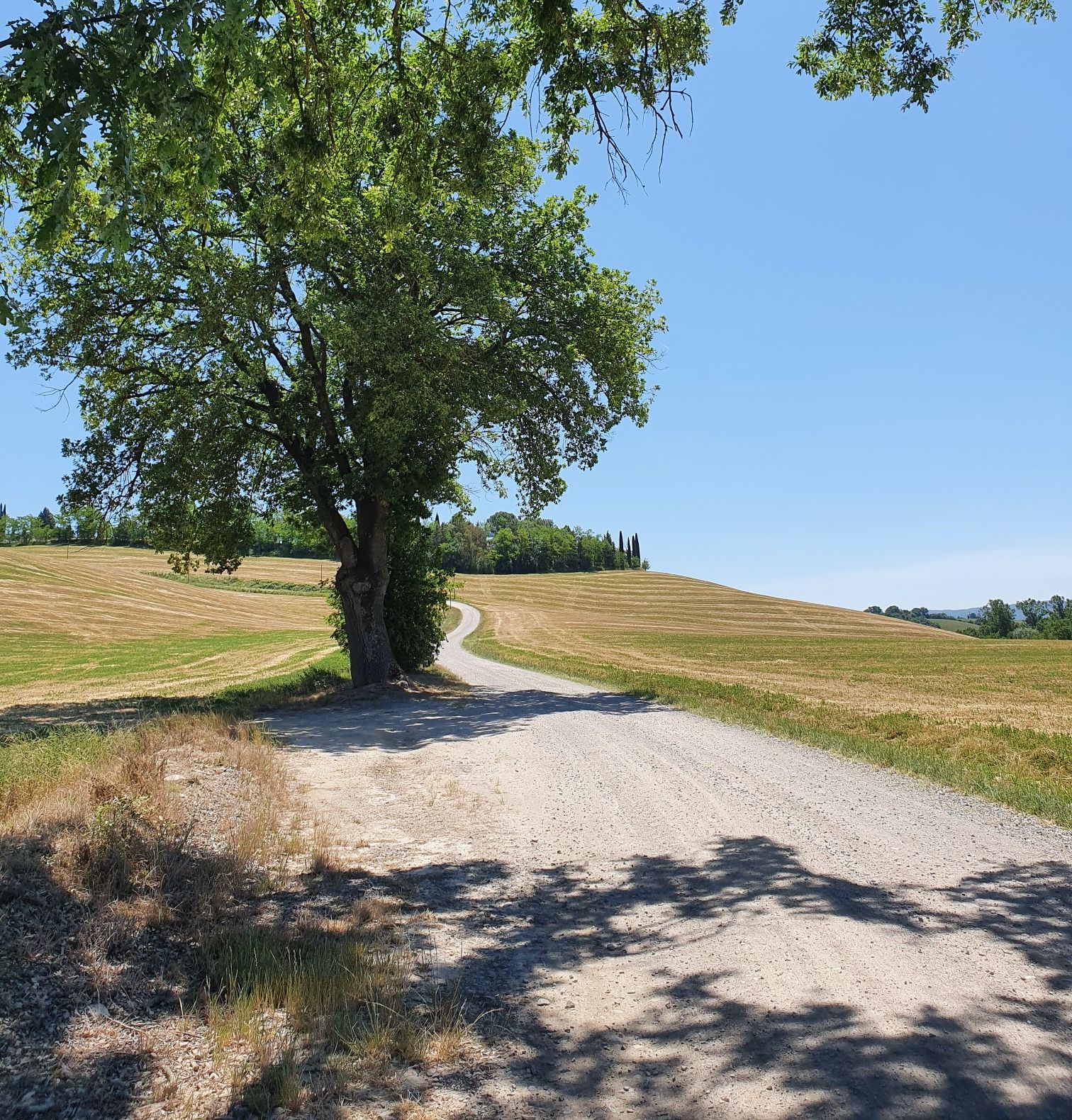
Ciclovia dei due mari - By bike from the Tyrrhenian Sea to the Adria
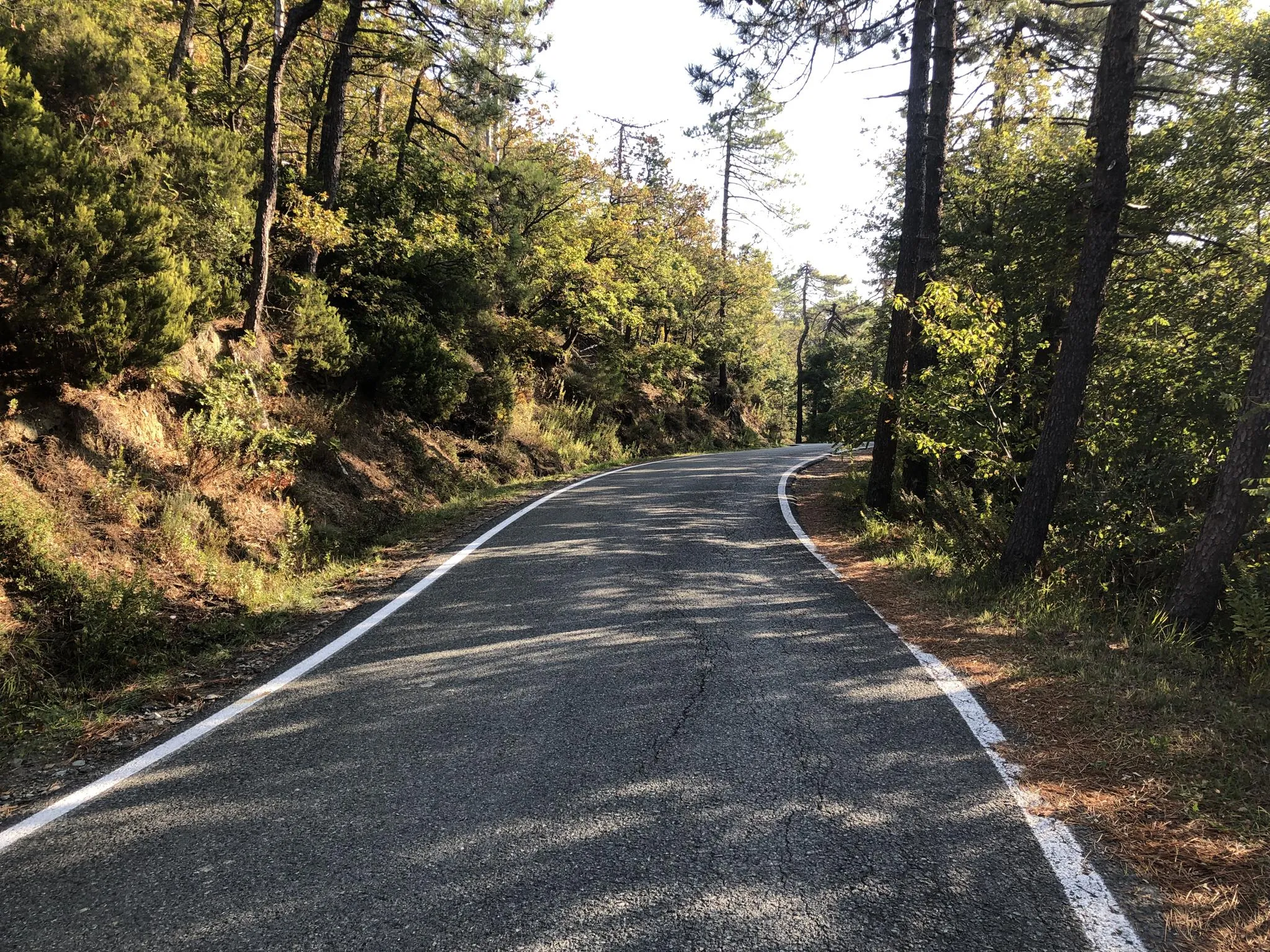
Apennine Cycle Route (Part 1) - From Liguria to Umbria
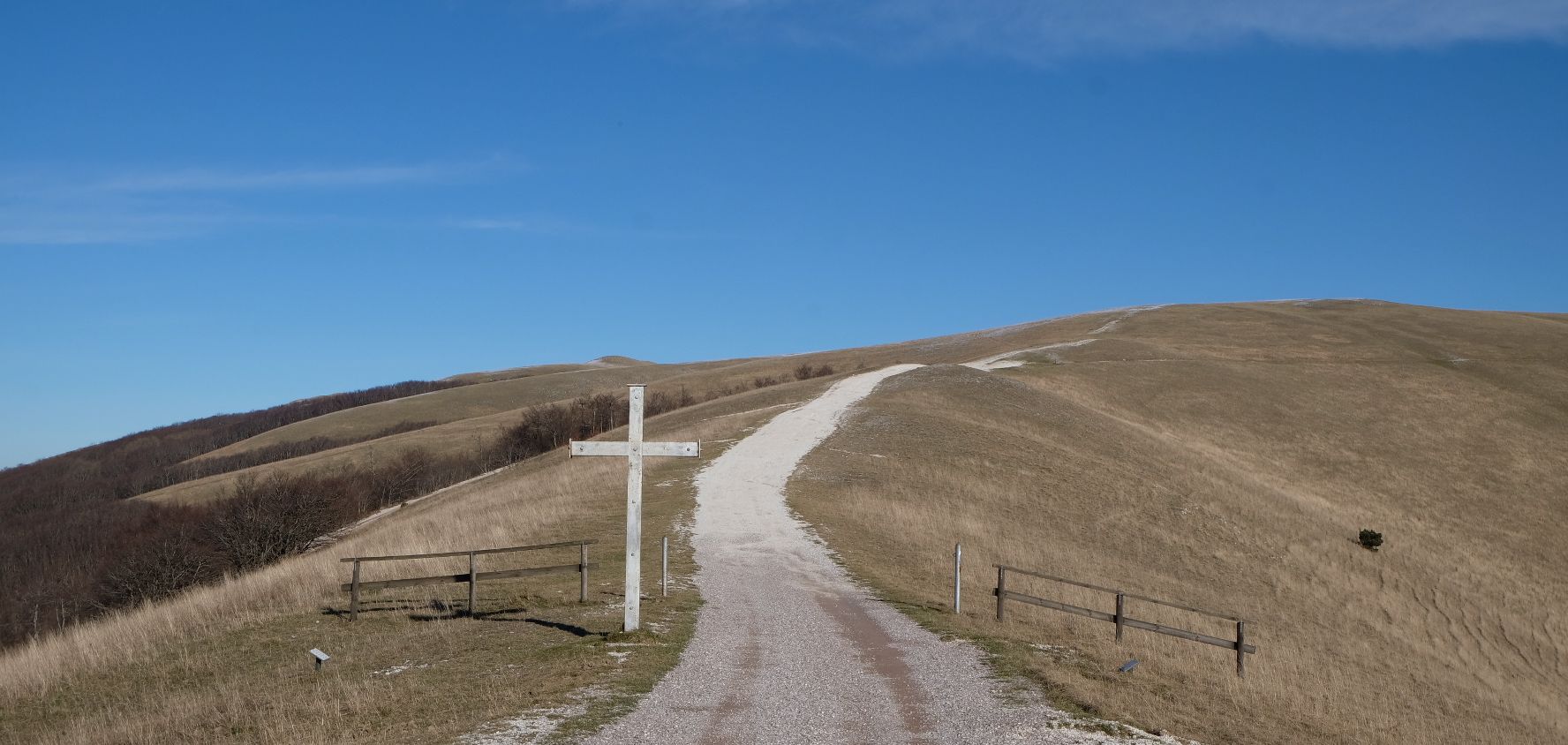
In the footsteps of St. Francis - Cammino di Assisi
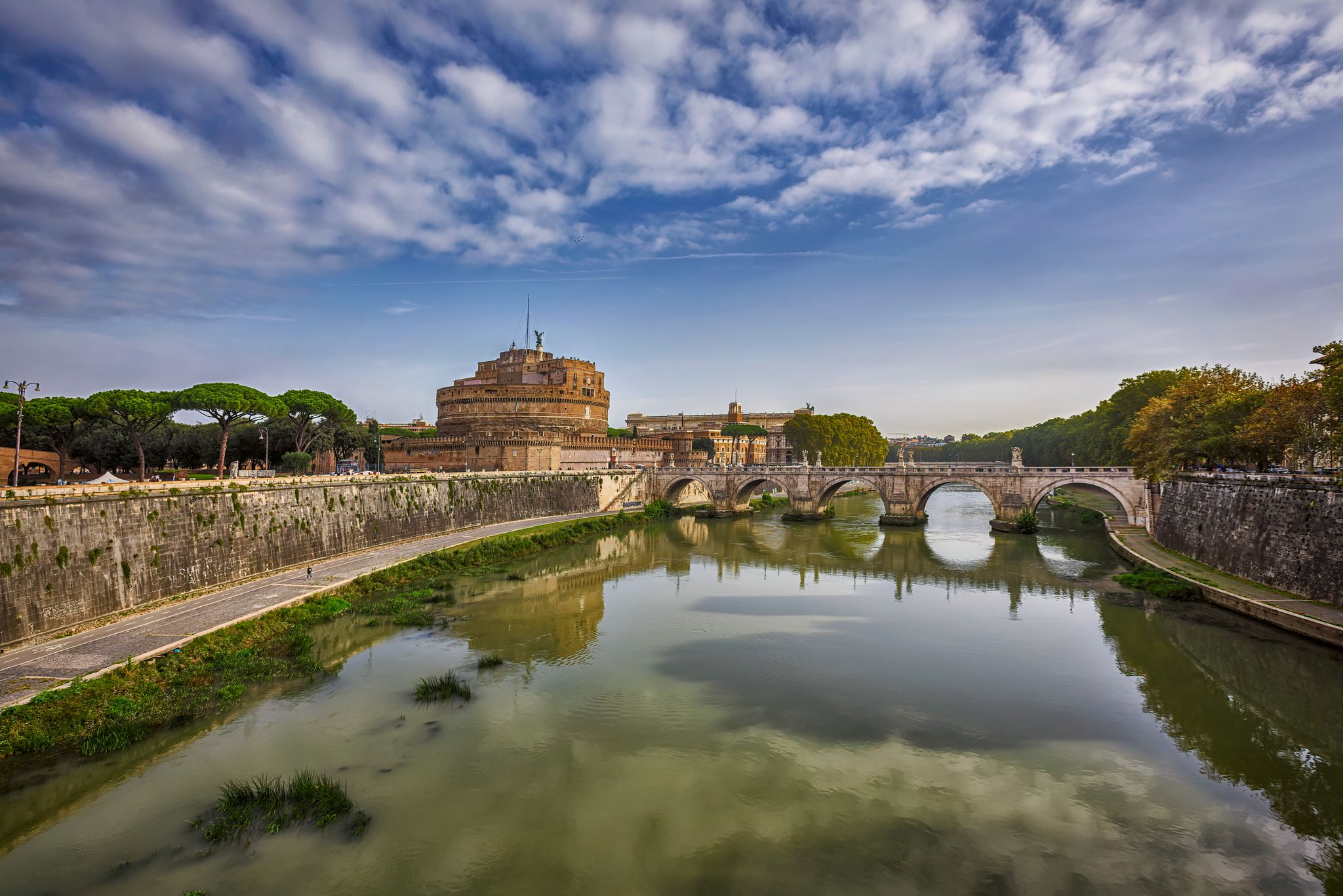
All roads lead to Rome – Romea Tiberina Cycleway
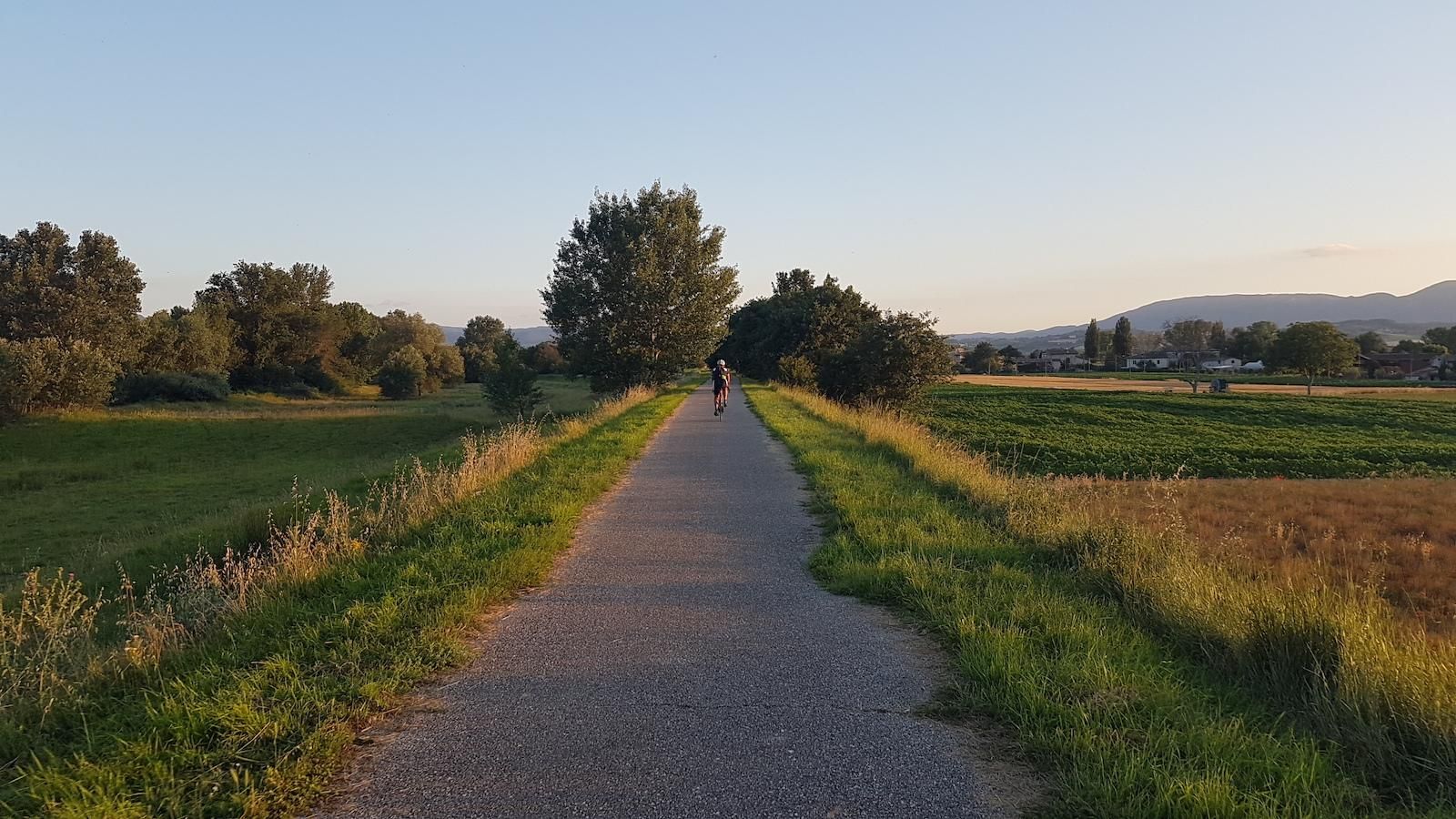
Ride St Francis Way in Italy – Via del Sud pilgrimage
Other adventures in Perugia


Tips from the Community

A WONDERFUL SMALL VILLAGE THAT WILL LEAVE YOU OPEN-MOUTHED
0
0

What can I say, simply fantastic.
0
0

Check the weather and flowering period
0
0

The Park - Fonti del Clitunno, Ristorante Pizzeria, Campello Sul Clitunno A body of water with a circumference of just over 400 meters and an area of almost 10,000 square meters, this small lake is home to numerous plant species that contribute to the fame of the Fonti del Clitunno. Moss, seagrass, water horsetail, sedge, curled brosca, giant shrimp, marsh forget-me-not, and water nasturtium, also known as watercress, are just some of the plants found in the pond. Around the banks are the trees that characterize the surroundings, most notably the cypress poplar, covered in dense foliage in summer. Then there's the weeping willow, whose spread dates back to the fashion that spread this plant in Paris in the 1840s, which is said to have shaded Napoleon's tomb on Saint Helena. Text / Source: Fonti del Clitunno - Ristorante Pizzeria, Campello Sul Clitunno https://www.fontidelclitunno.it/
14
0
Fonti del Clitunno - Ristorante Pizzeria, Campello Sul Clitunno Dream apartments, treat yourself to the relaxation you deserve. A gastronomic experience in the Parco della Poesia and a garden with tables for pampering yourself. From here, O Clitumnus, the white herds and the bull, the greatest holocaust, have repeatedly dipped into your sacred waters, bringing Roman triumphs to the temples of the gods. History Have you ever seen the Fonti del Clitunno? If not, and I don't think so, otherwise you would have told me about it, go and see. "I saw it recently and regret having done it too late." Thus wrote Pliny the Younger to a friend, and his advice still holds true today. The Fonti del Clitunno as we see them today are different from those of the first century, during Pliny's time. A violent earthquake in 444 AD changed the face of the area and was likely the cause of the narrowing of the Clitunno River, which had previously been navigable. The layout of the Clitunno springs as we see them today is thanks to the patient work of Paolo Campello della Spina, who, between 1860 and 1865, removed the earth to make room for the pond and encouraged the growth of vegetation that still characterizes the Clitunno springs today. A few years later, Giosue Carducci wrote the barbaric ode "Alle Fonti del Clitunno." Text/Source: Fonti del Clitunno - Ristorante Pizzeria, Campello Sul Clitunno https://www.fontidelclitunno.it/
14
0

Monte Cucco is not only its peak... The natural park of Monte Cucco includes all the surrounding territory from its base, high plains and beautiful peak. This territory offers an infinite number of paths to travel on foot, by bike or even on horseback. This mountain is also very popular with those who love flying with paragliding or hang gliding. But it does not end here... Canyoning in the Rio Freddo gorge, camping, speleology etc... Also worth visiting inside its belly, the Monte Cucco cave. An oasis for fauna and flora and for people who love nature. The peak is one of the highest in the area. Have fun!
0
0

Access to the park costs €3 (worth the stay)
1
0
Frequently Asked Questions
What are some unique natural features to explore around Perugia?
Perugia's surroundings offer a diverse range of natural features. You can explore the vast expanse of Lago Trasimeno, Italy's fourth-largest lake, known for its shallow waters, islands, and birdwatching opportunities. For dramatic landscapes, the Flower Fields of Castelluccio di Norcia present a spectacular seasonal bloom between June and July. Additionally, the Clitunno Springs offer a tranquil setting with crystal-clear waters and lush vegetation.
Are there any natural monuments suitable for families with children?
Yes, several natural monuments near Perugia are family-friendly. Clitunno Springs is a beautiful, serene spot perfect for a relaxing outing. The Rasiglia Springs and Waterfalls, often called the 'Little Venice of Umbria,' offer charming scenery and easy walks. Lago Trasimeno also provides beaches for swimming and various activities suitable for all ages.
Where can I find panoramic views of the Umbrian landscape?
For breathtaking panoramic views, consider visiting the Croce di Sasso Piano (Sasso Piano Cross), which offers expansive vistas stretching to Assisi, Monte Tezio, and Lake Trasimeno. The Monte Subasio Summit, Assisi's local mountain, provides a vast summit plateau with unparalleled views. The Summit of Monte Cucco also boasts a panorama ranging from Marche to Lazio.
What are the best natural areas for hiking near Perugia?
The region around Perugia is excellent for hiking. Parco del Monte Tezio, just north of Perugia, offers numerous well-maintained trails and 360-degree views from its peak. The Monti Martani provide varied terrains for hiking, cycling, and horseback riding. You can also find trails around Lago Trasimeno and within the Parco del Monte Subasio.
Can I visit natural monuments with my dog?
Many natural areas in Umbria are dog-friendly, especially trails and open spaces. For instance, the trails around Lago Trasimeno and within Parco del Monte Tezio are generally welcoming to dogs, provided they are kept on a leash and you clean up after them. Always check specific park regulations before your visit, as some protected areas might have restrictions.
What is the best time of year to visit the natural monuments in Perugia?
The best time to visit depends on the specific natural monument and your preferred activity. Spring (April-May) and early autumn (September-October) generally offer pleasant temperatures for hiking and exploring. The Flower Fields of Castelluccio di Norcia are best visited between June and July for their spectacular bloom. Lago Trasimeno is popular in summer for water activities, while mountain areas like Monte Cucco or Monte Subasio can be enjoyed from spring through autumn, with winter offering opportunities for snow activities at higher elevations.
Are there any caves or unique geological formations to explore?
Yes, the region features interesting geological formations. The Summit of Monte Cucco is renowned for its extensive cave system, though access to some parts may require guided tours. The Abbadessa Caves of Pale also offer a chance to explore underground natural wonders. The Monti Martani massif is characterized by its limestone rocks, which have created ravines, sinkholes, and various cavities.
What kind of wildlife can I expect to see in Perugia's natural monuments?
Umbria's natural monuments are rich in biodiversity. Lago Trasimeno is an important wetland and wintering spot for aquatic and migratory birds, making it ideal for birdwatching. In mountainous areas like the Monti Martani, you might spot various birds of prey, hedgehogs, squirrels, foxes, and deer. Monte Subasio is also known for its diverse fauna, including wild horses that can sometimes be seen.
What outdoor activities, besides hiking, can I do near these natural monuments?
Beyond hiking, the natural monuments around Perugia offer a range of outdoor activities. You can enjoy road cycling around Lago Trasimeno or through the hills of Umbria. Mountain biking is popular in areas like the Monti Sibillini and around Lake Trasimeno. Gravel biking routes are also available, for example, near Assisi and Monte Subasio. Horse riding is also an option in areas like the Monti Martani.
Are there any historical or cultural sites integrated with the natural monuments?
Yes, Umbria beautifully blends natural beauty with rich history. Lago Trasimeno is surrounded by historic towns and ancient Etruscan ruins. Parco del Monte Tezio holds significant historical evidence, including small villages, protohistoric castles, and Etruscan tombs. The Monti Martani feature medieval villages and ancient Roman routes like the Via Flaminia. Even the Monte Subasio Summit is historically significant as the local mountain of Assisi, associated with Saint Francis.
What do visitors enjoy most about the natural monuments in Perugia?
Visitors frequently praise the breathtaking panoramic views from summits like Croce di Sasso Piano and Monte Subasio, often highlighting the serene atmosphere and the opportunity for reflection. The seasonal spectacle of the Flower Fields of Castelluccio di Norcia is also a major draw. Many appreciate the diverse landscapes, from tranquil lakes to challenging mountain trails, and the blend of natural beauty with historical context.
Are there opportunities for water-based activities at any natural monuments?
Absolutely. Lago Trasimeno is the primary destination for water-based activities. Its picturesque beaches are suitable for swimming and sunbathing. You can also explore its three islands by ferry, with Isola Polvese being the largest and offering historical sites amidst ancient olive trees. The lake's waters are considered safe for swimming, and the area has received the Orange Flag for exceptional environmental tourism.
Most popular routes in Perugia
Most popular attractions in Perugia

Get inspired with the komoot mobile app


Didn’t find what you were looking for?
Find even more amazing natural monuments in Perugia by checking out the top Highlights region by region:
Explore more
Extend your search for the best caves by checking out these guides of the top ones in Perugia:
