Top 20 Natural Monuments in Teramo
Natural monuments in Teramo showcase the diverse landscapes of Abruzzo, Italy, featuring significant geological formations and rich biodiversity. The province encompasses portions of the Gran Sasso and Monti della Laga National Park, offering high mountain peaks and alpine plains. Additionally, areas like the Salinello Gorges present deep canyons and karst caves, while the Calanchi di Atri Nature Reserve features unique badland formations. These natural features provide varied environments for exploration.
Best natural monuments in Teramo
- The most popular natural monuments…
Last updated: August 20, 2026
Corno Grande Western Summit
Highlight • Summit
Tip by

The Madonnina (Gran Sasso)
Highlight • Viewpoint
Tip by

Sign up now to discover places like this
Get recommendations on the best single tracks, peaks, & plenty of other exciting outdoor places.
Sign up for free
Salinello Gorge
Highlight • Gorge
The Salinello river has created a deep gorge between the Twin Mountains.
Translated by Google •
Tip by

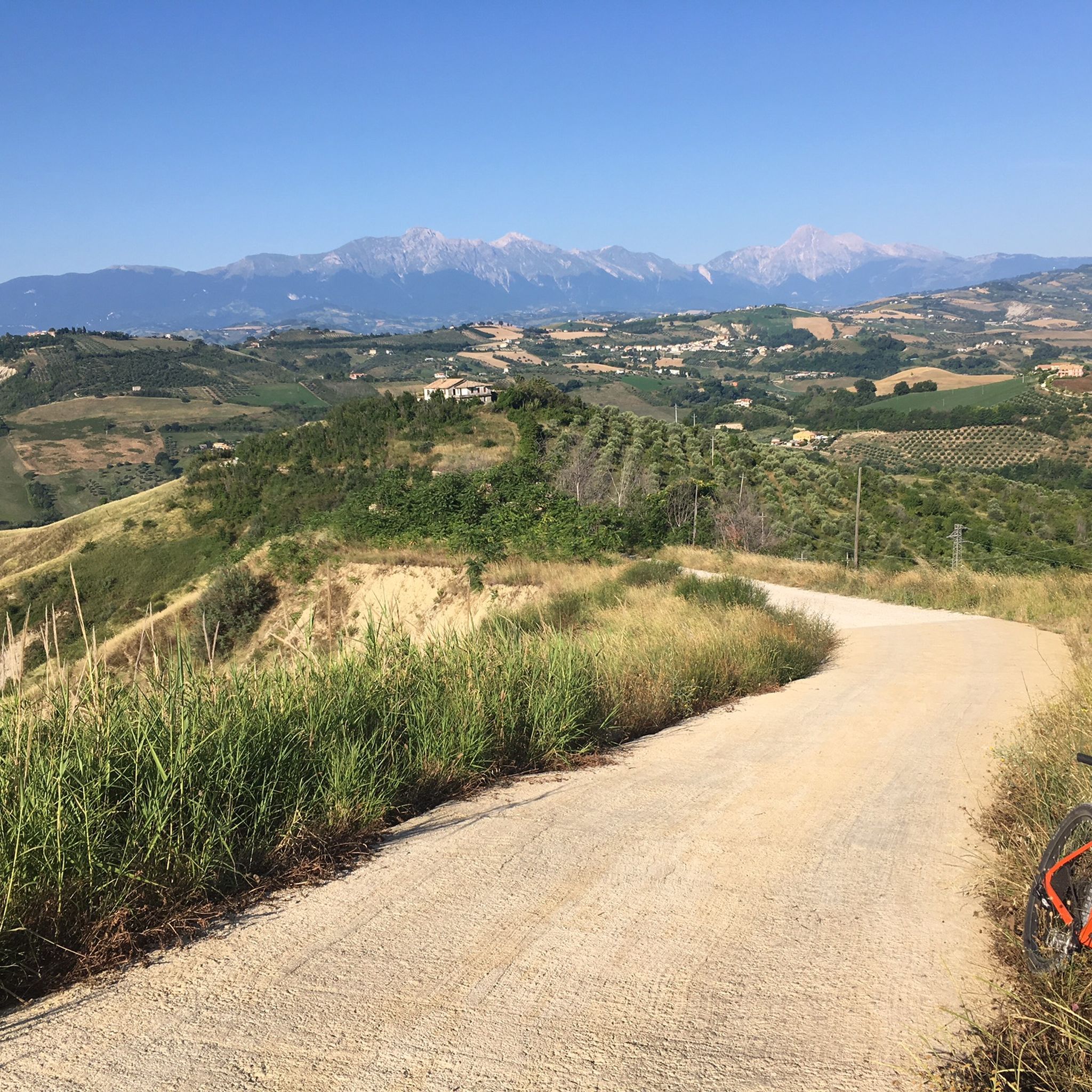
Atri Calanchi Cycle Route
Highlight • Cycleway
Breathtaking panorama that covers fatigue and sweat and caresses the fantastic descent with the wind
Translated by Google •
Tip by

Fonte dell'Accolle
Highlight • Monument
Translated by Google •
Tip by

Mount Girella
Highlight • Summit
ripartiredaistieri.cai.it/sentieri/san-giacomo-monte-girella
Translated by Google •
Tip by

Casa Mataloni (Borsacchio Nature Reserve)
Highlight • Historical Site
Translated by Google •
Tip by

Borsacchio Guided Nature Reserve
Highlight • Natural
Translated by Google •
Tip by

Forest of Twisted Beeches
Highlight • Forest
“…the responsibility for this phenomenon can be traced back to “Soil Creeping” also called “Reptazione”. It is an imperceptible movement …
Translated by Google •
Tip by

Calanchi di Atri Regional Nature Reserve
Highlight • Natural Monument
Translated by Google •
Tip by

Sign up for free to discover even more natural monuments in Teramo.
Sign up for free
Already have an account?
Start today with a free account
Your next adventure awaits.
Login or Signup
Popular around Teramo
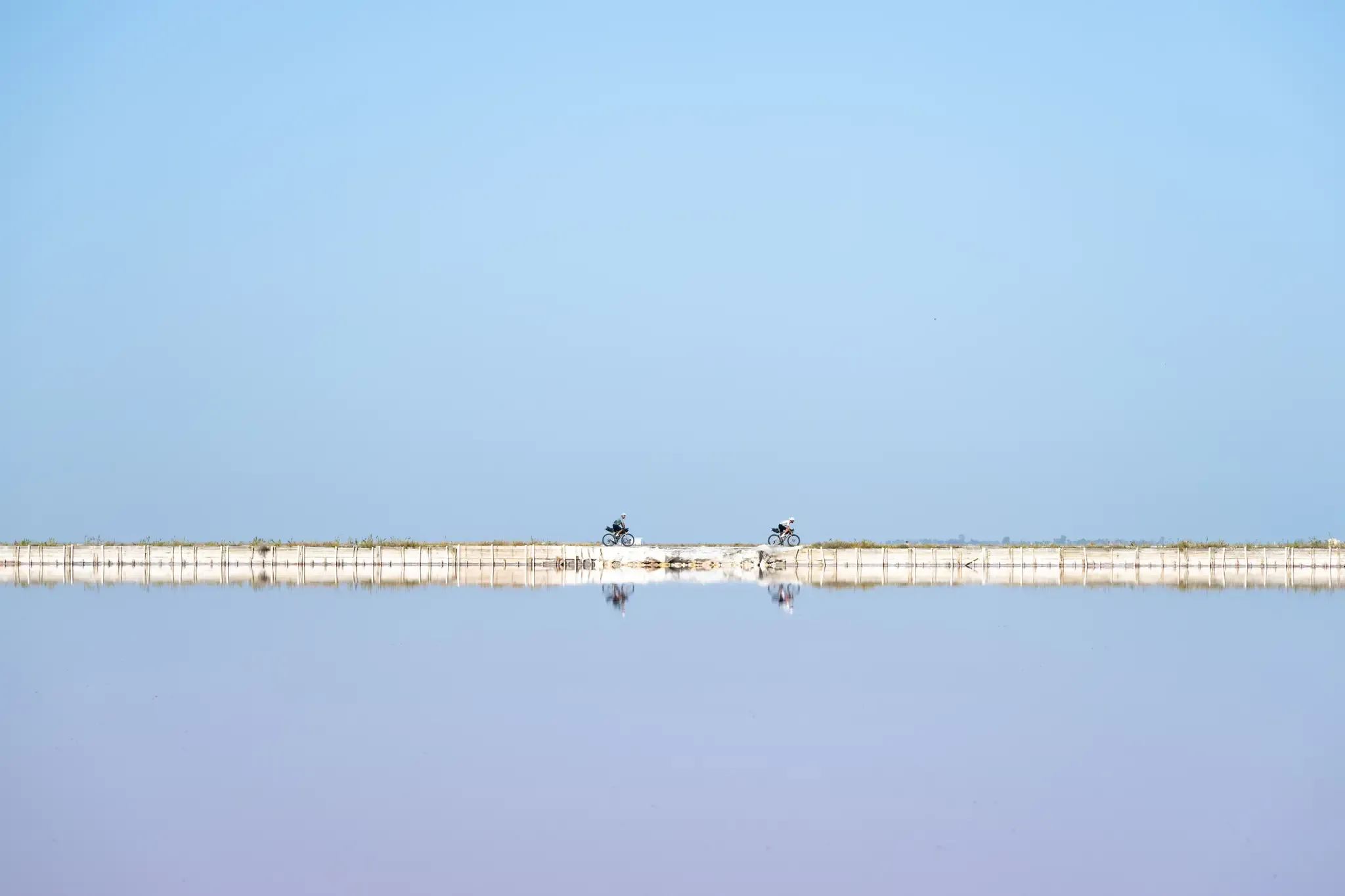
Trieste to Santa Maria di Leuca – the Adriatic Cycle Route
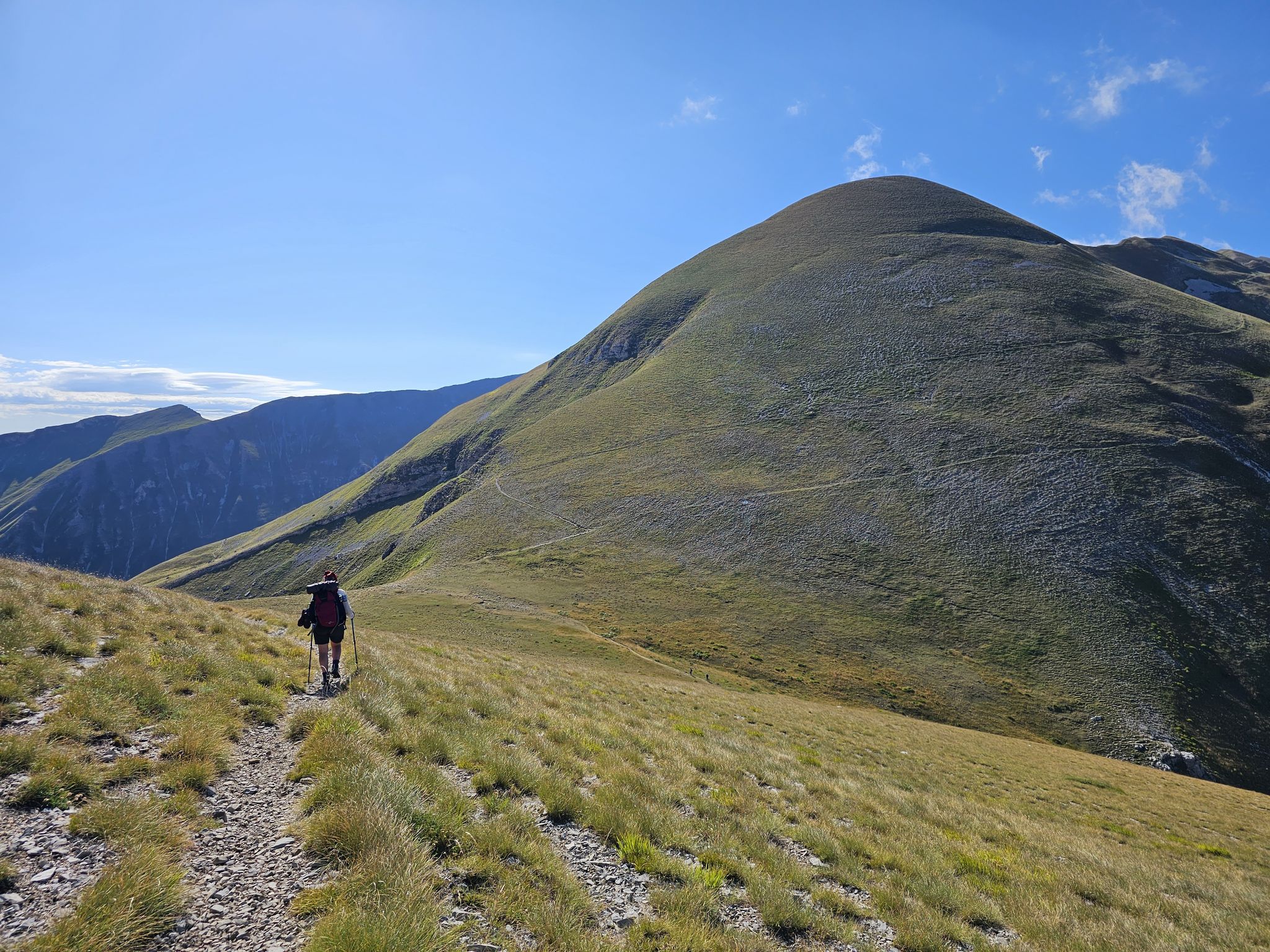
The Sibillini Mountains to Gran Sasso – the Great Apennine Crossing
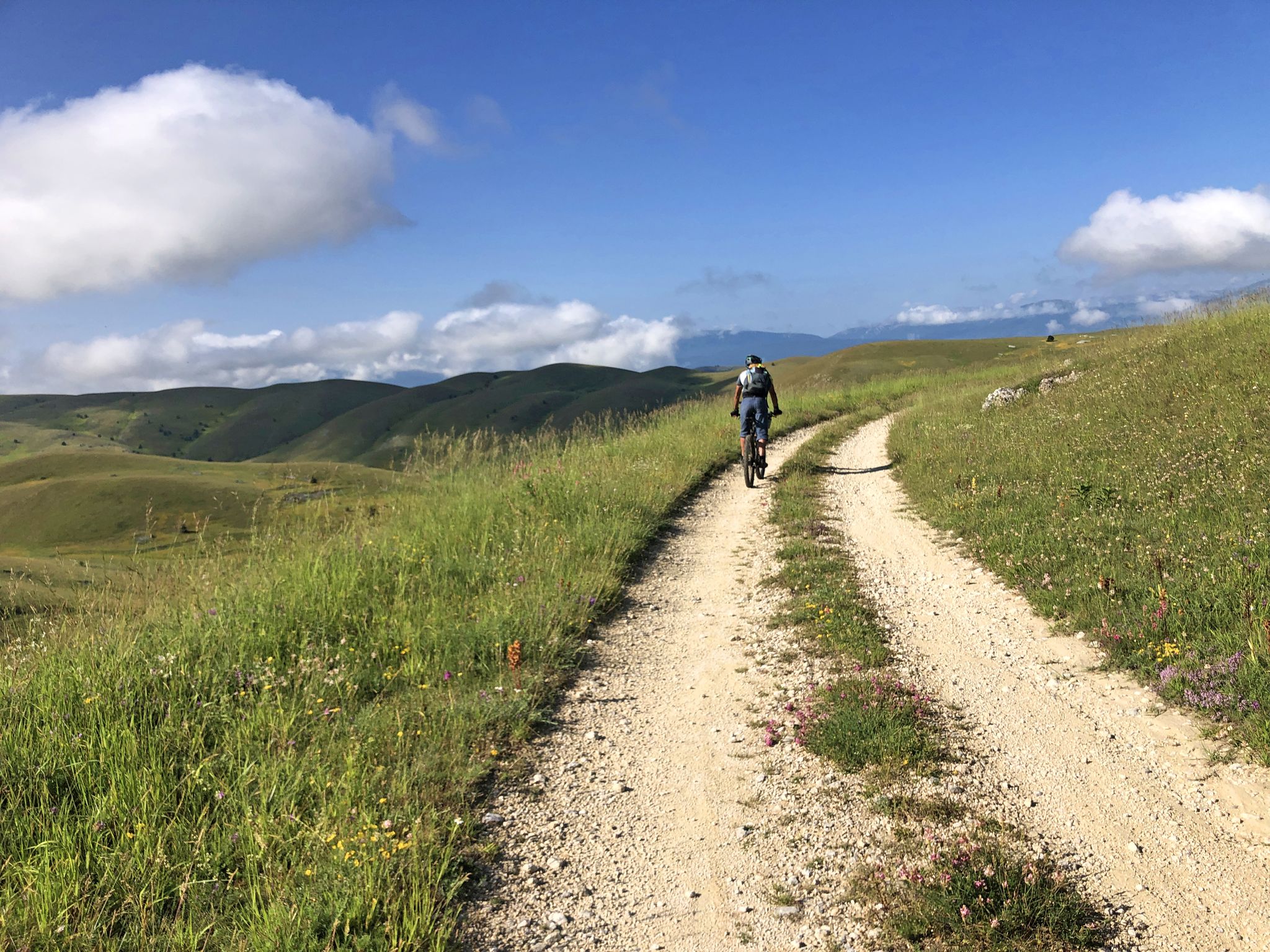
The Adriatic Sea to Gran Sasso – MAGS Abruzzo Trail 2023
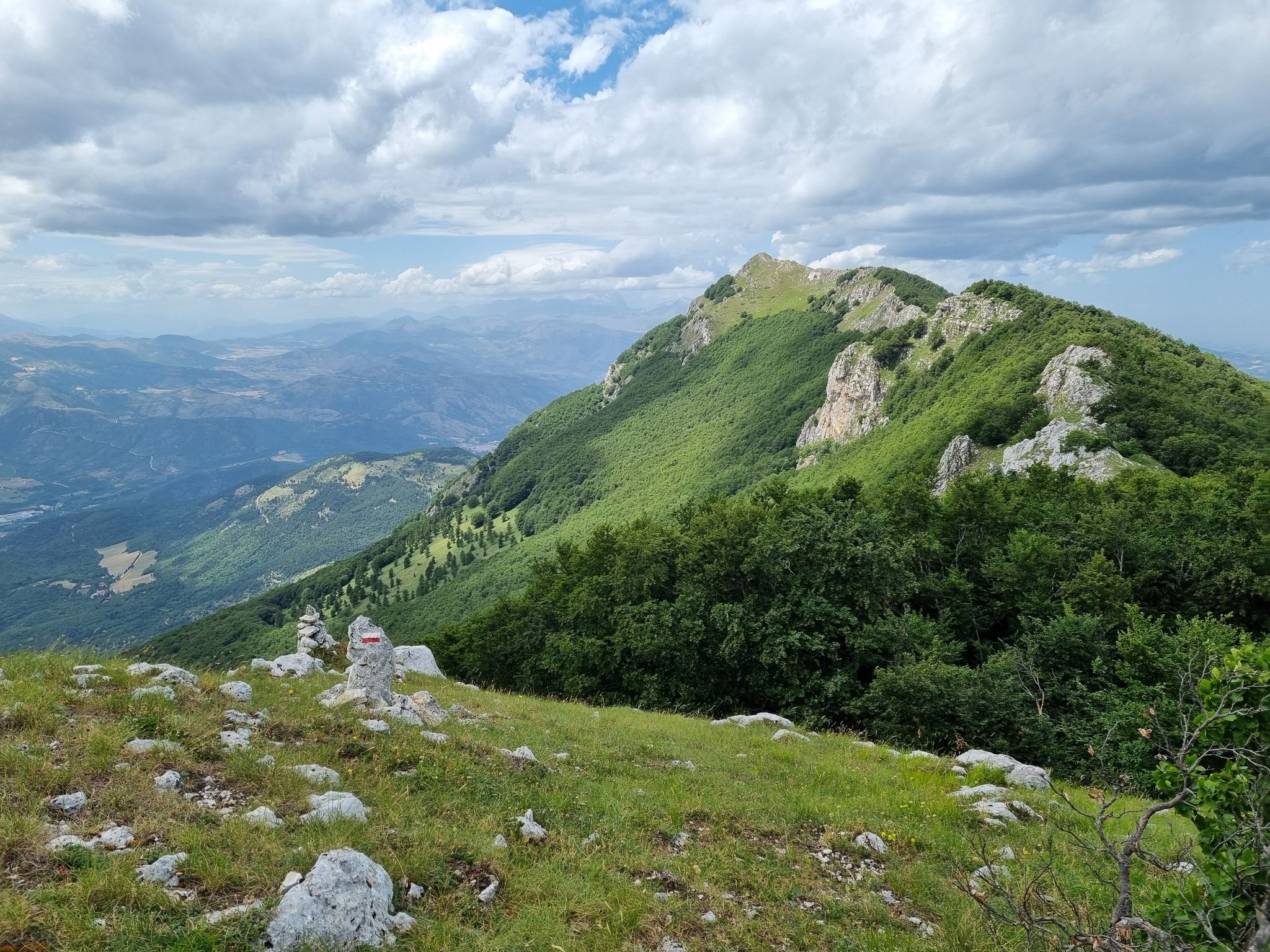
Through the green lungs of Abruzzo – Sentiero Italia
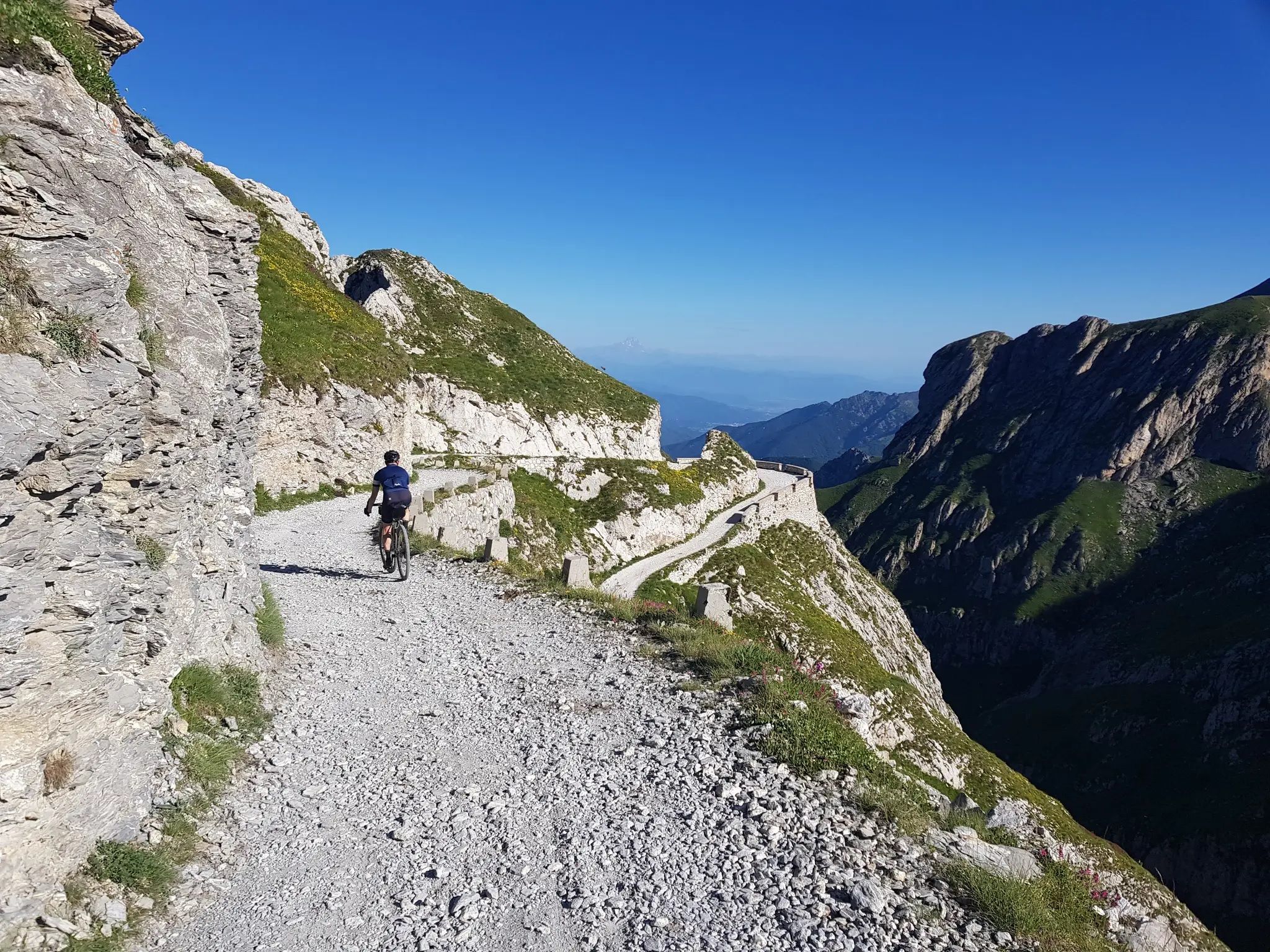
From the boot’s toe to the heel – the most beautiful cycling Tours in Italy
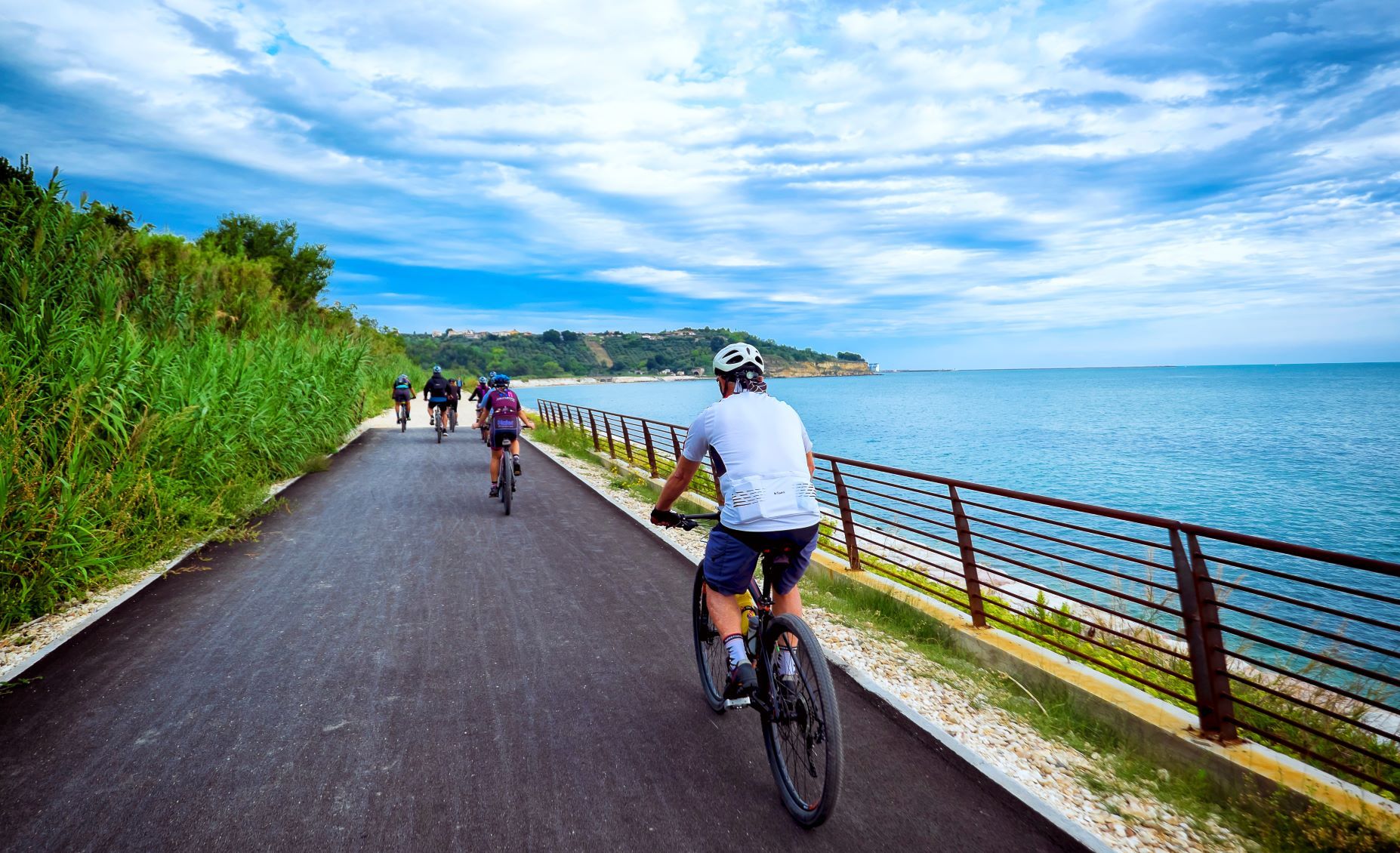
Between the Adriatic Sea and the Apennines — rides in Italy’s Abruzzo
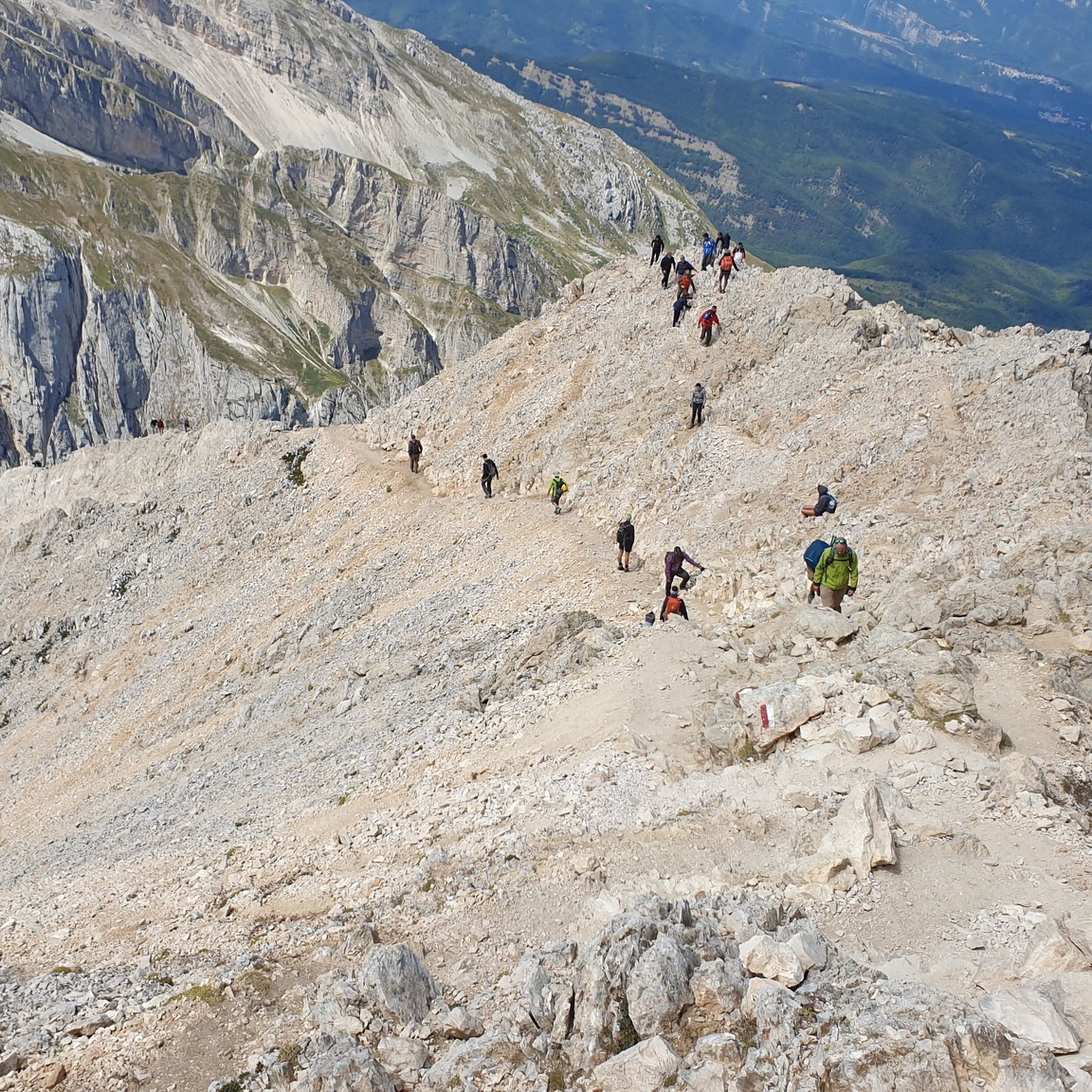
Hiking in Teramo
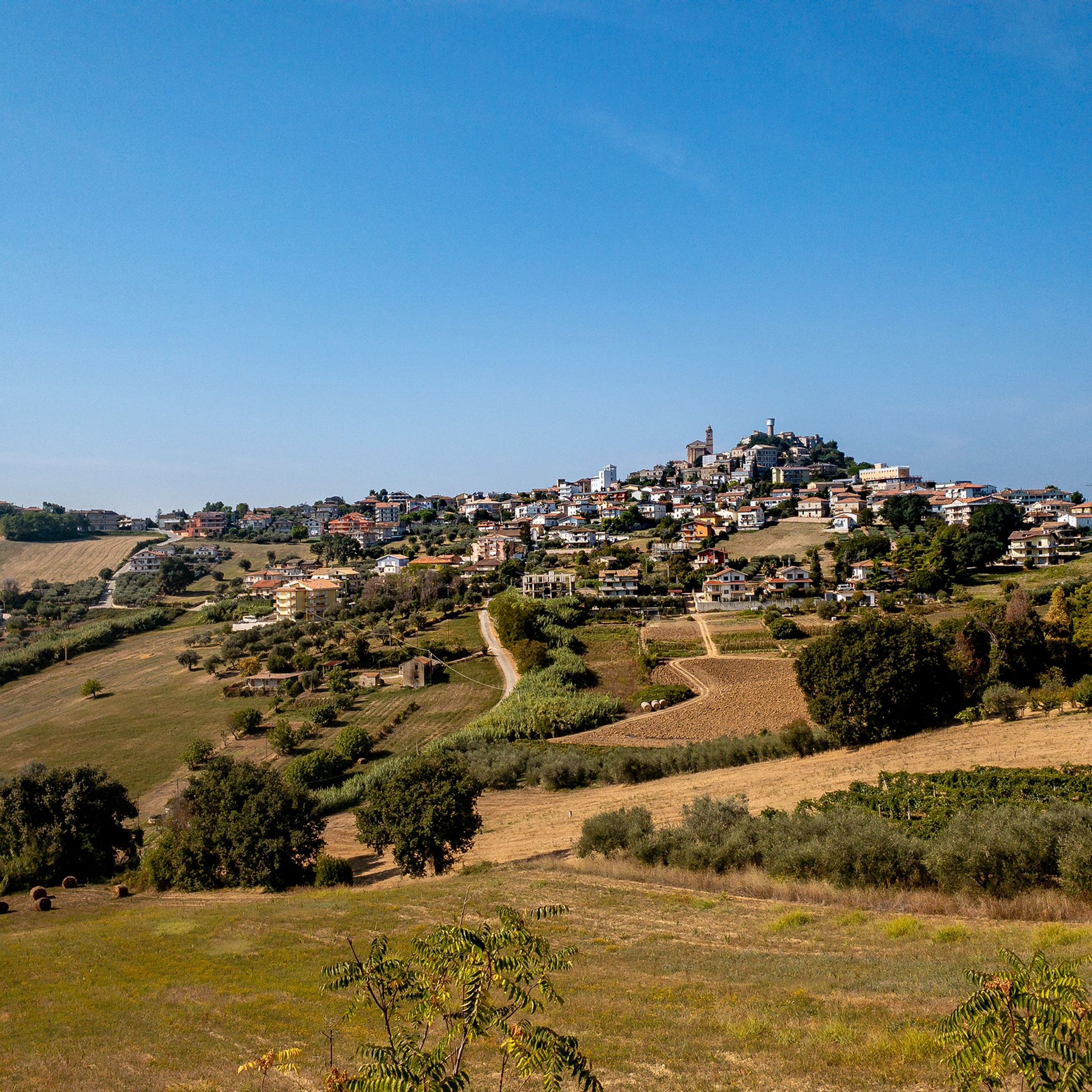
Road Cycling Routes in Teramo
MTB Trails in Teramo
Running Trails in Teramo
Other adventures in Teramo


Tips from the Community

Trekking that starts from the equipped area of Ripa Alta, with parking, water fountain, kiosk-bar and picnic tables. The path in the first part is very steep and without shade from the sun. You then enter the woods: the path follows the course of the river which, in the summer period, is completely dry (August 2025). In several places you can leave the path and enter the riverbed, thus skirting the rocky walls of the twin mountains. The path is marked as risky: in truth, in the summer period it is easily manageable even by children aged ten and over; in the period when the river is present, it may be riskier to venture there.
0
0

Sandy beach great nature definitely take sunscreen with you
0
0

A beautiful circular hike in the Calanchi di Atri Regional Nature Park. The reserve is always open and free of charge. You can admire various rock formations created by the action of water on the clay soil.
0
0

This path leads from the natural beach, very beautiful and quiet
0
0
Natural beach with great sea
0
0

A unique location; the reserve is crossed by a very dusty cycle path (perfect for gravel), surrounded by vegetation, and with little to no view of the sea except at this point, where the semi-ruined house contributes to the picturesque panorama. Beware of illegal e-bikes, which use this road as an alternative to the roads open to traffic at breakneck speeds.
1
0

The Normal Route is a fairly simple route, except for the last 400 meters, the gully and the ridge, which, being EEA grade (expert equipped hikers), require considerable physical strength and technique. Mountaineering boots are also required, and a helmet is recommended. Since the ridge is also quite technical, it is absolutely not suitable for those with a fear of heights, the elderly, children, or anyone without mountaineering experience.
3
0

Frequently Asked Questions
What unique geological features can I explore in Teramo's natural monuments?
Teramo province offers several distinct geological wonders. You can witness the dramatic clay gullies known as "calanchi" at the Atri Calanchi Cycle Route, which are sculpted by erosion and reveal marine fossils. Another striking feature is the deep canyon of the Salinello Gorges, carved by the Salinello River, featuring waterfalls and numerous karst caves like the Sant'Angelo Cave.
Are there family-friendly natural monuments in Teramo?
Yes, several natural monuments in Teramo are suitable for families. The Madonnina (Gran Sasso) offers an accessible viewpoint, reachable by cable car, and serves as a starting point for easier excursions. The Borsacchio Guided Nature Reserve is another excellent choice, providing a coastal environment with trails suitable for all ages.
What kind of hiking trails are available near Teramo's natural monuments?
The region provides a wide range of hiking experiences. For challenging mountain ascents, you can explore routes in the Gran Sasso area, such as those found in the Mountain Hikes in Teramo guide. If you prefer trails featuring waterfalls, the Waterfall hikes in Teramo guide includes options like the Salinello Gorges loop. Many trails offer stunning views, from high mountain peaks to unique badland formations.
Where can I find historical or cultural sites within the natural monuments?
The Salinello Gorges are particularly rich in historical sites. Many ancient karst caves within the gorges served as hermitages, such as the Hermitage of St. Angelo in Volturino and the Sant'Angelo Cave, which still show signs of frescoes. These sites offer a unique blend of natural beauty and historical significance.
What is the best time of year to visit the natural monuments in Teramo?
The best time to visit depends on the specific natural monument and your preferred activities. For high-altitude areas like Gran Sasso, late spring to early autumn (June to September) offers the most favorable conditions for hiking. Coastal reserves like Borsacchio are pleasant in spring and early autumn. The Calanchi di Atri can be visited year-round, though it's advisable to avoid the hottest summer days for longer excursions.
Are there opportunities for wildlife spotting in Teramo's natural monuments?
Yes, the Gran Sasso and Monti della Laga National Park is a biodiversity hotspot. Within the Teramo province, you might spot Apennine chamois, wolves, red deer, wild boars, and golden eagles. The wooded areas of the Salinello Gorges also host diverse wildlife, including peregrine falcons, eagles, badgers, martens, boar, and deer.
Can I find accommodation or places to eat near the natural monuments?
Yes, there are options available. For exploring the Gran Sasso National Park, the picturesque mountain village of Pietracamela serves as an ideal base, offering access to trails and likely local amenities. Near the Calanchi di Atri, the ancient town of Atri provides services. For the Salinello Gorges, nearby towns will offer accommodation and dining choices.
What are some less crowded natural monuments to visit in Teramo?
While popular spots attract visitors, you can find quieter experiences. The Forest of Twisted Beeches offers a unique natural setting that might be less frequented than the major peaks. Exploring some of the lesser-known trails within the Salinello Gorges or the broader Monti della Laga section of the National Park can also provide a more secluded experience.
Are there cycling routes that showcase Teramo's natural monuments?
Absolutely. The Atri Calanchi Cycle Route is a prime example, offering stunning views of the dramatic clay gullies. For more diverse cycling options, you can consult the Road Cycling Routes in Teramo guide, which includes routes that pass through various scenic areas of the province.
What is the highest point in Teramo's natural monuments?
The highest point is the Corno Grande Western Summit, which is the highest peak in the Apennine Mountains at 2,912 meters above sea level. It is part of the Gran Sasso massif and offers challenging climbs and breathtaking panoramic views.
Are there any natural monuments with significant viewpoints?
Yes, many natural monuments in Teramo offer spectacular viewpoints. The Madonnina (Gran Sasso) is a well-known viewpoint and religious site, providing expansive vistas of the Gran Sasso area. Additionally, Mount Girella, once known as Ascoli Mountain, offers panoramic views of the Sibillini, Laga, and Gran Sasso mountain ranges.
Most popular routes in Teramo
Most popular attractions in Teramo

Get inspired with the komoot mobile app


Didn’t find what you were looking for?
Find even more amazing natural monuments in Teramo by checking out the top Highlights region by region:
Explore more
Extend your search for the best caves by checking out these guides of the top ones in Teramo:
