Top 20 Natural Monuments in Palencia
Best natural monuments in Palencia are primarily found within the Montaña Palentina Natural Park, a region characterized by diverse ecosystems. The landscape features towering peaks, ancient forests, impressive waterfalls, and significant wetlands. This area offers a blend of geological formations and rich biodiversity, making it a notable destination for nature exploration.
Best natural monuments in Palencia
- The most popular natural monuments is Piedrasluengas Viewpoint, a viewpoint located in the heart of the Cantabrian Mountains. It offers views of the…
Last updated: August 20, 2026
Peña Mesa
Highlight • Natural Monument
Translated by Google •
Tip by

Mazobre Waterfall
Highlight • Waterfall
Translated by Google •
Tip by

Sign up now to discover places like this
Get recommendations on the best single tracks, peaks, & plenty of other exciting outdoor places.
Sign up for free
Piedrasluengas Viewpoint
Highlight • Viewpoint
Translated by Google •
Tip by

Peña Labra
Highlight • Summit
Translated by Google •
Tip by

Curavacas (2524m)
Highlight • Summit
Translated by Google •
Tip by
Tejeda de Tosande Yew Forest Trail
Highlight (Segment) • Forest
Translated by Google •
Tip by
Pozo de las Lomas
Highlight • Lake
Translated by Google •
Tip by
Pisuerga River Source (Cueva del Cobre)
Highlight • Cave
Translated by Google •
Tip by
Valcabado Viewpoint
Highlight • Viewpoint
Translated by Google •
Tip by
Roblón de Estalaya
Highlight • Natural Monument
Translated by Google •
Tip by
Sign up for free to discover even more natural monuments in Palencia.
Sign up for free
Already have an account?
Start today with a free account
Your next adventure awaits.
Login or Signup
Popular around Palencia
Camino Francés and Camino Finisterre – Cycling pilgrimages in Spain
Santiago de Compostela – A journey through northern Spain (10 days)
9 mountain biking routes in undiscovered Spain
TransCantabrica – Extreme mountain biking in northern Spain
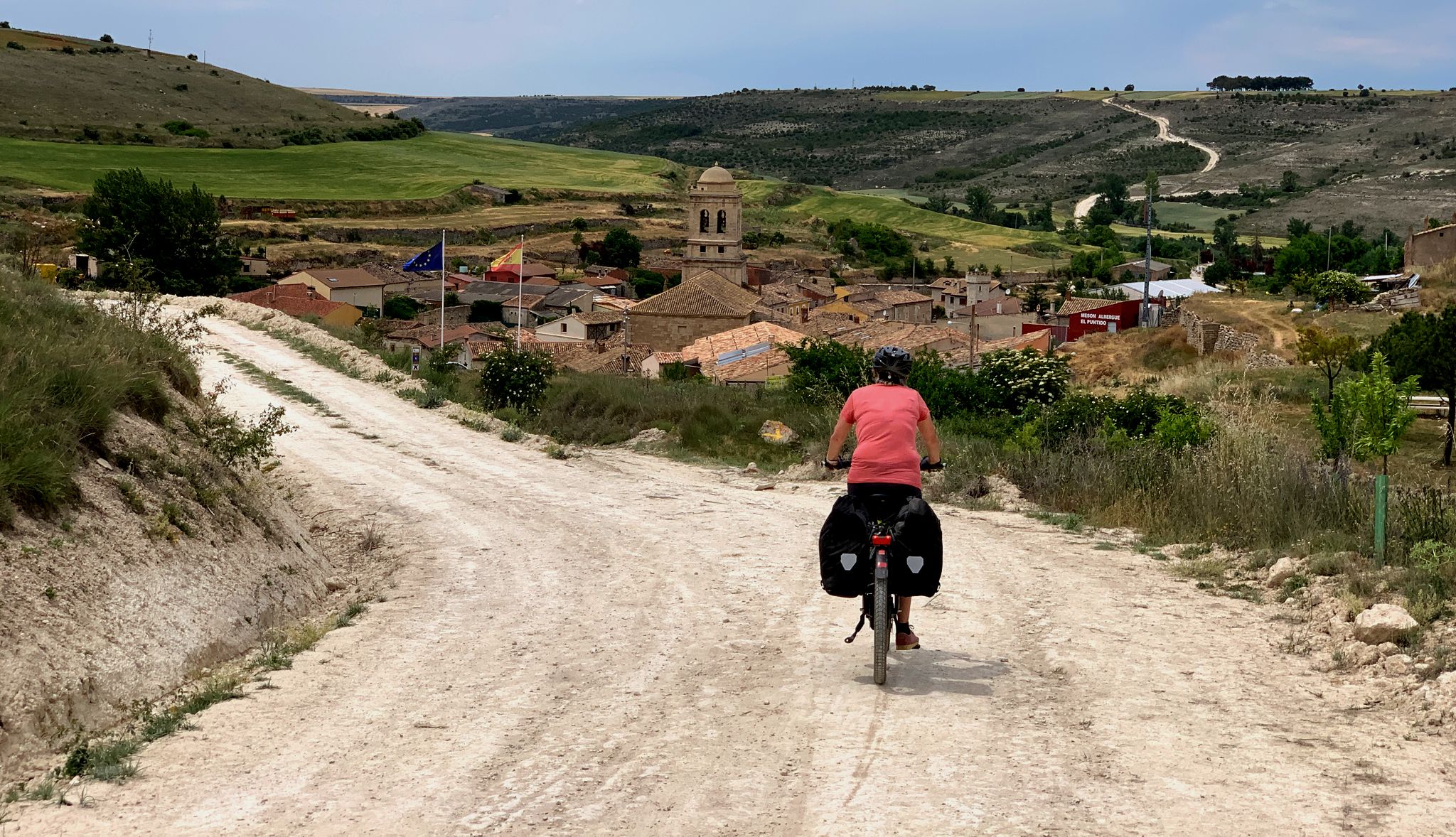
The Pilgrim Route — EuroVelo 3 through Spain
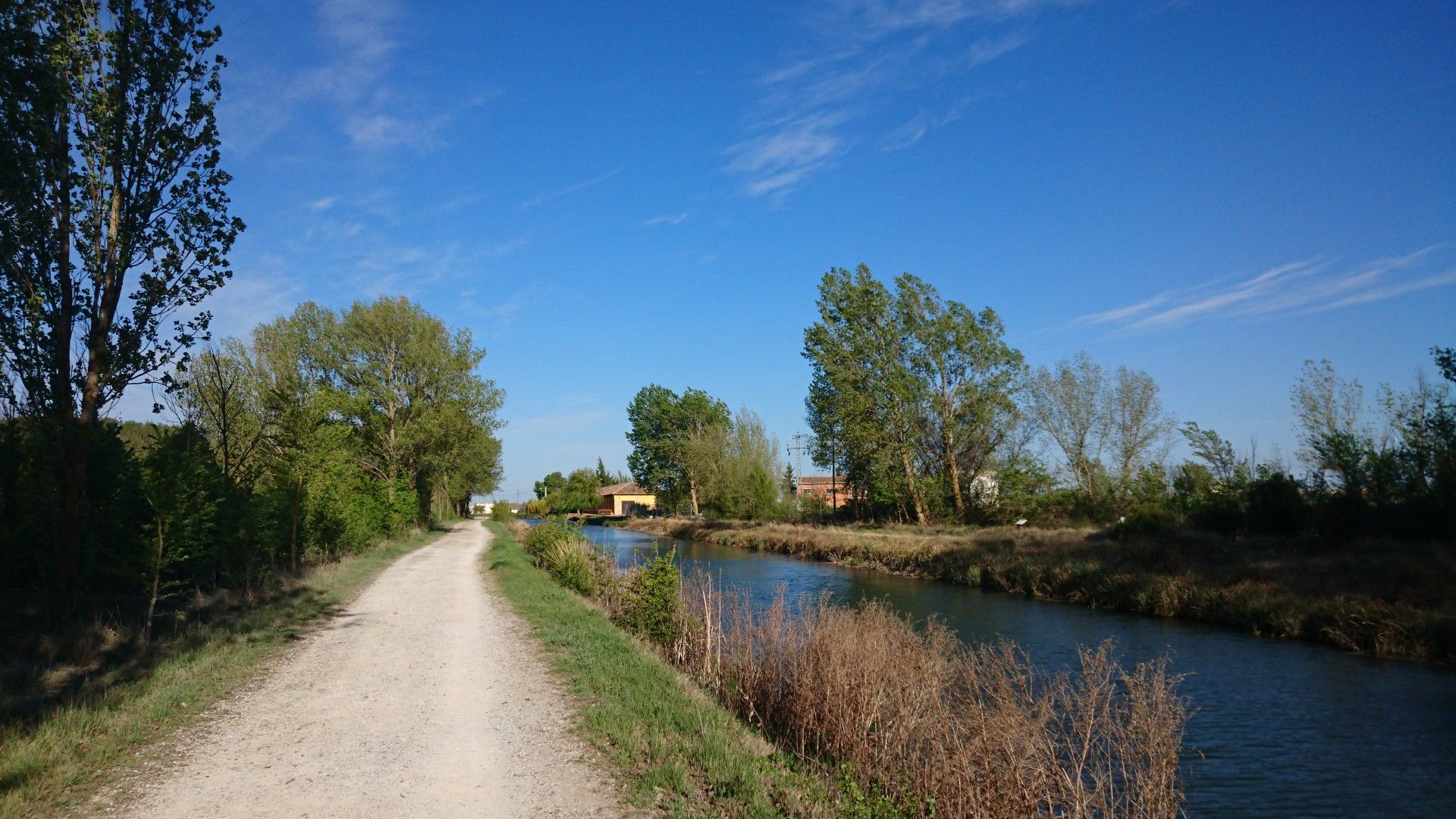
The history of civil engineering — the Castille Canal by bike
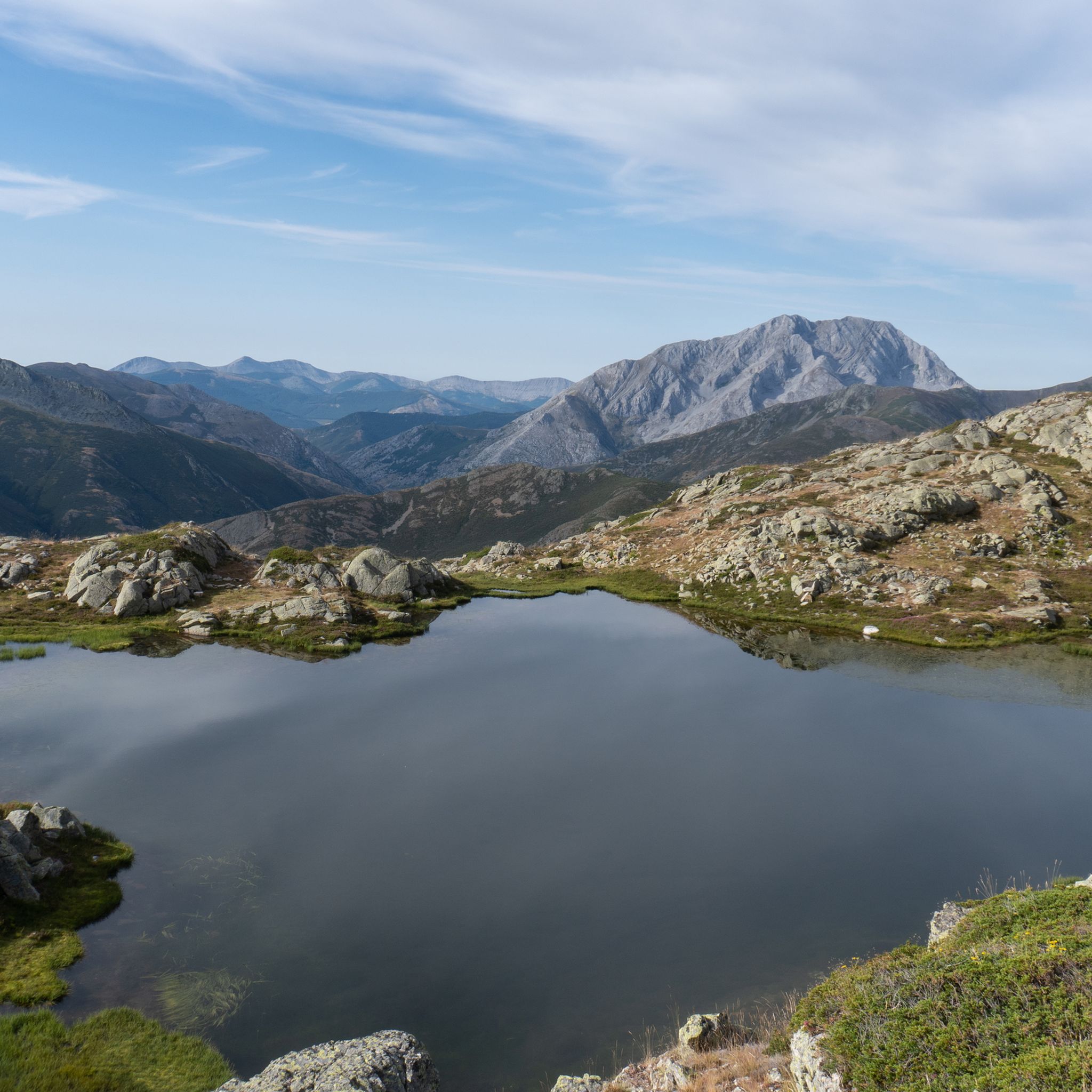
Hiking in Palencia
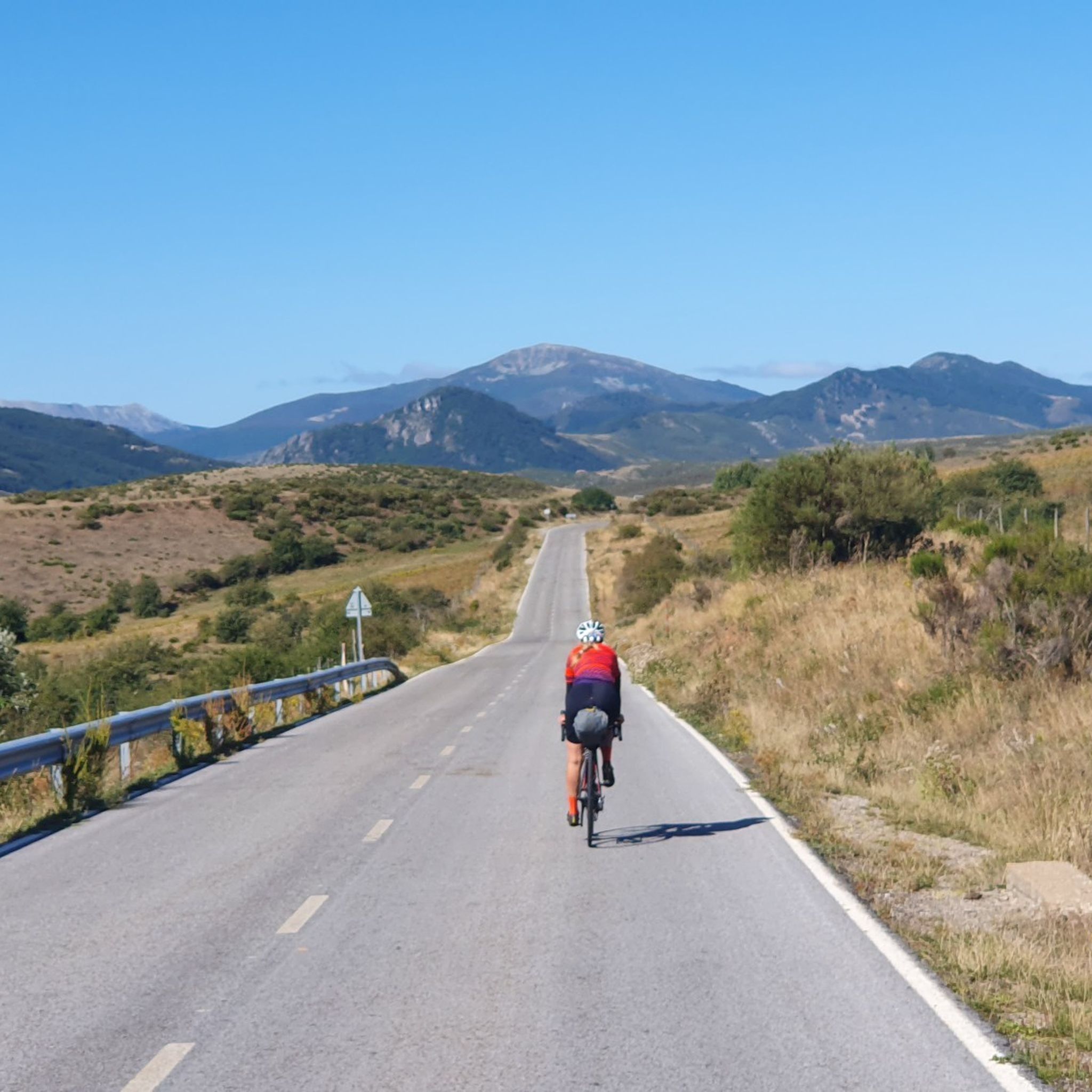
Road Cycling Routes in Palencia
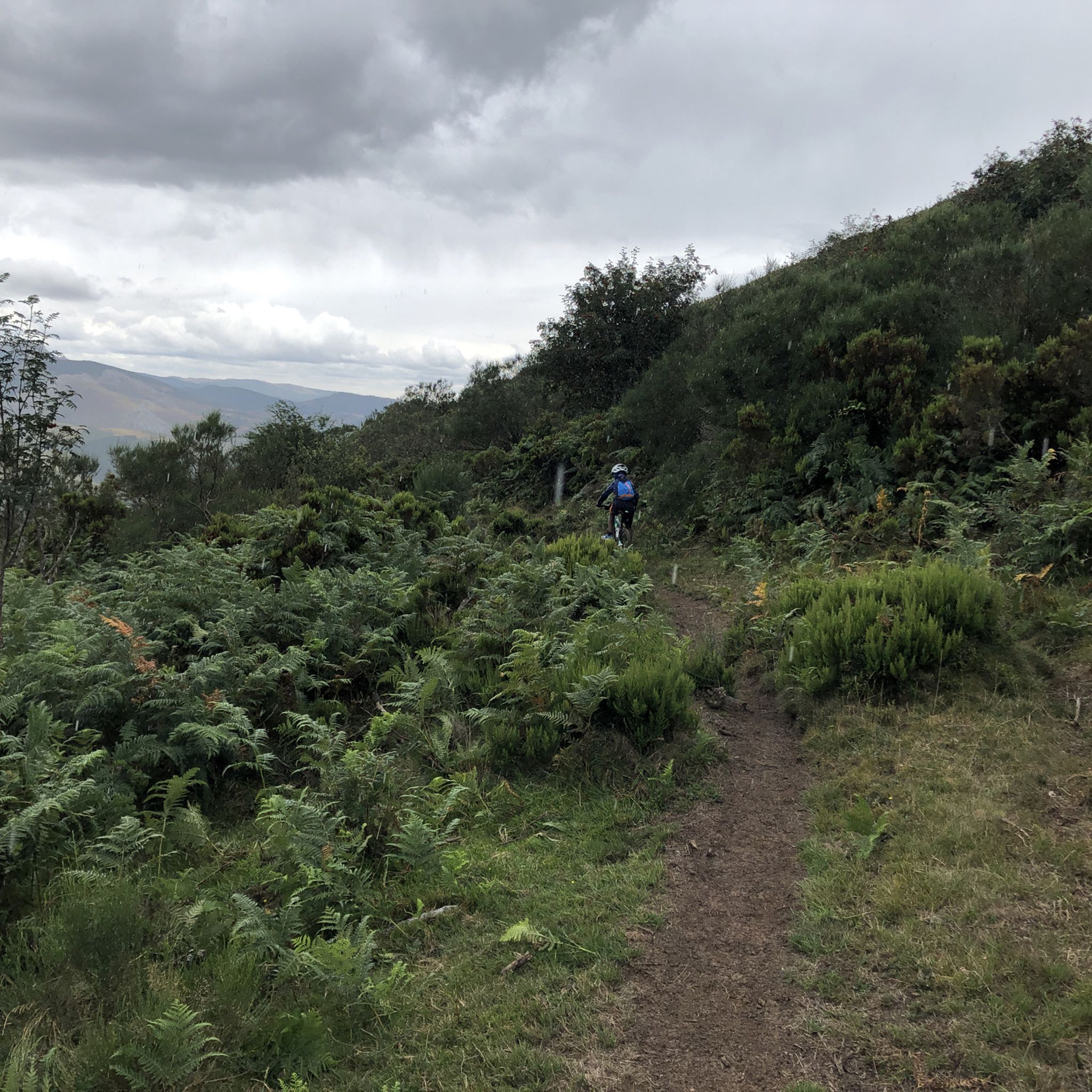
MTB Trails in Palencia
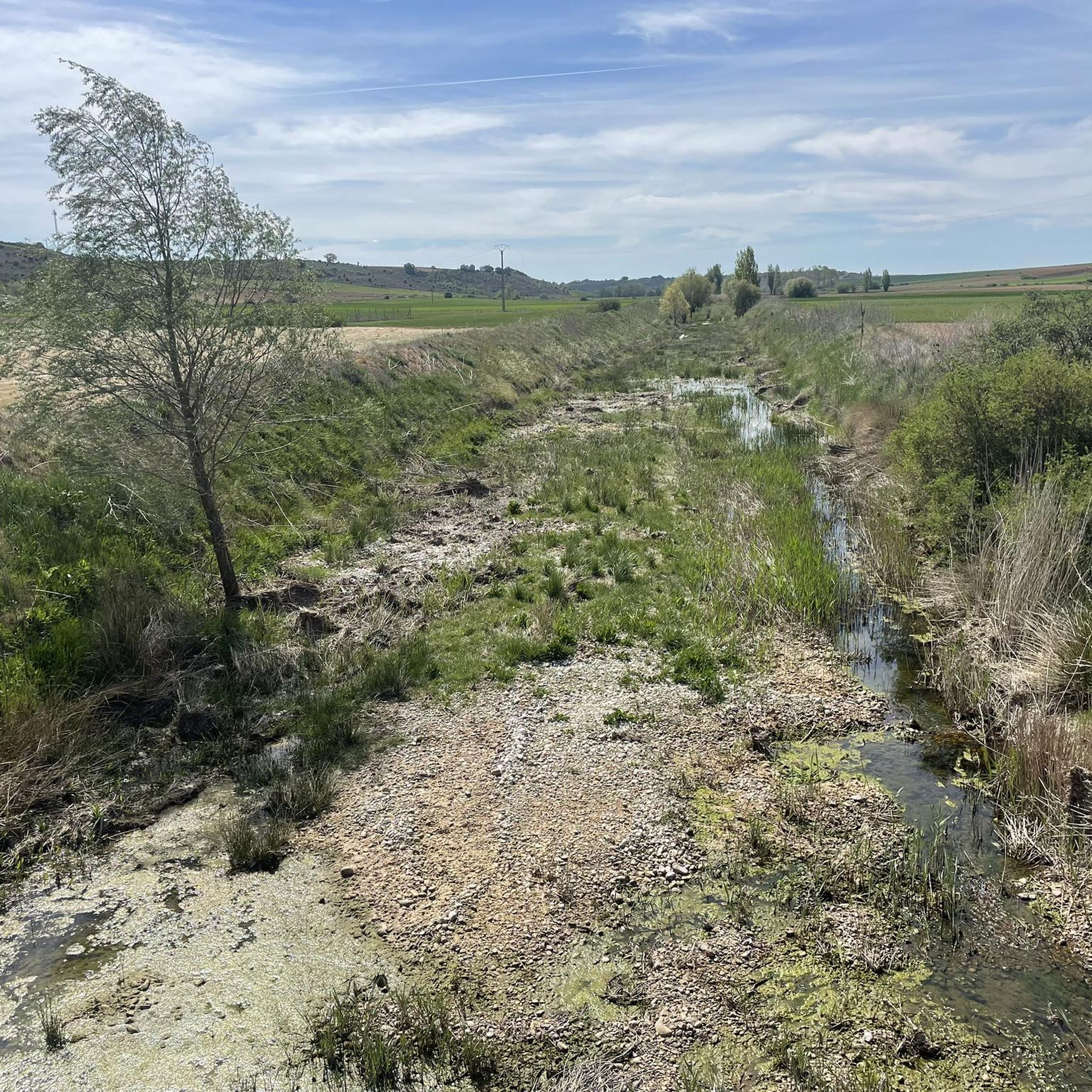
Running Trails in Palencia
Other adventures in Palencia


Tips from the Community

Beautiful glacial lake below the Agujas de Cardaño
0
0

Impressive oak tree over 600 years old, easy walk, well signposted and very pleasant.
0
0

The Mazobre Waterfall, located in the Palentina Mountains within the Fuentes Carrionas and Fuente Cobre Natural Park, is one of the most spectacular spots in the province of Palencia. It is located near Cardaño de Arriba, in the municipality of Velilla del Río Carrión.
1
0

Climbing Curavacas is an exciting experience for mountain lovers. There are several routes available, such as Callejo Grande and Senda del Notario, which offer different levels of difficulty. In addition, in the area you can find glacial lagoons, such as Pozo Curavacas and Pozos del Ves, which add a special touch to the landscape.
5
0
The Valcabado Viewpoint is located in the Covalagua Natural Area, in Revilla de Pomar (Pomar de Valdivia), within the Las Loras Unesco World Geopark. This viewpoint is a natural balcony located at an altitude of 1,224 metres, offering spectacular views of the Valderredible Valley. It is an ideal place to enjoy nature, go hiking and observe stars due to the low light pollution. In addition, near the viewpoint is the Cueva de los Franceses, about 1,500 metres away.
5
0

Spectacular to see it frozen and to be able to walk on it
0
0

Spectacular views of the eastern massif of Picos de Europa
0
0
Frequently Asked Questions
What types of natural landscapes can I expect to see in Palencia?
Palencia's natural monuments primarily lie within the Montaña Palentina Natural Park, offering a diverse range of landscapes. You'll find towering peaks like Curavacas (2524m), ancient forests such as the Tejeda de Tosande Yew Forest Trail, impressive waterfalls like Mazobre, and significant wetlands like Nava Lagoon. The region also features unique geological formations and river sources.
Are there any ancient forests or unique botanical sites to visit in Palencia?
Yes, Palencia is home to the ancient Tejeda de Tosande Yew Forest Trail, which is one of the most important yew forests on the Iberian Peninsula. Some yew trees here are estimated to be over 1,000 years old. Another notable forest is the Roblón de Estalaya, an ancient oak tree and surrounding forest.
Where can I find impressive waterfalls in Palencia?
You can visit the Mazobre Waterfall, which is a captivating natural spectacle. The Covalagua Waterfall, mentioned in the Montaña Palentina Natural Park, is also an impressive 20-meter waterfall showcasing the power of water shaping the landscape.
What are some notable caves or geological formations in the region?
The Pisuerga River Source (Cueva del Cobre) is a significant cave where the Pisuerga River originates, offering an underground exploration experience. Another remarkable site is Peña Mesa within the Las Tuerces Natural Area, known for its curious karst formations sculpted by erosion.
Are there any significant peaks or viewpoints for panoramic views?
Absolutely. The Piedrasluengas Viewpoint offers breathtaking views of the Picos de Europa, Peña Labra, and the Valdeprado Valley. The Valcabado Viewpoint provides spectacular views over the Monte Ahedo beech forest and the Valderredible Valley. For challenging ascents with panoramic rewards, consider Curavacas (2524m) and Peña Labra.
What kind of wildlife can I spot in Palencia's natural monuments?
The Montaña Palentina Natural Park is rich in wildlife, including the Cantabrian brown bear, Iberian wolf, Cantabrian capercaillie, golden eagle, griffon vulture, and otters. The Nava Lagoon is a vital wetland for numerous bird species, especially in winter, where you can observe geese, mallards, teals, and herons, making it excellent for birdwatching.
Are there family-friendly natural monuments or trails in Palencia?
Yes, several natural monuments are suitable for families. The Piedrasluengas Viewpoint and Valcabado Viewpoint are easily accessible. The Mazobre Waterfall and the Roblón de Estalaya forest are also considered family-friendly. The Tejeda de Tosande yew grove offers a low-difficulty path suitable for a serene family walk.
What are the best hiking opportunities near Palencia's natural monuments?
Palencia offers diverse hiking opportunities. For challenging mountain hikes, explore routes like the "Peña Prieta (2,538 m) loop from Cardaño de Arriba" or the "Diente del Oso – Curavacas loop from Vidrieros." If you prefer easier walks, consider the "Path 'El Roblón de Estalaya'" or the "Las Tuerces Labyrinth Trail." You can find more details on these and other routes in the Mountain Hikes in Palencia and Easy hikes in Palencia guides.
Can I explore the Canal de Castilla as a natural monument?
While primarily an engineering marvel, the Canal de Castilla has integrated seamlessly into the natural landscape. It offers a tranquil setting for walking or cycling along its banks, allowing visitors to appreciate the waterway and surrounding nature. The Quadruple Lock near Frómista is a notable section to visit.
What is the best time of year to visit Palencia's natural monuments?
The best season to visit Palencia's natural monuments generally depends on your preferred activity. Spring and autumn offer pleasant temperatures for hiking and exploring forests like Tejeda de Tosande, with vibrant foliage. Summer is ideal for higher altitude treks and enjoying the cooler mountain air. Winter can be beautiful for snowy landscapes, especially in the Montaña Palentina, but some areas might be less accessible due to snow.
Are there opportunities for cycling near Palencia's natural monuments?
Yes, there are excellent opportunities for cycling. The Canal de Castilla provides a flat and scenic route for leisurely rides. For mountain biking enthusiasts, routes like the "Palentine Romanesque Trail" or "Las Tuerces a Castillo de Gama desde Aguilar de Campoo" offer more challenging terrain. You can find more information in the MTB Trails in Palencia guide.
What historical or cultural sites are near the natural monuments?
Beyond its natural beauty, the Montaña Palentina Natural Park preserves a rich historical and cultural heritage, including numerous archaeological remains and a high concentration of Romanesque buildings. The Canal de Castilla itself is a significant historical engineering feat from the 18th century.
Most popular routes in Palencia
Most popular attractions in Palencia

Get inspired with the komoot mobile app


Didn’t find what you were looking for?
Find even more amazing natural monuments in Palencia by checking out the top Highlights region by region:
Explore more
Extend your search for the best caves by checking out these guides of the top ones in Palencia:
