Top 20 Mountain Passes in Almería
Best mountain passes in Almería are found within a diverse landscape that includes dramatic mountain ranges. The province, located in Andalusia, Spain, features distinct mountainous areas such as the Sierra Nevada, Sierra de los Filabres, and Sierra de Gádor. These regions offer varied terrain, from high-altitude passes to winding routes through traditional villages. Almería's mountain passes provide opportunities for exploring natural environments and experiencing the region's geography.
Best mountain passes in Almería
- The most popular mountain pass is Collado de…
Last updated: July 10, 2026
Collado de la Vela Blanca
Highlight • Mountain Pass
Translated by Google •
Tip by

La Ragua Pass
Highlight • Mountain Pass
Translated by Google •
Tip by

Sign up now to discover places like this
Get recommendations on the best single tracks, peaks, & plenty of other exciting outdoor places.
Sign up for free
Climb to Alto de Velefique
Highlight (Segment) • Climb
Showing Translation
Tip by

Sierras de Baza and Los Filabres
Highlight • Mountain Pass
Tip by

Venta Luisa Pass
Highlight • Mountain Pass
Translated by Google •
Tip by

Velefique climb
Highlight • Climb
Tip by

Calar Alto (2,168 m)
Highlight • Summit
Translated by Google •
Tip by

La Ragua Mountain Hut
Highlight • Mountain Hut
Currently (September …
Translated by Google •
Tip by

Amazing view
Highlight • Viewpoint
Translated by Google •
Tip by

Puerto de Santa María de Nieva
Highlight • Mountain Pass
Translated by Google •
Tip by

Sign up for free to discover even more mountain passes in Almería.
Sign up for free
Already have an account?
Start today with a free account
Your next adventure awaits.
Login or Signup
Popular around Almería
Triathlon 360 – my journey around the world
Badlands 2024 – extreme experiences and a sense of joy
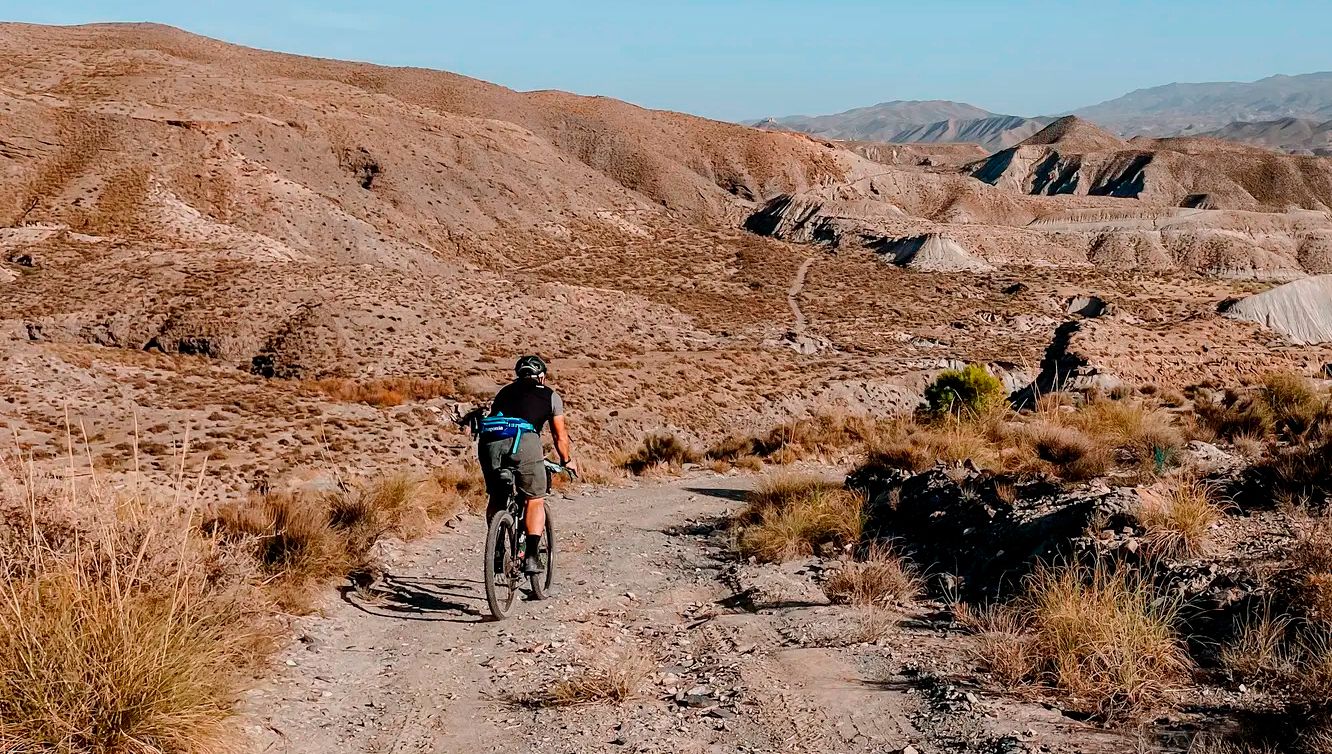
TransAlmería Gravel – Summits, dry riverbeds and deserts
Mozarabic Way to Santiago – Gravel between two worlds
Badlands 2021 — 750km of gravel in the Spanish deserts
On the road to the sun — bikepacking to southeast Spain
La Vuelta 26 — All Official Stages
Discover the secrets of Almeria - Inland Villages (GR 244)
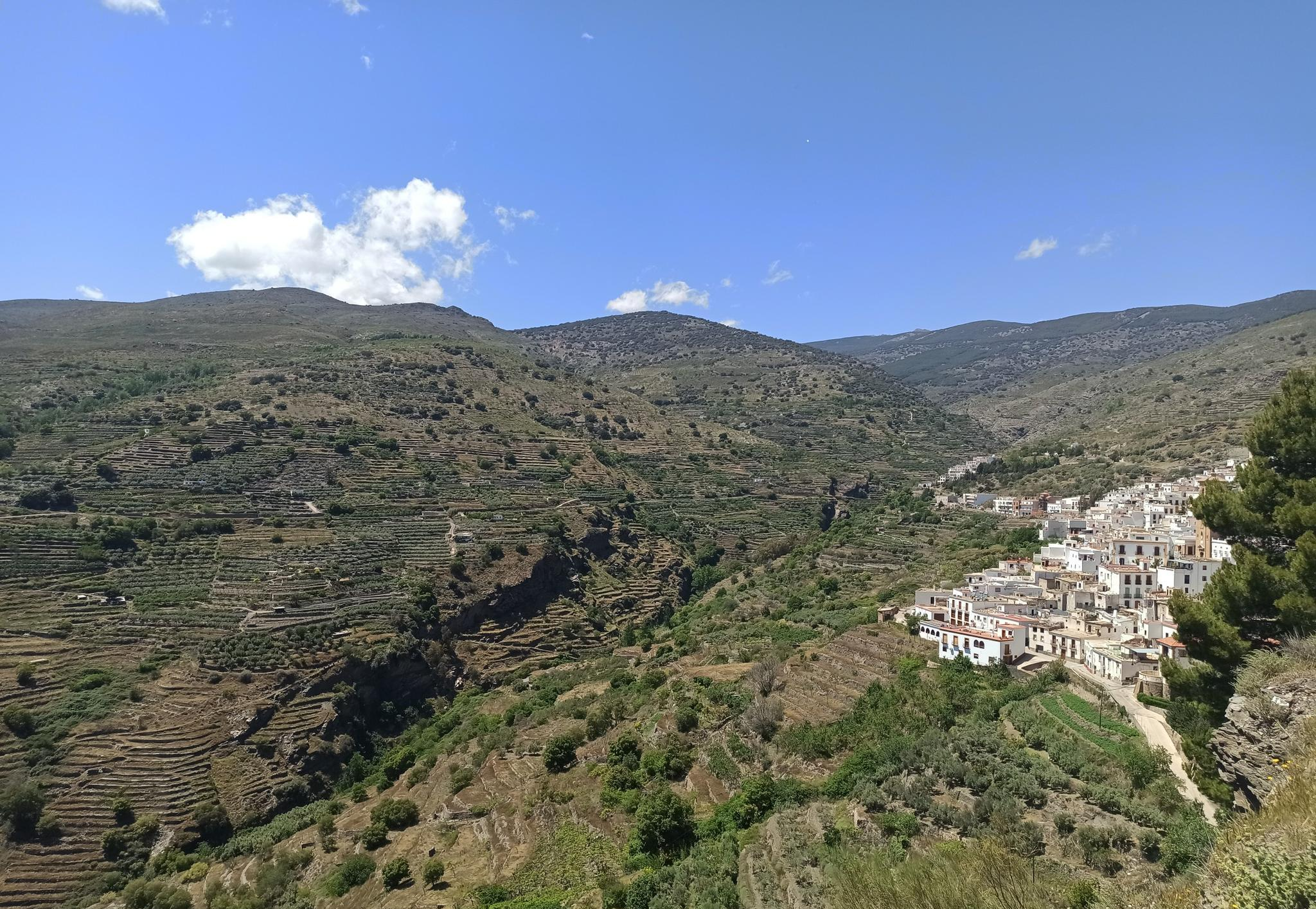
Among white villages - Path of the Alpujarra (GR 142)
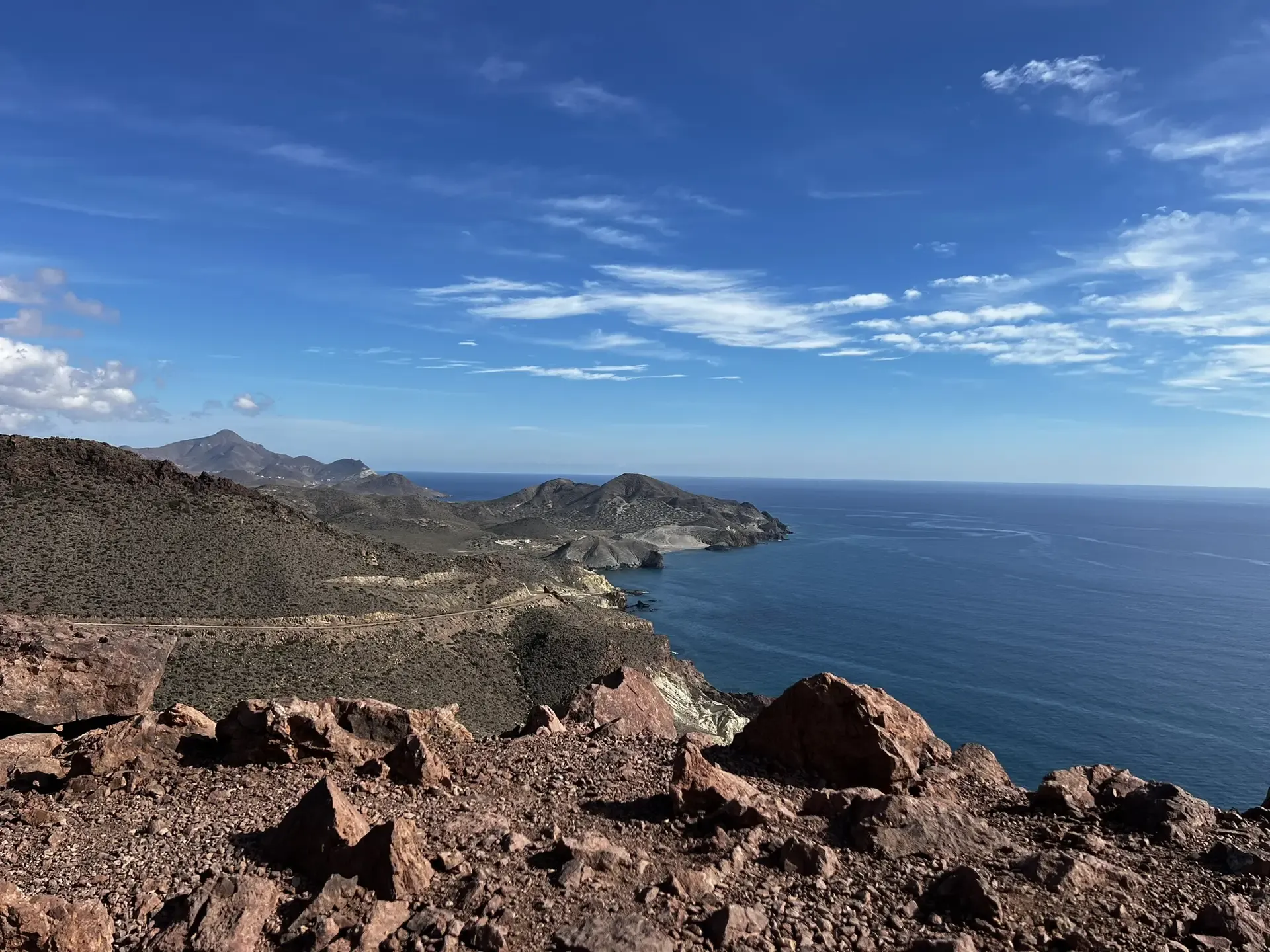
The Wild Side Of Almería — Transalmería By Mountain Bike
Other adventures in Almería


Tips from the Community

El Alto de Velefique is one of Almería's most notable ascents, known for its long ramps, quiet roads, and a series of well-spaced hairpin turns. The gradients are consistent, often between 4% and 5%, with occasional sections exceeding 10%, making the climb a sustained yet achievable effort. The ascent offers sweeping views of the Sierra de los Filabres and a sense of isolation ideal for focusing on your pedaling. Its layout and landscape are reminiscent of the famous Alpe d’Huez, although it is a less-trafficked and much quieter route.
1
0

The Puerto de la Ragua marks the border between the provinces of Granada and Almería. The Sierra Nevada stretches on both sides, with the 3000m peaks on the Granada side. The highest mountain in the province of Almería, El Chullo, is, however, easily accessible from the Puerto de la Ragua. The Puerto de la Ragua is just over 2000m.
0
0

Both mountain ranges ensure that it hardly rains in this semi-desert area.
1
0

If you are not on a mountain bike, you will have to push the bike in places
4
0

If you decide to explore this route, you will be surrounded by nature and breathtaking views. Enjoy your hike! 🏞️🚶♂️🥾🚵🌞
4
0

its a stunner ... form Velefique side is really demanding
0
0

Take plenty of water, there is none at the top.
0
0

The Cuatro Caminos pass is a strategic pass, it ends the important slopes and is key to keeping the route at the average altitude until the Caniles highway. The departure from the protected natural area of the mountain range is notable for the change in environment, there are traces of deforestation and the peaks of the mountain range look like plateaus reminiscent of other latitudes. In the background, the white spheres of the astronomical radars of Calar Alto finally appear, the ceiling of the cycle tour and the main challenge of the day. The route immediately leaves the road that goes down towards Escúllar and continues along the mountain range. The road surface is acceptable until the Loma de las Piedras de Ayala, the ground gets much worse and the slope is considerable, it is two uncomfortable kilometers to the natural viewpoint of the Piedras del Deseo, an inspiring name where there are some corrals and fantastic views of the Gulf of Almería, an arc bluish by the waves of the Mediterranean between Punta Entinas and Cabo de Gata. The track improves significantly, passing through the Pingarra hill and connecting with the road that goes up to Calar Alto. On the ditch there are signs for cyclists with the distance and percentage of the slope. The day we spent there was a blizzard, it was cloudy and we couldn't enjoy the views at all, a shame after the four long hours of climbing. Some souvenir photos, all the clothes on and at full speed to Bacares, a town that seems exiled in a wild and lonely corner of the Sierra de los Filabres, surrounded by ravines and mountains. Passing through the town is not obligatory, the main road passes through the detour, you can see the hamlet that is on the opposite slope and continue the descent towards Tíjola.
1
0
Frequently Asked Questions
What are some of the most popular mountain passes in Almería?
Visitors frequently enjoy Collado de la Vela Blanca, known for its volcanic rocks and varied colors, and considered a highlight of the Cabo de Gata region. Another favorite is La Ragua Pass, one of the few asphalt passes in the region exceeding 2,000 meters, popular for cycling and bird watching. The challenging Climb to Alto de Velefique is also highly rated by the komoot community for its demanding ascent and spectacular views.
Are there good hiking trails near Almería's mountain passes?
Yes, Almería offers numerous hiking opportunities. For instance, from La Ragua Pass, you can access trails like the GR-140 Stage 01, connecting to Bayárcal, and it's a starting point for reaching El Chullo, Almería's highest mountain. The Sierra de Gádor also provides an extensive network of forest paths with breathtaking scenery, ideal for nature walking and mountaineering. You can find more hiking options in the region by exploring Running Trails in Almería.
What are the best mountain passes for cycling in Almería?
Almería is a fantastic destination for cyclists. The Climb to Alto de Velefique is legendary, especially for experienced cyclists, featuring an 11-kilometer ascent with an 8% gradient and numerous hairpin bends. La Ragua Pass is another popular choice, having been part of the Cycling Tour of Spain multiple times. For more cycling adventures, check out Gravel biking in Almería and MTB Trails in Almería.
Where can I find the best viewpoints among Almería's mountain passes?
Many passes offer stunning panoramic views. La Ragua Pass provides extensive views of the Alpujarras to the south and the Marquesado del Zenete plateau to the north. The Climb to Alto de Velefique also rewards cyclists with spectacular vistas. Additionally, the AL-4200 Coastal Road, while not a traditional pass, features the Mirador de La Amatista viewpoint, offering breathtaking panoramas of the Mediterranean from 122 meters above sea level.
What kind of natural landscapes can I expect to see around Almería's mountain passes?
Almería's mountain passes traverse incredibly diverse landscapes. You'll encounter the high-altitude natural landscapes of the Sierra Nevada around La Ragua Pass, with its contrasting views of valleys and plateaus. The Sierra de los Filabres, home to Climb to Alto de Velefique, offers serene environments with ancient Mediterranean forests. The Cabo de Gata region, where Collado de la Vela Blanca is located, showcases unique volcanic rock formations and coastal beauty.
Are there family-friendly options or easy walks in Almería's mountain passes?
While many passes offer challenging routes, areas like the Almerían Alpujarra provide scenic drives and picturesque villages, inviting a leisurely pace suitable for families. La Ragua Pass, with its facilities and natural setting, is also a good spot for enjoying nature walks. The Sierra de Gádor has an extensive network of forest paths, some of which are suitable for easier walks, allowing families to enjoy the scenery.
When is the best time to visit Almería's mountain passes?
The best time largely depends on your planned activities. For hiking and cycling, spring (April-May) and autumn (September-October) offer pleasant temperatures. Summer can be very hot, especially at lower altitudes, but higher passes like La Ragua Pass (over 2,000m) can be cooler. Winter brings opportunities for cross-country skiing at La Ragua, but some higher routes may be inaccessible due to snow.
Are there facilities or accommodation near the mountain passes?
La Ragua Pass has facilities, including a cross-country ski station. The Sierra de los Filabres, where Climb to Alto de Velefique is located, features small, welcoming villages like Lubrín and Bédar, where you can find local amenities and insights into rural life. The Almerían Alpujarra also has traditional villages with accommodation options.
What makes the Sierra de los Filabres unique?
The Sierra de los Filabres is Almería's main mountain range, known for its serene environment and picturesque villages. Beyond the challenging Climb to Alto de Velefique, it offers opportunities to connect with nature, explore ancient Mediterranean forests, and experience rural life. It also hosts the Calar Alto Observatory, one of Europe's largest astronomical observatories, adding a scientific dimension to its natural beauty.
Can I find challenging climbs for road cycling in Almería?
Absolutely. The Climb to Alto de Velefique is particularly famous for its difficulty, with an 11 km ascent at an 8% gradient and numerous hairpin bends. La Ragua Pass is another demanding climb that has been featured in professional cycling races. The Venta Luisa Pass, rising 1,970 meters, also offers a significant challenge, with a 27km climb from Serón.
Are there any mountain passes suitable for bird watching?
Yes, La Ragua Pass is highlighted as a privileged place for bird watching, making it an excellent spot for nature enthusiasts interested in ornithology. Its high altitude and natural surroundings within the Sierra Nevada Natural Park provide a diverse habitat for various bird species.
Most popular routes in Almería
Most popular attractions in Almería

Get inspired with the komoot mobile app


Didn’t find what you were looking for?
Find even more amazing mountain passes in Almería organized by region:
Explore more
See even more epic mountain passes by checking out these guides in Almería:
