Top 11 Natural Monuments in Cambridgeshire
Best natural monuments in Cambridgeshire offer a diverse range of landscapes, from ancient earthworks to rare fenland ecosystems. The region, known for its academic city, also features significant natural sites, including chalk hills and wetlands. These areas provide opportunities to observe rich biodiversity and explore historical features. Cambridgeshire's natural heritage is characterized by its unique blend of geological formations and preserved habitats.
Best natural monuments in Cambridgeshire
- The most popular natural monuments is Far Fen Lake, a lake that…
Last updated: August 20, 2026
Far Fen Lake
Highlight • Lake
Tip by

Holme Posts
Highlight • Monument
Tip by
Sign up now to discover places like this
Get recommendations on the best single tracks, peaks, & plenty of other exciting outdoor places.
Sign up for free
Wicken Fen
Highlight • Cycleway
Tip by

Ouse Washes Wetland (Norfolk–Cambridgeshire border)
Highlight • Natural
Tip by

Stow cum Quy Fen Pond
Highlight • Lake
Tip by
Bartlow Hills Burial Mounds
Highlight • Historical Site
en.m.wikipedia.org/wiki/Bartlow_Hills
Tip by

Holme Fen National Nature Reserve
Highlight • Natural
Tip by

RSPB Hanson Ouse Fen Nature Reserve
Highlight • Natural Monument
When it …
Tip by

Grainne's Mound
Highlight • Natural Monument
Mining bees live in this bank; if you look closely you can see the small holes which they dig and lay …
Tip by

Orwell Clunch Pit
Highlight • Natural
Tip by

Start today with a free account
Your next adventure awaits.
Login or Signup
Popular around Cambridgeshire
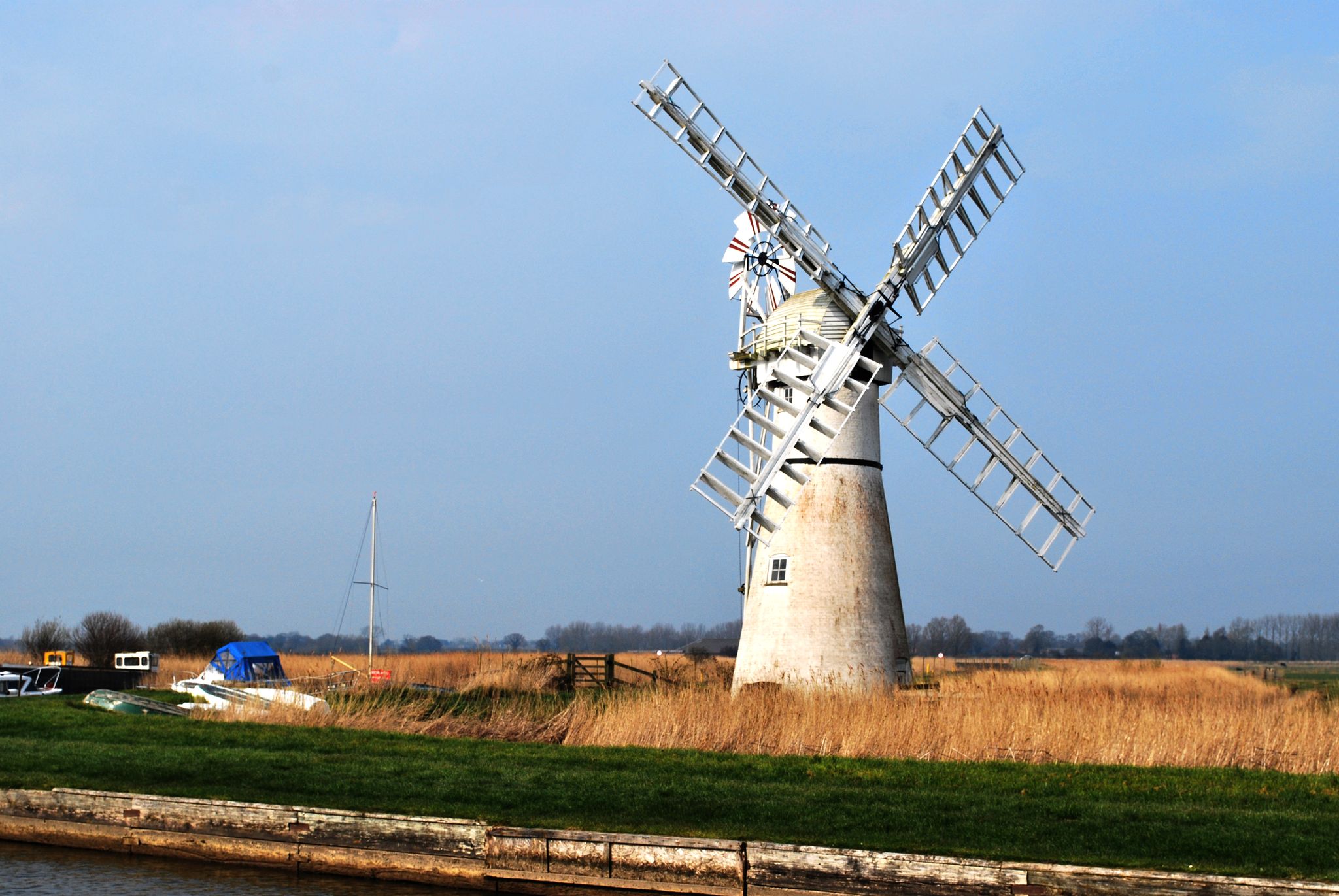
Norfolk Trails – long-distance walks
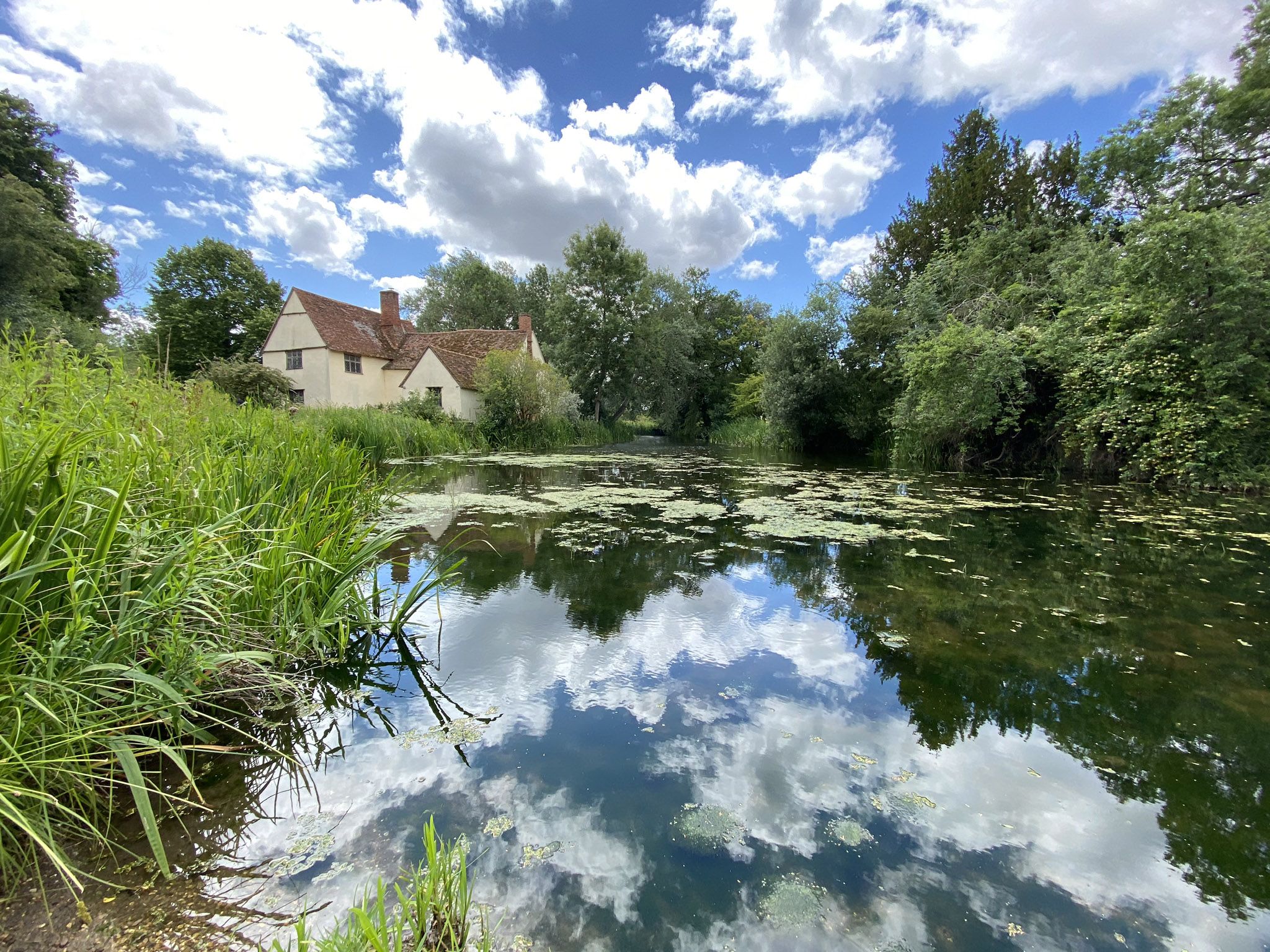
Stour Valley Path – A river walk of artistic beauty
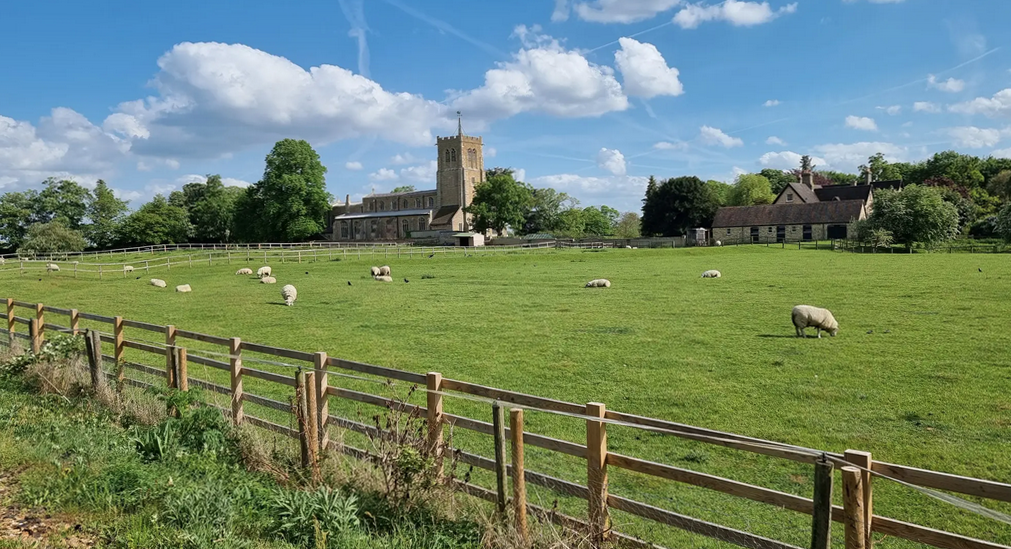
Pathfinder Long Distance Walk — A hike for wartime heroes
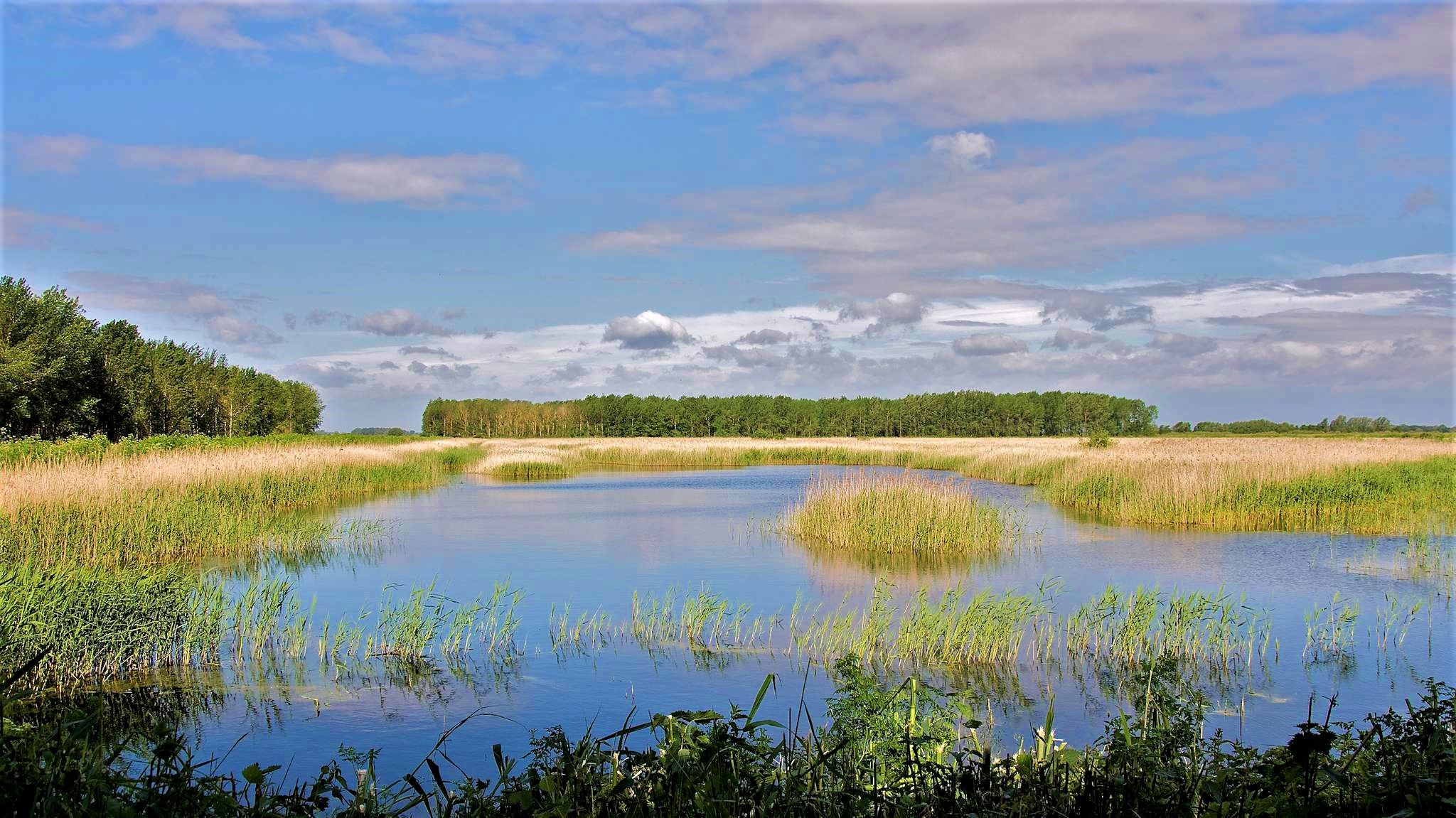
Hereward Way – Rare wildlife, rich history and heavenly hiking
The Old Chalk Way
Ouse Valley Way — A winding hike alongside one of England's greatest rivers
Hiking the Greater Ridgeway — Following Roman roads across England
Fen Rivers Way — A riverside hike through enchanting East Anglia
Icknield Way Path — Hike seven counties on Britain's oldest road
A fantastic journey along Britain’s entire East Coast – NCN 1
Other adventures in Cambridgeshire


Tips from the Community

Parking is £2. There is a portaloo and a bin in the carpark. This hike was limited in what you could see, in August the trees and weeds blocked most of the view. For safety note that the pathway takes the narrow road that cars are entering and exiting. There are two crossings over the guided path where the buses are traveling at speed. The first part of the walk by the Ouse was lovely as was the last part on a field where you ton off by the weight limited bridge. I would imagine in winter the path would be a mush pit.
0
0

Be careful when starting route 2 as the start can be easily missed going through the gate.
0
0

Wicken Fen and White Fen are places that are a must for any biker in Cambridgeshire.
0
0

Stop if you like nature or just stop if you want refreshment's or the loo. There is also a bike rental shop who may be able to help you out if you have a problem with your bike.
0
0


Small mound to the right of the viewing platform. Mining bees live in this bank; if you look closely you can see the small holes which they dig and lay their eggs in. These tiny bees feed on early- flowering plants, including coltsfoot, and fruit tree flowers later in the spring. This is important as this spreads the pollen between the flowers, allowing them to make seeds and reproduce.
0
0

The bus whizzes through the yellow grain landscape like oiled lightning. The intercity bus from Cambridge to St Ivy rolls over a special lane bus track and reaches an impressive speed. Today he transports the four of us to the "Fen Drayton Lakes Nature Reserve", in the lake landscape we hike and do "birdwatching". “Fen Drayton Lakes was originally a flooded sand and gravel pit bordering river floodplains. Today the area is a magnet for a variety of wildlife including otters, dragonflies, ducks, swans and geese. There is something to see (and hear) here all year round.” (https://www.rspb.org.uk/reserves-and-events/reserves-a-z/fen-drayton-lakes/)
0
0

They may look like out of place lampposts but Holme Posts are part of history. The posts were buried in 1848 to measure how much the land sunk after Whittlesey Mere, once on this site, was drained. The peat lake floor had been soaked in water but after drainage, the peat shrank, as did the height of the land. The top of the posts, once level with the ground, are now around 4m above it. The posts are generally accepted to mark the lowest land point in Great Britain at 2.75m below sea level.
0
0
Frequently Asked Questions
What are some of the most significant natural monuments in Cambridgeshire?
Cambridgeshire offers a variety of significant natural monuments. For instance, Devil's Dyke is a remarkable ancient earthwork stretching 11 kilometers, featuring chalk grassland and historical mystery. Wicken Fen National Nature Reserve is England's oldest national nature reserve, an internationally important wetland with diverse habitats and abundant wildlife. Another notable site is Holme Fen National Nature Reserve, home to the UK's largest silver birch wood and the lowest point of dry land in Great Britain.
Are there any natural monuments in Cambridgeshire with historical significance?
Yes, several natural monuments in Cambridgeshire boast significant historical value. Devil's Dyke is an ancient Anglo-Saxon earthwork, believed to be a defensive barrier or trade control point. The Gog Magog Hills, including Wandlebury Country Park, feature prehistoric monuments like a Neolithic causewayed enclosure and an Iron Age Hillfort. Additionally, the Bartlow Hills Burial Mounds are Roman burial mounds, offering a glimpse into ancient history.
Which natural monuments are best for wildlife observation and birdwatching?
Cambridgeshire is excellent for wildlife enthusiasts. Wicken Fen National Nature Reserve is renowned for its diverse species, including hen harriers, bitterns, and numerous dragonflies, with boardwalks and bird hides for optimal viewing. RSPB Fowlmere Nature Reserve is a tranquil haven for birdwatchers, featuring reedbeds and pools where you can spot barn owls, kingfishers, and otters from well-placed hides. The Far Fen Lake, part of the RSPB Nature Reserve, is also a magnet for various wildlife.
Are there family-friendly natural monuments in Cambridgeshire?
Many natural monuments in Cambridgeshire are suitable for families. Wicken Fen National Nature Reserve offers extensive boardwalks, including an all-weather option, making it accessible for prams and younger children to explore. The Gog Magog Hills provide open spaces for walking and cycling. The Stow cum Quy Fen Pond and RSPB Hanson Ouse Fen Nature Reserve are also listed as family-friendly highlights, offering gentle exploration opportunities.
What kind of outdoor activities can I do near these natural monuments?
The natural monuments in Cambridgeshire are surrounded by opportunities for outdoor activities. You can find numerous hiking trails, such as those around Devil's Dyke and the Gog Magog Hills. For cycling, there are many road cycling routes in the region, and mountain biking trails are also available. You can explore various easy hikes, road cycling routes, and MTB trails throughout Cambridgeshire.
Are there any natural monuments that are particularly unique or unusual?
Yes, Cambridgeshire has some truly unique natural monuments. Holme Fen National Nature Reserve is notable for being the lowest point of dry land in Great Britain, marked by the historic Holme Post, and features the UK's largest silver birch wood. Devil's Dyke stands out as an ancient, massive linear earthwork with a mysterious past. The Holme Posts themselves mark this significant geographical feature.
What are the best times to visit Cambridgeshire's natural monuments?
The best time to visit Cambridgeshire's natural monuments largely depends on your interests. Spring and summer are ideal for enjoying the diverse flora, such as the rare plants at Devil's Dyke and the wildflowers in the Gog Magog Hills, and for birdwatching at reserves like Wicken Fen and RSPB Fowlmere. Autumn offers stunning woodland photography opportunities, especially at Holme Fen with its silver birch wood. Even in winter, these sites provide peaceful walks and unique birdwatching experiences, though paths might be muddy.
Are there natural monuments in Cambridgeshire that are good for walking or hiking?
Absolutely. Devil's Dyke offers excellent walking opportunities along its ancient path, with expansive views. The Gog Magog Hills, including Wandlebury Country Park and Magog Down, provide numerous trails through woodlands and wildflower meadows. Wicken Fen National Nature Reserve has extensive boardwalks and trails suitable for various walking abilities. You can find many easy hikes throughout the region, including loops around Wicken Fen and Fen Drayton Lakes Nature Reserve.
What kind of landscapes can I expect to see at Cambridgeshire's natural monuments?
Cambridgeshire's natural monuments showcase a diverse range of landscapes. You'll find ancient earthworks and chalk grasslands at Devil's Dyke and the Gog Magog Hills. Extensive wetlands, reedbeds, and wet meadows characterize Wicken Fen National Nature Reserve, Holme Fen National Nature Reserve, and the Ouse Washes Wetland. There are also areas of woodland, such as the silver birch wood at Holme Fen, and tranquil pools fed by chalk springs at RSPB Fowlmere.
Are there any hidden gems among Cambridgeshire's natural monuments?
While many sites are well-known, some offer a more secluded experience. The Coploe Hill Pit Nature Reserve, once a chalk pit, has been reclaimed by nature and is now a haven for wildlife, surrounded by rolling green fields. The Orwell Clunch Pit is another lesser-known natural monument that provides a quiet spot to explore the region's unique geology and ecology.
Most popular routes in Cambridgeshire
Most popular attractions in Cambridgeshire

Get inspired with the komoot mobile app


Didn’t find what you were looking for?
Find even more amazing natural monuments in Cambridgeshire by checking out the top Highlights region by region:
Explore more
Extend your search for the best caves by checking out these guides of the top ones in Cambridgeshire:
