Top 17 Natural Monuments around Wokingham
Natural monuments around Wokingham offer diverse natural environments for exploration. The region features a mix of woodlands, meadows, and lakes, alongside ancient bogland and lowland heath. These areas provide opportunities to observe varied ecosystems and unique natural features within the Thames Valley. Wokingham's landscape includes significant sites recognized for their ecological distinctiveness and historical elements.
Best natural monuments around Wokingham
- The most popular natural monuments is Robin Hood's Arbour, a historical site within a forest. This Iron Age rectilinear…
Last updated: September 29, 2026
Cock Marsh Wetland Walkway
Highlight • Trail
Tip by

The Brick and Tile Works
Highlight • Historical Site
Tip by

Sign up now to discover places like this
Get recommendations on the best single tracks, peaks, & plenty of other exciting outdoor places.
Heath Lake
Highlight • Natural Monument
Tip by

Robin Hood's Arbour
Highlight • Historical Site
There are no known connections linking the legend of the outlaw, Robin Hood with Robin Hood’s Arbour. Indeed Robin Hood’s Arbour dates from much earlier times. The …
Tip by
Wildflower Meadows of Pinkneys Green
Highlight • Natural
Tip by
Sign up for free to discover even more natural monuments around Wokingham.
Already have an account?
Start today with a free account
Your next adventure awaits.
Popular around Wokingham
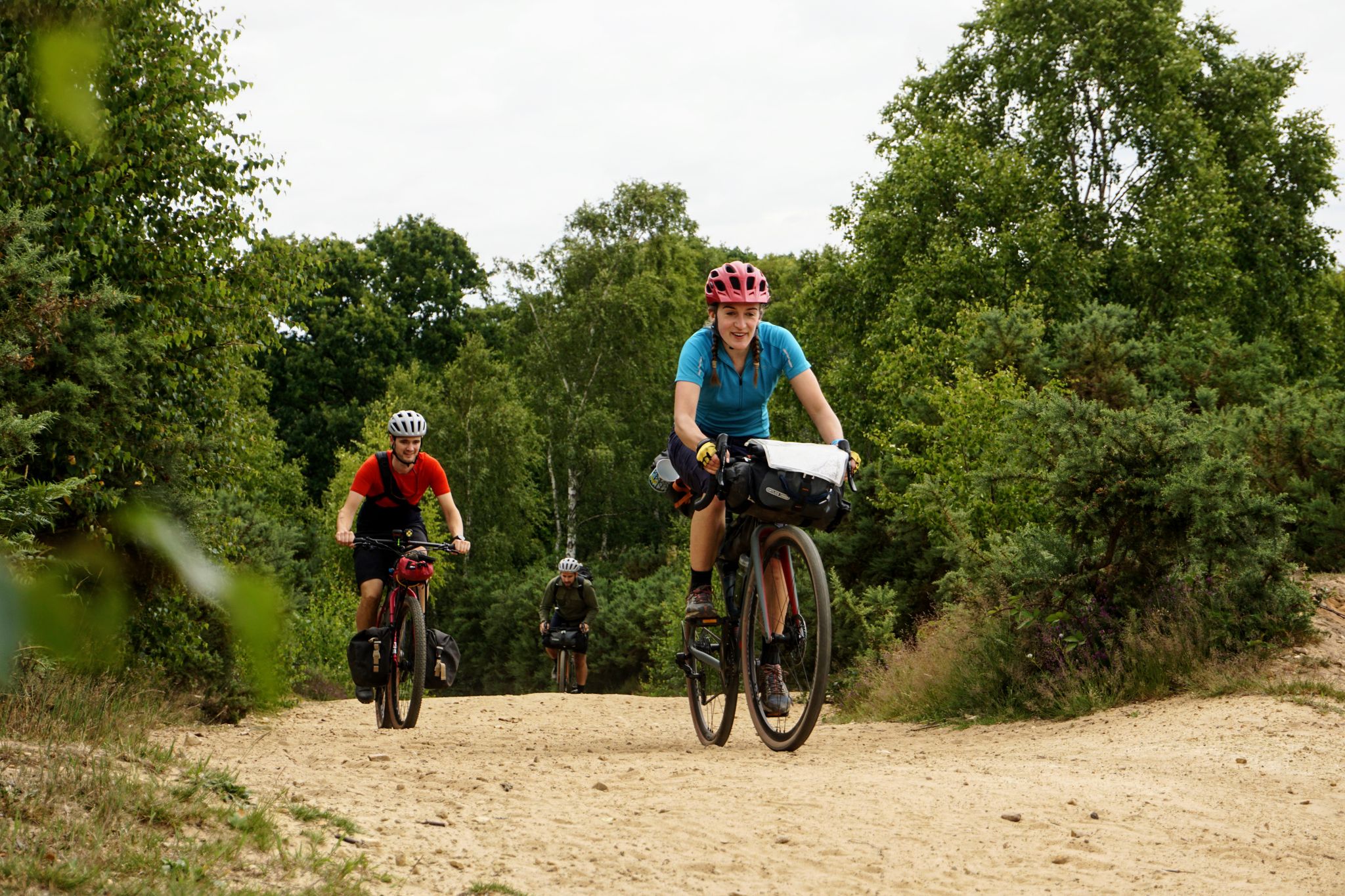
King Alfred's Way — History, chalk, grassland and forest
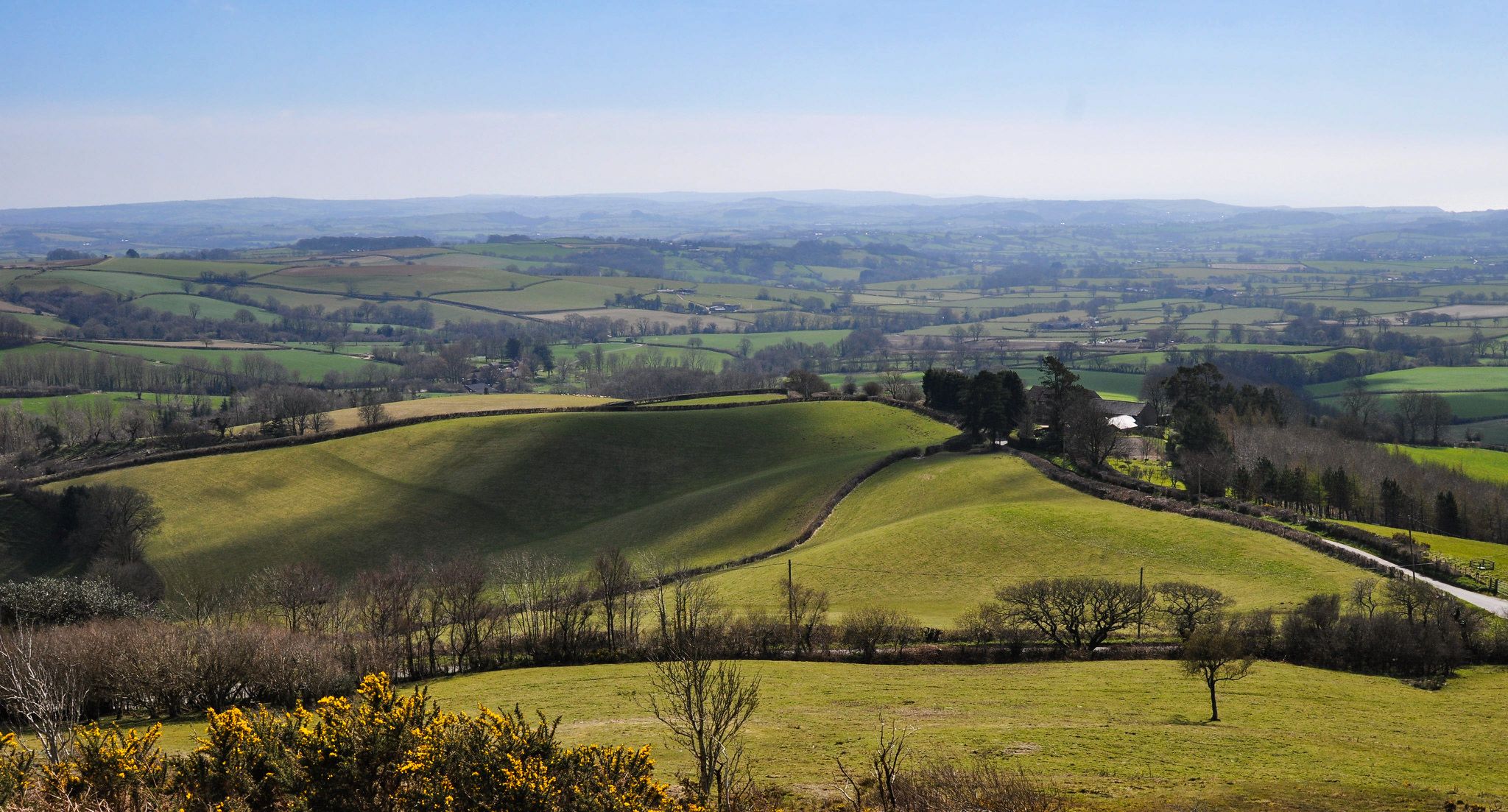
Hiking the Orange Way — Southern England in the footsteps of a king
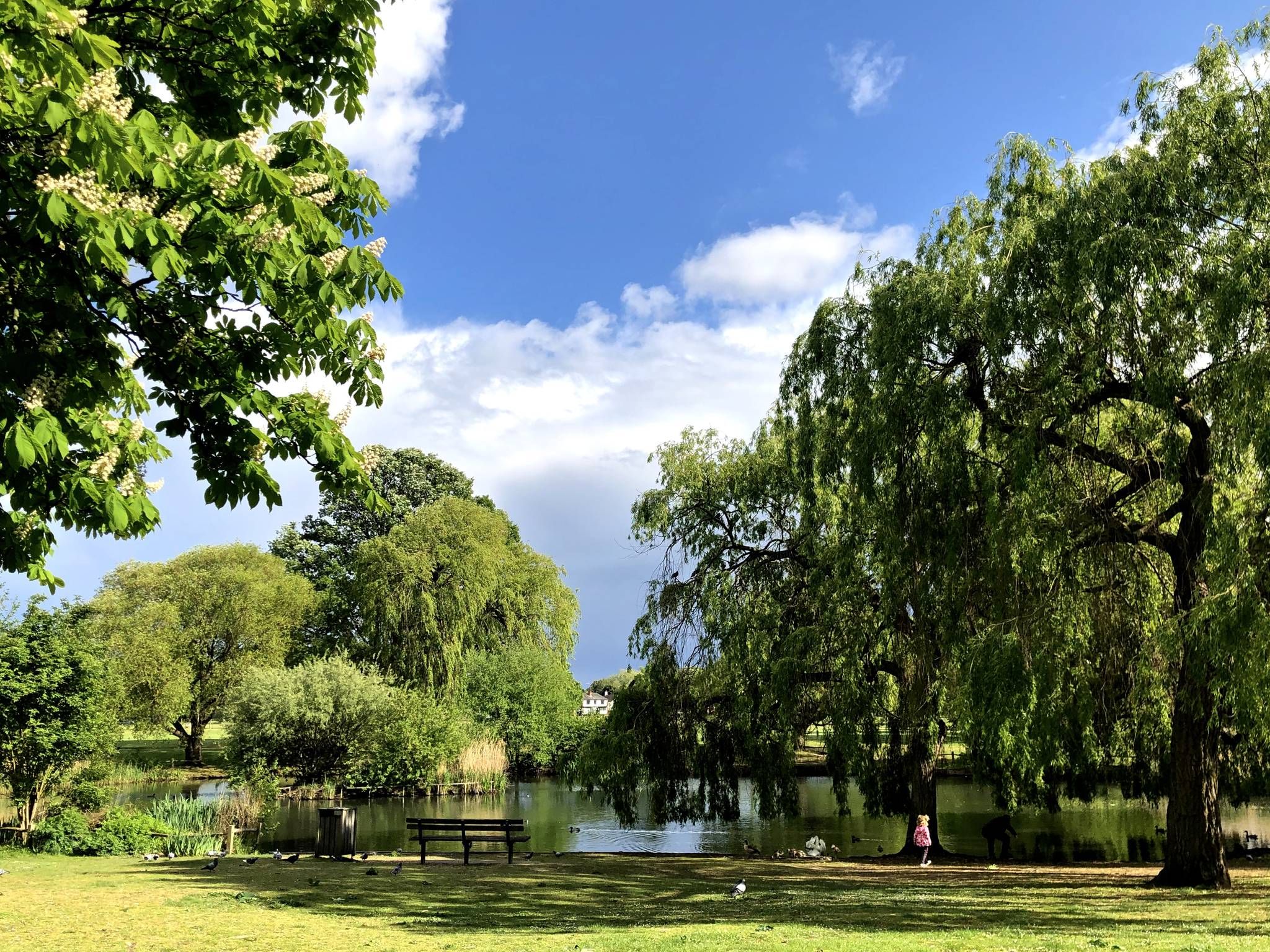
Thames Valley Cycle Route – Where red deer roam & history comes alive
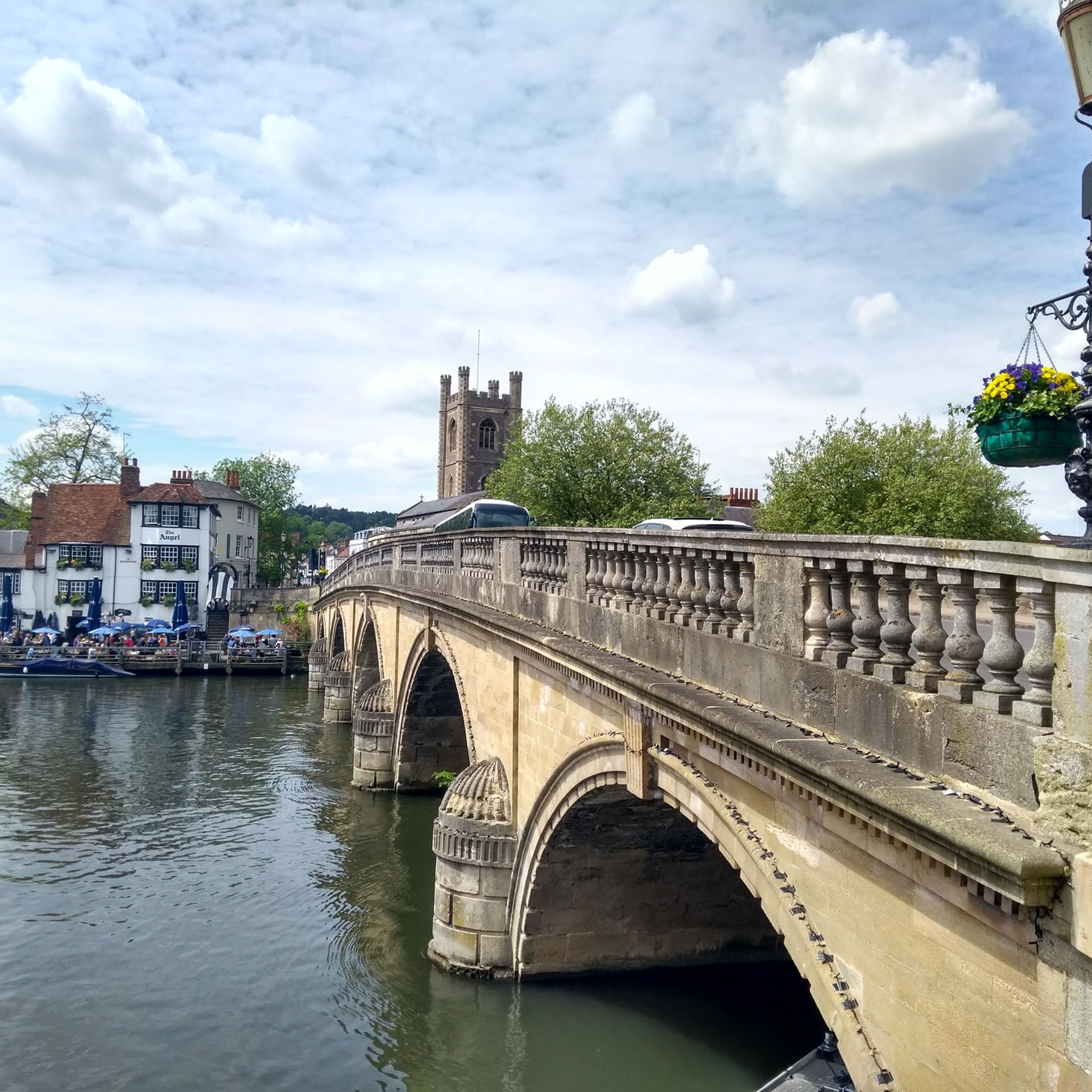
Hiking around Wokingham
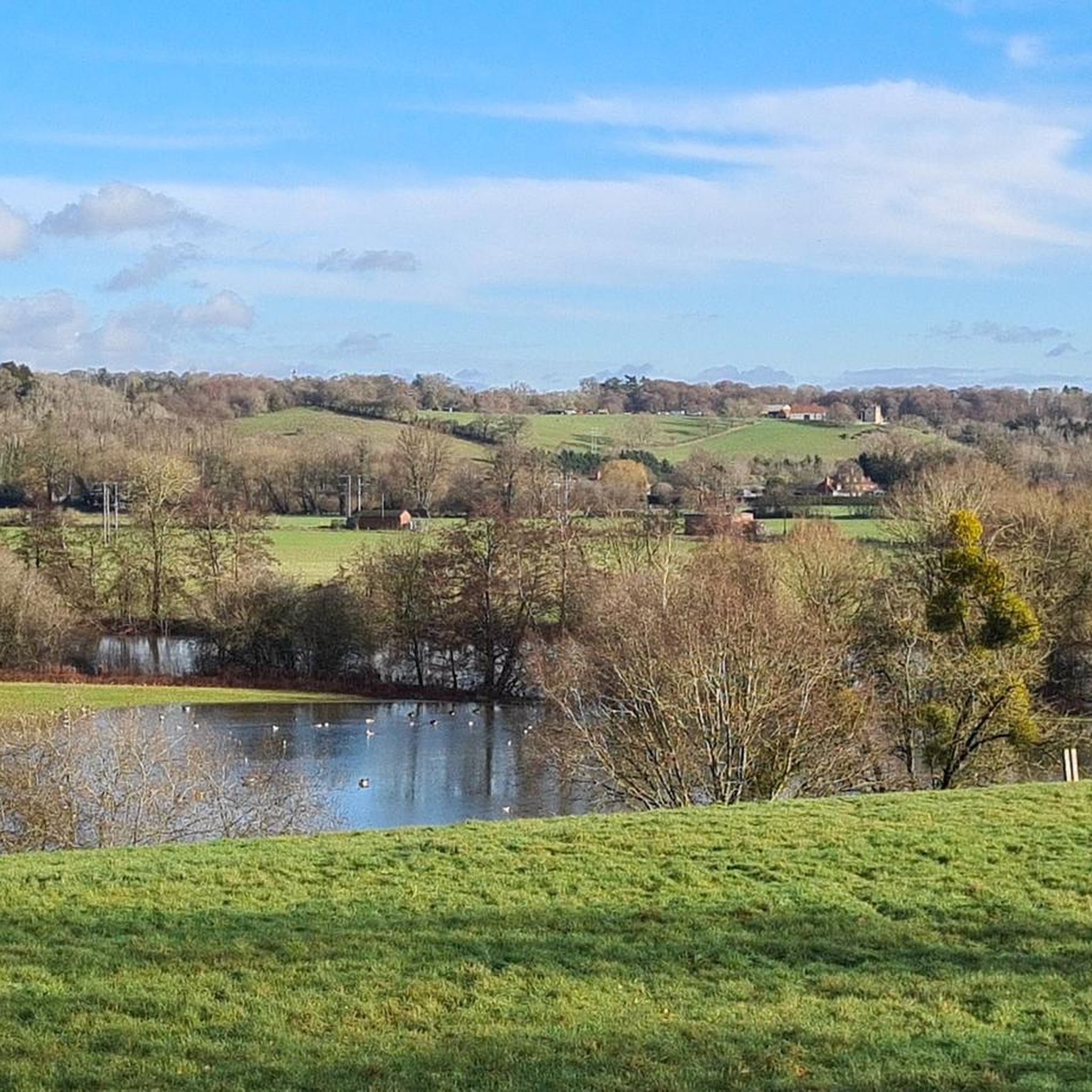
Running Trails around Wokingham
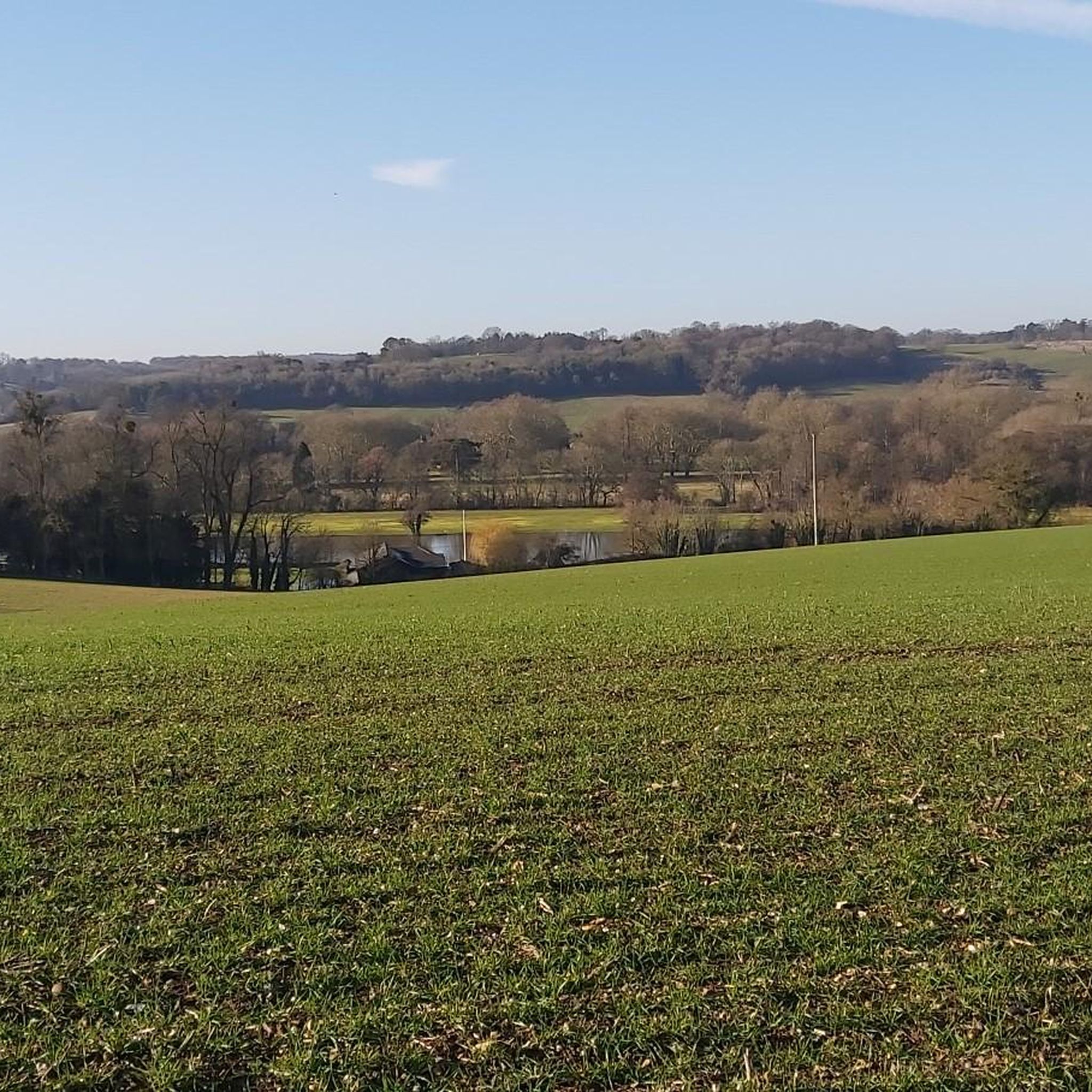
Road Cycling Routes around Wokingham
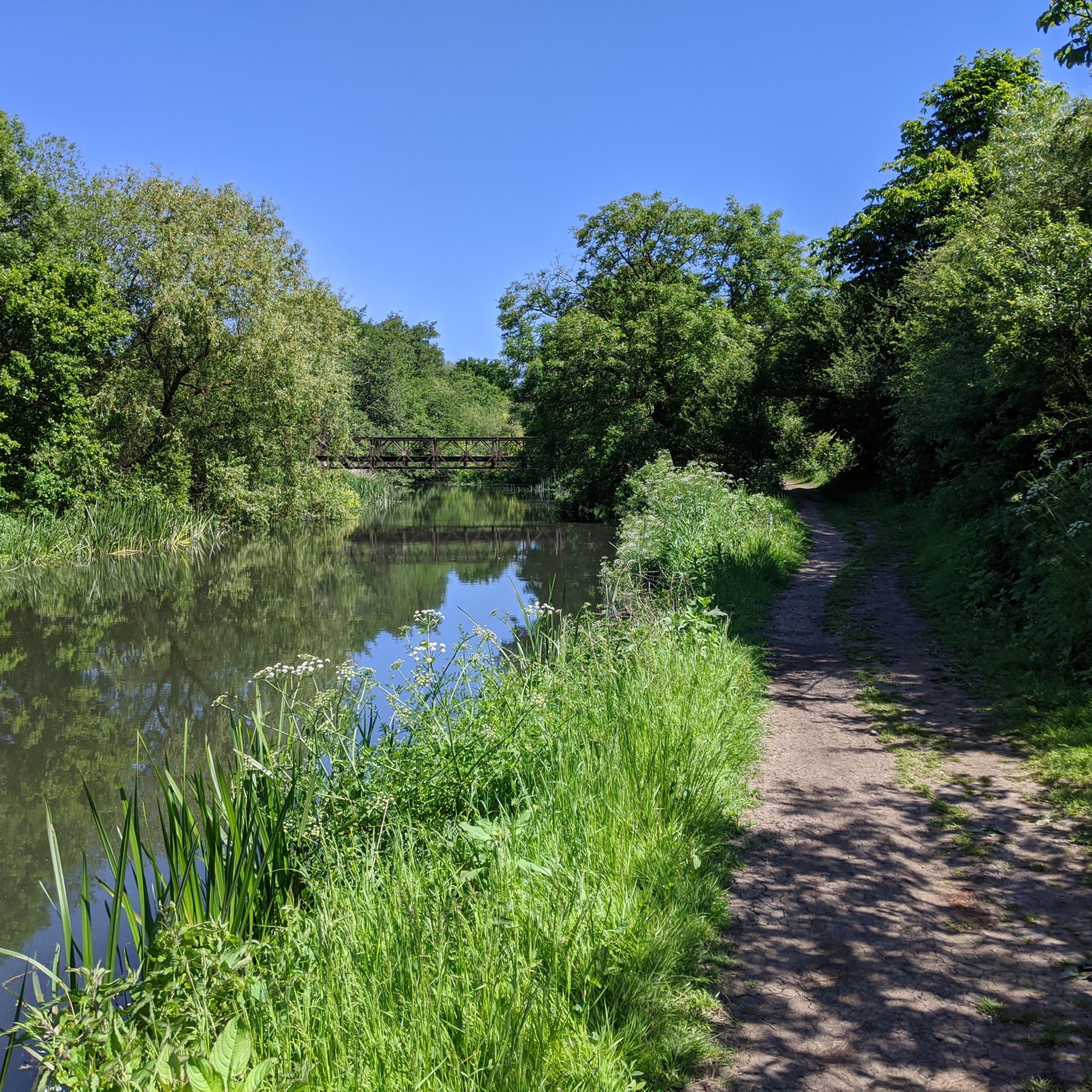
Cycling around Wokingham
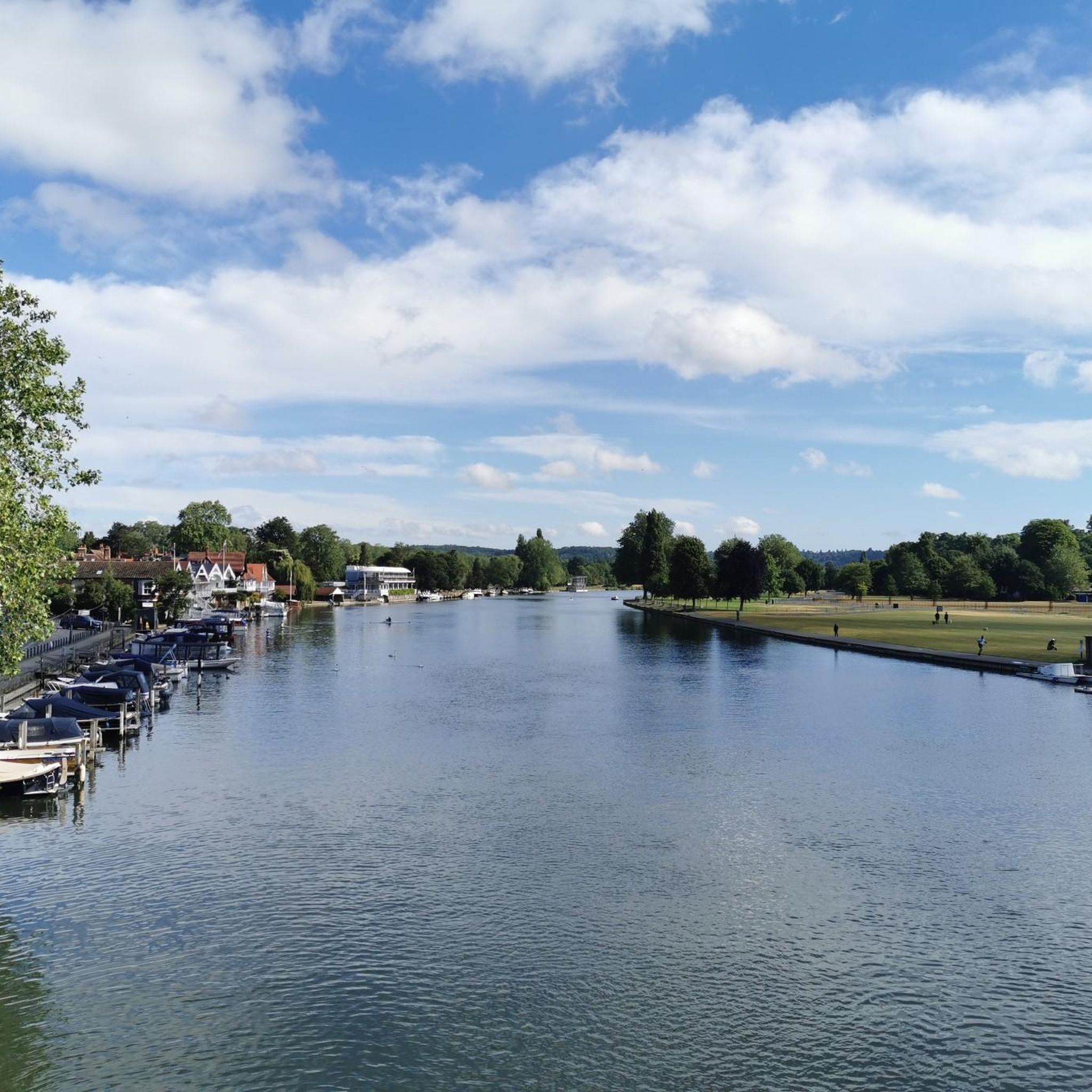
MTB Trails around Wokingham
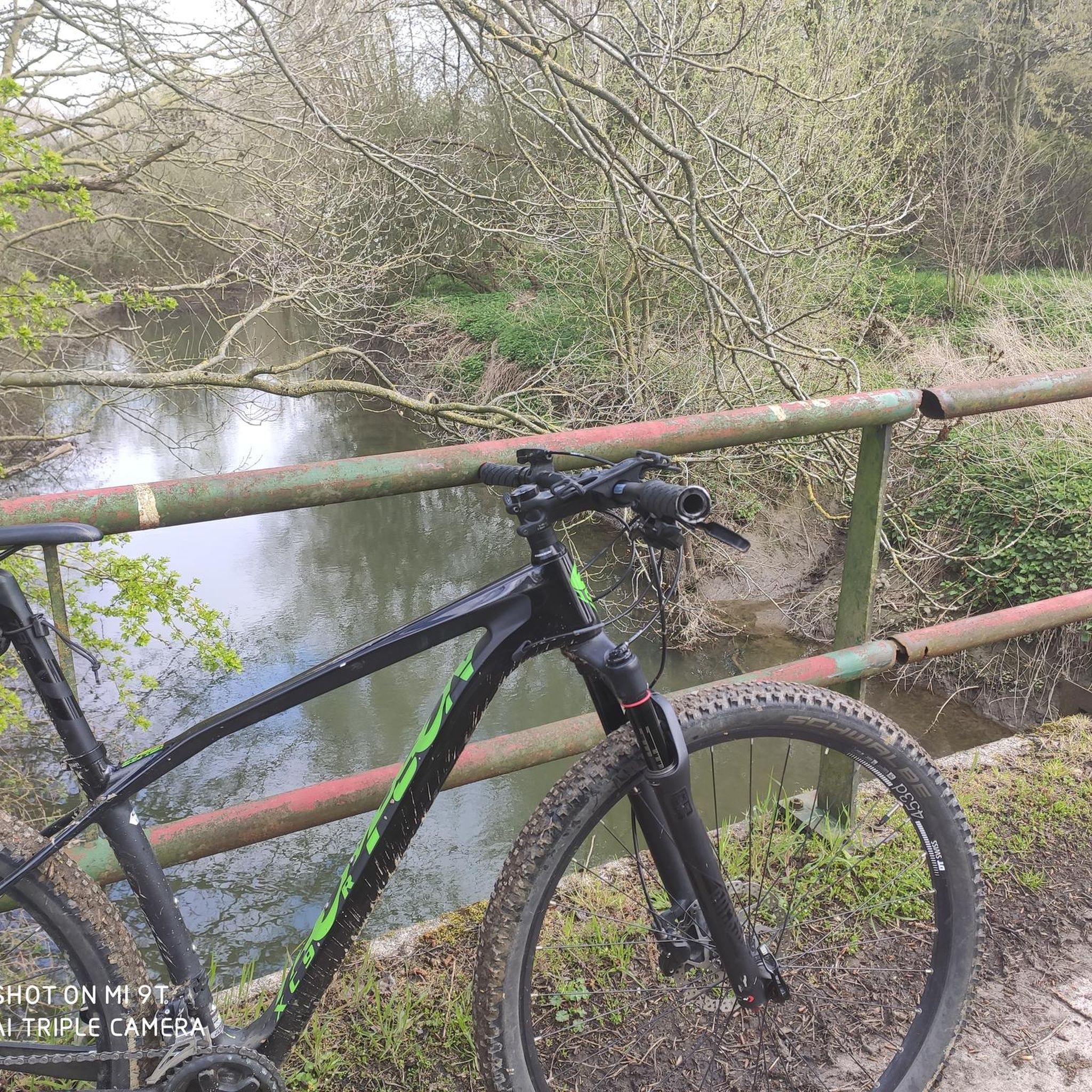
Gravel biking around Wokingham
Other adventures around Wokingham


Tips from the Community

While walking along the path around the lake, you can observe a wide variety of birds, including swans and ducks, among others. This lake is a Site of Special Scientific Interest and is home to several rare plants due to its low pH levels. In fact, it's the only acid lake in the county. Depending on the weather, it can become muddy.
1
0
This lake is the only acid lake in Berkshire. Due to its naturally high pH level, it harbors some very uncommon plants, such as the water milfoil or the six-stemmed water crowfoot. This has earned it the designation of SSSI (Site of Special Scientific Interest). Next to the reserve where this lake is located, there is a small, free parking area. Several trails and routes, like the Ramblers Route, pass by the lake.
1
0

The Brick and Tile Works, established by Charles Cooper in the early 1800s, employed about 150 people and produced bricks, tiles, gargoyles, and pinnacles. The site, which closed in 1967, is now owned by the National Trust and features lowland ponds with diverse aquatic life and a variety of woodland birds and plants.
1
0
Pinkneys Green, originally part of the Royal Manor of Cookham, was sold off in 1818. In the 1920s, the Maidenhead and Cookham Commons Conservation Committee protected the land, which was later donated to the National Trust. Today, Pinkneys Green is mostly grassland managed by local farmers with areas of trees and thicket for wildlife, and its open meadows are filled with wildflowers during the summer.
1
0

Robin Hood's Arbour There are no known connections linking the legend of the outlaw, Robin Hood with Robin Hood’s Arbour. Indeed Robin Hood’s Arbour dates from much earlier times. The feature is an Iron Age rectilinear enclosure which is thought to have been a farmstead. An archaeological excavation in 1890 revealed ‘samian ware’, a type of Roman pottery produced mainly in Gaul. Further excavations in 1960 recovered some Iron Age pottery and some wattle marked daub. Other finds comprised flint implements including a Palaeolithic hand axe. These finds can be seen in the Reading Museum.
2
0
The Brick & Tile Works The Brick and Tile Works was established by Charles Cooper in the early 1800s, exploiting a local deposit of Reading Clay. At its peak, the Works employed about 150 people, and cottages were built in Golden Ball Lane for the skilled craftsmen. In 1950, the Cooper family sold the Works to the Maidenhead Brick and Tile Company, and the site eventually closed in 1967. In addition to bricks and tiles, the works produced gargoyles and pinnacles, many of which can be seen in the locality today. The National Trust acquired the site in 1989. The industrial activity left a legacy of lowland ponds, inhabited by an impressive range of aquatic invertebrate fauna, including several species of dragonfly. There are also three species of newt and a wide range of woodland birds and other aquatic or semi-aquatic plants and animals.
1
0
Pinkneys Green derives its name from the Norman Knight, Ghilo de Pinkney, who was granted lands in the Maidenhead area as a reward for supporting William the Conqueror. Along with other areas of common land in the Cookham and Maidenhead area, Pinkneys Green was originally part of the Royal Manor of Cookham, but they were sold off by the Crown in 1818 and passed into private ownership. In the 1920s, for fear that the common land would be enclosed or developed, the Maidenhead and Cookham Commons Conservation Committee was established, which raised £2800 to buy the land, which was donated to the National Trust in 1934. Today, Pinkneys Green consists largely of grassland, which is managed by local ‘commoner’ farmers as a hay crop for livestock; although some mature trees and areas of thicket provide valuable refuges for wildlife. The grasses in these open, unfenced meadows are left to grow tall all summer long so you’ll find a wealth of wildflowers
1
1
The wetland meadows of Cock Marsh are very important for rare plant species, breeding waders and overwintering birds. Part of the site is designated as a Site of Special Scientific Interest (SSSI). The steep chalk grassland swiftly changing into marshy, acid meadows has created an ecosystem of rare and interesting species. As part of the historic channel of the Thames, the ponds here support specialist plants like water violet, marsh arrowgrass, marsh stitchwort, marsh pennywort and water hemlock. The rare sedge Cyperus fuscus (brown galingale) is found here and in only a handful of other sites in Great Britain. It relies on cattle to tread or poach the ground on the pond edges to create the perfect habitat to grow. The cattle here work hard to help to maintain a rich botanical diversity of grassland habitat. https://www.nationaltrust.org.uk/maidenhead-and-cookham-commons/trails/cookham-and-cock-marsh-walk
1
0
Frequently Asked Questions
What makes the natural monuments around Wokingham unique?
Wokingham's natural monuments offer a diverse range of environments, from ancient woodlands and unique acid lakes to wetland meadows and historical sites. You can explore places like Heath Lake, Berkshire's only acid lake, or the ecologically significant Cock Marsh Wetland Walkway, known for rare plant species and birds.
Are there family-friendly natural monuments in the Wokingham area?
Yes, several natural monuments are suitable for families. Heath Lake and Wildflower Meadows of Pinkneys Green are great options for walks and enjoying nature. Additionally, Dinton Pastures Country Park and California Country Park, while not listed as specific highlights here, are popular local spots with facilities and activities for all ages.
What historical sites can be found among Wokingham's natural monuments?
Wokingham's natural monuments include sites with significant historical elements. Robin Hood's Arbour is an Iron Age rectilinear enclosure, thought to be a farmstead, with archaeological finds including Roman pottery. Another historical site is The Brick and Tile Works, an industrial heritage site now owned by the National Trust, featuring lowland ponds and diverse aquatic life.
What kind of wildlife can I expect to see at Wokingham's natural monuments?
The diverse ecosystems support a variety of wildlife. At Heath Lake, you can observe swans and ducks. The Cock Marsh Wetland Walkway is important for breeding waders and overwintering birds. Old Forest & Woosehill Meadows is known for kingfishers, blackcaps, chiffchaffs, and whitethroats. Finchampstead Ridges and Simon's Wood offer chances to spot common lizards or slow-worms on sunny days.
Are there good walking or hiking trails near these natural monuments?
Yes, the Wokingham area offers numerous walking and hiking opportunities. You can find easy hikes around places like Dinton Pastures and Old Forest & Woosehill Meadows. For more options, explore the Easy hikes around Wokingham guide, which includes routes like the Moor Green Lakes Nature Reserve from Finchampstead Ridges.
What outdoor activities can I do near Wokingham's natural monuments?
Beyond walking and hiking, you can enjoy various outdoor activities. Dinton Pastures Country Park offers boat hire, paddleboarding, and sailing. For running enthusiasts, there are many trails, including loops around Dinton Pastures and Old Forest Meadows, detailed in the Running Trails around Wokingham guide. Mountain biking trails are also available, with options like Swinley Forest, as seen in the MTB Trails around Wokingham guide.
When is the best time of year to visit Wokingham's natural monuments?
The best time to visit depends on your interests. Spring and summer are ideal for seeing wildflowers in places like the Wildflower Meadows of Pinkneys Green and observing active wildlife. Autumn offers beautiful foliage in woodlands like Simon's Wood. Many sites, such as Dinton Pastures Country Park, are accessible year-round, providing different experiences with each season.
Are there any natural monuments with unique geological features or rare plants?
Absolutely. Heath Lake is a Site of Special Scientific Interest (SSSI) due to its unique acidity, supporting uncommon plants like water milfoil and six-stemmed water crowfoot. The Cock Marsh Wetland Walkway also features rare plant species, including the rare sedge Cyperus fuscus, found in only a handful of other sites in Great Britain.
How long does it take to explore Finchampstead Ridges and Simon's Wood?
Finchampstead Ridges and Simon's Wood offer varied exploration times depending on your chosen route. A walk through Simon's Wood to see the impressive redwood sequoia trees and along the Ridges for views can take anywhere from 1 to 3 hours. You can extend your visit by exploring the heathland and looking for the remains of the Roman road.
Are there less crowded natural monuments or 'hidden gems' around Wokingham?
While popular spots can get busy, Gorrick Woods, located between Crowthorne and Wokingham, is often described as a hidden gem. It offers comfortable paths through diverse, predominantly coniferous woodland, providing beautiful views and a quieter experience for exploration on foot.
Can I bring my dog to the natural monuments in Wokingham?
Many natural areas around Wokingham are dog-friendly, but it's always best to check specific site regulations. Places like Dinton Pastures Country Park and Old Forest & Woosehill Meadows generally welcome dogs, often requiring them to be on a lead in certain areas to protect wildlife or livestock. Always clean up after your pet.
What are the parking and public transport options for Wokingham's natural monuments?
Many natural monuments, such as Dinton Pastures Country Park and California Country Park, have dedicated parking facilities, though some may require a fee. For Heath Lake, there is a small, free parking area nearby. Public transport options vary; some sites are accessible via local bus routes, while others might require a short walk from the nearest stop. Planning your journey in advance is recommended.
Most popular routes around Wokingham
Most popular attractions around Wokingham

Get inspired with the komoot mobile app


Explore more
Extend your search for the best caves by checking out these guides of the top ones around Wokingham:
