Bath and North East Somerset
Bath and North East Somerset
Top 16 Natural Monuments in Bath and North East Somerset
Best natural monuments in Bath and North East Somerset offer a diverse range of natural features and historical sites. This region, known for its rolling hills and river valleys, provides numerous opportunities to explore its geological past and scenic landscapes. Visitors can find a blend of natural formations and ancient human-made structures that highlight the area's rich heritage. The natural monuments here provide varied experiences for outdoor enthusiasts.
Best natural monuments in Bath and North East Somerset
- The most popular…
Last updated: September 2, 2026
Kelston Roundhill
Highlight • Viewpoint
Tip by

Chew Valley Lake
Highlight • Viewpoint
Tip by

Sign up now to discover places like this
Get recommendations on the best single tracks, peaks, & plenty of other exciting outdoor places.
Sign up for free
Stanton Drew Stone Circles and Cove
Highlight • Natural Monument
Tip by
The Roman Baths
Highlight • Natural Monument
Tip by
Three Shires Stones
Highlight • Historical Site
Although the marking is pretty impressive, it's nestled at the side of the main …
Tip by

Stoney Littleton Long Barrow
Highlight • Historical Site
Tip by

Sir Bevil Grenville's Monument
Highlight • Monument
Tip by
Ancient Plane Tree at Abbey Green
Highlight • Natural Monument
Tip by

Duck Pond and Stone Urn, Royal Victoria Park
Highlight • Lake
Tip by

Woollard River Swimming Spot
Highlight • Beach
Tip by

Sign up for free to discover even more natural monuments in Bath and North East Somerset.
Sign up for free
Already have an account?
Start today with a free account
Your next adventure awaits.
Login or Signup
Popular around Bath and North East Somerset
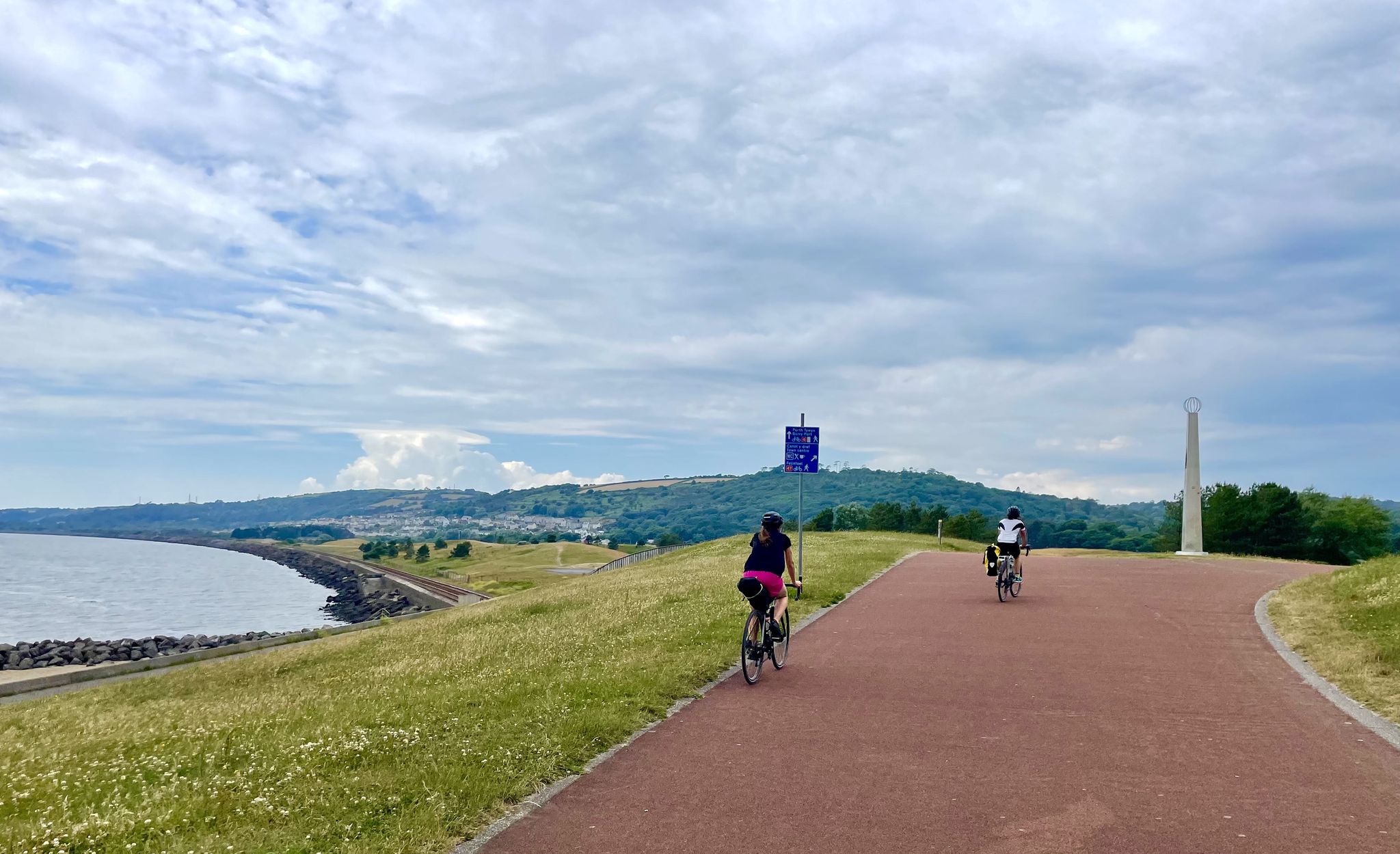
National Cycle Network Route 4 — Greenwich to Fishguard
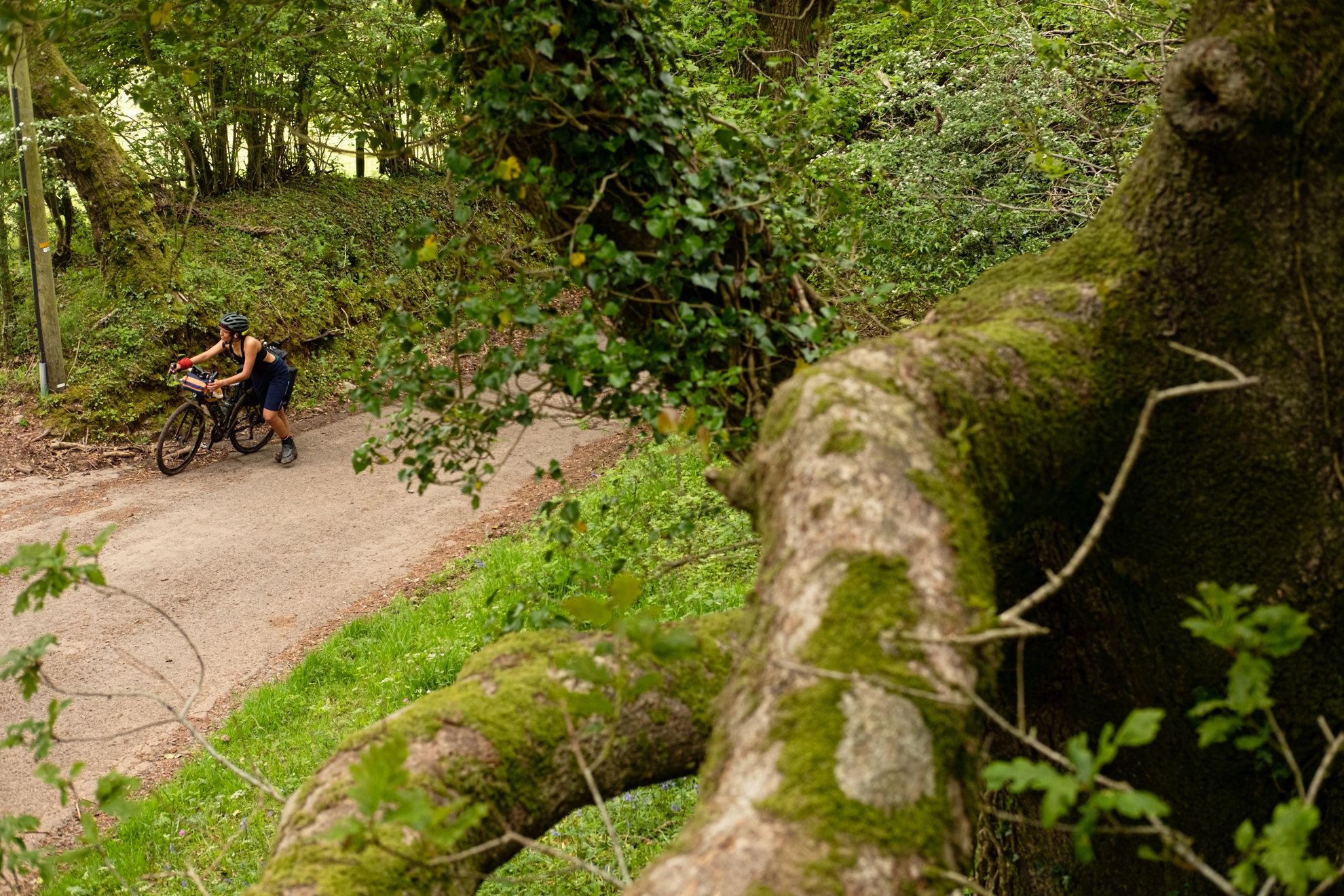
Just Around The Corner — exploring the best of the South West by bike
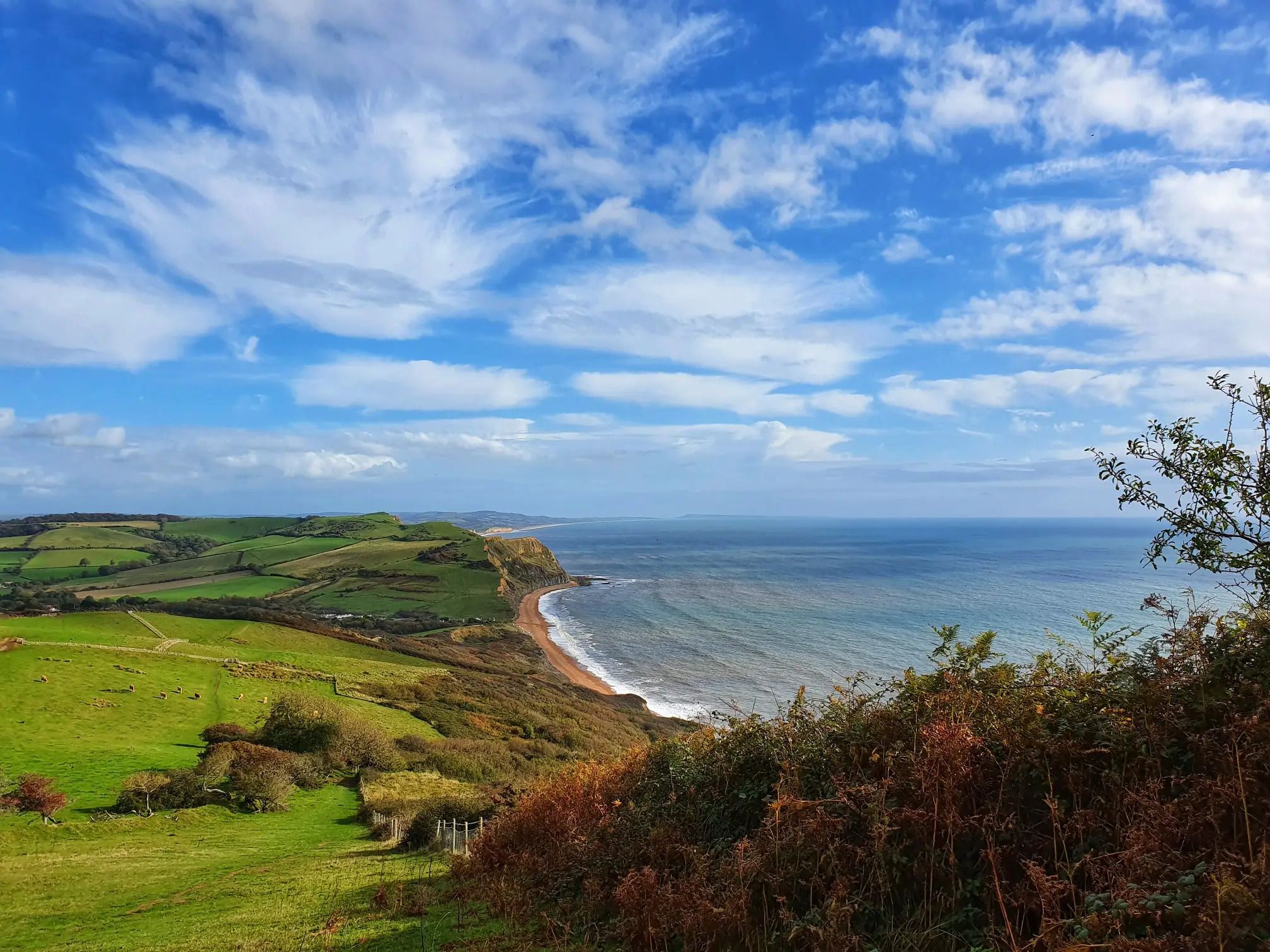
Monarch's Way: Part 2 — Conquer the longest inland trail in England
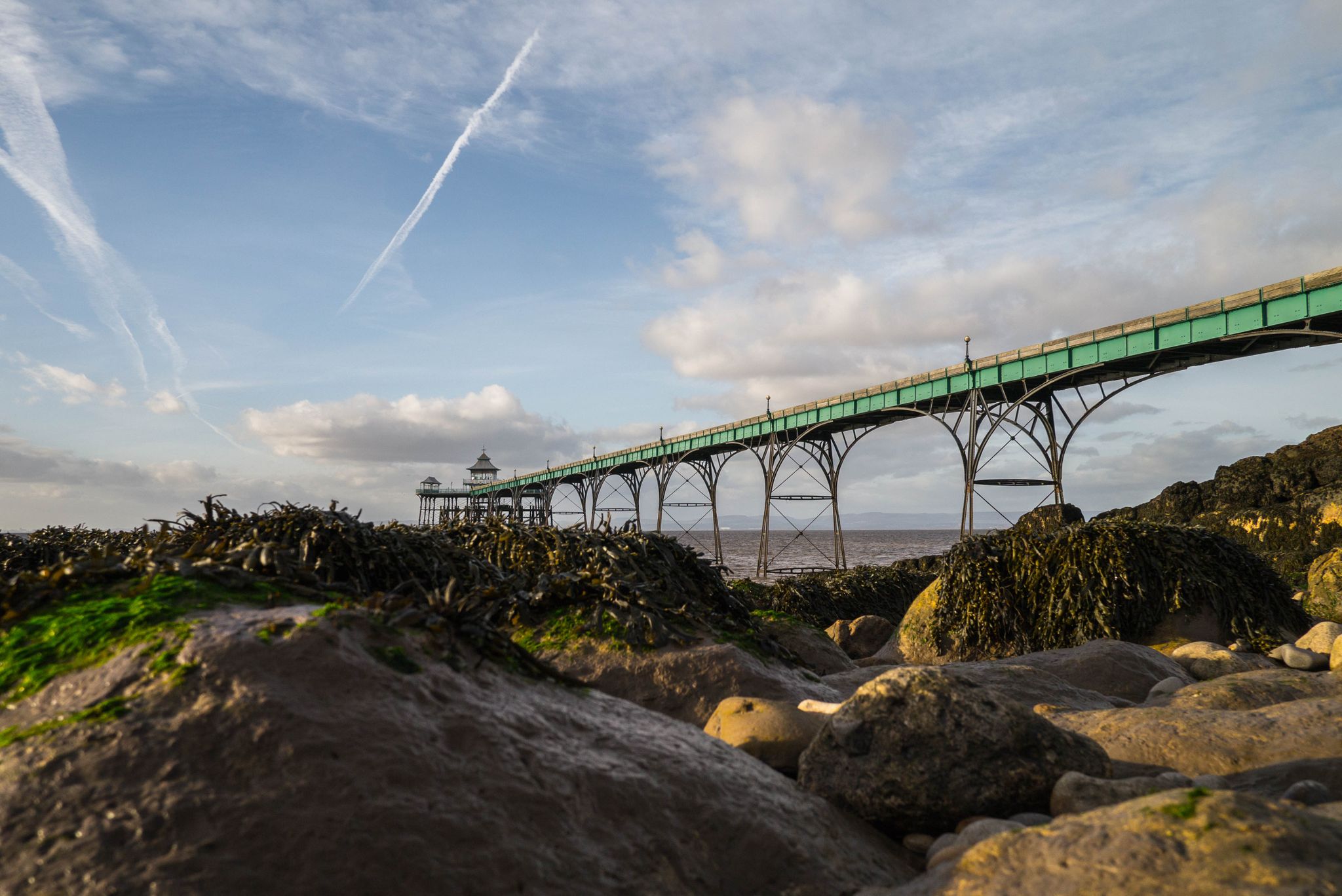
The Avon Cycleway in 7 stages – Countryside, castles & cake

Bath to Chepstow – a family cargo bike trip into Wales
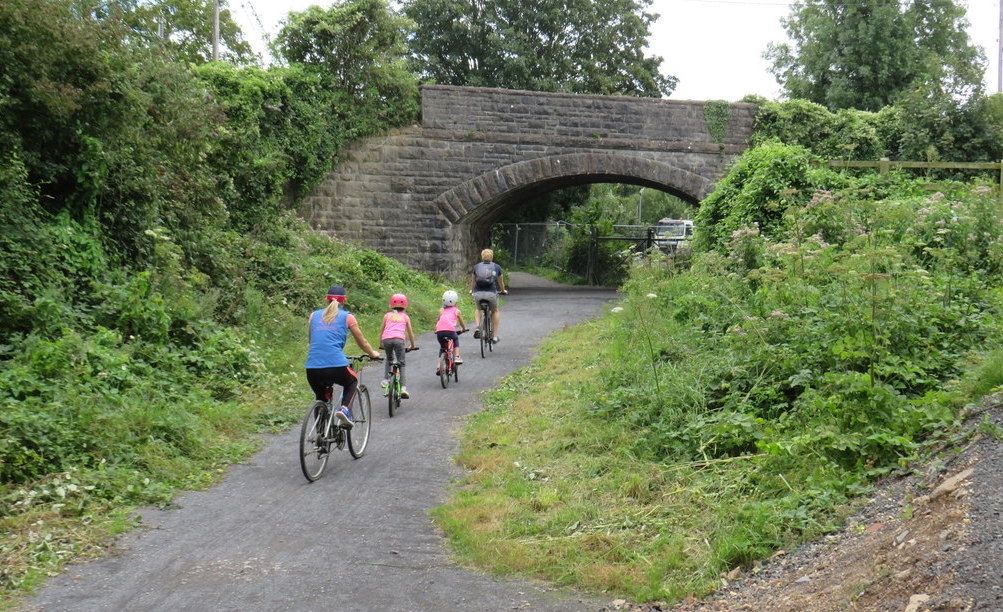
The best family-friendly bike rides in and around Bath and Bristol
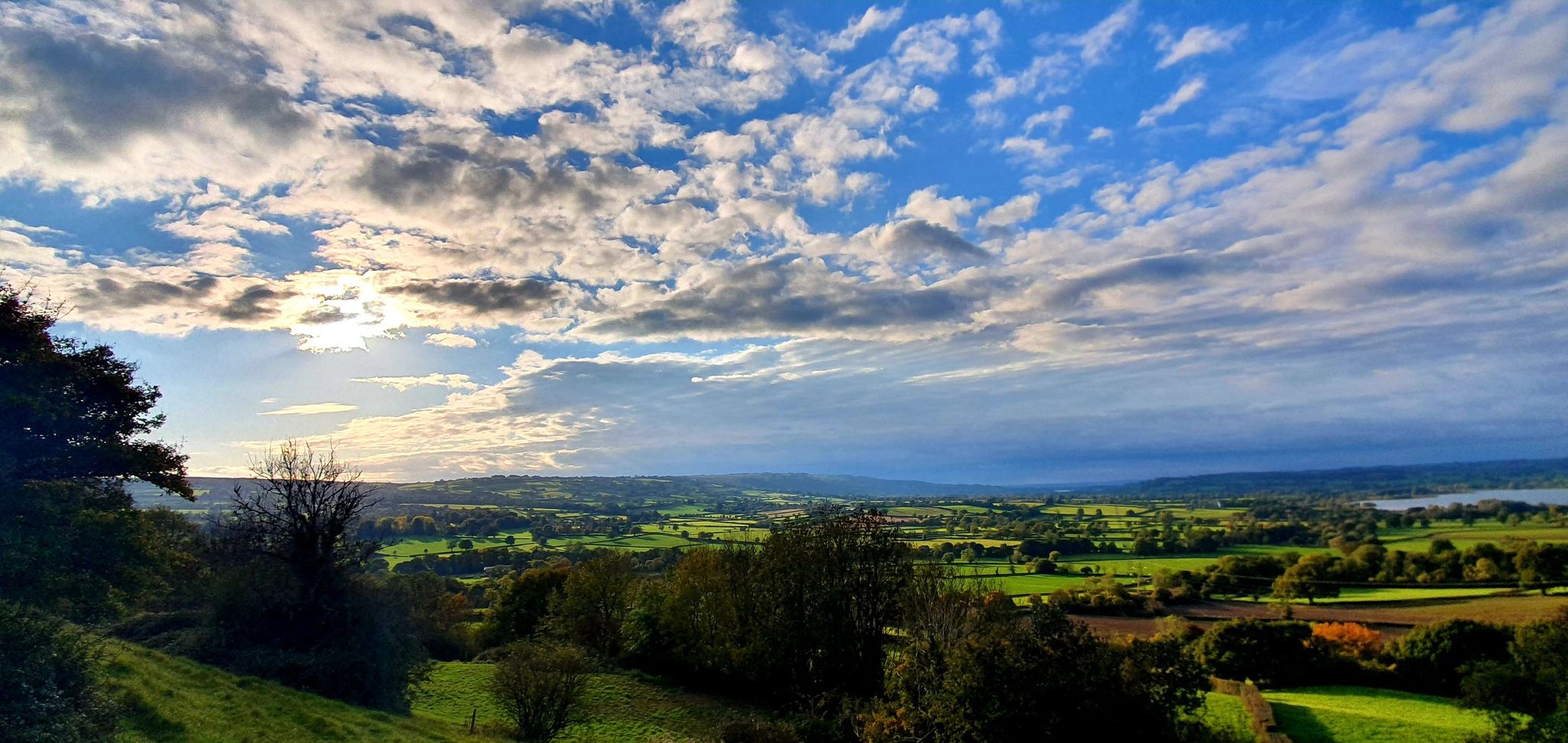
Exploring Somerset's historic landscapes — Limestone Link
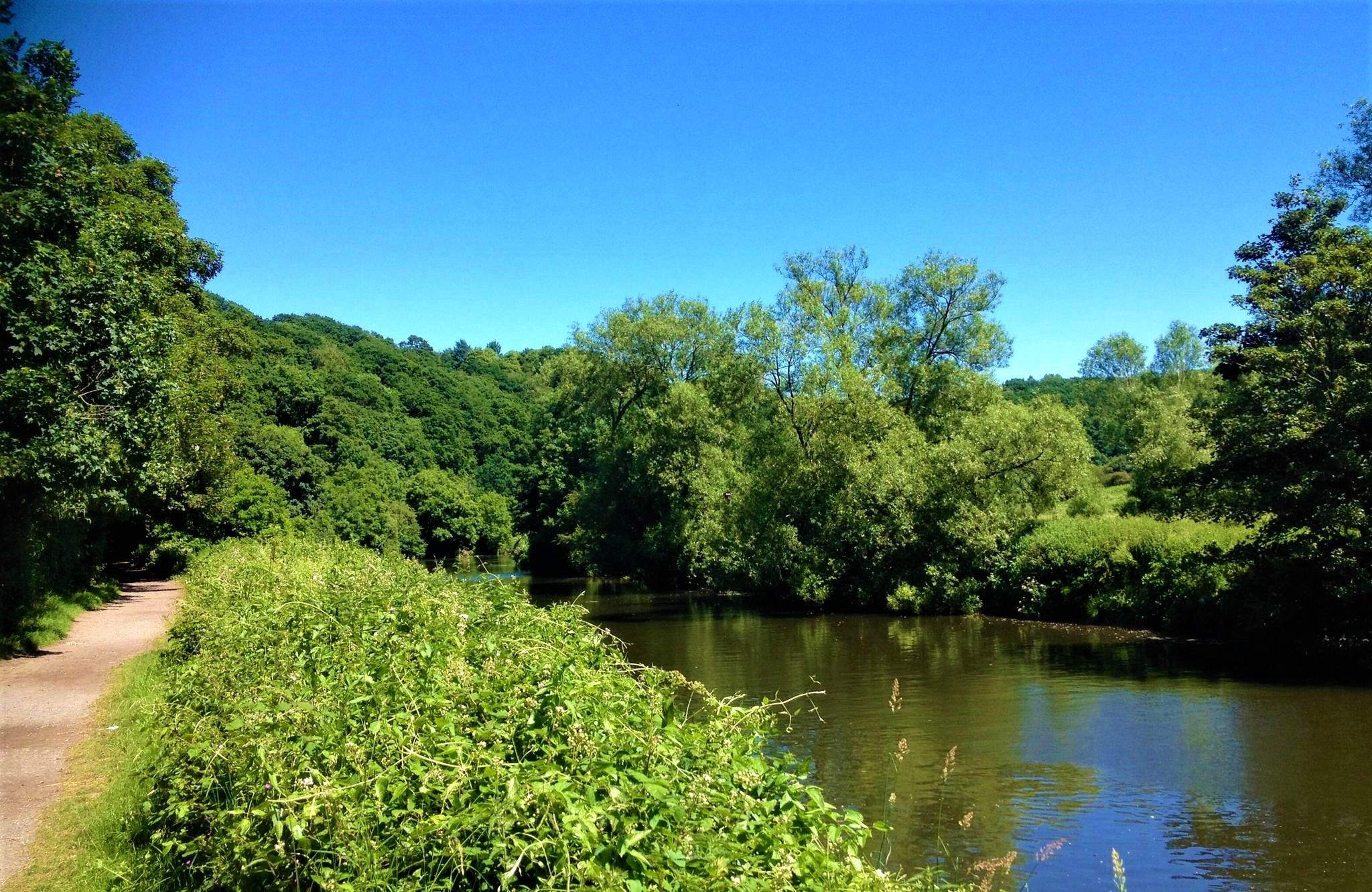
Ten hikes that reveal the breathtaking beauty of Bristol
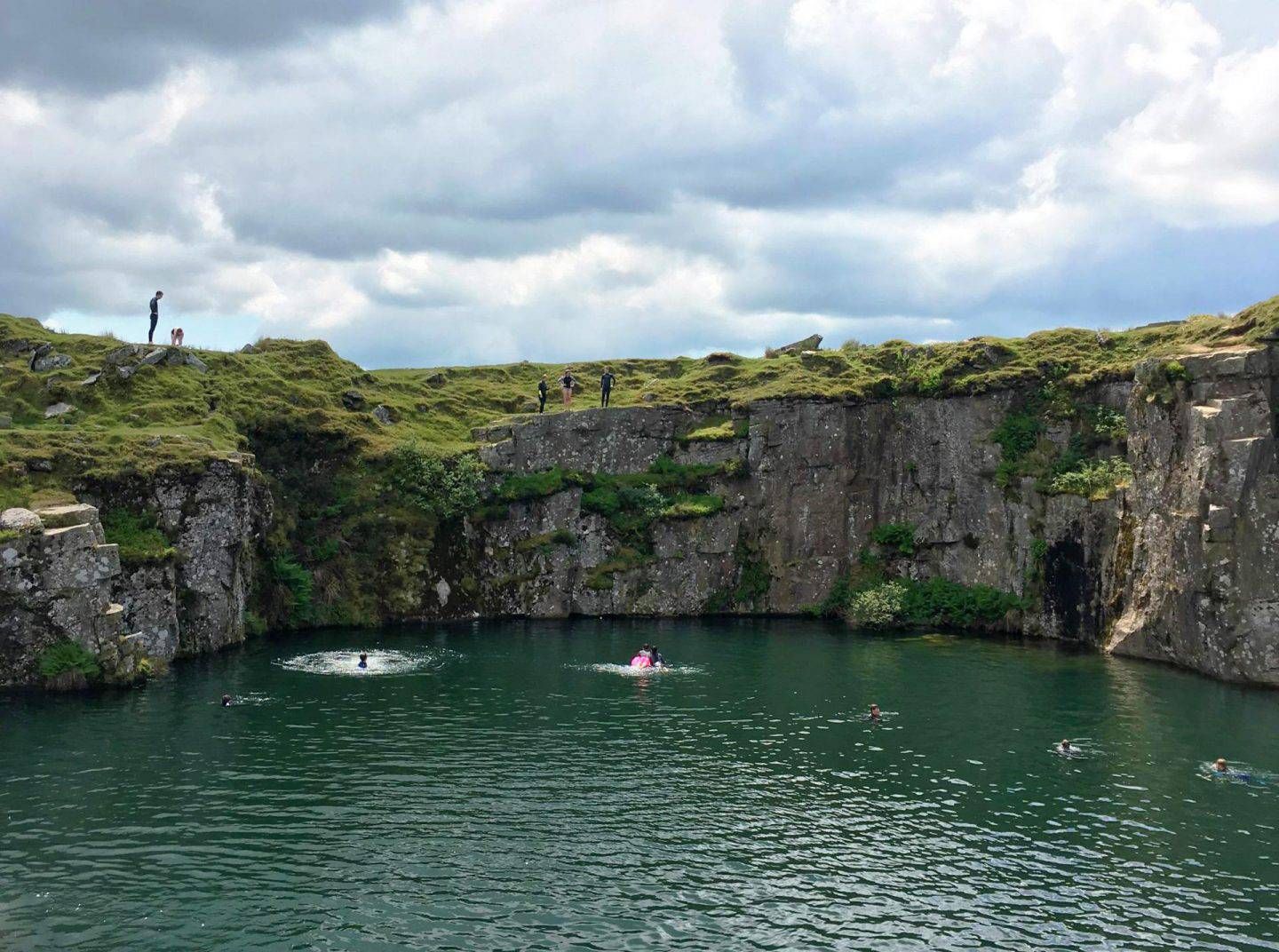
Magical wild swim spots to discover on foot
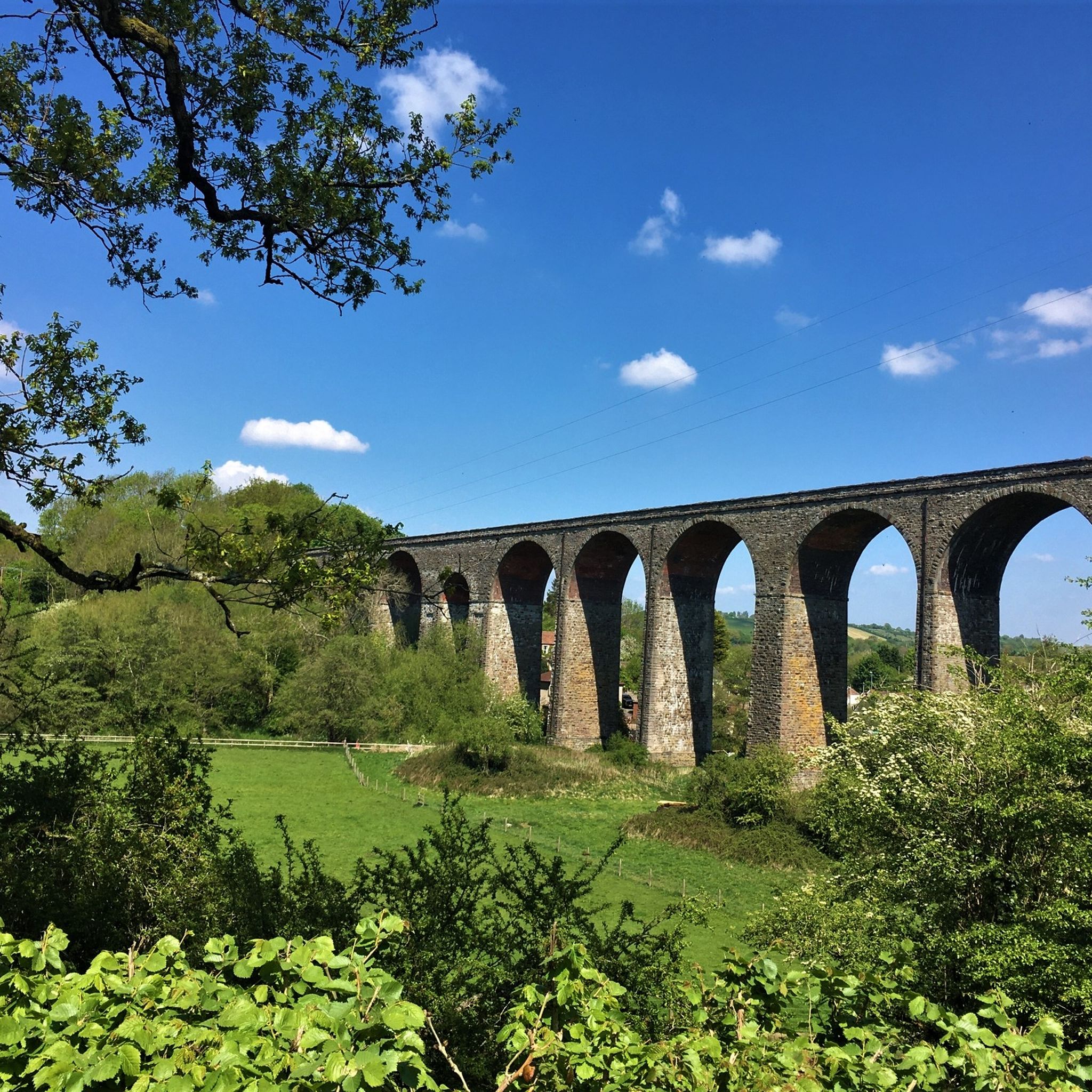
Hiking in Bath and North East Somerset
Other adventures in Bath and North East Somerset


Tips from the Community

A must-see when visiting Bath. Highly recommended. Worth seeing.
1
0

Fantastically beautiful views all around
0
0

Great stretch of road, I know I am nearly at Bristol, or just getting started. Either way I cannot help but stop and enjoy the view, just stunning.
0
0


The Stanton Drew stone circles are located just outside the village of Stanton Drew in the English county of Somerset. The largest stone circle is the Great Circle, standing in a 113 metres in diameter and is in-fact the second largest stone circle to be discovered in Britain. After Avebury and It’s considered to be one of the largest Neolithic monuments to have ever been built. The date of the construction is not actually accurately known of, but it’s thought to have been built between 3000 and 2000 BCE. These standing stone circles of which have been studied since John Aubrey's visit in 1664. It was only made a scheduled monument of it is today in 1982. Please be aware that an entrance fee is charged by the landowner for any entry in among the grounds of the Stone Circles and any public access is at his discretion only. NO DOGS ALLOWED! As the land is used for agriculture purposes and usually has cattle grazing on the fields where the standing stones are. Please be aware that the English Heritage sites do not permit drone flying from or over sites in our care, by any circumstances except by contractors or partners undertaking flights for a specific purpose, who satisfy stringent CAA criteria, have the correct insurances and permissions, and are operating under controlled conditions only. Just having experienced this ourselves before.
0
0

The hot spring was discovered by the Romans in 43 AD.
3
0

This tree is the oldest architecturally planted stands in the world. It was planted in 1793.
0
0
Frequently Asked Questions
Which natural monuments in Bath and North East Somerset offer the best panoramic views?
For truly spellbinding 360-degree panoramic views, visit Kelston Roundhill. From its summit, you can see Bath, Bristol, the Somerset landscape, the River Avon, and on clear days, even the Severn bridges, Wales, and the Black Mountains. Little Solsbury Hill also provides stunning vistas of Bath and the surrounding countryside.
Are there family-friendly natural monuments to visit in the area?
Yes, several natural monuments are suitable for families. Stanton Drew Stone Circles and Cove is family-friendly, offering an engaging historical experience. The Roman Baths, while primarily a historical site, is also listed as family-friendly. Additionally, Royal Victoria Park, with its extensive grounds, play areas, and duck pond, is a great option for families.
What kind of historical significance do some of these natural monuments hold?
Many natural monuments in Bath and North East Somerset are deeply intertwined with history. Stanton Drew Stone Circles and Cove is an ancient monument dating back approximately 4,500 years, making it the third largest complex of standing stones in England. Stoney Littleton Long Barrow is a remarkably well-preserved Neolithic chambered tomb from around 3500 BCE. Little Solsbury Hill is the site of an Iron Age hill fort with visible ancient fortifications, and The Roman Baths showcases Roman engineering and culture built atop a natural hot spring.
What outdoor activities can I do near these natural monuments?
The region offers diverse outdoor activities. You can find numerous hiking trails, including sections of the Cotswold Way near Kelston Roundhill. For more options, explore the Hiking in Bath and North East Somerset guide. There are also running trails, such as the Kelston Roundhill trail loop, detailed in the Running Trails guide, and gravel biking routes like the Dundas Aqueduct loop, found in the Gravel biking guide.
Are there any natural monuments that are wheelchair accessible?
Yes, the Ancient Plane Tree at Abbey Green is listed as wheelchair accessible. While many natural monuments involve uneven terrain or ascents, this specific highlight offers easier access within the city of Bath.
What is the best time of year to visit the natural monuments in Bath and North East Somerset?
The natural monuments can be enjoyed year-round, but spring and summer offer the best conditions for walking and enjoying the flora. In summer, Kelston Roundhill displays a rich array of wildflowers. Clear days, regardless of the season, are ideal for maximizing the panoramic views from hilltops like Kelston Roundhill and Little Solsbury Hill. Autumn brings beautiful foliage, and even winter walks can be rewarding on crisp, clear days, though paths may be muddy.
Can I bring my dog to these natural monuments?
Many natural outdoor spaces in Bath and North East Somerset are dog-friendly, especially those with public footpaths like Kelston Roundhill and Little Solsbury Hill. However, it's always advisable to keep dogs on a lead, especially near livestock or in areas with sensitive wildlife. For specific historical sites like Stanton Drew Stone Circles or Stoney Littleton Long Barrow, check their individual visitor guidelines regarding dogs.
What unique geological features can be found among the natural monuments?
The region's geology is evident in its rolling hills and river valleys. Kelston Roundhill is a distinctive conical hilltop, and Little Solsbury Hill is a flat-topped hill, both showcasing the characteristic Cotswold landscape. The presence of the natural hot spring beneath The Roman Baths is a significant geological feature, unique in England.
Are there any natural monuments that are less well-known but worth visiting?
While Stanton Drew Stone Circles and Cove is a significant site, it is often less visited than more famous examples like Stonehenge, allowing for a more tranquil experience. Three Shires Stones, marking the meeting point of three counties, offers a unique historical and geographical point of interest that might be considered a hidden gem.
What is the typical difficulty level for walks around these natural monuments?
The difficulty varies. Walks around Kelston Roundhill can range from easy permissive paths to more moderate sections of the Cotswold Way. The ascent to Little Solsbury Hill, while rewarding, is generally considered steep. Many routes, such as those around Chew Valley Lake or within Royal Victoria Park, offer easier, more gentle terrain suitable for various fitness levels.
Where can I find parking or public transport options for these natural attractions?
Parking availability varies by location. For sites within Bath city center, such as The Roman Baths or Royal Victoria Park, public car parks are available. For more rural sites like Kelston Roundhill or Little Solsbury Hill, roadside parking or small dedicated car parks may be available nearby. Public transport, particularly buses, serves many areas around Bath and can get you close to some of these natural monuments, though some may require a walk from the nearest stop.
Most popular routes in Bath and North East Somerset
Most popular attractions in Bath and North East Somerset

Get inspired with the komoot mobile app


Explore more
Extend your search for the best caves by checking out these guides of the top ones in Bath and North East Somerset:
