Top 20 Natural Monuments in Istria
Natural monuments in Istria feature a diverse landscape, ranging from dramatic coastlines and mountainous interiors to extensive underground cave systems. This Croatian peninsula encompasses protected areas that highlight its biodiversity and geological formations. The region offers a variety of natural attractions for exploration and appreciation.
Best natural monuments in Istria
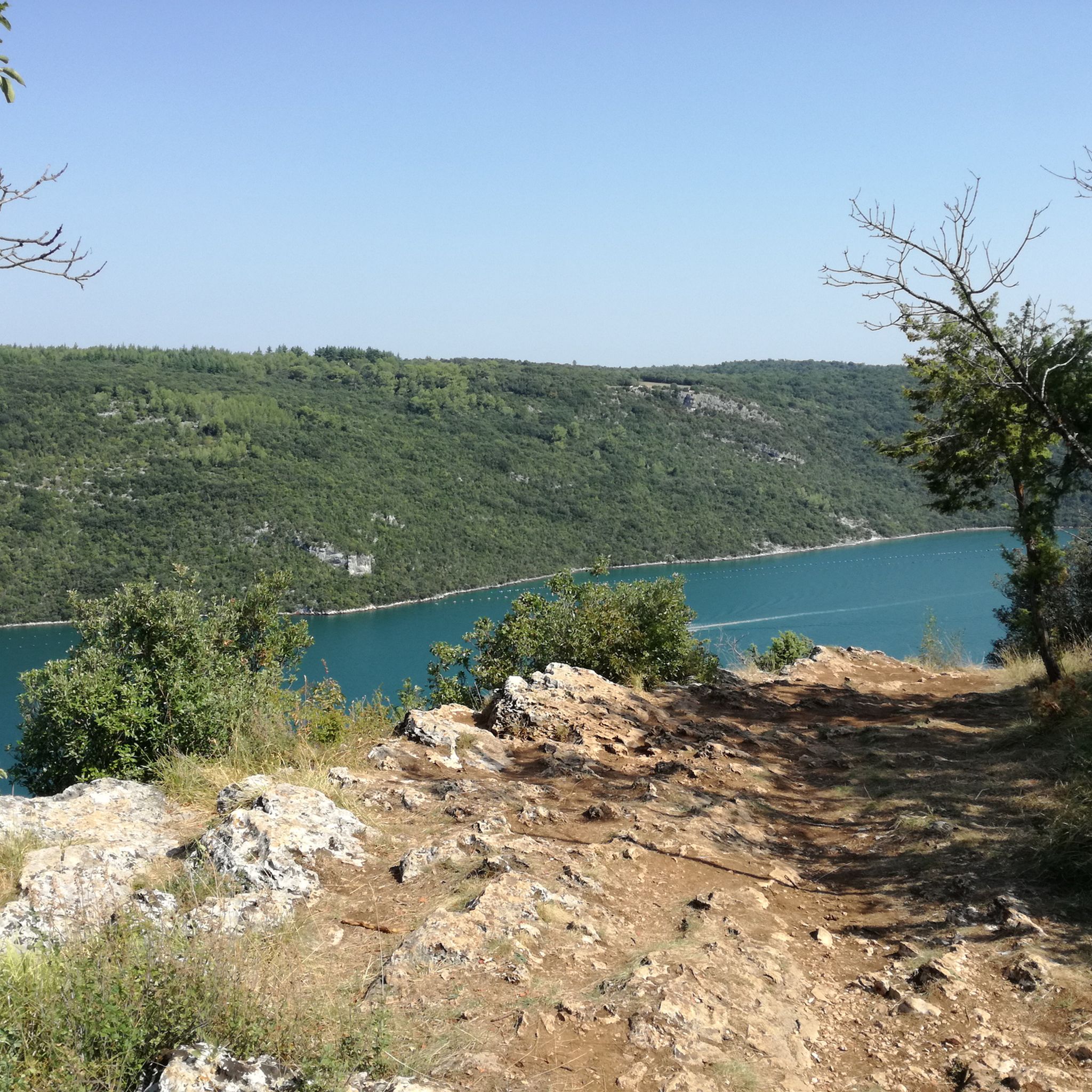
- The most popular natural monuments is Viewpoint over Lim Bay, a viewpoint that offers views of the Limski Canal and the open sea. This location provides a panoramic perspective of the unique karstic bay.
- Another must-see spot is End of Lim Bay, a lake. A detour to this point at the end of Lim Bay is considered worthwhile by visitors.
- Visitors also love Golden Cape Southwest Area, a forest. This expansive area features a landscape with native and imported plants, offering a natural setting near Rovinj.
- Istria is known for its diverse natural features, including fjords, waterfalls, and extensive cave systems. The region offers a variety of natural monuments to see and explore, from coastal areas to inland forests.
- The natural monuments in Istria are appreciated by the komoot community. With over 580 upvotes and 17 photos, these locations offer diverse outdoor experiences.
Last updated: August 19, 2026
End of Lim Bay
Highlight • Lake
Translated by Google •
Tip by

Bay at Donji Kamenjak
Highlight • Beach
Showing Translation
Tip by

Sign up now to discover places like this
Get recommendations on the best single tracks, peaks, & plenty of other exciting outdoor places.
Sign up for free
Stone Cairns on the Beach
Highlight • Structure
Translated by Google •
Tip by

Limski Fjord
Highlight • Gorge
Located exactly between the way back and forth the Istra Bike Tour 171
Translated by Google •
Tip by

View of Lim Bay
Highlight • Viewpoint
Translated by Google •
Tip by

Mala Peć Waterfall
Highlight • Waterfall
Translated by Google •
Tip by

Zarečki Krov Waterfalls and Cave
Highlight • Waterfall
Translated by Google •
Tip by
Golden Cape Southwest Area
Highlight (Segment) • Forest
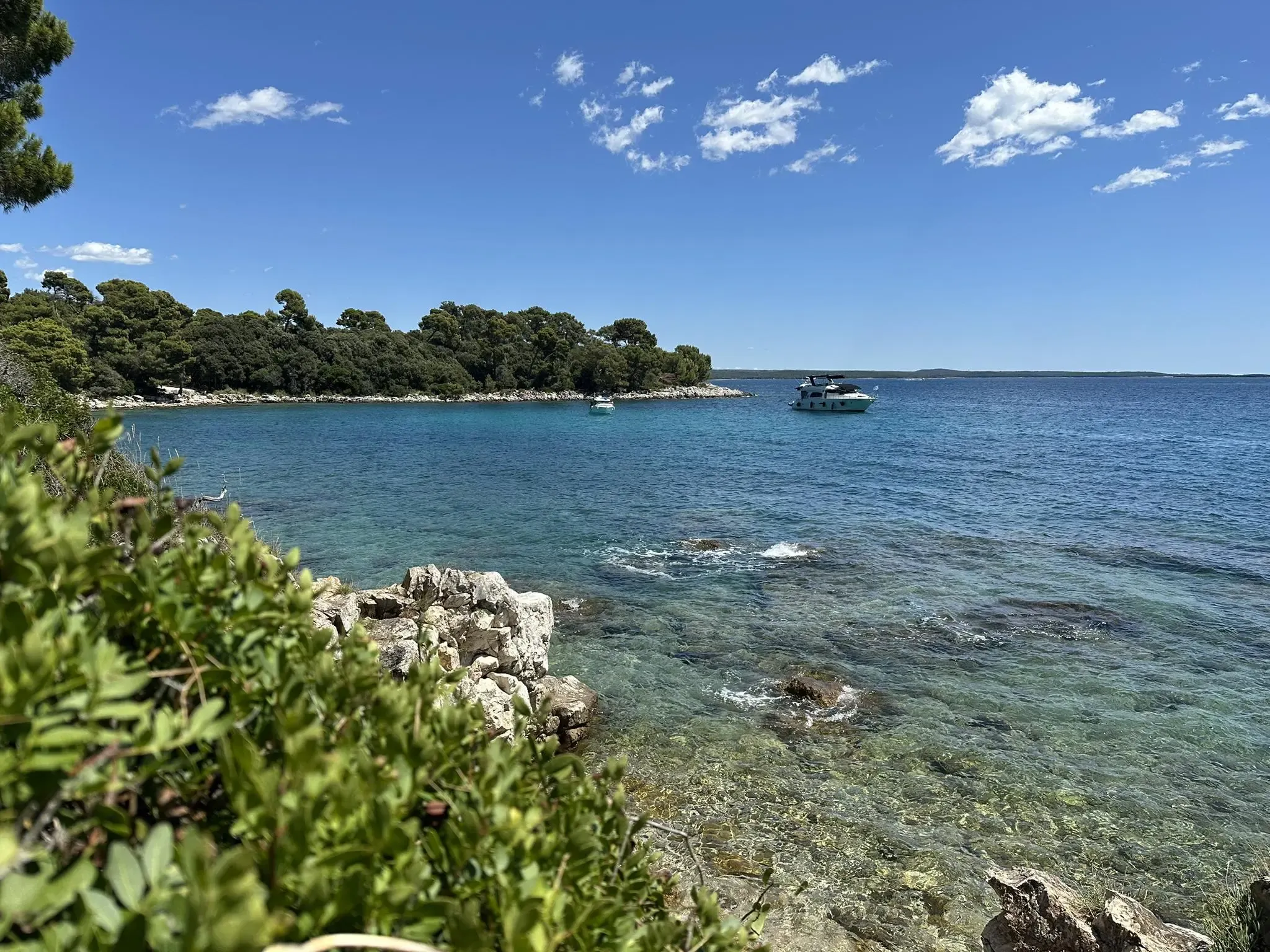
The Golden Cape is not just an expansive area where Rovinj's citizens and tourists spend their free time with a variety of activities, it is also an area for many native and imported plants.
Directly at the Steinmanderln Freeclimber find beautiful walls that are gladly used.
The Forest Park on the Golden Cape was created between 1890 and 1910. Baron Georg Hütterott bought the land that was originally used by local farmers in Rovinj. His intention was to realize a climatically favorable area on the Golden Cape, which should develop into an exclusive spa resort.
Translated by Google •
Tip by

Cliff-jumping spot at Donji Kamenjak
Highlight • Beach
Translated by Google •
Tip by

Pazin Waterfall
Highlight • Waterfall
Translated by Google •
Tip by
Sign up for free to discover even more natural monuments in Istria.
Sign up for free
Already have an account?
Start today with a free account
Your next adventure awaits.
Login or Signup
Popular around Istria
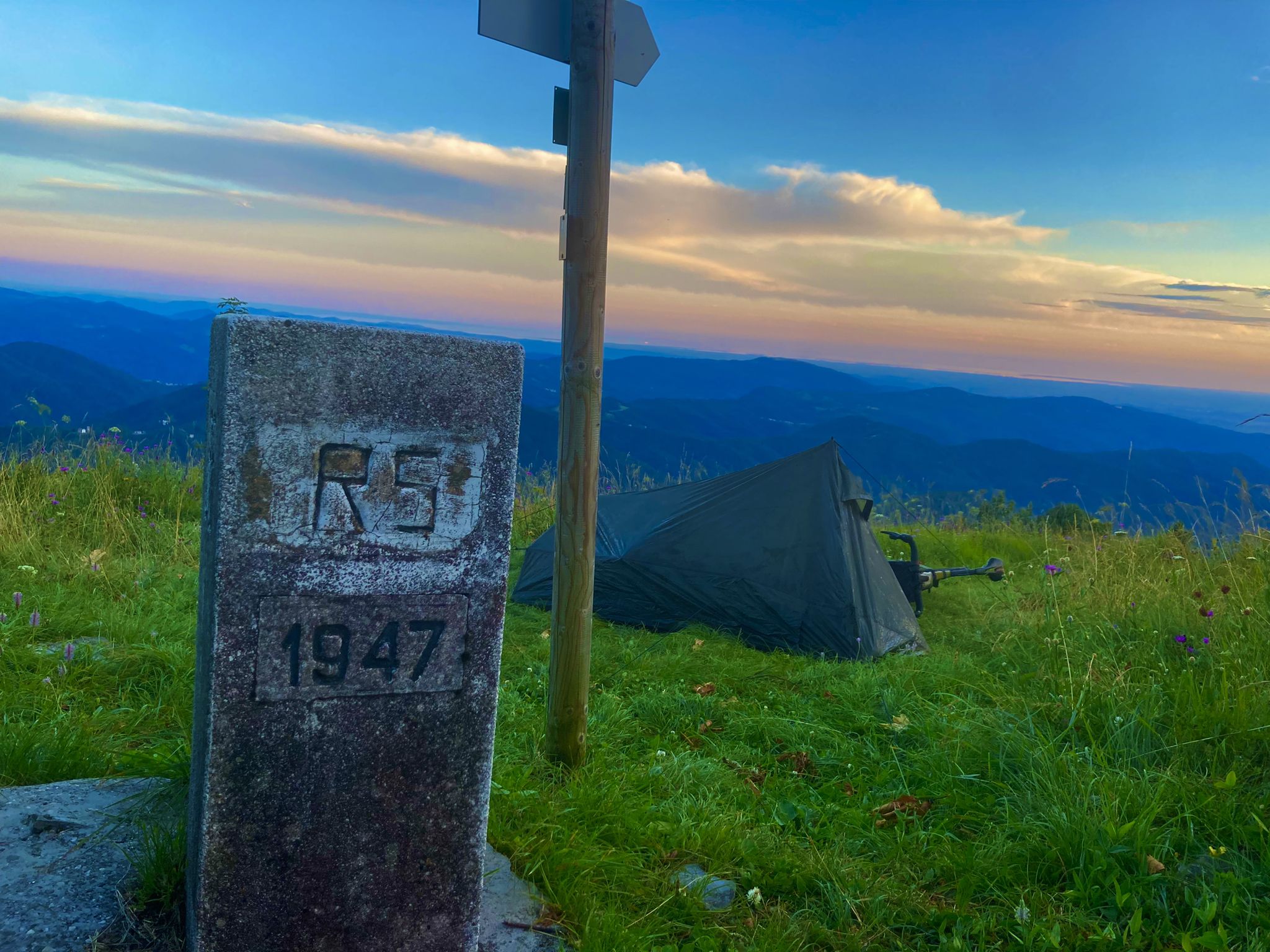
From Bavaria to the Adriatic - My Bikepacking Adventure to Croatia 2023
EuroVelo 9 – The Amber Route from the Baltic to Adriatic Sea
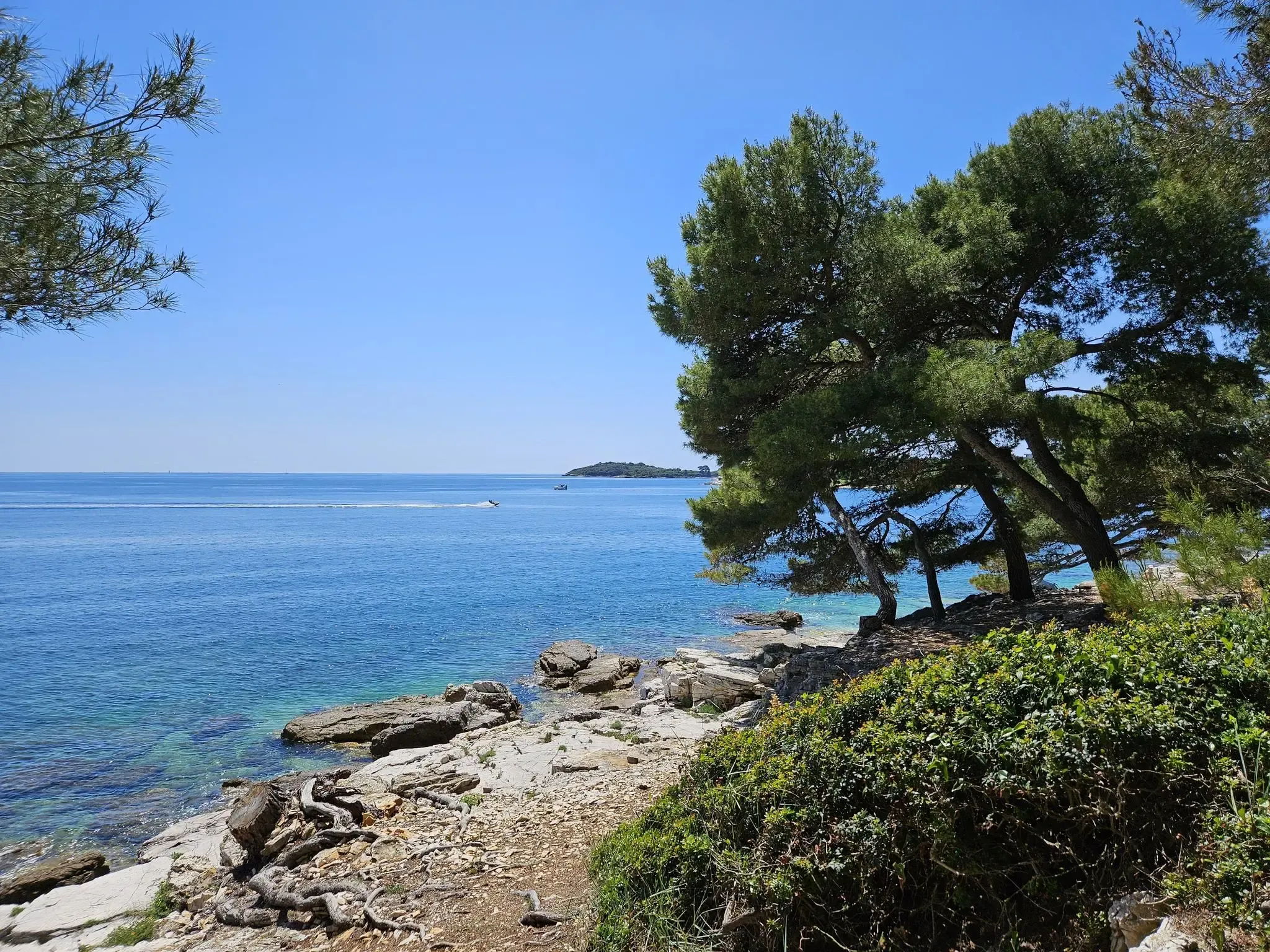
Discover Croatia's beautiful Adriatic Coast by bike
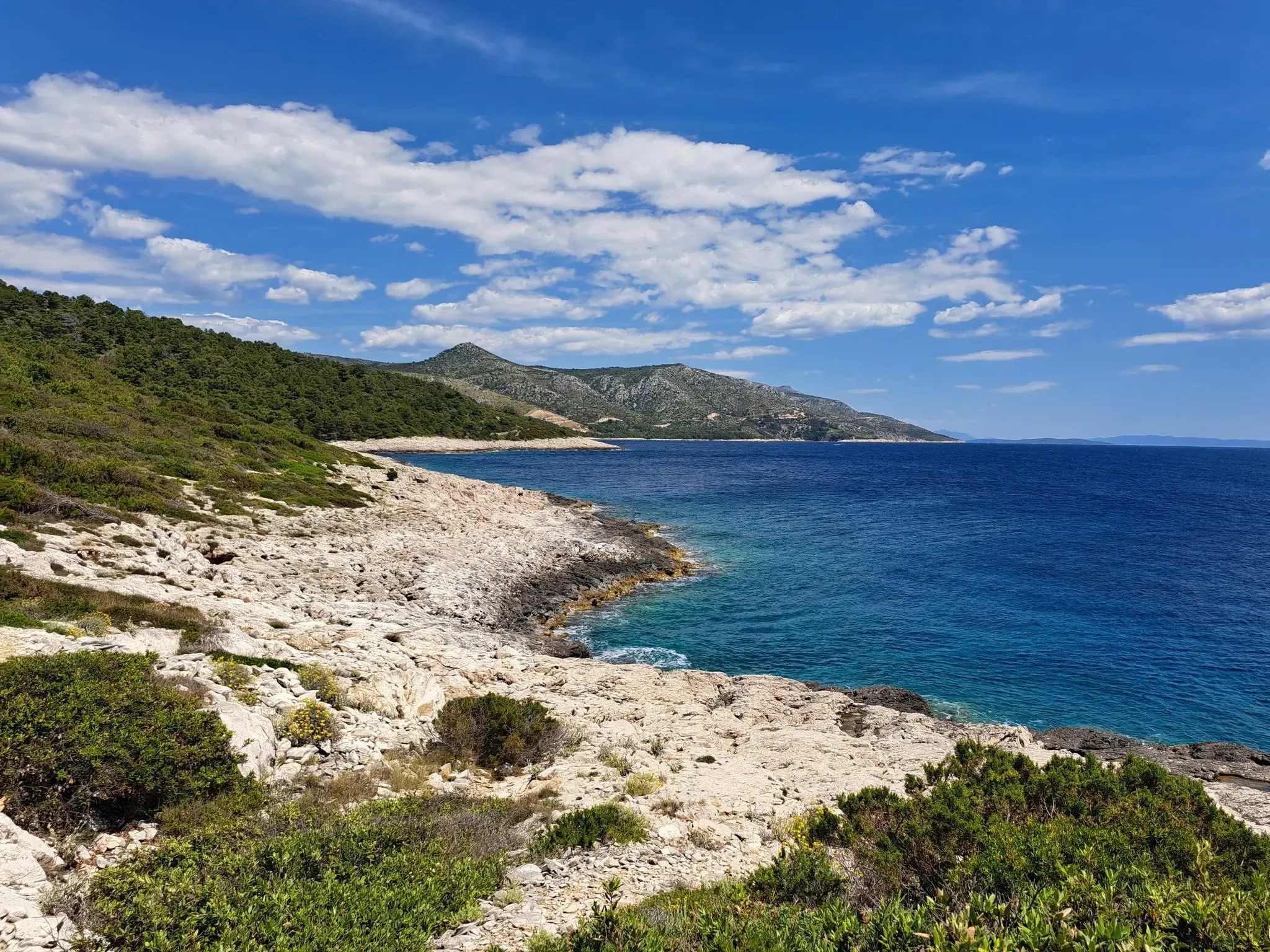
Between coast, islands and mountains – trail running in Croatia
Glamping Adventures on Foot
Trieste to Rijeka – along the coast of Istria from Italy to Croatia
Seven Serpents 2022 – gravel through Slovenia, Croatia and Italy
Schotter, Meer und Abenteuer: Kroatien auf dem Gravelbike
Cycling in Istria
Hiking in Istria
Other adventures in Istria


Tips from the Community

It's wonderful to swim here. Some even dare to jump from the cliff.
0
0

About a hundred meters below the largest and best-preserved medieval castle in Istria, you'll find the Pazinčica, Istria's largest underground river. The river's gorge represents the most significant example of karst evolution in Istria and its surrounding area. Along its course, the river forms numerous small waterfalls, the most interesting of which are the Pazinski and Zarečki Krov. The Pazinčica River resurfaces as the Raša River.
0
0

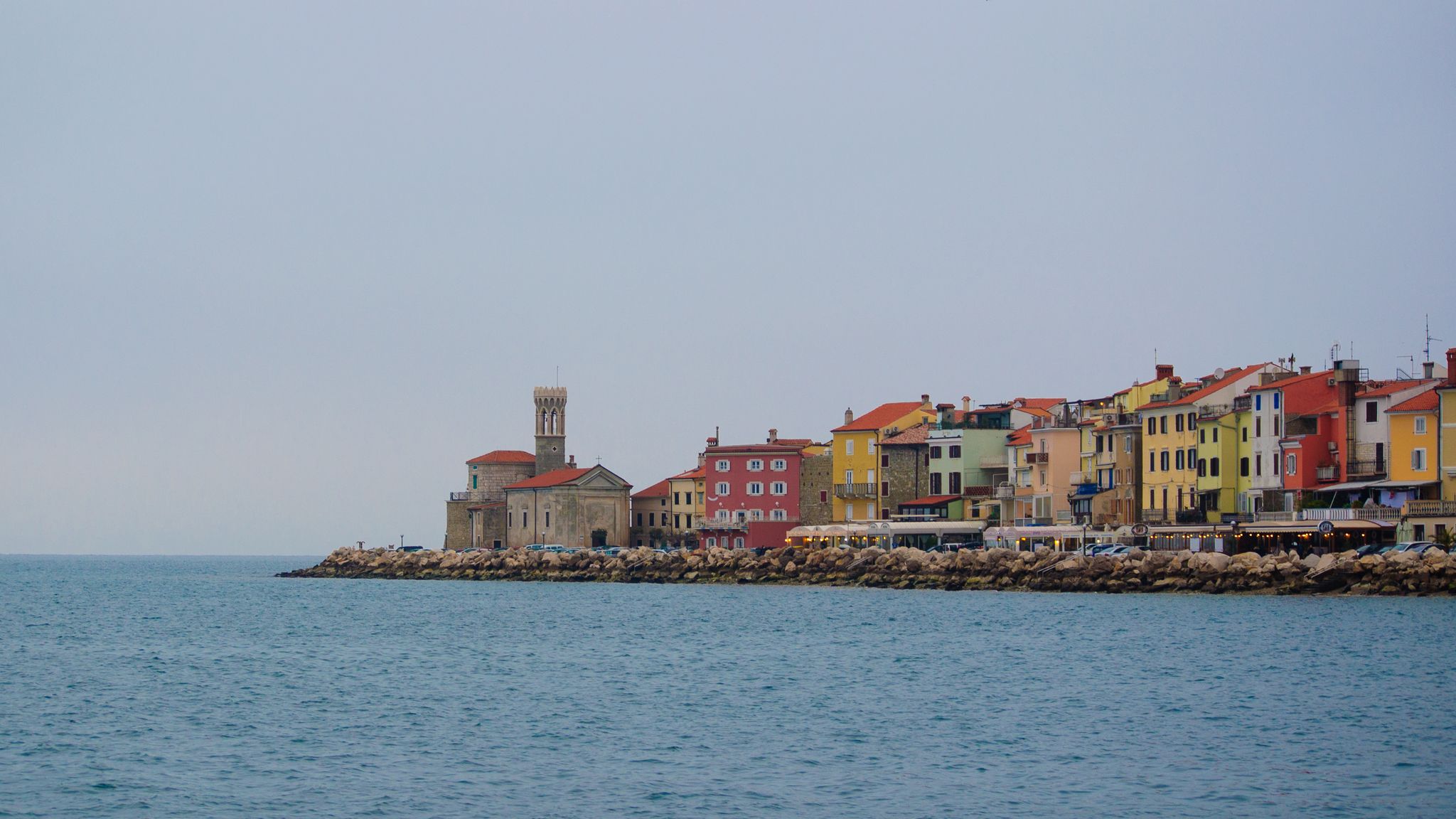
Rovinj is a port town on the west coast of the Istrian peninsula in Croatia. The old town, whose houses are densely packed along the water, is located on a promontory. Narrow streets lead to the hilltop Church of St. Euphemia, whose tall spire dominates the townscape and is a popular photo subject. South of the old town is Lone Bay, one of the region's numerous pebble beaches. Directly off the mainland lie the 14 islands of the Rovinj archipelago.
1
0

So, the stone towers are gone, except for a few! My wife and I built one! Join in! 😉
1
0

Absolute highlight on Prementura.
0
0
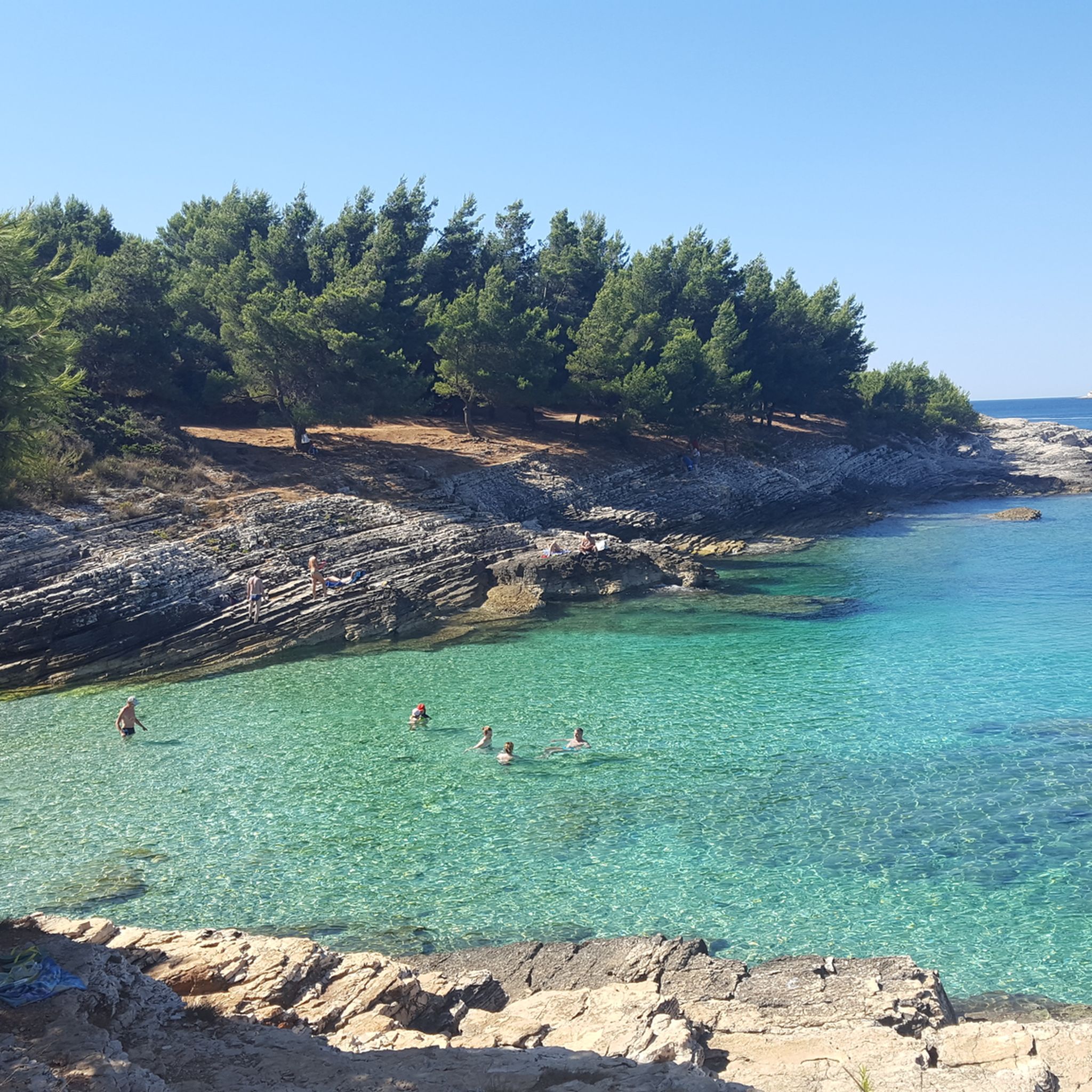
Simply amazing to look at, great for swimming and snorkeling. A must for all adrenaline junkies, cliff jumping.
0
0

Unfortunately almost dry in the off-season.
0
0
Frequently Asked Questions
What are some of the most popular natural monuments in Istria?
Beyond the well-known Lim Bay, visitors frequently enjoy the Golden Cape Southwest Area, a forest near Rovinj known for its diverse plant life and coastal views. The dramatic Cliff-jumping spot at Donji Kamenjak is also a popular choice for adventure seekers. For those interested in waterfalls, the Mala Peć Waterfall and Zarečki Krov Waterfalls and Cave are highly appreciated.
Are there family-friendly natural monuments in Istria?
Yes, several natural monuments in Istria are suitable for families. The Viewpoint over Lim Bay offers scenic views that are easy to access. The Golden Cape Southwest Area provides an expansive natural setting for walks and exploration. Additionally, the Dušan Džamonja Sculpture Park, while a man-made monument, is set within a natural environment and is considered family-friendly.
What types of natural features can I expect to see in Istria?
Istria's natural monuments showcase a wide array of features. You can explore dramatic coastlines and hidden coves at places like Cape Kamenjak, or witness the unique karstic formations of the Limski Fjord. Inland, discover impressive waterfalls such as Mala Peć Waterfall and Sopot Waterfall near Floričići, as well as extensive cave systems like Pazin Cave and Baredine Cave. Lush forests, including the Golden Cape Southwest Area, also contribute to the diverse landscape.
What outdoor activities can I do near Istria's natural monuments?
Istria offers numerous outdoor activities. You can enjoy gravel biking on routes like the "Viewpoint over Lim Bay – Vrsar Harbour loop" or explore MTB trails such as "Beach Cove, Donji Kamenjak – Secluded Bay After Rocky Trail." For hikers, there are easy trails like the "Donji Kamenjak Bay – Bay at Donji Kamenjak loop." Find more details on these activities in the Gravel biking in Istria, Easy hikes in Istria, and MTB Trails in Istria guides.
Are there hiking trails near these natural monuments?
Yes, hiking is a popular activity. For instance, near the southern tip of Istria, you can find easy hikes like the "Donji Kamenjak Bay – Bay at Donji Kamenjak loop." The Učka Nature Park, while not directly listed in the highlights, is a significant natural monument offering well-marked trails and panoramic views from Vojak peak. You can explore more hiking options in the Easy hikes in Istria guide.
Do any natural monuments in Istria have historical significance?
Absolutely. Brijuni National Park is not only a natural paradise but also features ancient archaeological sites, including Roman ruins and even dinosaur footprints. The Pazin Cave, a remarkable underground river system, has captivated historical figures like Dante and Jules Verne, with the Pazin Castle built directly above it, showcasing a blend of natural wonder and human history.
Where can I observe wildlife in Istria's natural monuments?
For birdwatching enthusiasts, the Palud Ornithological Reserve, southwest of Rovinj, is an important site with a network of lagoons attracting over 200 bird species, including flamingos and herons. Učka Nature Park also boasts diverse ecosystems supporting various wildlife. Cape Kamenjak is known for its rich flora, including indigenous orchid species, thriving in an undisturbed environment.
What is the best time of year to visit Istria's natural monuments?
The best time to visit Istria's natural monuments generally depends on your preferred activities. Spring and early autumn offer pleasant temperatures ideal for hiking, cycling, and exploring the outdoors without the peak summer crowds. Summer is perfect for coastal areas like Cape Kamenjak and Lim Bay, especially for swimming and boating. Some natural monuments, like the caves, can be visited year-round.
Can I visit natural monuments in Istria with my dog?
Many natural areas in Istria are dog-friendly, especially for walks and hikes. For example, the Dušan Džamonja Sculpture Park is explicitly listed as dog-friendly. However, it's always advisable to check specific regulations for national parks (like Brijuni) or nature reserves (like Palud) before visiting, as some areas may have restrictions to protect wildlife or sensitive ecosystems.
Are there any lesser-known natural gems to explore in Istria?
Beyond the more frequented spots, Istria holds several hidden natural gems. The Motovun Forest, stretching along the Mirna River valley, is a significant lowland Mediterranean forest famous for its truffles. Istria's underground world also offers less-explored caves like Feštini Kingdom Cave, Mramornica Cave, and Romuald's Cave, each with unique geological formations waiting to be discovered.
How can I get to Istria's natural monuments and what about parking?
Access to Istria's natural monuments varies. Many are reachable by car, with parking often available nearby, though it might be limited or paid in popular spots like Cape Kamenjak or near the Lim Bay viewpoints. Public transport options might be available for larger towns, but for more remote natural sites, a car is generally recommended for flexibility. For specific locations, it's best to check local information.
Most popular routes in Istria
Most popular attractions in Istria

Get inspired with the komoot mobile app


Didn’t find what you were looking for?
Find even more amazing natural monuments in Istria by checking out the top Highlights region by region:
Explore more
Extend your search for the best caves by checking out these guides of the top ones in Istria:
