Top 5 Natural Monuments in Reykjanesbær
Best natural monuments in Reykjanesbær showcase the Reykjanes Peninsula's unique volcanic landscape and geothermal activity. This region, part of a UNESCO Global Geopark, is one of the few places where the Mid-Atlantic Ridge rises above sea level. Visitors can observe the raw power of geothermal energy and stand on the boundary of two continents. The area features striking geological formations and natural features shaped by volcanic forces.
Best natural monuments in Reykjanesbær
- The most popular natural monuments is Valahnúkamöl Cliffs…
Last updated: May 13, 2026
Bridge Between Continents
Highlight • Bridge
Translated by Google •
Tip by

Great Auk Statue (Geirfuglinn)
Highlight • Monument
Translated by Google •
Tip by

Sign up now to discover places like this
Get recommendations on the best single tracks, peaks, & plenty of other exciting outdoor places.
Sign up for free
Valahnúkamöl Cliffs
Highlight • Gorge
Translated by Google •
Tip by
Eider Duck Sculpture, Keflavik
Highlight • Monument
Translated by Google •
Tip by

Eldey Island
Highlight • Natural Monument
Translated by Google •
Tip by

Start today with a free account
Your next adventure awaits.
Login or Signup
Tips from the Community

On the cliffs of Reykjanes, facing Eldey Island, stands this bronze sculpture: a great auk in its last refuge. It was here that the species became extinct in 1844, a victim of excessive hunting. Today, the statue not only commemorates a bird lost forever, but also sends a powerful message: protect what we still have. A silent pause, with sea, wind, and memory. 🌊🐦
1
0
At this point on the Reykjanes Peninsula, you can do something unique: cross on foot from the Eurasian tectonic plate to the North American plate. You're on the Mid-Atlantic Ridge, where the plates are moving apart about 2 cm per year, creating rifts like the one you see here. The bridge symbolizes the connection between continents and reminds us how alive the Earth is beneath our feet. On one side, Europe; on the other, America. Only in Iceland can you experience something like this without getting your feet wet. 🌋
0
0

About 15 km off the coast lies the rocky island of Eldey, a palagonite rock that likely formed during a volcanic eruption on the Mid-Atlantic Ridge in 1210-1211. Eldey covers just under 2 hectares and is 77 m high at its highest point. The island is considered a bird paradise. Since 1940, Eldey has been a protected area and may only be accessed with special permission. The now-extinct great auks once lived on Eldey. These flightless birds grew to about 85 cm in length and probably weighed around 5 kg when fully grown. The birds' bellies were white, their backs black, and they had a large patch of white feathers on the front of their heads – this made them visually similar to penguins, even though auks and penguins were not actually related.
0
0
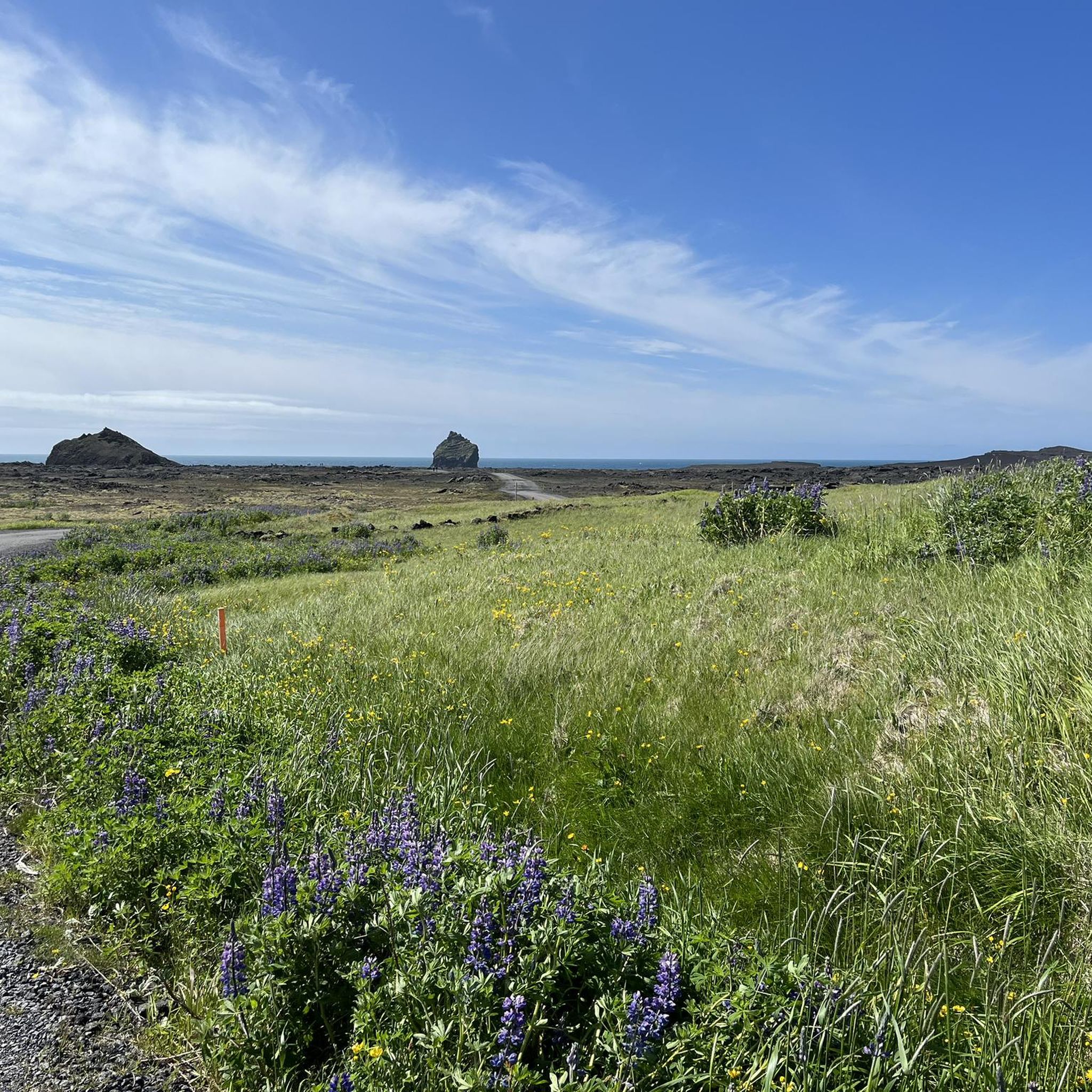
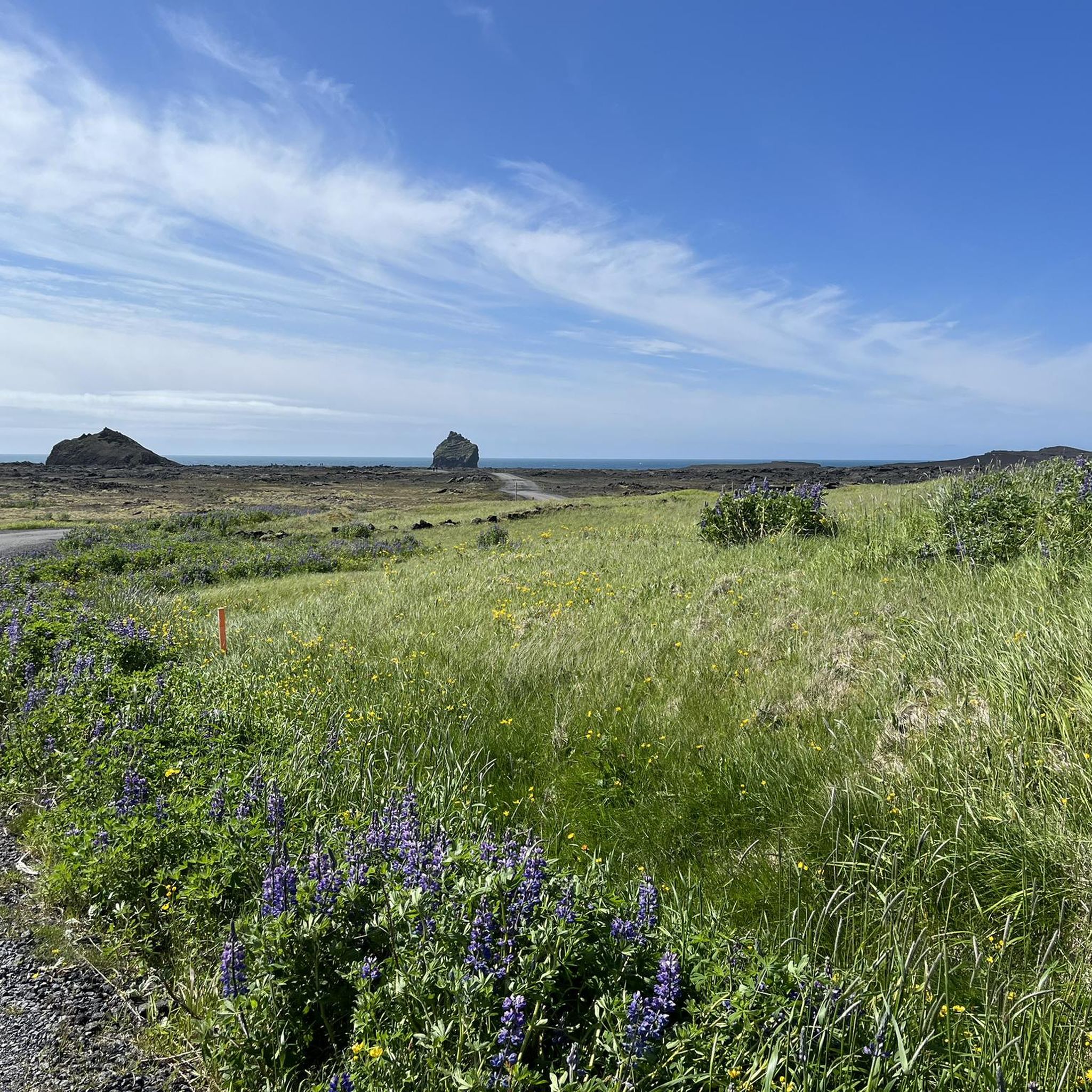
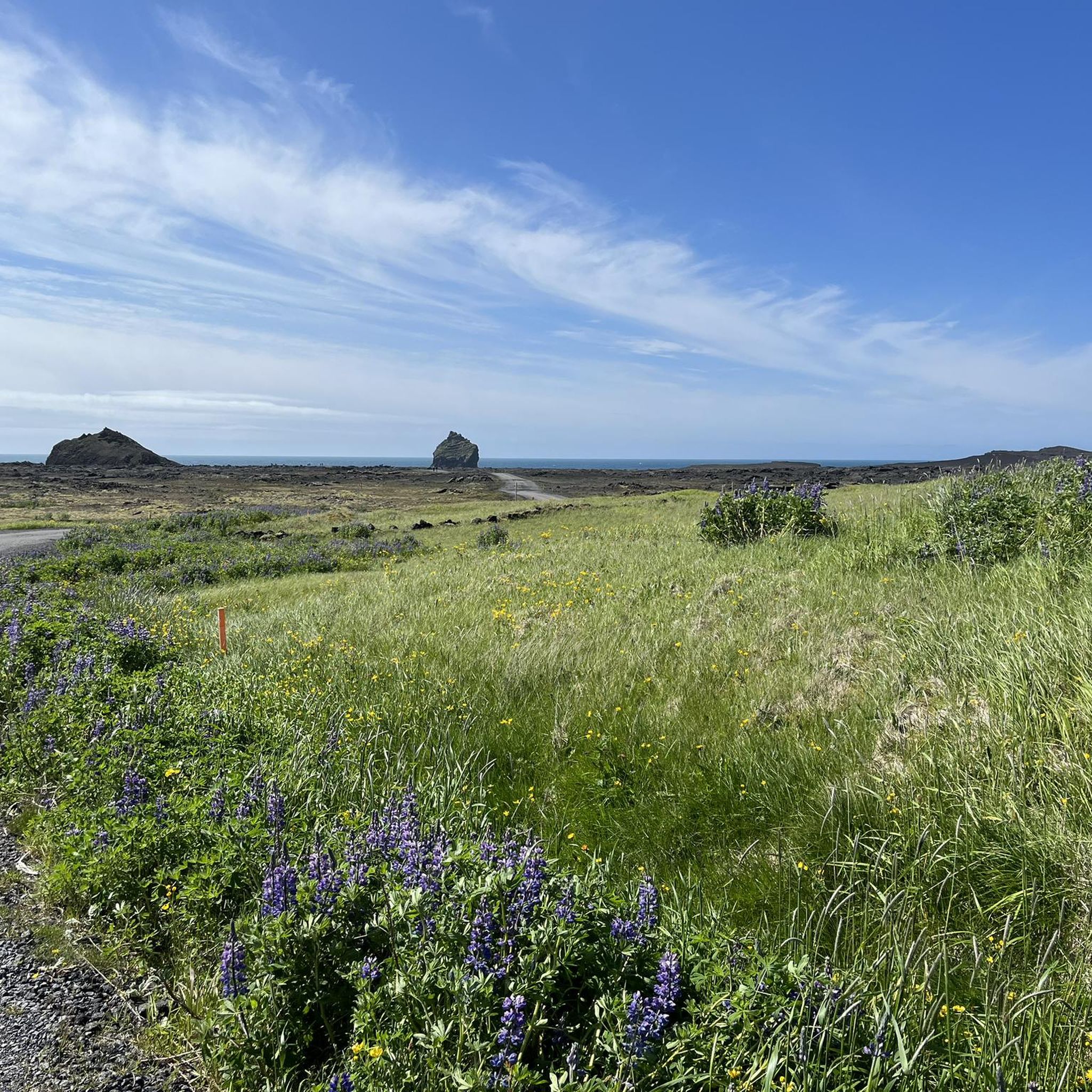
Reykjanestá, also known as Valahnúkamöl, is the southwesternmost tip of Reykjanes, with a roughly 400-meter-long cliff. The town, like everything here, is of volcanic origin.
1
0
At the tip of the Reykjanes Peninsula, below Valahnjúka, is the sculpture "Geirfuglinn" (The Great Auk) by American artist Todd McGrain. The sculpture is a tribute to the extinct Great Auk and is part of McGrain's "Lost Bird Project." The Great Auk was a flightless bird that lived in the North Atlantic and was a strong swimmer. The species became extinct in the mid-18th century due to overhunting. The sculpture depicts a bronze Great Auk facing the sea, looking toward the island of Eldey, where the last documented pair of Great Auks were killed. The work is intended to raise awareness of environmental problems and is a memorial to an extinct species.
0
0

This is where the continental plates of Europe and North America collide and the bridge goes from continent to continent, so to speak.
0
0

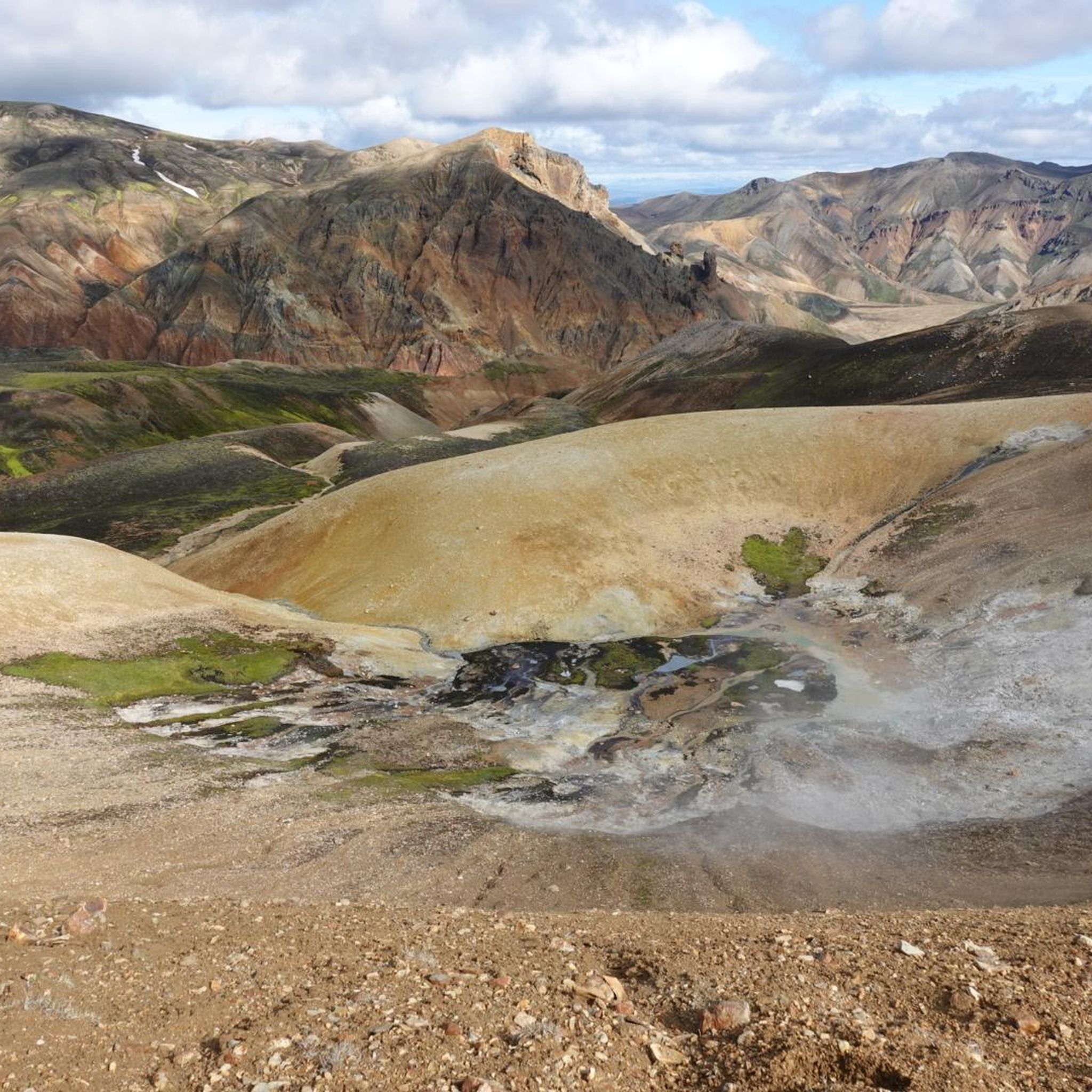
What looks like a dry riverbed are the traces of the moving continental plates.
3
0
The great auk is a seabird that is unfortunately extinct. This sculpture stands in its memory.
1
0
Frequently Asked Questions
What unique geological features can I explore in Reykjanesbær?
Reykjanesbær is situated on the geologically active Reykjanes Peninsula, offering a chance to witness the divergent boundary between the Eurasian and North American tectonic plates. You can literally walk between continents at the Bridge Between Continents. The region also features active geothermal areas like Gunnuhver, with potent steam vents and bubbling mud pools, and dramatic volcanic landscapes such as the Valahnúkamöl Cliffs, which are of volcanic origin.
Are there family-friendly natural monuments in Reykjanesbær?
Yes, several natural monuments are suitable for families. The Bridge Between Continents offers an easy and fascinating experience for all ages to walk between two tectonic plates. The Eider Duck Sculpture in Keflavik is also wheelchair accessible and family-friendly, providing a pleasant stop by the shore.
What is the best time to visit the natural monuments in Reykjanesbær?
The natural monuments in Reykjanesbær can be visited year-round. Summer (June-August) offers milder weather and longer daylight hours, ideal for exploring. However, visiting in winter can provide a dramatic, otherworldly experience, especially at geothermal areas like Gunnuhver, where steam plumes are more visible against the cold air. Always check weather conditions, as Iceland's weather can be unpredictable.
What outdoor activities can I do near the natural monuments in Reykjanesbær?
The area around Reykjanesbær's natural monuments is excellent for outdoor activities. You can find various hiking routes, including moderate loops like the 'Great Auk Statue (Geirfuglinn) – Valahnúkamöl Cliffs loop' or the 'Gunnuhver Geothermal Area – Valahnúkamöl Cliffs loop'. For more options, explore the Hiking in Reykjanesbær guide. There are also road cycling routes available, such as the 'Keflavík Bike Pit – Garðskagaviti Lighthouse loop', detailed in the Road Cycling Routes in Reykjanesbær guide.
Are there any historical or cultural sites related to the natural monuments?
Yes, the Great Auk Statue (Geirfuglinn) is a significant man-made monument commemorating the extinct Great Auk, standing on the cliffs of Reykjanes facing Eldey Island, where the last known pair was killed. The Gunnuhver Geothermal Area is also steeped in local folklore, named after a legendary ghost, Gunna, whose spirit is said to have been trapped in the hot springs.
How accessible are the natural monuments in Reykjanesbær?
Accessibility varies by site. The Bridge Between Continents is generally easy to access, with a footbridge over the rift. The Eider Duck Sculpture in Keflavik is wheelchair accessible. However, areas like Gunnuhver Geothermal Area require visitors to stick to marked trails due to extreme heat and unstable ground, and the Valahnúkamöl Cliffs involve walking on uneven terrain. Always check specific site conditions.
Can I visit the natural monuments in Reykjanesbær during winter?
Yes, visiting the natural monuments in winter offers a unique and often dramatic experience. The geothermal activity at Gunnuhver is particularly striking with steam rising into the cold air. However, be prepared for colder temperatures, shorter daylight hours, and potentially icy conditions. Always wear appropriate winter clothing and sturdy footwear, and check road conditions before traveling.
What makes the Gunnuhver Geothermal Area unique?
The Gunnuhver Geothermal Area is unique because its groundwater consists entirely of seawater, unlike other geothermal areas in Iceland. It's a highly active field with powerful steam vents and Iceland's largest mud pool, which is approximately 20 meters wide and violently boiling. The ground temperatures can exceed 300°C, creating an intense and otherworldly atmosphere.
Are there hiking trails suitable for beginners near Reykjanesbær's natural monuments?
Yes, there are easy hiking options available. For instance, the 'Gunnuhver Geothermal Area – Valahnúkamöl Cliffs loop from Gunnuhver - fumarole' is an easy 4.3 km route. You can find more beginner-friendly trails in the Easy hikes in Reykjanesbær guide, which includes routes around Keflavík Harbor.
What is the Blue Lagoon and how is it connected to the natural monuments?
The Blue Lagoon is a world-renowned geothermal spa whose existence is deeply tied to the natural geothermal activity of the Reykjanes Peninsula. While partly man-made, its iconic milky-blue water, rich in silica and minerals, is geothermal runoff from a nearby power plant, collecting in porous lava fields formed by ancient volcanic eruptions. It offers a unique relaxing experience amidst the dramatic volcanic landscape.
What do visitors enjoy most about the natural monuments in Reykjanesbær?
Visitors particularly enjoy the raw power of nature on display, such as the active geothermal fields and the dramatic sea cliffs. Walking between continents at the Bridge Between Continents is often highlighted as an impressive and unique experience. The striking rock formations at Valahnúkamöl Cliffs and the poignant Great Auk Statue also receive high praise for their natural beauty and historical significance.
Are there any birdwatching opportunities near the natural monuments?
Yes, the Reykjanes Peninsula is known for its birdlife. The Eldey Island, located off the coast, is a protected bird paradise, though access is restricted. The Hafnaberg sea cliffs, also in the wider Reykjanes Peninsula area, are popular for bird watching. The Great Auk Statue itself stands on cliffs facing Eldey, serving as a reminder of the region's avian history.
Most popular attractions in Reykjanesbær

Get inspired with the komoot mobile app


Explore more
Extend your search for the best caves by checking out these guides of the top ones in Reykjanesbær:
