Top 20 Natural Monuments in Lower Silesian Voivodeship
Best natural monuments in Lower Silesian Voivodeship include diverse landscapes, unique geological formations, and varied ecosystems. This region in Poland offers a range of natural attractions, from mountain peaks to waterfalls and rock labyrinths. It is characterized by its ancient mountain ranges, extensive forests, and protected natural areas. The Lower Silesian Voivodeship provides opportunities for exploring natural beauty and engaging in outdoor activities.
Best natural monuments in Lower Silesian Voivodeship
- The most popular natural monuments is Śnieżka (Schneekoppe) Summit, a summit that stands at 1603 meters above sea level. This peak offers extensive hiking trails and panoramic views, with a meteorological observatory at its summit.
- Another must-see spot is Kamieńczyk Waterfall, a waterfall that cascades 27 meters. Visitors can expect a significant waterfall, which is one of the highest in the Polish Sudetes.
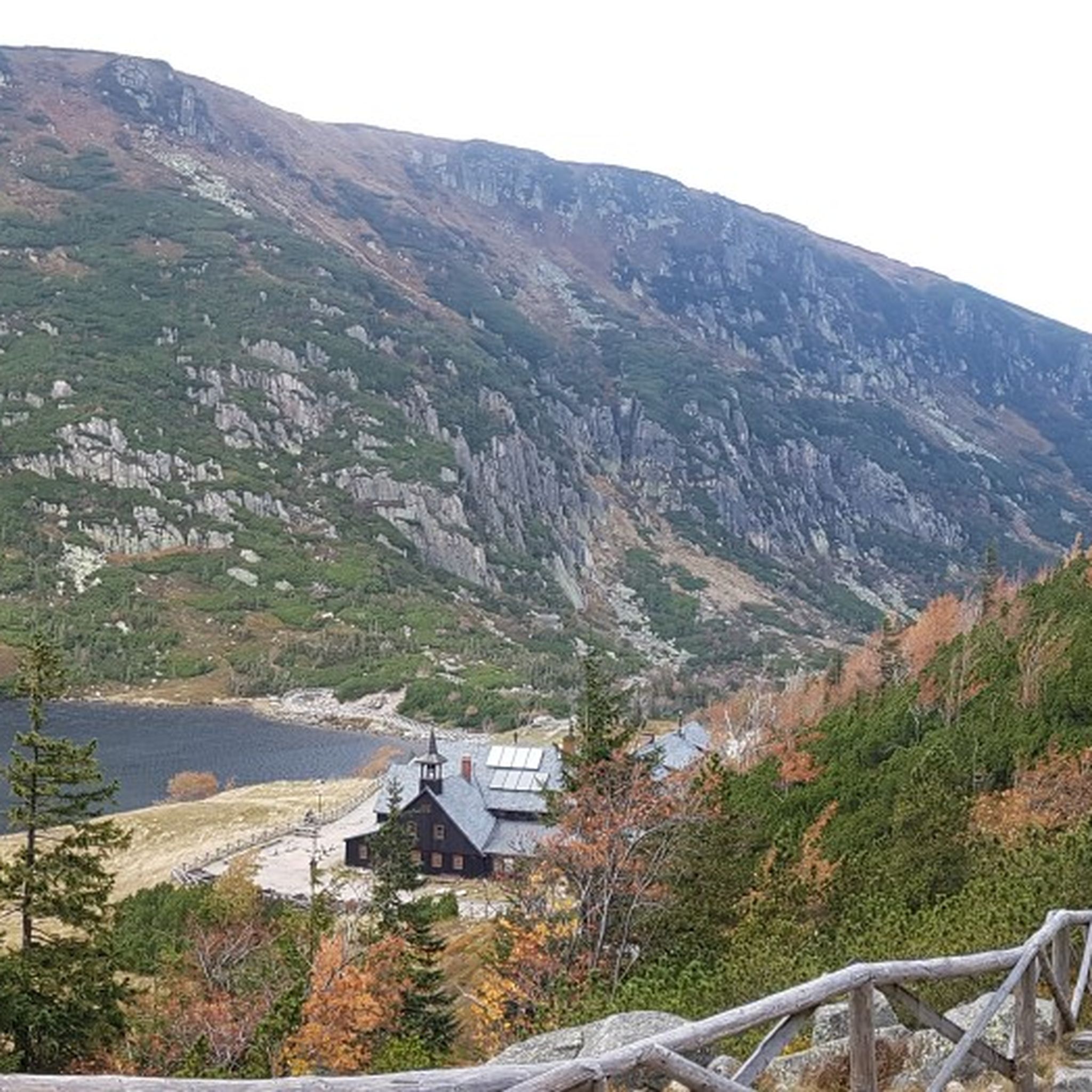
- Visitors also love Mały Staw (Little Pond) and Samotnia Mountain Hut, a lake with a mountain hut. This location is noted for its scenic views and as a popular spot within the Giant Mountains.
- Lower Silesian Voivodeship is known for its mountain peaks, waterfalls, and unique rock formations. The region offers a variety of natural monuments to see and explore, including glacial cirques, colorful lakes, and vast forest complexes.
- The natural monuments in Lower Silesian Voivodeship are appreciated by the komoot community, with over 2100 upvotes and more than 1900 photos shared across 300 highlights.
Last updated: July 10, 2026
Śnieżka (Schneekoppe) Summit
Highlight • Summit
Unfortunately, only the kiosk on the Czech side is still open.
The Sächsische Zeitung reported on December 28, 2021 that the restaurant on the Polish side should reopen in 2025.
Translated by Google •
Tip by

Kamieńczyk Waterfall
Highlight • Waterfall
Translated by Google •
Tip by

Sign up now to discover places like this
Get recommendations on the best single tracks, peaks, & plenty of other exciting outdoor places.
Sign up for free
Mały Staw (Little Pond) and Samotnia Mountain Hut
Highlight • Lake
A nice photo motif.
Translated by Google •
Tip by

Snowy Cauldrons
Highlight • Gorge
Translated by Google •
Tip by
Sněžka Meteorological Observatory
Highlight • Monument
Translated by Google •
Tip by

Sunflower (Mittagsstein) Rock Formation
Highlight • Natural Monument
It is located at an altitude of 1423 meters above sea level on the northern slope of the Smogornia.
Translated by Google •
Tip by

Szklarka Waterfall
Highlight • Waterfall
Szklarka Waterfall is located at 520 m above sea level. and is 13.3 m high. Its waters are falling in a wide cascade, characteristically narrowing downwards and spiraling, where it forms an evacuation boiler. The waterfall and its surroundings constitute an enclave of the Karkonosze National Park.
A wide path leads to the waterfall from the car park, ending with a viewing platform. Entrance to the National Park is payable. The waterfall is accessible to disabled people using wheelchairs. At the waterfall there is a "Kochanówka" hostel, the only facility of this type in Piechowice, near the border with Szklarska Poręba.
It is the most visited waterfall in the Giant Mountains due to its location on the E65 road (national road No. 3) next to Szklarska Poręba. The waterfall itself lies slightly above the mouth of Szklarki to Kamienna in a picturesque gorge among a beautiful mixed forest.
In the nineteenth century, a small weir was built above the waterfall by the Karkonoskie Association (Riesengebirgsverein), whose quick opening resulted in an effective drop of water for a moment.
pl.wikipedia.org/wiki/Wodospad_Szklarki
Translated by Google •
Tip by

Boardwalk to Luční Bouda
Highlight (Segment) • Trail
Translated by Google •
Tip by
Sausteine (Trzy Świnki / Svinské Kameny) rock formation
Highlight • Natural Monument
Translated by Google •
Tip by
Wild Waterfall (Dziki Wodospad)
Highlight • Waterfall
Translated by Google •
Tip by
Sign up for free to discover even more natural monuments in Lower Silesian Voivodeship.
Sign up for free
Already have an account?
Start today with a free account
Your next adventure awaits.
Login or Signup
Popular around Lower Silesian Voivodeship
Bike Pilgrimage on the Royal Route – St. James' Way via Regia
The Main Sudeten Route – a great Polish mountain adventure
Piast Castles Trail – Great strongholds of Sudety
EuroVelo 9 – The Amber Route from the Baltic to Adriatic Sea
From Warsaw to Berlin — in the footsteps of the Peace Race part 1
Sudetes Without Borders - Ultra Sudety Gravel Race (USGR)
Where Carp Swim and Birds Soar – Barycz Valley Cycle Route
Where Poland's wild soul lives – explore five regions by bike
Diverse Poland — explore five regions by mountain bike
Hiking in Lower Silesian Voivodeship
Other adventures in Lower Silesian Voivodeship


Tips from the Community

If you go to Sněžka in the summer, wear autumn clothes. If you go to Sněžka in the autumn, wear winter clothes. If you go to Sněžka in the winter, wear clothes that you would also wear in the Arctic! And if you go to Sněžka in the spring, wear clothes for all four seasons. 🌦️😅
6
0

❄️ A winter walk with magical views! 🌄 Sun over the mountains, fresh frost, glistening snow, and perfect shots at every turn 📸✨ An easy, atmospheric route that gives you the feeling of a true winter fairy tale. Come for beautiful views, inspiration, and fresh mountain air! 🌬️🏔️💙
3
0


The rock formations are located on the border between the Czech Republic and Poland. They are called "Svinské kameny" in Czech, "Trzy Świnki" in Polish, and "Sausteine" in German.
1
0

A beautiful waterfall, which was created by damming the waters of the Łomnica River. There is something to see. It is not far from Łomnica, so it is easy to get there!
1
0
The history of meteorological observations here on Śnieżka begins in 1824, but the first observatory was here since 1900. This one is named after Tadeusz Hołdys, who directed it for many years. Beautiful views!
2
1

The Snow Pits (Polish: Śnieżne Kotły) in the Giant Mountains are an impressive natural wonder that delights both hikers and nature lovers. They consist of two glacial cirques, the Great Snow Pit (Wielki Kocioł Śnieżny) and the Small Snow Pit (Mały Kocioł Śnieżny), located at an altitude of approximately 1,200 to 1,300 meters. These steep and deep rock faces were formed by glaciers and provide a breathtaking backdrop. The walls of the Snow Pits drop almost vertically to a height of up to 100 meters, making them one of the most spectacular places in the Giant Mountains. Rare flora and fauna: Due to the special microclimate, plant species normally found only in arctic regions thrive here. On the ridge above the Snow Pits stands the historic Snow Pit Hut (Polish: Schronisko na Śnieżnych Kotłach), a building that formerly served as a meteorological station.
0
0
The Pig Stones, in Polish Trzy Świnki and in Czech Svinské kameny, are a distinctive granite rock formation in the western part of the Silesian Ridge of the Giant Mountains, on the border between Poland and the Czech Republic. The Pig Stones are located in the immediate vicinity of the ridge path, about 400 meters northwest of the Twarożnik (Cheese Cliff). A green marked hiking trail leads from there to the Horse Headstones (Końskie Łby) and around the Reifträger Peak. The rock formation was created by natural weathering processes of the granite, which took place over millions of years and created the characteristic shapes of the Pig Stones. The name "Pig Stones" derives from the rocks' resemblance to three pigs lying next to each other. There are various local legends that explain the formation and naming of the rock formation. The Pig Stones offer impressive views of the surrounding landscape and are a worthwhile destination for hikes in the Giant Mountains.
1
0
Frequently Asked Questions
What are some of the most popular natural monuments to visit in Lower Silesian Voivodeship?
The Lower Silesian Voivodeship is home to many captivating natural monuments. Among the most popular are the highest peak in the Sudetes, Śnieżka (Schneekoppe) Summit, which offers extensive hiking trails and panoramic views. Another must-see is Kamieńczyk Waterfall, one of the highest waterfalls in the Polish Sudetes, cascading 27 meters. Visitors also highly appreciate Mały Staw (Little Pond) and Samotnia Mountain Hut for its scenic views within the Giant Mountains.
What unique geological formations can I expect to see in the region?
The region is renowned for its unique geological features. In the Karkonosze Mountains, you can explore the impressive glacial cirques known as Snowy Cauldrons, with their steep rock faces. The Stołowe Mountains National Park features extraordinary rock labyrinths at Szczeliniec Wielki and Błędne Skały. Additionally, the Rudawy Janowickie Mountains are famous for the vibrant Kolorowe Jeziorka (Colourful Lakes), which get their hues from mineral deposits.
What is the best time of year to visit the natural monuments in Lower Silesian Voivodeship?
The best time to visit largely depends on your preferred activities. Spring and autumn offer pleasant temperatures for hiking and fewer crowds, with vibrant foliage in autumn. Summer is ideal for longer days and warmer weather, though popular spots can be busy. Winter transforms the mountains into a snowy landscape, suitable for winter sports, but requires appropriate gear and awareness of challenging conditions, especially at higher elevations like Śnieżka.
Are there family-friendly natural monuments suitable for children?
Yes, several natural monuments are great for families. Kamieńczyk Waterfall and Szklarka Waterfall are easily accessible and offer beautiful views. The Kolorowe Jeziorka (Colourful Lakes) in the Rudawy Janowickie Mountains are also accessible via an easy 4 km route, providing a visually stunning and unique experience for all ages. The rock formations in the Stołowe Mountains, like Błędne Skały, can also be an adventurous exploration for older children.
Are there any natural monuments that are wheelchair accessible?
Yes, Szklarka Waterfall is noted for its accessibility. A wide path leads from the car park to a viewing platform, making it accessible for visitors using wheelchairs. This allows everyone to enjoy the beauty of this 13.3-meter high waterfall.
Can I bring my dog to the natural monuments in Lower Silesian Voivodeship?
Policies for bringing dogs vary by location, especially within National Parks. While some areas might have restrictions, many trails in the broader Lower Silesian Voivodeship, particularly in less protected areas like parts of the Rudawy Janowickie or Lower Silesian Wilderness, are generally dog-friendly. Always check specific park regulations before visiting, especially for National Parks like Karkonosze or Stołowe Mountains, where dogs may be restricted to certain paths or require to be on a leash.
What are the parking and public transport options for visiting natural monuments like Śnieżka or Szczeliniec Wielki?
For Śnieżka in the Karkonosze National Park, visitors often park in Karpacz, from where various trails lead to the summit. Public transport, such as buses, also serves Karpacz. For Szczeliniec Wielki in the Table Mountains National Park, parking is available in Karłów, which is the main starting point for exploring the rock labyrinth. Public transport connections to these areas can be limited, so checking local bus schedules in advance is recommended.
What kind of hiking trails are available near the natural monuments?
The region offers a wide range of hiking trails. You can find easy walks, such as the route to the Colourful Lakes in Rudawy Janowickie. Moderate trails include "The route from Międzygórze to Śnieżnik" in the Śnieżnik Massif. For more challenging options, consider "Excursion to Szrenica" or "Excursion along the Silesian Way to Sněžka" in the Karkonosze National Park. You can find more details on various routes in the Hiking in Lower Silesian Voivodeship guide.
Where can I find challenging hikes in the Lower Silesian Voivodeship?
For challenging hikes, the Karkonosze Mountains are an excellent choice. The ascent to Śnieżka (Schneekoppe) Summit, the highest peak, is a demanding but rewarding climb. Trails like "Excursion to Szrenica" and "Excursion along the Silesian Way to Sněžka" are rated as difficult and offer significant elevation gain and stunning views. The Śnieżnik Massif also provides challenging routes to its peak, Śnieżnik (1,423 meters above sea level).
What outdoor activities, besides hiking, can I do near these natural monuments?
Beyond hiking, the Lower Silesian Voivodeship offers diverse outdoor activities. The Lower Silesian Wilderness (Bory Dolnośląskie) is excellent for cycling, horseback riding, and canoeing. The Rudawy Janowickie Mountains, particularly the Sokoliki area, are a paradise for climbers. Many areas also provide opportunities for wildlife spotting, especially in the extensive forest complexes and protected areas.
What do visitors enjoy most about the natural monuments in Lower Silesian Voivodeship?
Visitors consistently praise the breathtaking panoramic views from peaks like Śnieżka and the unique rock formations in the Stołowe Mountains. The serene beauty of places like Mały Staw (Little Pond) and the vibrant colors of the Kolorowe Jeziorka are frequently highlighted. The diverse landscapes, from ancient mountains to vast forests, and the extensive network of trails for all skill levels, contribute to a highly appreciated outdoor experience.
Are there any specific tips for visiting the Karkonosze National Park?
When visiting the Karkonosze National Park, especially popular spots like Śnieżka or Snowy Cauldrons, it's advisable to avoid Polish and Czech holidays if possible, as trails can become very crowded. Always check weather conditions, as they can change rapidly in the mountains. Proper hiking footwear and layers of clothing are essential. Remember that entrance to the National Park is typically payable.
Where can I find accommodation or places to eat near the natural monuments?
Accommodation and dining options are available near many popular natural monuments. For visits to Śnieżka and the Karkonosze Mountains, Karpacz and Szklarska Poręba offer numerous hotels, guesthouses, cafes, and pubs. Near Szczeliniec Wielki in the Table Mountains, the village of Karłów provides options. For the Śnieżnik Massif, Międzygórze and Kletno are good bases. Mountain huts, like the Samotnia Mountain Hut near Mały Staw, also offer food and shelter.
Most popular routes in Lower Silesian Voivodeship
Most popular attractions in Lower Silesian Voivodeship

Get inspired with the komoot mobile app


Didn’t find what you were looking for?
Find even more amazing natural monuments in Lower Silesian Voivodeship by checking out the top Highlights region by region:
Explore more
Extend your search for the best caves by checking out these guides of the top ones in Lower Silesian Voivodeship:
