Top 20 Mountain Passes in Extremadura
Best mountain passes in Extremadura are found in western Spain, a region characterized by its diverse natural landscapes and historical routes. The area features mountain ranges like the Sierra de Gredos and valleys such as the Jerte Valley. These passes often serve as natural divides between river basins and offer access to varied ecosystems, from alpine grasslands to holm oak and cork oak dehesas. Extremadura's mountain passes provide opportunities to explore areas of natural and historical significance.
Best mountain passes…
Last updated: June 26, 2026
Honduras Pass
Highlight (Segment) • Mountain Pass
Translated by Google •
Tip by

Piornal Pass
Highlight (Segment) • Mountain Pass
Translated by Google •
Tip by

Sign up now to discover places like this
Get recommendations on the best single tracks, peaks, & plenty of other exciting outdoor places.
Sign up for free
San Vicente Pass
Highlight • Mountain Pass
Translated by Google •
Tip by

Hell's Pass
Highlight • Climb
Translated by Google •
Tip by

Puerto de la Serrana Viewpoint
Highlight • Viewpoint
Translated by Google •
Tip by

Viewpoint of the Puerto de Tornavacas
Highlight • Viewpoint
Translated by Google •
Tip by

Puerto de Arrebatachacas
Highlight • Mountain Pass
Translated by Google •
Tip by
Robledo Pass
Highlight • Mountain Pass
Translated by Google •
Tip by

Collado de las Angosturas
Highlight • Mountain Pass
Translated by Google •
Tip by

Humilladero Pass
Highlight • Mountain Pass
It is the highest summit in Extremadura accessible by road.
Showing Translation
Tip by

Sign up for free to discover even more mountain passes in Extremadura.
Sign up for free
Already have an account?
Start today with a free account
Your next adventure awaits.
Login or Signup
Popular around Extremadura
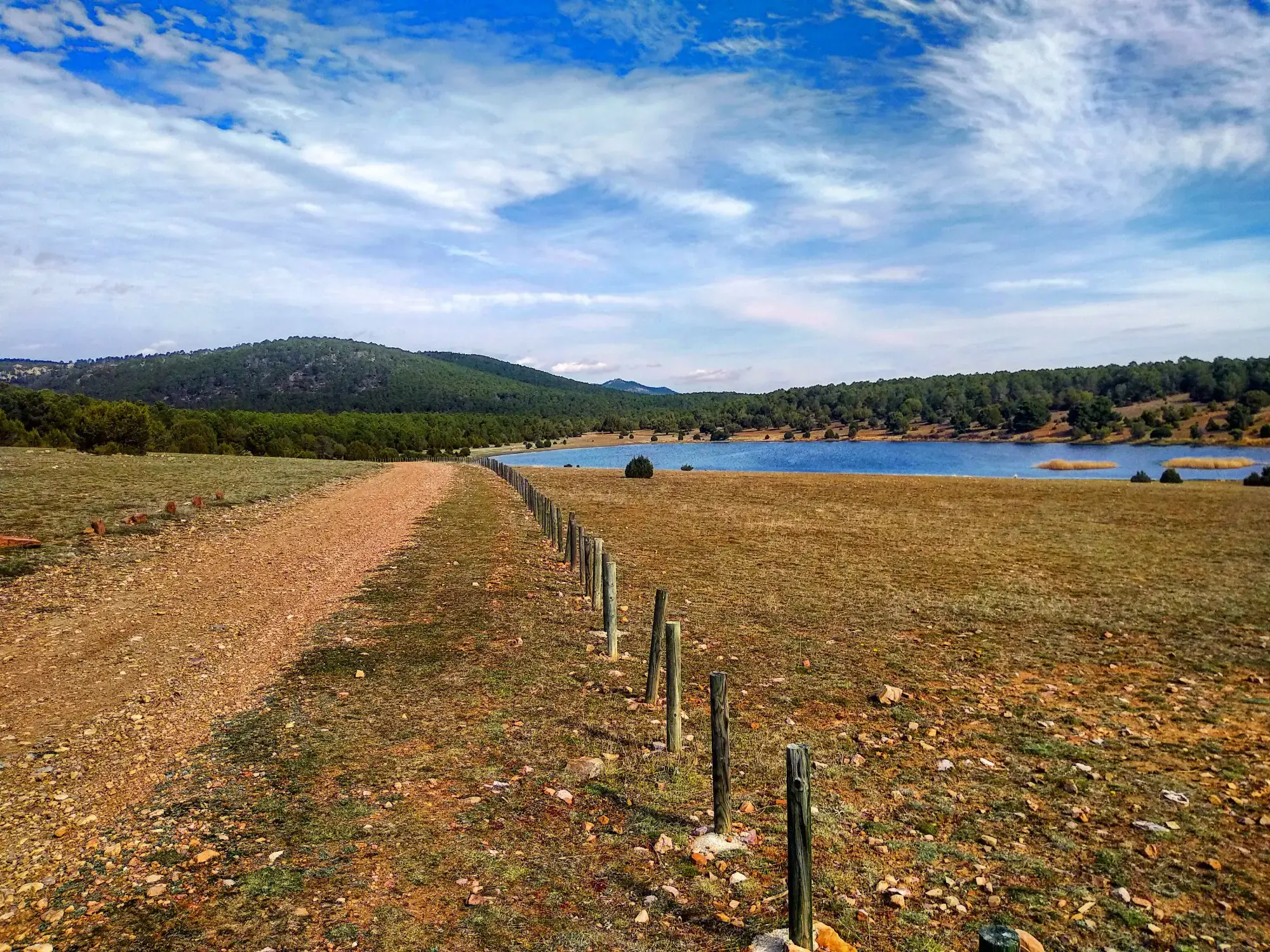
Sendero Español GR 10 — De este a oeste
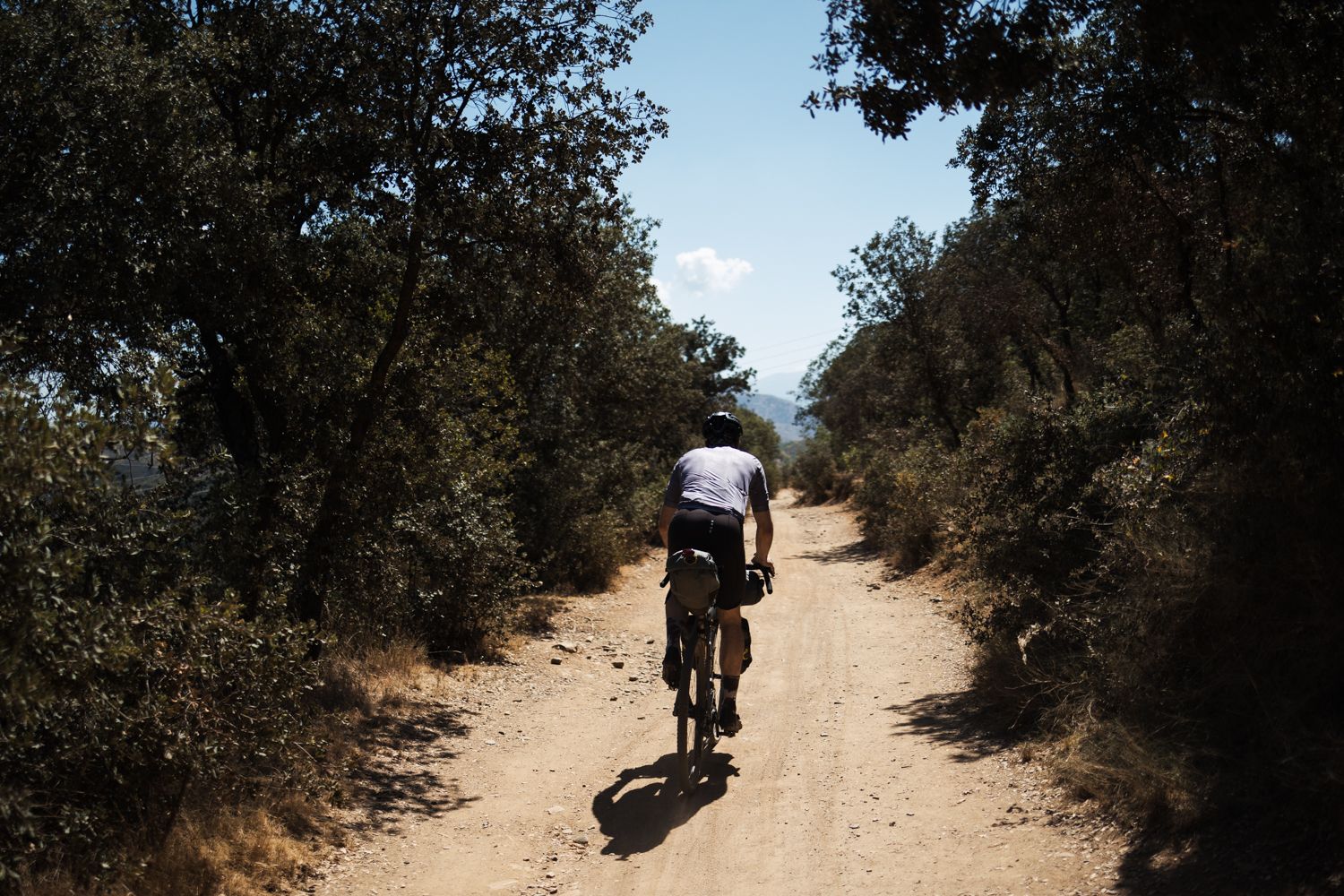
Mozarabic Way to Santiago – Gravel between two worlds
Around the World in 80 Days
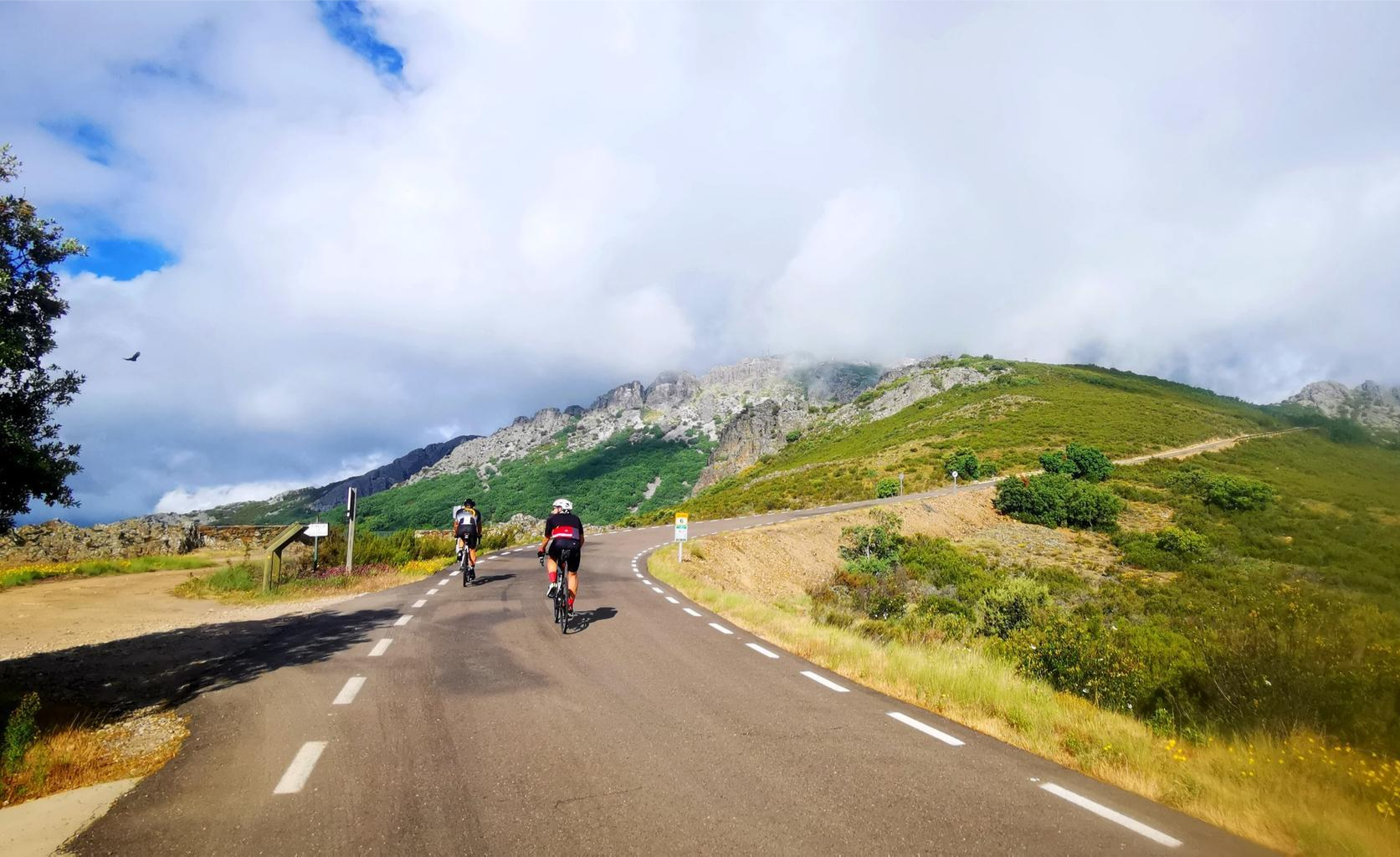
Legendary climbs - Ports of La Vuelta a España
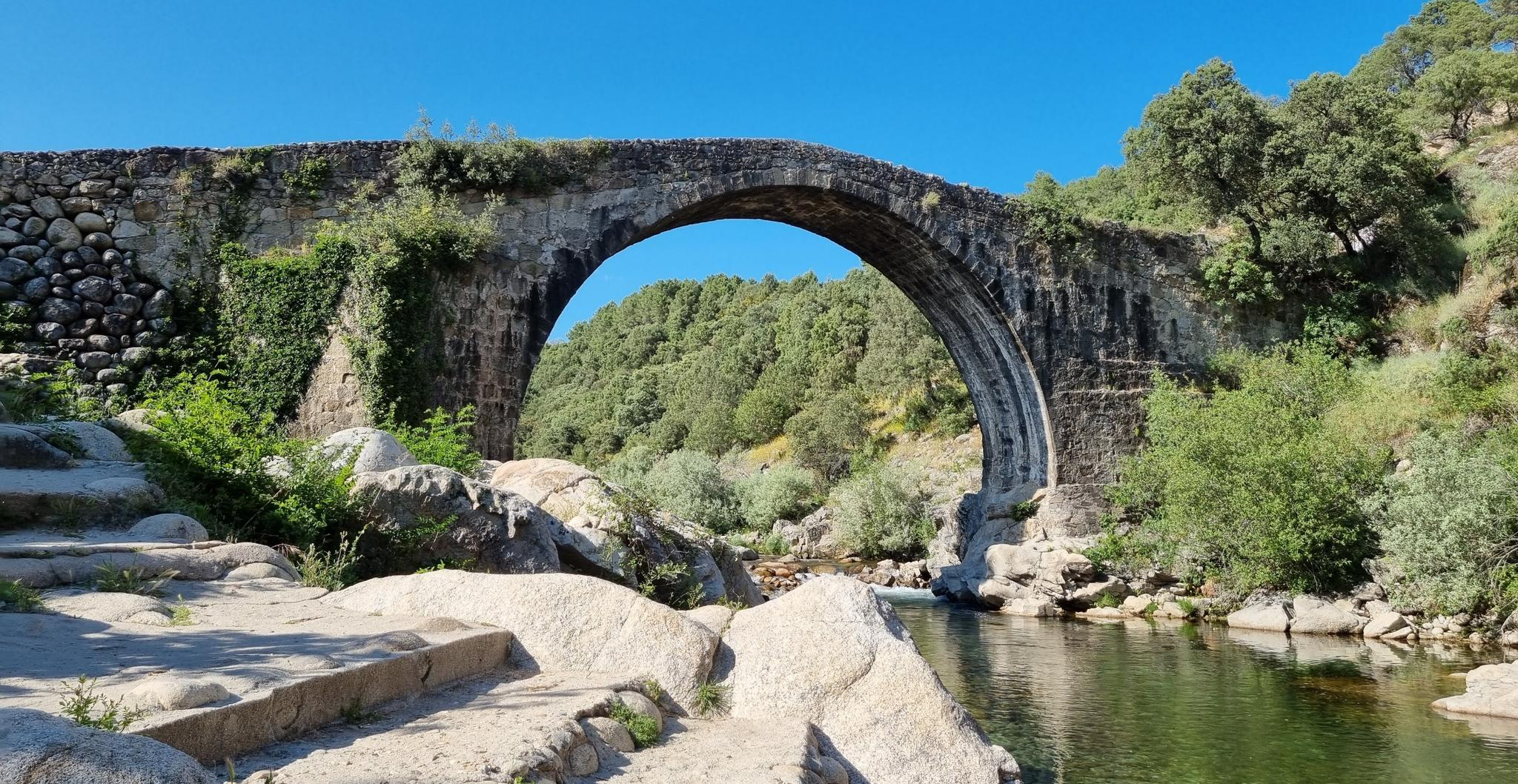
Monumental and Natural History — The Way of La Vera GR-111
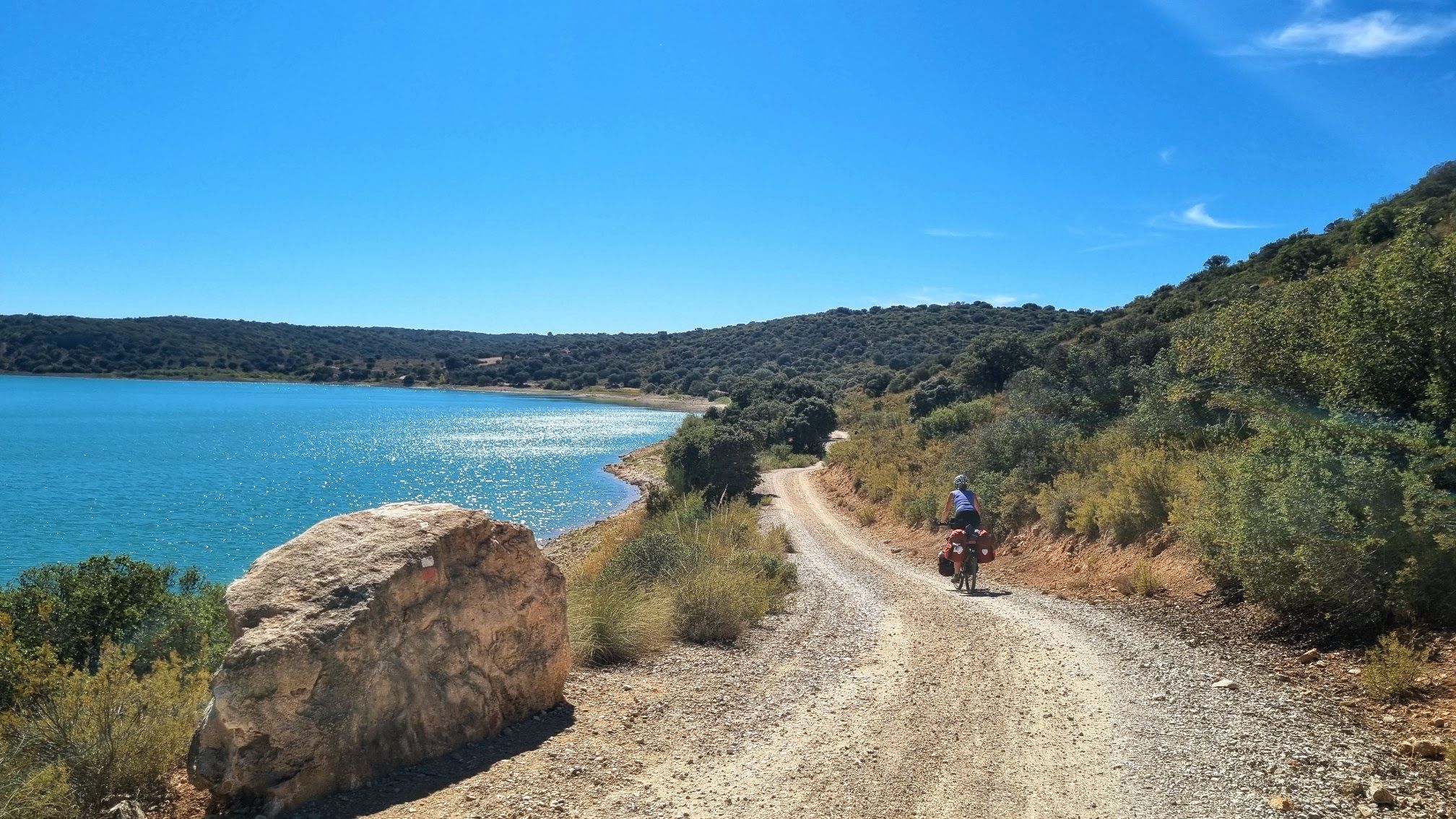
Pedalea junto al gran río — Camino Natural del Guadiana
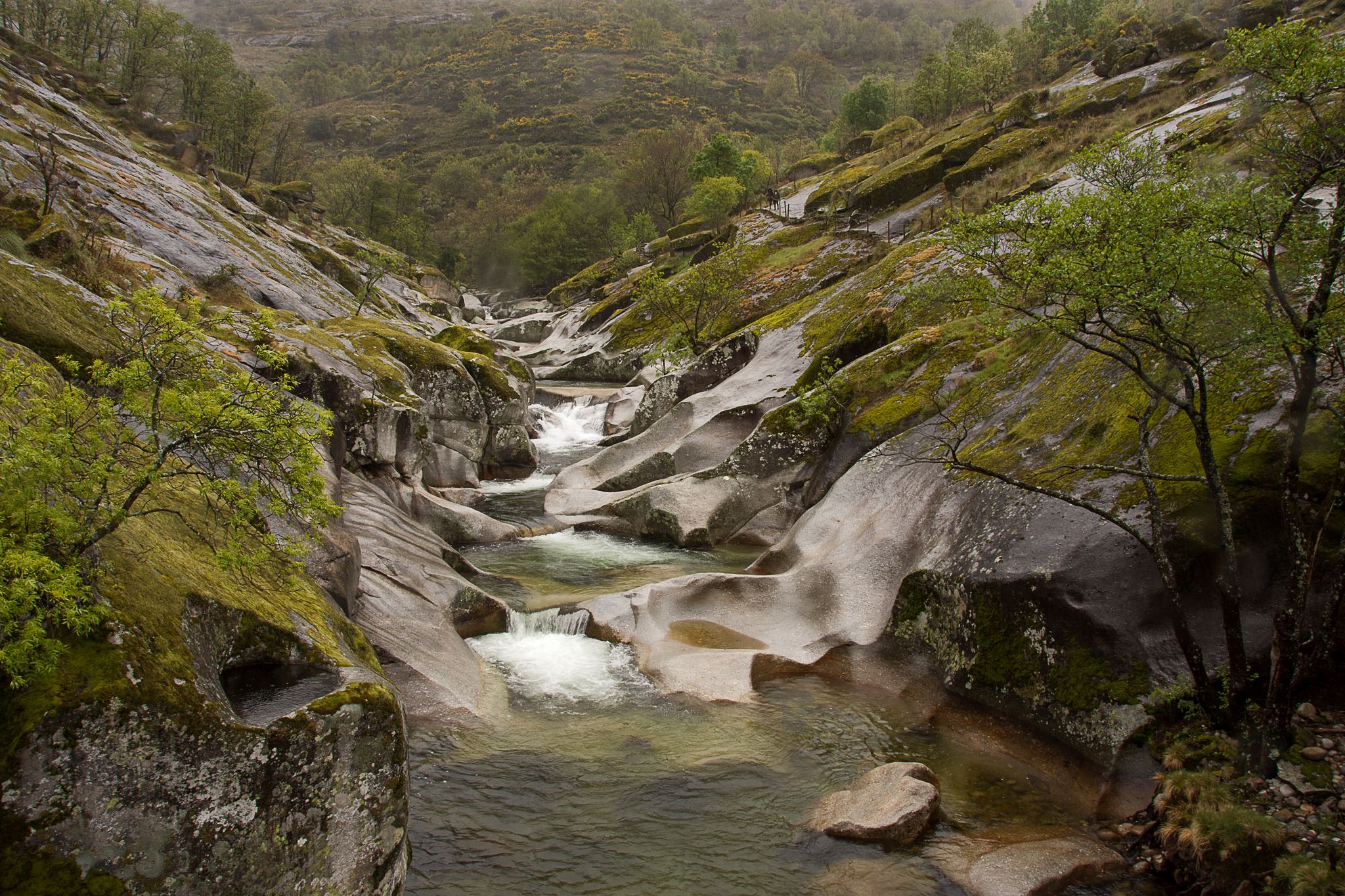
Six routes to discover Extremadura on foot
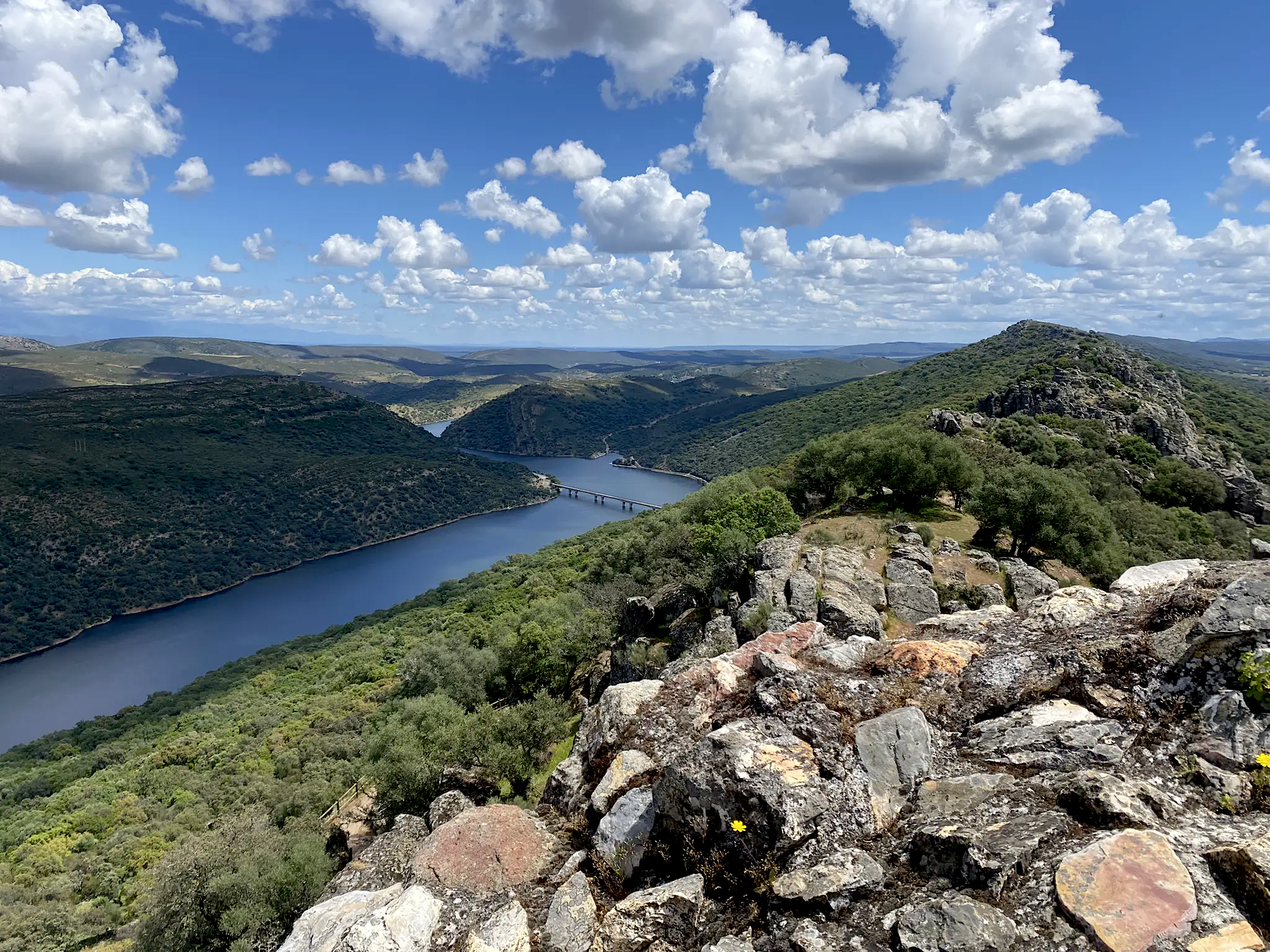
Extremadura's natural paradise by bike — Tour of Monfragüe
12 hiking gems throughout Spain
Gijón to Sevilla in Spain – Vía de la Plata (GR 100)
Other adventures in Extremadura


Tips from the Community

El Alto del Humilladero and Pico Villuercas, near Guadalupe (Cáceres), form one of the most spectacular mountain routes in Extremadura, within the Villuercas‑Ibores‑Jara UNESCO Geopark. It is the highest summit in Extremadura accessible by road.
2
0

Alto del Humilladero is a short but intense mountain pass, where the road climbs steeply through curves that test your legs. From its summit, you have a wide panoramic view that I'm sure you'll enjoy.
0
1

This viewpoint is ideal for birdwatching, especially birds of prey and cliff-dwelling birds. It's also surrounded by lush vegetation.
0
0

Excellent views of the Jerte Valley. The road is narrow but in very good condition. You reach the sign from the Garganta la Olla mountain pass, which is about 15 km long, with an average elevation gain of 800 m at a 5% gradient. This slope is very easy to walk, with beautiful stretches through trees and very little traffic.
0
1
17 kilometers of mountain pass (on both sides, Ambroz Valley from Hervás or Jerte Valley from Cabezuela del Valle). From Cabezuela del Valle, the first 12 kilometers average an average gradient of 7%, with some 10% gradients, and from the 12th kilometer onward, there are some rest stops with wonderful views. This side has a gradient of approximately 900 meters, up to 1,430 meters.
0
0

Very steep climb of about 15 km (4% on average with some sections at 7%). The asphalt is good and with many trees that provide pleasant shade on hot days.
0
0

Beautiful port between the Ambroz Valley and the Jerte Valley with a constant slope of about 6%
0
0

This is one of the best-known mountain passes in the Sierra de Gredos area and is also important as it separates the two most important basins in the Iberian Peninsula, the Duero and the Tagus.
0
0
Frequently Asked Questions
What are some of the most notable mountain passes in Extremadura?
Extremadura features several captivating mountain passes. Among them, Honduras Pass is known for connecting the Ambroz and Jerte Valleys with spectacular views. Piornal Pass offers excellent views of the Jerte Valley, while San Vicente Pass is a comfortable climb within the Villuercas geopark. The region also includes the historic Puerto de Tornavacas and the scenic Puerto de Miravete.
What makes Puerto de Tornavacas a significant mountain pass?
Puerto de Tornavacas, located at 1,275 meters in the Sierra de Gredos, is renowned for its spectacular panoramic views, especially over the Jerte Valley. It holds significant historical importance as a crucial entry point from Castile into Extremadura, famously used by Emperor Charles V. The area is also a great spot for ornithology, offering diverse bird species, and remnants of an ancient Roman road can still be seen.
Are there mountain passes in Extremadura known for scenic drives or cycling routes?
Yes, several passes are popular for scenic drives and cycling. Piornal Pass is a favorite for motorcycle routes due to its incredible landscapes and spectacular curves. Puerto de Honduras also offers stunning scenery, particularly towards the Hervás side, making for a picturesque journey. Cyclists often enjoy the sustained slopes and shaded sections of passes like Piornal.
What kind of views can I expect from the mountain passes in Extremadura?
The mountain passes in Extremadura offer diverse and breathtaking views. From Puerto de Tornavacas, you can witness the linear geological formation of the Jerte Valley, especially beautiful during the cherry blossom season. Puerto de Miravete provides exceptional panoramic views of the Monfragüe Biosphere Reserve, a significant natural protected area. Many passes, like Honduras Pass, are noted for their spectacular vistas across valleys and mountain ranges.
Are there family-friendly options among Extremadura's mountain passes?
While many passes involve challenging terrain, some areas offer more accessible experiences. For instance, the Puerto de la Serrana Viewpoint is categorized as family-friendly, suggesting easier access and suitable environments for all ages. When planning, look for passes with designated viewpoints or shorter, less strenuous trails nearby.
Can I find hiking trails near Extremadura's mountain passes?
Absolutely. The mountain passes are often gateways to various hiking opportunities. For example, the area around Puerto de Tornavacas is ideal for hiking or mountain routes. You can explore a range of trails, from easy to difficult, such as those found in the Waterfall hikes in Extremadura guide, which includes routes like the Garganta de las Nogaleas Trail. Always check the difficulty before setting out.
What is the best time of year to visit the mountain passes in Extremadura?
The best time to visit depends on your interests. Spring (March-May) is highly recommended, especially for the Jerte Valley, when the cherry blossoms create a breathtaking panorama visible from passes like Puerto de Tornavacas. Autumn (September-November) is also excellent for birdwatching during migratory seasons. In colder months, passes like Puerto de Honduras can experience snow, offering a different kind of beauty but requiring caution.
What wildlife can be observed around Extremadura's mountain passes?
The diverse ecosystems around Extremadura's mountain passes support a variety of wildlife. Puerto de Tornavacas, for example, is an interesting spot for ornithology, allowing observation of various alpine habitat bird species, especially during migratory seasons. The Monfragüe Biosphere Reserve, visible from Puerto de Miravete, is a renowned birdwatching destination, home to raptors and other significant species.
Are there any historical sites or routes associated with Extremadura's mountain passes?
Yes, history is deeply woven into the landscape of Extremadura's mountain passes. Puerto de Tornavacas was a crucial historical entry point and was famously traversed by Emperor Charles V. Remnants of an ancient Roman road can still be found there. The area around Puerto de Miravete is strategically located alongside the old Royal Drovers' Road of León, hinting at its historical importance for transhumance.
What are the typical difficulty levels for cycling or hiking routes around these passes?
Difficulty levels vary significantly. For cycling, passes like Honduras Pass are considered challenging, with sustained gradients. Piornal Pass also offers sustained slopes but is often described as a 'joy' for its shaded sections. Hiking trails range from easy, like the Garganta de las Nogaleas Trail, to difficult, such as some routes in the Waterfall hikes in Extremadura guide. Always check route details before embarking.
Is parking available at the main mountain passes in Extremadura?
Yes, parking is generally available at or near the main mountain passes and their viewpoints. For instance, the Viewpoint of the Puerto de Tornavacas has a car park. While specific details for every pass might vary, popular passes are usually equipped with areas for visitors to park their vehicles.
Are there accommodations or dining options near the mountain passes?
While the passes themselves are often remote, nearby towns and villages offer accommodations and dining. For example, towns like Tornavacas, Piornal, and Hervás (near Puerto de Honduras) provide various options for cafes, pubs, and places to stay. It's advisable to plan your visit and book accommodations in these nearby settlements.
Are dogs allowed on trails around Extremadura's mountain passes?
Many natural areas in Extremadura are dog-friendly, especially on established trails. However, regulations can vary, particularly within protected areas like the Monfragüe Biosphere Reserve or specific natural monuments. It's always best to keep dogs on a leash and ensure you clean up after them. Check local signage or park regulations for specific trails you plan to visit.
How accessible are Extremadura's mountain passes by public transport?
Accessibility by public transport to the exact summits of mountain passes can be limited. While some national roads, like the N-110 traversing Puerto de Tornavacas, are served by intercity buses, direct routes to the highest points or trailheads are less common. It's often easier to reach nearby towns (e.g., Tornavacas, Piornal, Hervás) by bus and then proceed by car, taxi, or cycling/hiking.
Most popular routes in Extremadura
Most popular attractions in Extremadura

Get inspired with the komoot mobile app


Didn’t find what you were looking for?
Find even more amazing mountain passes in Extremadura organized by region:
Explore more
See even more epic mountain passes by checking out these guides in Extremadura:
