Top 12 Natural Monuments in Newfoundland and Labrador
Best natural monuments in Newfoundland and Labrador showcase a landscape shaped by ancient geological forces and diverse ecosystems. This region features exposed mantle rock, ancient fossil beds, and coastal formations. The natural features provide insights into Earth's history and ongoing geological processes. Visitors can explore a variety of terrains, from rugged coastlines to unique inland formations.
Best natural monuments in Newfoundland and Labrador
- The most popular natural monuments is Bakers Brook Falls, a waterfall that is notably large, especially…
Last updated: July 9, 2026
Gros Morne Mountain Trail
Highlight • Trail
Tip by

Bakers Brook Falls
Highlight • Waterfall
Tip by

Sign up now to discover places like this
Get recommendations on the best single tracks, peaks, & plenty of other exciting outdoor places.
Sign up for free
Tablelands Trail
Highlight (Segment) • Trail
Translated by Google •
Tip by

Skerwink Trail
Highlight • Trail
Translated by Google •
Tip by

Green Gardens Cliffs and Beach
Highlight • Beach
Translated by Google •
Tip by
View of Signal Hill and the Atlantic Ocean
Highlight • Viewpoint
Translated by Google •
Tip by

Flatrock Cliffs Climbing Area
Highlight • Climb
Tip by

Berry Head Arch
Highlight • Natural Monument
Tip by

Rock formations along the Spout Path
Highlight • Natural Monument
Showing Translation
Tip by

The Spout Blowhole
Highlight • Natural Monument
Translated by Google •
Tip by

Sign up for free to discover even more natural monuments in Newfoundland and Labrador.
Sign up for free
Already have an account?
Start today with a free account
Your next adventure awaits.
Login or Signup
Popular around Newfoundland and Labrador

Bedtime Adventure Stories for Grown Ups

Long-distance hiking in Canada – between mountains and coast
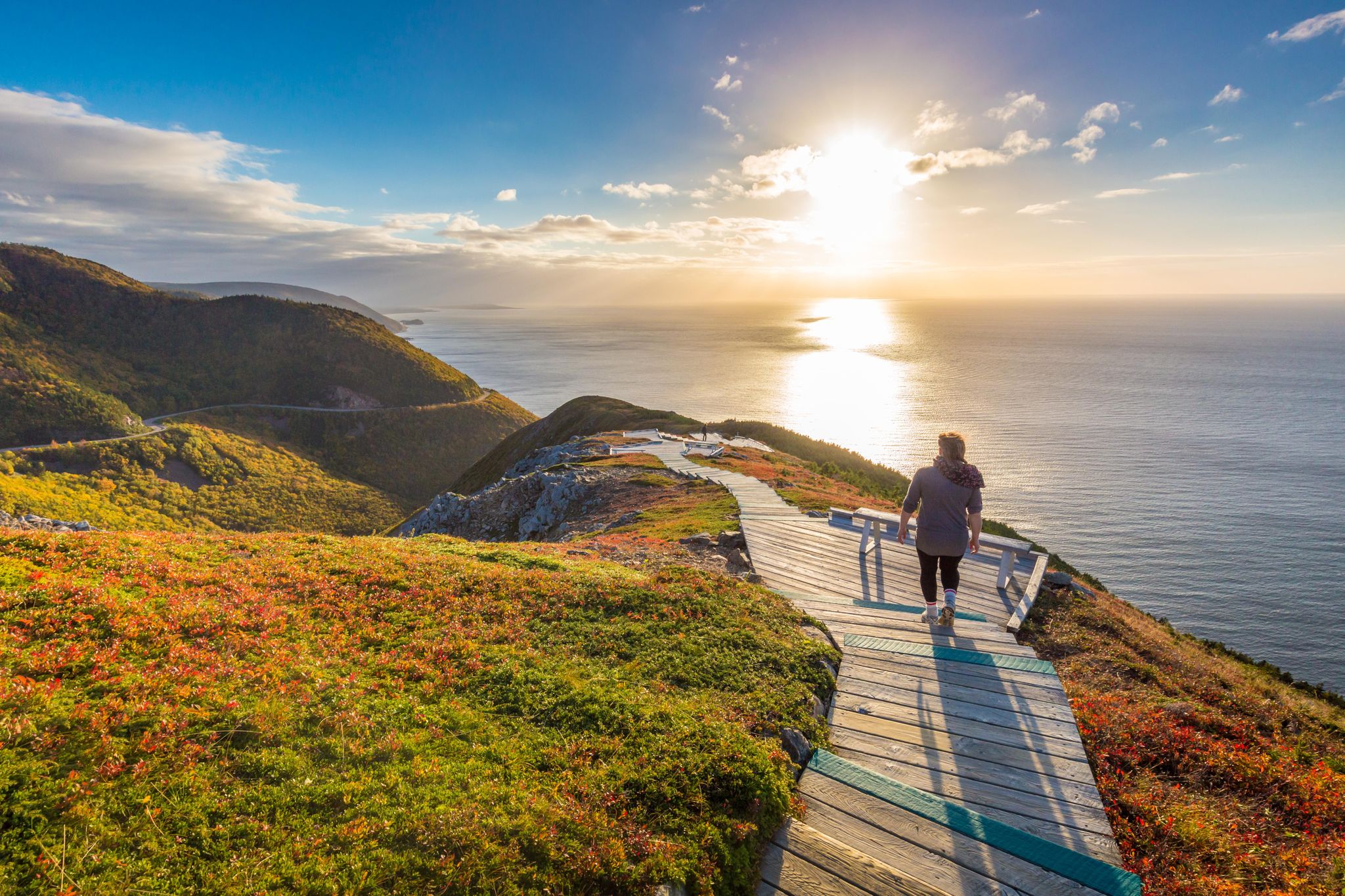
Eight hikes to explore Canada's stunning Atlantic coast
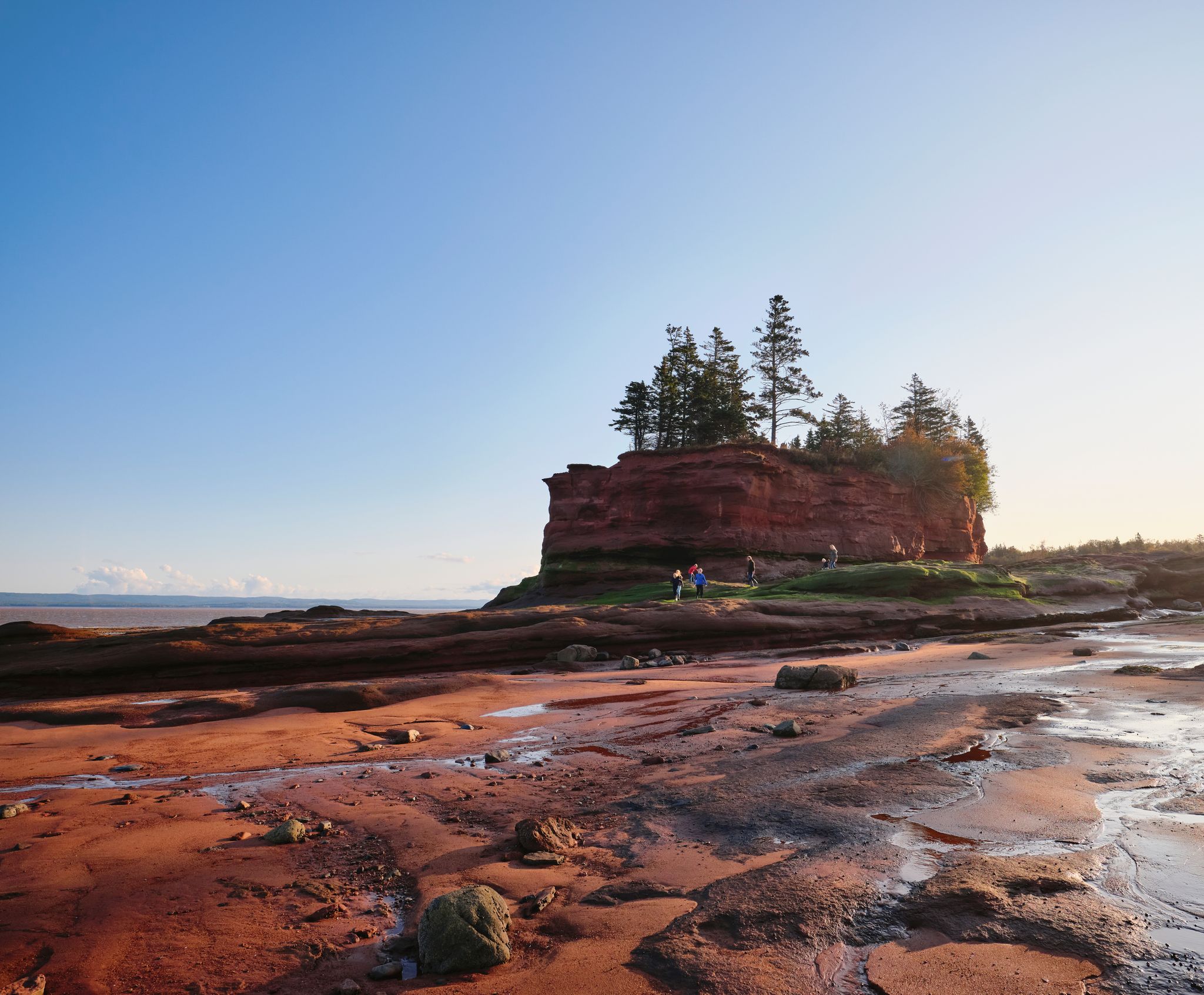
Experience the natural beauty of Canada's Atlantic coast

The longest footpath in the world – Trans Canada Trail
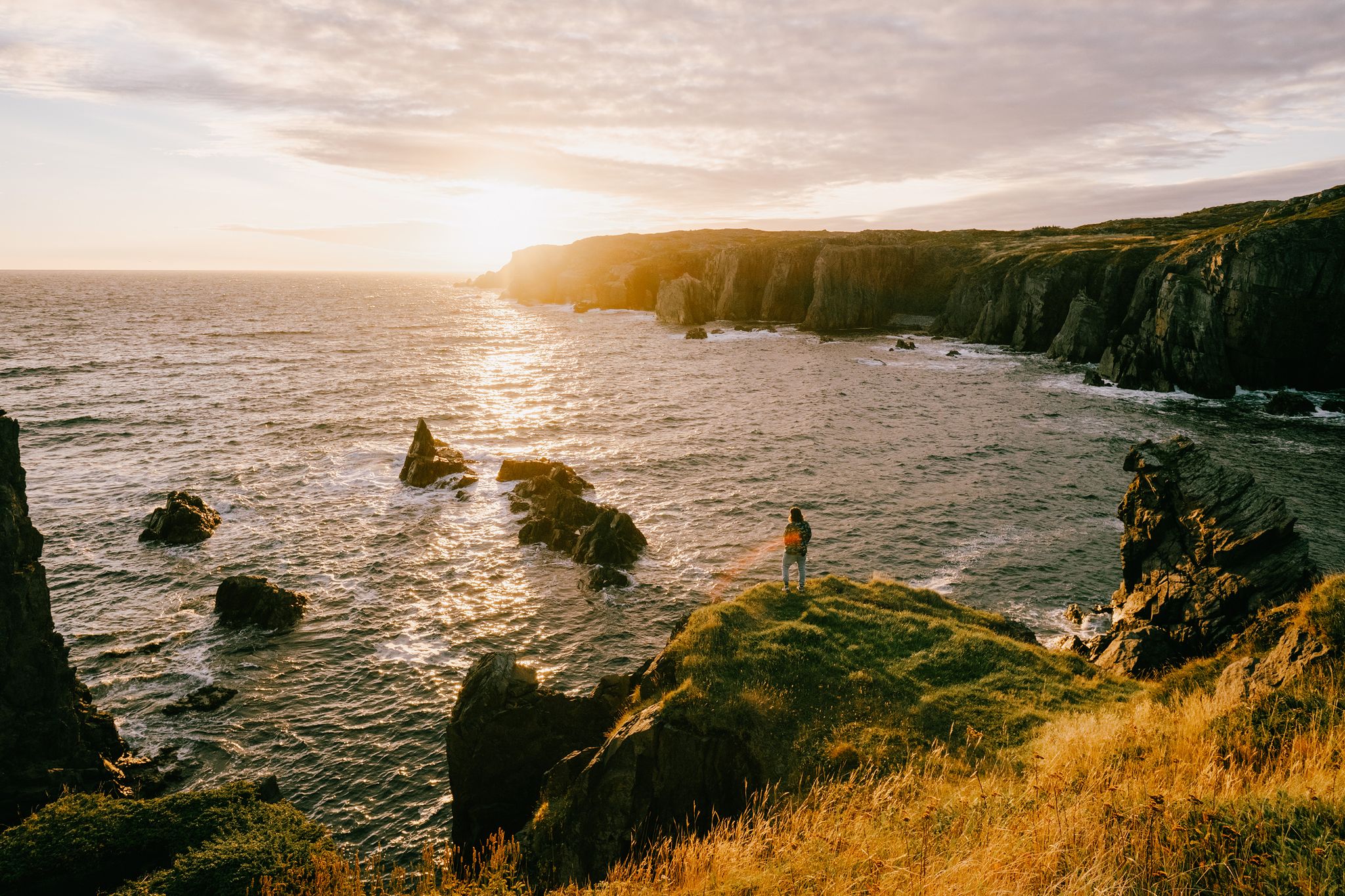
Autumn hikes along the wild coasts of Newfoundland and Labrador
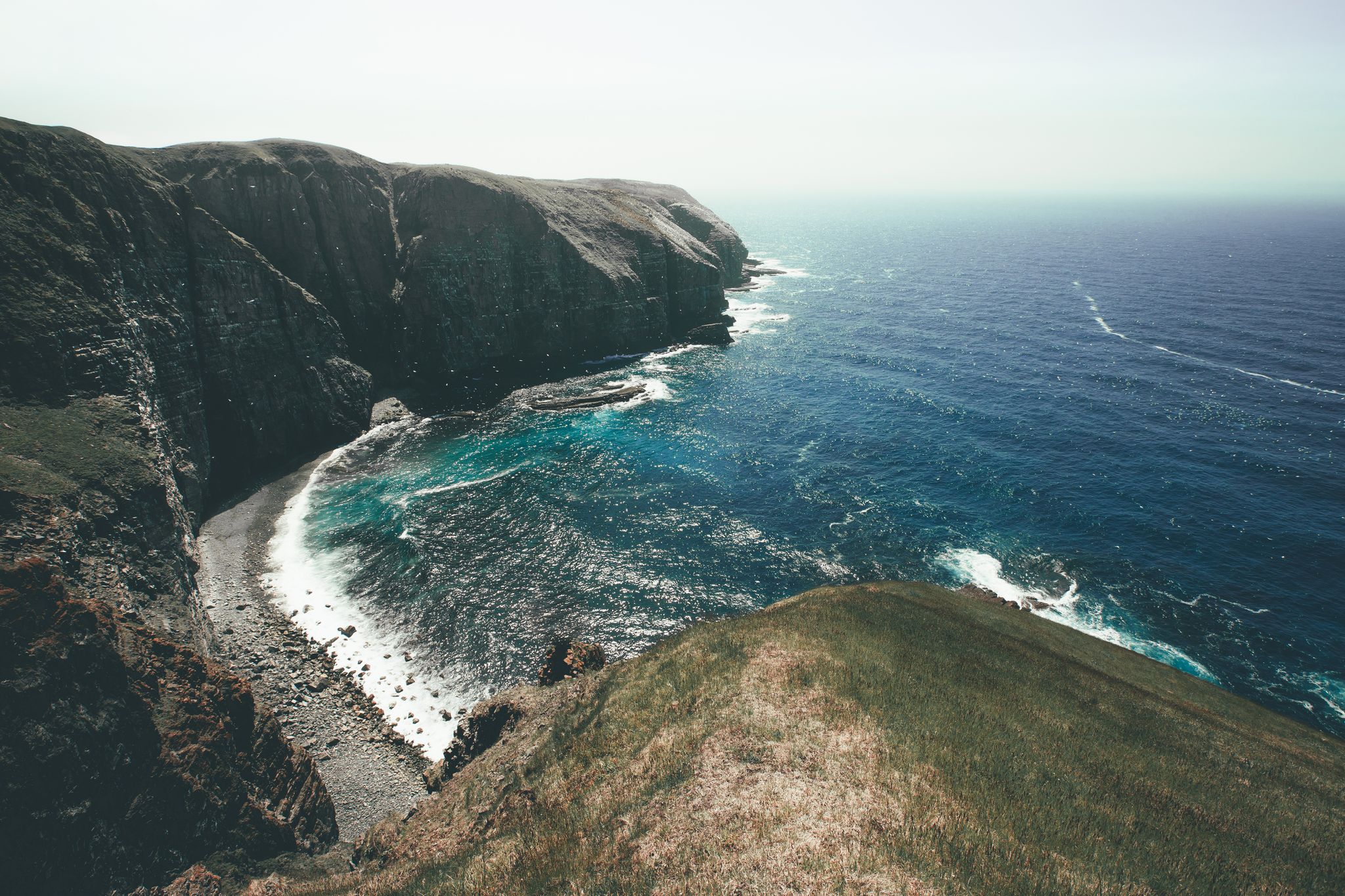
Wild and beautiful – discover Atlantic Canada
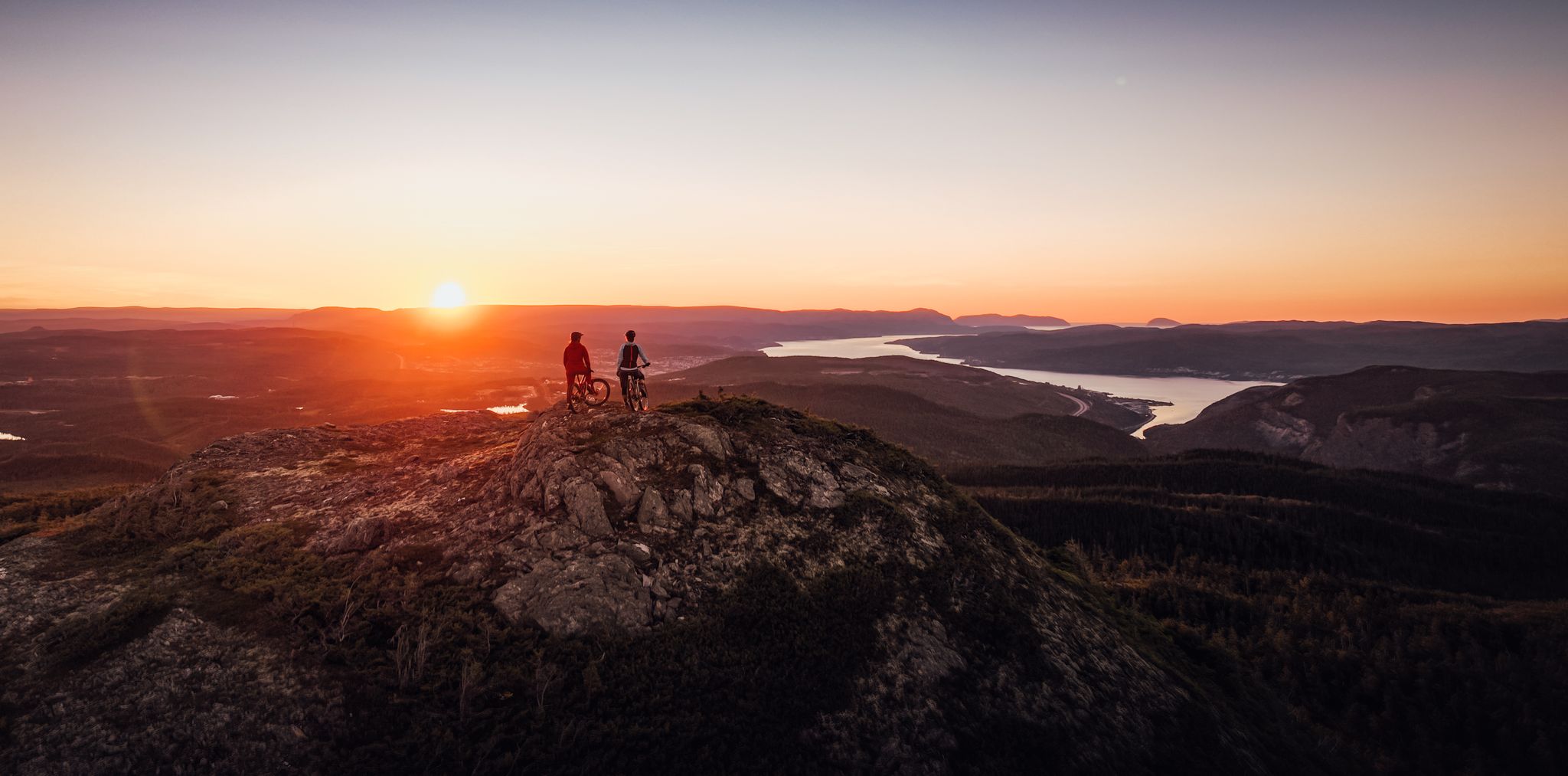
Mountain biking in Atlantic Canada
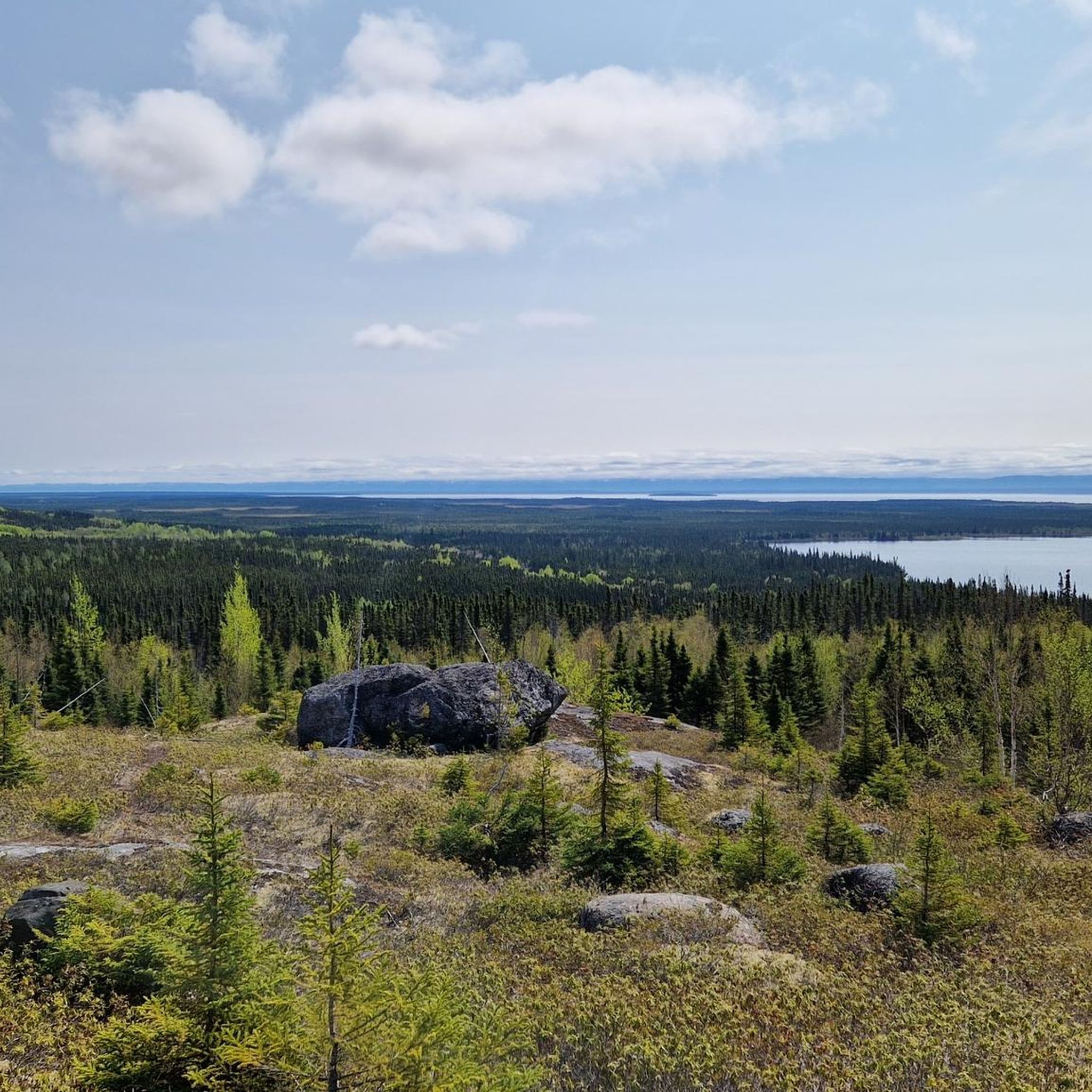
Hiking in Newfoundland and Labrador
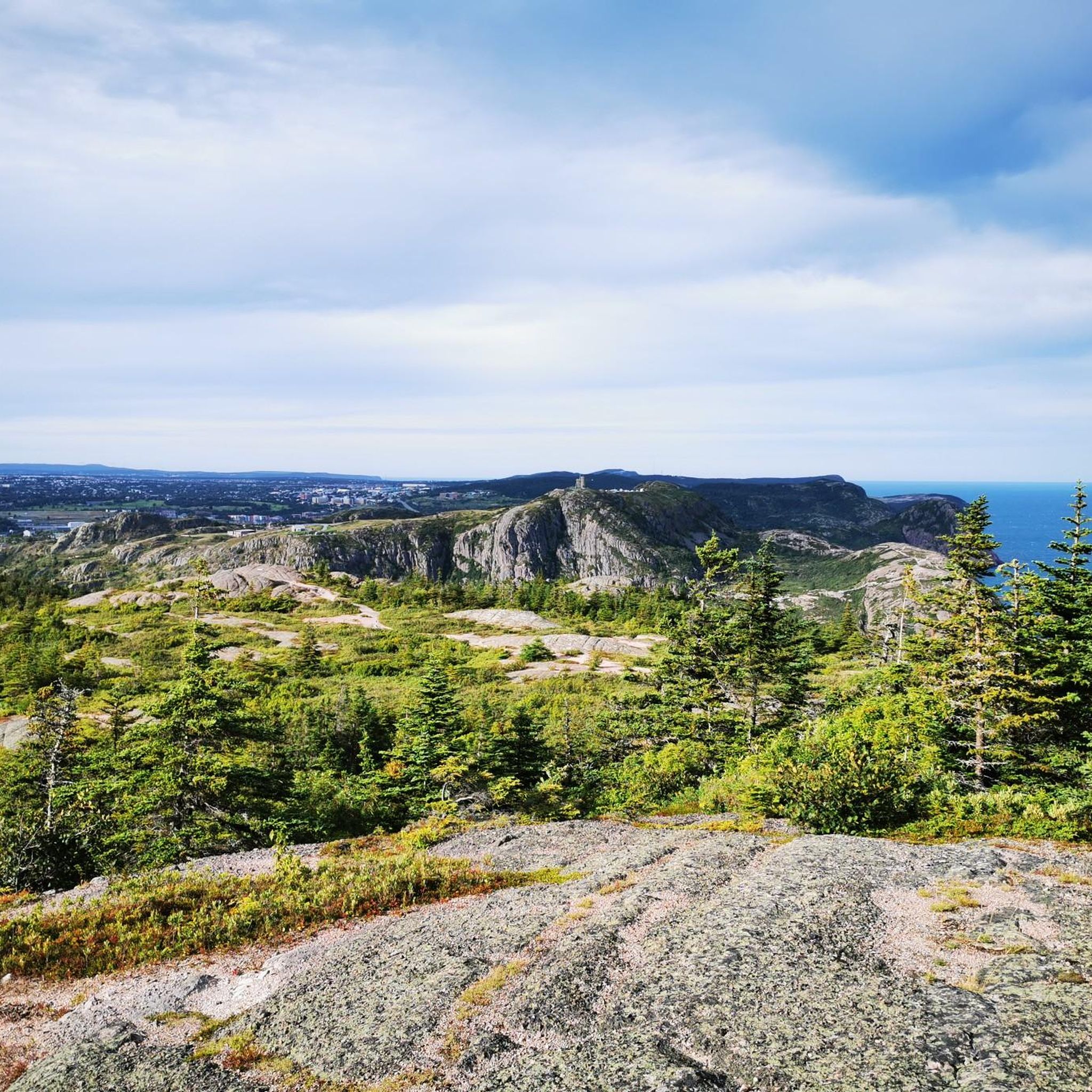
Running Trails in Newfoundland and Labrador
Other adventures in Newfoundland and Labrador


Tips from the Community

These towering seaside cliffs are home to one of Newfoundland's best-known climbing areas. More than a hundred established routes line the rugged coastline, attracting climbers from across the province to tackle the steep rock faces above the Atlantic. Even without ropes, it's worth stopping to take in the scale of the cliffs and the views along the coast. If you're lucky, you may even spot climbers.
0
0

On the way to the lighthouse, there are always impressive rock formations, which are particularly fascinating in winter conditions with icicles.
0
0

Easy trail until end of plateau. Further hike requires experience. People get lost on the trail easily, especially when hill top is in the clouds.
0
0

The viewpoint "Berry Head" offers a unique rock formation: an arch spanning just next to the dramatic cliffs. A perfect spot for a breathtaking picture!
1
0
The East Coast Trail meanders along the coast line and offers breathtaking views over the blue to turquoise Atlantic Ocean and rugged cliffs.
1
0

Once you arrive at the beach, you will see a large rock formation containing a smaller sea cave.
0
0

It's an Off-Trail through rocky area. Be well equiped and have enough water with you.
0
0
The Tablelands are a unique backdrop to Gros Morne National Park.
0
0
Frequently Asked Questions
What unique geological features can I explore in Newfoundland and Labrador?
Newfoundland and Labrador offers a remarkable journey through Earth's history. You can literally walk on the Earth's mantle at The Tablelands in Gros Morne National Park, a UNESCO World Heritage site. Another UNESCO site, Mistaken Point Ecological Reserve, preserves 580-million-year-old Ediacaran fossils, showcasing early complex life. The region also features naturally occurring rock archways at Arches Provincial Park and impressive limestone sea caves on Bell Island.
Are there family-friendly natural monuments in Newfoundland and Labrador?
Yes, several natural monuments are suitable for families. Arches Provincial Park offers easy access with a boardwalk and picnic area, allowing visitors to walk underneath the arches. For a scenic and accessible viewpoint, consider the View of Signal Hill and the Atlantic Ocean, which is part of the East Coast Trail and offers views over rugged cliffs.
What are some popular hiking trails near these natural monuments?
The region is known for its trails. You can hike the Gros Morne Mountain Trail for challenging terrain and views from the highest point in the national park. The Tablelands Trail offers a unique experience walking on exposed mantle rock. For coastal scenery, the Skerwink Trail features dramatic cliff formations and sandy bays. You can find more hiking options in the Hiking in Newfoundland and Labrador guide.
What is the best time to visit the natural monuments in Newfoundland and Labrador?
The best time to visit is generally during the warmer months, from late spring to early fall (May to October), when trails are clear of snow and weather conditions are more favorable for outdoor activities. This period allows for comfortable exploration of geological sites and coastal formations. However, some areas like Fogo Island offer unique beauty year-round, with dramatic landscapes shaped by ice and sea.
Are there any natural monuments with significant historical or cultural context?
While primarily geological, some sites offer historical context. Mistaken Point Ecological Reserve is globally significant for its ancient Ediacaran fossils, representing a pivotal moment in the history of life on Earth. Additionally, the Whale Bones of Red Bay highlight a historical connection to whaling, offering a glimpse into past human interaction with the marine environment.
What kind of wildlife can I expect to see near the natural monuments?
The diverse landscapes support various wildlife. On the Gros Morne Mountain Trail, you might spot Arctic hares and rock ptarmigan in the Arctic-alpine plateau. The Bell Island Sea Caves are home to thousands of seabirds. Coastal areas often feature marine birds, and moose sightings are possible in forested regions.
What are some of the most scenic viewpoints among the natural monuments?
Newfoundland and Labrador offers many breathtaking viewpoints. The View of Signal Hill and the Atlantic Ocean provides expansive coastal vistas. From the summit of Gros Morne Mountain, you get sensational views of the national park. Bakers Brook Falls offers multiple viewpoints for observing the large waterfall, especially after rain.
Can I explore the Bell Island Sea Caves?
Yes, the Bell Island Sea Caves are a popular spot for exploration. You can experience these impressive limestone caves, formed over 6,000 years ago, via kayaking, snorkeling, or boat tours. This allows for a close-up view of the unique geological formations, including stalactites and stalagmites, and the seabirds that inhabit them.
What outdoor activities are available near the natural monuments besides hiking?
Beyond hiking, you can find various outdoor activities. For cycling enthusiasts, there are MTB trails available, such as those listed in the MTB Trails in Newfoundland and Labrador guide. Running trails are also popular, with options like the Quidi Vidi Lake loop, detailed in the Running Trails in Newfoundland and Labrador guide. Kayaking and boat tours are excellent for exploring coastal features like the Bell Island Sea Caves.
What should I know about visiting Mistaken Point Ecological Reserve?
Mistaken Point Ecological Reserve is a UNESCO World Heritage site renowned for its ancient Ediacaran fossils. To protect these delicate formations, guided tours are the only way to view the fossils. This ensures their preservation and provides educational insights into this critical milestone in Earth's history. For more information on visiting, you may check the UNESCO site: UNESCO World Heritage Centre.
Are there any natural arches or blowholes to see?
Yes, Newfoundland and Labrador features impressive natural arches and blowholes. Arches Provincial Park is famous for its beautiful, naturally occurring rock archways carved by erosion. You can also visit Berry Head Arch. For a dynamic natural spectacle, The Spout Blowhole offers a powerful display of ocean water erupting through a rock formation.
What makes Fogo Island a unique natural monument destination?
Fogo Island is a geological marvel, showcasing a 420-million-year-old history with a full spectrum of exposed magma chambers and rock contortions shaped by ice, fire, and sea. It's one of the few places on Earth where such a complete geological cross-section is visible. The island's diverse landscapes, from rocky coastlines to bogs, are ideal for exploration via numerous hiking trails.
Most popular routes in Newfoundland and Labrador
Most popular attractions in Newfoundland and Labrador

Get inspired with the komoot mobile app


Didn’t find what you were looking for?
Find even more amazing natural monuments in Newfoundland and Labrador by checking out the top Highlights region by region:
Explore more
Extend your search for the best caves by checking out these guides of the top ones in Newfoundland and Labrador:
