Top 10 Natural Monuments in Kansas
Best natural monuments in Kansas showcase its diverse geological history and unique ecosystems. The state features ancient chalk formations, expansive tallgrass prairies, and distinctive badlands. These sites offer opportunities to explore varied landscapes and observe unique geological features. Kansas provides a range of natural attractions for visitors.
Best natural monuments in Kansas
- The most popular natural monuments is Elk River Stone Shelves, a natural monument that features layered sedimentary rock formations. These formations are evidence of an ancient inland…
Last updated: September 29, 2026
Elk River Stone Shelves
Highlight • Natural Monument
Tip by

Castle Rock
Highlight • Natural Monument
Tip by
Sign up now to discover places like this
Get recommendations on the best single tracks, peaks, & plenty of other exciting outdoor places.
Overlook Trail
Highlight (Segment) • Trail
Tip by
Corporate Woods Park
Highlight • Forest
Tip by

Life on the Rocks Trail
Highlight (Segment) • Trail
Tip by
Elk City Lake
Highlight • Lake
Tip by
Point of Rocks
Highlight • Viewpoint
Tip by
Overland Park Arboretum and Botanical Gardens
Highlight • Natural
Tip by

Mushroom Rock State Park
Highlight • Natural Monument
Tip by

Red Rocks Canyon
Highlight • Canyon
Tip by
Sign up for free to discover even more natural monuments in Kansas.
Already have an account?
Start today with a free account
Your next adventure awaits.

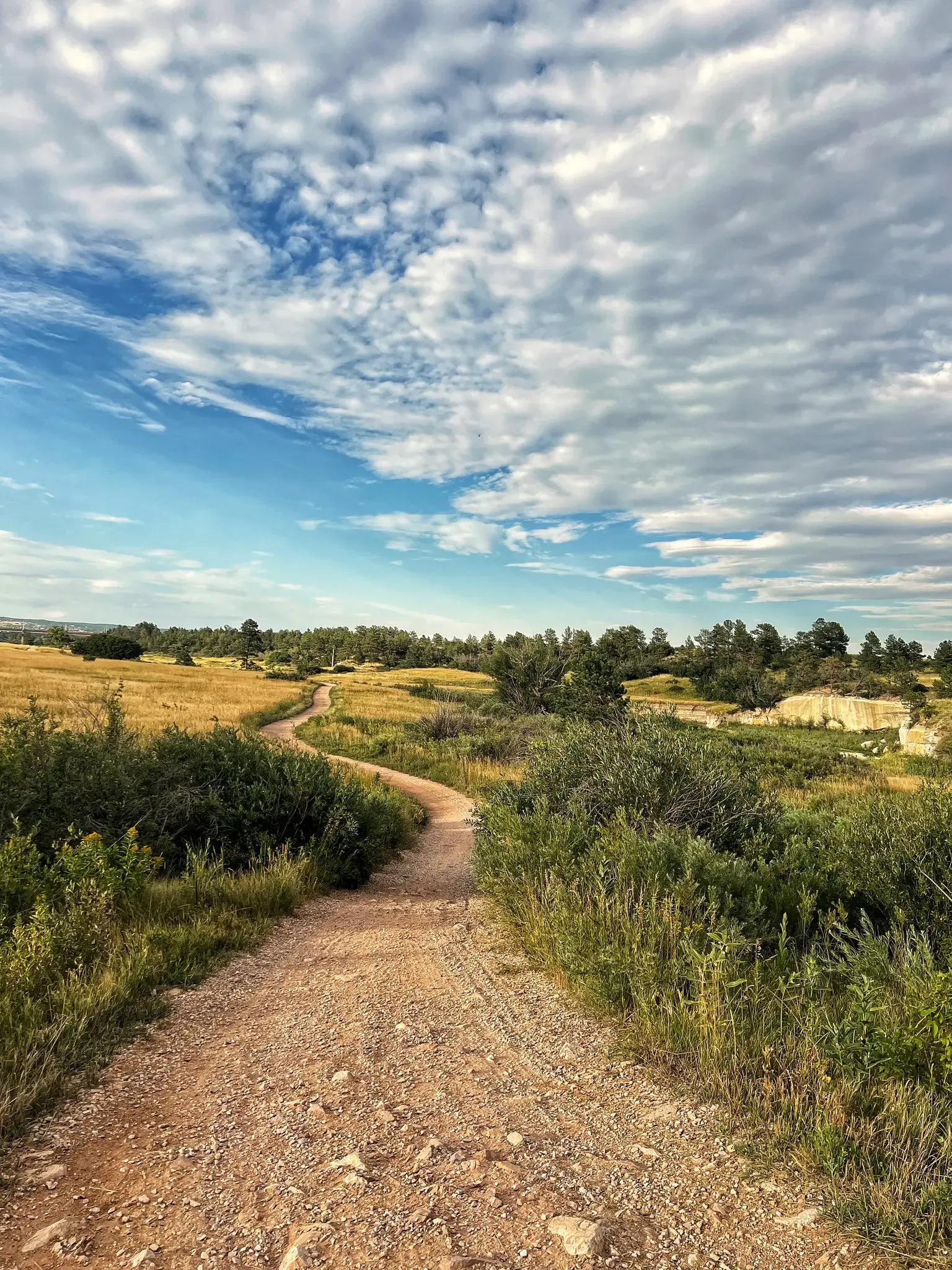
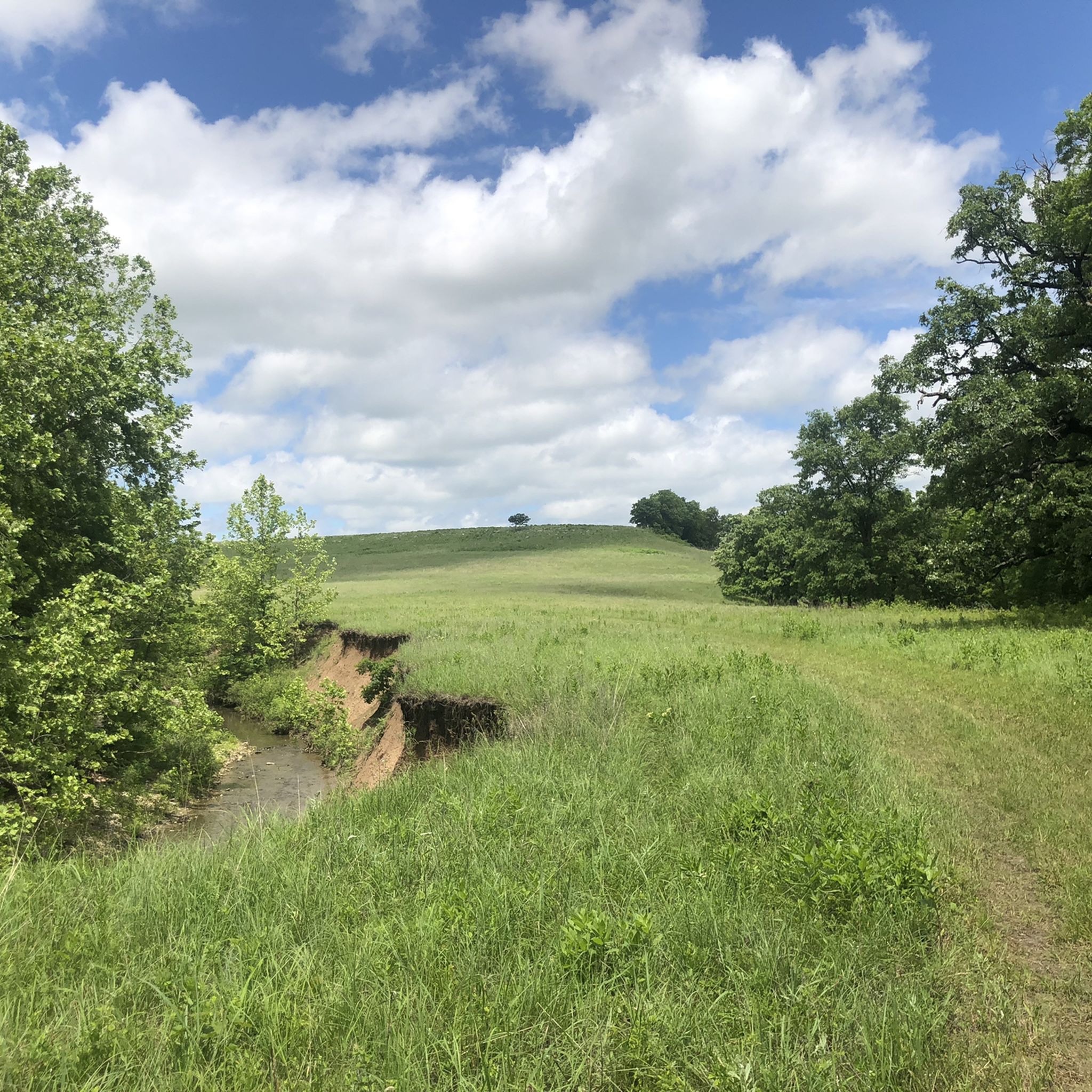
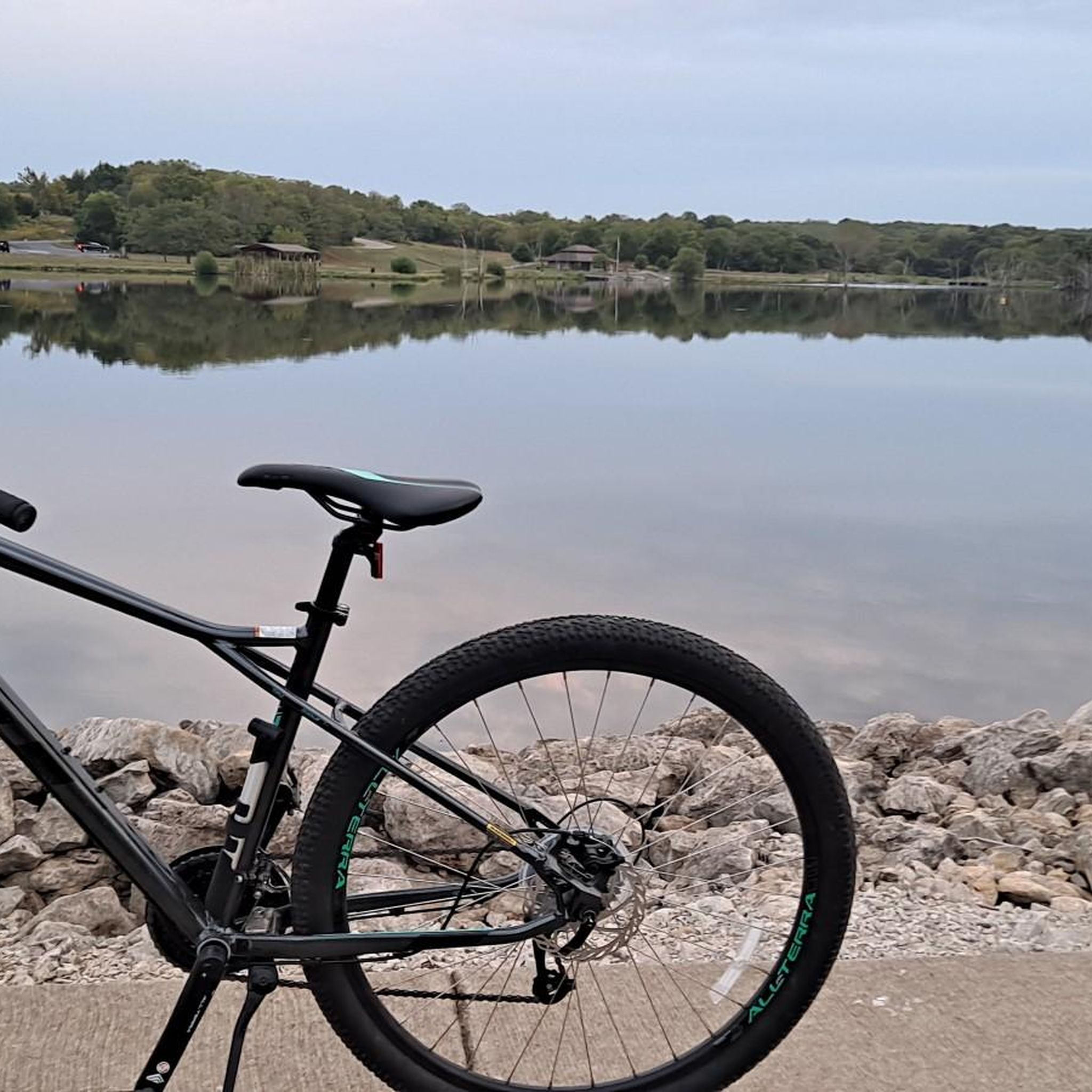
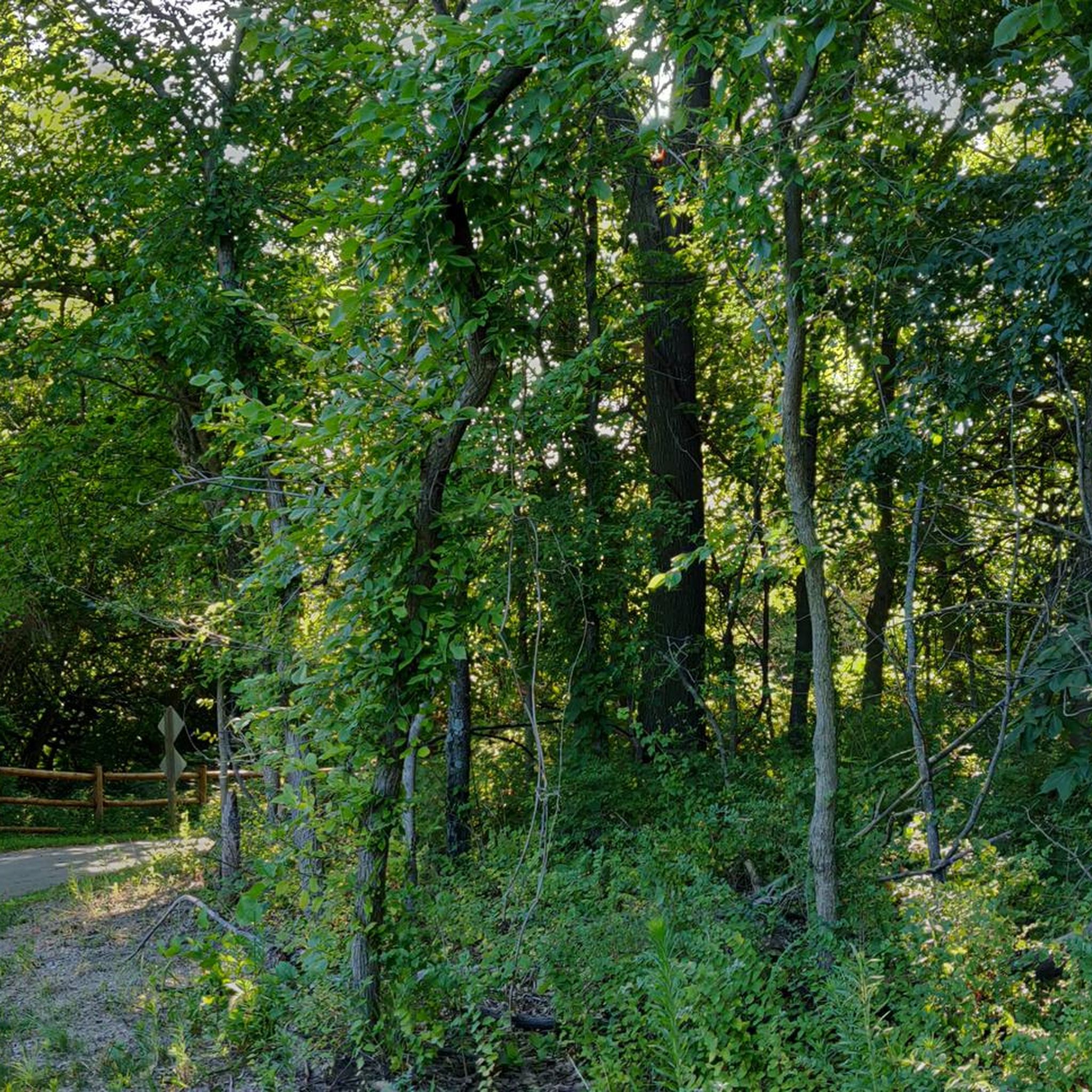


Tips from the Community

1 of the smallest state parks in Kansas but it has very unique rock formations worth a stop and a hike Some nice informative signs
2
0

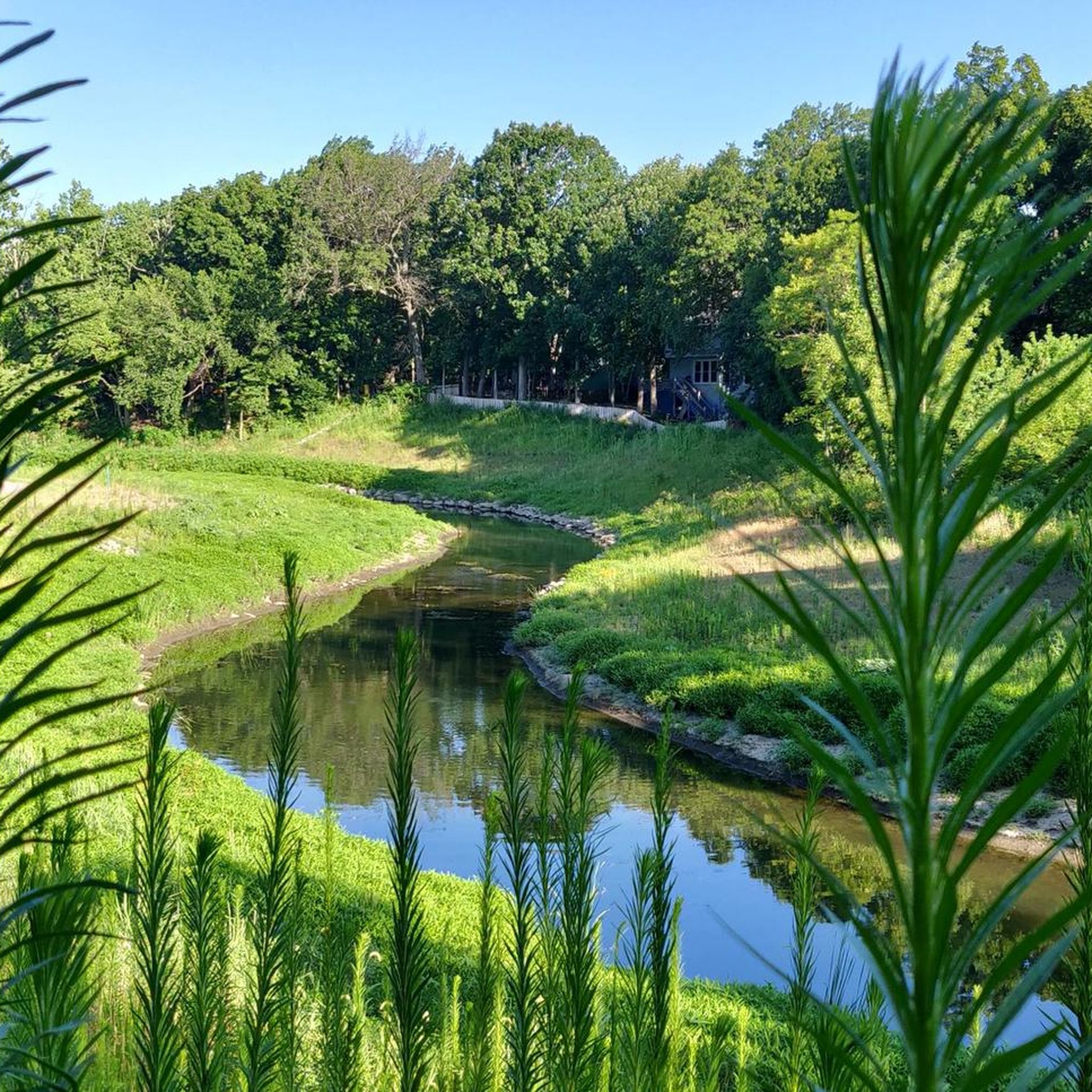
The Overland Park Arboretum and Botanical Gardens is a 300 acre park with miles of trails, lovely gardens and a sculpture park. You will also find ponds, an open prairie and a playground.
1
0

Explore Corporate Woods Park, a 200-acre urban oasis. This park offers a mix of natural beauty with diverse wildlife, hiking and biking trails, and family-friendly amenities. Don't miss the outdoor sculptures, including the iconic "Corporate Woods Totem Pole" by artist Jon Barlow Hudson. This former corporate office park has a fascinating history, including a lake that was once a limestone quarry. Enjoy the blend of nature, art, and history at Corporate Woods Park.
0
0

In Red Rocks Canyon you will find a maze of formations of red sandstone emerging from the prairie canyon.
0
0
From Point of Rocks you look out upon the shallow river valley of the Cimarron National Grassland. Panoramic views of forests, grasslands, and stout red cliff formations await you from the lookout, where a circle of signboards explains the natural history of the landscape.
0
0
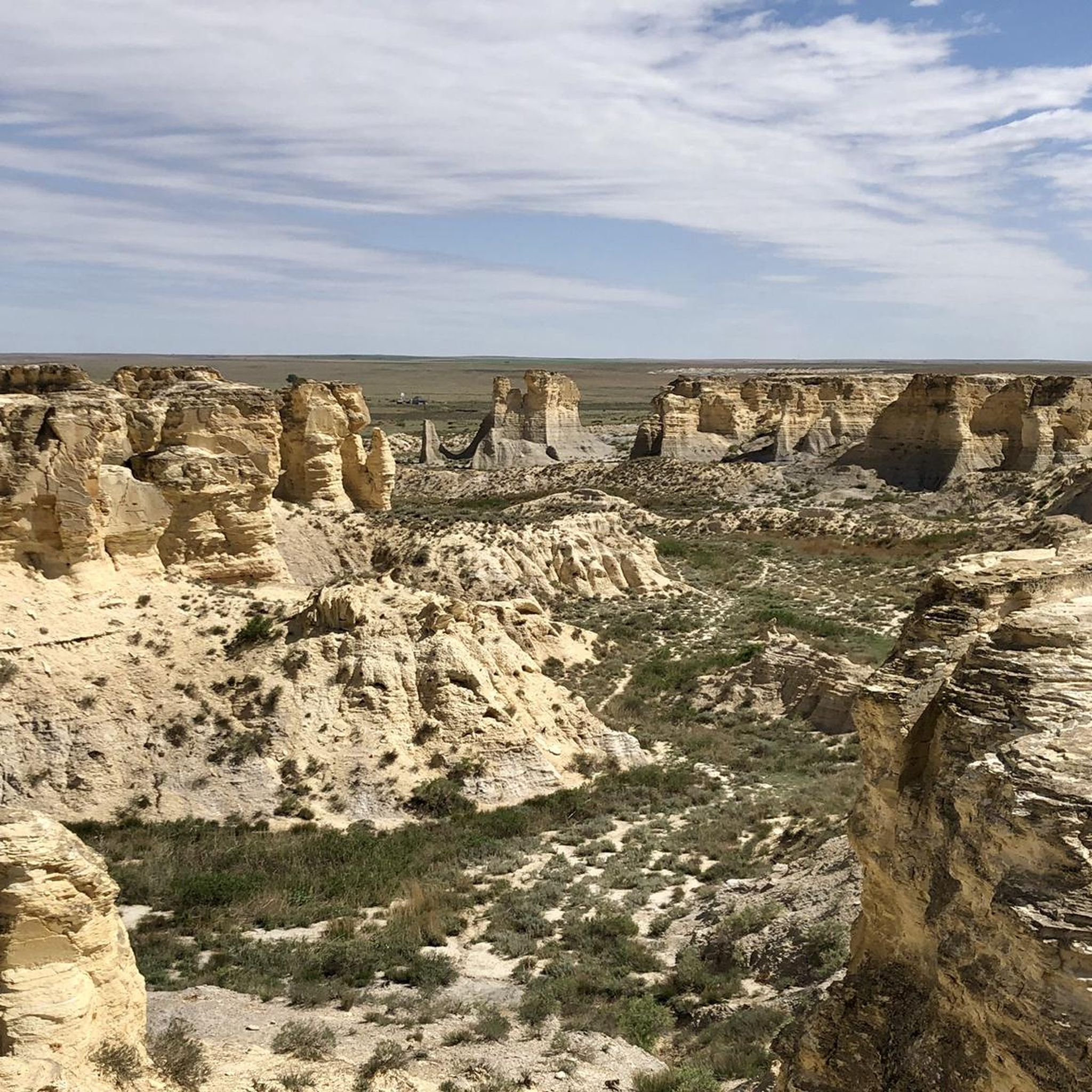
The Life on the Rocks Trail takes you deeper into the badlands to a number of scenic overlooks. The exposed Niobrara Chalk forms hundred foot cliffs and spires that make for a unique hiking experience.
0
0
The Overlook Trail takes you along a flat path up on a ridge above the badlands, sporting spectacular views down into the park. The trail ends in an overlook with a bench. Informative signboards that line the trail from the parking lot to the overlook tell of the ecology and geology of the badlands.
0
0
Elk City Lake, or Elk City Reservoir, is dammed at its northern end where the Elk River Trail reaches its eastern terminus. The lake features six trails, two of which are nationally designated, and Elk City State park runs along its eastern coast.
0
0
Frequently Asked Questions
What are some unique geological formations to explore in Kansas?
Kansas offers a variety of unique geological formations. You can visit Castle Rock, known for its magnificent chalk pillars sculpted by erosion, or the towering chalk formations of Monument Rocks, also called the Chalk Pyramids, which rise unexpectedly from the plains. Another intriguing site is Rock City, featuring a cluster of large, spherical sandstone concretions, some up to 27 feet in diameter.
Are there family-friendly natural monuments in Kansas?
Yes, several natural monuments in Kansas are family-friendly. The Overlook Trail at Little Jerusalem Badlands State Park is a great option, offering a flat path with spectacular views and informative signboards. Elk City Lake also features multiple trails suitable for families. Additionally, Corporate Woods Park and Overland Park Arboretum and Botanical Gardens are listed as family-friendly and offer natural beauty.
What kind of wildlife can I expect to see at Kansas's natural monuments?
The natural monuments in Kansas are home to diverse wildlife. At the Tallgrass Prairie National Preserve, you can observe a reintroduced bison herd, along with deer, numerous birds, insects, amphibians, and reptiles. Little Jerusalem Badlands State Park provides a unique habitat for native amphibians, reptiles, and birds like ferruginous hawks and cliff swallows, as well as the Great Plains wild buckwheat plant.
What are the best natural monuments in Kansas for photography?
For stunning photography, the dramatic Niobrara chalk formations at Little Jerusalem Badlands State Park are exceptional, especially when they glow brilliantly in the sunlight. Monument Rocks, with its towering chalk pyramids and the famous 'Keyhole Arch,' offers incredible sunset photo opportunities. The unique red-colored buttes and deep canyons of the Gypsum Hills also provide a distinct and picturesque landscape.
What outdoor activities can I do near these natural monuments?
Many natural monuments offer opportunities for outdoor activities. The Tallgrass Prairie National Preserve has over 40 miles of hiking trails. Near the natural monuments, you can find various cycling and hiking routes. For cycling, explore options like the Gary L. Haller Trail or the Indian Creek Trail, as detailed in the Cycling in Kansas guide. For hiking, consider easy trails like the Heritage Lake Trail, found in the Easy hikes in Kansas guide.
Where can I find impressive chalk formations in Kansas?
Kansas is renowned for its chalk formations. Beyond Monument Rocks and Castle Rock, you can explore Little Jerusalem Badlands State Park, which features a mile-long stretch of 100-foot-tall spires and cliffs of eroded Niobrara Chalk. The Life on the Rocks Trail takes you deeper into these badlands for a unique hiking experience among the chalk formations.
What is the significance of the Elk River Stone Shelves?
The Elk River Stone Shelves are a natural monument featuring layered sedimentary rock formations. These formations are significant because they provide evidence of an ancient inland sea that covered the American Midwest during the Cretaceous Period, formed by sediment falling to the ocean floor.
Are there any natural monuments in Kansas with historical or cultural significance?
Yes, some natural monuments also hold historical or cultural significance. The Tallgrass Prairie National Preserve not only protects a vital ecosystem but also preserves cultural history with the restoration of the 1881 Spring Hill Farm and Stock Ranch. Big Basin Prairie Preserve, a National Natural Landmark, once served as a camping site for travelers and a watering hole for cattle in the 1870s.
What is the best time to visit the natural monuments in Kansas?
The best time to visit Kansas's natural monuments generally depends on the specific site and your preferred activities. Spring and fall often offer milder temperatures, making hiking and exploration more comfortable. These seasons also bring vibrant colors to the prairies and badlands. Summer can be hot, especially in exposed areas like the chalk formations, while winter can offer a stark, unique beauty, though some facilities or trails might be less accessible.
What kind of terrain can I expect at the natural monuments?
The terrain varies significantly across Kansas's natural monuments. At sites like Monument Rocks and Castle Rock, you'll find towering chalk spires and buttes rising from relatively flat plains. Little Jerusalem Badlands State Park features fragile badlands with 100-foot-tall spires and cliffs. The Tallgrass Prairie National Preserve offers rolling hills and valleys covered in tall grasses. The Gypsum Hills present a distinct landscape of red-colored buttes, flat mesas, and deep canyons, resembling parts of Oklahoma or New Mexico.
Are there any natural monuments in Kansas that are less well-known but worth visiting?
While many visitors flock to the more famous chalk formations, the Red Rocks Canyon offers a unique experience with its canyon and gorge features. Another less-known but intriguing spot is Point of Rocks, which provides a scenic viewpoint and a different perspective on Kansas's natural beauty.
Most popular routes in Kansas
Most popular attractions in Kansas

Get inspired with the komoot mobile app


Explore more
Extend your search for the best caves by checking out these guides of the top ones in Kansas:
