Top 20 Natural Monuments in Spree-Neiße
Natural monuments in Spree-Neiße feature diverse geological formations and ecosystems, shaped by ancient natural processes and human interaction. The region includes significant wetland areas like the Peitzer Teiche, extensive forests, and unique ice age landscapes such as the Muskauer Faltenbogen UNESCO Global Geopark. These areas offer insights into the district's natural history and provide varied environments for exploration. Spree-Neiße is known for its lakes, rivers, and historical parks, offering a variety of natural monuments to see and explore.
Best natural…
Last updated: July 9, 2026
Spremberg Reservoir (Spremberg Dam)
Highlight • Lake
Translated by Google •
Tip by

Willow dome in the medicinal and spice plant garden Burg im Spreewald
Highlight • Structure
de.wikipedia.org/wiki/Weidendom_Schlepzig
Translated by Google •
Tip by

Sign up now to discover places like this
Get recommendations on the best single tracks, peaks, & plenty of other exciting outdoor places.
Sign up for free
Burg Spa and Legends Park (Spreewald)
Highlight • Natural Monument
Translated by Google •
Tip by

Hauptspree Canal in Spreewald
Highlight • River
Translated by Google •
Tip by

Reuthen Manor Park
Highlight • Natural Monument
Translated by Google •
Tip by

Peitz Pond Landscape with Hammergraben
Highlight • Lake
Translated by Google •
Tip by

Reicherskreuzer Heide
Highlight • Natural
Translated by Google •
Tip by

East German Rose Garden
Highlight • Natural Monument
Translated by Google •
Tip by

Schwarze Grube Nature Reserve
Highlight • Forest
Translated by Google •
Tip by
Weidenburg Arena Salix, Schlepzig
Highlight • Monument
Translated by Google •
Tip by

Sign up for free to discover even more natural monuments in Spree-Neiße.
Sign up for free
Already have an account?
Start today with a free account
Your next adventure awaits.
Login or Signup
Popular around Spree-Neiße
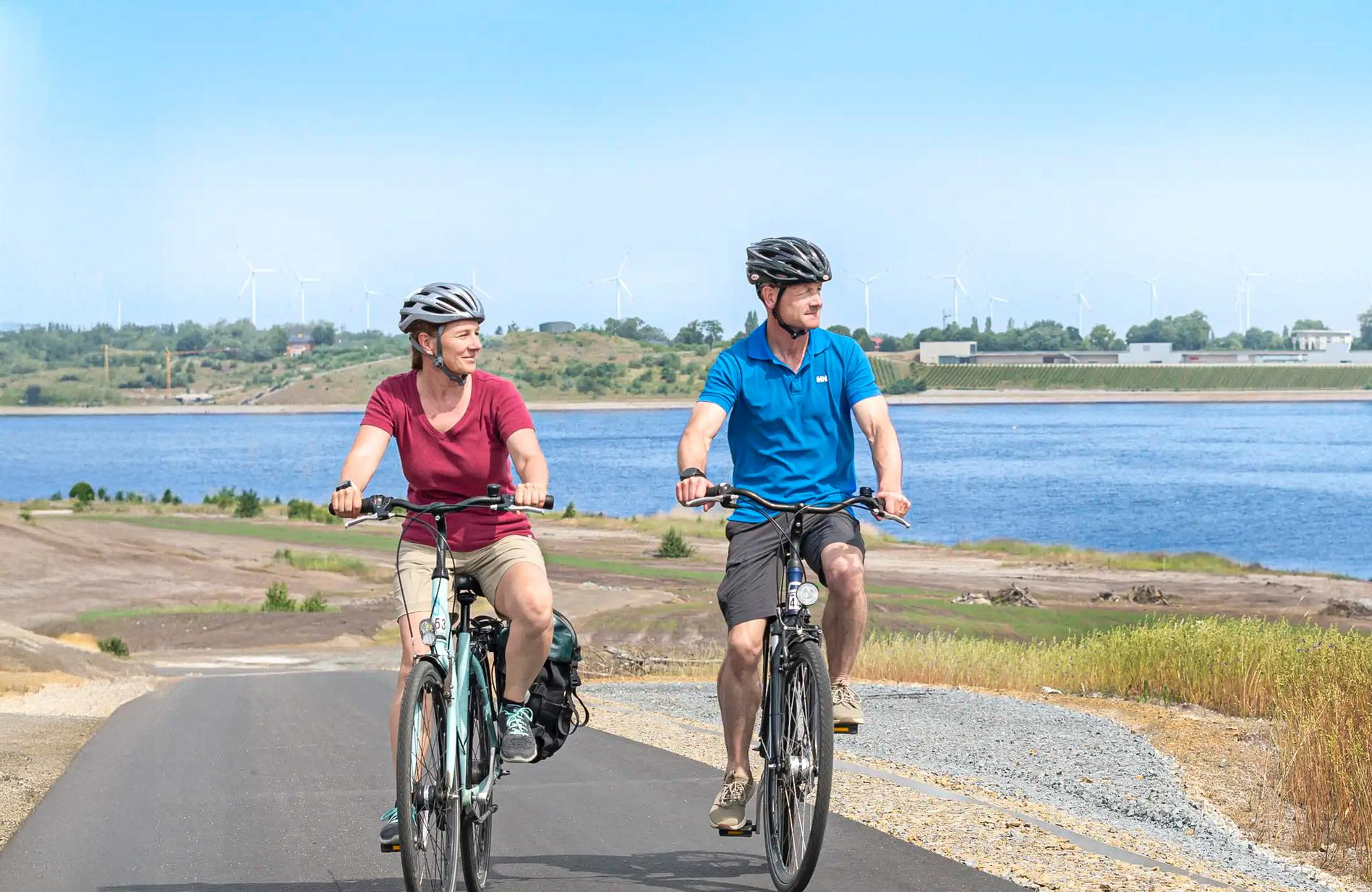
From old villages to new shores – lake circuits in Lusatian Lakeland
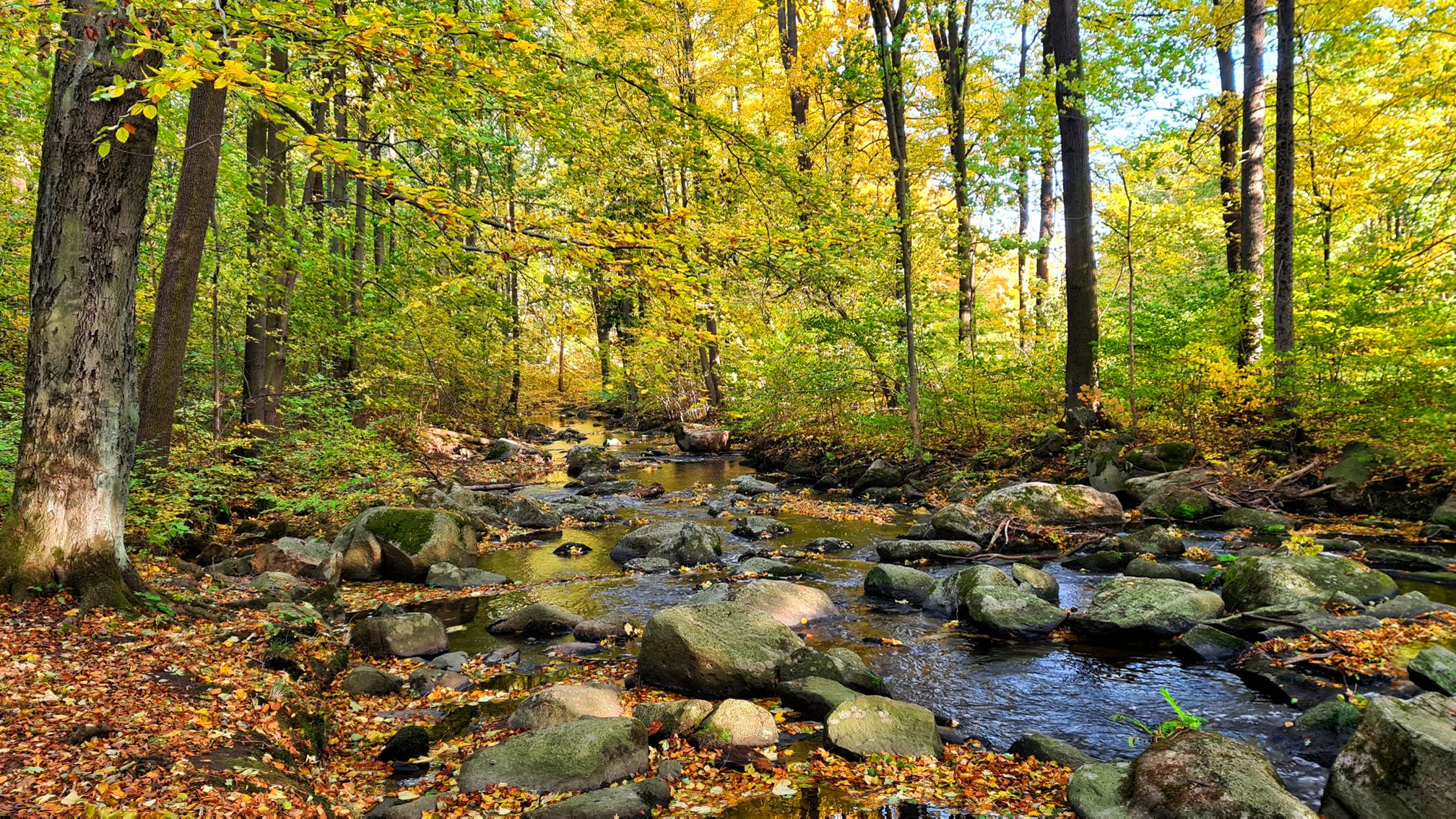
Along Germany’s River Spree from mouth to source
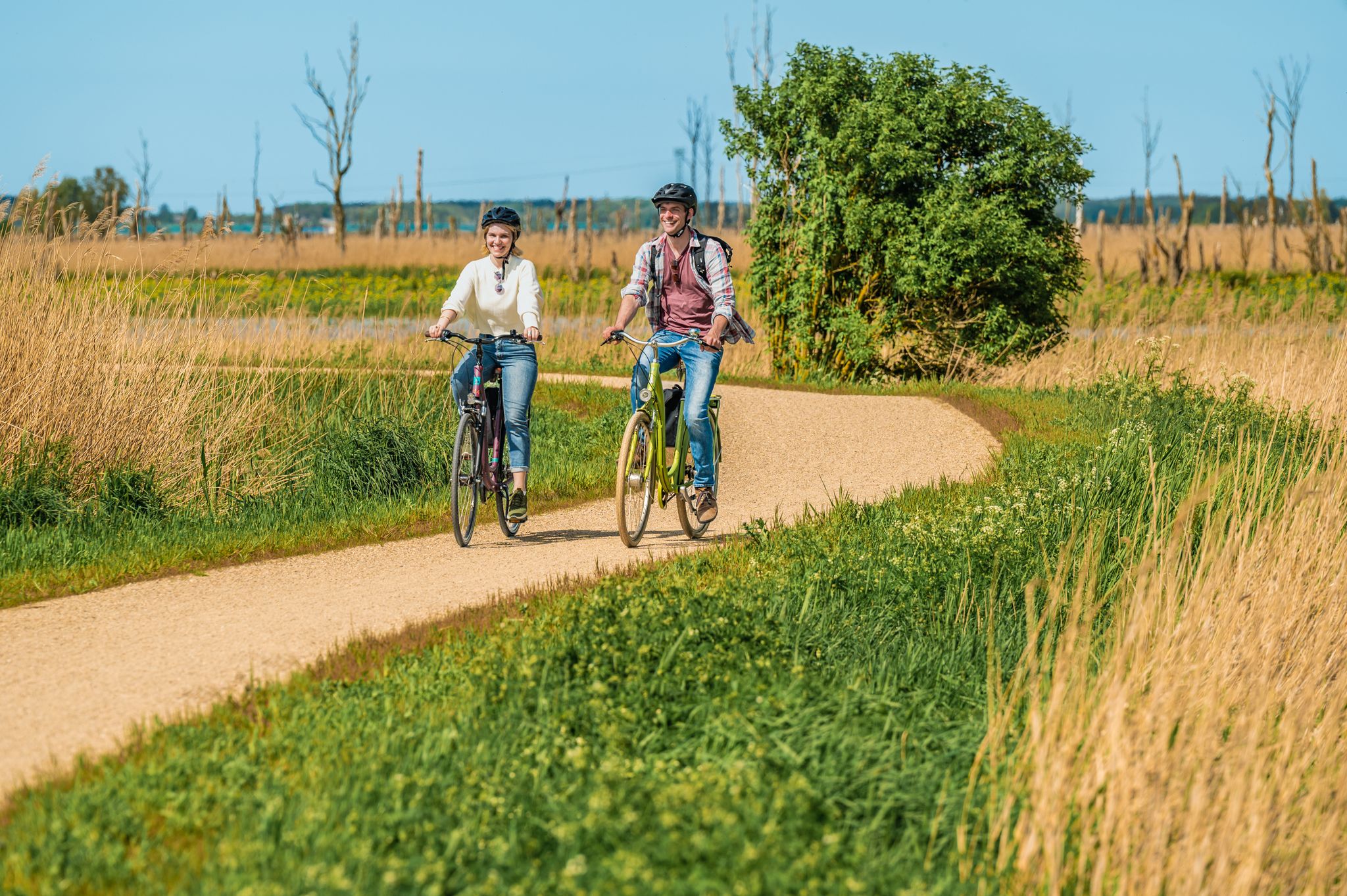
Oder-Neisse Cycle Path – experience nature, discover culture!
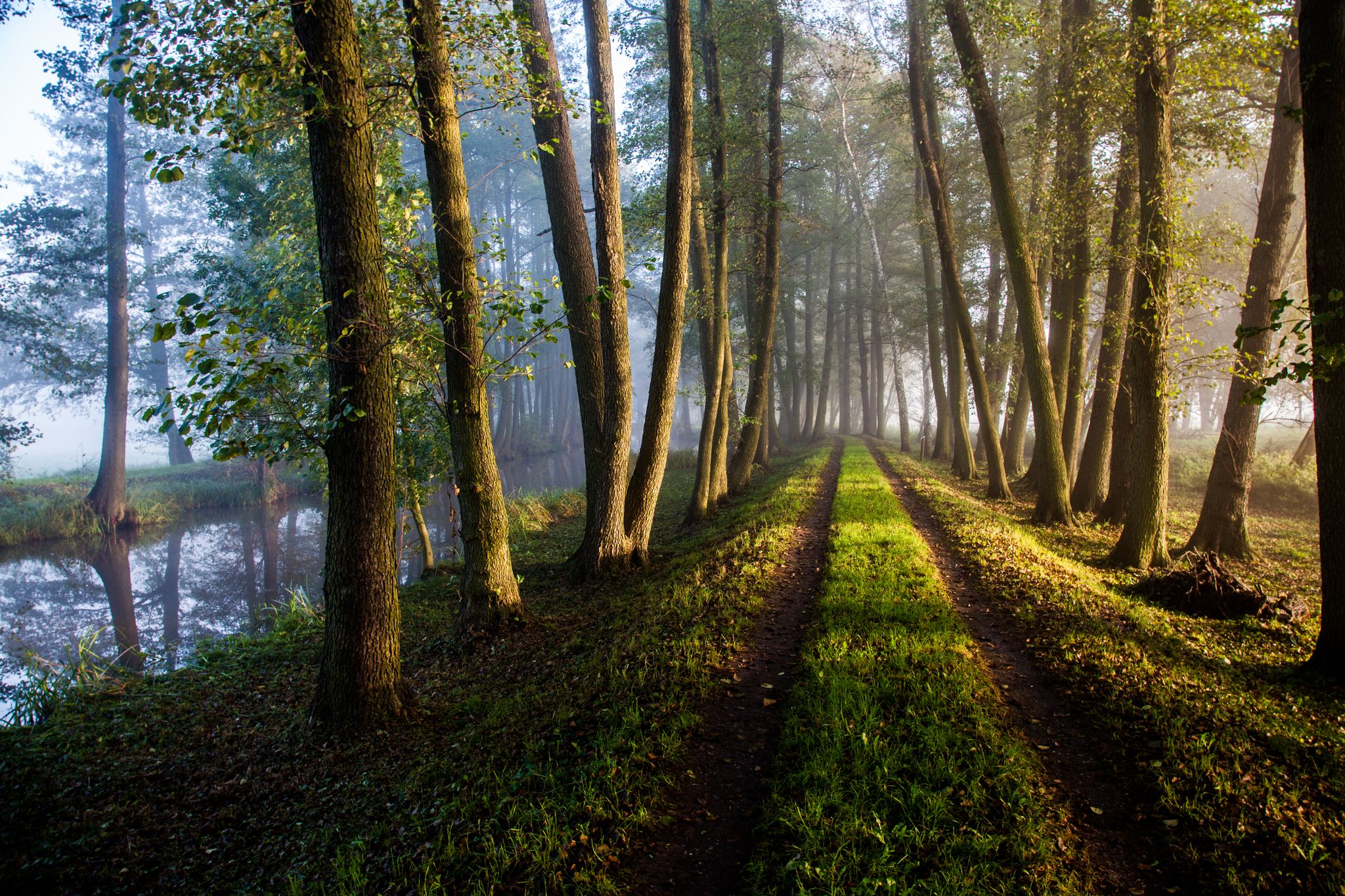
On the hunt for gherkins in the Spreewald – Gherkin bike path
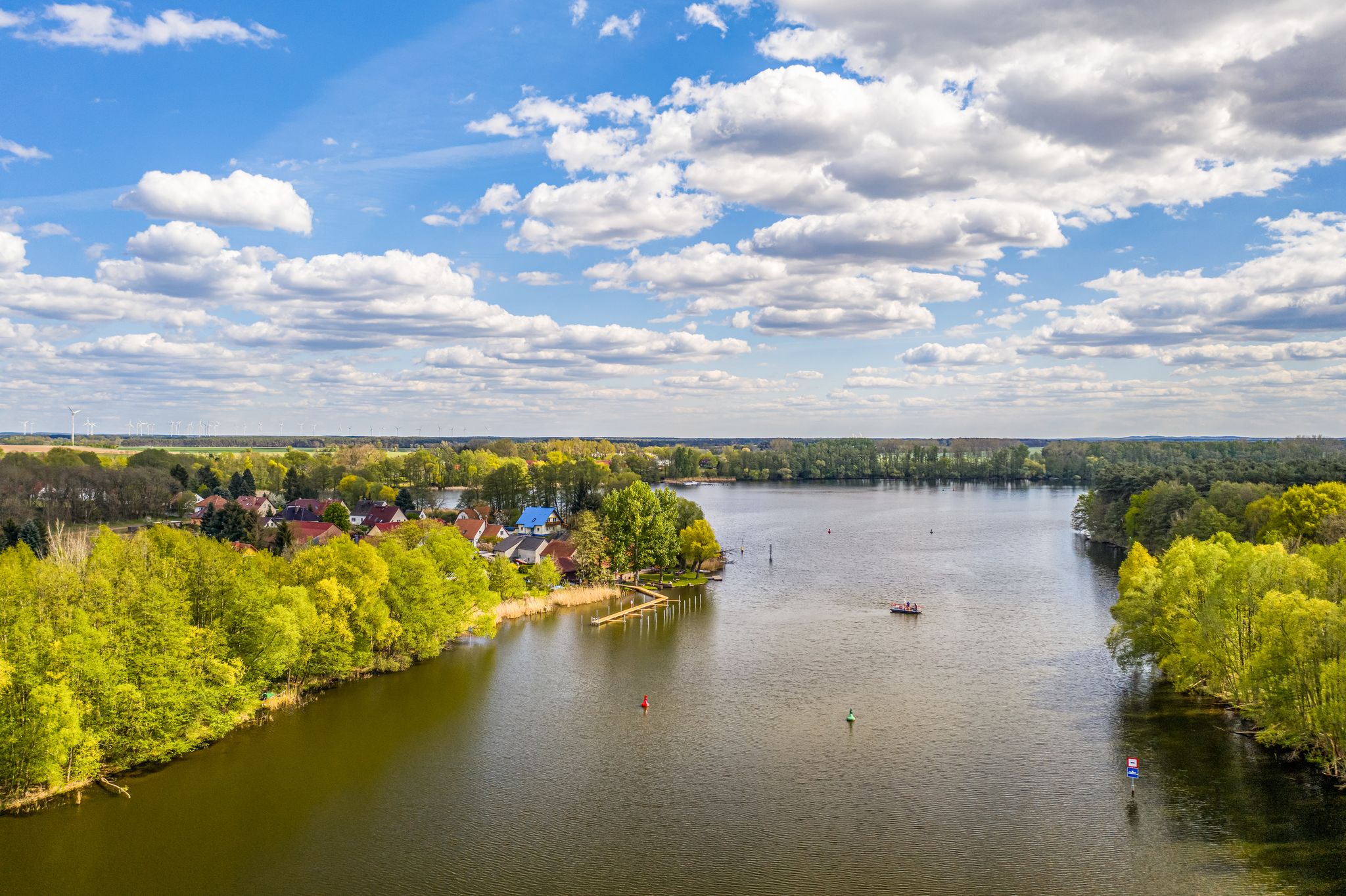
Rivers, lakes, & endless countryside – cycling through Brandenburg
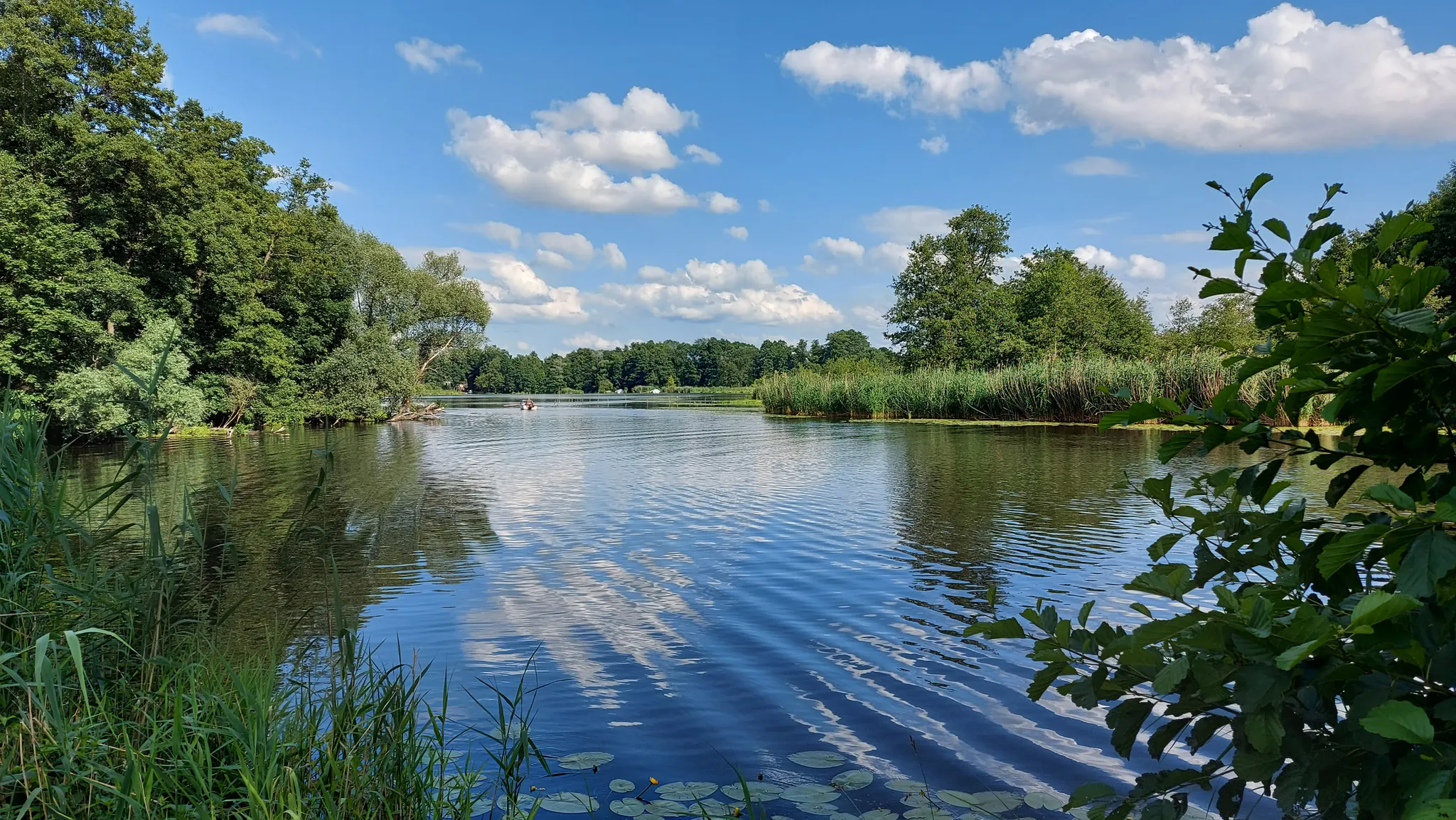
Lakes, gherkins and Sorbs - 6 stages on the Spreeradweg
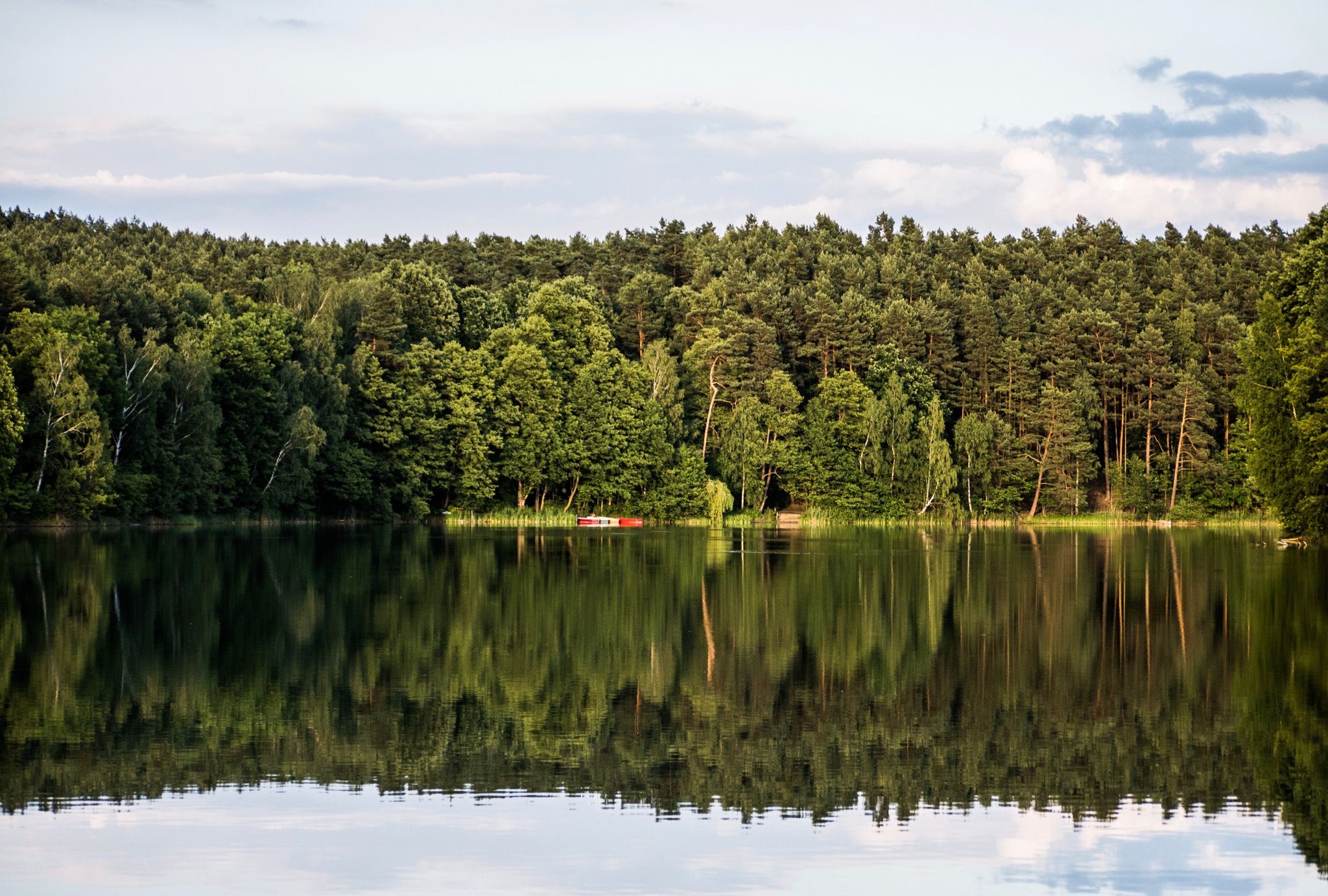
The treasures of Lower Lusatia
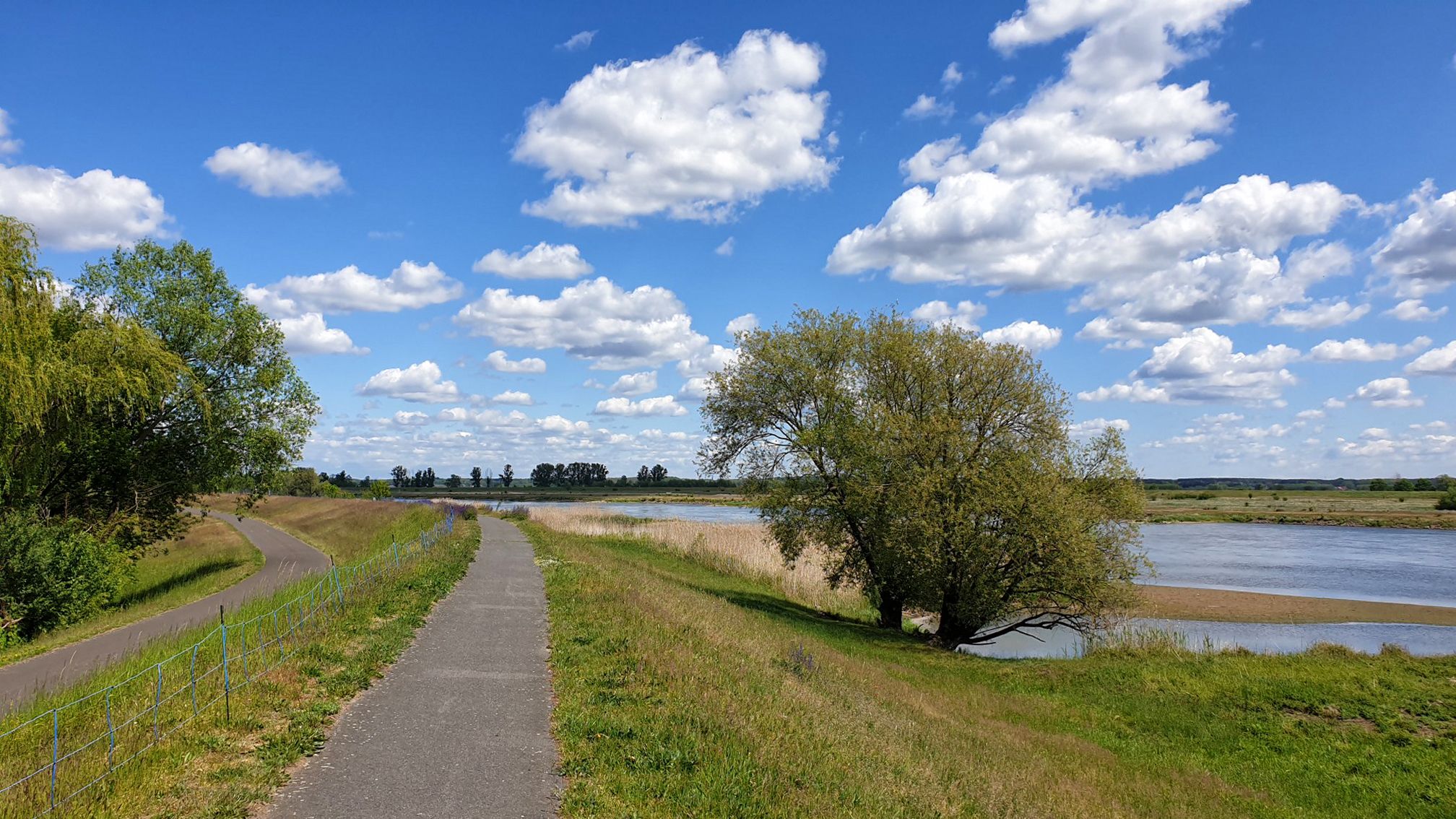
D-Route 12: Oder-Neiße Cycle Route
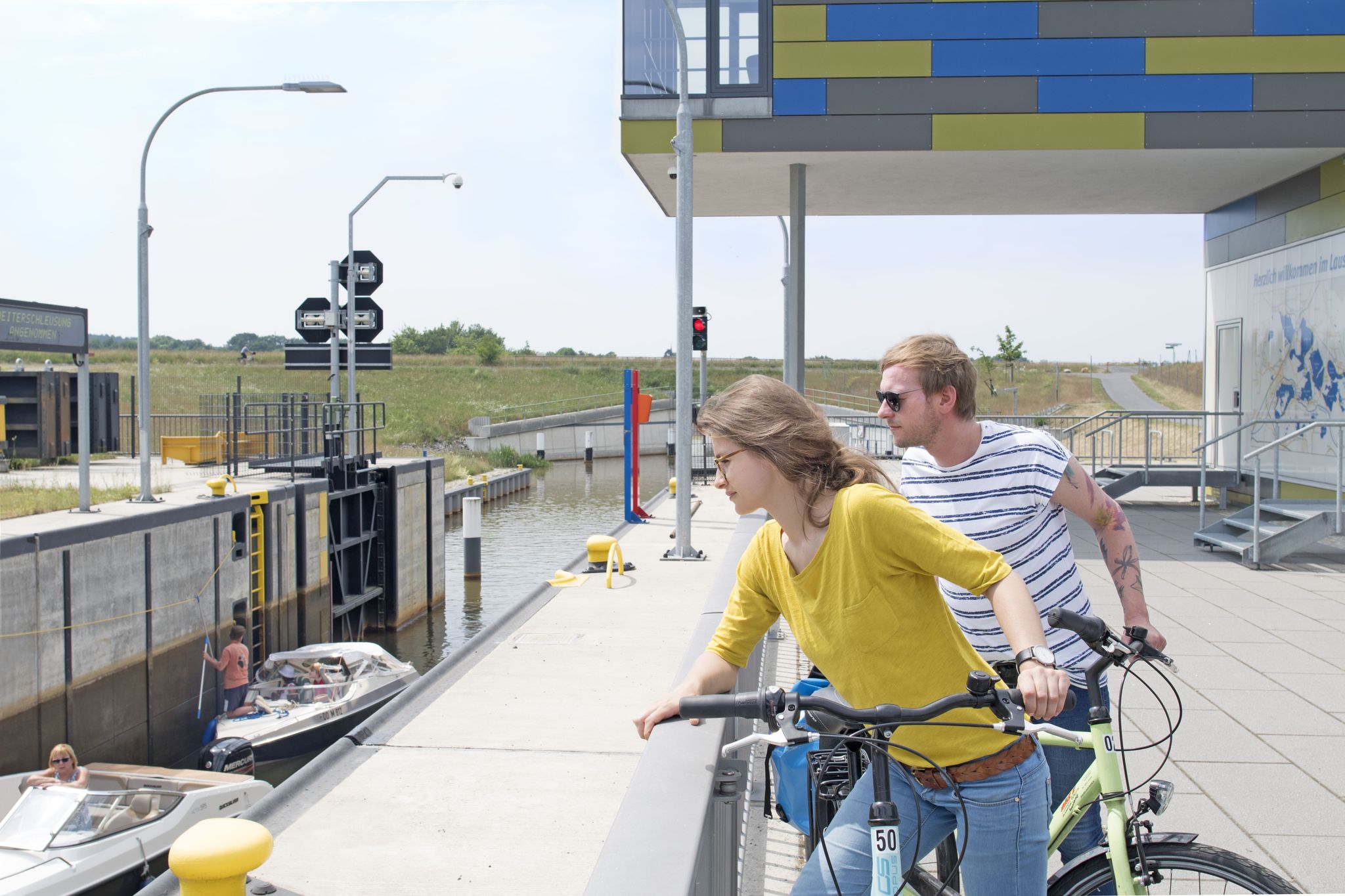
Thematische Tagestouren mit dem Rad durch das Lausitzer Seenland
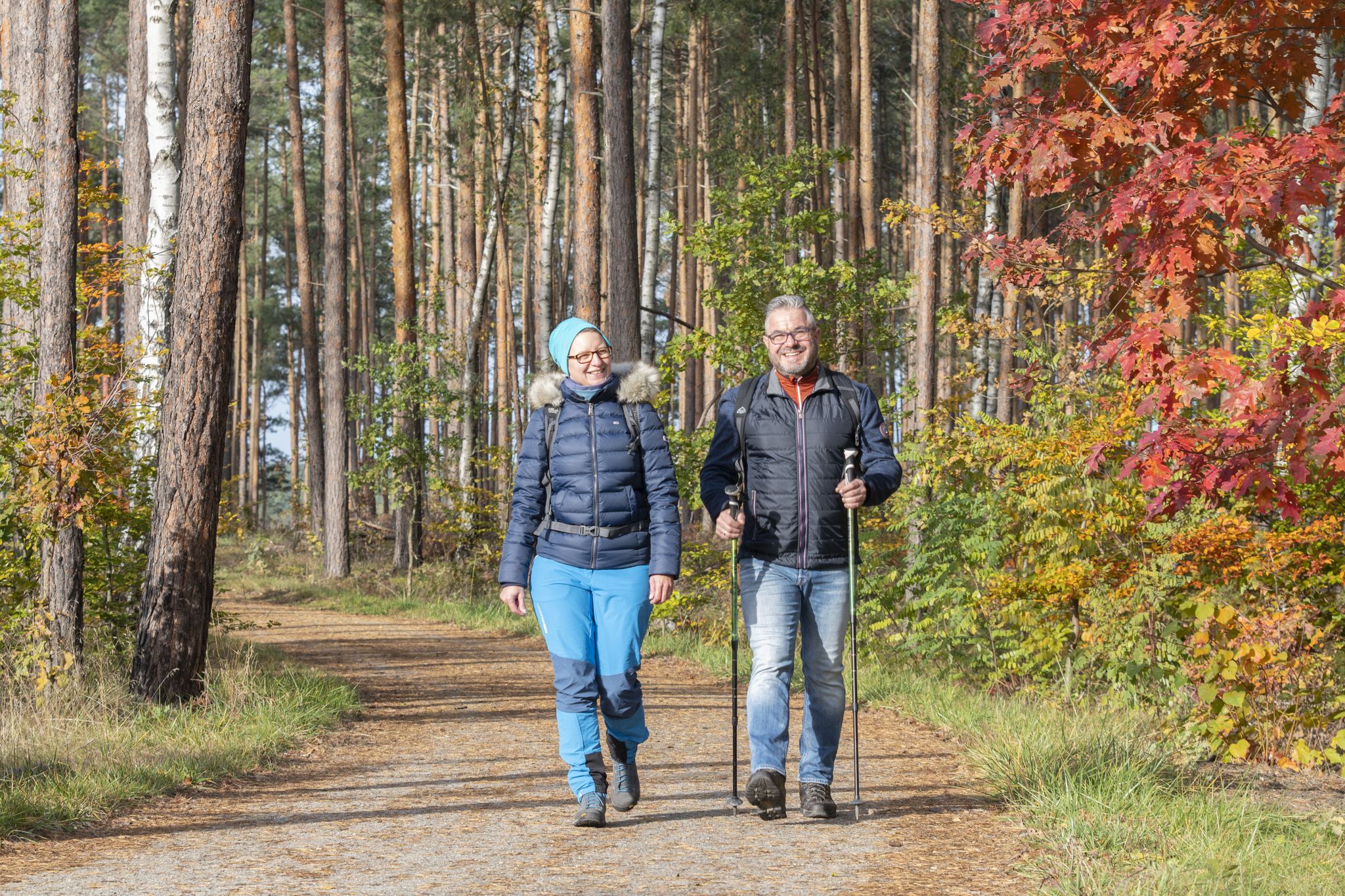
Wandertouren im Lausitzer Seenland
Other adventures in Spree-Neiße


Tips from the Community

Absolute dream to slow down
0
0

Nice place, immediately to the right after the Lebenshilfe🤙
0
0

A small festival ground nestled among woven willow branches.
0
0

In the midst of the countryside, not far from the hustle and bustle of Burg, rises a structure that is more than architecture: The Willow Dome, a walk-in living sculpture made of living willow branches, draws its arches toward the sky. Between the curved walls, the wind gently blows through the foliage, rustling gently as you walk through it or push your bike along the side. Built as part of the "Arena Salix" in the medicinal and aromatic plant garden, the Willow Dome is not a typical tourist destination with a chip shop and selfie point, but rather a place of contemplation. It lives in the rhythm of the seasons – in spring, young shoots sprout, in summer the green roof offers shade, in autumn the foliage glows in golden tones. In winter, the scaffolding rests, but even then, with quiet elegance, it tells the story of growth, change, and craftsmanship. The detour is worthwhile – even for cyclists. The paths are well-maintained, and the surrounding area is spacious, with picnic benches and information signs, but without any frills. If you like, you can combine your visit with a tour of the adjacent nature experience area – including a touch box, a snack patch, and a woodpecker telephone (yes, really!). An experience for the senses – no entry fee, no crowds, just there. Tip for planning your trip: The Willow Dome is ideally located on the edge of Burg and is easily accessible from the Gurkenradweg (cucumber cycle path). If you arrive early in the day, you often have it all to yourself – and can simply stand still among the living arches. Or as an elderly gentleman at the entrance put it: "You breathe differently in there." There's nothing to add to that.
1
0


Small, well-kept park invites you to take a short break (right next to the cycle path!)
0
0

Nice and sandy, so better take the MTB instead of the gravel
0
0

A lovingly designed little museum. There's something for almost every taste. There's a small section on the history of the town, the history of the ironworks, the history of fishing, the blast furnaces, a mineral and fossil collection, a water section, and a small fishing museum. It's also child-friendly: there are things to try out. There's also an opportunity for meditation and relaxation: watching carp from above.
2
0
Frequently Asked Questions
What unique geological features can I explore in Spree-Neiße's natural monuments?
The region is home to the Muskauer Faltenbogen UNESCO Global Geopark, characterized by its horseshoe-shaped push moraine formed during the Elster Ice Age. This area features colorful mining lakes, dunes, and visible lignite deposits. You can also find inland dunes, such as those in the Muskauer Heide, which are unique wind-formed sand structures from the Ice Age.
Are there natural monuments suitable for families with children?
Yes, several natural monuments are family-friendly. The Spremberg Reservoir offers bathing areas and is a great spot for a day out. The Willow dome in the medicinal and spice plant garden Burg im Spreewald and Burg Spa and Legends Park (Spreewald) provide engaging natural and cultural experiences. The Muskau Forest Railway within the Geopark also offers scenic journeys that children often enjoy.
Where can I go for birdwatching or wildlife spotting in the region?
The Peitzer Teiche (Peitz Ponds) are an internationally important wintering, breeding, and staging area for numerous species of waterbirds, making them ideal for birdwatching. The Spree River in the Spreewald Biosphere Reserve, with its diverse ecosystems and alder forests, also offers opportunities for wildlife observation.
What kind of hiking trails are available near the natural monuments?
You can find various hiking opportunities. The Muskauer Faltenbogen Geopark has a well-developed network of paths, including a 40-kilometer circular tour. The Peitzer Teiche also offer numerous trails for exploring the pond landscape. For easy hikes, consider routes like the 'Bismarck Tower near Burg' or the 'Spree River Trail' in the Spreewald area. You can find more details on hiking routes in the Easy hikes in Spree-Neiße guide.
Can I cycle through or near the natural monuments in Spree-Neiße?
Absolutely. The Muskauer Faltenbogen Geopark is excellent for cycling, with dedicated paths. The cycle path along the Hammergraben near the Peitzer Teiche offers particularly scenic views. You can explore routes like 'Cycling around the Spremberg reservoir' or the 'Spree Cycle Path loop'. For more cycling options, refer to the Cycling in Spree-Neiße guide or the Gravel biking in Spree-Neiße guide.
What is the Muskauer Faltenbogen UNESCO Global Geopark and why is it significant?
The Muskauer Faltenbogen UNESCO Global Geopark is a transnational German-Polish Geopark known for its horseshoe-shaped push moraine, a unique geological formation from the Elster Ice Age. It's significant for its striking geological heritage, diverse post-mining cultural landscape with colorful lakes, and the blend of natural and human-influenced history.
What are the Peitzer Teiche and what makes them worth visiting?
The Peitzer Teiche (Peitz Ponds) are one of Germany's largest continuous pond areas, established in the 16th century for fish farming. They are worth visiting for their ecological importance as an international habitat for waterbirds and endangered species. The area also offers a blend of natural beauty, historical elements like old mills, and opportunities for hiking and cycling along scenic trails.
Are there any historical or cultural aspects associated with the natural monuments?
Yes, the region's natural monuments often intertwine with history and culture. The Peitzer Teiche reflect centuries of fish farming traditions. The Muskauer Faltenbogen Geopark showcases a post-mining cultural landscape and preserves Sorbian language and traditions. Reuthen Manor Park and the East German Rose Garden are also historical sites with significant natural elements.
What are inland dunes, and where can I find them in Spree-Neiße?
Inland dunes are wind-formed sand structures created over 10,000 years ago during the Ice Age. They are unique geomorphological features that offer a glimpse into the region's ancient history. The Muskauer Heide, located near the Geopark, is Germany's largest inland dune area, with dunes up to 25 meters high, and is part of the Reicherskreuzer Heide nature reserve.
When is the best time of year to visit the natural monuments in Spree-Neiße?
The best time depends on your interests. For general outdoor activities like hiking and cycling, spring and autumn offer pleasant temperatures and beautiful scenery, especially when the rhododendrons are in bloom at Reuthen Manor Park. The East German Rose Garden is particularly charming from October to April, offering a unique perspective outside of peak bloom. Birdwatching at Peitzer Teiche is excellent during migration seasons.
Are there any natural monuments that offer scenic viewpoints?
Yes, several spots provide impressive views. The Spremberg Reservoir is a popular viewpoint. Reuthen Manor Park offers a quiet environment with views of mighty, hundred-year-old trees. Within the Muskauer Faltenbogen Geopark, observation towers like the one at Felixsee provide panoramic views of the unique landscape.
What are some of the most appreciated natural monuments by visitors?
Visitors highly appreciate the Spree River in the Spreewald Biosphere Reserve for its unique landscape and charm. The Reuthen Manor Park is loved for its quiet atmosphere and impressive old trees. The East German Rose Garden is also a favorite, praised for its beautiful landscaping and relaxing environment.
Most popular routes in Spree-Neiße
Most popular attractions in Spree-Neiße

Get inspired with the komoot mobile app


Didn’t find what you were looking for?
Find even more amazing natural monuments in Spree-Neiße by checking out the top Highlights region by region:
Explore more
Extend your search for the best caves by checking out these guides of the top ones in Spree-Neiße:
