Top 3 Caves around Szklarska Poręba
Caves around Szklarska Poręba offer insights into the region's geological history and mining heritage. Szklarska Poręba is situated in the Karkonosze Mountains of Poland, known for its natural landscapes. The area features various cave-like formations, including those with historical connections to mining activities. These sites provide opportunities to explore both natural and man-made underground structures.
Top caves around Szklarska Poręba
- The most popular caves is Artificial Cave (Pyrite Mine), a historical site that was dug by the Walloons for pyrite mining. These artificial caves vary in size and offer a glimpse into past industrial activities.
- Another must-see spot is Teufelskammer (Čertova Komora), a natural monument located on the southern slope of Mount Bukova. This half-cave is formed from granite blocks within a basalt outcrop.
- Visitors also love Red Cave (Czerwona Jama), an impressive cave that is located slightly off the main path. Its location requires careful navigation to find, making it a point of interest for explorers.
- Szklarska Poręba is known for both natural and artificial caves, including historical mining tunnels and geological formations. The region offers a variety of underground sites to explore, reflecting its natural and industrial past.
- The caves around Szklarska Poręba are appreciated by the komoot community, with 7 upvotes and 5 photos shared by visitors.
Last updated: October 4, 2026
Teufelskammer (Čertova Komora)
Highlight • Cave
The eerie-looking half-cave made of granite blocks gets its name from the legend that the devil himself taught the blacksmith Andreas Kuntze (*1700 +1766, known as the Blacksmith) his magic tricks here. At night, hammers hitting anvils could often be heard, flashes of hellfire could be seen and sulfur could be smelled. It was said that it could be felt even in the houses of Jiřetín, which were scattered on the slopes of Buková hora. After the death of the blacksmith Kuntze, his spirit wandered through the region for a long time and could not find peace. Only the death of an innocent child could free him from his suffering. This happened in 1863 when the granite slab fell on the son of the woodcutter Augustin Sedlák. The boy was pronounced dead at the scene
Translated by Google •
Tip by

Pyrite Mine Adits
Highlight • Structure
For years, Szklarska Poręba was a place where valuable minerals were sought. One of the largest mining relics in this region are the adits of the former pyrite mine.
Pyrite resembles gold, which is why it was called "fool's gold". The ore from the area around Szklarska Poręba was processed in a local production plant into sulfuric acid. This plant was called a vitriolene, and its name was associated with the doctrine of ancient alchemists.
Translated by Google •
Tip by

Sign up now to discover places like this
Get recommendations on the best single tracks, peaks, & plenty of other exciting outdoor places.
Artificial Cave (Pyrite Mine)
Highlight • Cave
Translated by Google •
Tip by

Abandoned Bunker and Kat Hall 23
Highlight • Structure
There were several mining plants nearby.
Translated by Google •
Tip by

Old Mine Tunnel in Krobica Geopark
Highlight • Cave
Translated by Google •
Tip by

Start today with a free account
Your next adventure awaits.
Popular around Szklarska Poręba
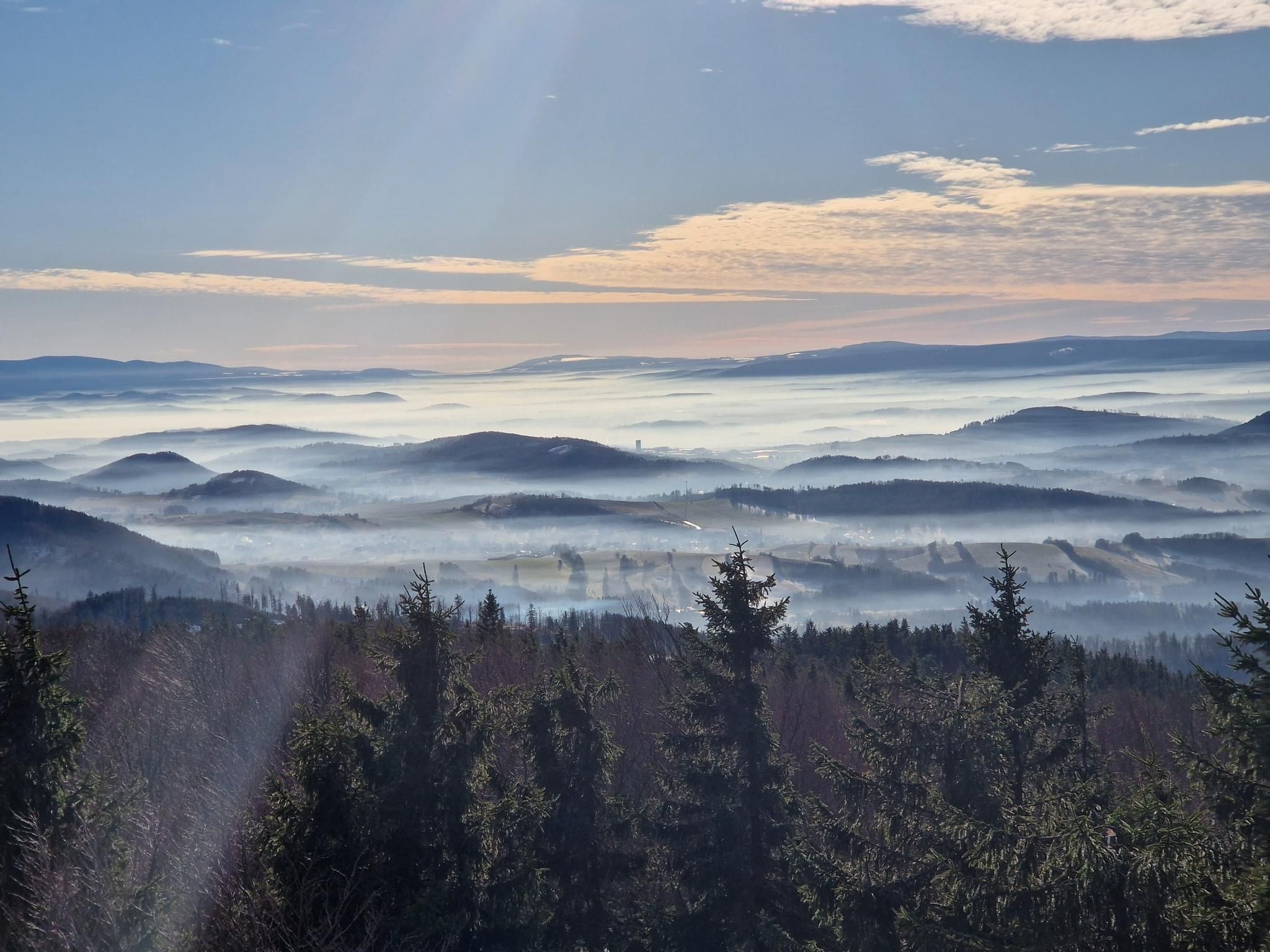
The Main Sudeten Route – a great Polish mountain adventure
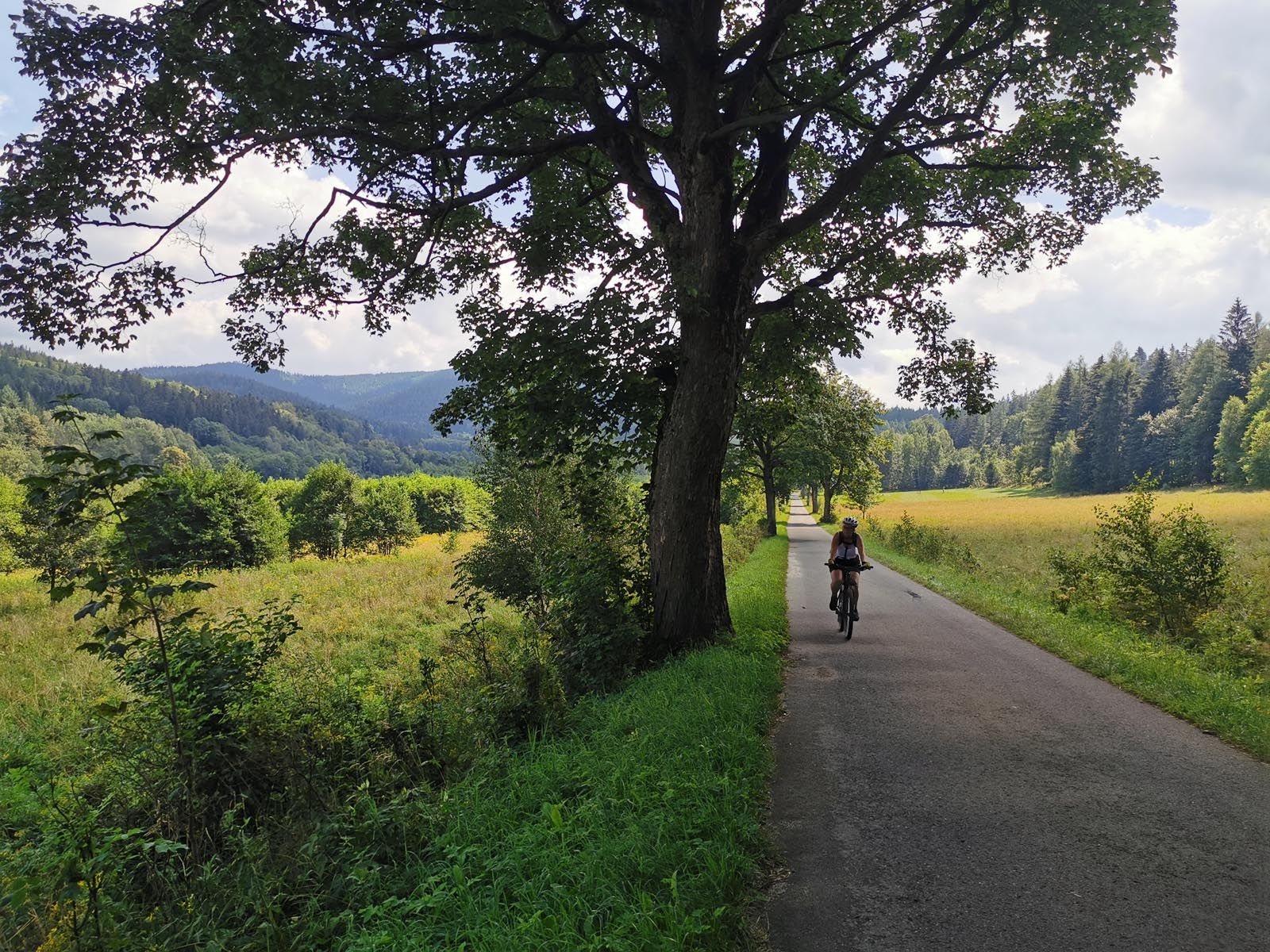
Outdoor Poland Part 3 – Lower Silesia family MTB-tours
Diverse Poland — explore five regions by mountain bike
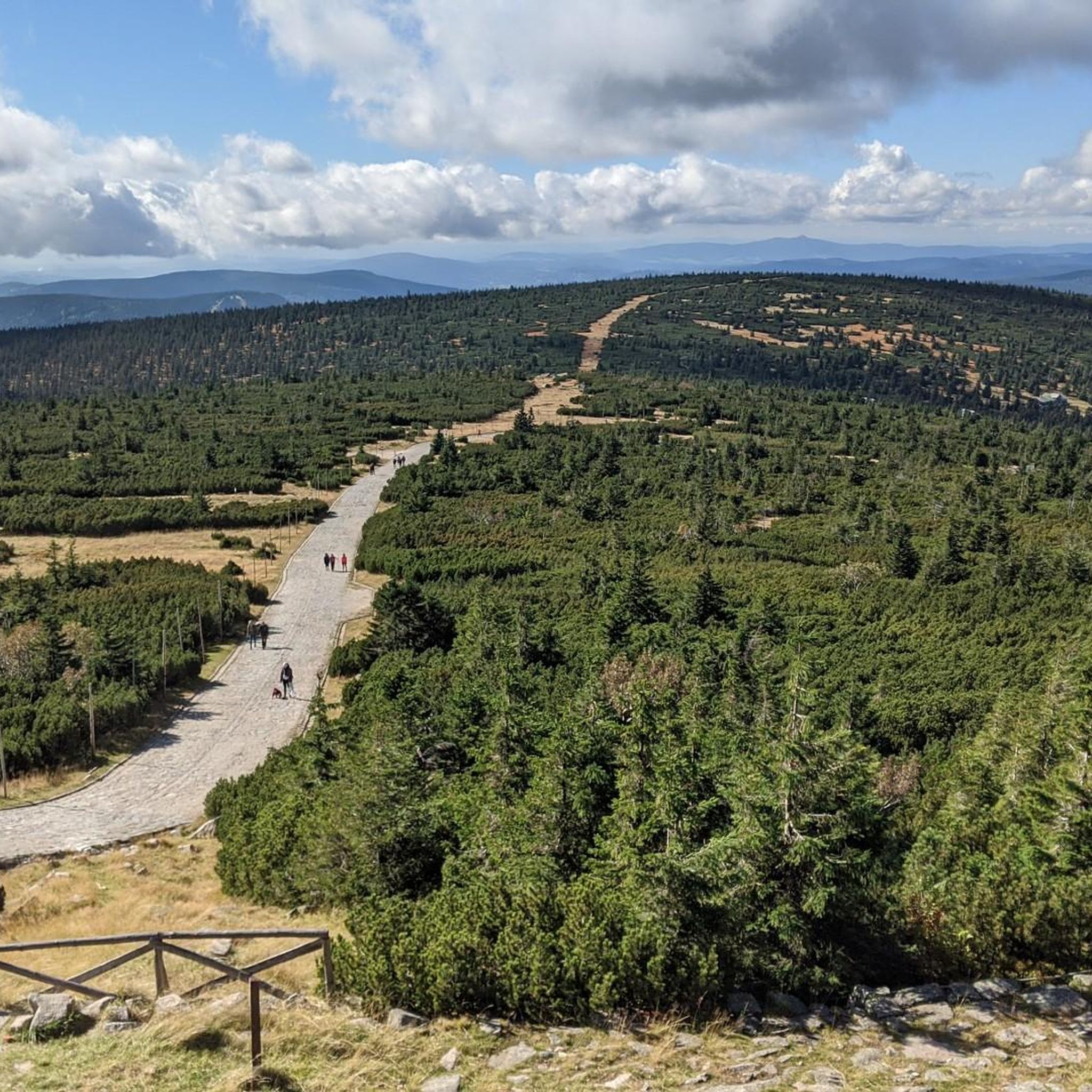
Hiking around Szklarska Poręba
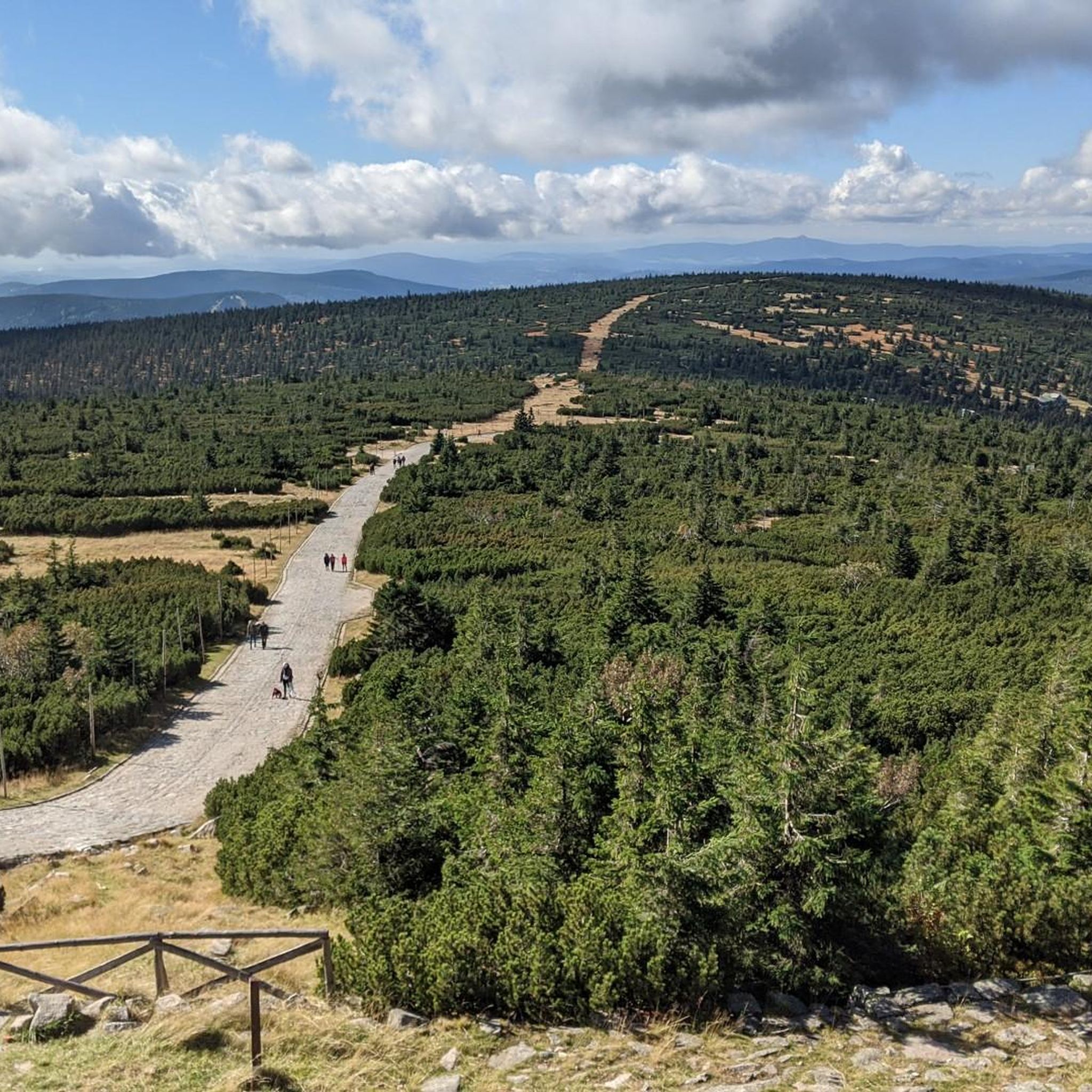
MTB Trails around Szklarska Poręba
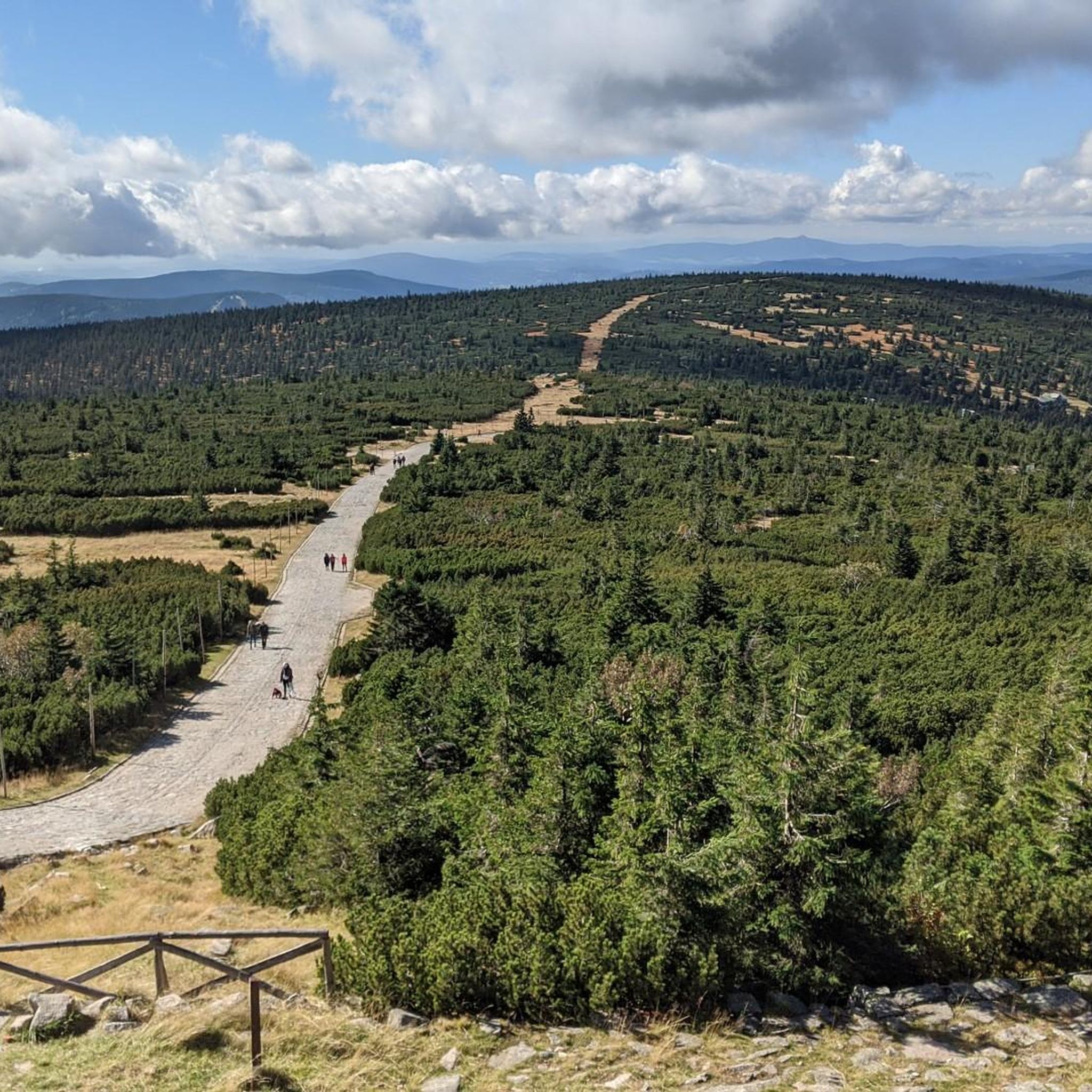
Cycling around Szklarska Poręba
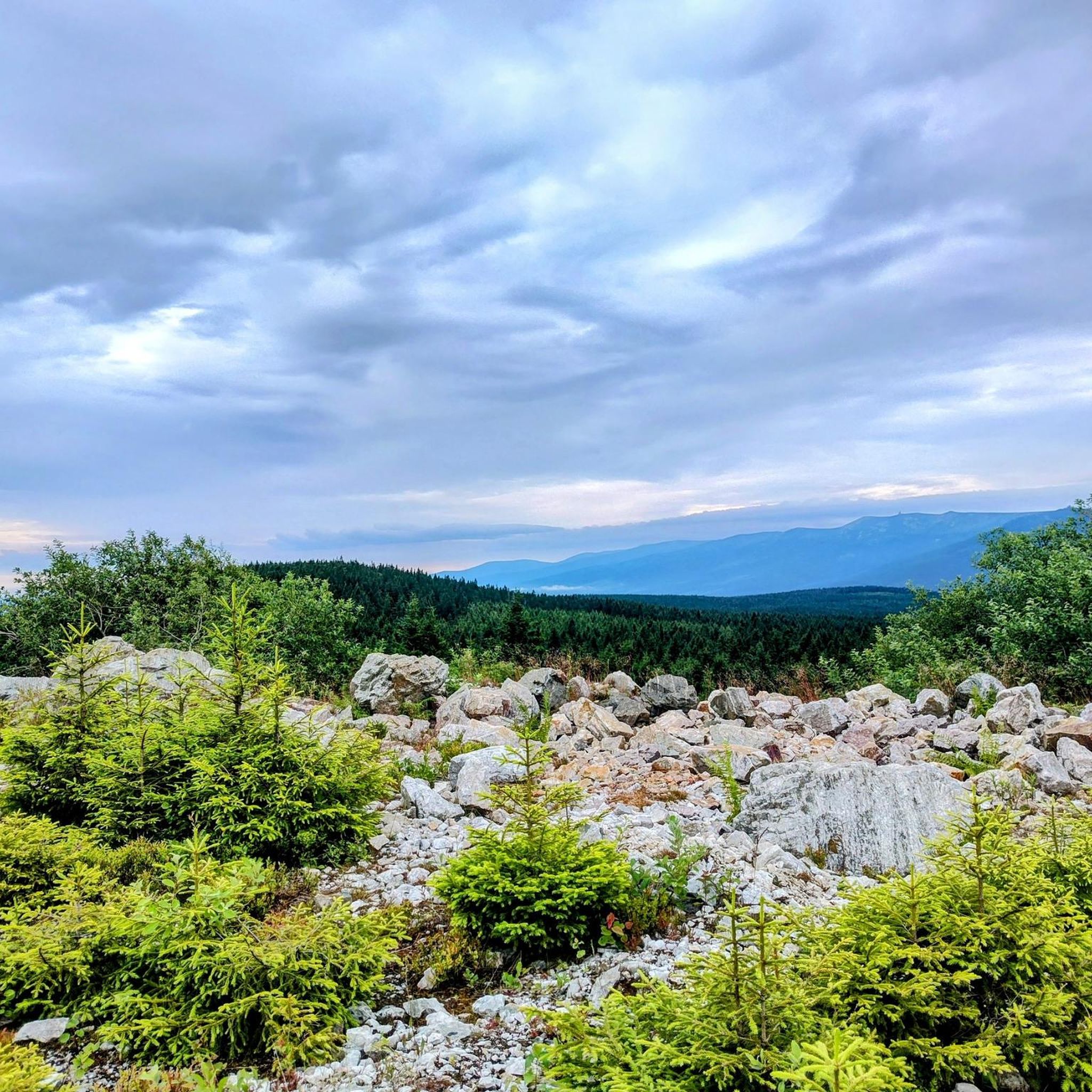
Road Cycling Routes around Szklarska Poręba
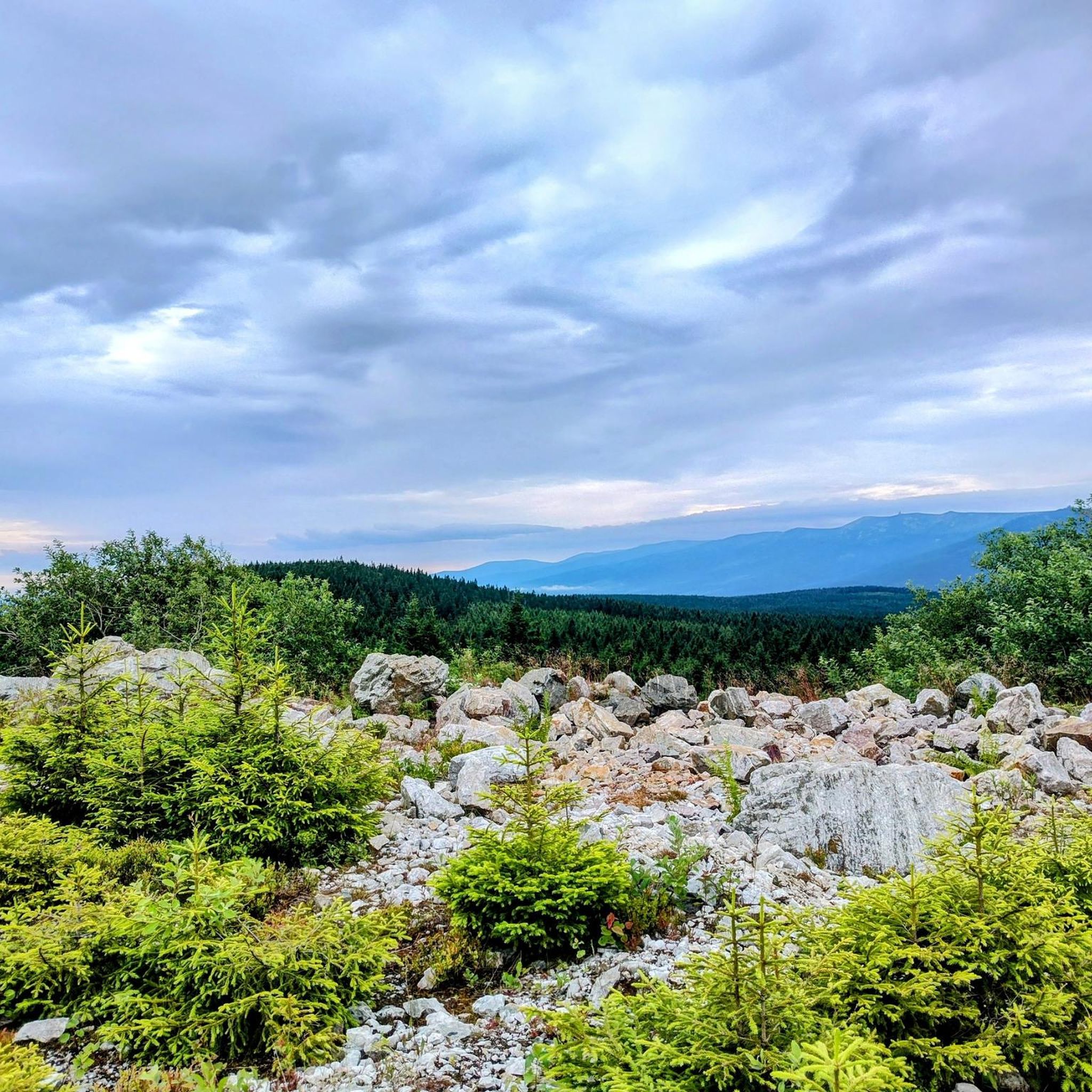
Running Trails around Szklarska Poręba
Mountain Hikes around Szklarska Poręba
Gravel biking around Szklarska Poręba
Other adventures around Szklarska Poręba


Tips from the Community

From the Death Turn, you should go down the black and yellow hiking trails (they run together on this section). After about fifteen minutes, you will reach a place where you should leave the trail and turn right. A narrow path will lead you to a former mine. For years, Szklarska Poręba was a place where valuable minerals were sought. One of the largest mining relics in this region are the adits of the former pyrite mine. Pyrite resembles gold, which is why it was called "fool's gold". The ore from the area around Szklarska Poręba was processed in a local production plant into sulfuric acid. This plant was called a vitriolene, and its name was associated with the doctrine of ancient alchemists.
0
0

The caves are of artificial origin, dug by the Walloons (pyrite mining).
1
0

It's worth taking a quick look.
0
0

The Devil's Chamber is located on the southern slope of Mount Bukova above the village of Jiřetín pod Bukova. It is located in the second most important basalt outcrop in the Jizera Mountains, which was mined here in two quarries. The eerie-looking half-cave made of granite blocks gets its name from the legend that the devil himself taught the blacksmith Andreas Kuntze (*1700 +1766, known as the Blacksmith) his magic tricks here. At night, hammers hitting anvils could often be heard, flashes of hellfire could be seen and sulfur could be smelled. It was said that it could be felt even in the houses of Jiřetín, which were scattered on the slopes of Buková hora. After the death of the blacksmith Kuntze, his spirit wandered through the region for a long time and could not find peace. Only the death of an innocent child could free him from his suffering. This happened in 1863 when the granite slab fell on the son of the woodcutter Augustin Sedlák. The boy was pronounced dead at the scene
2
0

Was certainly intended for the storage of explosives. There were several mining plants nearby.
1
0

There are several caves of different sizes here.
1
0

Guided tour through the tunnel unfortunately only in Polish (5.9.22)
1
0
Very interesting educational trail near Krobica "On the traces of former ore mining". Unfortunately, the information boards are only in Polish. Further information: http://szlakpodziemi.pl/en/project/geopark-in-krobica-en/
0
0
Frequently Asked Questions
What kind of caves can I expect to find around Szklarska Poręba?
The Szklarska Poręba region, nestled in the Karkonosze Mountains, features intriguing cave-like formations that are often linked to historical mining activities rather than extensive natural cave systems. You'll discover artificial caves carved by ancient miners, small geological formations, and historical bunkers.
Are there any historical mining sites or artificial caves to explore?
Yes, the area is rich in historical mining sites. You can explore the Artificial Cave (Pyrite Mine), which was dug by Walloon miners searching for minerals. Another significant site is the Old Mine Tunnel in Krobica Geopark, offering insights into former ore mining. The Golden Cave, located behind Kamieńczyk Falls, is also an artificial creation by Walloon treasure hunters.
What is the most unique cave experience in the area?
The Golden Cave, situated behind the central cascade of the Kamieńczyk Falls, offers a unique experience. It's an artificial cave carved centuries ago by Walloon miners. Its dramatic setting behind the powerful 27-meter waterfall, combined with its historical connection to treasure hunting, makes it a truly distinctive spot. Visitors to the Kamieńczyk Gorge are required to wear protective helmets.
Are there any caves with interesting legends or stories?
Yes, the Teufelskammer (Čertova Komora), or Devil's Chamber, is steeped in local folklore. Legend has it that the devil himself taught a blacksmith his magic tricks here, with tales of hammers hitting anvils and the smell of sulfur emanating from the eerie half-cave.
Can I visit a cave that is a bit off the beaten path?
For those looking for a less crowded spot, the Red Cave (Czerwona Jama) is an impressive cave that is a bit off the main trails. It requires a keen eye to find but is considered well worth the effort by visitors.
Are there any caves that are part of a larger historical complex?
The Abandoned Bunker and Kat Hall 23 is an interesting site that includes a cave-like structure. It was likely intended for storing explosives and is part of a historical area with several former mining plants nearby, offering a glimpse into the region's industrial past.
What outdoor activities can I do near these caves?
The Szklarska Poręba area is excellent for outdoor enthusiasts. You can find numerous hiking trails, including easy hikes and more challenging waterfall hikes. There are also traffic-free bike rides available, allowing you to explore the beautiful Karkonosze Mountains and Izera Loop.
Are there any geological formations or natural caves in the area?
While many 'caves' are artificial, the region does feature natural geological formations. For instance, a small cave can be found within the impressive Rocks of the Crooked Towers, an 18-meter-high group of steeply inclined granite rocks. This cave formed from the exploitation of pegmatite deposits, offering a glimpse into the region's geological history.
What is the best time of year to visit the caves around Szklarska Poręba?
The best time to visit is generally from late spring to early autumn (May to October) when the weather is milder and hiking trails are fully accessible. During these months, you can comfortably explore both the caves and the surrounding natural beauty of the Karkonosze Mountains. Winter visits are possible, but some areas might be less accessible due to snow and ice.
Are there any family-friendly options for exploring caves?
Exploring the Golden Cave at Kamieńczyk Falls can be a family-friendly adventure, especially combined with the scenic waterfall. The Old Mine Tunnel in Krobica Geopark also offers an educational trail, though guided tours are primarily in Polish. Always check accessibility and safety requirements for younger children.
Do I need any special equipment to visit these caves?
For some locations, like the Kamieńczyk Gorge where the Golden Cave is located, protective helmets are required and provided for safety. For other smaller or historical mining sites, comfortable walking shoes are essential, and a flashlight might be useful for better visibility inside darker sections. Always check specific requirements for each site before your visit.
Most popular routes around Szklarska Poręba
Most popular attractions around Szklarska Poręba

Get inspired with the komoot mobile app


Explore more
Extend your search for the best caves by checking out these guides of the top ones around Szklarska Poręba:
