Top 5 Caves around Castillon-Du-Gard
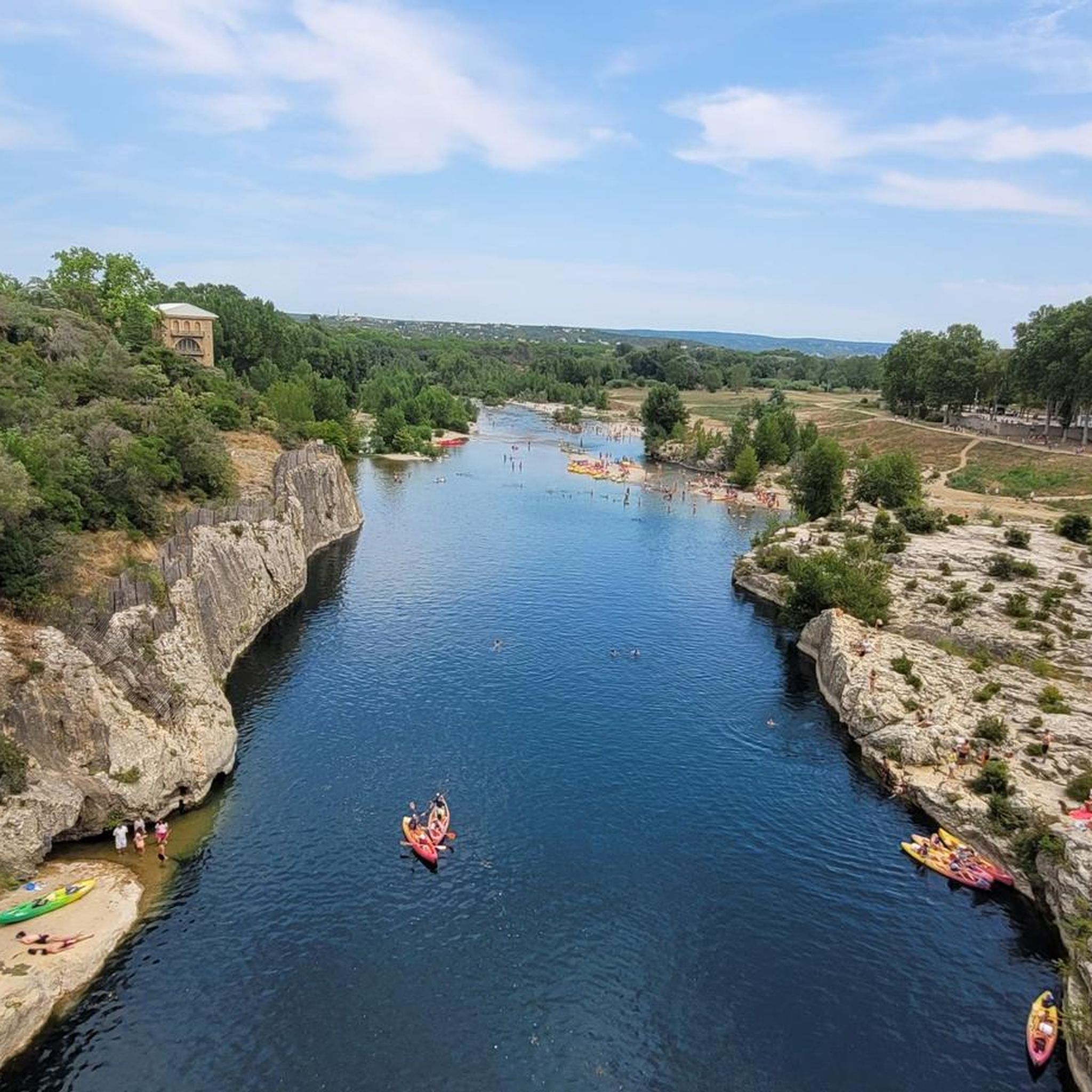
Best caves around Castillon-Du-Gard are found in and around this picturesque medieval village in the Gard department of France. The region offers access to various subterranean sites, from historical caves to impressive geological formations. Castillon-du-Gard itself provides a historical and natural point of interest, while the broader Gard region features a rich array of options for different levels of exploration. The area is characterized by its limestone geology, which has led to the formation of numerous caves and shelters.
Best…
Last updated: June 22, 2026
La Baume Saint-Vérédème Cave and Chapel
Highlight • Cave
Translated by Google •
Tip by

Salpêtrière Prehistoric Shelter
Highlight • Gorge
It is the eponymous …
Translated by Google •
Tip by

Sign up now to discover places like this
Get recommendations on the best single tracks, peaks, & plenty of other exciting outdoor places.
Sign up for free
Perrotte Tunnel (Roman Aqueduct)
Highlight • Historical Site
It was easy to ride (on a mountain bike). Beginners may need to dismount a few times. There was …
Translated by Google •
Tip by

Easter Cave
Highlight • Cave
Translated by Google •
Tip by

La Galerie de Perrotte
Highlight • Monument
Translated by Google •
Tip by

Start today with a free account
Your next adventure awaits.
Login or Signup
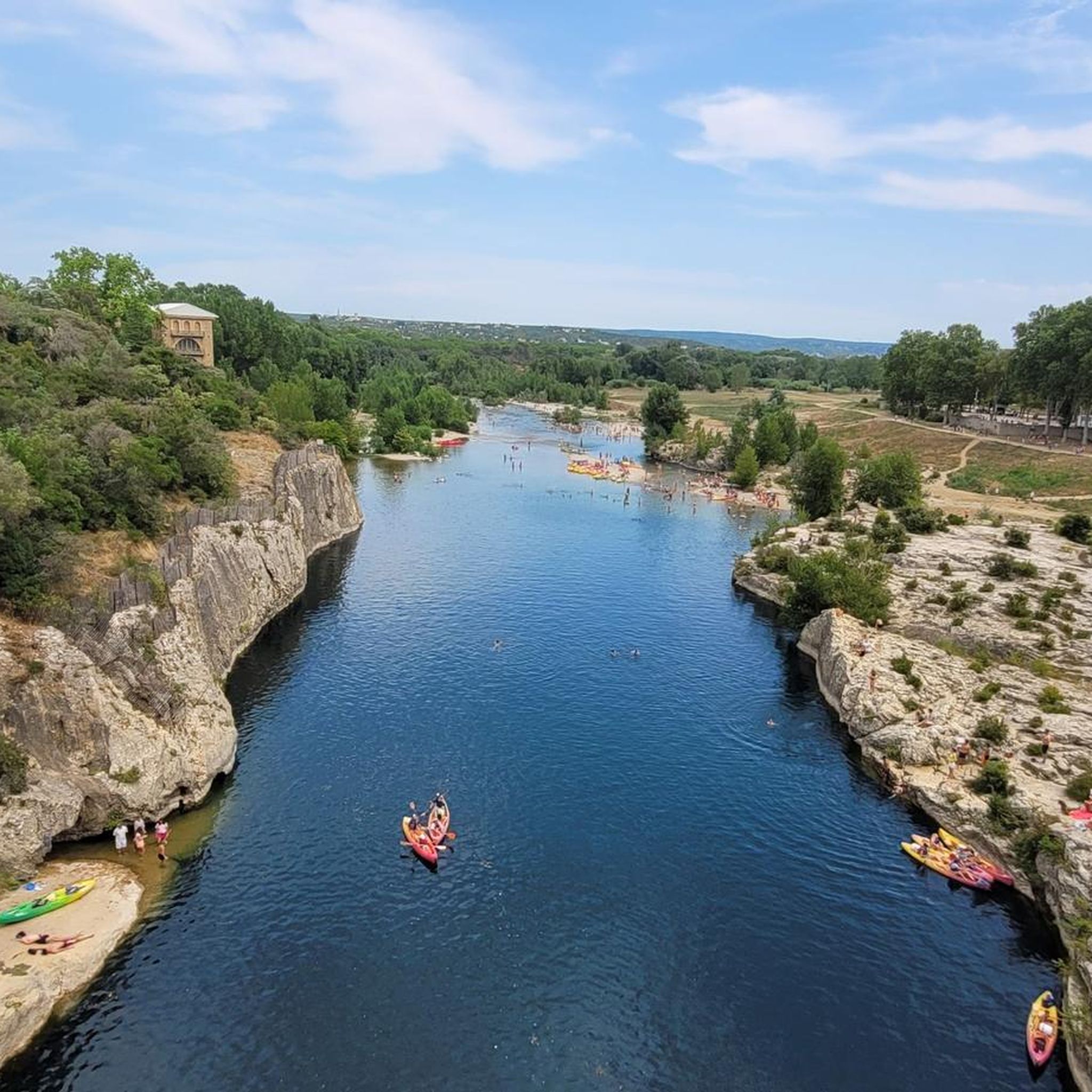
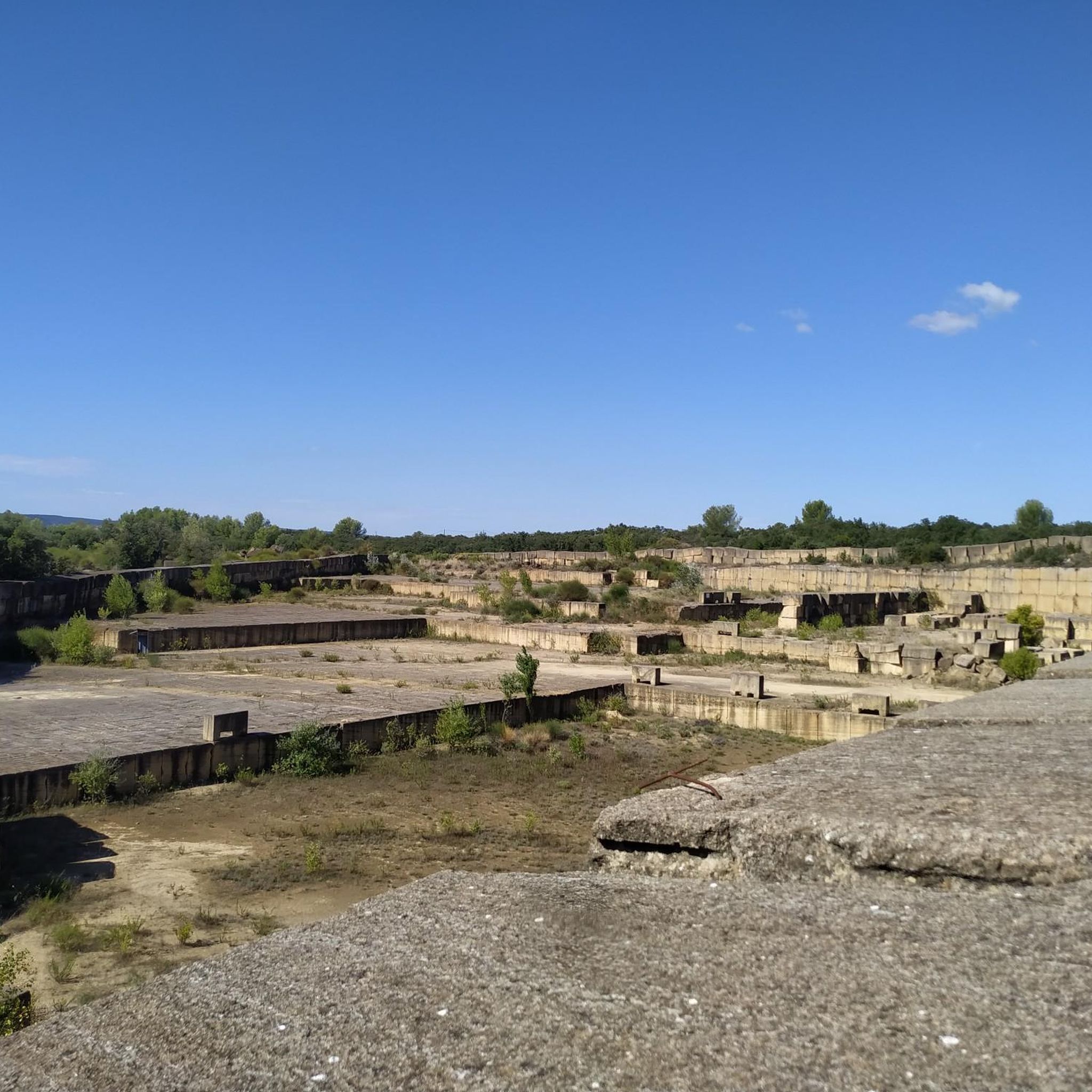
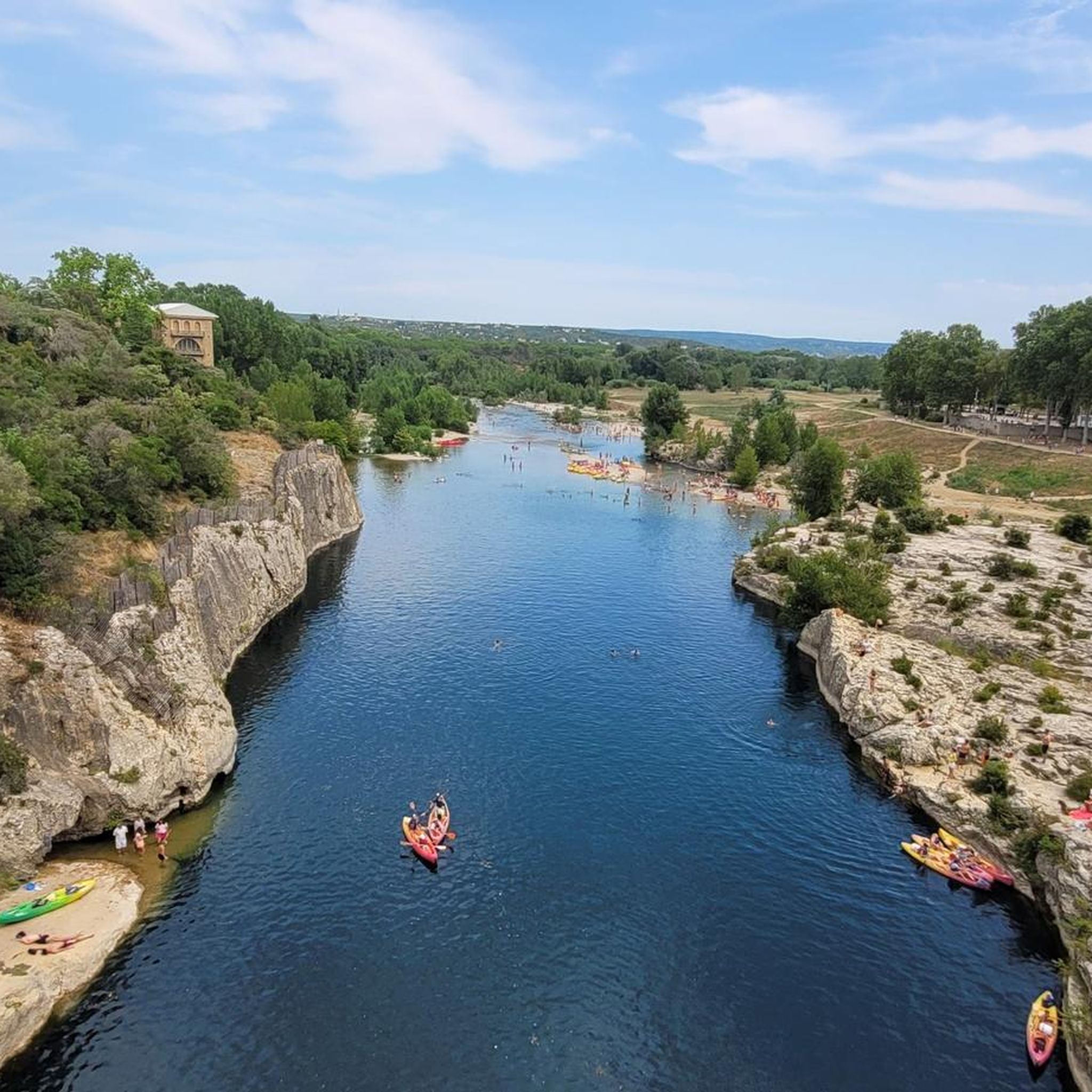
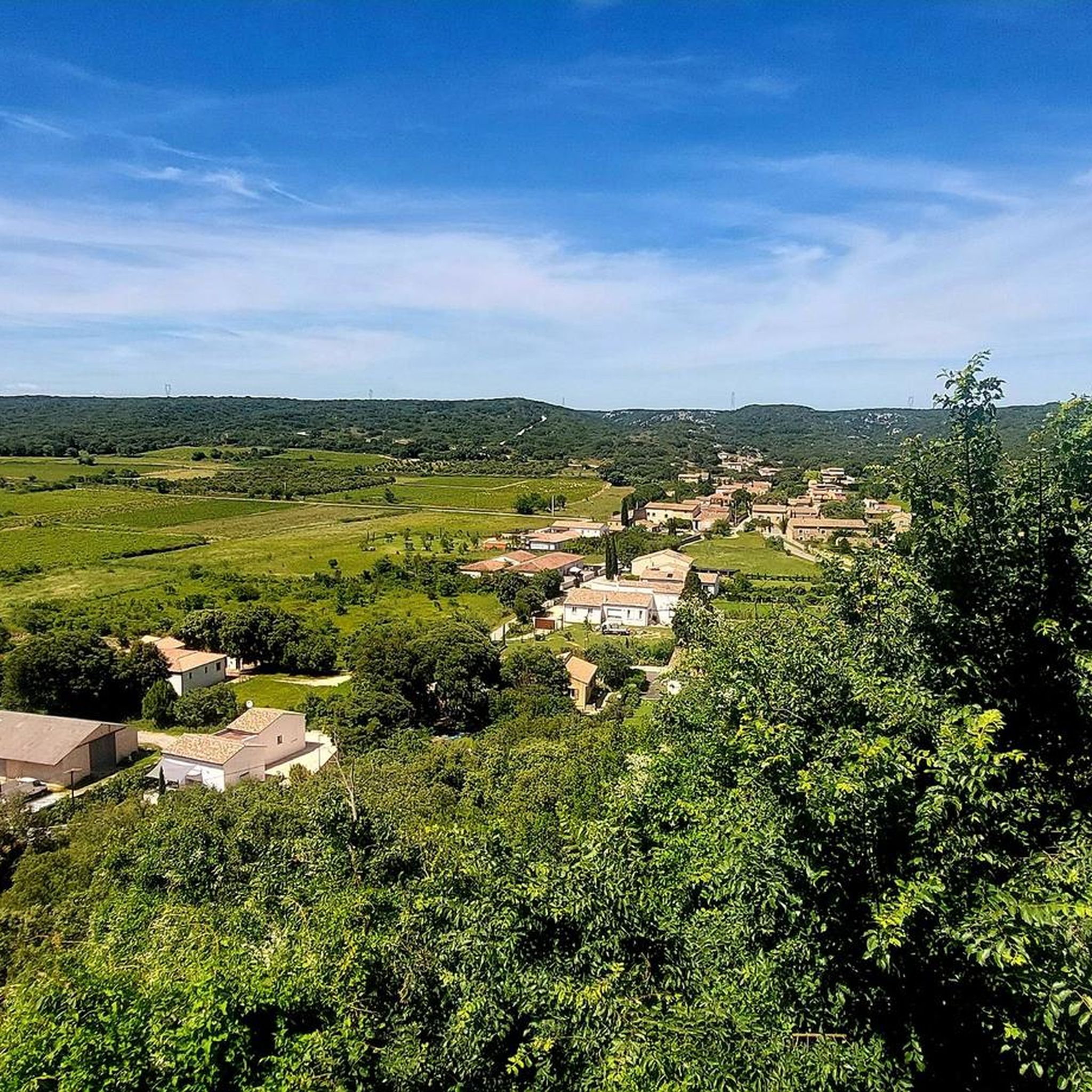
Tips from the Community

A little curiosity worth seeing!
0
0

Simply beautiful to look at and a great building that has stood for centuries
0
0

Small, impenetrable cavity. Fenced all around. It must be used to catch the river. Not to be confused with the small cave 50 meters ahead, which is also impenetrable, but filled with graffiti and debris.
1
0
Access is only available during certain periods of the year, due to the conservation of the small inhabitants that inhabit the area. The cave is open from August 16th to November 14th, and from March 16th to April 30th. Bring a good flashlight, as the crossing can take approximately 5 to 10 minutes. This cave is nothing more than the former underground passage of the Gardon River. Accessible to all, be careful, however, once you have crossed, you will be close to the cliff on the other side. The path beyond (T2/T3) can be daunting for some people. Don't hesitate to turn back if you have any hesitation.
1
0

The Sernhac tunnels are the remains of the Roman aqueduct and are accessible to the general public: the Perrotte tunnel and the Cantarelles tunnel.
0
0

Well-preserved example of the underground sections of the ancient Roman waterway. It was easy to ride (on a mountain bike). Beginners may need to dismount a few times. There was no need for lights in the tunnels. When I visited in the middle of the day, there was no one else there. There are places to sit in the shade for a break.
0
0

Due to the very steep climb, once the cave is passed, over rocks with places where even steel handrails had to be placed, this walk cannot be classified as “easy for every walker”.
5
1

Tunnel, aqueduct, scrubland, magnificent view, explanatory panels, lots of nice hiking trails, picnics...
1
0
Frequently Asked Questions
What historical caves and sites can I explore near Castillon-du-Gard?
The region offers several sites with rich history. You can visit La Baume Saint-Vérédème Cave and Chapel, which has been occupied since the Paleolithic era and later became a pilgrimage site. Another significant location is the Salpêtrière Prehistoric Shelter, a Stone Age camp near the Pont du Gard. Additionally, the La Galerie de Perrotte and Perrotte Tunnel (Roman Aqueduct) offer a glimpse into ancient Roman engineering.
Are there family-friendly cave experiences around Castillon-du-Gard?
While some local sites like La Baume Saint-Vérédème involve steep climbs, the wider Gard region offers options suitable for families. For instance, the Cocalière Cave (Grotte de la Cocalière) is known for its guided tours and impressive formations, making it a good choice for a family outing, though some caving treks there are for ages 12 and over.
What are the geological highlights of the caves in the Gard region?
The Gard region is rich in geological wonders. The Cocalière Cave is renowned for its magnificent concretions, including stalactites, stalagmites, and draperies. Anjeau Cave features spectacular entrances and rich concretions with various minerals and rimstone pools. The Abîme de Bramabiau is famous for its dramatic underground river, where water emerges from a 10-meter drop.
What is the accessibility like for the caves near Castillon-du-Gard?
Accessibility varies significantly. For example, the climb to La Baume Saint-Vérédème Cave and Chapel is described as very steep, involving rocks and steel handrails. Other sites like the Salpêtrière Prehistoric Shelter are half-open caves that may be inaccessible. The Roman aqueduct tunnels, such as Perrotte Tunnel, are generally easier to navigate, even by mountain bike, with no need for lights during the day.
Are there guided caving experiences available in the region?
Yes, for those seeking a more structured experience, the Cocalière Cave in the wider Gard region offers guided tours. For more adventurous visitors, it also provides caving treks, typically accessible to those aged 12 and over.
What outdoor activities can I combine with a visit to the caves?
The area around Castillon-du-Gard is excellent for various outdoor activities. You can find numerous cycling routes, including road cycling and touring bicycle options, with guides like Road Cycling Routes around Castillon-Du-Gard and Cycling around Castillon-Du-Gard. There are also many running trails, as detailed in Running Trails around Castillon-Du-Gard, often passing by historical sites and offering scenic views.
What do visitors enjoy most about the caves and sites near Castillon-du-Gard?
Visitors appreciate the blend of natural beauty and historical significance. The ancient human occupation of sites like La Baume Saint-Vérédème and the well-preserved Roman aqueduct tunnels like La Galerie de Perrotte are frequently highlighted. The opportunity to explore sites with archaeological importance and ancient structures is also a major draw.
Are there any caves with archaeological significance near Castillon-du-Gard?
Absolutely. La Baume Saint-Vérédème Cave and Chapel has been occupied by humans since the Paleolithic era. The Salpêtrière Prehistoric Shelter is a notable Stone Age camp and the eponymous site of the Salpétrien Paleolithic culture. The Aven des Escaravassons, located in Castillon-du-Gard, is also primarily known for its Neolithic archaeological finds.
What should I wear when visiting caves in the region?
Even in warmer months, cave interiors maintain a cool, constant temperature. It's advisable to wear layers, including a light jacket or sweater. Sturdy, closed-toe shoes with good grip are essential, especially for sites with uneven terrain, steep climbs, or wet surfaces, such as La Baume Saint-Vérédème.
Are there any hidden gem caves or less-known spots worth exploring?
While many caves are well-known, the Easter Cave is a small, less-accessible cavity that is fenced off, primarily used for river management. For a unique experience, the Perrotte Tunnel (Roman Aqueduct), while part of a historical structure, offers a quiet, underground passage that feels like a hidden discovery, especially during off-peak times.
Can I find caves that are more challenging for experienced cavers?
Yes, for those seeking a more adventurous caving experience, the Anjeau Cave in the wider Gard region is known for its challenging nature and spectacular entrance. Some caving treks offered at the Cocalière Cave are also designed for more experienced individuals.
Is there a best time to visit the caves around Castillon-du-Gard?
Caves maintain a relatively constant temperature year-round, making them a good option in any season. However, visiting during spring or autumn might be more comfortable for the outdoor approaches and surrounding activities, as the weather is milder. Summer can be a good time to escape the heat by going underground.
Most popular routes around Castillon-Du-Gard
Most popular attractions around Castillon-Du-Gard

Get inspired with the komoot mobile app


Explore more
Extend your search for the best caves by checking out these guides of the top ones around Castillon-Du-Gard:
