Top 5 Caves around Argilliers
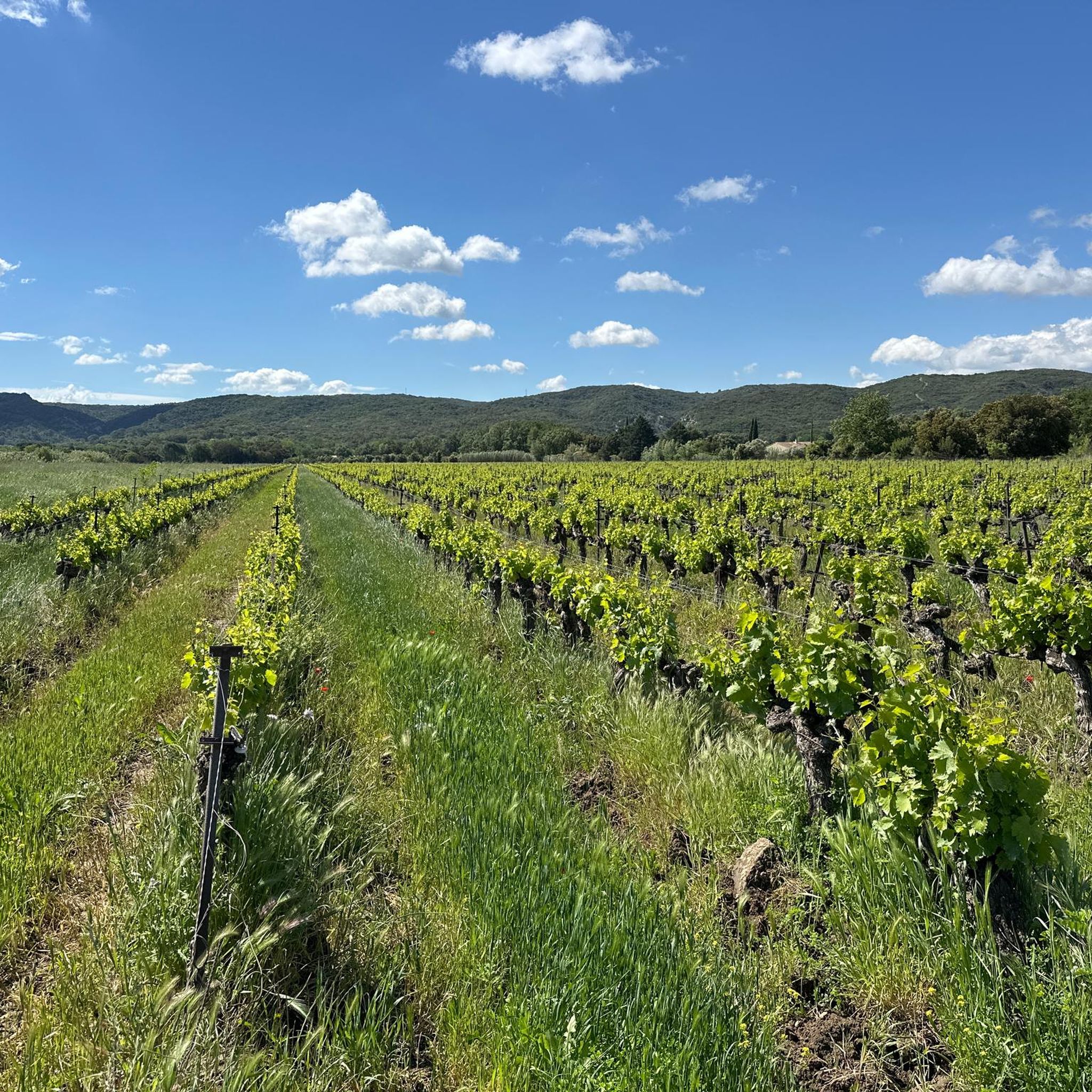
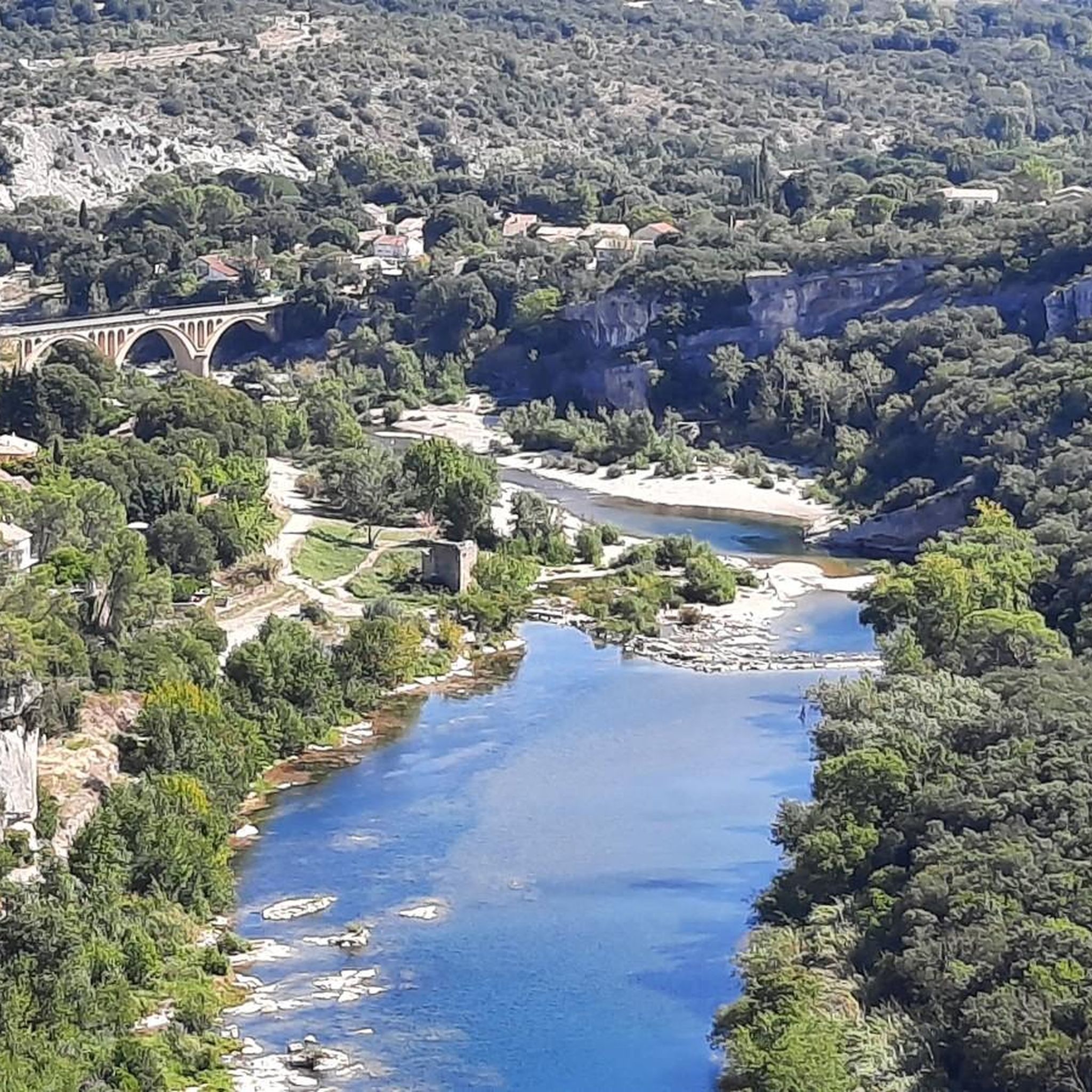
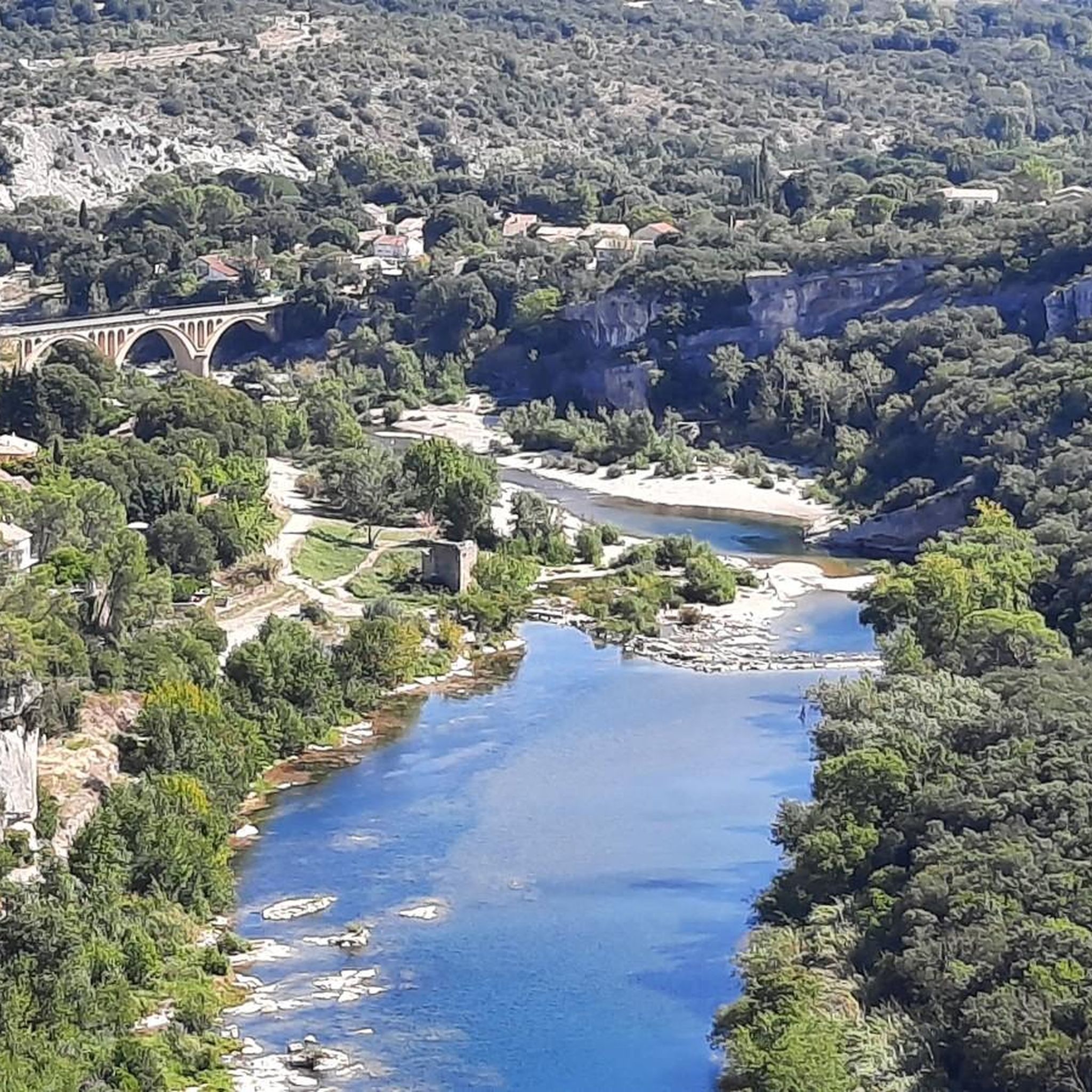
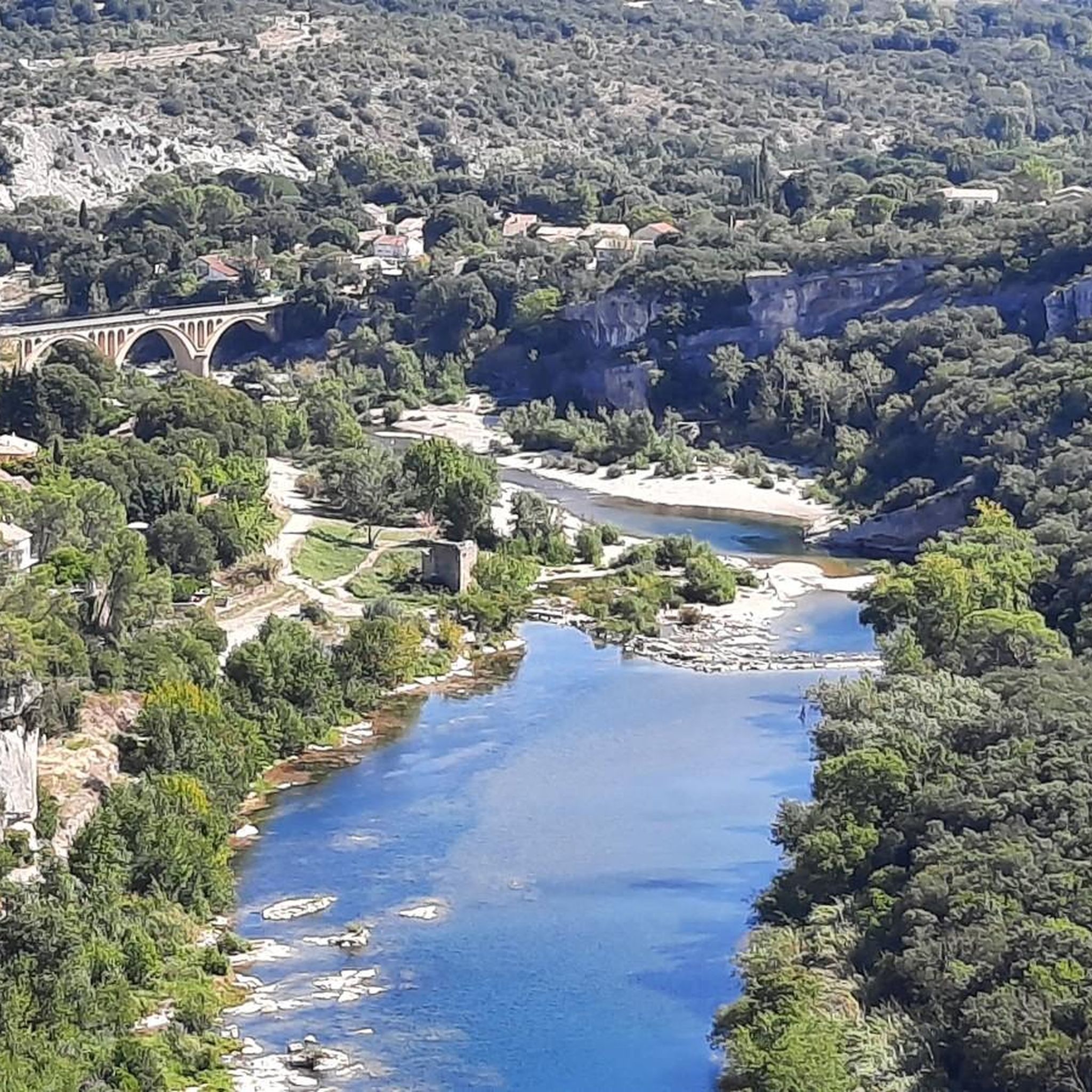
Best caves around Argilliers are found in the unspoiled Gardon river countryside, an area rich in both natural features and historical significance. The region is characterized by its limestone formations, which have created numerous caves and shelters, some with evidence of prehistoric human occupation. Visitors can explore sites ranging from ancient hermitages to well-preserved sections of Roman aqueducts, offering a blend of natural exploration and cultural heritage. The landscape provides diverse hiking opportunities, often with views of the Gardon Gorges.
Best caves around Argilliers
- The most popular caves is La Baume Saint-Vérédème Cave and Chapel, a cave and historical site that passes entirely through the mountain and features a chapel at its entrance. This site holds significant religious history, being the hermitage of Saint Vérédème.
- Another must-see spot is La Galerie de Perrotte, a man-made monument and cave. This well-preserved Roman aqueduct offers insights into ancient engineering and provides scenic hiking trails.
- Visitors also love Salpêtrière Prehistoric Shelter, a gorge and cave. This site is a Stone Age camp under a massive rock, notable for being the eponymous site of a Paleolithic culture dating back around 19,000 years.
- Argilliers is known for its natural caves, prehistoric shelters, and man-made tunnels that are part of ancient aqueducts. The area offers a variety of underground attractions, from historical sites to natural geological formations.
- The caves around Argilliers are appreciated by the komoot community, with more than 180 upvotes and 60 photos shared by visitors.
Last updated: June 22, 2026
La Baume Saint-Vérédème Cave and Chapel
Highlight • Cave
Translated by Google •
Tip by

Salpêtrière Prehistoric Shelter
Highlight • Gorge
It is the eponymous site of the Salpétrien, a Paleolithic culture that dates back to around 19,000 years before the present
Translated by Google •
Tip by

Sign up now to discover places like this
Get recommendations on the best single tracks, peaks, & plenty of other exciting outdoor places.
Sign up for free
Perrotte Tunnel (Roman Aqueduct)
Highlight • Historical Site
It was easy to ride (on a mountain bike). Beginners may need to dismount a few times. There was no need for lights in the tunnels. When I visited in the middle of the day, there was no one else there. There are places to sit in the shade for a break.
Translated by Google •
Tip by

Easter Cave
Highlight • Cave
Translated by Google •
Tip by

La Galerie de Perrotte
Highlight • Monument
Translated by Google •
Tip by

Start today with a free account
Your next adventure awaits.
Login or Signup
Tips from the Community

A little curiosity worth seeing!
0
0

Simply beautiful to look at and a great building that has stood for centuries
0
0

Small, impenetrable cavity. Fenced all around. It must be used to catch the river. Not to be confused with the small cave 50 meters ahead, which is also impenetrable, but filled with graffiti and debris.
1
0
Access is only available during certain periods of the year, due to the conservation of the small inhabitants that inhabit the area. The cave is open from August 16th to November 14th, and from March 16th to April 30th. Bring a good flashlight, as the crossing can take approximately 5 to 10 minutes. This cave is nothing more than the former underground passage of the Gardon River. Accessible to all, be careful, however, once you have crossed, you will be close to the cliff on the other side. The path beyond (T2/T3) can be daunting for some people. Don't hesitate to turn back if you have any hesitation.
1
0

The Sernhac tunnels are the remains of the Roman aqueduct and are accessible to the general public: the Perrotte tunnel and the Cantarelles tunnel.
0
0

Well-preserved example of the underground sections of the ancient Roman waterway. It was easy to ride (on a mountain bike). Beginners may need to dismount a few times. There was no need for lights in the tunnels. When I visited in the middle of the day, there was no one else there. There are places to sit in the shade for a break.
0
0

Due to the very steep climb, once the cave is passed, over rocks with places where even steel handrails had to be placed, this walk cannot be classified as “easy for every walker”.
5
1

Tunnel, aqueduct, scrubland, magnificent view, explanatory panels, lots of nice hiking trails, picnics...
1
0
Frequently Asked Questions
What kind of caves can I explore around Argilliers?
The Argilliers area offers a diverse range of underground attractions, from natural geological formations to historical sites. You can find ancient hermitages like La Baume Saint-Vérédème Cave and Chapel, prehistoric shelters such as Salpêtrière Prehistoric Shelter, and man-made tunnels that are part of ancient Roman aqueducts, like La Galerie de Perrotte.
Are there any easy-to-visit caves for beginners or families?
Yes, La Baume Saint-Vérédème Cave and Chapel offers a pleasant exploration experience. The cave is approximately 150 meters deep with an even walking surface, allowing you to walk through the mountain. While the hike to reach it can be steep in parts, the cave itself is not technical, making it suitable for those new to cave exploration.
What historical sites are integrated with the caves in this region?
The caves around Argilliers are rich in history. La Baume Saint-Vérédème Cave and Chapel is a significant religious site, once the hermitage of Saint Vérédème around 600 A.D., featuring a chapel with Carolingian-era masonry. The Salpêtrière Prehistoric Shelter is a Stone Age camp site dating back around 19,000 years. Additionally, you can explore well-preserved sections of Roman aqueducts, such as Perrotte Tunnel (Roman Aqueduct), showcasing ancient engineering.
What is the best time of year to explore caves and hike around Argilliers?
The region is generally pleasant for outdoor activities, including cave exploration and hiking, during spring and autumn when temperatures are milder. Summer can be hot, but the caves offer a cool respite. Always bring sufficient water and wear appropriate footwear, especially for hikes that can be steep.
Are there hiking trails near the caves around Argilliers?
Absolutely. The caves are often part of scenic hiking routes. For instance, the journey to La Baume Saint-Vérédème Cave and Chapel involves a hike with stunning views of the Gardon Gorges. The area around the Roman aqueducts, including La Galerie de Perrotte, also offers numerous trails. You can find various running trails around Argilliers, including routes like the 'Vers-Pont-du-Gard – Argilliers Church loop', on the Running Trails around Argilliers guide.
Can I bring my dog to the trails and caves near Argilliers?
While many outdoor trails in the Gardon river countryside are dog-friendly, specific rules for cave access can vary. For natural sites like La Baume Saint-Vérédème Cave and Chapel, dogs are generally permitted on the trails leading to the cave. However, it's always best to keep them on a leash and check local signage for any restrictions within the cave or chapel areas themselves.
What should I wear when exploring caves in the Argilliers area?
For cave exploration, it's advisable to wear sturdy, closed-toe shoes with good grip, as surfaces can be uneven or damp. Even in summer, the temperature inside caves is consistently cool, so a light jacket or long-sleeved top is recommended. A headlamp or flashlight is essential for visibility, especially in less developed caves like La Baume Saint-Vérédème Cave and Chapel.
Are there any cafes or restaurants near the caves for refreshments?
Argilliers itself is a small commune, but the surrounding area, particularly towns like Uzès, offers various amenities including cafes and restaurants. It's recommended to bring your own refreshments and water, especially if you plan a longer hike to the cave sites, as direct facilities might not be available at every cave entrance.
What other outdoor activities can I do near the caves around Argilliers?
Beyond cave exploration and hiking, the region offers excellent opportunities for cycling. You can find numerous routes for gravel biking, such as those listed in the Gravel biking around Argilliers guide, or road cycling routes like those in the Road Cycling Routes around Argilliers guide. The Gardon river also provides opportunities for swimming in its clean, albeit cold, waters.
What makes the <a href="https://www.komoot.com/highlight/105292" target="_blank" rel="noopener">Baume Saint-Vérédème Cave and Chapel</a> unique?
This site is unique for several reasons. It's a natural cave that passes entirely through the mountain, allowing visitors to enter on one side and exit on the other. At its entrance lies the ancient Saint Vérédème Chapel, a site of significant religious history and pilgrimage. The combination of natural beauty, historical depth, and the option for a rewarding hike makes it a distinct experience in the region.
Is parking available for visitors to the caves?
Parking availability varies by specific cave site. For popular locations like La Baume Saint-Vérédème Cave and Chapel, there are usually designated parking areas nearby, though they might require a short walk to the trailhead. For more remote or less developed sites, roadside parking might be the only option. Always check specific access information for each highlight.
What geological features characterize the caves in the Gard region?
The caves in the Gard region, including those around Argilliers, are primarily formed within limestone formations. This geological characteristic leads to the creation of various cave types, from deep natural caverns to rock shelters, often featuring unique stalactite and stalagmite formations, although the caves directly in Argilliers are more noted for their historical and passage-like qualities rather than extensive speleothems.
Most popular routes around Argilliers
Most popular attractions around Argilliers

Get inspired with the komoot mobile app


Explore more
Extend your search for the best caves by checking out these guides of the top ones around Argilliers:
