Top 5 Caves around Sernhac
Best caves around Sernhac primarily feature ancient Roman tunnels, remnants of the aqueduct system that supplied water to Nîmes. These man-made structures offer insight into Roman engineering. The region also contains natural cave formations, some with historical and archaeological significance. The landscape around Sernhac is characterized by garrigue and the Gorges du Gardon.
Best caves around Sernhac
- The most popular caves is La Baume Saint-Vérédème Cave and Chapel, a cave that has been occupied by humans since the Paleolithic…
Last updated: May 9, 2026
La Baume Saint-Vérédème Cave and Chapel
Highlight • Cave
Translated by Google •
Tip by

Salpêtrière Prehistoric Shelter
Highlight • Gorge
It is the eponymous …
Translated by Google •
Tip by

Sign up now to discover places like this
Get recommendations on the best single tracks, peaks, & plenty of other exciting outdoor places.
Sign up for free
Perrotte Tunnel (Roman Aqueduct)
Highlight • Historical Site
It was easy to ride (on a mountain bike). Beginners may need to dismount a few times. There was …
Translated by Google •
Tip by

Easter Cave
Highlight • Cave
Translated by Google •
Tip by

La Galerie de Perrotte
Highlight • Monument
Translated by Google •
Tip by

Start today with a free account
Your next adventure awaits.
Login or Signup
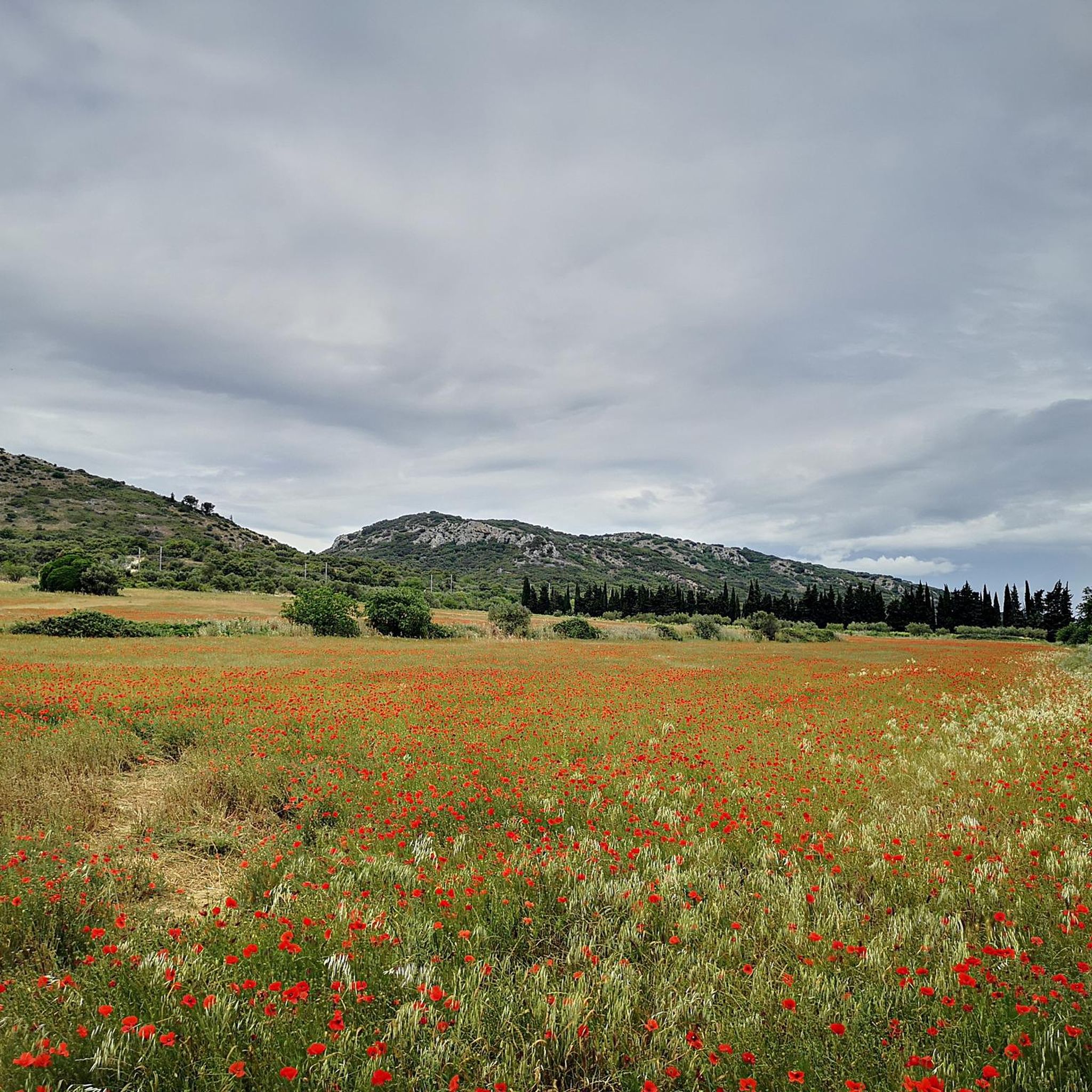
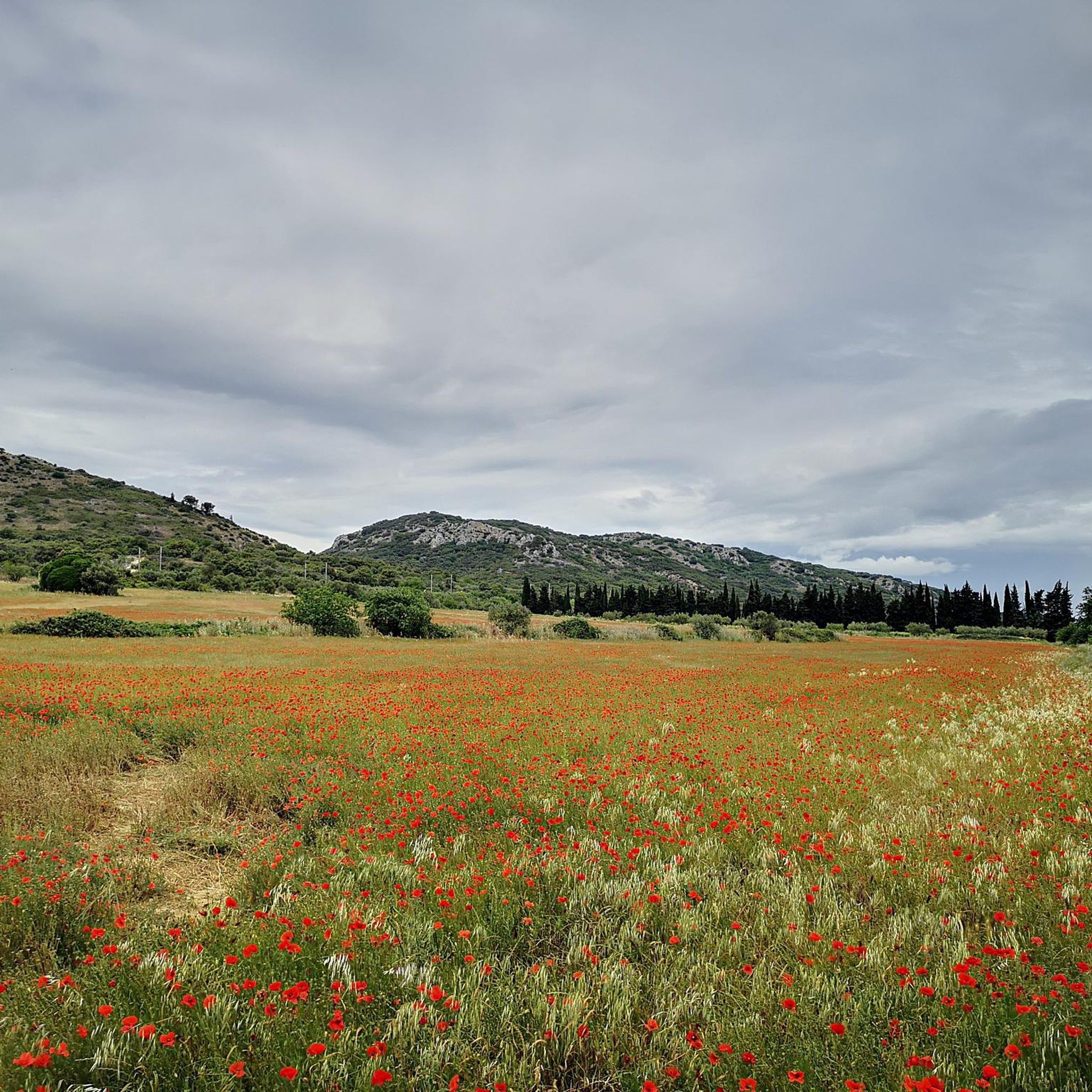
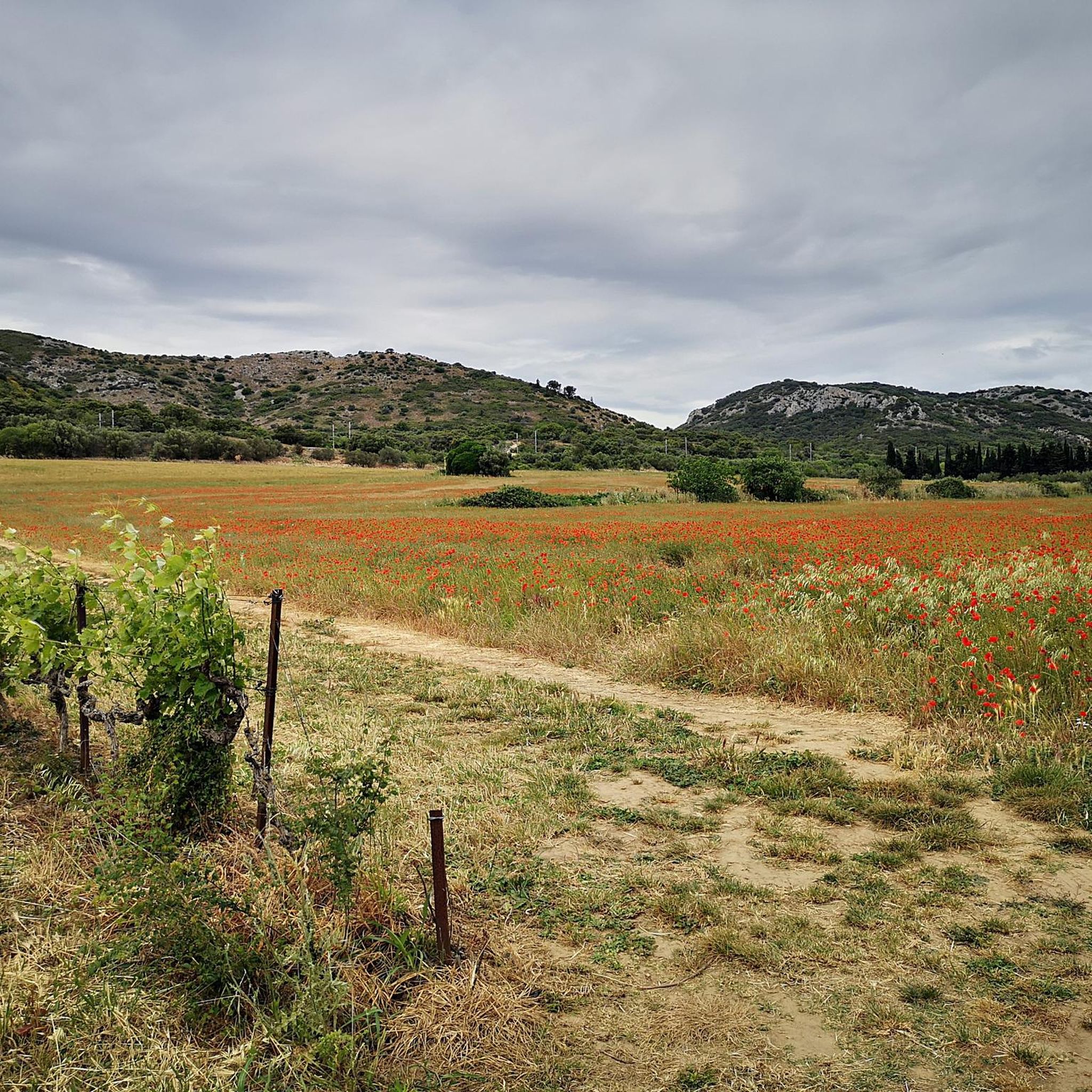
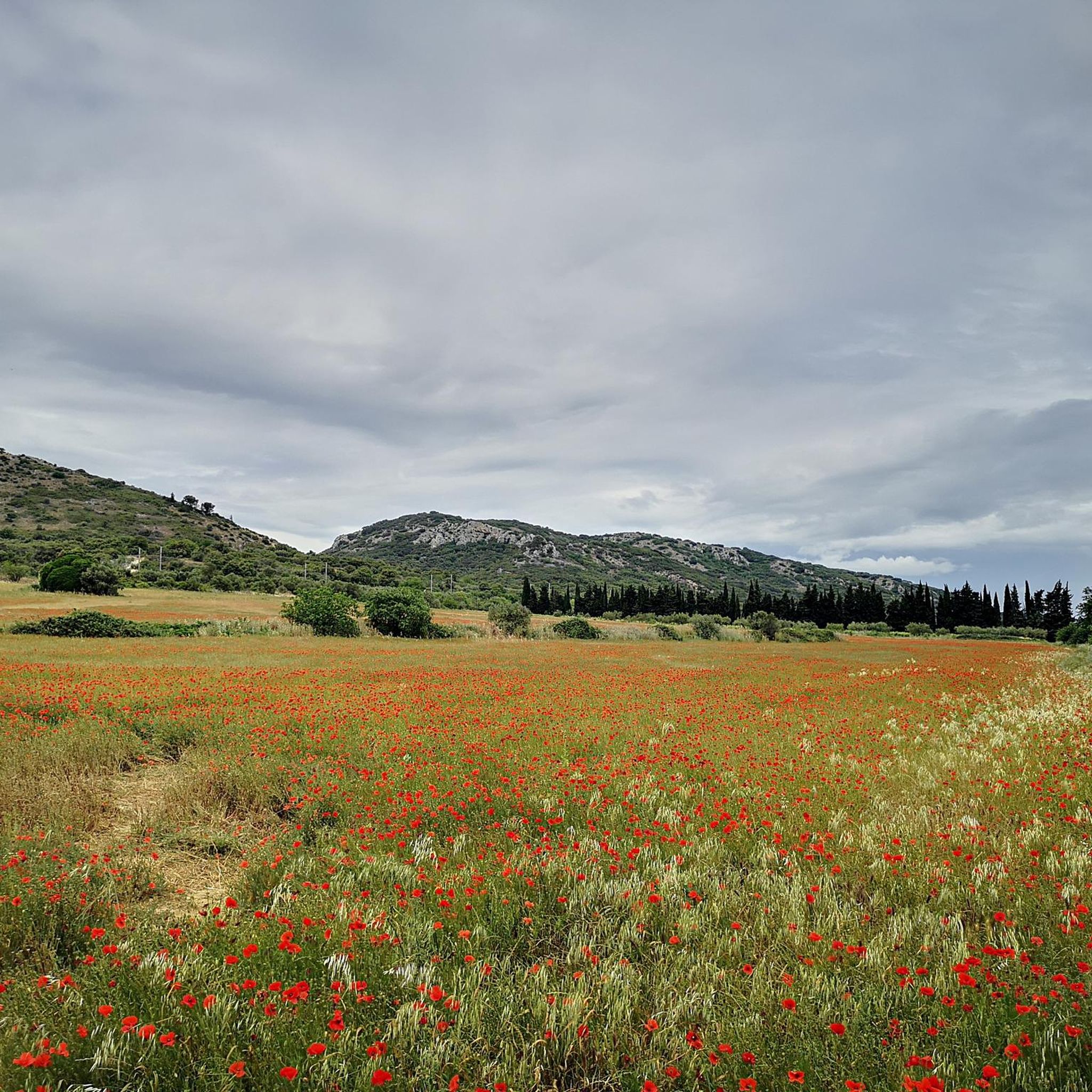

Tips from the Community

A little curiosity worth seeing!
0
0

Simply beautiful to look at and a great building that has stood for centuries
0
0

Small, impenetrable cavity. Fenced all around. It must be used to catch the river. Not to be confused with the small cave 50 meters ahead, which is also impenetrable, but filled with graffiti and debris.
1
0
Access is only available during certain periods of the year, due to the conservation of the small inhabitants that inhabit the area. The cave is open from August 16th to November 14th, and from March 16th to April 30th. Bring a good flashlight, as the crossing can take approximately 5 to 10 minutes. This cave is nothing more than the former underground passage of the Gardon River. Accessible to all, be careful, however, once you have crossed, you will be close to the cliff on the other side. The path beyond (T2/T3) can be daunting for some people. Don't hesitate to turn back if you have any hesitation.
1
0

The Sernhac tunnels are the remains of the Roman aqueduct and are accessible to the general public: the Perrotte tunnel and the Cantarelles tunnel.
0
0

Well-preserved example of the underground sections of the ancient Roman waterway. It was easy to ride (on a mountain bike). Beginners may need to dismount a few times. There was no need for lights in the tunnels. When I visited in the middle of the day, there was no one else there. There are places to sit in the shade for a break.
0
0

Due to the very steep climb, once the cave is passed, over rocks with places where even steel handrails had to be placed, this walk cannot be classified as “easy for every walker”.
5
1

Tunnel, aqueduct, scrubland, magnificent view, explanatory panels, lots of nice hiking trails, picnics...
1
0
Frequently Asked Questions
What types of underground sites can I explore around Sernhac?
The Sernhac region is primarily known for its fascinating Roman tunnels, which were part of the ancient aqueduct system supplying water to Nîmes. These man-made structures, like the Perrotte and Cantarelles tunnels, offer a unique historical experience. There are also natural cave formations, some with historical significance, though direct access to all of them may be restricted.
What is the historical significance of the Roman tunnels in Sernhac?
The Roman tunnels, such as the Perrotte Tunnel, are remnants of a 52-kilometer Roman aqueduct built in the 1st century AD. They showcase incredible Roman engineering, allowing the aqueduct to traverse challenging terrain. Inside, you can see marks from Roman pickaxes, niches for oil lamps, and ventilation shafts, offering a tangible connection to the ancient builders.
Are the Roman tunnels around Sernhac suitable for families or beginners?
Yes, the Roman tunnels like the Perrotte Tunnel are generally accessible and can be a great experience for families and beginners. They are often part of easy to moderate hiking trails and provide a naturally cool and shaded environment, perfect for escaping the heat. No special caving equipment is required.
What natural caves are there, and are they accessible?
One notable natural cave is associated with La Baume Saint-Vérédème Cave and Chapel, a site with Paleolithic human occupation and later a pilgrimage destination. While the chapel and its surroundings are historically significant, direct access to the cave itself may be restricted or blocked off.
What is the Salpêtrière Prehistoric Shelter?
The Salpêtrière Prehistoric Shelter is a significant archaeological site near Sernhac. It's a Stone Age camp under an overhanging rock, known as the eponymous site of the Salpétrien Paleolithic culture, dating back around 19,000 years. While historically important, the cave itself is generally inaccessible.
What outdoor activities can I do near the caves and tunnels in Sernhac?
The area around Sernhac offers excellent opportunities for outdoor activities. The Roman tunnels are often integrated into various hiking trails through the garrigue, connecting to other historical sites like the Pont du Gard. You can also find numerous running, road cycling, and gravel biking routes. For more details, explore the Running Trails around Sernhac, Road Cycling Routes around Sernhac, and Gravel biking around Sernhac guides.
What should I bring for a visit to the Roman tunnels?
For a visit to the Roman tunnels, comfortable walking shoes are recommended as they are often part of hiking trails. While the tunnels themselves don't typically require artificial lighting during the day, a small flashlight can be useful for exploring details. Water and sun protection are advisable for the outdoor sections of the trails, especially during warmer months.
Are there any hidden gems or less-known spots related to caves in the Sernhac region?
While not a 'hidden gem' in terms of accessibility, the La Baume Saint-Vérédème Cave and Chapel, despite potential access restrictions to the cave itself, represents a significant historical and natural complex nestled within the Gorges du Gardon, offering a glimpse into ancient hermitage and pilgrimage.
What is the best time to visit the Roman tunnels for comfort?
The Roman tunnels offer a naturally cool environment, making them a popular spot to visit during warmer months when seeking respite from the heat. Spring and autumn are ideal for hiking the surrounding trails, as the weather is milder. During these seasons, you can comfortably enjoy both the tunnels and the picturesque garrigue landscape.
Can I find information about the Roman aqueduct system at the tunnel sites?
Yes, the Roman tunnels are often accompanied by explanatory panels that provide details about the aqueduct's construction, its historical significance, and the engineering marvel it represented. These panels enrich the experience by offering context to the visible features within the tunnels.
Are permits required to visit the Roman tunnels?
No, permits are generally not required to visit the Roman tunnels like Perrotte and Cantarelles. They are accessible to the general public and are often part of marked hiking trails. However, always respect local signage and any temporary closures.
Most popular routes around Sernhac
Most popular attractions around Sernhac

Get inspired with the komoot mobile app


Explore more
Extend your search for the best caves by checking out these guides of the top ones around Sernhac:
