Top 4 Castles around Saint-Étienne-En-Coglès
Best castles around Saint-Étienne-En-Coglès are situated within the commune of Maen Roch, an area known for its historical significance in Brittany. The region features a landscape that has historically hosted important defensive structures and noble residences. These sites reflect centuries of architectural evolution, from medieval fortresses to 17th-century châteaux. The area provides opportunities to explore historical landmarks and their surrounding environments.
Best castles around Saint-Étienne-En-Coglès
- The most popular castles is Fougères Castle, a castle that is considered the largest…
Last updated: July 5, 2026
Fougères Castle
Highlight • Castle
Translated by Google •
Tip by

Surienne Tower
Highlight • Castle
Translated by Google •
Tip by

Sign up now to discover places like this
Get recommendations on the best single tracks, peaks, & plenty of other exciting outdoor places.
Sign up for free
Panoramic view from the public garden
Highlight • Viewpoint
Refreshment bar in the park that opens at the end of the day.
Public toilets present in the park.
Translated by Google •
Tip by

Tour Desnos
Highlight • Castle
Translated by Google •
Tip by

Start today with a free account
Your next adventure awaits.
Login or Signup


Tips from the Community

The Desnos Tower is a medieval defensive tower dating back to the early 15th century. It is one of the few remaining towers of the northern city wall and was originally part of the fortifications of the "Bourg-Neuf," the newer district above the castle. It probably owes its name to Colin Desnos, a citizen of the city on whose land the tower was built. Over the centuries, the Desnos Tower served various purposes: initially for defense, later as a prison, and in the 19th century as part of a shoe factory.
1
0
The cadastral records of the Château Fort de Fougères mention two towers—the Tour Raoul and the Tour Surienne (also called "tour de Surienne")—dated between 1480 and 1485. The tower was part of the fortifications that were reinforced or rebuilt in the 15th century.
1
0

The Tour Surienne was named after Françoise de Surienne. In March 1449, in the midst of a truce between France and England, François de Surienne, a Spanish mercenary in the pay of the English, attacked in the dead of night with his 600 men. The inhabitants were slaughtered and the city plundered. In 1450, Surienne settled there and entrenched himself. Only after a two-month siege by Francis I, Duke of Brittany, who was aided by a plague epidemic, did Surienne surrender.
0
0
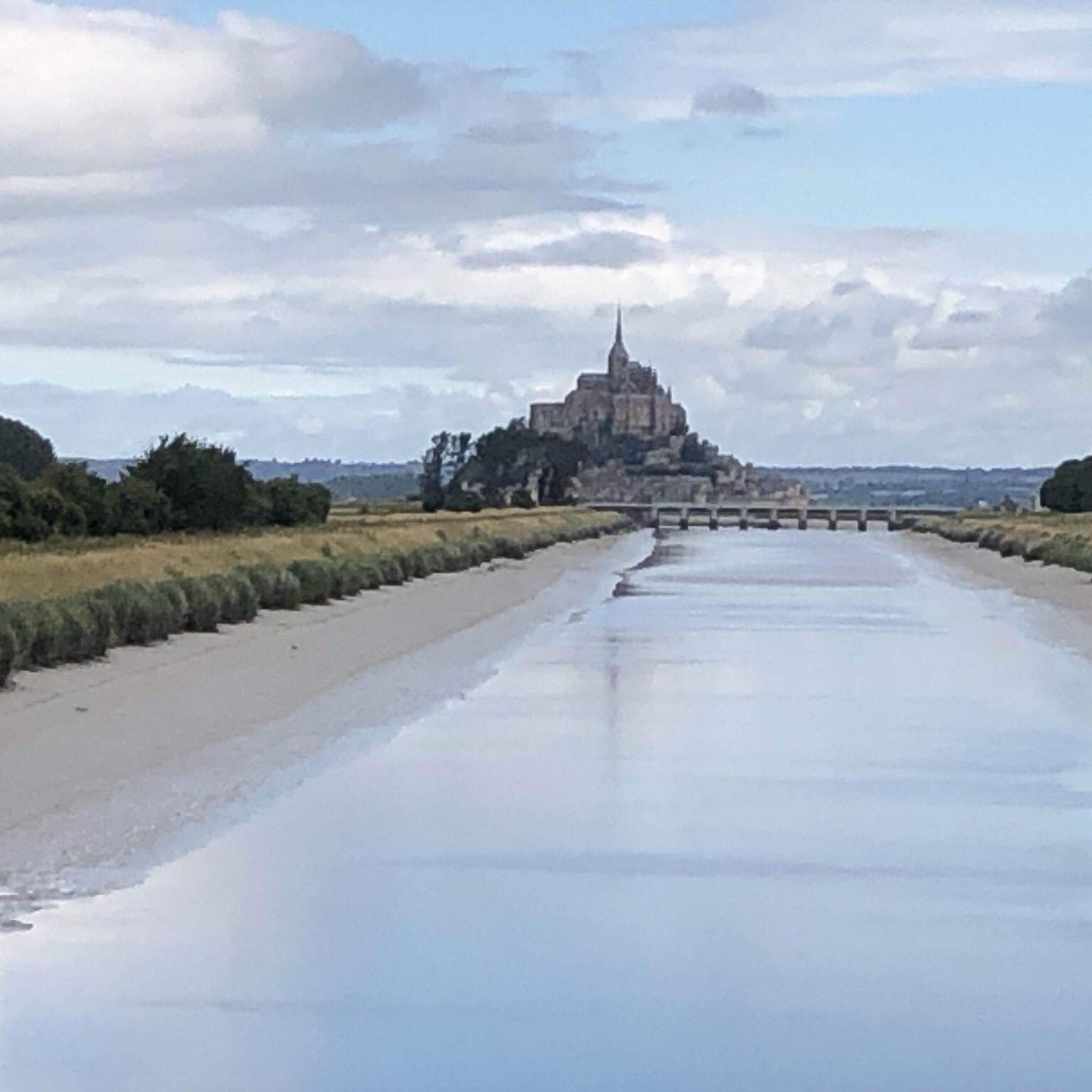
The largest fortress in Europe, the castle of Fougères stands on a rocky outcrop surrounded by marshland. The first castle of Fougères was built around the turn of the millennium to defend the north-eastern part of the border area of the Duchy of Brittany. Built at the crossroads of important trade routes, this primitive fortress had the main objective of monitoring the powerful neighbors and preventing their raids on Breton lands. To the north, Normandy belonged to the kings of England at the time.
4
1

Park closed to bicycles, but there is a rack just in front of the entrance. Refreshment bar in the park that opens at the end of the day. Public toilets present in the park.
0
0

The tower of the Château de Fougères.
2
0

Magnificent castle in a good state of preservation. A visit is essential. The guide is a plus at no extra cost.👍
3
0

Perhaps the best medieval castle in the whole region! It is not very big, but nestled in the valley which offers superb views. Do not hesitate to climb the streets of the city!
5
0
Frequently Asked Questions
What are the most notable castles to visit near Saint-Étienne-En-Coglès?
The two most prominent castles in the vicinity are the Château de Fougères and the Château du Rocher-Portail. The Château de Fougères is a massive medieval fortress, while the Château du Rocher-Portail offers a glimpse into 17th-century noble life.
What kind of history do the castles near Saint-Étienne-En-Coglès offer?
The castles in this region provide a rich historical journey. The Château de Fougères showcases medieval military architecture from the 12th to 15th centuries, built to defend Brittany's borders. The Château du Rocher-Portail, on the other hand, is a 17th-century château offering insights into noble and domestic life up to the 19th century, complete with furnished rooms and Renaissance gardens.
Are there family-friendly activities at the castles?
Yes, the Château du Rocher-Portail is particularly known for its family-friendly offerings, including immersive 'wizarding school' experiences with interactive tours, magic demonstrations, and outdoor activities like exploring a 'forbidden forest.' The Château de Fougères also provides educational and entertaining experiences for all ages with its extensive ramparts and historical exhibits.
How long should I plan for a visit to these castles?
For the Château de Fougères, plan at least 2-3 hours to explore its extensive grounds, towers like the Surienne Tower, and exhibits. A visit to the Château du Rocher-Portail, especially if participating in an immersive experience, could take half a day or more.
What is the best time of year to visit the castles in this region?
The spring and summer months (April to September) are generally ideal for visiting, offering pleasant weather for exploring the outdoor grounds and gardens. Many castles also host special events and extended opening hours during the peak tourist season.
Can I combine a castle visit with outdoor activities like cycling or hiking?
Absolutely. The region around Saint-Étienne-En-Coglès offers various outdoor routes. You can find numerous MTB Trails, traffic-free bike rides, and road cycling routes that pass near these historical sites, allowing you to enjoy both history and nature.
Where can I find panoramic views of the castles and surrounding area?
For stunning views of the Château de Fougères and the old town, head to the Panoramic view from the public garden or the View of Fougères from the Rocher Coupé. These spots offer excellent photo opportunities and a broader perspective of the fortress's scale.
Are dogs allowed at the castles?
Policies regarding dogs vary by castle. Generally, dogs are often permitted in outdoor areas and castle grounds if kept on a leash, but usually not inside the historical buildings themselves. It's advisable to check the specific castle's website or contact them directly before your visit. For the Château du Rocher-Portail, you can check their official site for details: tourisme-marchesdebretagne.com.
Where can I park when visiting the castles?
Both the Château de Fougères and Château du Rocher-Portail have designated parking areas nearby. For Fougères, parking is available in the town, often within walking distance of the castle. The Château du Rocher-Portail, being a private estate, provides parking on-site for visitors.
Are the castles near Saint-Étienne-En-Coglès accessible for visitors with limited mobility?
Accessibility can vary significantly between medieval fortresses and more modern châteaux. The Château de Fougères, with its many stairs and uneven surfaces, may present challenges for those with limited mobility, though some ground-level areas might be accessible. The Château du Rocher-Portail might offer better accessibility in certain areas, but it's best to consult their official websites or contact them directly for specific information regarding wheelchair access and facilities.
What makes the Château du Rocher-Portail unique?
The Château du Rocher-Portail stands out for its beautifully preserved 17th-century architecture, entirely furnished rooms, and a unique Renaissance gallery. It also offers a rare glimpse into 19th-century servant life by allowing access to domestic bedrooms. Beyond its historical authenticity, its popular 'wizarding school' immersive experiences make it a truly unique destination, blending history with magical entertainment.
Most popular routes around Saint-Étienne-En-Coglès
Most popular attractions around Saint-Étienne-En-Coglès

Get inspired with the komoot mobile app


Explore more
Looking for the best castles somewhere else? Discover other guides around Saint-Étienne-En-Coglès:
