Top 6 Lakes around Bray-Dunes
Best lakes around Bray-Dunes offer diverse natural and recreational experiences in Northern France. While large natural lakes are not directly within Bray-Dunes, the surrounding region features several notable lakes, many of which are former sand quarries transformed into leisure and nature areas. These locations provide opportunities for water sports, fishing, and nature observation. The area's lakes are often integrated into larger natural spaces, serving as important habitats for local wildlife.
Best lakes around Bray-Dunes
- The most popular lakes is View…
Last updated: August 15, 2026
View from the Hoge Blekker
Highlight • Viewpoint
Translated by Google •
Tip by

Markey Ponds
Highlight • Lake
Translated by Google •
Tip by

Sign up now to discover places like this
Get recommendations on the best single tracks, peaks, & plenty of other exciting outdoor places.
Sign up for free
Téteghem Lake
Highlight • Lake
Translated by Google •
Tip by
Three Ponds
Highlight • Lake
Translated by Google •
Tip by

Lac Mahieu
Highlight • Lake
Translated by Google •
Tip by

Sign up for free to discover even more lakes around Bray-Dunes.
Sign up for free
Already have an account?
Start today with a free account
Your next adventure awaits.
Login or Signup
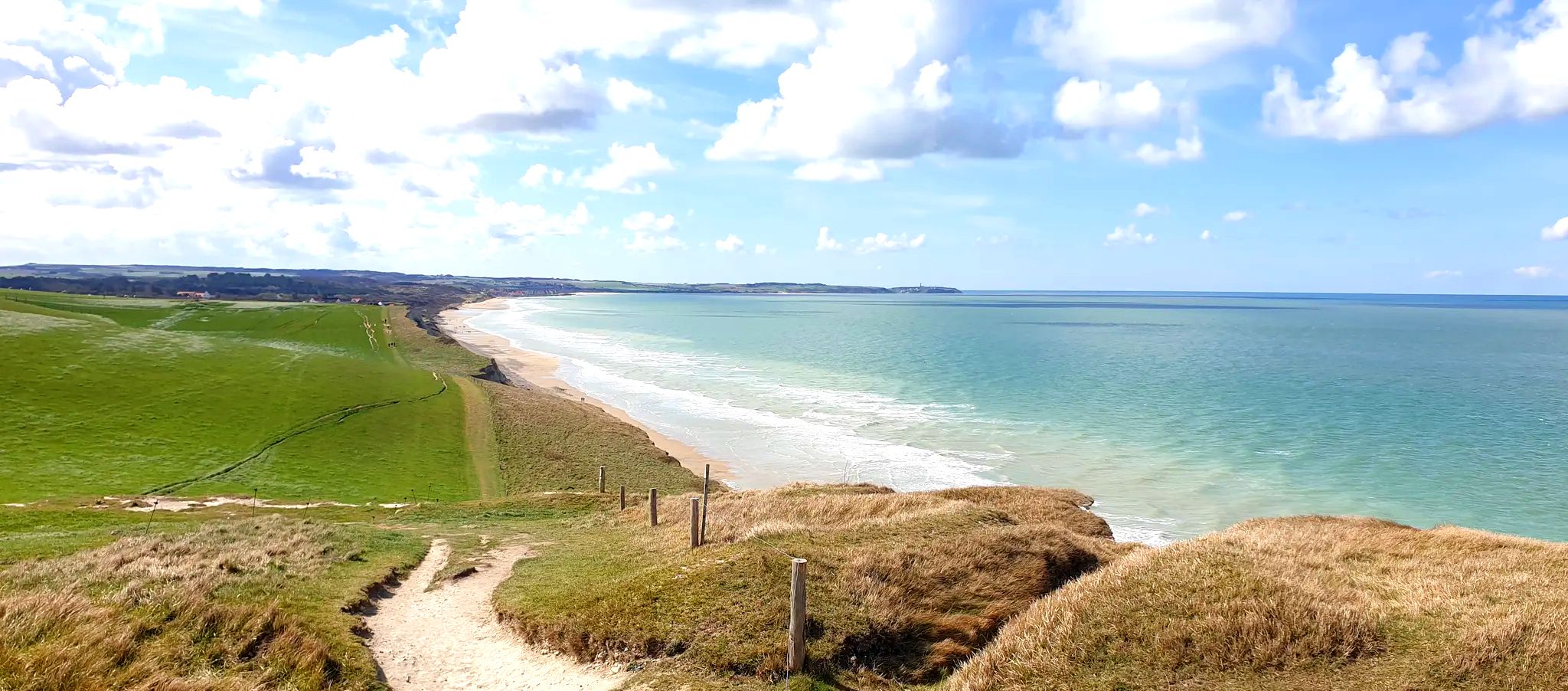
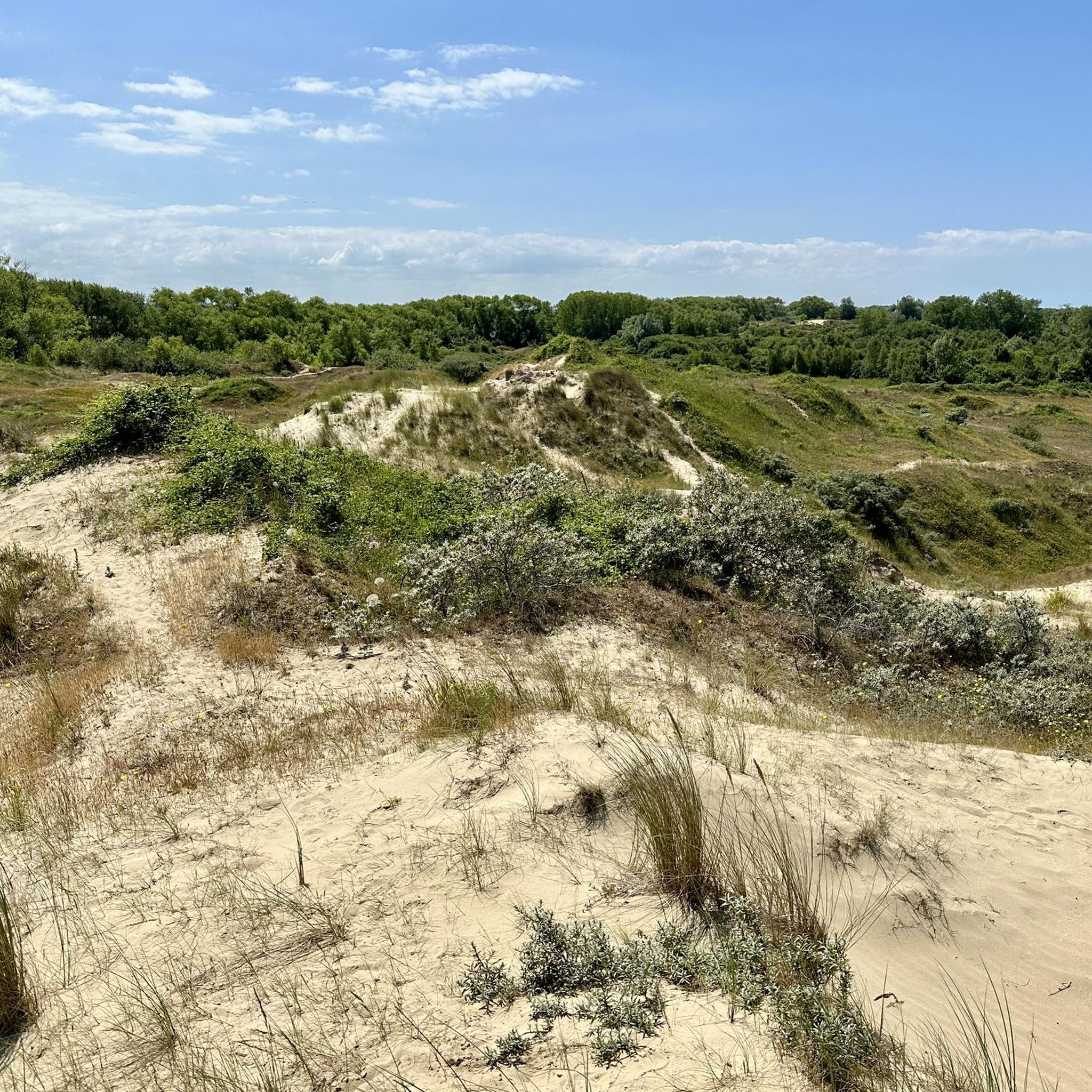
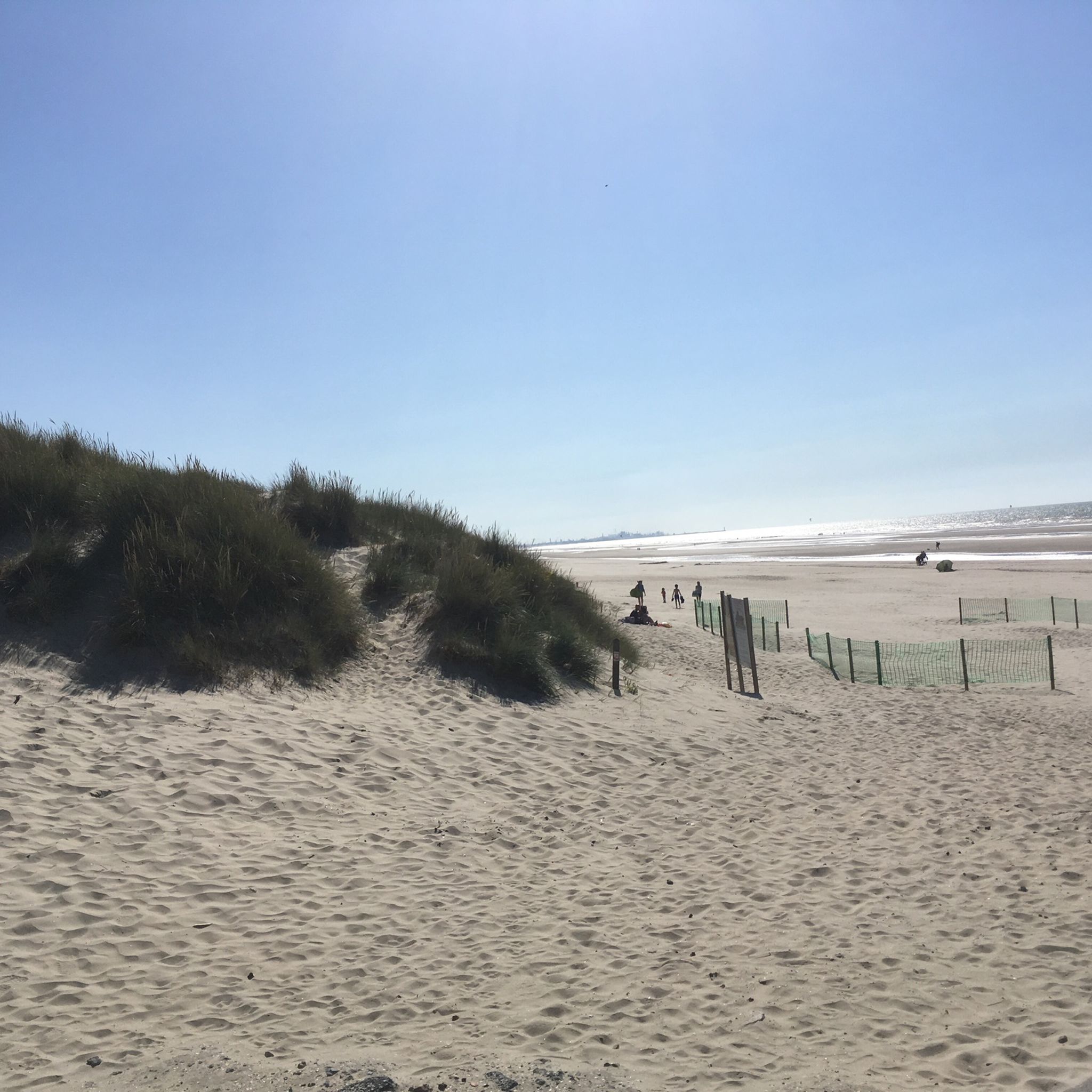
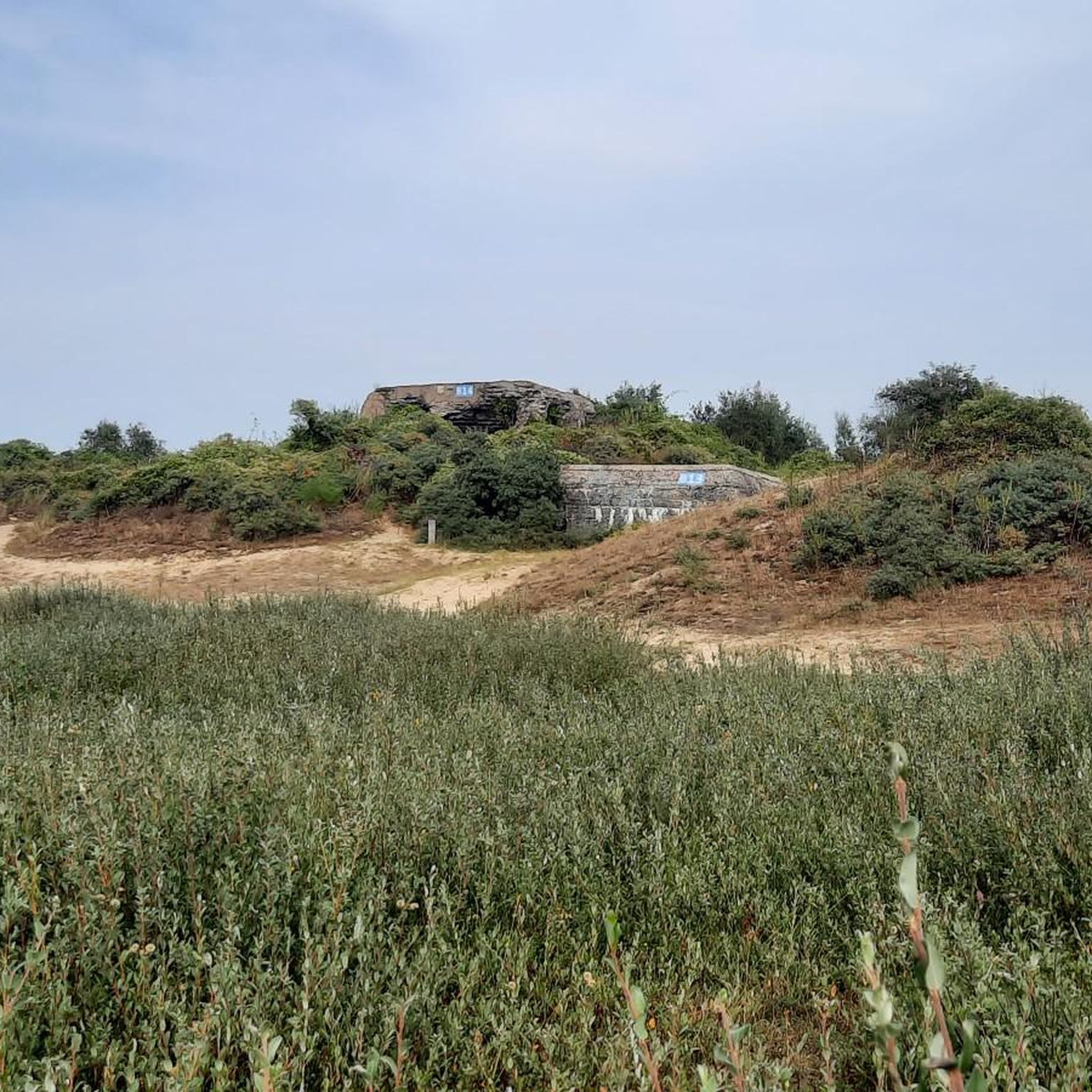

Other adventures around Bray-Dunes

Tips from the Community

What a magnificent view. We found an incredible colony of cormorants and a lone heron.
2
0


This small lake is a paradise for waterfowl and other birds.
12
1

Welcome to De Hoge Blekker, with its 33 meters the highest dune in the entire Flemish coastal region. A striking appearance and an impressive eye-catcher. The dune used to be a fixed navigation point for sailors. From a distance they could see the white back as a kind of 'flash' ('bleach' is the local dialect for 'flash'). The Hoge Blekker is a drifting dune that has covered some distances over time. The dune now covers an area of approximately 33 hectares. Enough room for a picnic stop!
4
0

Beautiful semi-paved walking path that goes through De Doornpanne. Every season is colored differently here. With a bit of luck, donkeys or ponies will come to greet you.
9
0
At 33 meters above sea level, the Hoge Blekker, the dune that gave its name to the domain, is not only the highest dune (ridge) on our Flemish coast, but also a beautiful nature reserve, covering approximately 18 hectares. Blekker or Blinkaart is the common name for a bare dune hill that reflects sunlight (bleaching or shining). It was a permanent beacon for sailors who saw its white crown shining from afar ('bleaching' in the local dialect). At the origin of the Hoge Blekker and the adjacent dune massif are parabolic dunes that formed between the 16th and 19th centuries.
10
1

A great lake to relax. Here you can enjoy the view and many benches with tables invite you to take a break and relax.
1
0
From the top of the Hoge Blekker you have a beautiful view of the lower dunes and landscapes, such as the Doornpanne. You will also find orientation tables that point you in which direction all kinds of places are. Those who are tired of the climb can rest on the benches.
13
0
Frequently Asked Questions
What kind of activities can I do at the lakes near Bray-Dunes?
The lakes around Bray-Dunes offer a wide range of activities. You can enjoy water sports like pedal boating, kayaking, sailing, windsurfing, paddleboarding, and even recreational diving at locations such as Base des Près du Hem, Lac du Puythouck, and Lac d'Armbouts-Cappel. Many lakes also feature walking, running, and cycling paths, and are popular for fishing, especially carp fishing. Some areas are also ornithological reserves, perfect for birdwatching.
Are there family-friendly lakes around Bray-Dunes?
Yes, several lakes are ideal for families. The Base des Près du Hem in Armentières is a comprehensive leisure park with a supervised swimming beach during summer, a water education center, a children's farm, mini-golf, and a unique barefoot trail. Markey Ponds and Lac Mahieu are also noted as family-friendly spots for enjoying nature.
Which lakes are best for fishing?
For fishing enthusiasts, Lac du Puythouck in Grande-Synthe is a known spot for carp fishing, with night fishing permitted. Lac d'Armbouts-Cappel is also highly regarded for fishing, especially for carp and other cyprinids, and authorizes night fishing. The northern pond of Markey Ponds is also rich in fish and allows fishing.
Can I go hiking or cycling around the lakes?
Absolutely. Many lakes are integrated into larger natural spaces with dedicated paths. For instance, Lac du Puythouck has a 2.5 km path circling the lake, popular with walkers, runners, and cyclists. Téteghem Lake offers walking, equestrian, and off-road cycling routes. You can find more routes in the region by checking the hiking guide or cycling guide for Bray-Dunes.
Are there any lakes suitable for birdwatching or nature observation?
Yes, several lakes are recognized for their natural beauty and wildlife. The Base des Près du Hem and Lac d'Armbouts-Cappel are both designated ornithological reserves, making them excellent spots for birdwatching. Lac Mahieu is described as a paradise for waterfowl and other birds, including cormorants and herons. The area around Lac du Puythouck is also a 'green lung' where biodiversity thrives.
What do visitors enjoy most about the lakes near Bray-Dunes?
Visitors appreciate the diverse natural and recreational experiences. Many enjoy the tranquility and natural environment, such as at Three Ponds. The opportunities for water sports, fishing, and observing wildlife are also highly valued. The scenic views, like those from View from the Hoge Blekker, and the well-maintained paths for walking and cycling contribute to a positive experience.
Are there any lakes with swimming opportunities?
Yes, the Base des Près du Hem in Armentières offers a supervised swimming beach during the summer months, making it a great option for those looking to swim.
What are the accessibility options for these lakes?
Access varies by location. Base des Près du Hem is open for walks with free entry during specific days from March to April, with activities requiring an entrance fee starting in May. Lac d'Armbouts-Cappel is generally freely accessible as a natural space. Many lakes feature well-maintained paths suitable for walking, though specific wheelchair accessibility should be verified for individual sites.
Are dogs allowed at the lakes near Bray-Dunes?
While many natural areas in France welcome dogs, specific policies can vary by lake and protected area. It's always best to check local signage or the official websites of individual leisure parks and nature reserves for their current dog policies to ensure a pleasant visit for everyone.
What is the best time to visit the lakes around Bray-Dunes?
The best time to visit largely depends on your preferred activities. Summer months are ideal for swimming and water sports, especially at locations like Base des Près du Hem. Spring and autumn offer pleasant temperatures for hiking, cycling, and birdwatching, with fewer crowds. Some parks, like Base des Près du Hem, offer free access for walks in early spring.
Are there any unique natural features to explore?
Yes, the region offers unique natural features. For instance, View from the Hoge Blekker is the highest dune in the Flemish coastal region, offering impressive views. The lakes themselves, many of which are former sand quarries, have been transformed into biodiverse natural areas. Lac du Puythouck, for example, is known as a 'green lung' with rich biodiversity, and its name means 'frog's corner' in Flemish, hinting at its natural heritage.
Most popular routes around Bray-Dunes
Most popular attractions around Bray-Dunes

Get inspired with the komoot mobile app


Explore more
Still not found your perfect lake around Bray-Dunes? Check out the guides of these regions to see even more beautiful places.
