Top 5 Castles around Crozant
Best castles around Crozant are situated in a historically significant region, known for its dramatic natural landscape at the confluence of the Creuse and Sedelle rivers. This area features ancient fortresses perched on rocky promontories, offering panoramic views of the surrounding valleys. The picturesque setting has also served as a profound inspiration for artists, contributing to its cultural heritage. Visitors can explore ruins that tell tales of medieval power and artistic movements.
Best castles around Crozant
- The most popular castles…
Last updated: May 24, 2026
Crozant Ruins
Highlight • Castle
Translated by Google •
Tip by

Château de Bonnu
Highlight • Castle
Translated by Google •
Tip by

Sign up now to discover places like this
Get recommendations on the best single tracks, peaks, & plenty of other exciting outdoor places.
Sign up for free
Château de Saint-Germain-Beaupré
Highlight • Castle
This castle is classified as a historical monument, but it is not possible to visit it.
Translated by Google •
Tip by

Start today with a free account
Your next adventure awaits.
Login or Signup

Other adventures around Crozant

Tips from the Community

A medieval fortress perched above the meanders of the Creuse River, overlooking Lake Éguzon. A perfect spot to relax, take photos, and enjoy nature and history together.
3
0
In a word: beautiful. A breathtaking setting with stunning hiking trails, the ruins, the river, the rocks, and enchanting trails. One of the most beautiful hikes I've ever taken.
2
0

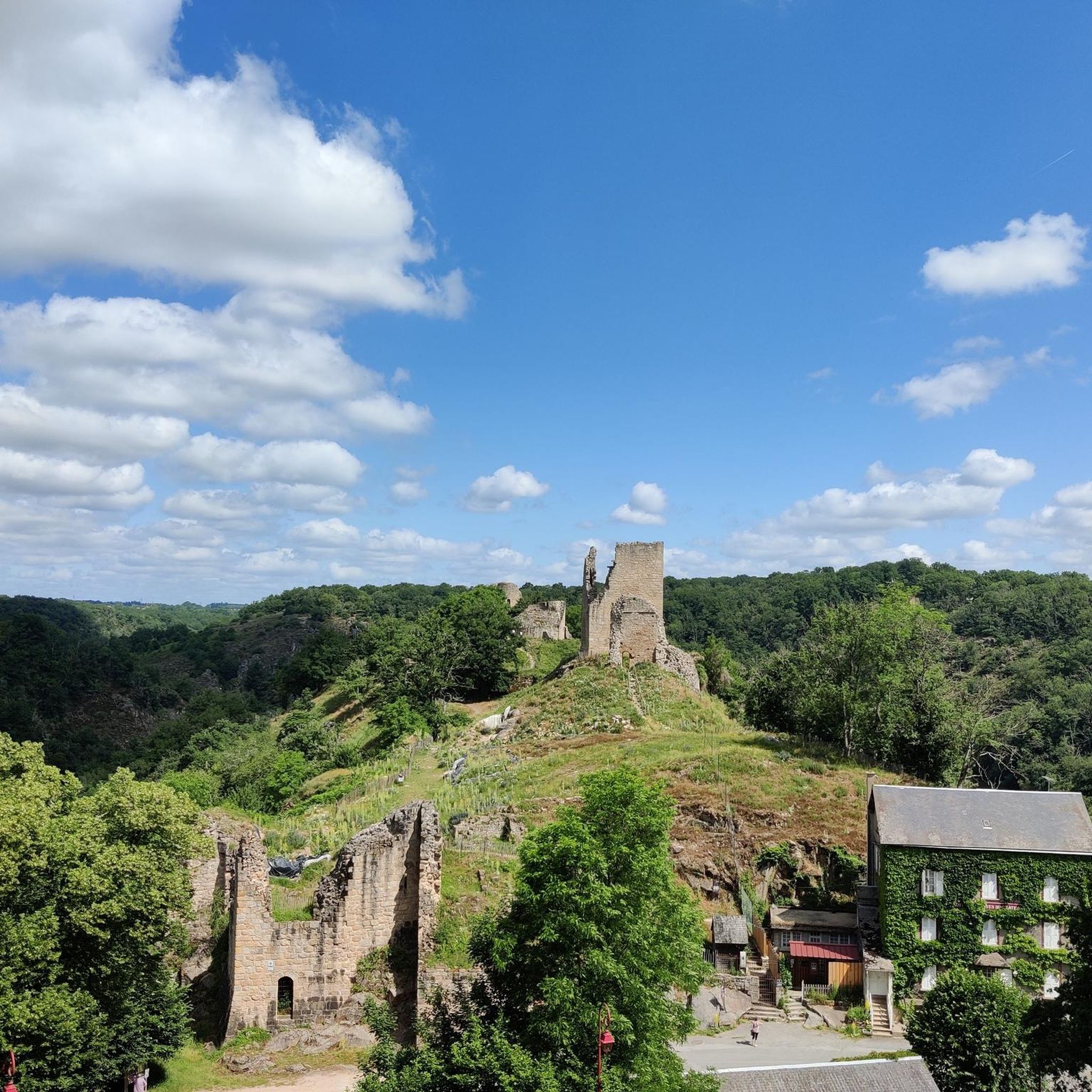
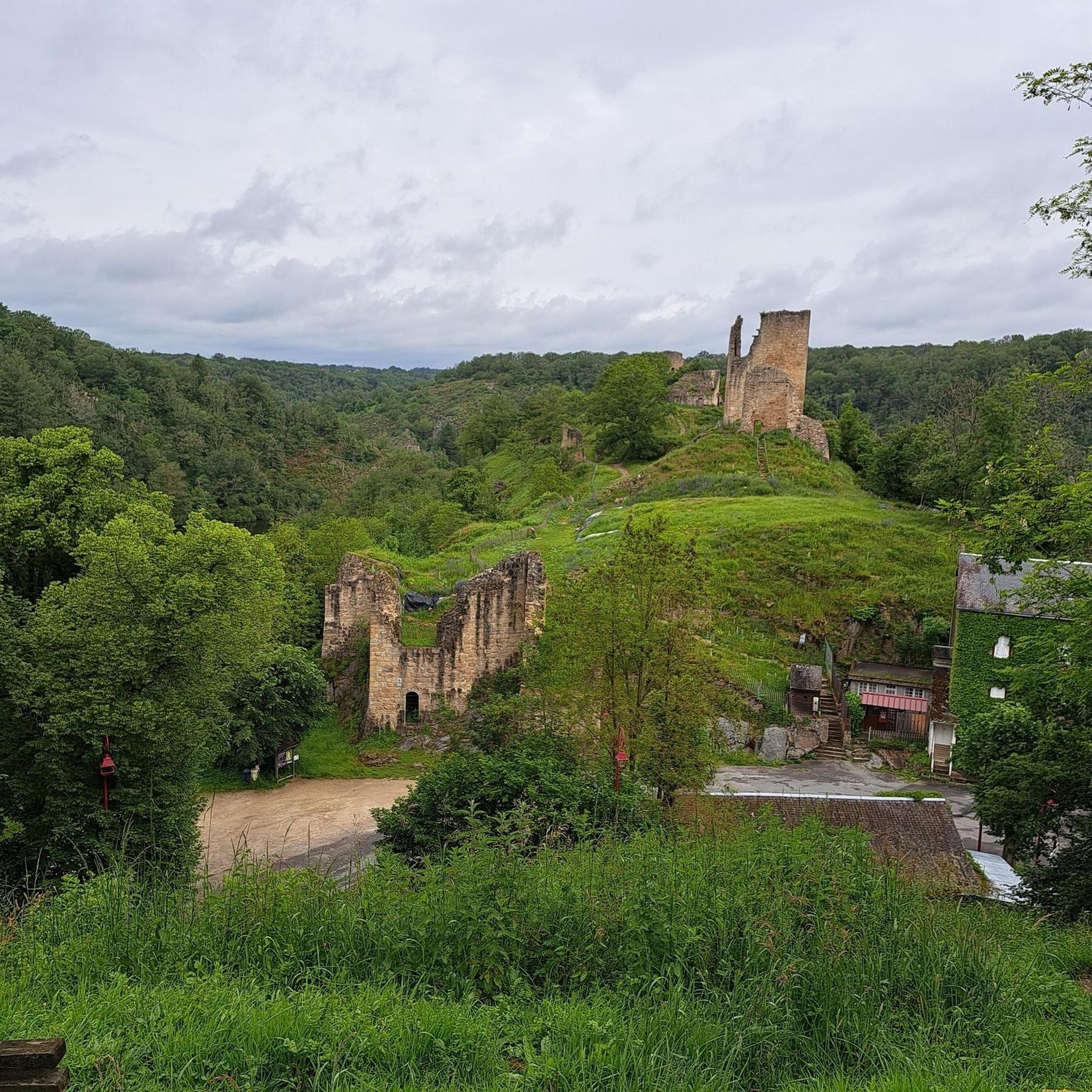
At the confluence of the two rivers Creuse and Sédelle, stand on top of a rocky promontory the remains of the ancient fortress of Crozant. Considered one of the most powerful strongholds in France in the Middle Ages. Source: Toute la Creuse
1
0

At the confluence of the Creuse and the Sédelle, the ruins of the fortress of Crozant sit on a rocky promontory. A powerful fortress in the Middle Ages, it has more recently inspired painters like Monet and the composer Frédéric Chopin.
2
0

A great and worth seeing ruin located above the Creuse.
2
0

The Château de Saint-Germain-Beaupré was built in the 16th century in a Renaissance style, while it replaced a fortified castle built on this site. This castle is classified as a historical monument, but it is not possible to visit it.
1
0
Frequently Asked Questions
What makes the castles around Crozant historically significant?
The castles in the Crozant region, particularly the Crozant Ruins, are deeply rooted in history. The Crozant fortress dates back to the late 12th century, playing a major defensive role and resisting forces like the Black Prince during the Hundred Years' War. It was shaped by powerful families such as the Lusignans and Bourbons, and its strategic location at the confluence of the Creuse and Sedelle rivers made it one of France's most powerful strongholds.
What natural features and viewpoints can I expect to see at the Crozant castles?
The Crozant Ruins are situated on a rocky promontory at the confluence of the Creuse and Sedelle rivers, offering magnificent panoramic views of the valley. The wild and picturesque landscape itself is a significant draw, with interpretive trails guiding visitors along the promontory to appreciate the natural beauty alongside the historical ruins.
Are there any castles around Crozant known for inspiring artists?
Yes, the Crozant Ruins and their dramatic natural setting profoundly inspired numerous artists, leading the area to be known as the 'Valley of the Painters.' Impressionist painters like Claude Monet and Armand Guillaumin, as well as writers such as George Sand, found muse in this landscape.
What do visitors enjoy most about the castles around Crozant?
Visitors particularly appreciate the breathtaking setting of the Crozant Ruins, with its stunning hiking trails, the river, and the rocks. The combination of impressive medieval ruins and the beautiful natural environment, which inspired a significant artistic movement, is a major highlight for many.
Are there family-friendly castles to visit near Crozant?
The Crozant Ruins offer an engaging experience for families, with interpretive trails that make exploring the historical site and its natural surroundings accessible. While specific 'family-friendly' amenities aren't listed for all castles, the open-air nature of the ruins and the surrounding trails are generally suitable for families.
Can I bring my dog to the castle sites around Crozant?
While specific regulations for dogs at each castle site are not detailed, the Crozant Ruins are an outdoor site with surrounding hiking trails. It is generally advisable to keep dogs on a leash and clean up after them. Always check local signage upon arrival for any specific restrictions.
What is the best time of year to visit the castles in the Crozant region?
The Crozant region's natural beauty, particularly around the Crozant Ruins, is best enjoyed in spring, summer, and early autumn. These seasons offer pleasant weather for exploring the outdoor ruins and hiking the surrounding trails, allowing for the best views of the confluence of the Creuse and Sedelle rivers.
Is there parking available at the Crozant castle ruins?
Yes, parking is available near the Crozant Ruins. Visitors can typically find designated parking areas within walking distance of the site, making it convenient for exploration.
Are there cafes or restaurants near the Crozant castle ruins?
Yes, the commune of Crozant, though small, offers amenities. You can find cafes and restaurants in the vicinity of the Crozant Ruins, allowing visitors to enjoy refreshments or a meal after exploring the historical site.
What outdoor activities can I do near the castles around Crozant?
The area around Crozant's castles is excellent for outdoor activities. You can enjoy various hiking trails, including easy loops like the 'Sédelle Valley, Crozant – Crozant Village loop' or more moderate routes like the 'Crozant Ruins – Crozant Village loop.' There are also numerous road cycling and touring bicycle routes that pass by the castles and through the scenic river valleys.
Are there hiking trails near the Crozant castle ruins?
Absolutely. The Crozant Ruins are surrounded by a network of hiking trails. You can find routes ranging from easy, short loops like the 'Crozant Castle Ruins – Crozant Village loop' (3 km) to more moderate and longer options that explore the Sédelle Valley and the confluence of the rivers.
Can I visit the interior of Château de Saint-Germain-Beaupré?
The Château de Saint-Germain-Beaupré is classified as a historical monument, but it is not generally open for public visits to its interior. Visitors can appreciate its 16th-century Renaissance-style architecture from the exterior.
Where is Château de Bonnu located and what can I see there?
The Château de Bonnu is a medieval fortress perched above the meanders of the Creuse River, offering views overlooking Lake Éguzon. It's a perfect spot to relax, take photos, and enjoy the combination of nature and history.
Most popular attractions around Crozant

Get inspired with the komoot mobile app


Explore more
Looking for the best castles somewhere else? Discover other guides around Crozant:
