Top 4 Castles around Hursley
Best castles around Hursley are found in a region characterized by its historical significance and rural landscape, located near the city of Winchester. The area features ancient earthworks and medieval ruins, offering insights into centuries of local history. Visitors can explore sites that range from former royal strongholds to bishop's palaces. The varied historical sites provide opportunities to connect with the past within a tranquil setting.
Best castles around Hursley
- The most popular castles is Wolvesey Castle (Old Bishop's Palace)…
Last updated: July 1, 2026
Wolvesey Castle (Old Bishop's Palace)
Highlight • Historical Site
Tip by

King Arthur's Round Table, The Great Hall, Winchester Castle
Highlight • Monument
Tip by
Sign up now to discover places like this
Get recommendations on the best single tracks, peaks, & plenty of other exciting outdoor places.
Sign up for free
Merdon Castle Lane
Highlight (Segment) • Castle
Tip by

Mottisfont House and Gardens
Highlight • Historical Site
Tip by
Start today with a free account
Your next adventure awaits.
Login or Signup
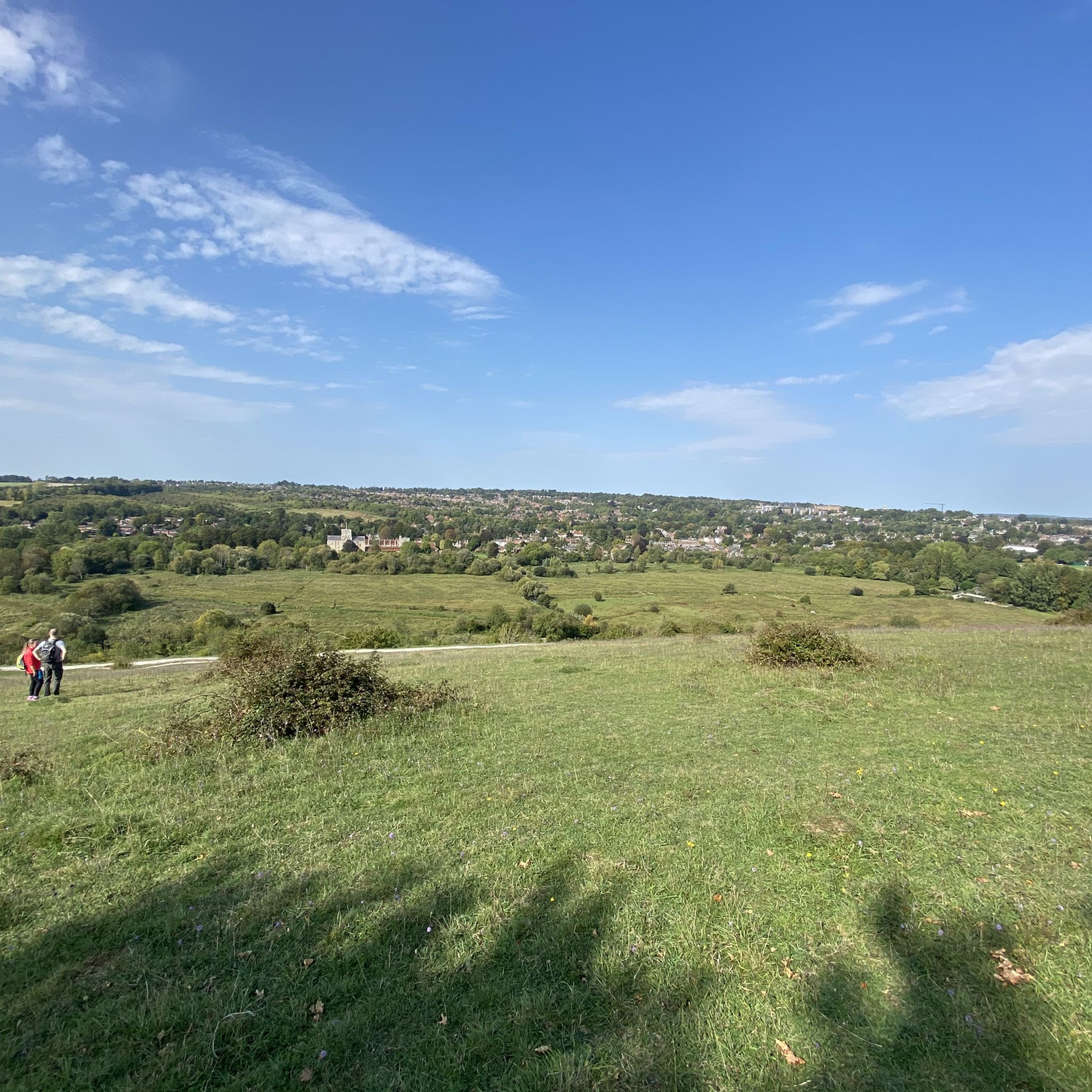
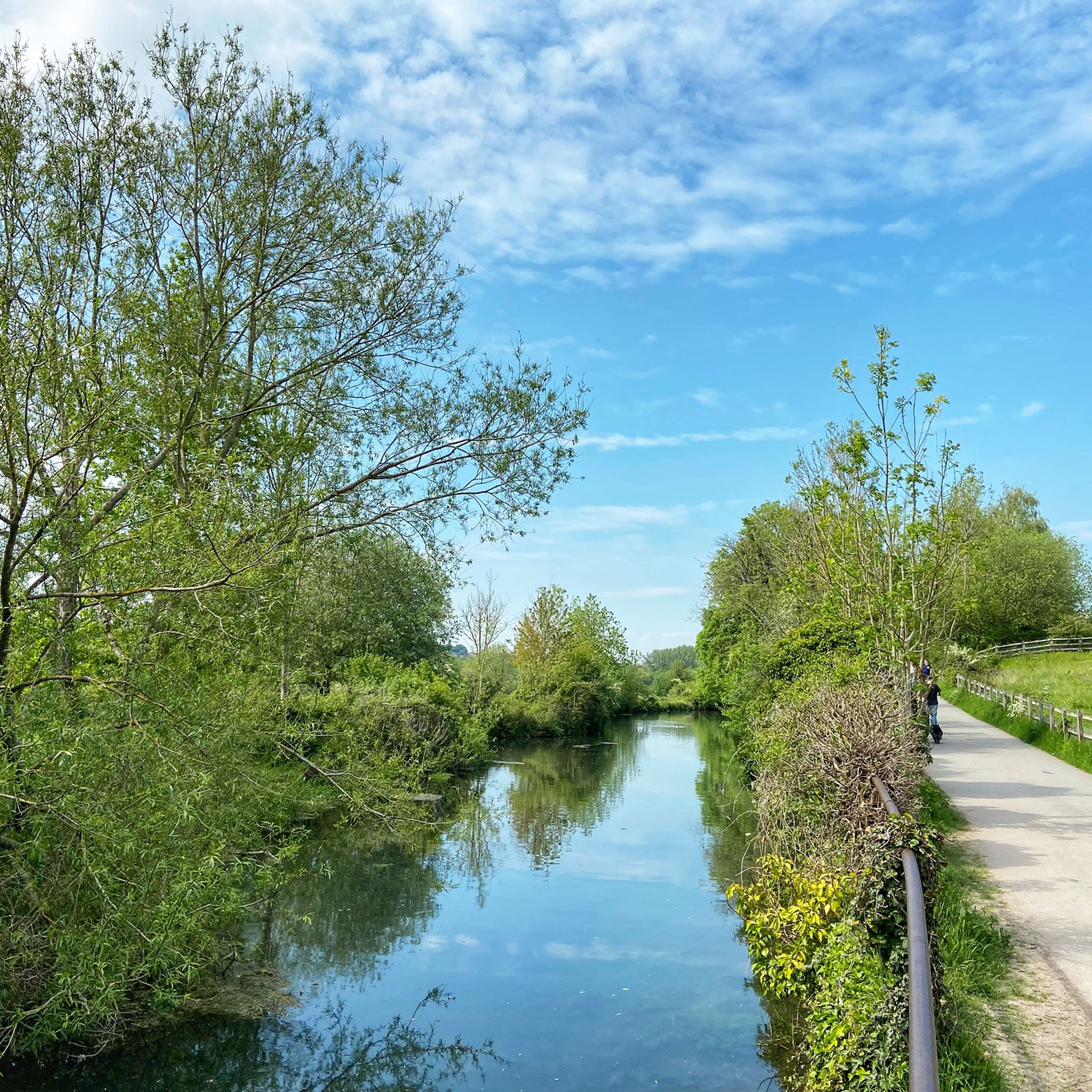
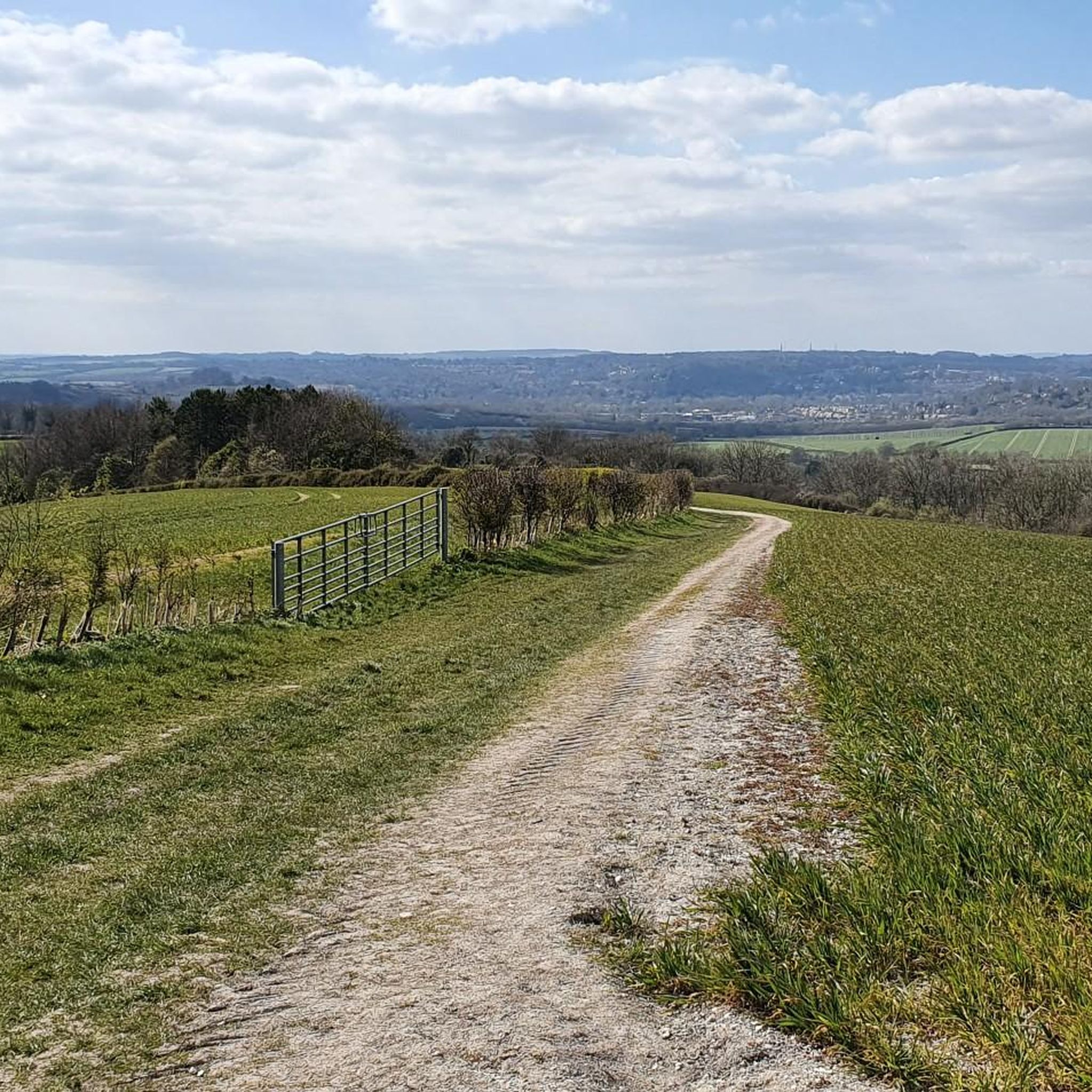
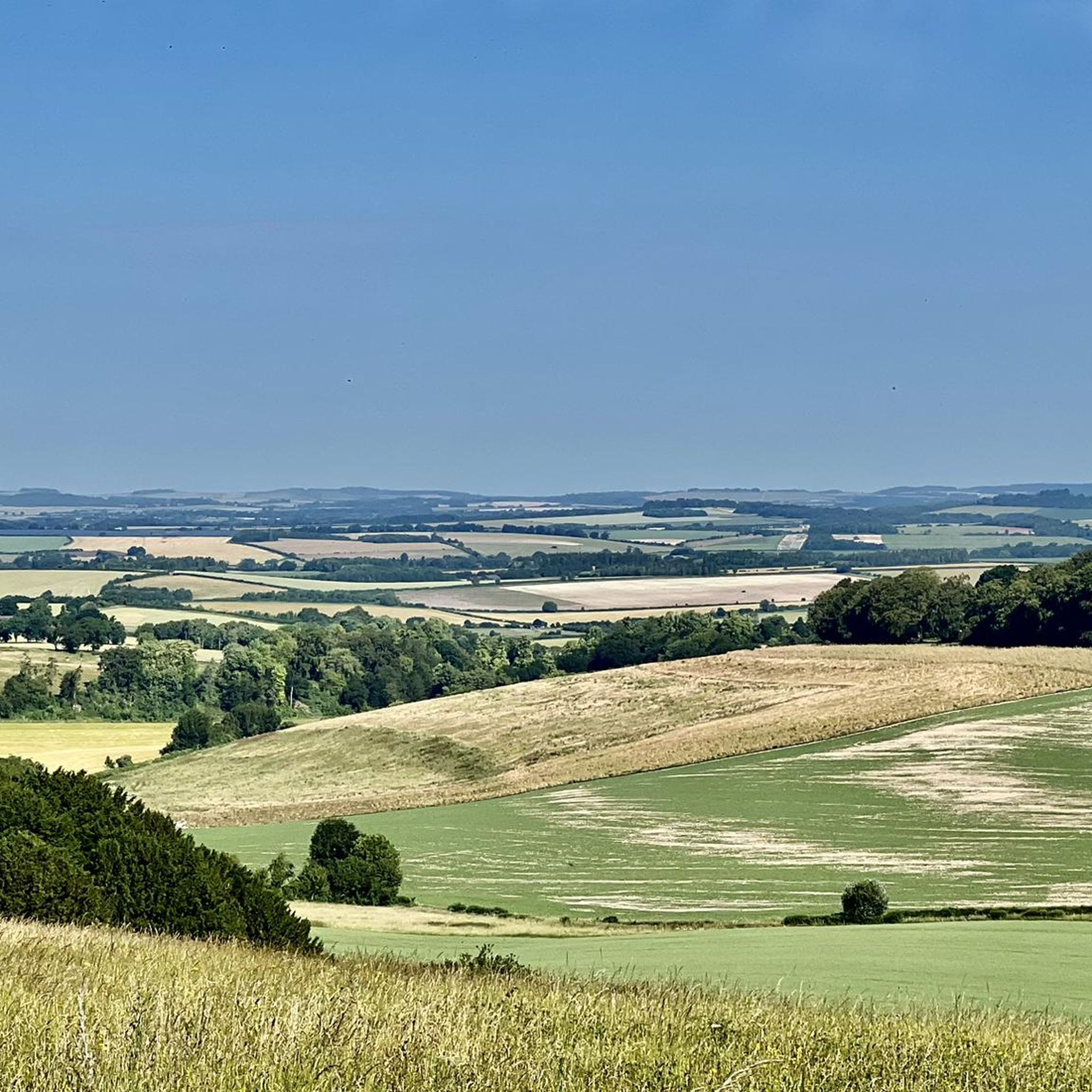
Tips from the Community

Winchester Castle was one of the most important royal fortresses in England during the medieval period, though today, only a magnificent part of it remains.
1
0
The Round Table in Winchester's Great Hall is an iconic artifact often associated with the legend of King Arthur and his Knights. Location: It hangs on a wall in the Great Hall, which is the last remaining part of the medieval Winchester Castle. Actual Date: Despite the legend, carbon dating proves the table is a medieval creation, made from English oak between 1250 and 1280 AD. It was likely commissioned by King Edward I for an Arthurian-themed tournament or feast.
1
0
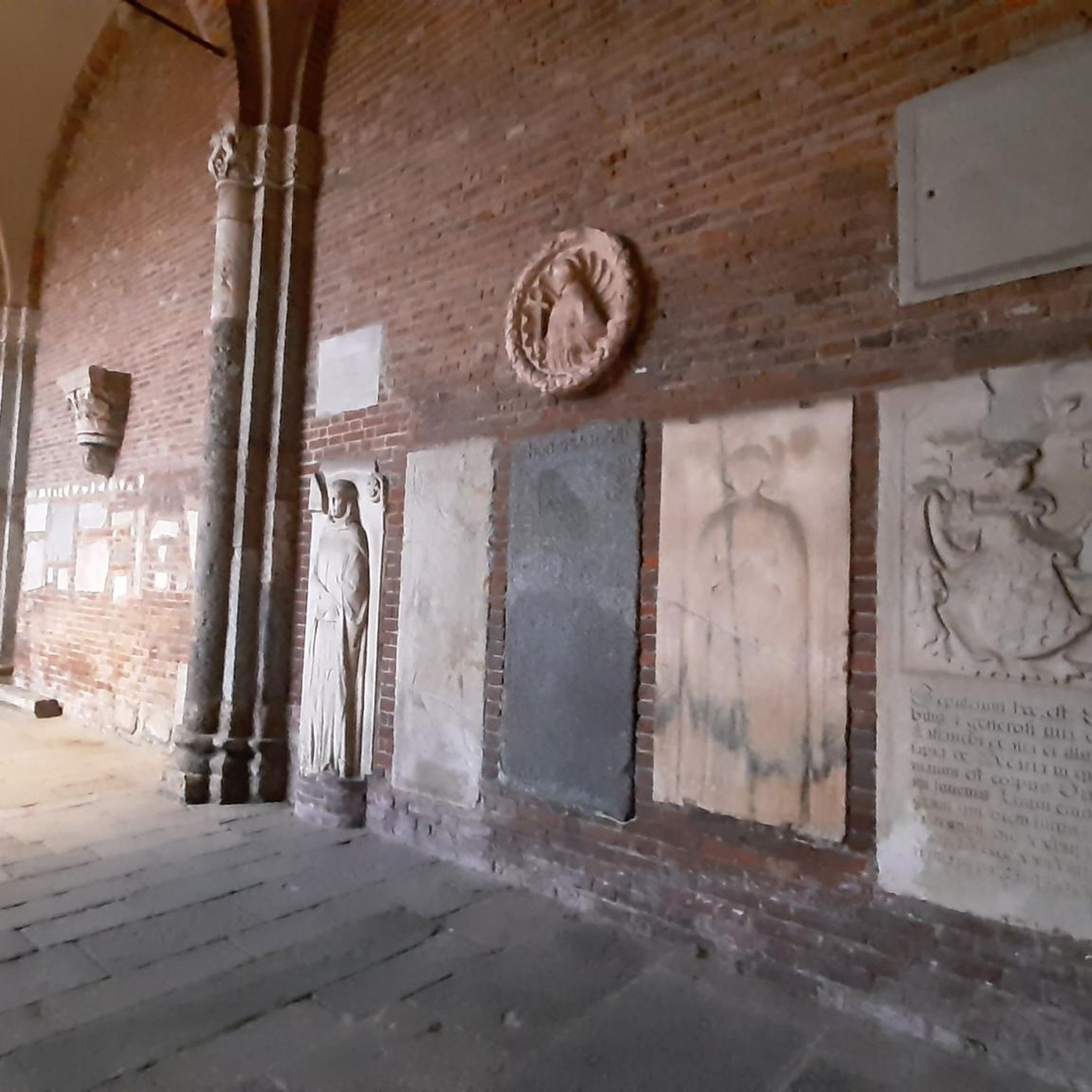
Wolvesey Castle (also known as the Old Bishop's Palace) was the medieval residence of the extremely wealthy and powerful Bishops of Winchester.
0
0
Queen Eleanor's Garden: Outside the Hall is a tranquil recreated medieval garden, named after Eleanor of Provence (wife of Henry III) and Eleanor of Castile (wife of Edward I). The Westgate: The imposing Westgate, a surviving medieval fortified gate, is located nearby and was once the main entrance to the castle complex.
0
0
Gothic Architecture: The Hall is a stunning example of 13th-century Gothic architecture. It is an immense, aisled hall featuring elegant Purbeck marble columns and soaring pointed archways. Hammer-Beam Roof: It is topped with a magnificent hammer-beam roof, which creates a large, unobstructed open space. Judicial History: For centuries, the Great Hall served as the primary law court for Hampshire, hosting Assize Courts until 1974. Notable trials held here include that of Sir Walter Raleigh (1603) and the "Bloody Assizes" under Judge Jeffreys (1685).The Great Hall is most famous for housing the Winchester Round Table, which is prominently displayed on the west wall. The Legend: This enormous circular wooden tabletop is strongly linked to the legendary King Arthur and his Knights of the Round Table, symbolizing equality as it has no "head." The Reality: The table is a genuine medieval artifact, but it is not from King Arthur's time. Carbon dating suggests the wood was cut in the late 13th century (around 1250-1280), approximately 600 years after Arthur is traditionally thought to have lived. Purpose: Historians believe it was likely created for a lavish "Round Table" tournament, possibly hosted by King Edward I in 1290 to celebrate a royal betrothal. The Painting: The famous painted design, which features the Tudor rose in the centre and a figure resembling a young King Henry VIII as Arthur, was commissioned by King Henry VIII in the early 16th century (c. 1522) to reinforce his connection to the legendary king.
0
0
The Great Hall is all that remains of the vast Winchester Castle, which was founded by William the Conqueror in 1067 as a seat of royal power and government. The present Great Hall was built between 1222 and 1235 during the reign of King Henry III, who was born in Winchester Castle. It is regarded as one of the finest surviving medieval great halls in England. While the rest of Winchester Castle was largely destroyed in 1649 following the English Civil War on the orders of Oliver Cromwell, the Great Hall was spared, possibly for use as a courthouse.
0
0
Features: The medieval complex included two great halls (East and West), a huge kitchen block, a keep, and one of the earliest known piped water supply systems in medieval Britain. Royal Connections: Due to the decline of Winchester Castle, Wolvesey became the favoured lodging for royalty visiting the city. The most famous event was the wedding banquet of Queen Mary I and Philip II of Spain in 1554, which took place in the East Hall before their marriage ceremony in Winchester Cathedral. Destruction: Wolvesey Castle was significantly damaged and largely stripped of its fortifications by the Parliamentarians (Roundheads) in 1646 during the English Civil War. Replacement Palace: The medieval palace was eventually abandoned in the 17th century. The site's fortunes changed with the Restoration of the Monarchy: Bishop George Morley (1662–1684) commissioned the construction of a new, smaller Baroque palace right next to the ruins. This palace was later partially demolished but its surviving West Wing remains the current private residence of the Bishop of Winchester today.
0
0
It was the principal residence of the immensely wealthy and powerful Bishops of Winchester throughout the Middle Ages, and is now a spectacular ruin managed by English Heritage. The extensive ruins visible today are largely the work of Bishop Henry of Blois (1129–1171), the brother of King Stephen. Henry was a dominant political and religious figure who built a magnificent, fortified palace to reflect his status. Although often referred to as a castle, it was primarily a lavish palace built in the style of a castle (fortified) due to the turbulent political period of the 12th century known as The Anarchy.
0
0
Frequently Asked Questions
What kind of historical sites can I expect to find around Hursley?
The Hursley area is rich in historical significance, featuring ancient earthworks, medieval ruins, and historical halls. You can explore sites ranging from former royal strongholds and bishop's palaces to structures housing legendary artifacts. These sites offer a variety of historical experiences within a tranquil setting.
Are there any family-friendly castles or historical sites to visit near Hursley?
Yes, both Wolvesey Castle (Old Bishop's Palace) and King Arthur's Round Table, The Great Hall, Winchester Castle are categorized as family-friendly. Wolvesey Castle offers well-preserved ruins to explore, while The Great Hall provides a unique experience with the iconic Round Table and Queen Eleanor's Garden.
What is Merdon Castle, and can I visit it?
Merdon Castle is a significant historical site near Hursley, known for its impressive earthworks and the remains of a motte-and-bailey castle, which also incorporates an Iron Age hillfort. It was built by Henry de Blois in the 12th century. However, the site is a scheduled monument and is closed to members of the public. While you might catch a glimpse of the earthworks from Castle Merdon Lane, direct access is restricted. For more historical context, you can refer to its Wikipedia page.
What is special about The Great Hall at Winchester Castle?
The Great Hall at Winchester Castle is one of the finest surviving medieval halls from the 13th century. It is particularly special for housing the iconic Round Table, famously linked to the legends of King Arthur and his Knights. It offers a unique historical experience and also features Queen Eleanor's Garden, a recreation of an enclosed medieval garden.
What are the opening hours and entry fees for Wolvesey Castle?
Wolvesey Castle (Old Bishop's Palace) is managed by English Heritage and is free to enter. It is typically open daily from April until October, between 10 am and 5 pm. It's always a good idea to check the English Heritage website for the most current opening times before your visit.
Are there walking or running trails near the castles around Hursley?
Yes, the Hursley area offers various outdoor activities. You can find several running and hiking trails nearby. For example, there are moderate running routes like 'The Kings Head – Country Lane loop from Hursley' and easy hikes such as 'Pitt Down – Yew Tree Hollow Way loop from Crab Wood Nature Reserve'. You can explore more options on the Running Trails around Hursley guide or the Hiking around Hursley guide.
What do visitors appreciate most about the historical sites in this region?
Visitors often appreciate the sense of grandeur and the historical insights offered by sites like Wolvesey Castle, even in its ruined state. The informative boards at these sites help bring the medieval history to life. The tranquil settings also make for an enjoyable and contemplative experience for history buffs.
Is there parking available near the castles?
While specific parking details for each site are best checked individually, historical sites like The Great Hall, Winchester Castle are located within Winchester, where public parking facilities are available. For sites like Merdon Castle, which is primarily earthworks and not publicly accessible, parking would be limited to nearby roads like Castle Merdon Lane.
Can I reach these historical sites by public transport?
Winchester, where Wolvesey Castle and The Great Hall are located, is well-served by public transport, including train and bus services. Hursley village itself also has bus connections. It is advisable to check local bus schedules for routes connecting Hursley to Winchester and specific site locations.
Are there any pubs or cafes near the castles for refreshments?
Yes, being close to Winchester, there are numerous pubs, cafes, and restaurants available near Wolvesey Castle and The Great Hall. In Hursley village, you can also find local establishments for refreshments after exploring the area.
What is the best time of year to visit the castles around Hursley?
The period from April to October is generally ideal for visiting, as sites like Wolvesey Castle are open during these months. The milder weather also makes exploring the outdoor ruins and earthworks more pleasant. However, the historical halls, such as The Great Hall, are typically open year-round.
Most popular routes around Hursley
Most popular attractions around Hursley

Get inspired with the komoot mobile app


Explore more
Looking for the best castles somewhere else? Discover other guides around Hursley:
