Top 3 Castles around Dannewerk
Best castles around Dannewerk are primarily represented by the historic Gottorf Castle and the extensive Danevirke fortification system. Dannewerk is renowned for the Danevirke, a significant system of earthworks, walls, and trenches that served as a crucial defensive barrier for centuries. This region offers a blend of ancient defensive structures and traditional castle architecture, providing insight into centuries of regional history. The area's landscape is shaped by these historical features, making it a notable destination for historical exploration.
Best castles…
Last updated: June 27, 2026
Gottorf Castle
Highlight • Castle
Gottorf Castle, …
Translated by Google •
Tip by

Großer Sitzender by Fritz Fleer, Schloss Gottorf
Highlight • Monument
Translated by Google •
Tip by

Sign up now to discover places like this
Get recommendations on the best single tracks, peaks, & plenty of other exciting outdoor places.
Sign up for free
View of Schloss Louisenlund and the Schlei
Highlight • Viewpoint
Translated by Google •
Tip by

View of Gottorf Castle from the Baroque Garden
Highlight • Viewpoint
Translated by Google •
Tip by

Start today with a free account
Your next adventure awaits.
Login or Signup
Popular around Dannewerk
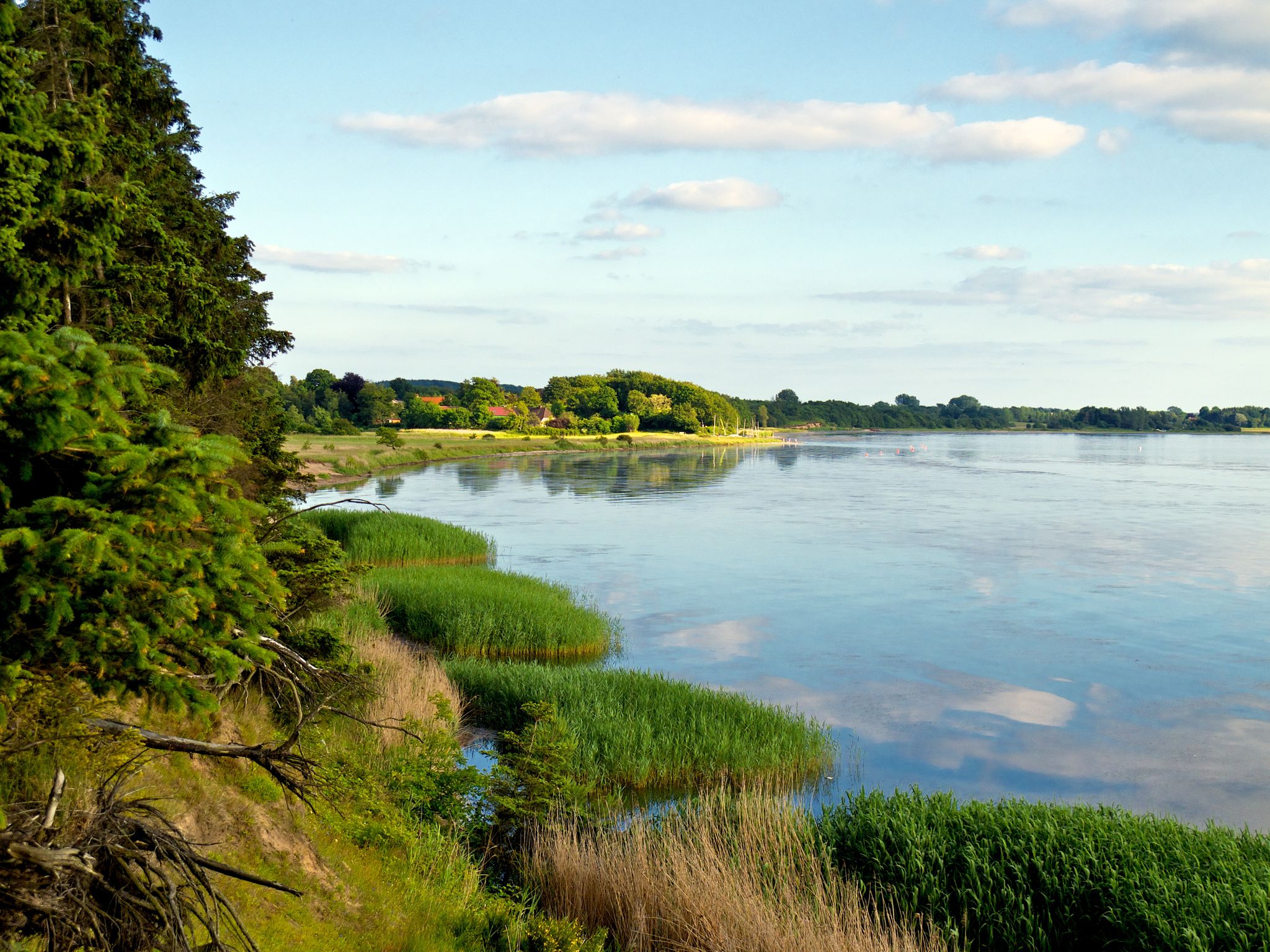
Germany’s blossoming inland — marsh, lakes and fjords in spring
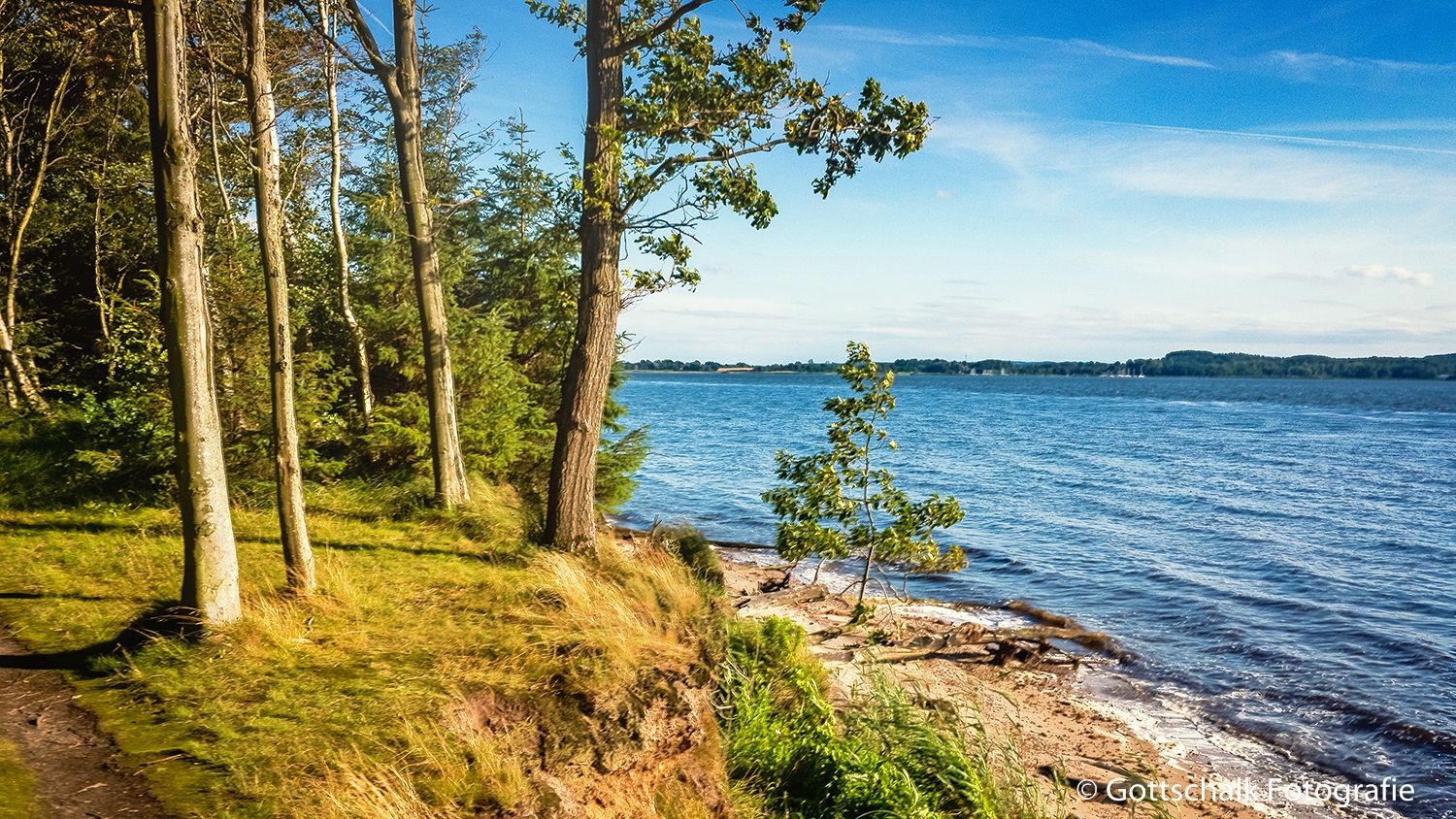
Germany’s golden inland – hike marsh, lakes and fjords in autumn
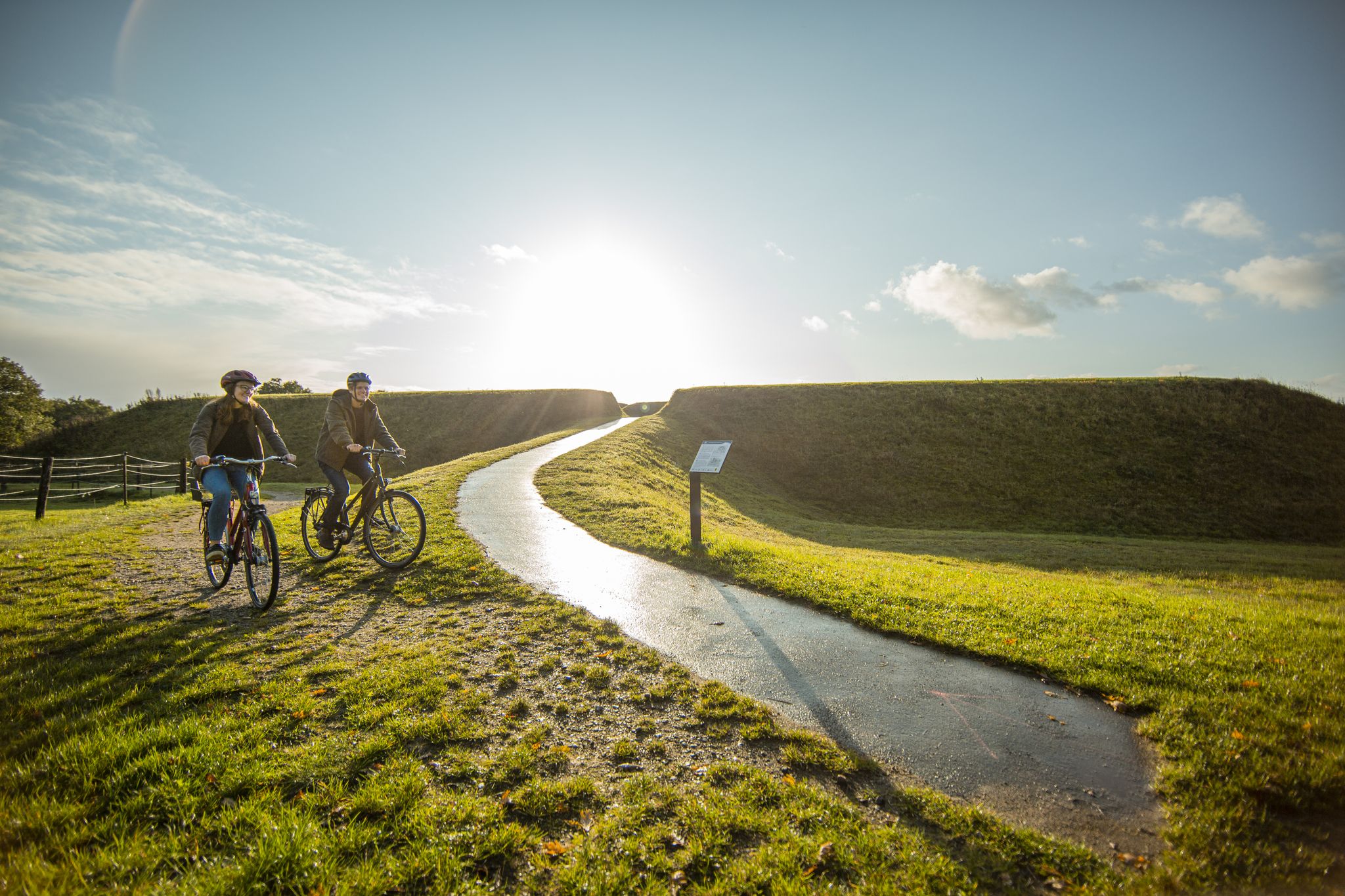
Cycling at the World Heritage Haithabu and Danewerk – Baltic Sea Fjord Schlei
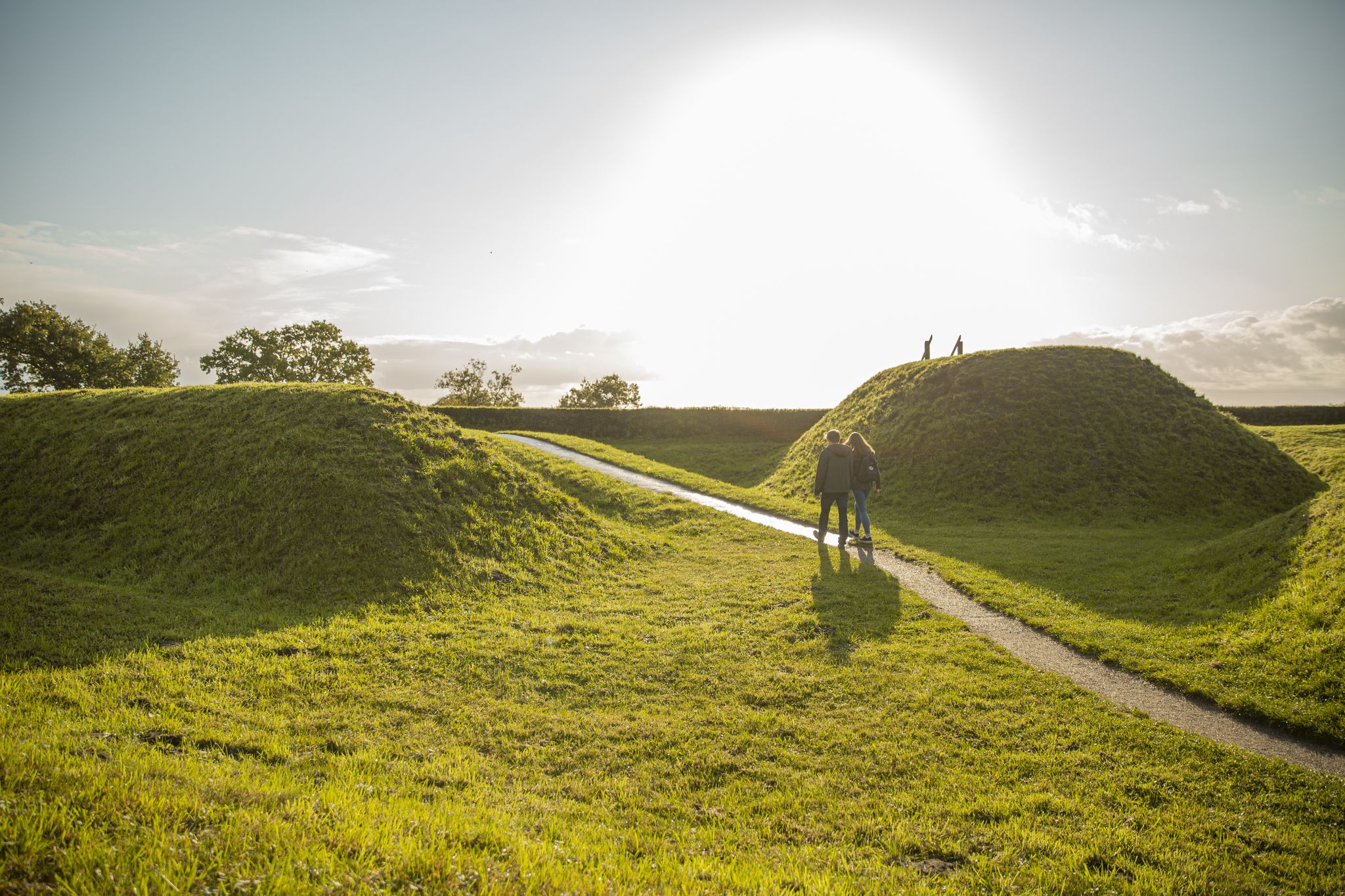
Hiking through a Viking World Heritage Site — Schlei Baltic Sea Fjord
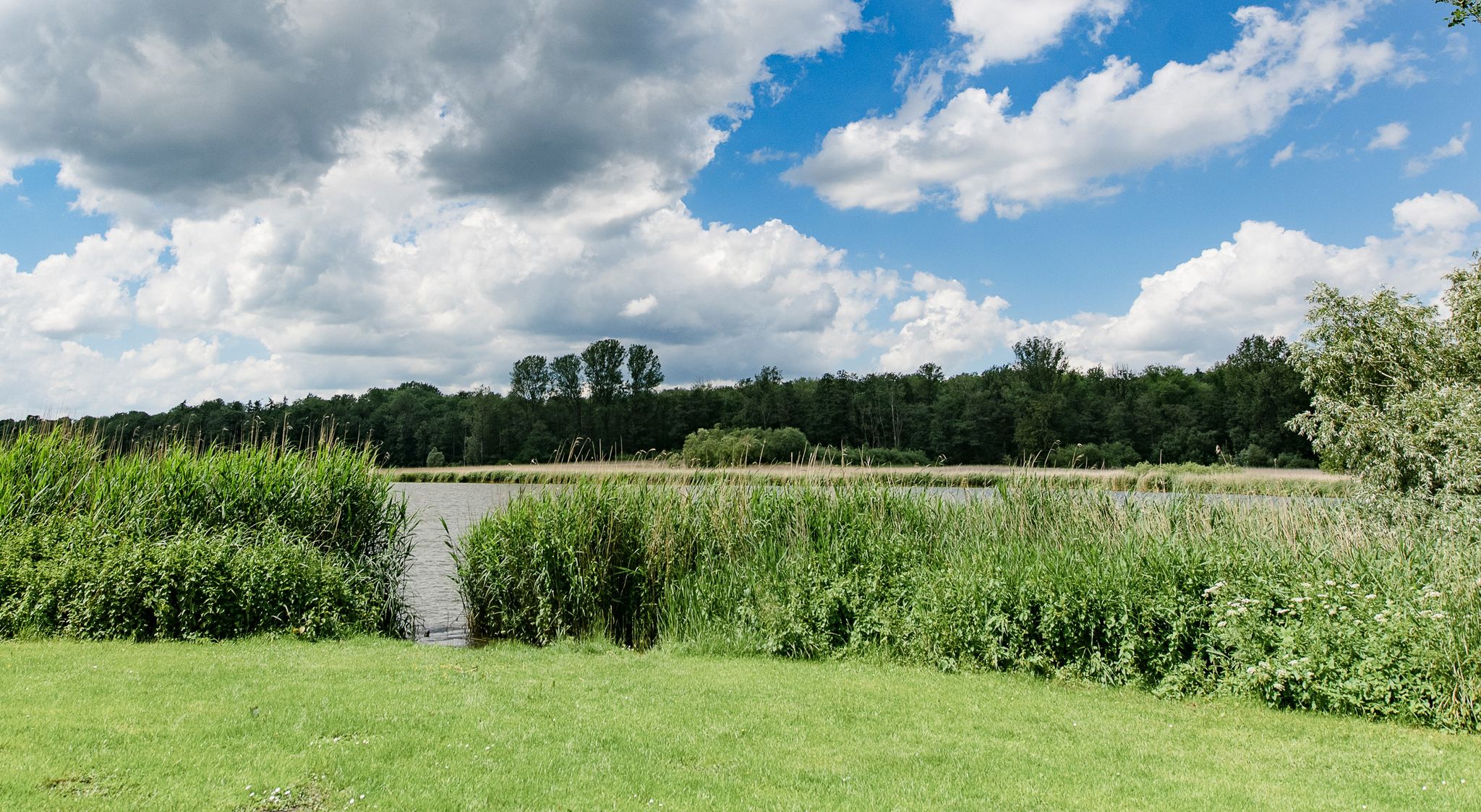
Following in the footsteps of the Vikings – hiking around Schleswig
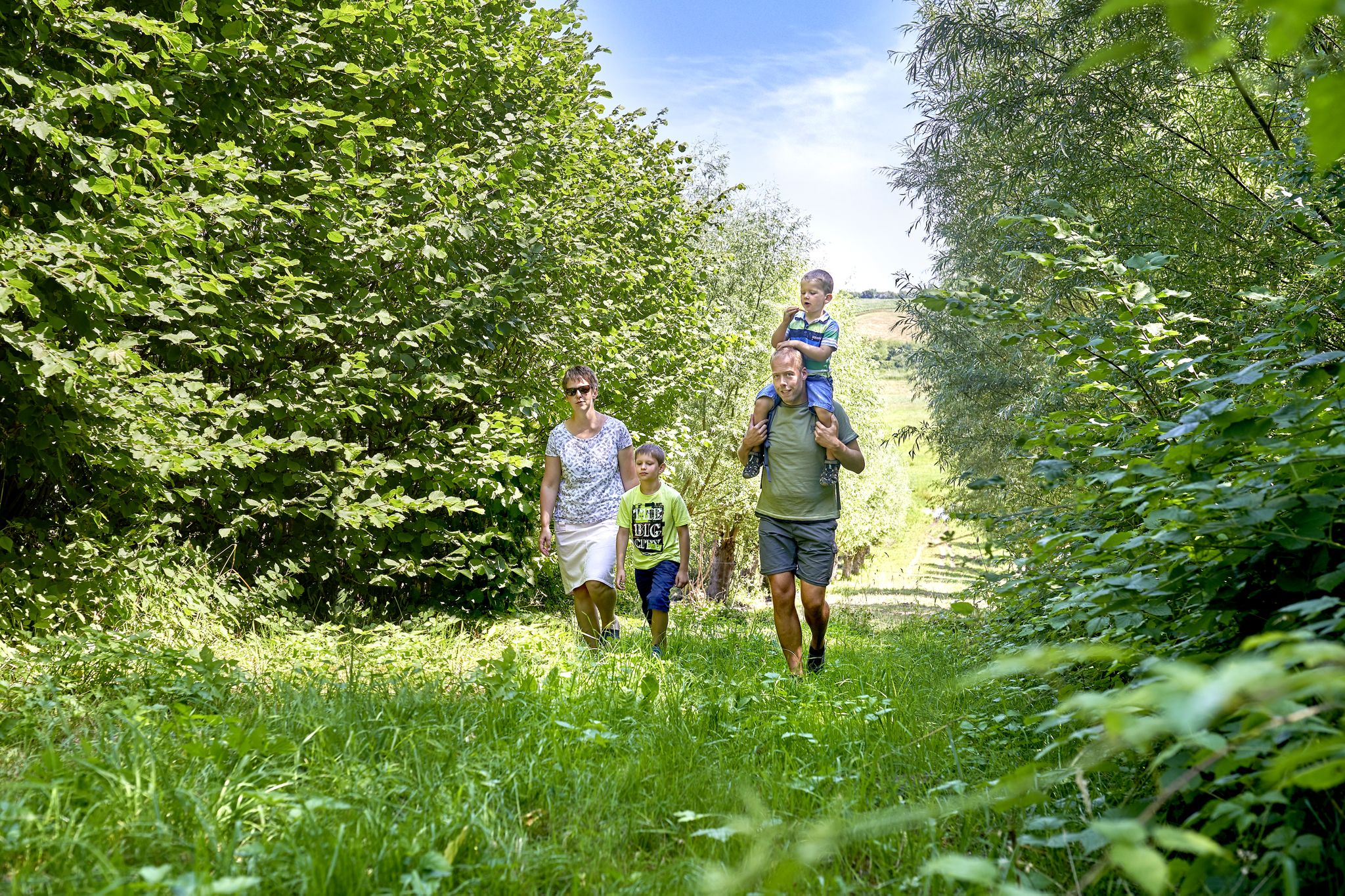
Wandern in Eggebek - Arensharde - mitten im Norden Schleswig-Holsteins
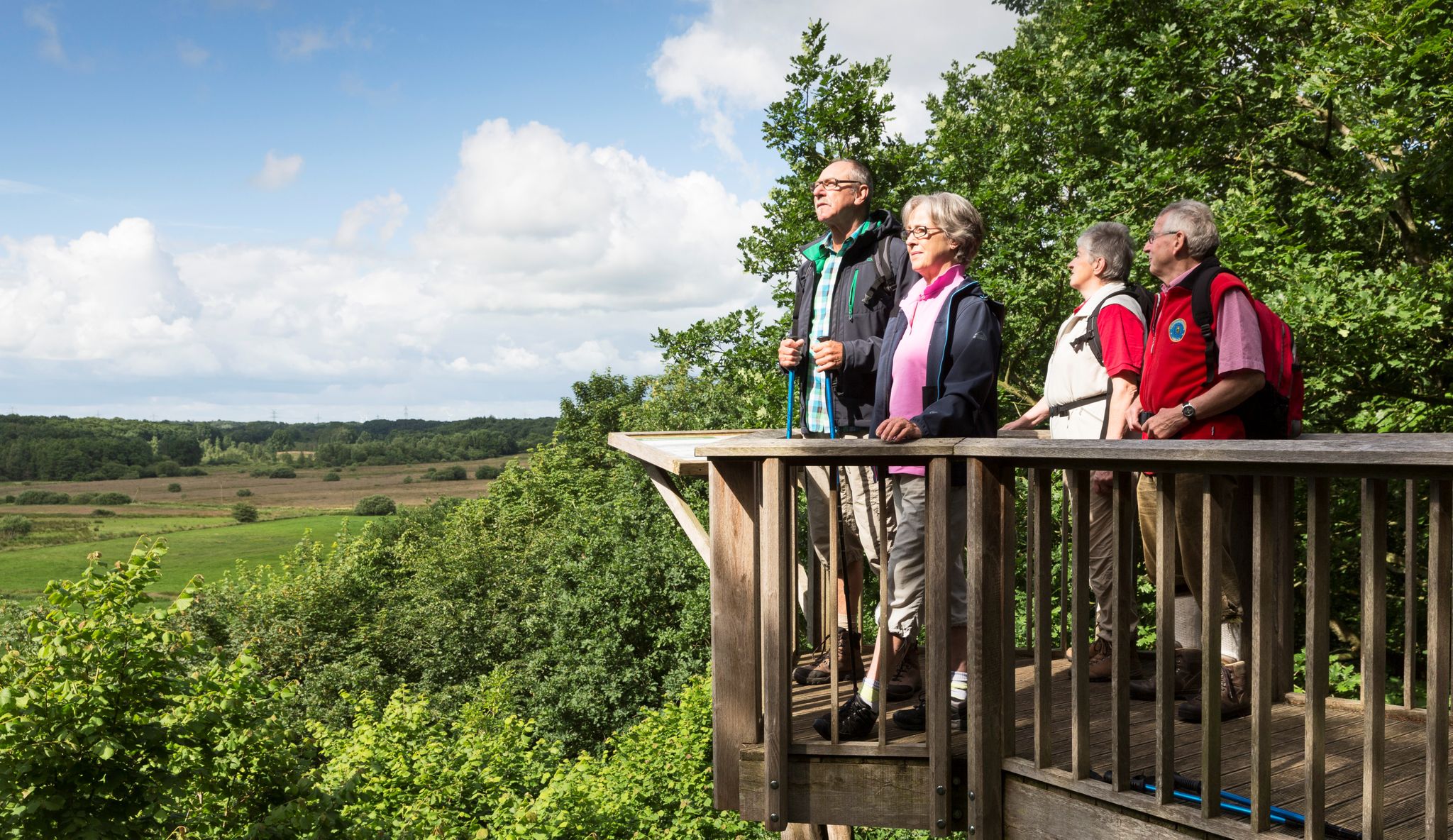
Wandern im Grünen Binnenland
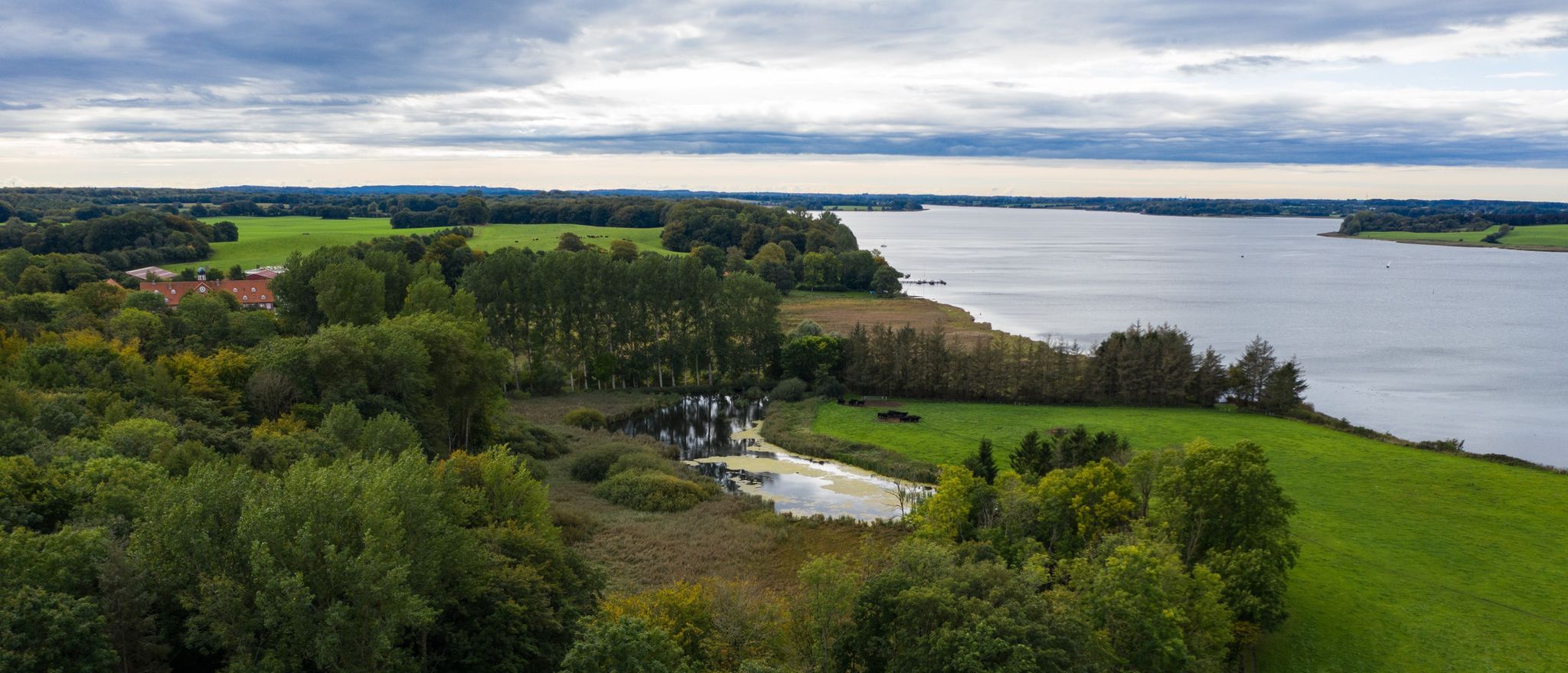
Wandern an der Schlei
Road Cycling Routes around Dannewerk
Hiking around Dannewerk
Other adventures around Dannewerk


Tips from the Community

Numerous works of art adorn the garden of Gottorf Castle, including "Large Seated Figure" by Fritz Fleer.
2
0

The castle houses Schleswig-Holstein's most important museums and is involved in a wide range of cultural events. In addition to changing exhibitions (including those by contemporary artists), theater performances in the courtyard and concerts are held at irregular intervals. The entire grounds and many of the interior rooms are open to visitors. Some of the castle's original furnishings have been preserved and can be viewed as part of the museum tours. Of particular note are the festive Hirschsaal (Stag Hall) from 1591 and the two-story Renaissance chapel. The castle is considered the most important secular building in the state of Schleswig-Holstein.
15
1
At the beginning of 1945, more and more refugees from the eastern territories of the German Reich arrived in Schleswig, their number rising to almost 18,000 by the summer. Gottorf, like many of the country's residences, was used as a temporary reception camp, and several hundred refugees were housed in the castle.[31] In the post-war period, the entire complex was made available to the Schleswig-Holstein State Museums from 1948 onwards.
15
1
After the war of 1848, the Danes first set up a hospital and then a barracks in the castle,[22] in order to be able to operate more effectively against the insurgents in Schleswig-Holstein. The building was adapted to the new needs, and the interior lost much of its once significant furnishings. The former state rooms and ducal apartments were converted into dormitories and dining rooms. The outbuildings were demolished and replaced by extensive stables, and the defensive structures were demolished. Gottorf remained a barracks[22] when it fell to Prussia in 1867 as a result of the Second Schleswig War, and it retained this function until 1945.
15
1
Subsequently, Gottorf became the center of power of the Dukes of Schleswig and was repeatedly at the center of political conflicts. In 1283, the young Duke Waldemar IV of Schleswig was imprisoned in the castle for a time by the Danish King Eric V. In 1329, Gottorf was besieged for the first time (unsuccessfully) by a coalition of Jutland nobles in their fight against Count Gerhard III of Holstein, who had served as Duke for several years.[6] In June 1340, the castle was transferred as a pledge into the permanent possession of the Counts of Holstein from the House of Schauenburg,[7] who resided in Gottorf until their extinction in 1459. Initially as counts, after Count Gerhard VI was invested with the duchy by the Danish regent Margaret I in 1386[8], then formally again as dukes.[9]
15
1
After the Schleswig bishop Niels II was captured during the Battle of Lohheide in 1261, Gottorf became the property of Duke Eric I of Schleswig. In return, the bishops received lands on the lower reaches of the Treene, where the episcopal castle of Schwabstedt was built a short time later.[4] It was only the duke, as the contemporary annals of the Rude monastery report, who had a new castle built "at great expense", which replaced the older ducal castle on the Möweninsel in the Schlei.
16
1
The present-day castle, on an island in the Schlei west of the town, had several predecessor buildings, but little is known about their function and appearance. The oldest structures date to the 13th century and possibly originate from a residence of the bishops of Schleswig called Klein-Gottorf. The name goes back to an older, still visible complex called Alt- or Groß-Gottorf in the Ruhekrug near the Falkenberg estate, which, according to the Danish chronicler Saxo Grammaticus, was destroyed around 1161.[2] As a result, the residence was probably relocated to the more centrally located Klein-Gottorf, where a possibly barely fortified half-timbered building with warm-air heating was built around the middle of the 13th century.
16
1
The state's largest castle was owned by the Danish royal family and the dukes of Schleswig. After Denmark's annexation of the Gottorf portion of the Duchy of Schleswig in 1713, the castle served as the seat of the Royal Danish Governor in Schleswig, subsequently being used as a barracks. Today, it houses two Schleswig-Holstein state museums and the Schleswig-Holstein State Museums Gottorf Castle Foundation. To the north of the castle, the Neuwerk Garden, one of the first Baroque terraced gardens in Northern Europe, has been reconstructed in recent years.
16
1
Frequently Asked Questions
What kind of historical sites can I explore around Dannewerk?
The Dannewerk region is unique, featuring both traditional castle architecture and extensive ancient fortification systems. You can explore the vast Danevirke, a UNESCO World Heritage site, which is a system of earthworks and walls, alongside more conventional structures like Gottorf Castle.
What is the Danevirke and why is it important?
The Danevirke (Danewerk) is not a single castle but a crucial system of Danish fortifications, including earthworks, walls, and trenches, spanning about 30 kilometers. Initiated around A.D. 650, it served as a defensive barrier for centuries and represents the oldest border between Denmark and Germany. It is now a UNESCO World Heritage site, offering insights into Viking-era engineering and medieval defense.
What can I see and do at Gottorf Castle?
Gottorf Castle is a prominent historical landmark housing various museums with fascinating exhibits, such as bog bodies and the Nydam boat. You can also visit the beautifully restored Castle Chapel Schloss Gottorf, which features a "Ducal Prayer Room" with an inlaid coffered ceiling.
Are there family-friendly attractions among the castles near Dannewerk?
Yes, Gottorf Castle is considered family-friendly, offering diverse museum collections that can engage visitors of all ages. Additionally, the sculpture "Großer Sitzender by Fritz Fleer, Schloss Gottorf" in the castle's garden is also noted as family-friendly.
Can I go hiking or cycling near these historical sites?
Absolutely! The area around Dannewerk offers various outdoor activities. You can find numerous routes for mountain biking, gravel biking, and road cycling. For example, there are routes like the "Gottorf Castle – Forest Trail to Langsee loop" for MTB, or the "Haithabu Viking Houses – Gottorf Castle loop" for gravel biking. You can explore more options on the MTB Trails around Dannewerk, Gravel biking around Dannewerk, and Road Cycling Routes around Dannewerk guide pages.
What do visitors enjoy most about the castles and historical sites in Dannewerk?
Visitors particularly appreciate the unique blend of ancient defensive structures and traditional castle architecture. The archaeological treasures and art at Gottorf Castle, including the bog bodies and Nydam boat, are frequently highlighted. The opportunity to walk along parts of the ancient Danevirke ramparts and learn about its rich history is also a major draw.
Is there a castle that houses a boarding school in the area?
Yes, Schloss Louisenlund is a historical site that currently houses a boarding school. This castle can be reached via hiking trails, offering a unique destination for those exploring the region.
Where can I get the best views of Gottorf Castle?
For fantastic views of Gottorf Castle, head to the elevated position at the northern tip of the Baroque Garden. From there, you can enjoy panoramic views over the garden and the Hercules pond towards the castle in the distance. This viewpoint is known as "View of Gottorf Castle from the Baroque Garden".
Are there any specific religious buildings or chapels to visit?
Within Gottorf Castle, you can visit the Castle Chapel Schloss Gottorf. Built around 1590, it features a restored "Ducal Prayer Room" from the early 17th century with an intricately inlaid coffered ceiling, offering a glimpse into historical religious architecture.
What is the best time of year to visit the castles and Danevirke?
While the historical sites are accessible year-round, spring and summer offer pleasant weather for exploring the outdoor sections of the Danevirke and the gardens of Gottorf Castle. The Danevirke Museum's visitor center is currently closed for renovation until spring 2027, but guided tours and activities in the archaeological park remain available.
Are there cafes or restaurants near the castles?
While specific cafes or restaurants directly within the castle grounds are not detailed, the nearby town of Schleswig, where Gottorf Castle is located, offers various dining options. For the Danevirke, you might find facilities at the Danevirke Museum or in the surrounding villages.
Most popular routes around Dannewerk
Most popular attractions around Dannewerk

Get inspired with the komoot mobile app


Explore more
Looking for the best castles somewhere else? Discover other guides around Dannewerk:
