Top 3 Lakes around L'Île-D'Olonne
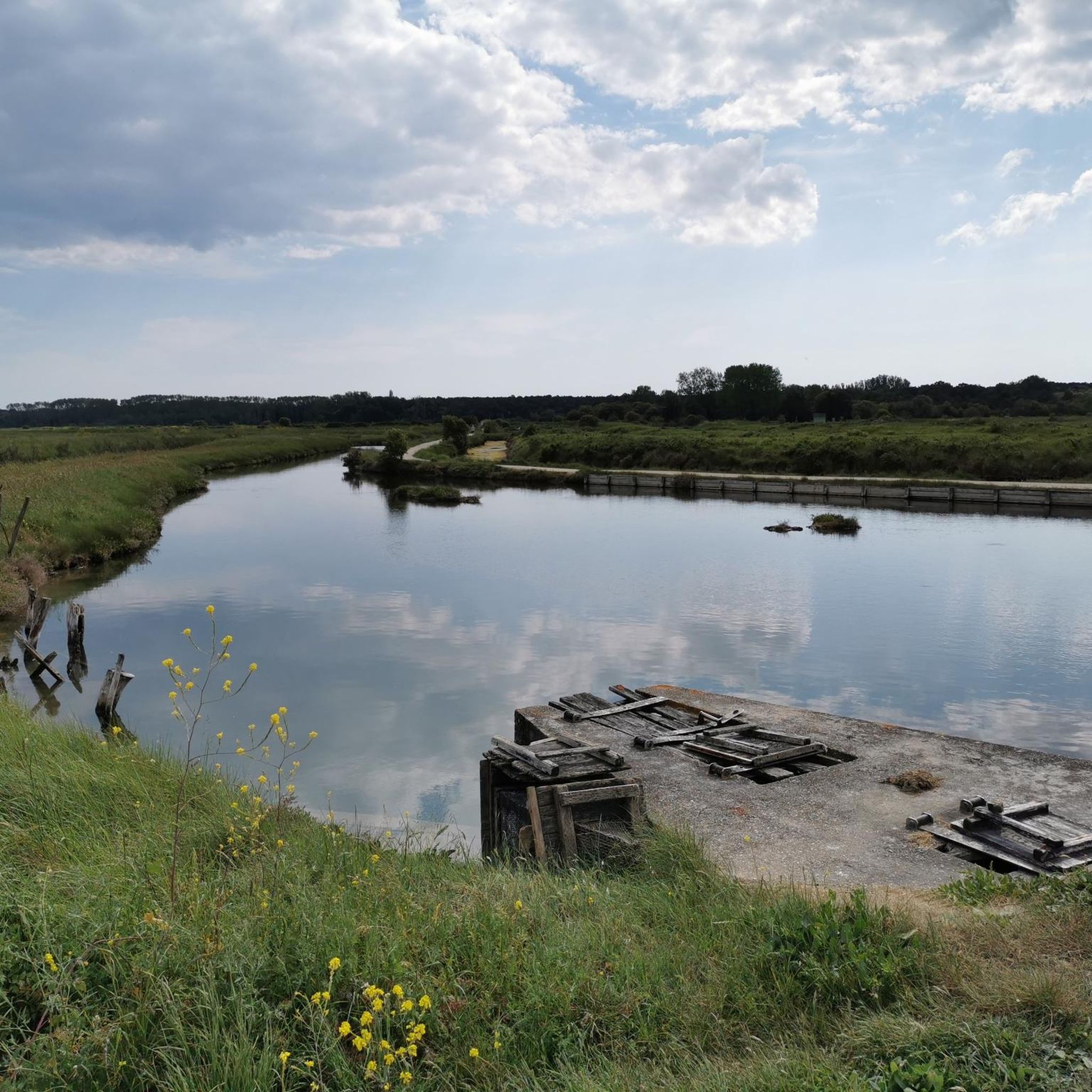
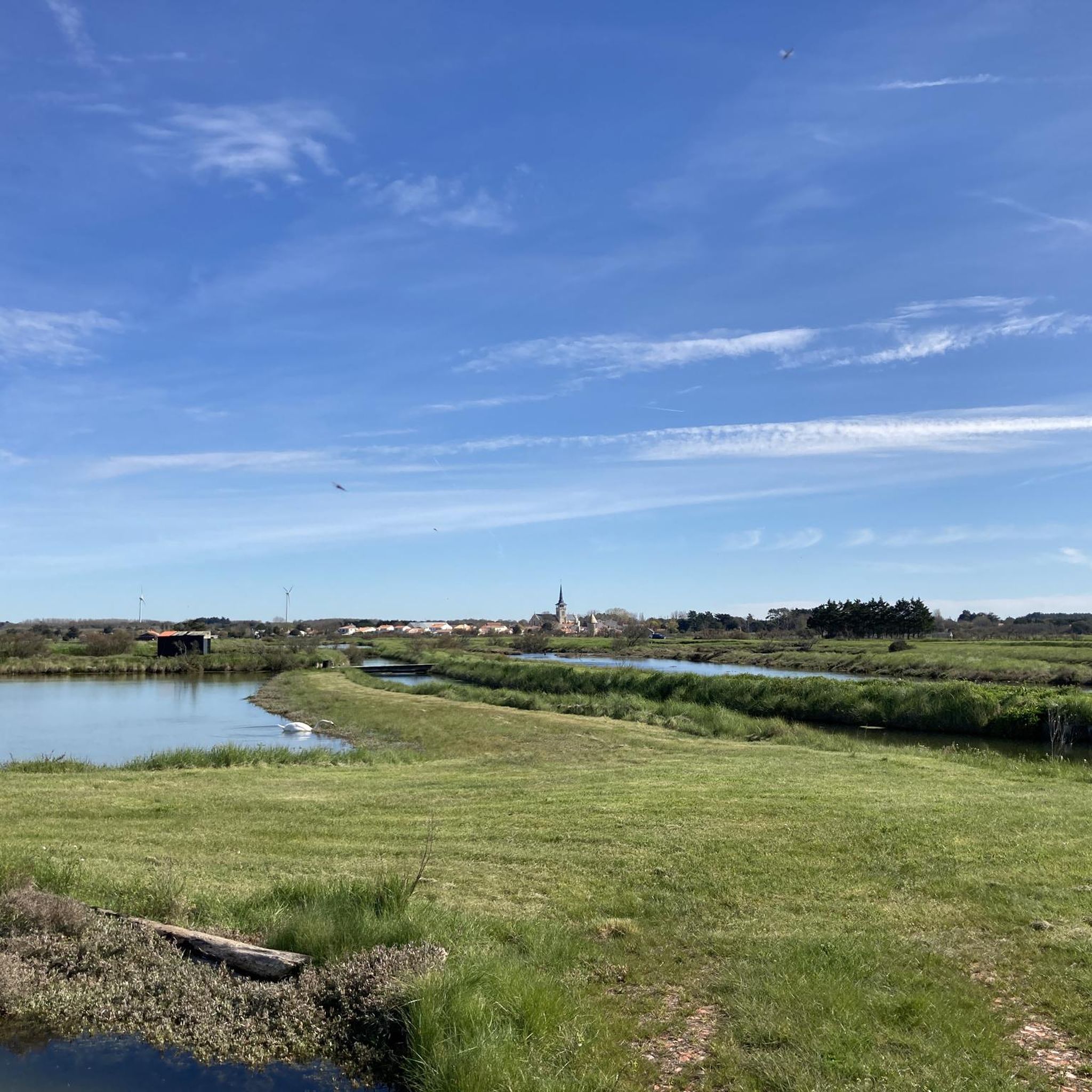
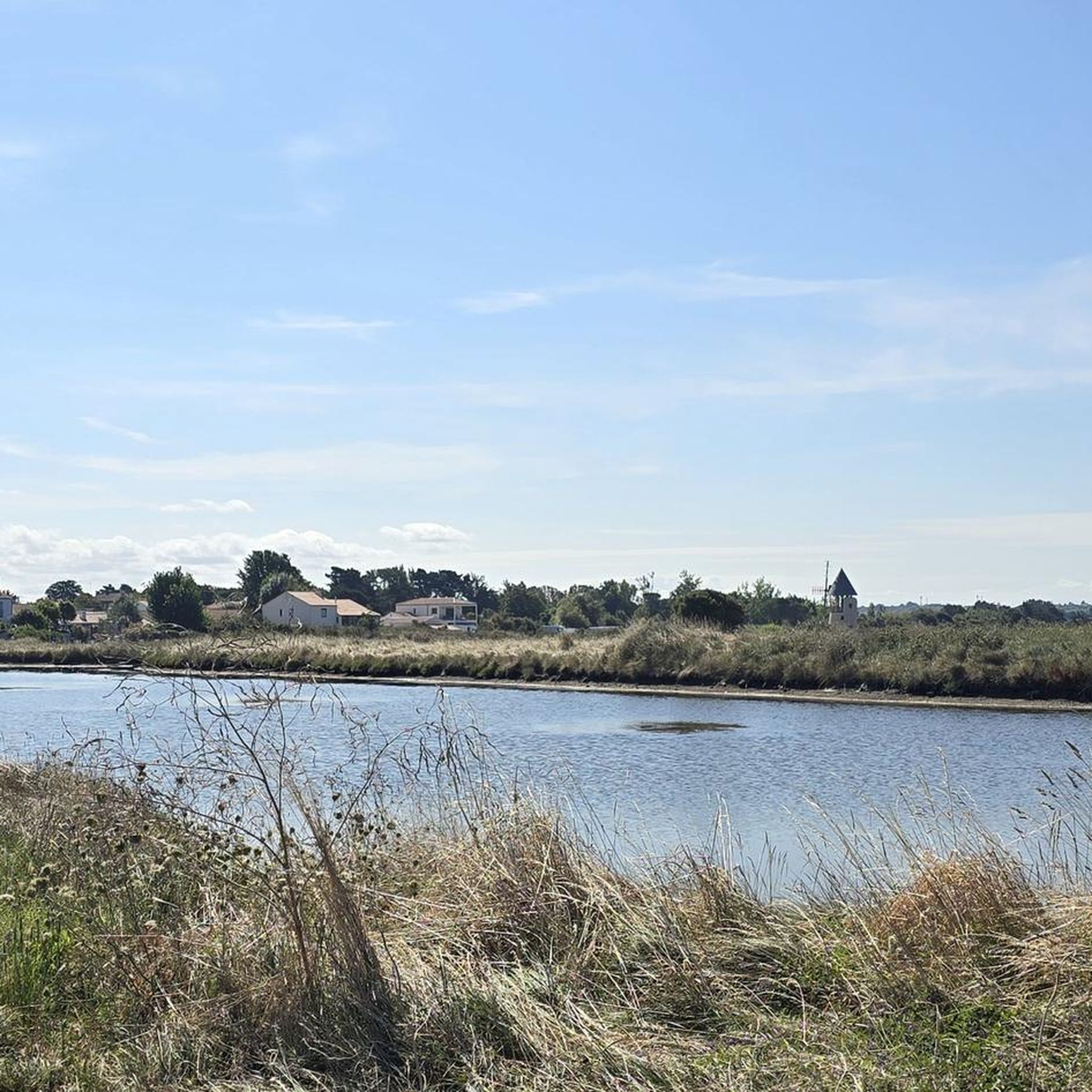
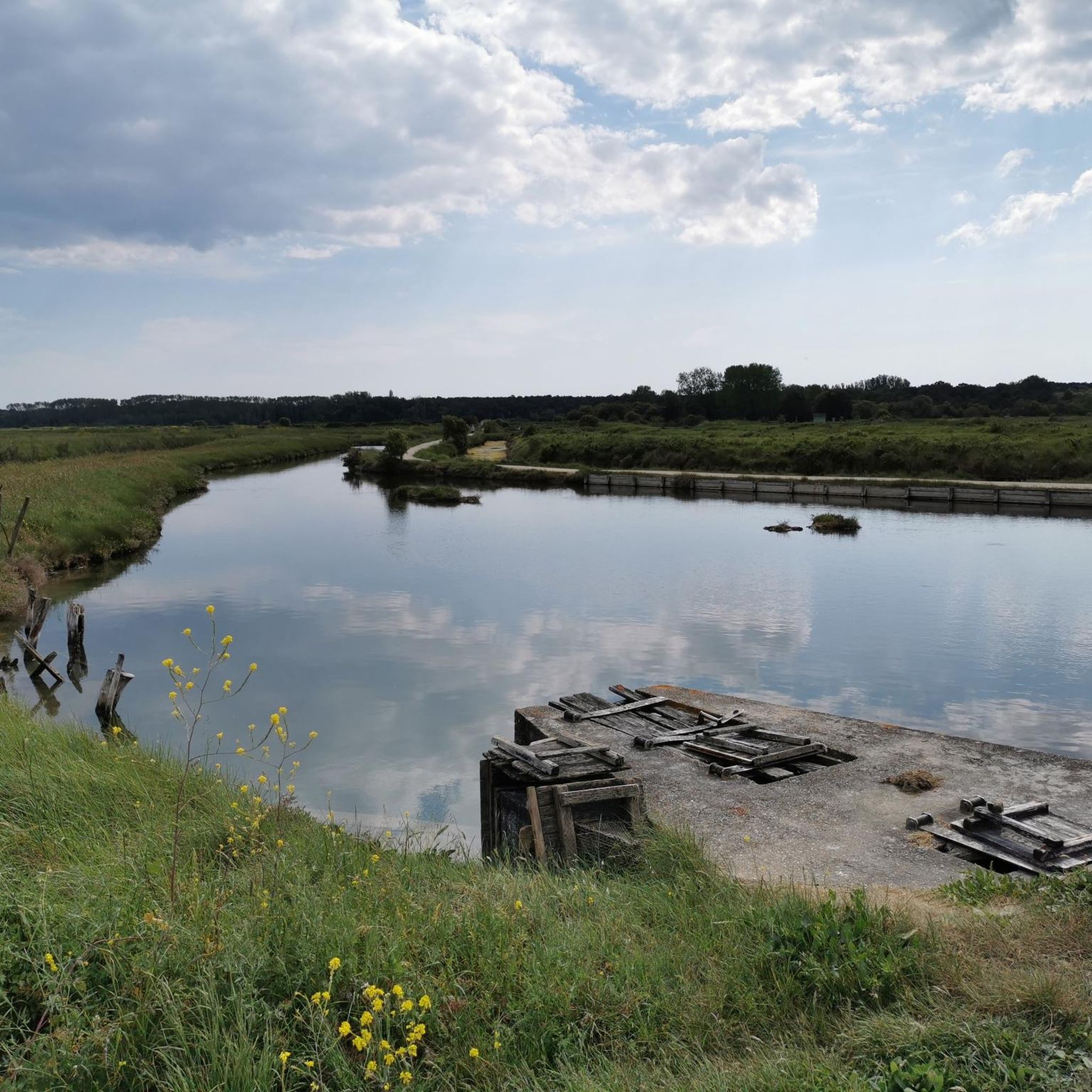
Best lakes around L'Île-D'Olonne are found in a region characterized by its extensive salt marshes and proximity to the Atlantic coast. This area, historically an island, features a unique aquatic landscape shaped by water, wind, and human activity. Visitors can explore a network of canals, wet meadows, and salt pans, alongside accessible lakes offering various recreational activities. The natural environment supports diverse flora and fauna, particularly various bird species.
Best lakes around L'Île-D'Olonne
- The most popular lakes is Lake Jaunay…
Last updated: May 25, 2026
Lake Jaunay
Highlight • Lake
Translated by Google •
Tip by

Marais d'Olonne
Highlight • Viewpoint
A variety of nature observations are possible. Please avoid unnecessary noise and do not drive on closed paths! Please do not leave the track!
Respect the nature!
Translated by Google •
Tip by

Sign up now to discover places like this
Get recommendations on the best single tracks, peaks, & plenty of other exciting outdoor places.
Sign up for free
La Parée Cove
Highlight • Beach
Translated by Google •
Tip by

Start today with a free account
Your next adventure awaits.
Login or Signup

Tips from the Community

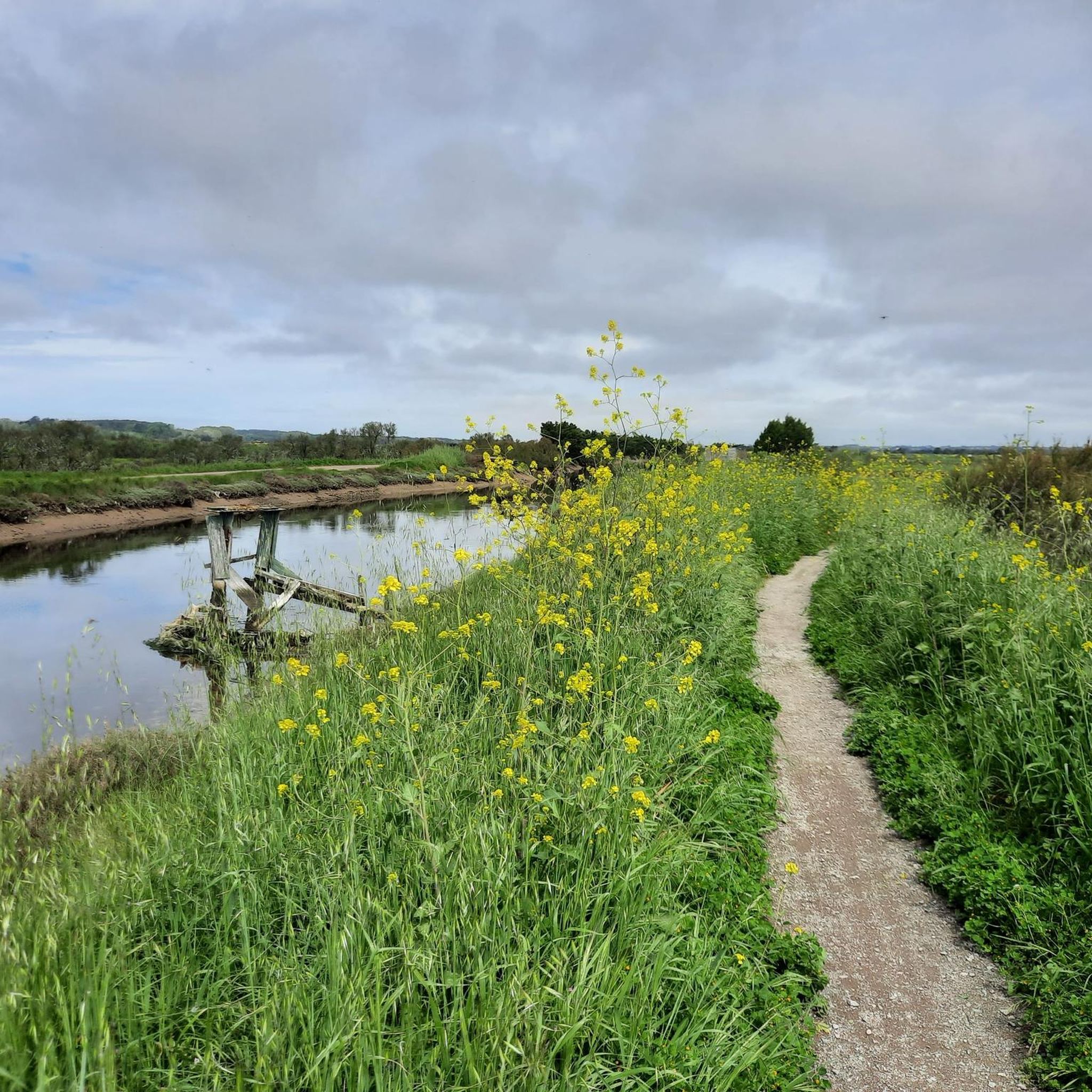
Rather than going around the marshes, why not take a walk right in the middle.
0
0

There is absolutely nothing at this location...
0
0

corner with a water source and a small stone bench. Perfect for drinking water with a filter bottle.
0
1

A particularly pleasant walk from the campsite along a section of the lake. There are a few challenging climbs, so good footwear and drinks are recommended. There's a restaurant along the way, with limited opening hours. Can be slippery in wet weather.
0
1

Exploring the marshes of Île d'Olonne will reveal a unique ecosystem teeming with life. This vast wetland, home to a variety of flora and fauna, offers a peaceful retreat from the hustle and bustle of coastal towns. You can hike along winding trails, spot colorful birdlife, and marvel at the beautiful sunsets over the marshes. Don't forget to visit the charming port of Les Sables-d'Olonne, known for its maritime heritage and lively atmosphere.
0
0

Superb output, a little greasy but a real pleasure
0
0
Nice walk, plan your portage. A long way in all directions. At certain crossings, signs prohibiting bicycles!!!!! Redo
1
0
A natural setting of great beauty, but which has been created by man. This place of calm and relaxation is very popular for this reason. When the reservoir was created in 1978, a village was submerged under water and the Grange de la Baudrière, located nearby, is the only survivor.
2
0
Frequently Asked Questions
What types of lakes and water bodies can I explore around L'Île-D'Olonne?
While L'Île-D'Olonne is primarily known for its extensive salt marshes, you can find diverse water bodies nearby. The Marais d'Olonne offers a unique wetland experience with canals and salt pans. For more traditional lake activities, Lac de Tanchet in Les Sables d'Olonne is an artificial lake popular for fishing and water sports, while the expansive Lake Jaunay provides a natural setting for recreation further inland.
Are there good options for hiking or walking near the lakes and marshes?
Yes, the region offers numerous trails. The Marais d'Olonne features numerous marked trails through the salt marshes, perfect for nature observation. Lac de Tanchet has pleasant walking paths with ocean views, and Lake Jaunay is known for its winding paths through 114 hectares of nature. For more detailed routes, you can explore the Running Trails around L'Île-D'Olonne guide.
What activities are available at Lac de Tanchet?
Lac de Tanchet, located in nearby Les Sables d'Olonne, is an 8-hectare artificial lake popular for freshwater fishing, with species like roach, carp, and eels (a fishing license is required). It's also a favored spot for introducing people to water sports and offers pleasant walking paths.
What makes the Marais d'Olonne unique for visitors?
The Marais d'Olonne is a vast wetland shaped by water, wind, and human activity, characterized by a network of canals, wet meadows, and salt pans. It offers an authentic and peaceful experience for nature lovers, hikers, and cyclists. You can observe salt workers, learn about salt harvesting, and enjoy birdwatching, particularly from May to July.
Are there family-friendly activities around the lakes and marshes?
Absolutely. The Marais d'Olonne is considered family-friendly, offering peaceful walks and birdwatching opportunities. Lac de Tanchet is suitable for introducing children to water sports. Lake Jaunay is ideal for family outings and various activities in a preserved natural environment, including leisure zone swimming.
Can I go cycling near the lakes and marshes?
Yes, cycling is a popular activity. The Marais d'Olonne has numerous trails suitable for cycling. Additionally, the nearby La Parée Cove features a cycle path. For dedicated routes, explore the Traffic-free bike rides around L'Île-D'Olonne guide, which includes routes through the Marais d'Olonne.
What kind of wildlife can I expect to see in the region's wetlands?
The Marais d'Olonne is a rich habitat for diverse flora and fauna, especially various bird species. You can often spot herons, egrets, and avocets. Dedicated observatories are available for birdwatching, particularly between May and July.
Is there disabled access or wheelchair-friendly paths near the lakes?
Yes, Lac de Tanchet in Les Sables d'Olonne provides a special pontoon designed for disabled visitors, ensuring accessibility to the lake. Many paths around the marshes and lakes are generally flat, though specific wheelchair accessibility should be verified on-site.
What is the best time to visit the lakes and marshes around L'Île-D'Olonne?
The period from May to July is particularly good for birdwatching in the Marais d'Olonne. Generally, spring and autumn offer pleasant temperatures for hiking and cycling. Summer is ideal for water sports and leisure zone swimming at Lac du Jaunay, though it can be busier.
Are there any historical or cultural points of interest related to the water bodies?
The Marais d'Olonne is deeply tied to the region's history of salt production, a tradition that continues today. You can observe salt workers and learn about this heritage. Interestingly, when Lake Jaunay was created in 1978, a village was submerged, with the Grange de la Baudrière being a nearby survivor of that era.
What are the difficulty levels of trails around the lakes?
Trails vary in difficulty. Paths around Lac de Tanchet and many sections of the Marais d'Olonne are generally easy and flat. However, some passages around Lake Jaunay can have significant elevation changes, making them intermediate to challenging, and may require portage for some activities. Always check specific route details before heading out.
Most popular routes around L'Île-D'Olonne
Most popular attractions around L'Île-D'Olonne

Get inspired with the komoot mobile app


Explore more
Still not found your perfect lake around L'Île-D'Olonne? Check out the guides of these regions to see even more beautiful places.
