Top 4 Caves around Posada De Valdeón
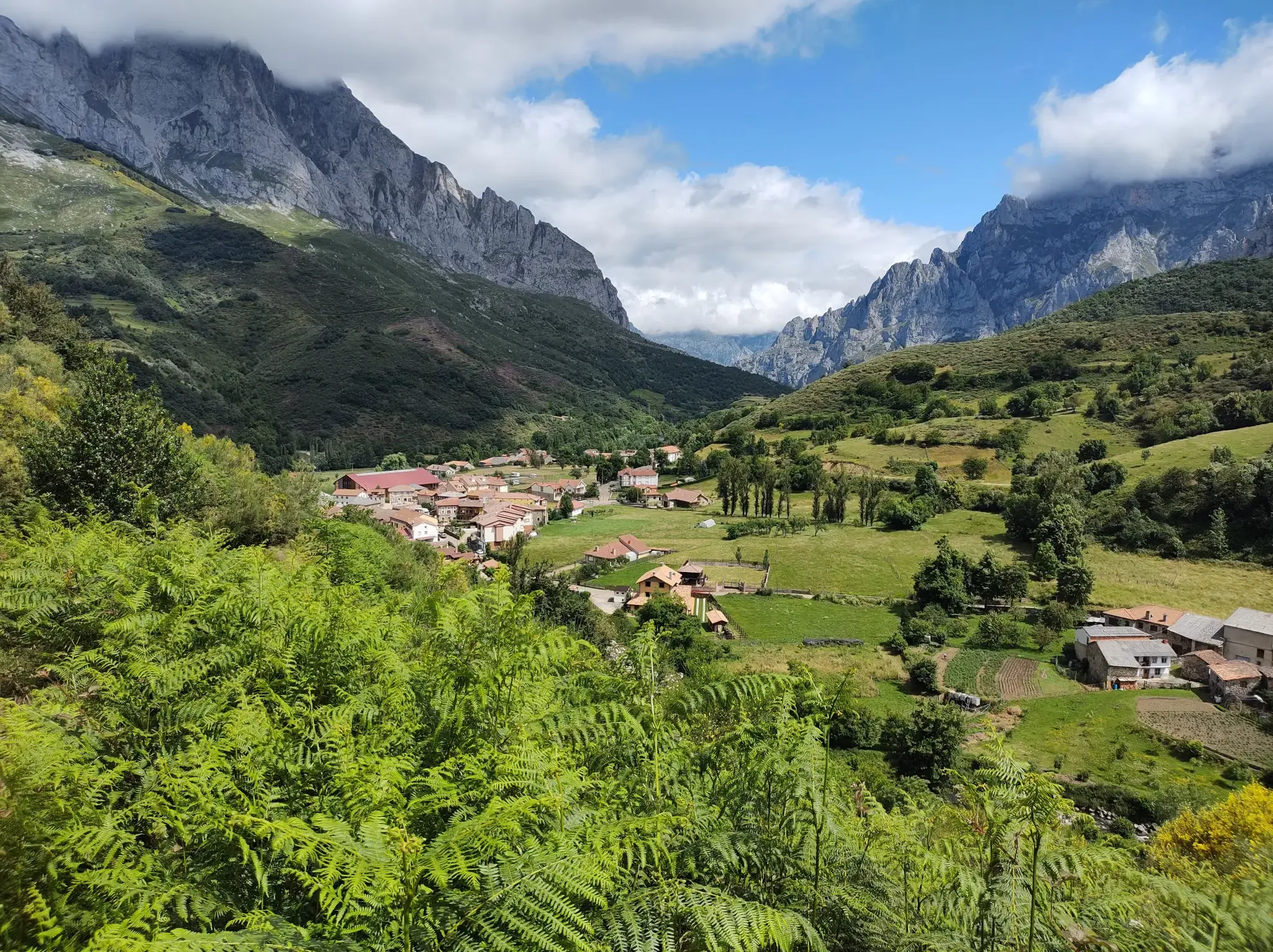
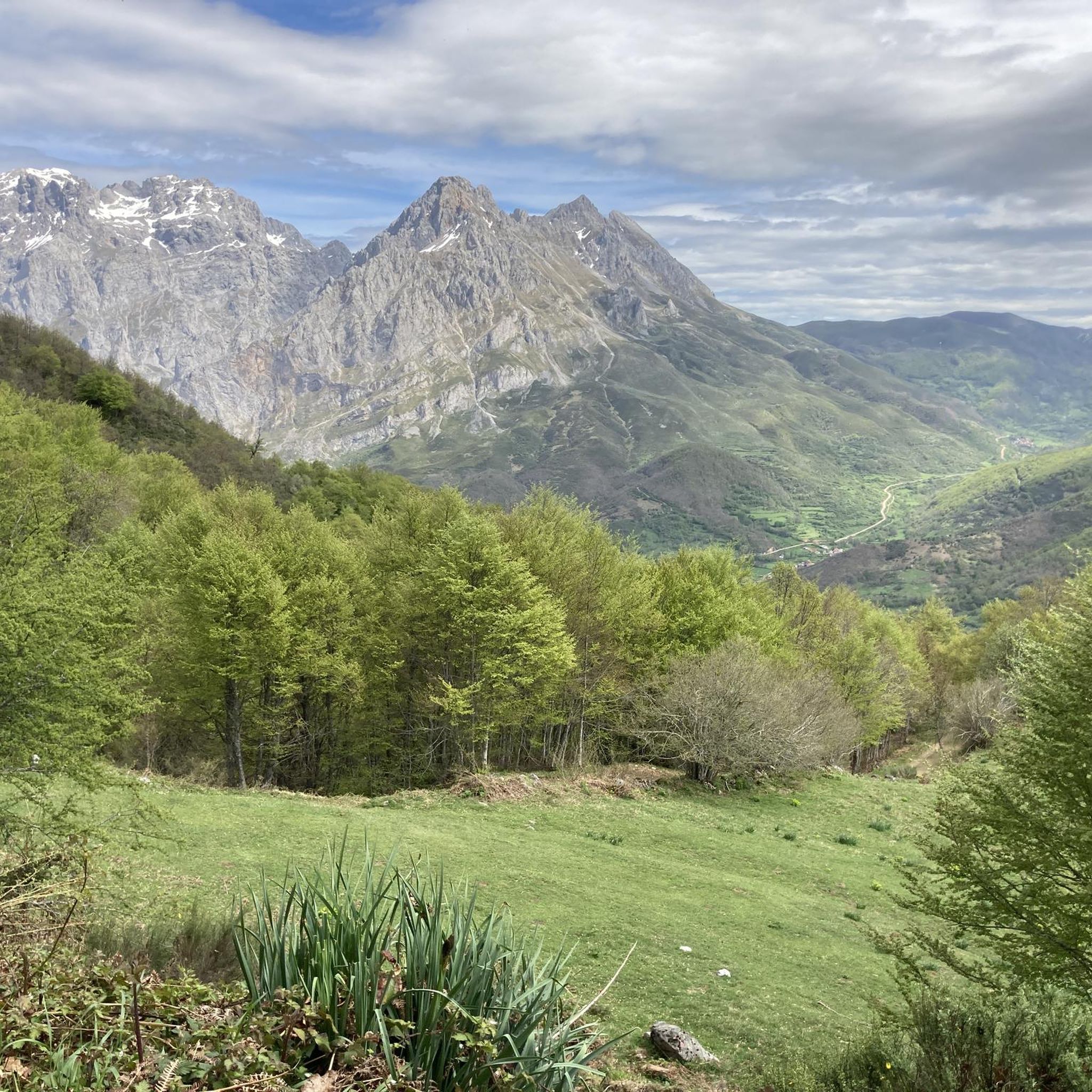
Best caves around Posada De Valdeón are found within the Picos de Europa National Park, a region characterized by its rugged limestone mountains and deep valleys. This area is known for its diverse natural features, including significant karstic systems and traditional cultural sites. The landscape provides opportunities to explore both geological formations and historical uses of natural shelters.
Best caves around Posada De Valdeón
- The most popular caves is Cabrales Cheese Cave Museum, a cave that has historically been…
Last updated: October 6, 2026
Buferrera Mine
Highlight • Structure
Translated by Google •
Tip by

Cabrales Cheese Cave Museum
Highlight • Cave
Translated by Google •
Tip by

Sign up now to discover places like this
Get recommendations on the best single tracks, peaks, & plenty of other exciting outdoor places.
Cave and Mountain Path in the Spanish Hills
Highlight (Segment) • Cave
Translated by Google •
Tip by

Start today with a free account
Your next adventure awaits.
Popular around Posada De Valdeón
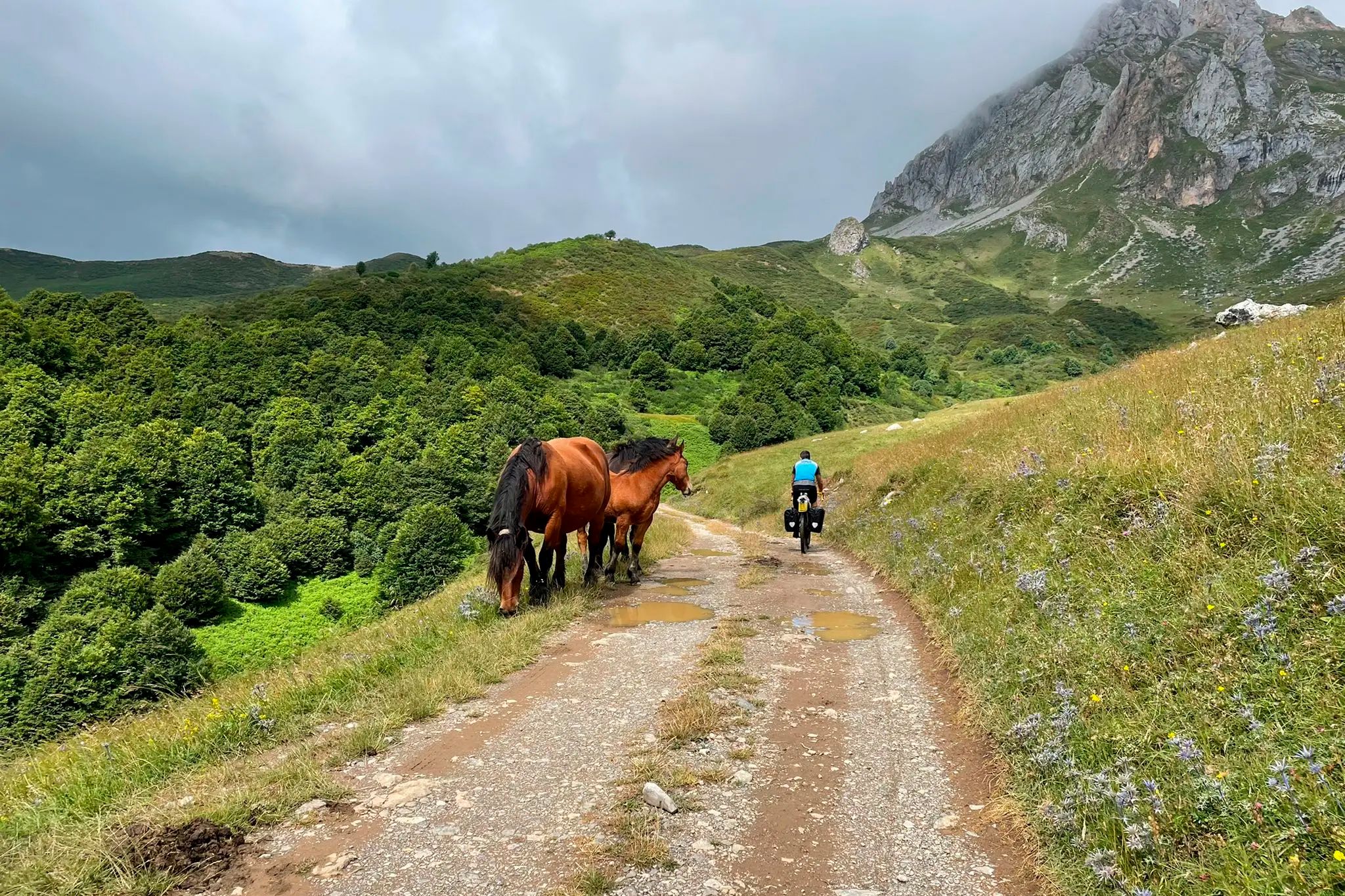
TransCantabrica – Extreme mountain biking in northern Spain
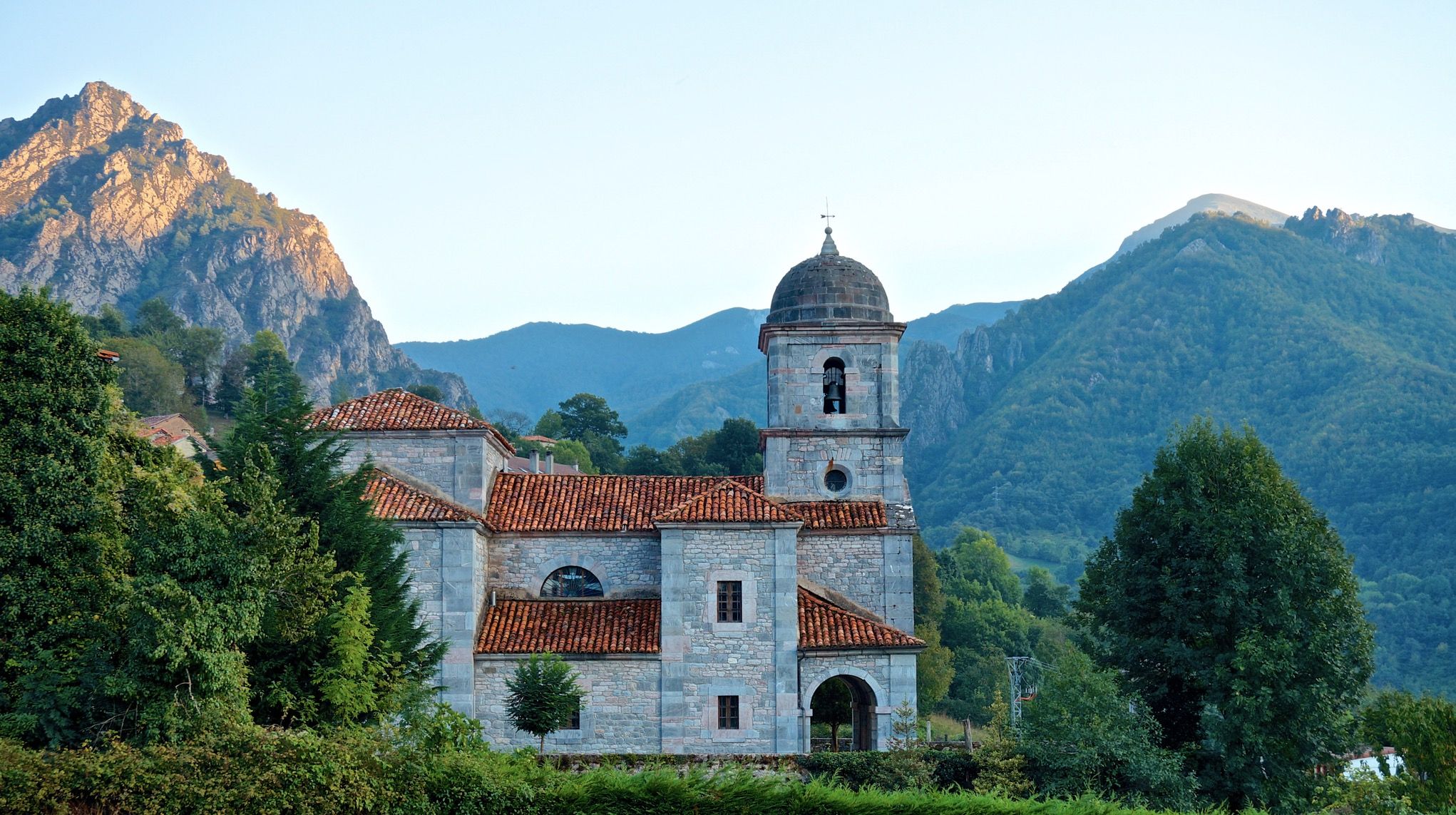
A trip through the mountains – Pedales de León MTB
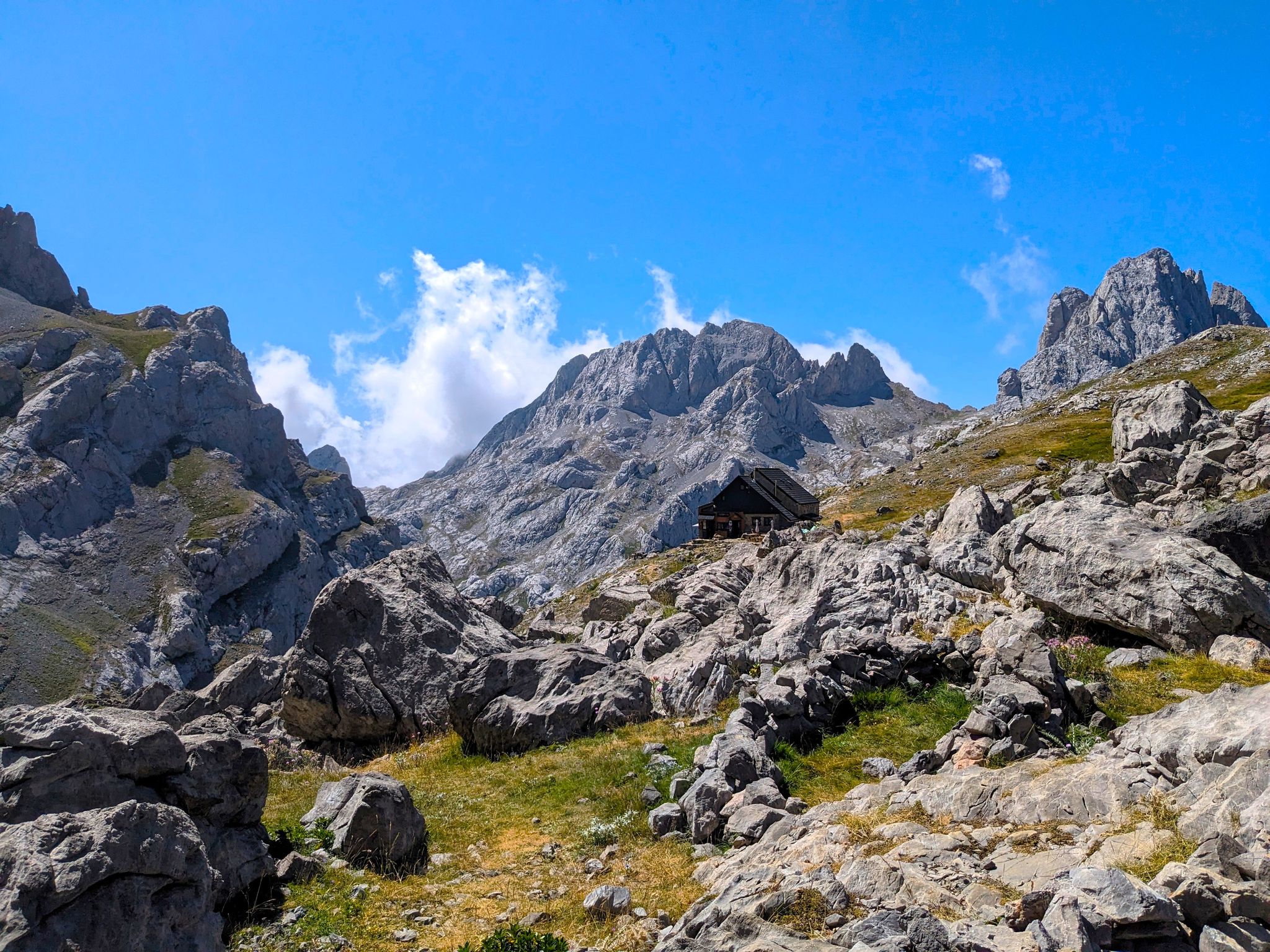
The untamed Collado Jermoso – Picos de Europa
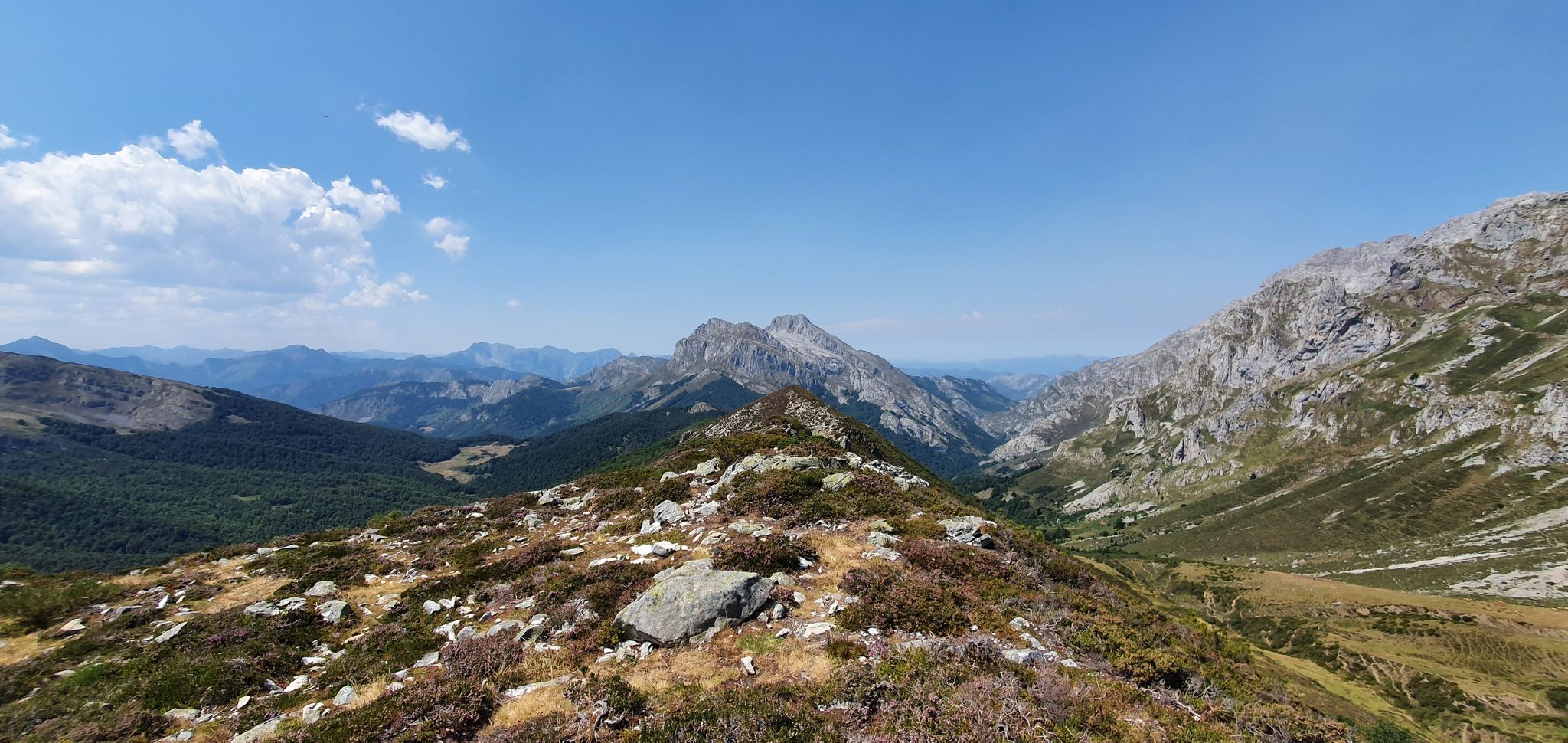
Four days hiking in Spain’s Picos de Europa – Anillo Vindio
Hike Spain’s Picos de Europa – Ring of Peaks, Three Massifs
Hiking around Posada De Valdeón
Running Trails around Posada De Valdeón
MTB Trails around Posada De Valdeón
Road Cycling Routes around Posada De Valdeón
Cycling around Posada De Valdeón
Other adventures around Posada De Valdeón


Tips from the Community

The Cheese Museum is located in rock caves that have long been used for cheese production. The traditional and typical production of the local blue cheese is explained on illustrated panels. After a guided tour through the rock tunnels, there will be a film screening and a cheese tasting with apple cider in one of the houses.
1
0

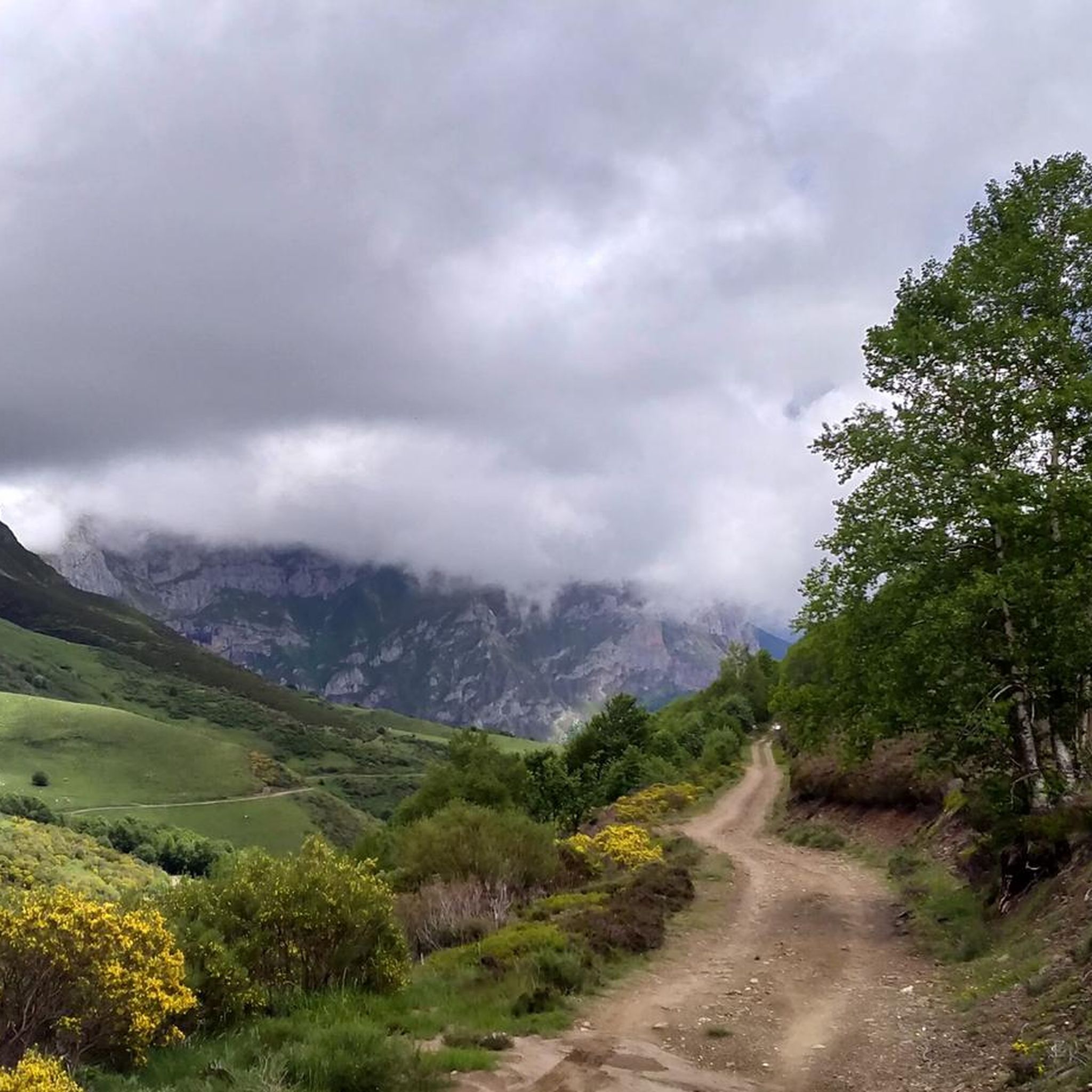
In the first part of this section, the trail was occupied by cows with very impressive horns, which required a few detours through the thicket. It was also very muddy, but it had also rained the day before. After that, however, a beautiful mountain hike with spectacular views is required. Surefootedness and sturdy footwear are necessary. The trail is rarely used, so it's densely overgrown, but marked with red arrows, albeit sparsely. Wear long clothing; there are ticks!
0
0

On the way from the bus stop to the Lagos, you pass the remains of an old mine - recognizable by the rails that are still in place and an old lorry. The rock face into which the mine shaft disappears is very photogenic.
3
0

In the idyllic landscape of the mountain of Covadonga, there has been intensive mining of iron and manganese minerals over a period of 130 years until 1979.
7
0

You find yourself before the ruins of an iron and magnesium mine. You can see a small recreation of the mine, including the tunnel and the tracks where the minerals were transported.
4
0
Frequently Asked Questions
Are there family-friendly caves to visit near Posada de Valdeón?
Yes, the Cabrales Cheese Cave Museum in Arenas de Cabrales is a great option. It offers an accessible tour through natural rock caves, explaining the traditional production of Cabrales cheese, followed by a film screening and tasting. While not directly in Valdeón, it's a unique cultural experience suitable for all ages.
What are some unique natural cave formations I can see in the region?
The Cueva de Valporquero, though about 50 kilometers from León city, is renowned for its spectacular geological formations. It features stalactites, stalagmites, columns, and flowing forms across seven chambers, including sections like the "Hall of Small Wonders" and "Stalactitic Cemetery." The cave also has an underground river and waterfalls, creating a dynamic natural spectacle.
Are there any caves with historical significance in the Valdeón valley?
The Llego caves and Cueva de Santibañas, located within the Valdeón valley, offer a glimpse into the region's traditional past. These natural shelters were historically used by shepherds for livestock during winter and by locals for ripening homemade cheese, showcasing the deep connection between the community and the rugged Picos de Europa landscape.
Can I visit an ice cave near Posada de Valdeón?
Yes, the Peña Castil Ice Cave is a notable natural phenomenon in the area. It retains ice formed during the winter season for most of the year, offering a unique and visually distinct experience, especially during warmer months.
What kind of caving experiences are available for beginners or advanced cavers?
For general visitors, show caves like Cueva de Valporquero offer guided tours on well-equipped paths. For more adventurous and experienced cavers, the Picos de Europa is home to extensive karstic systems like the Sistema del Jitu. This system is primarily for experienced speleologists and requires specialized equipment and expertise due to its depth and complexity.
What is the best time of year to visit the caves around Posada de Valdeón?
Most show caves are open seasonally, typically from spring through autumn. The Cueva de Valporquero, for instance, is particularly impressive during thaw and rainy seasons when its underground river and waterfalls are most active. For ice caves like Peña Castil, visiting during warmer months can highlight the unique presence of year-round ice. Always check specific cave opening times before planning your visit.
Are there any caves related to mining history in the area?
Yes, the Buferrera Mine, located in the idyllic landscape of Covadonga, represents a significant part of the region's mining history. This site was intensively mined for iron and manganese minerals for over 130 years until 1979. You can see the ruins, including a small recreation of the mine with tunnels and tracks where minerals were transported.
What should I wear when visiting caves in the Picos de Europa?
Caves generally maintain a constant cool temperature and high humidity year-round. For show caves, a light jacket or sweater and comfortable walking shoes with good grip are recommended. For more adventurous caving, specialized gear including helmets, headlamps, and appropriate protective clothing is essential. Always check specific requirements for the cave you plan to visit.
Are there hiking trails that incorporate cave visits or lead to caves?
Yes, the "Santibañas Cave Trail" is a circular hiking route starting in Caín, which passes through the Llego caves. This trail offers a blend of natural beauty and cultural heritage, providing insight into traditional life in the Picos de Europa. Additionally, the Cave and Mountain Path in the Spanish Hills is a challenging trail that includes a cave, offering spectacular views, though it requires surefootedness and sturdy footwear.
What outdoor activities can I do near the caves of Posada de Valdeón?
The region around Posada de Valdeón offers numerous outdoor activities. You can explore various cycling routes, including traffic-free bike rides, road cycling routes, and general cycling tours. These routes often feature stunning mountain views and pass through charming villages, complementing your cave exploration with active adventures in the Picos de Europa.
Is there a museum dedicated to the local culture and products related to caves?
The Cabrales Cheese Cave Museum in Arenas de Cabrales is an excellent example. It's located within natural rock caves historically used for cheese production and provides a comprehensive explanation of the traditional process of making the famous Cabrales blue cheese. The experience includes illustrated panels, a film, and a cheese tasting, connecting visitors to a centuries-old tradition integral to the Picos de Europa region.
Most popular routes around Posada De Valdeón
Most popular attractions around Posada De Valdeón

Get inspired with the komoot mobile app


Explore more
Extend your search for the best caves by checking out these guides of the top ones around Posada De Valdeón:
