Top 3 Castles around La Fatarella
Castles around La Fatarella are situated in a region known for its historical character and natural landscapes. The village itself features a well-preserved historical center with narrow, winding streets and traditional stone houses. Located in the Terra Alta region, La Fatarella offers panoramic views from its highest points, such as the Chapel of the Mare de Déu de la Misericòrdia. While the village is rich in historical architecture, the broader area provides access to significant medieval castles.
Top castles around…
Last updated: May 21, 2026
Miravet Castle
Highlight • Castle
Translated by Google •
Tip by

Castle of Móra d’Ebre
Highlight • Castle
Translated by Google •
Tip by

Sign up now to discover places like this
Get recommendations on the best single tracks, peaks, & plenty of other exciting outdoor places.
Sign up for free
View of Miravet and its castle from the Ebro River
Highlight • Viewpoint
Translated by Google •
Tip by
Flix Castle
Highlight • Castle
Translated by Google •
Tip by
Paths to Flix Castle with Views of the Ebro River
Highlight (Segment) • Trail
Translated by Google •
Tip by

Start today with a free account
Your next adventure awaits.
Login or Signup

Tips from the Community

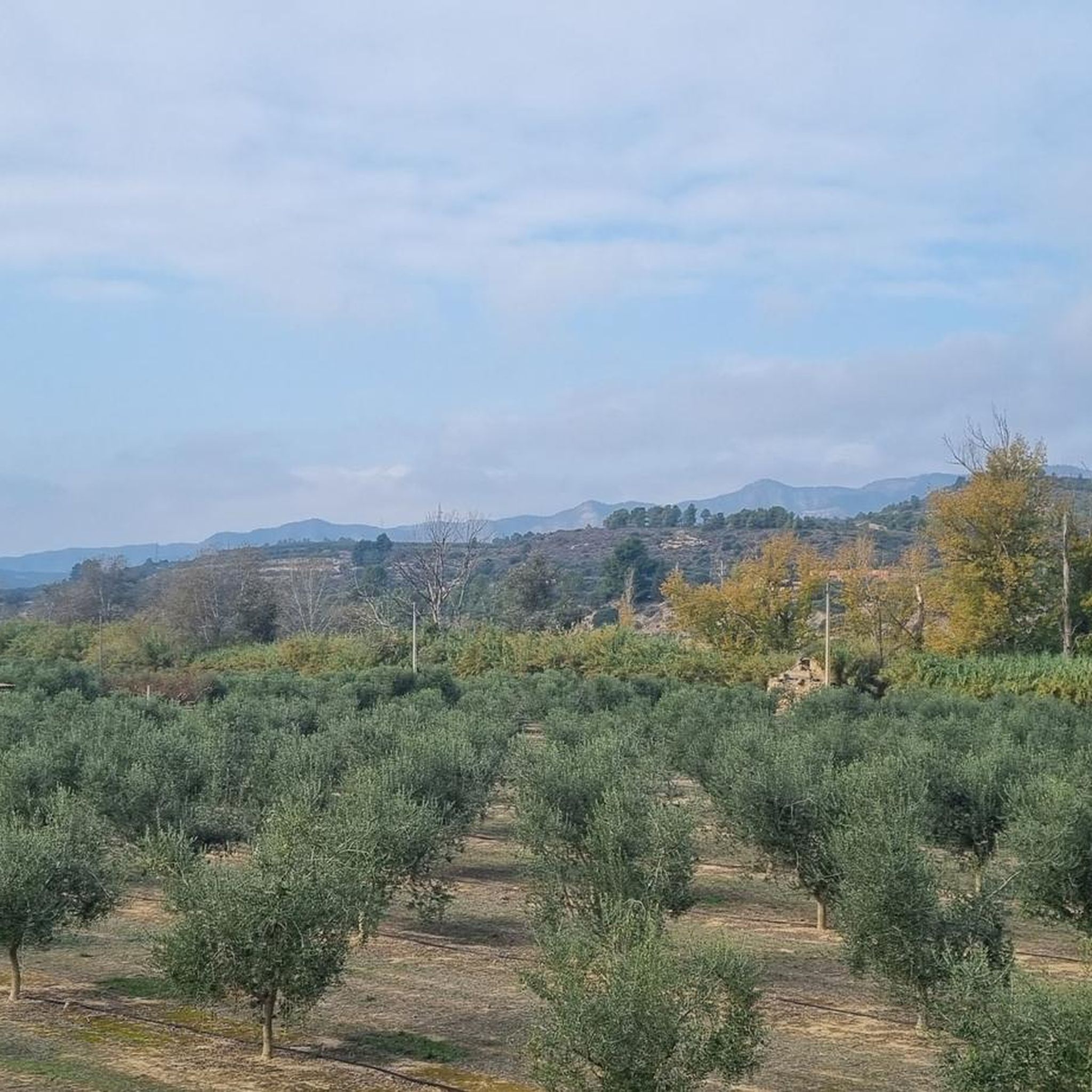
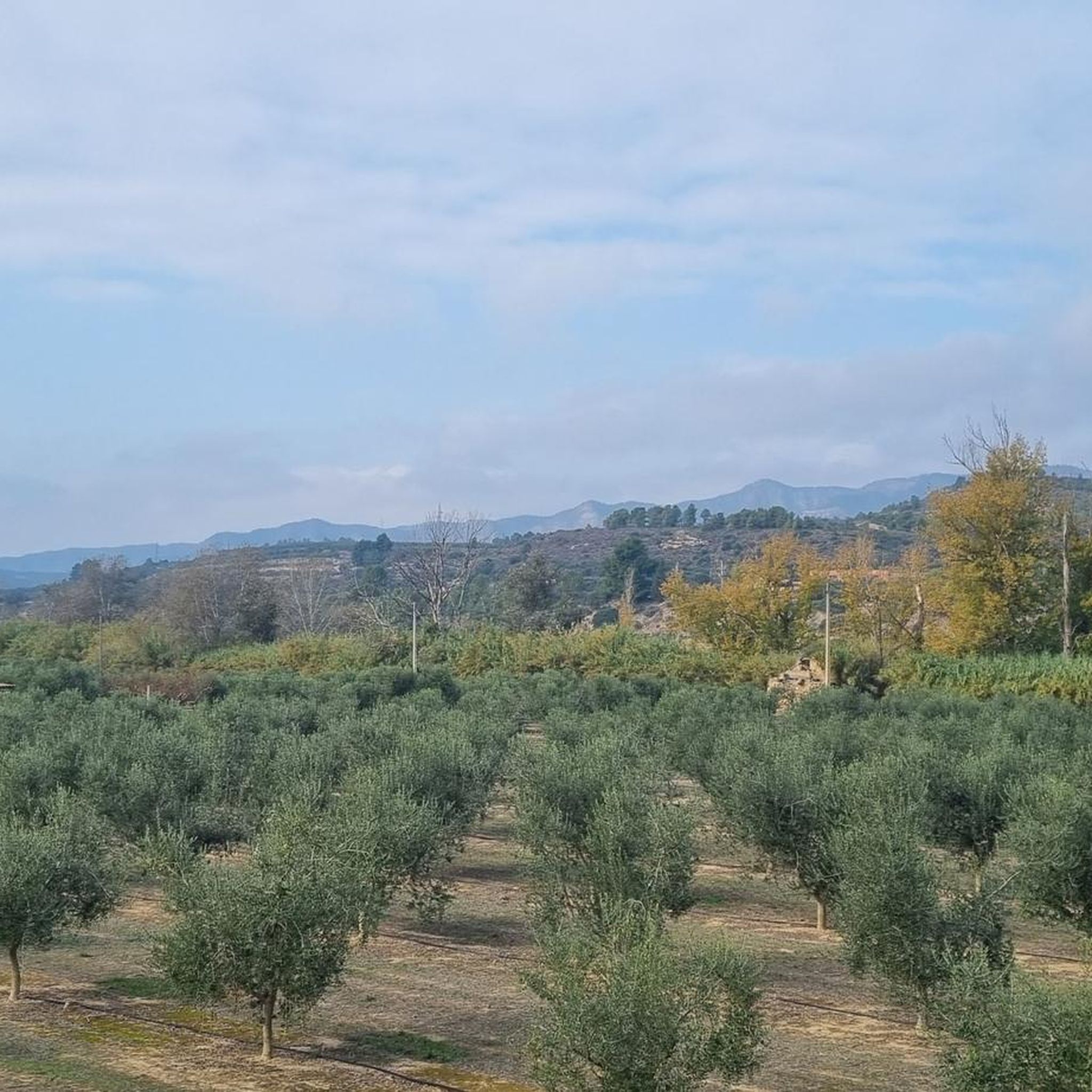
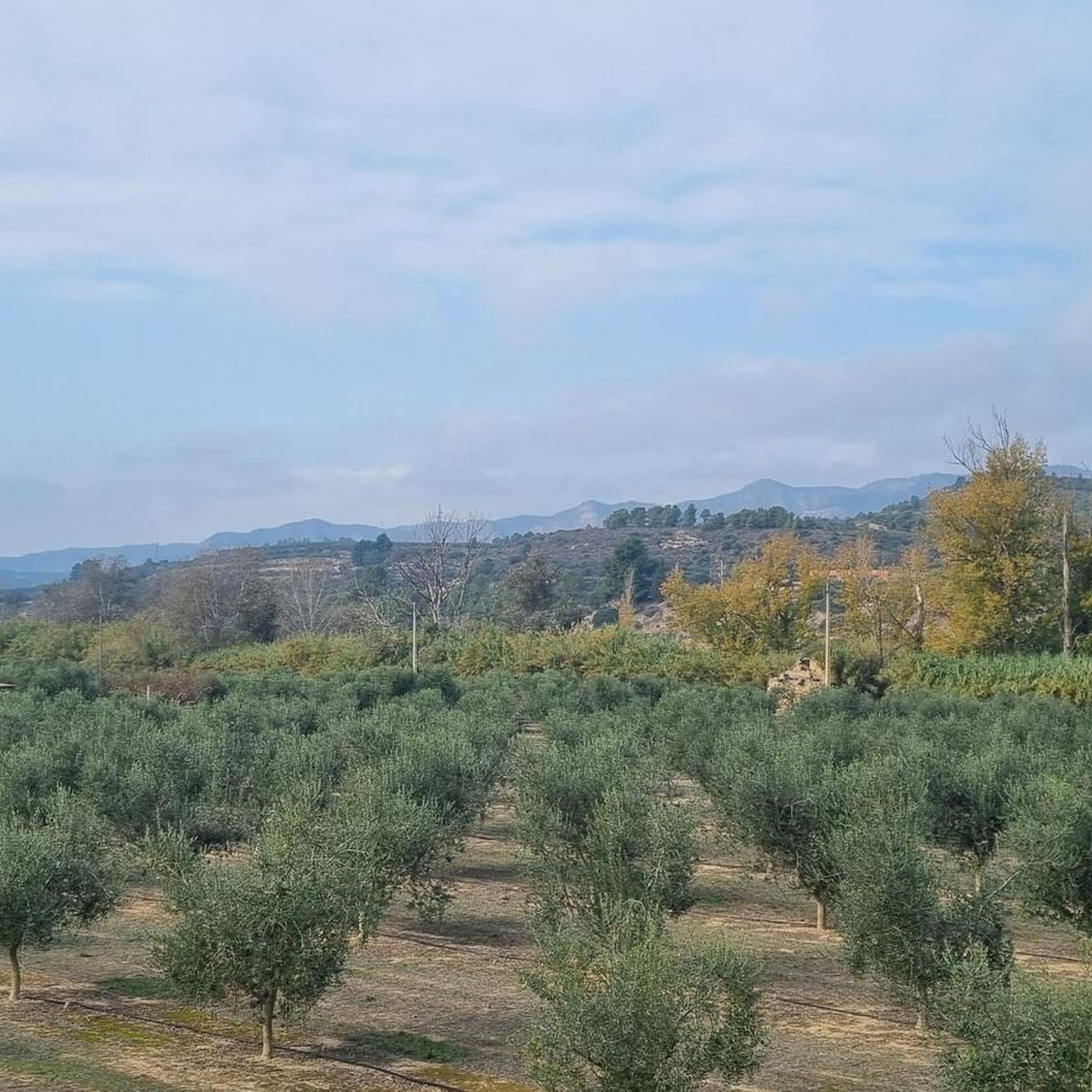
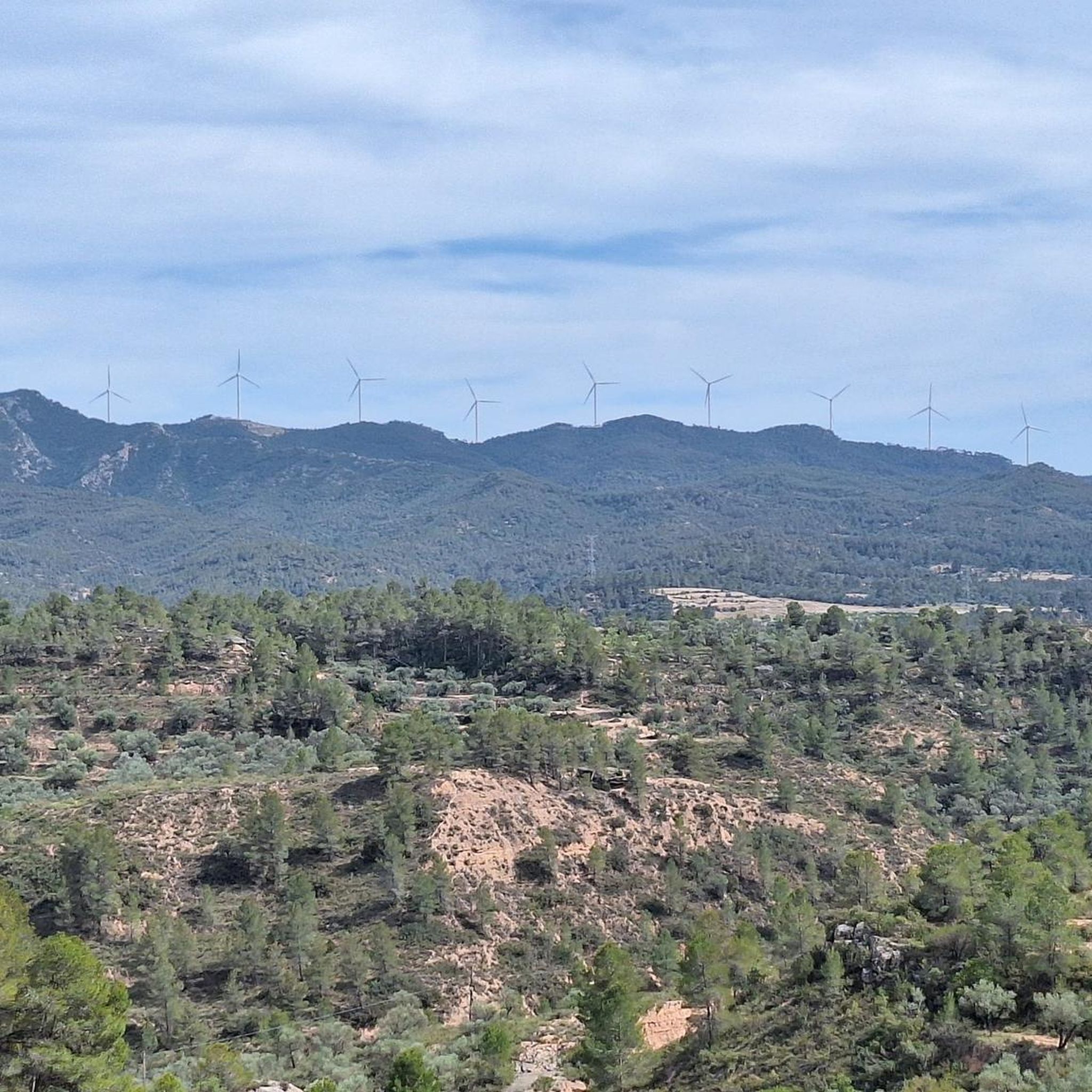
From the castle, perched on a hill above the Ebro River, and from the paths leading there, there are fascinating views of the river, the town of Flix in the impressive river loop, and the landscape surrounding the Ebro. The narrow path on the mountainside disappears into the increasingly steep, scree-covered slope. Descending to the path below is extremely difficult and not recommended! (See photos on the slope!)
1
0


From here you have a wonderful view of the loop and the country
0
0

The castle of Móra d'Ebre is of Arab origin and dates from the 11th century. Currently, part of the walls, a tower, a terrace and some rooms are preserved. It is worth visiting the ruins of the castle, as they also act as a viewpoint of the surroundings as they are located on a promontory.
0
0

The castle of Móra d'Ebre is of Arab origin and dates from the 11th century. Currently, part of the walls, a tower, a terrace and some rooms are preserved. It is worth visiting the ruins of the castle, as they also act as a viewpoint of the surroundings as they are located on a promontory.
0
0

A triangular fortification around a tower, built by the scarlistas in 1837. The castle has been recently restored and can be visited by prior arrangement.
0
0

The pier located on the Ebro River, a few meters from Miravet, offers incredible views of the town and the castle that rises on top of the hill. A beautiful and typical postcard of Miravet.
2
0
The castle of Miravet is a medieval fortress located on top of a hill in the municipal term of Miravet. The castle of Miravet rises on a large rock next to the Ebro river, from where it offers a great panorama of the town, as well as the region of the Ribera de Ebro, and the river.
2
0
Frequently Asked Questions
What are the most notable castles to visit near La Fatarella?
The region around La Fatarella features several historically significant castles. Among them, Miravet Castle stands out for its strategic location dominating the Ebro river, offering spectacular views from its impressive walls. Another key site is the Castle of Móra d’Ebre, an old military building of Islamic origin with preserved walls and a tower that serves as a viewpoint. Additionally, Flix Castle, a recently restored walled fortification, provides excellent views of the Ebro river loop.
Are there any historical sites within La Fatarella itself?
While La Fatarella doesn't have castles, the village boasts a rich historical center. You can explore its narrow, winding streets and traditional stone houses. Notable sites include the 17th-century Casa Balsebre, the spacious Parish Church of Sant Andreu, and the Renaissance-style Chapel of the Mare de Déu de la Misericòrdia, which offers panoramic views of the entire Terra Alta region from its highest point.
What kind of views can I expect from the castles in this region?
Many castles around La Fatarella are strategically positioned to offer breathtaking views. For instance, Miravet Castle provides a grand panorama of the Ebro river and the surrounding landscape. Similarly, the Castle of Móra d’Ebre and Flix Castle also act as excellent viewpoints, showcasing the Ebro river and the picturesque Terra Alta region.
What is the historical significance of the castles near La Fatarella?
The castles in this area, such as Miravet Castle, Castle of Móra d’Ebre, and Flix Castle, are primarily medieval fortresses with deep historical roots. Many, like the Castle of Móra d’Ebre, have Islamic origins dating back to the 11th century, highlighting the region's diverse past and strategic importance along the Ebro river.
Are there hiking opportunities near the castles around La Fatarella?
Yes, there are hiking opportunities in the broader region. For example, the Paths to Flix Castle with Views of the Ebro River offer challenging trails with fascinating views of the river and the town of Flix. For more general hiking, you can explore various routes listed in the Hiking around La Fatarella guide, which includes moderate trails like 'From Faió - la Pobla de Massaluca to Puente y túnel de la antigua línea de tren'.
What other outdoor activities can I do near these castles?
Beyond hiking, the area around La Fatarella offers various outdoor activities. You can find running trails, including difficult loops like 'Punta de l'Home loop from Flix', detailed in the Running Trails around La Fatarella guide. For mountain biking enthusiasts, the MTB Trails around La Fatarella guide features routes such as the 'Castillete de Fayón and Sierra de Les Fites Loop'.
What is the best time to visit the castles and the La Fatarella region?
The region's historical character and natural landscapes can be enjoyed throughout the year. However, for outdoor activities like hiking and exploring the castles, spring and autumn generally offer the most pleasant weather, avoiding the peak heat of summer and the cooler, potentially wetter days of winter. The panoramic views from sites like the Chapel of the Mare de Déu de la Misericòrdia are stunning in clear weather.
Are the castles around La Fatarella suitable for families?
The castles offer an engaging historical experience for families. Exploring the preserved walls and towers of sites like the Castle of Móra d’Ebre or the imposing structure of Miravet Castle can be an educational adventure. While specific 'family-friendly' categories aren't listed for all, the historical context and scenic viewpoints are generally appealing to all ages. Always check accessibility for younger children or strollers if needed.
What kind of terrain can I expect on trails leading to or near the castles?
The terrain around the castles can vary. For instance, the Paths to Flix Castle are described as challenging, with narrow paths on mountainsides and scree-covered slopes. Other hiking routes in the broader La Fatarella area, as seen in the Hiking around La Fatarella guide, range from easy to moderate, often involving varied natural landscapes.
What do visitors particularly enjoy about the castles and the La Fatarella area?
Visitors appreciate the historical depth and the stunning natural beauty of the region. The strategic locations of castles like Miravet Castle are highly valued for their spectacular views over the Ebro river. The well-preserved historical center of La Fatarella, with its traditional architecture and panoramic viewpoints like the Chapel of the Mare de Déu de la Misericòrdia, also receives positive feedback for its charm and scenic appeal.
Is public transport available to reach the castles near La Fatarella?
While La Fatarella itself is a village with a historic center, reaching the specific castles like Miravet, Móra d’Ebre, or Flix often requires personal transport for convenience. Public transport options in rural areas can be limited, so planning your journey in advance is recommended. Check local transport schedules for routes connecting to the towns where the castles are located.
Are there any permits needed to visit the castles?
Generally, permits are not required for general access to the exterior or public areas of these historical sites. However, some castles, especially those that are restored or managed, may have entrance fees or specific visiting hours. It's advisable to check the official websites or local tourist information for each specific castle (e.g., Miravet Castle) for the most up-to-date information on entry requirements and opening times.
Most popular routes around La Fatarella
Most popular attractions around La Fatarella

Get inspired with the komoot mobile app


