The 5 Most Amazing Peaks around Whittington
Mountain peaks around Whittington, Northumberland, offer a landscape characterized by fells and hills, providing elevated viewpoints across the region. This area is known for its historical trig points, which mark significant elevations and were used for surveying. The natural terrain includes various summits, some reaching over 800 feet above sea level. It provides opportunities for exploring the unique topography of the Northumberland countryside.
Best mountain peaks around Whittington
- The most popular mountain peaks is Shaftoe Crags Trig Point, a…
Last updated: August 14, 2026
Shaftoe Crags Trig Point
Highlight • Viewpoint
Tip by

Walwick Fell Trig Point
Highlight • Summit
(DoBIH Hill ID: 16017) [JNSA 15633]
TP4416 - Limestone Bank S6659
Northumberland National Park Definitive List summit.
County of Northumberland Definitive List summit.
Tip by

Sign up now to discover places like this
Get recommendations on the best single tracks, peaks, & plenty of other exciting outdoor places.
Sign up for free
Whittington Fell Trig Point
Highlight • Summit
(DoBIH Hill ID: 5283) [JNSA 14881]
TP4822 - Military Road S6623
County of Northumberland Definitive List summit.
Tip by
(DoBIH Hill ID: 15971) [JNSA 11904]
#1826
County of Northumberland Definitive List summit.
TP3247 - Fourlaws Hill S6629
FB Height: 342.732m
#1055
County of Northumberland Trig Pillar List.
Tip by
Snokoe Hill, 191 m (627 ft), prominence 62 m
Highlight • Summit
(DoBIH Hill ID: 16453) [JNSA 18882]
County of Northumberland Definitive List summit.
Tip by
Sign up for free to discover even more peaks around Whittington.
Sign up for free
Already have an account?
Start today with a free account
Your next adventure awaits.
Login or Signup
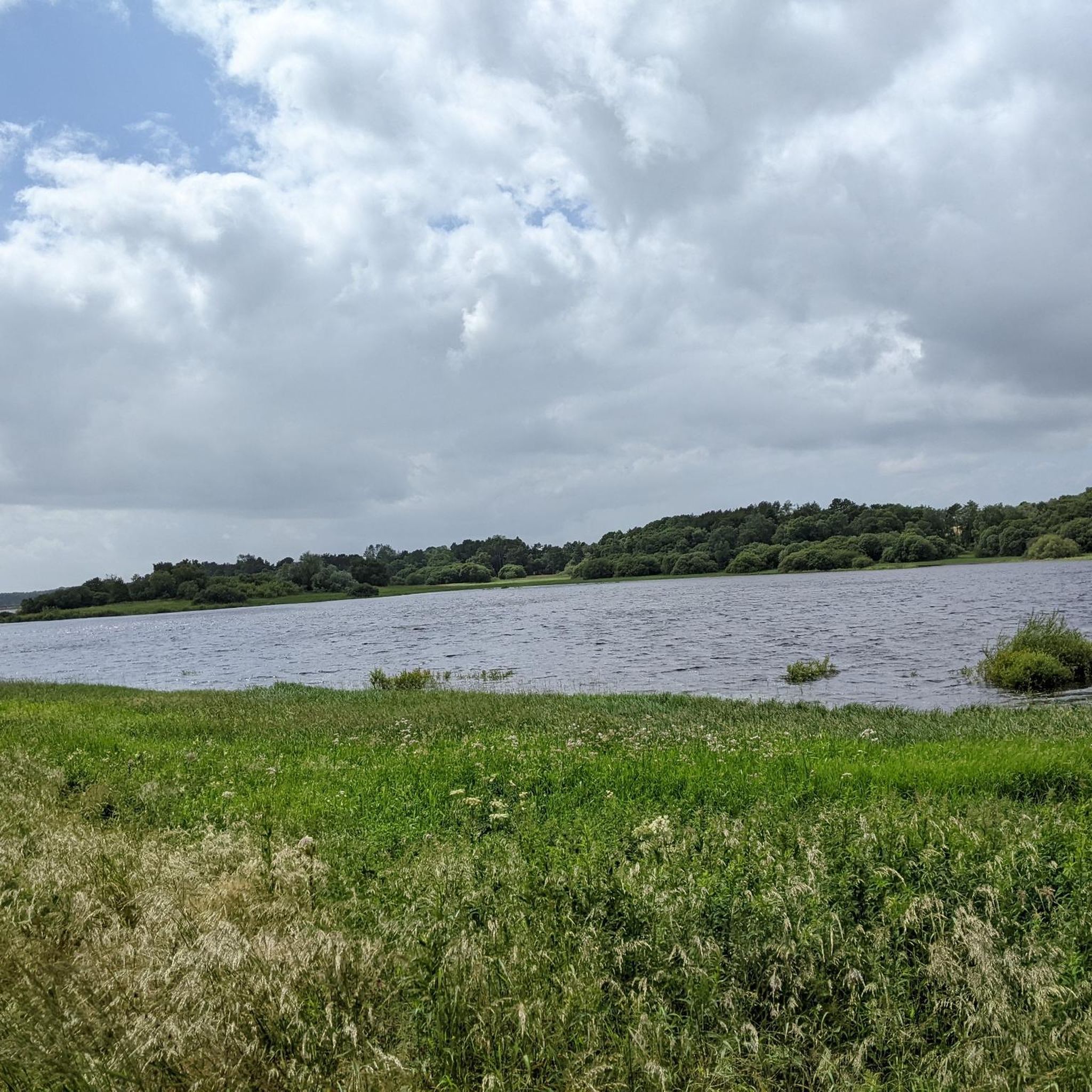
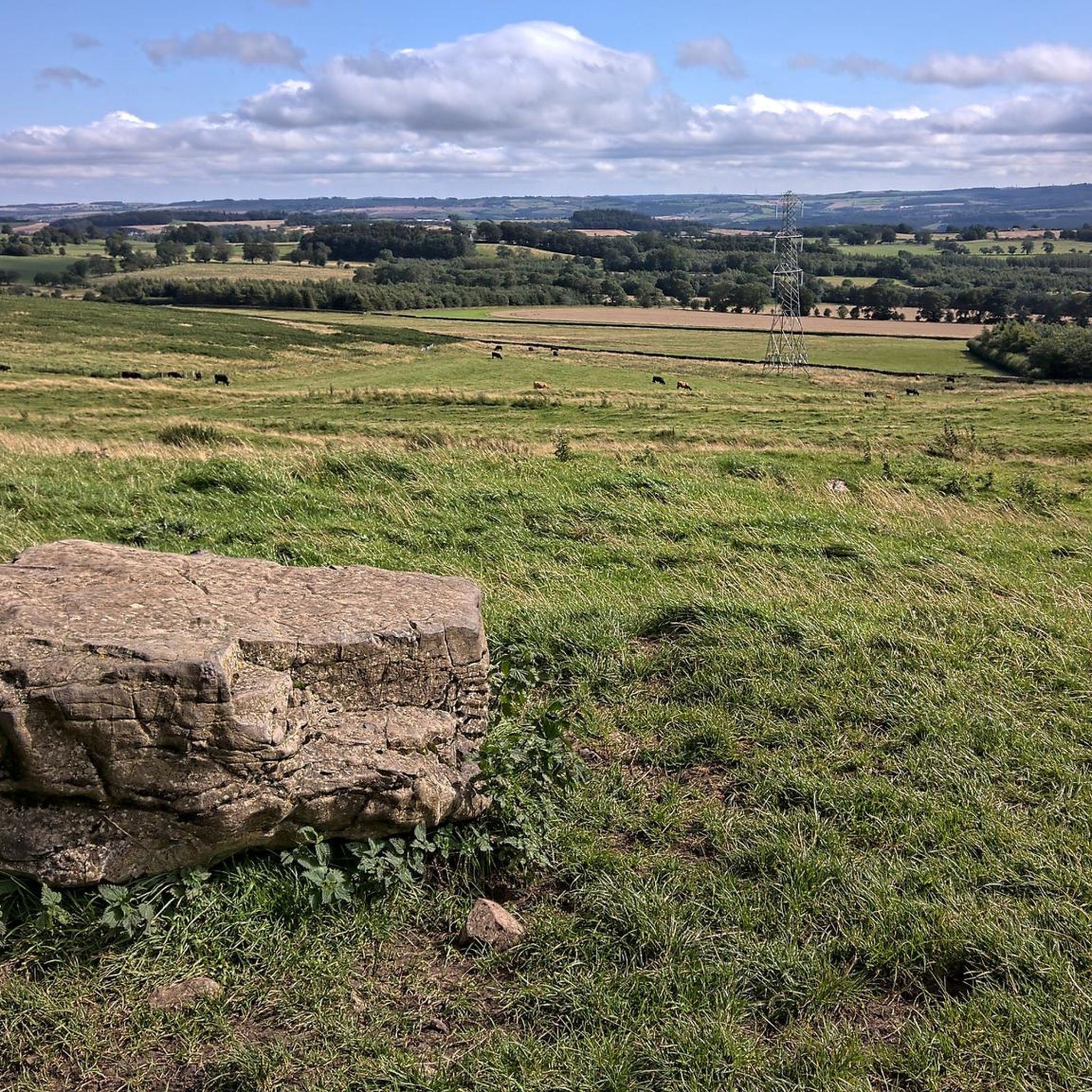
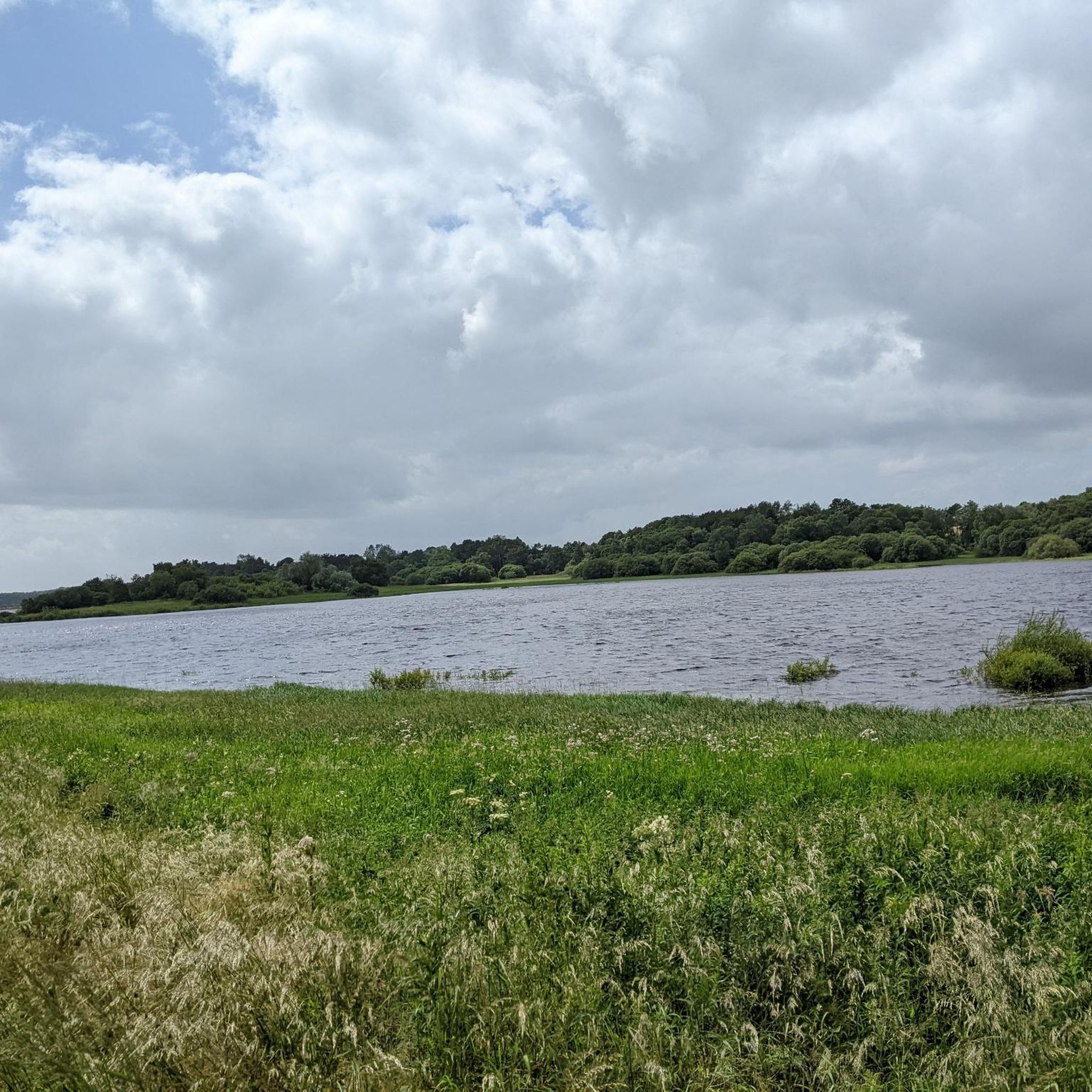
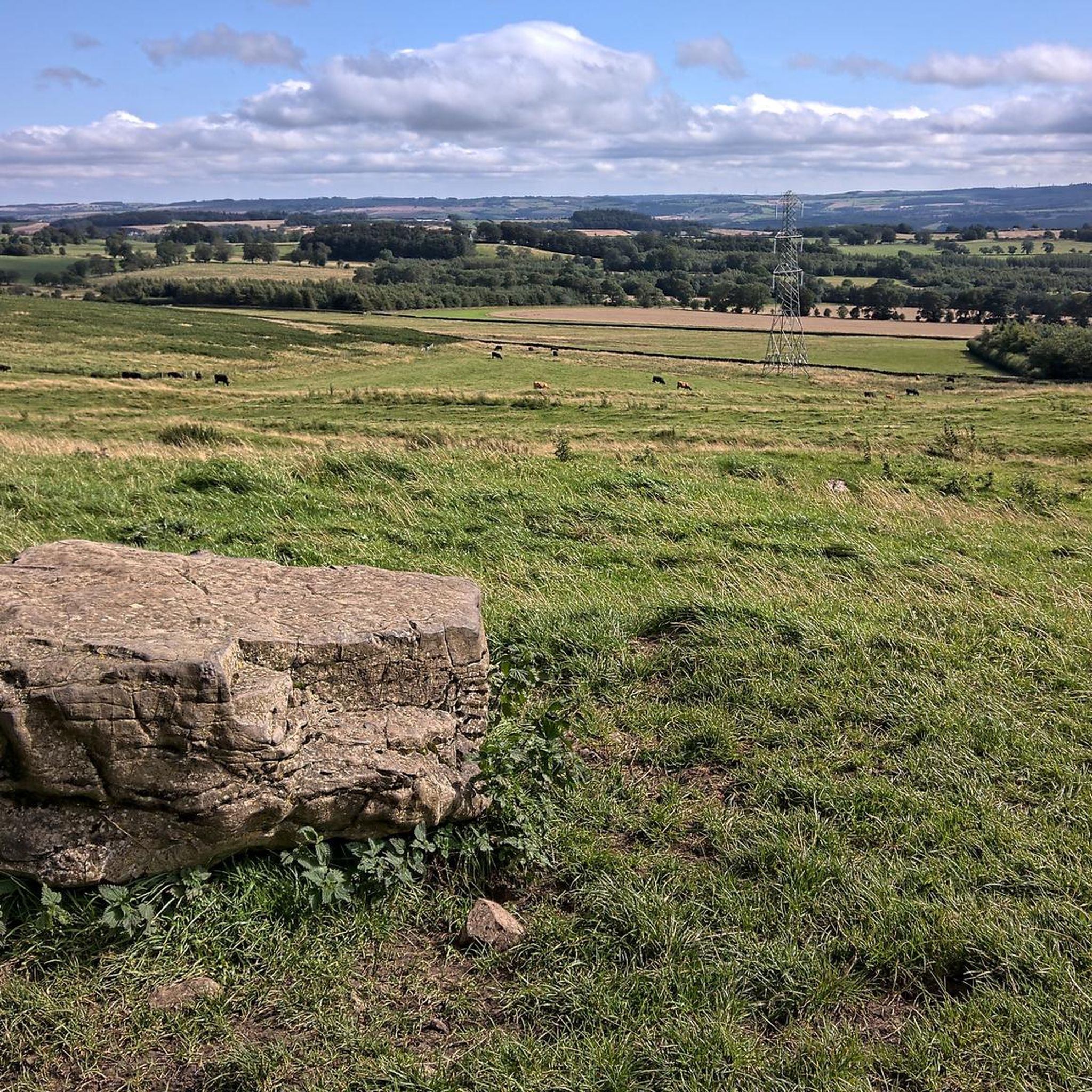

Tips from the Community

Sappers’ Pike 342m P83 (1122ft) (DoBIH Hill ID: 15971) [JNSA 11904] #1826 County of Northumberland Definitive List summit. TP3247 - Fourlaws Hill S6629 FB Height: 342.732m #1055 County of Northumberland Trig Pillar List.
0
0
Snokoe Hill 191m P62 (627ft) (DoBIH Hill ID: 16453) [JNSA 18882] County of Northumberland Definitive List summit.
0
0
Walwick Fell 250m P33 (820ft) (DoBIH Hill ID: 16017) [JNSA 15633] TP4416 - Limestone Bank S6659 Northumberland National Park Definitive List summit. County of Northumberland Definitive List summit.
0
0
Whittington Fell 268m P107 (879ft) (DoBIH Hill ID: 5283) [JNSA 14881] TP4822 - Military Road S6623 County of Northumberland Definitive List summit.
0
0

Elevated at 699 feet above sea level, the trig point, also known as a triangulation pillar, marks the highest point on the moorland. These pillars, introduced by the Ordnance Survey in 1936, serve as sturdy platforms for surveyors' theodolites, which were used to create accurate maps during the retriangulation Of Great Britain. They can be found scattered throughout the British countryside, offering important reference points for hikers and adventurers exploring the picturesque landscapes. This particular one was installed on 01/06/1947.
0
0
Frequently Asked Questions
What are the most notable mountain peaks and elevated viewpoints around Whittington, Northumberland?
The Whittington area in Northumberland features several significant elevated points. Among the most popular are Shaftoe Crags Trig Point, which is the highest point on the moorland at 699 feet above sea level, and Whittington Fell Trig Point, reaching 268 meters (879 feet) and considered a definitive list summit for the County of Northumberland. Another key summit is Walwick Fell Trig Point, located within Northumberland National Park at 250 meters (820 feet).
What kind of historical significance do the peaks around Whittington hold?
The peaks around Whittington are notable for their historical trig points. These triangulation pillars, like the one at Shaftoe Crags Trig Point installed in 1947, were crucial for surveyors using theodolites to create accurate maps during the retriangulation of Great Britain. They represent a tangible link to the mapping history of the region.
Are there hiking trails available near the mountain peaks in Whittington?
Yes, there are various hiking opportunities around Whittington. For easy walks, you can explore routes like the Corbridge Bridge loops or the Corburn Wood Ruins and Stream loop. You can find more details and routes on the Easy hikes around Whittington guide.
What are the difficulty levels for hiking the peaks around Whittington?
Many of the peaks and viewpoints, such as Shaftoe Crags Trig Point, Walwick Fell Trig Point, and Whittington Fell Trig Point, are generally categorized as intermediate. This suggests they are suitable for hikers with some experience, offering a good balance of challenge and reward.
Can I go mountain biking or gravel biking near Whittington's peaks?
Absolutely. The area offers extensive options for both mountain biking and gravel biking. You can find routes like the Bellingham & Hexham loop on the Sandstone Way for mountain biking, or the Wylam Bridge – Derwent Walk loop for gravel biking. Explore more options on the MTB Trails around Whittington guide and the Gravel biking around Whittington guide.
What kind of views can I expect from the mountain peaks in Whittington?
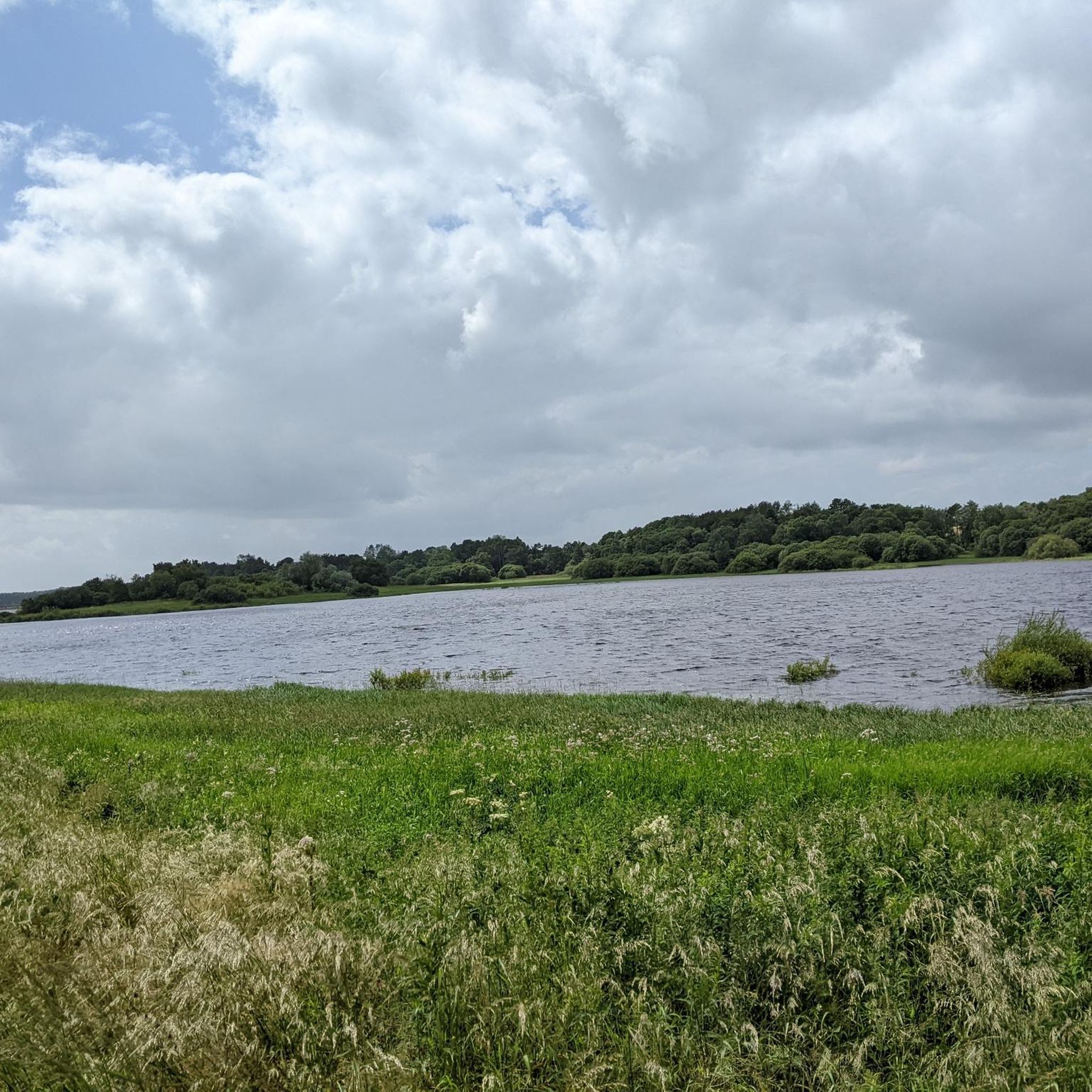
From the elevated viewpoints like Shaftoe Crags Trig Point, you can expect sweeping views across the moorland and the unique topography of the Northumberland countryside. These fells and hills provide excellent vantage points to appreciate the natural landscape.
Are there any other notable summits in the Whittington area besides the main trig points?
Yes, beyond the prominent trig points, the Whittington area also includes other significant summits. These include Snokoe Hill, reaching 191 meters (627 feet), and Warden Hill, at 180 meters (590 feet). Both are recognized as definitive list summits for the County of Northumberland.
What makes the mountain peaks around Whittington unique?
The mountain peaks around Whittington are unique due to their characteristic fells and hills, which offer elevated viewpoints across the Northumberland region. The presence of historical trig points, which were vital for early surveying, adds a distinctive historical layer to the natural landscape. The area provides opportunities to explore the unique topography of the Northumberland countryside.
What do visitors enjoy most about the mountain peaks around Whittington?
Visitors appreciate the mountain peaks around Whittington for their scenic beauty and the sense of accomplishment gained from reaching the summits. The area is well-regarded by the komoot community, with many photos and upvotes highlighting its appeal as a destination for outdoor enthusiasts.
Is the Whittington area in Northumberland National Park?
Yes, at least one of the notable summits, Walwick Fell Trig Point, is located within the Northumberland National Park, offering visitors a chance to experience the protected natural beauty of the park.
What kind of natural features can I expect to see when visiting the peaks?
When visiting the peaks around Whittington, you can expect to encounter moorland landscapes, fells, and hills. The natural terrain is characterized by its elevated features, providing a rugged and scenic environment typical of the Northumberland countryside.
Most popular attractions around Whittington

Get inspired with the komoot mobile app


Explore more
See even more amazing summits around Whittington with these guides:
