The best gravel rides around Esgos
20
riders
8
rides
Gravel biking around Esgos, a municipality in Ourense, Spain, offers routes through a diverse landscape of forests and mountains. The region is characterized by varied terrain, including unpaved tracks and natural trails, providing a suitable environment for gravel cycling. Esgos is situated near the Ribeira Sacra, an area known for its river valleys and historical sites, contributing to the scenic backdrop of the gravel routes. The mixed surfaces and elevation changes define the Esgos gravel routes, making them suitable for…
Last updated: August 14, 2026
3
riders
121km
09:33
2,430m
2,430m
Hard gravel ride. Very good fitness required. Mostly paved surfaces. Suitable for all skill levels.
2
riders
47.7km
03:19
790m
790m
Hard gravel ride. Very good fitness required. Mostly paved surfaces. Suitable for all skill levels.

Sign up for free
2
riders
40.8km
02:48
680m
680m
Hard gravel ride. Very good fitness required. Mostly paved surfaces. Suitable for all skill levels.
2
riders
35.5km
02:35
590m
590m
Hard gravel ride. Very good fitness required. You may need to push your bike for some segments of this route.
2
riders
44.9km
03:04
680m
680m
Hard gravel ride. Very good fitness required. Mostly paved surfaces. Suitable for all skill levels.
Get access to more routes and recommendations from other explorers.
Sign up for free
Already have an account?
Our route recommendations are based on thousands of hikes, rides, and runs completed by other people on komoot.
Start today with a free account
Your next adventure awaits.
Login or Signup
Tips from the Community

Ourense's Plaza Mayor is one of the most emblematic spaces in the historic center: It's a porticoed square with a slight incline, making it unique in Galicia. The slope is used to create a very photogenic perspective. Since the Middle Ages, it has been the city's administrative and social center. Markets, public events, and neighborhood meetings were held here. Notable buildings: City Hall: a 19th-century neoclassical building with an elegant façade and balconies. Palaces and noble houses: several properties with heraldic shields and typical Galician galleries.
2
0
They are located in the historic center of Ourense, on Rúa das Burgas / Praza das Burgas, next to the Barbaña River. They are perfectly integrated into the urban environment, near the Cathedral and the Roman Bridge. Explored since Roman times, these waters were the origin of the city (Aquis Auriensis), and the remains include a 1st-century AD pool-sanctuary and votive stones dedicated to an indigenous deity. The water flows at approximately 64–68°C, with a flow rate of about 300 liters per minute. Rich in minerals such as metasilicates, fluoride, lithium, bicarbonate, and sodium, they are recommended for pruritic skin conditions and rheumatism. Recent studies support their beneficial effect on acne after washing with thermal water.
2
0
Location: in the municipality of Pereiro de Aguiar (Ourense), on the Loña River, a tributary of the Miño. Uses: water supply, irrigation, hydroelectric power generation, fishing; it is not navigable or suitable for swimming. Circular walk: approximately 4 km (3.7 km to be exact), easy difficulty, ideal for families and dogs—although they must be kept on a leash—offering shade, rest areas, and beautiful views.
1
0
Location: in the municipality of Pereiro de Aguiar (Ourense), on the Loña River, a tributary of the Miño. Uses: water supply, irrigation, hydroelectric power generation, fishing; it is not navigable or suitable for swimming. Circular walk: approximately 4 km (3.7 km to be exact), easy difficulty, ideal for families and dogs—although they must be kept on a leash—offering shade, rest areas, and beautiful views.
1
0
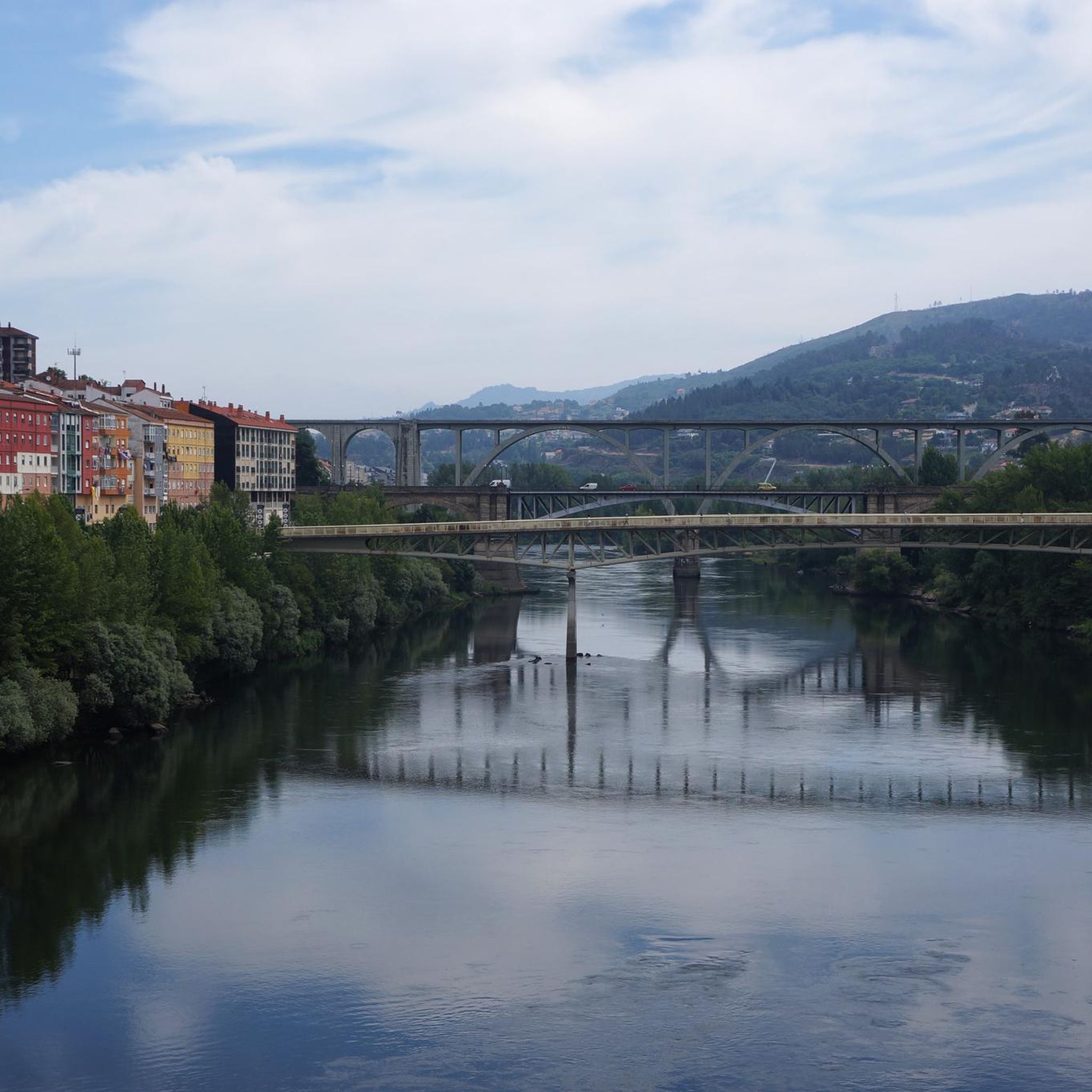
It spans the Miño River, linking the historic center of Ourense with the A Ponte neighborhood. It was built in the 1st century AD as a branch of the Via Nova (Via XVIII), connecting Bracara Augusta (Braga) with Asturica Augusta (Astorga). Only traces of the original Roman phase remain, such as rusticated stonework at the ends near the banks. It suffered damage during the Middle Ages; in 1228, under Bishop Lorenzo and with the support of Ferdinand III, it was rebuilt with pointed arches and renovated approaches. Until the 17th century, the bridge repeatedly collapsed. The final work was directed by Melchor de Velasco Agüero around 1660, establishing its current appearance.
1
0
The Roman bridge in Ourense, known as Ponte Vella or Puente Mayor, over the Miño River, was built in the 1st century AD as part of a branch of the Via Nova (Eighteenth Century). According to tradition, it dates back to the time of Trajan, although its construction characteristics place it close to the time of Augustus. Of that first bridge, only a few cushioned ashlars from the bases remain, as silent witnesses of the past.
1
0


Frequently Asked Questions
What is the general difficulty level of gravel biking in Esgos?
Gravel biking in Esgos is generally challenging. All the routes listed in this guide are rated as difficult, featuring significant elevation gains and varied terrain across mountainous landscapes and dense forests. For example, the Roman Bridge Ourense – Cachamuíña Reservoir loop from Ourense covers nearly 120 km with over 2400 meters of ascent.
Are there any circular gravel bike routes in Esgos?
Yes, all the gravel bike routes in Esgos featured in this guide are circular. This allows you to start and finish your ride at the same point. Examples include the Allariz Roman Bridge loop from Mármoles and the Cachamuíña Reservoir – Cachamuíña Reservoir loop from Ceboliño.
What kind of terrain can I expect on Esgos gravel trails?
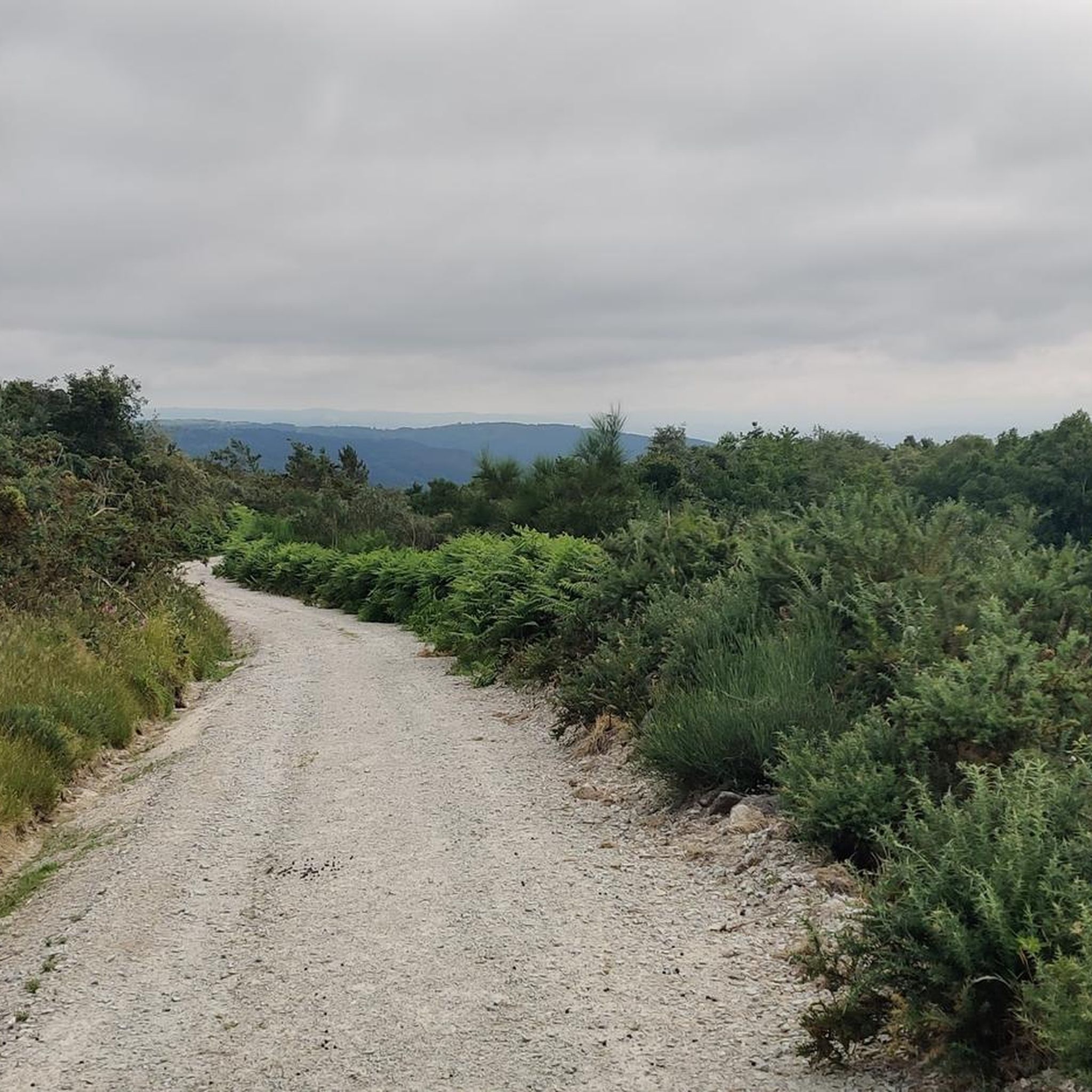
The gravel trails around Esgos offer a diverse and challenging terrain. You can expect a mix of unpaved tracks, dirt roads, and natural trails, often traversing rolling hills, verdant valleys, and areas with significant elevation changes. The region's location within the Ribeira Sacra means you'll encounter stunning river canyons, extensive forests, and mountainous backdrops.
What natural features or landmarks can I see while gravel biking in Esgos?
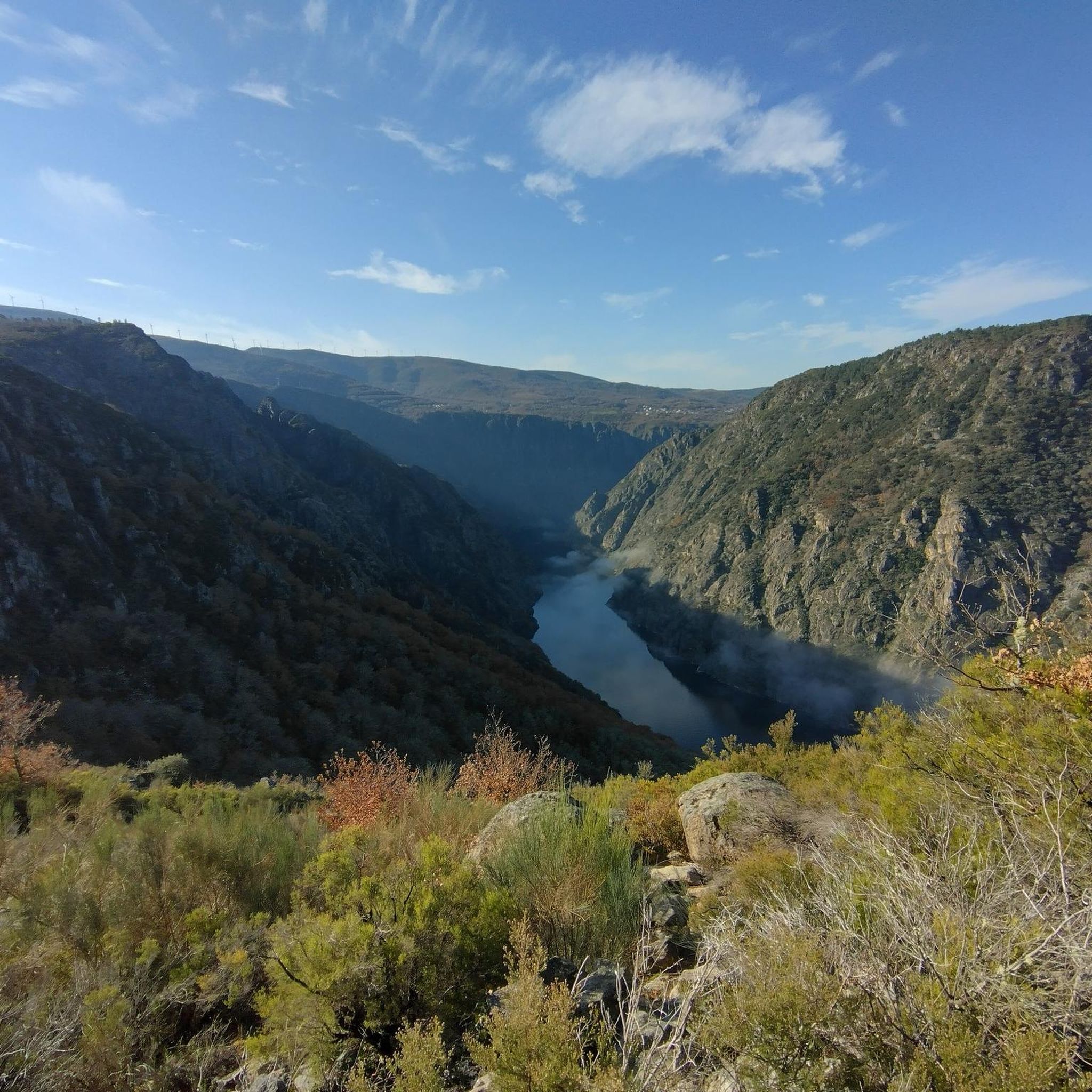
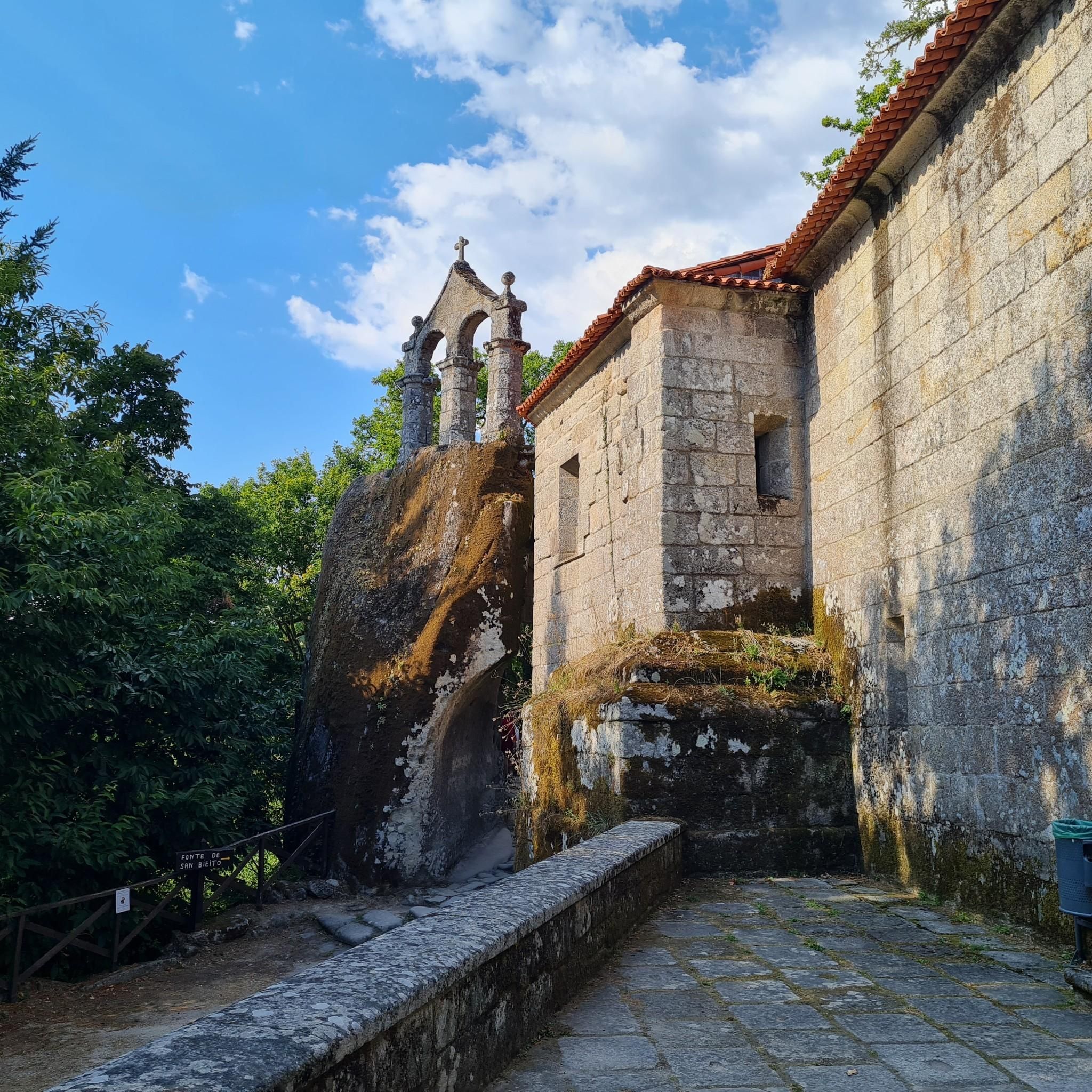
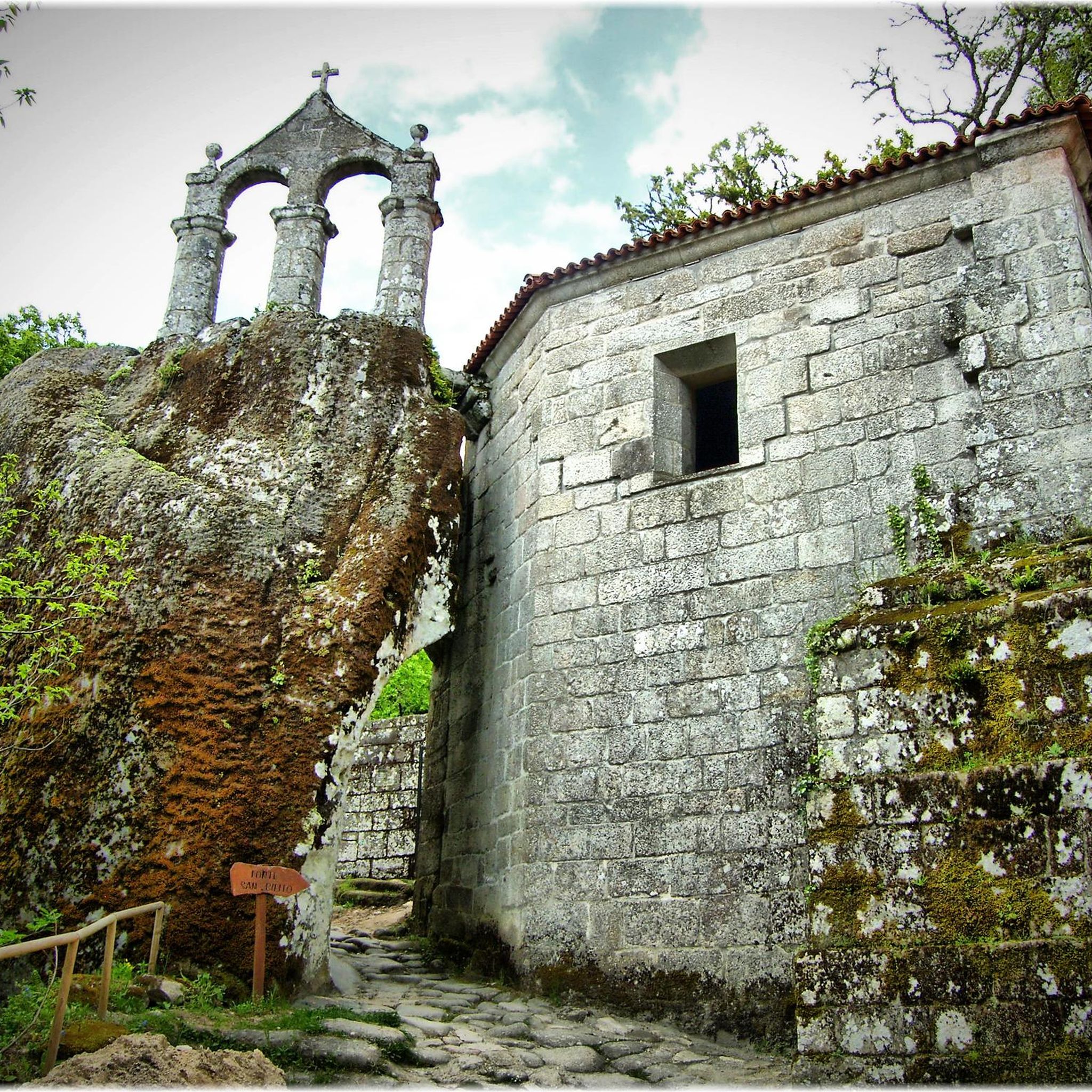
Esgos and its surroundings are rich in natural beauty and historical landmarks. You might encounter the unique Monastery of San Pedro de Rocas, partially excavated into solid rock, or enjoy panoramic views from spots like Pedra Longa Viewpoint. The trails also lead through lush Atlantic forests and along river canyons characteristic of the Ribeira Sacra region.
Are there any historical sites along the gravel routes in Esgos?
Absolutely. Esgos is steeped in history. A prominent historical site you might encounter is the ancient Monastery of San Pedro de Rocas, one of Galicia's oldest monasteries. Further afield, you could also visit the Monastery of Santa Cristina or the As Burgas Roman Baths in Ourense, which are accessible from some of the longer routes.
What is the best time of year for gravel biking in Esgos?
While specific climate data isn't provided, the Galicia region generally experiences a mild climate. Spring and autumn are often ideal for outdoor activities like gravel biking, offering pleasant temperatures and vibrant landscapes. Summers can be warm, and winters mild but potentially wet. It's always advisable to check local weather forecasts before heading out.
Are there any viewpoints along the gravel bike trails in Esgos?
Yes, the mountainous terrain around Esgos offers several opportunities for stunning panoramic views. High points within the municipality, such as the area around the Church of San Benito de Quintá do Monte, provide excellent vistas. You can also find designated viewpoints like Pedra Longa Viewpoint and O Boqueiriño Viewpoint, which offer breathtaking perspectives of the surrounding Ribeira Sacra landscape.
What are some longer gravel biking options in Esgos?
For those seeking a longer challenge, the Roman Bridge Ourense – Cachamuíña Reservoir loop from Ourense is a substantial option, covering nearly 120 km with significant elevation. Another long route is the Cachamuíña Reservoir – Cachamuíña Reservoir loop from I.T.V. de Ourense, which is over 70 km long.
What do other gravel bikers say about Esgos?
The Esgos area is appreciated by the komoot community for its varied and challenging terrain. Users often highlight the region's natural beauty, including its dense forests and river valleys, which provide a scenic backdrop for gravel cycling. The presence of historical sites like the Monastery of San Pedro de Rocas also adds to the appeal for many riders.
Are there any less crowded gravel bike routes in Esgos?
While specific crowd levels aren't tracked, the region's extensive network of quiet roads, dirt tracks, and natural trails means it's possible to find less frequented paths. Exploring routes that venture deeper into the forests and away from major attractions might offer a more secluded experience. The Gravel loop from Mármoles, for instance, offers a challenging ride through varied terrain that might provide a more tranquil experience.
Is Esgos suitable for experienced gravel bikers looking for a challenge?
Yes, Esgos is highly suitable for experienced gravel bikers seeking a challenge. All the routes in this guide are rated as difficult, featuring substantial distances and significant elevation gains. The mixed surfaces, mountainous terrain, and varied landscapes provide a demanding yet rewarding experience for seasoned riders.
Most popular attractions around Esgos

Get inspired with the komoot mobile app


Explore more
Browse the best Gravel rides in other regions.
