The best gravel rides around Santibáñez De Ecla
5.0
(1)
30
riders
4
rides
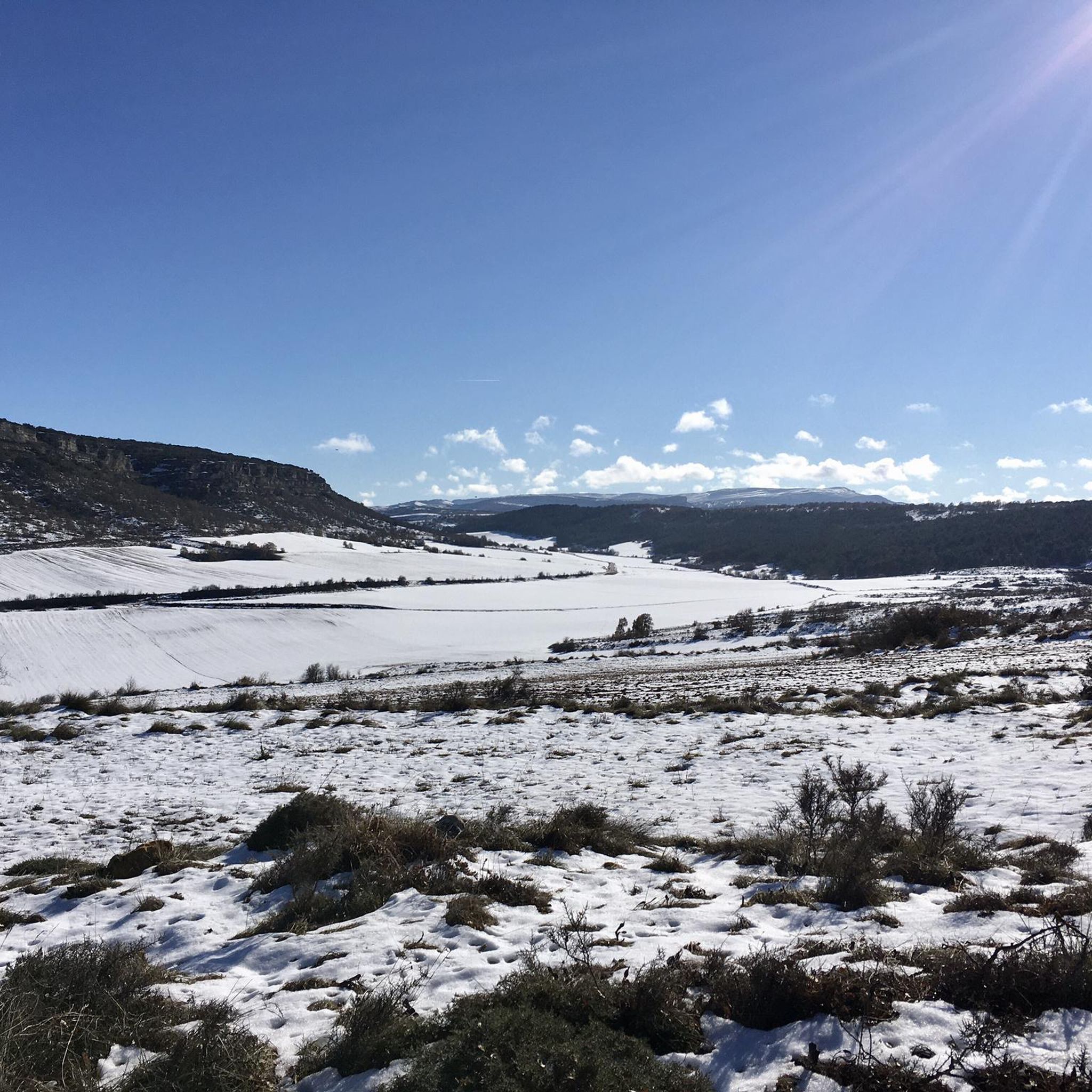
Gravel biking around Santibáñez De Ecla offers diverse terrain within a valley setting, surrounded by cliffs and green spaces. The region is characterized by river valleys, unique rock formations, and varied forests including pine, holm oak, and oak. Riders can explore agricultural fields, rural roads, and tracks that transition from plains to the foothills of the Cantabrian Mountains. This area, part of the Geoparque de las Loras, features karstic formations and a mix of paved and unpaved surfaces suitable for…
Last updated: October 7, 2026
5.0
(1)
11
riders
76.9km
05:38
1,030m
1,030m
Hard gravel ride. Very good fitness required. Mostly paved surfaces. Suitable for all skill levels.
3
riders
30.8km
02:15
220m
220m
Hard gravel ride. Good fitness required. You may need to push your bike for some segments of this route.

8
riders
Hard gravel ride. Very good fitness required. Mostly paved surfaces. Suitable for all skill levels.
4
riders
Hard gravel ride. Very good fitness required. You may need to push your bike for some segments of this route.
2
riders
Hard gravel ride. Very good fitness required. You may need to push your bike for some segments of this route.
Our route recommendations are based on thousands of hikes, rides, and runs completed by other people on komoot.
Start today with a free account
Your next adventure awaits.
Tips from the Community

It is a small bridge that crosses the waters of the Rubagón river. On one side there is a clearing with information panels. A perfect spot for a short stop on your route.
0
0


The amount of water this river carries is always surprising.
1
0

Puente Mayor over the Pisuerga River is of medieval origin. We can see the small islands in the river and the castle hill.
2
0

At the foot of Monte de la Ruya, when the hardest slope of the stage appears in front of you, the detour to Barrio de San Pedro and Barrio de Santa María, two districts of Aguilar de Campoo, comes out on the right. The descent is fantastic with views of the large lake of the Aguilar reservoir. First is Barrio de San Pedro, with a very welcoming ambushed entrance and the church of San Pedro, Romanesque from the 13th century with many later additions. And then the hermitage of Santa Eulalia, solitary next to the road, another well-preserved historical-artistic monument of the rural Romanesque of Palencia. In the town, the church of the Assumption also preserves parts of Romanesque origin.
0
0
The next town is Vallespinoso de Aguilar. The hermitage of Santa Cecilia, immediately standing out on a castle hill, is dated to the 12th century and was declared a historical-artistic monument in 1951. The portico has well-carved capitals and the location conveys the atmosphere of a fortress sanctuary.
0
0

The Church of the Assumption, located in Barrio de Santa María, is an outstanding example of the Romanesque in the Palencia Mountain. Built in the 16th century on the remains of a 12th-century Romanesque church, it preserves elements such as the apse and the nave of the Gospel.
2
0
Nice railway bridge that crosses the Pisuerga river on the outskirts of Salinas de Pisuerga.
1
0
Frequently Asked Questions
What is the general difficulty level of gravel biking trails around Santibáñez de Ecla?
The gravel biking trails listed in this guide are generally considered challenging. For example, the Salinas de Pisuerga Bridge – Hermitage of Santa Cecilia loop from Mave covers over 76 km with more than 1000 meters of elevation gain. The region's diverse terrain, from river valleys to the foothills of the Cantabrian Mountains, means you can expect varied surfaces and significant climbs.
Are there any circular gravel routes available in the area?
Yes, many of the gravel routes around Santibáñez de Ecla are designed as loops, allowing you to start and finish in the same location. An example is the Salinas de Pisuerga Bridge – Aguilar Reservoir loop from Aguilar de Campoo, which offers a substantial ride of nearly 50 km.
What kind of natural landmarks can I expect to see along the gravel trails?
The region is rich in natural beauty, being part of the Geoparque de las Loras. You can encounter unique karstic formations like Peña Mesa and the impressive Horadada Tunnel. The landscape features varied forests of pine, holm oak, and oak, especially along river valleys.
Are there historical or cultural attractions to visit while gravel biking?
Absolutely. Santibáñez de Ecla is a hub of Romanesque art. You can integrate visits to sites like the Collegiate Church of San Miguel, which is part of the Collegiate Church of San Miguel – Salinas de Pisuerga Bridge loop from Aguilar de Campoo, or the Hermitage of Santa Cecilia. The area is dotted with Romanesque churches and monasteries.
What is the best time of year for gravel biking in Santibáñez de Ecla?
The diverse terrain and varied forests make Santibáñez de Ecla suitable for gravel biking across multiple seasons. Spring and autumn generally offer pleasant temperatures and vibrant scenery. While the region can be explored year-round, checking local weather conditions is always advisable, especially during winter months when some higher elevation areas might be colder.
Are there any family-friendly gravel biking options?
While the routes listed in this guide are rated as difficult, the broader region of Santibáñez de Ecla, with its network of rural roads and tracks, offers potential for less strenuous rides. For families, it's recommended to look for flatter sections along river valleys or agricultural fields, which can provide a gentler introduction to gravel biking, though specific easy routes are not detailed here.
Where can I find parking when starting a gravel bike tour?
For tours starting from nearby towns like Aguilar de Campoo, you can often find parking within the village. For instance, the Salinas de Pisuerga Bridge – Pista de Grilleras loop from Aguilar de Campoo begins from Aguilar de Campoo, where public parking options are typically available. It's always a good idea to check local parking regulations upon arrival.
What do other gravel bikers enjoy most about the trails in Santibáñez de Ecla?
The area is highly rated by the komoot community, with an average score of 5.0 stars. Reviewers often praise the challenging yet rewarding terrain, the stunning natural landscapes of the Geoparque de las Loras, and the opportunity to combine cycling with exploring the rich Romanesque heritage.
Can I bring my dog on the gravel biking trails?
Many outdoor areas in Spain, including natural parks and rural trails, are generally dog-friendly, especially if dogs are kept on a leash. However, specific regulations can vary. It's always best to check for any local signage or specific rules for protected natural areas like the Geoparque de las Loras or the Sabinares del Arlanza Nature Reserve to ensure a pleasant experience for both you and your dog.
Are there places to eat or get refreshments near the gravel routes?
Towns like Santibáñez de Ecla and nearby Aguilar de Campoo offer amenities such as cafes, restaurants, and accommodation. Planning your route to pass through or near these villages, especially for longer rides like the Aguilar de Campoo Castle – Pisuerga River loop from Aguilar de Campoo, allows for convenient stops to refuel and rest.
Most popular routes around Santibáñez De Ecla
Most popular attractions around Santibáñez De Ecla

Get inspired with the komoot mobile app


Explore more
Browse the best Gravel rides in other regions.
