The best cycling routes around Cubillas De Los Oteros
4.2
(5)
41
riders
5
rides
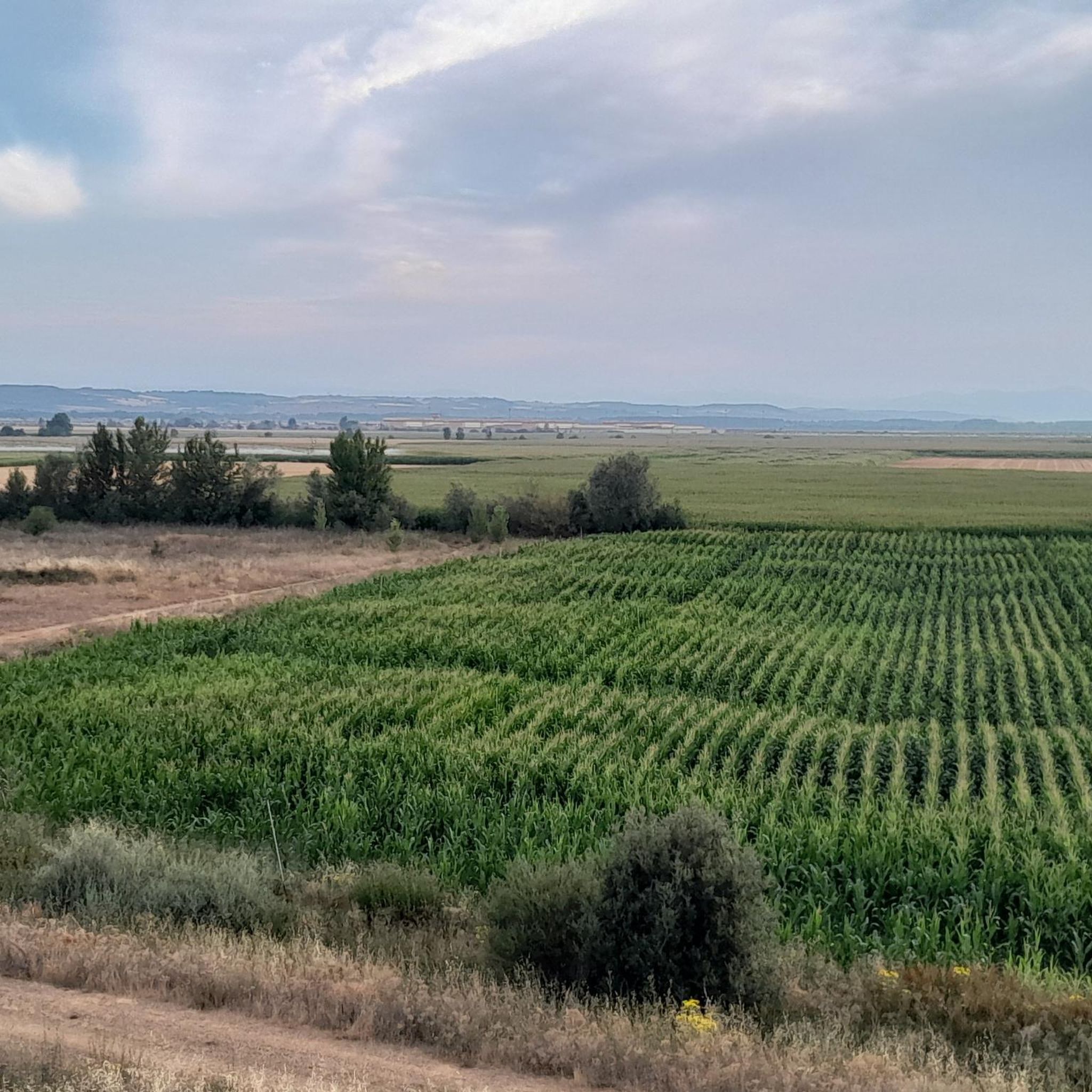
Touring cycling around Cubillas De Los Oteros offers routes through the flat to gently rolling plains of the region. The landscape is characterized by open fields and rural roads, providing a consistent terrain for cyclists. Elevation changes are generally minor, making the area suitable for various fitness levels. The routes often connect small villages and agricultural areas, showcasing the local environment.
Best touring cycling routes around Cubillas De Los Oteros
- The most popular touring cycling route is Los Oteros, Reliegos…
Last updated: July 4, 2026
51.9km
03:06
140m
140m
Moderate bike ride. Good fitness required. Mostly paved surfaces. Suitable for all skill levels.
4.0
(2)
14
riders
163km
09:41
550m
550m
Hard bike ride. Very good fitness required. Mostly paved surfaces. Suitable for all skill levels.

Sign up for free
4.3
(3)
22
riders
Hard bike ride. Very good fitness required. Mostly paved surfaces. Suitable for all skill levels.
2
riders
15.7km
01:03
60m
60m
Easy bike ride. Great for any fitness level. Mostly paved surfaces. Suitable for all skill levels.
3
riders
77.3km
04:57
430m
430m
Moderate bike ride. Good fitness required. Mostly paved surfaces. Suitable for all skill levels.
Our route recommendations are based on thousands of hikes, rides, and runs completed by other people on komoot.
Start today with a free account
Your next adventure awaits.
Login or Signup
Popular around Cubillas De Los Oteros
Tips from the Community

A beautiful, lively square right at the entrance to the old town of Leon.
4
0

The most famous monument is the church, recently the remains of an old hermitage were found. In the village there is a distillery where pomace and typical wines from the region are sold.
2
0
The Ermita de Nuestra Señora de Perales is a historic chapel located in Bercianos del Real Camino. The chapel was built in the 17th century. It was originally dependent on the Hospital del Cebreiro, which was founded in the 12th century. It is a simple brick building with a gable roof and a single tower. The interior is sober but charming, with a focus on devotion to Our Lady of Perales. Every year on September 8, a romería (pilgrimage) is held in her honor, during which the people of Bercianos del Real Camino visit the chapel and celebrate a party. The chapel is open from June 15 to September 30, from Monday to Sunday, between 11:00 and 13:00 and 18:00 and 20:00.
2
0
Bar Elvis in Reliegos, also known as Bar La Torre, is a popular spot for pilgrims following the Camino Francés. The bar is famous for its unique and eccentric atmosphere, created by the owner Eusignio Prieto, also known as Sinín. The bar is located on the Camino Francés, a major route to Santiago de Compostela. The interior is filled with graffiti, artwork, and souvenirs left by pilgrims. It is a lively and colorful environment. Sinín is known for his warm welcome and his passion for serving pilgrims. He plays rock 'n' roll and oldies music, and offers delicious tapas and bocadillos. Bar Elvis features in the film "The Way" (2010), directed by Emilio Estevez.
2
0
The Puente de San Marcos in León, Spain, is a historic bridge that spans the Bernesga River. The bridge is located next to the famous San Marcos Monastery, which is now a Parador hotel. The origins of the bridge date back to the 12th century, with the first mentions in documents dating back to 1171. However, the current structure dates back to the 16th century and was designed by Leonardo de la Cagiga. The bridge has eight arches and is an important architectural and historical monument in the city.
2
0
EL LEÓN DE SALEAL: We go back to Roman times to understand part of the theme of this sculpture. Cloacina, in Roman mythology, was the goddess who ruled over the Cloaca Máxima, the sewer system of Rome. The sewer name comes from the name of this goddess, because thanks to the origin of sewer systems, a quality of life was achieved in terms of sanitation of urban environments and public health from the beginning to the present day. It should be remembered that the origin of the name of this city and province of León comes from the word legio ("legion"). Legio VII Gemina was the Roman camp that settled here and with it the origin of the city of León. A lion with strength and claws as a symbol of the sanitation system (the modern version of Cloacina Máxima) in constant renewal and maintenance. The goal was achieved: to do something symbolic and reflect the efforts and human work of so many years, to give solidity to our public health and the health of the environment.
6
0
The Arco de San Benito is an impressive monument in Sahagún, located in the region of Castilla y León, Spain. It was built around 1662 by the architect Felipe Berrojo to replace the old Romanesque portal of the Monasterio de San Benito. The arch is designed as a triumphal arch, under which the N-120 passes, and is also known as "la puerta de Sahagún" (the gate of Sahagún). The monument is richly decorated with a central shield, inscriptions and sculptures of Saints Facundo and Primitivo. At the top is the royal shield, and there are also sculptures of Alfonso III and Alfonso VI, who were important protectors of the monastery.
8
0
Frequently Asked Questions
How many touring cycling routes are available in Cubillas De Los Oteros?
There are 5 touring cycling routes around Cubillas De Los Oteros, offering a range of distances and difficulties through the region's characteristic open plains and rural roads.
Are there easy touring cycling routes suitable for beginners?
Yes, there is one easy touring cycling route. For a shorter, more relaxed ride, consider the Bike loop from Fresno de la Vega, which covers about 15.7 km.
What options are available for experienced touring cyclists seeking a challenge?
Experienced cyclists can find challenging routes, such as the Pilgrim Cross Monument – El Burgo Ranero loop from Palanquinos, which spans over 163 km, or the Plaza Mayor – Casa Botines Gaudí Museum loop from Palanquinos, a 115.6 km journey towards urban landmarks.
Are there circular touring cycling routes available?
Yes, many routes in the area are circular. For example, the popular Los Oteros, Reliegos y Mansilla de las Mulas – circular from Palanquinos offers a comprehensive loop through local villages and countryside.
What kind of scenery can I expect on the touring cycling routes?
The routes in Cubillas De Los Oteros primarily traverse flat to gently rolling plains, characterized by open fields, agricultural areas, and rural roads. You'll pass through small villages and experience the quiet, expansive landscapes typical of the region.
When is the best time of year for touring cycling in Cubillas De Los Oteros?
Spring and autumn generally offer the most pleasant conditions for touring cycling in this region, with milder temperatures. Summers can be hot, especially in the open plains, while winters can be cold and occasionally wet.
What do other touring cyclists enjoy about the routes in Cubillas De Los Oteros?
The area is highly rated by the komoot community, with an average score of 4.7 stars. Reviewers often praise the consistent terrain, the peaceful rural roads, and the opportunity to connect with small villages and agricultural landscapes.
Are there places to stop for refreshments along the routes?
While the routes primarily pass through rural areas, they often connect small villages. These villages may offer local cafes or small shops where you can find refreshments. It's advisable to carry sufficient water and snacks, especially on longer routes.
What should I pack for a touring cycling trip in this region?
Given the open nature of the landscape, essentials include sun protection (sunscreen, hat, sunglasses), sufficient water, snacks, basic bike repair tools, and appropriate clothing layers for varying temperatures. A map or GPS device is also recommended for navigation.
Where can I park when starting a touring cycling route?
Many routes start from villages like Palanquinos. You can typically find parking in or near these villages, often in public spaces or designated parking areas. Always check local signage for any restrictions.
Is public transport available to access the touring cycling routes?
Public transport options directly to the start points of these rural routes might be limited. It's generally more convenient to arrive by car, or cycle from a larger nearby town with better public transport connections if available.
Can I expect to see wildlife while cycling?
Cycling through the agricultural and open field landscapes of Cubillas De Los Oteros, you may encounter common rural wildlife such as various bird species, small mammals, and insects. Keep an eye out, especially during quieter times of day.
Are there any routes that pass by historical or notable landmarks?
Yes, some routes venture towards more prominent sites. For instance, the Roman bridge – Casa Botines Gaudí Museum loop from Palanquinos offers a journey that includes a Roman bridge and heads towards the Casa Botines Gaudí Museum, providing a mix of rural and cultural interest.
Most popular routes around Cubillas De Los Oteros

Get inspired with the komoot mobile app


Explore more
Browse the best Cycling routes in other regions.
