The best walks and hikes around Graja De Iniesta
4.3
(7)
22
hikers
10
hikes
Hiking around Graja De Iniesta offers routes through a landscape characterized by gentle hills, agricultural plains, and areas of Mediterranean scrubland. The region features varied terrain, including paths that traverse open fields and follow natural watercourses. Elevation changes are generally modest, making many trails accessible for different fitness levels.
Best hiking trails around Graja De Iniesta
- The most popular hiking route is Pajazo Trail, a 11.1 miles (17.9 km) trail that takes 4 hours 55 minutes to complete. This…
Last updated: July 4, 2026
5.0
(1)
2
hikers
17.9km
04:56
310m
310m
Moderate hike. Good fitness required. Easily-accessible paths. Suitable for all skill levels.
4.3
(4)
3
hikers
10.2km
02:42
100m
100m
Moderate hike. Good fitness required. Mostly accessible paths. Sure-footedness required.

Sign up for free
5.0
(1)
4
hikers
6.73km
01:44
40m
40m
Easy hike. Great for any fitness level. Easily-accessible paths. Suitable for all skill levels.
3.0
(1)
5
hikers
5.58km
01:27
30m
30m
Easy hike. Great for any fitness level. Easily-accessible paths. Suitable for all skill levels.
5.0
(1)
2
hikers
7.39km
01:54
30m
30m
Easy hike. Great for any fitness level. Easily-accessible paths. Suitable for all skill levels.
Get access to more routes and recommendations from other explorers.
Sign up for free
Already have an account?
Our route recommendations are based on thousands of hikes, rides, and runs completed by other people on komoot.
Start today with a free account
Your next adventure awaits.
Login or Signup
Popular around Graja De Iniesta
Tips from the Community

Courtesy of my AI: Construction period and history • The church was built in the 15th and 16th centuries. Construction began in the late Gothic period, a period when Castile flourished both culturally and economically. • Renaissance elements were added over the course of the construction period, which explains the stylistic mix. This reflects the artistic and architectural development of the era. Context of construction • The construction of the church is related to the Christian reconquest of the region and the subsequent desire to manifest the faith through magnificent ecclesiastical buildings. • It was probably built on the site of an earlier, possibly Moorish or early Christian sanctuary. Architectural features Nuestra Señora de la Asunción is an example of the combination of two styles that is common in Castile-La Mancha: Gothic features 1. Basic structure: • The church has a spacious nave with high, pointed vaults, typical of the Gothic style. • The verticality of the interior and the delicate design of the arches and ribs are reminiscent of the Gothic cathedrals of the region. 2. Windows and light: • Gothic pointed arch windows with tracery let light into the interior and create a solemn atmosphere. Renaissance elements 1. Facade: • Parts of the facade show the clean lines and symmetrical shapes of the Renaissance. The decorative elements such as columns and friezes are particularly striking. 2. Artwork: • The interior has altars and chapels that were added later in the Renaissance and Baroque styles. Some sculptures and paintings date from this period. Significance of the church • Nuestra Señora de la Asunción was not only a religious centre, but also a place of social and cultural gatherings. • The church reflects the wealth and importance of Iniesta during the late medieval and early modern periods, when the town prospered through agriculture and trade. Current use and preservation • The church continues to be used for worship and religious festivals today. It is a central location for local celebrations, particularly on holidays such as the patron saint's feast. • Restoration work over the past few decades has helped to keep the building in good condition, with the Gothic vaults and Renaissance façade carefully restored. Things to see inside the church When visiting the church, look out for the following details: 1. Main altar: An elaborately designed altar that incorporates both Gothic and Renaissance elements. 2. Chapels: Some side chapels house valuable religious artworks, including paintings and wood carvings. 3. Sacristy: The sacristy may contain historical relics and liturgical objects. Conclusion The Church of Nuestra Señora de la Asunción is an impressive example of Castilian architecture during the transition period from Gothic to Renaissance. It tells the story of a city that has absorbed various cultural influences over the centuries and preserved them in its architecture. A visit is worthwhile for both art lovers and those who want to learn more about the history of the region. Shall I tell you about other artworks or details about its restoration?
0
0
Since the research on the Internet was not very informative, I asked the AI. Here is the result that I can understand... The castle of Iniesta and its surroundings are fascinating testimonies to the eventful history of Castile. The castle of Iniesta, which stands on a hill above the present-day city, was an important defensive point in the region. Although only ruins remain of the original structure, its importance in the Middle Ages and beyond can be easily reconstructed. Historical overview 1. Moorish origins (8th-10th centuries): • Under Muslim rule, the castle was probably built as a fortification to secure control over the surrounding area. • The castle was part of a larger network of fortresses that protected the borders of Muslim territories. 2. The Reconquista (11th-13th centuries): • The region around Iniesta was brought under Castilian control during the Christian reconquest. This probably happened during the time of Alfonso VIII (King of Castile), who also played a key role in pushing back the Moors at the Battle of Las Navas de Tolosa (1212). • The castle was used as a Castilian base after the Reconquista and expanded to secure the border regions of Castile. 3. Decline: • With the end of the region's military importance in the late Middle Ages, the castle began to lose strategic value. Its gradual abandonment led to it falling into disrepair. The remains indicate that the castle was once a powerful fortification with the following elements: • Walls and towers: The castle was equipped with massive defensive walls and at least one central tower (possibly a keep). • Location: The strategic position on a hill offered excellent views over the surrounding plains and allowed effective control over important trade and communication routes. Today only parts of the walls and foundations remain. Their remains nevertheless provide an insight into the military architecture of the time.
0
0

Beautiful town that is located in the old middle of what is the entrance to the lands of La Mancha on its eastern side. Surrounded by farmland and large areas that are difficult to find the end!
0
1
Beautiful town that is located in the old middle of what is the entrance to the lands of La Mancha on its eastern side. Surrounded by farmland and large areas that are difficult to find the end!
0
1

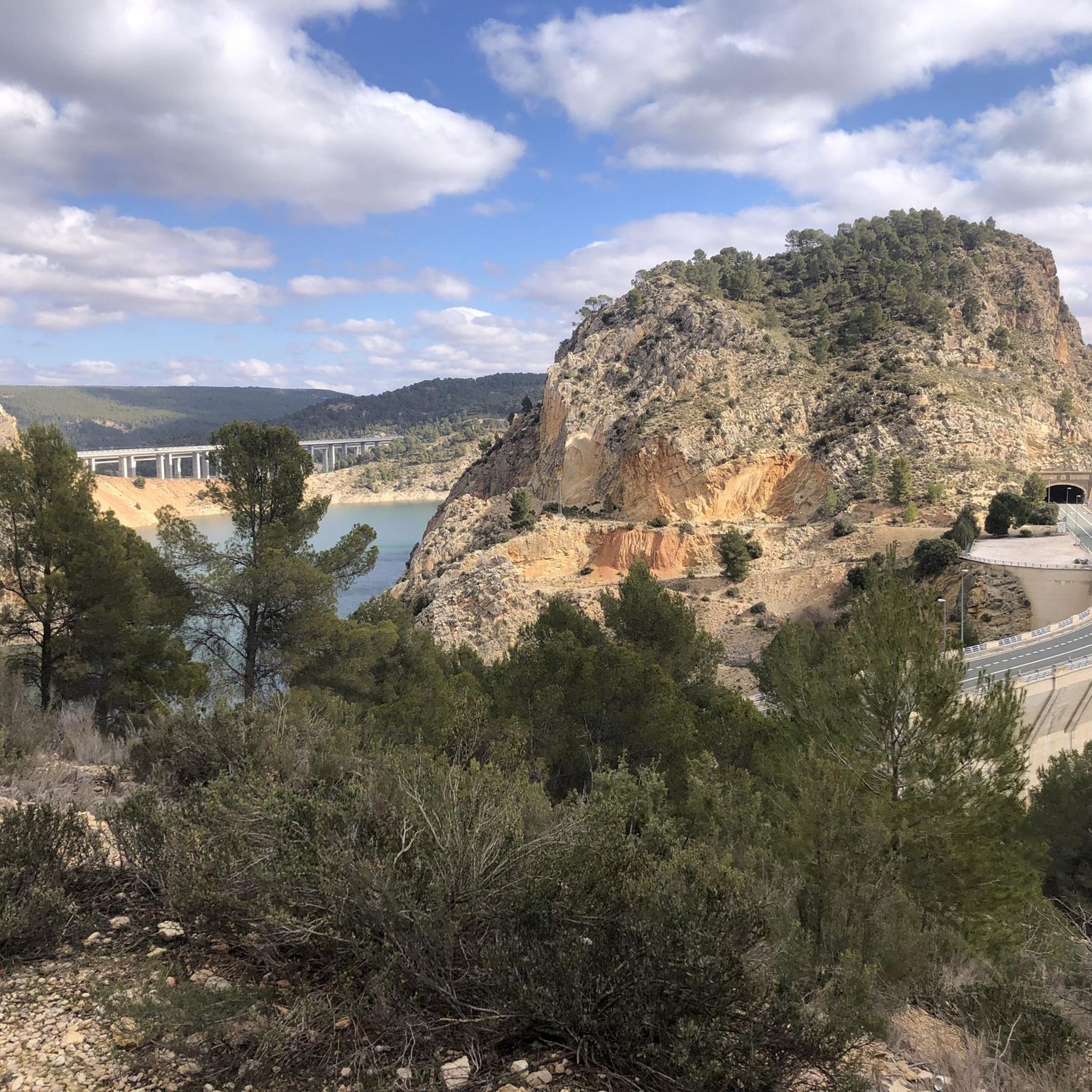
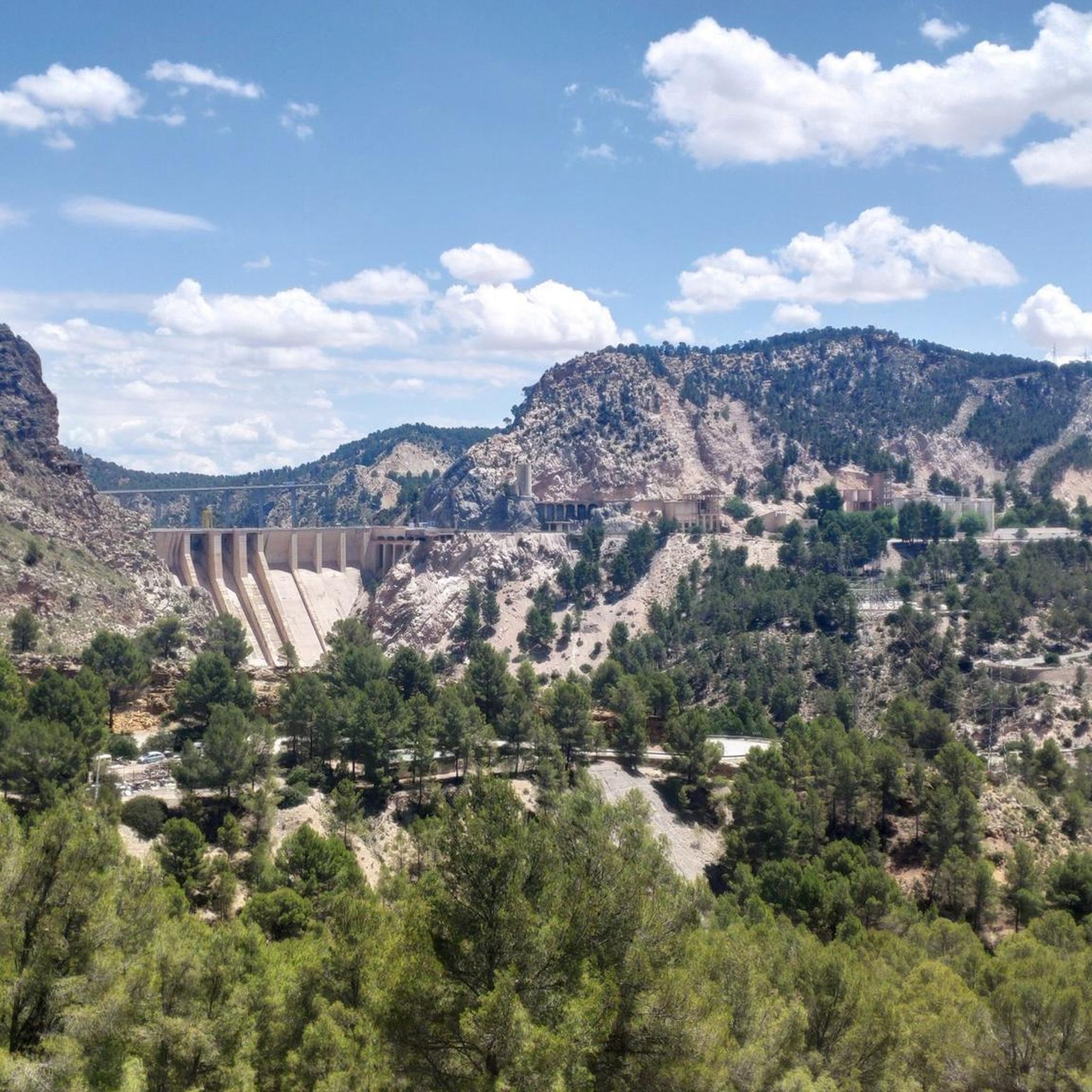
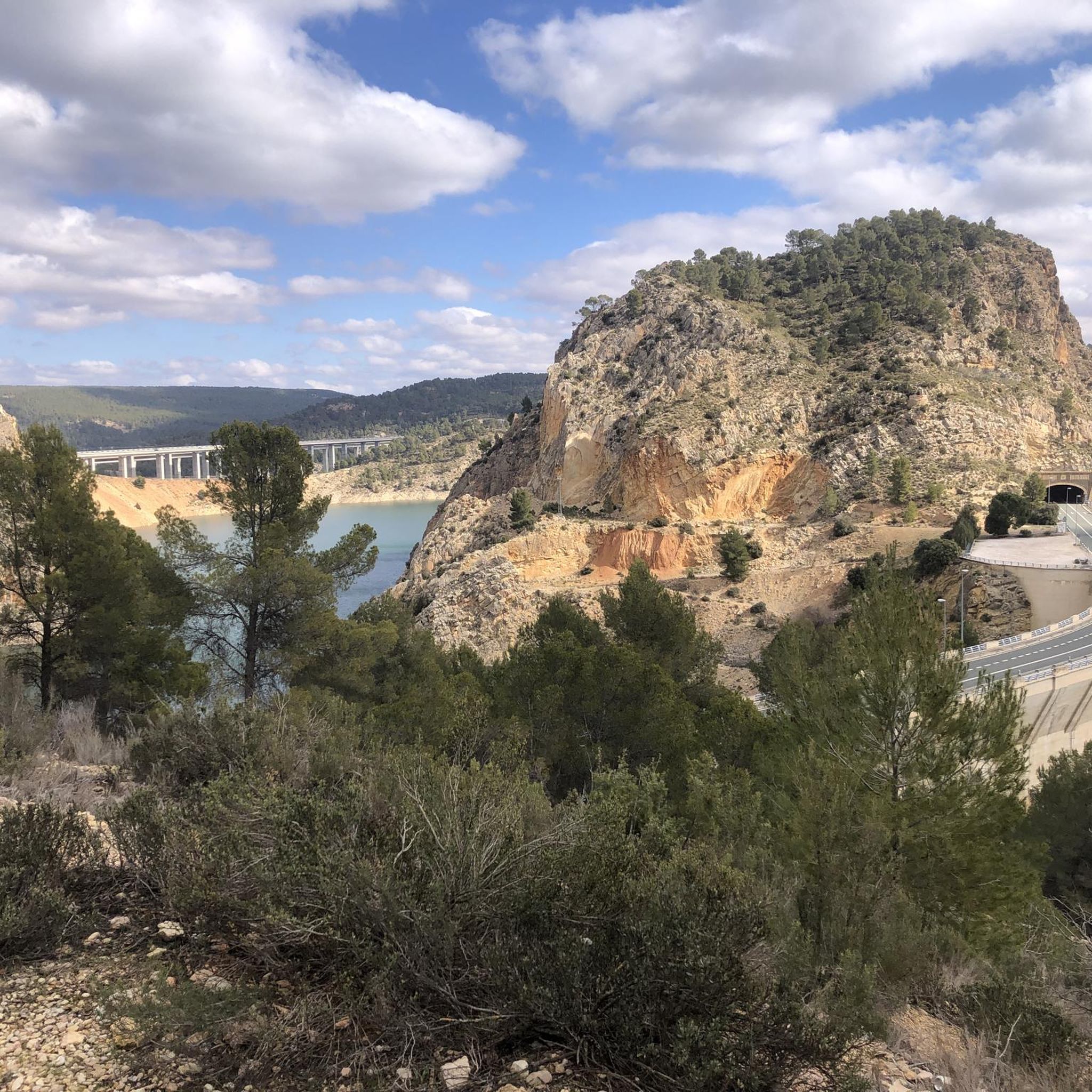
Built in the '70s, it accumulates the waters of the Cabriel and Guadazaón rivers at their confluence upon reaching the limits of the province of Cuenca and Valencia, also the regional border between these two communities.
1
1

Route ideal for hikers to get to know the environment while enjoying peace and tranquility.
7
0

in rainy season, not recommended
1
0
Frequently Asked Questions
How many hiking trails are available around Graja De Iniesta?
There are 9 hiking trails available around Graja De Iniesta. The region offers a good mix of routes, with 7 easy trails and 2 moderate options, catering to various fitness levels.
What kind of landscape can I expect when hiking near Graja De Iniesta?
Hiking around Graja De Iniesta features a landscape of gentle hills, expansive agricultural plains, and areas dotted with Mediterranean scrubland. The terrain is generally varied, with paths traversing open fields and following natural watercourses. Elevation changes are modest, making most trails accessible.
Are there easy hiking trails suitable for beginners in Graja De Iniesta?
Yes, Graja De Iniesta is well-suited for beginners, with 7 out of 9 trails classified as easy. An excellent option is the Castle of Iniesta – Iniesta loop from Iniesta, which is 4.7 km long and takes about 1 hour 15 minutes, leading through agricultural areas and past historic sites.
What are the typical lengths of hikes around Graja De Iniesta?
Hikes around Graja De Iniesta vary in length. You can find shorter, easy routes like the Castle of Iniesta – Iniesta loop from Iniesta at 4.7 km (1h 15m), or longer, moderate trails such as the Pajazo Trail, which is 17.9 km and takes around 4 hours 55 minutes.
Are there any circular hiking routes in Graja De Iniesta?
Yes, several circular routes are available. For example, the Castle of Iniesta – Iniesta loop from Iniesta is a popular 4.7 km loop, and the Hiking loop from Iniesta offers a 5.5 km circular experience.
Are the hiking trails around Graja De Iniesta suitable for families with children?
Many of the trails around Graja De Iniesta are suitable for families, especially the 7 easy routes with modest elevation changes. These paths often traverse open fields and agricultural areas, providing a pleasant and manageable experience for children. Consider shorter loop trails for younger hikers.
What is the best time of year to go hiking in Graja De Iniesta?
The best time for hiking in Graja De Iniesta is typically during spring (April-May) and autumn (September-October). During these seasons, temperatures are milder, and the landscape is vibrant, making for more comfortable and scenic walks. Summers can be very hot, and winters, while mild, might have cooler, wetter days.
Are there any places to explore or landmarks to see along the hiking routes?
Yes, the region offers several points of interest. You can explore historical sites like the Church of Nuestra Señora de la Asunción of Iniesta or the Sanctuary of the Virgin of the Loma. The Castle of Iniesta – Iniesta loop from Iniesta specifically passes by historic sites.
What do other hikers say about the trails in Graja De Iniesta?
The trails in Graja De Iniesta are highly rated by the komoot community, with an average score of 4.4 stars. Hikers often praise the varied terrain, which includes open fields and natural watercourses, and the accessibility of routes for different fitness levels.
Can I bring my dog on the hiking trails in Graja De Iniesta?
Generally, dogs are welcome on most hiking trails in rural areas like Graja De Iniesta. However, it's always recommended to keep your dog on a leash, especially when passing through agricultural lands or near livestock, and to follow local regulations regarding pet access.
Where can I find parking at the trailheads in Graja De Iniesta?
Parking is typically available in or near the villages that serve as starting points for the trails, such as Iniesta or Graja de Iniesta itself. Look for designated parking areas within these settlements, or consult the specific route details on komoot for more precise parking information.
Are there any wild swimming spots near the hiking trails?
While Graja De Iniesta is characterized by agricultural plains and gentle hills, it is not particularly known for wild swimming spots directly adjacent to its hiking trails. The region's watercourses are generally smaller. For swimming, you might need to look for designated areas or public pools in nearby towns.
Are there any less crowded hiking options if I prefer solitude?
Given that Graja De Iniesta is a less densely populated hiking destination compared to major tourist hubs, many of its trails offer a sense of solitude. The El Molinillo Trail, for instance, offers varied scenery over 10.2 km, providing ample opportunity for a peaceful walk away from crowds.
Most popular routes around Graja De Iniesta
Most popular attractions around Graja De Iniesta

Get inspired with the komoot mobile app


Explore more
Browse the best Hikes in other regions.
