The best gravel rides around Lillo
10
riders
4
rides
Gravel biking around Lillo, Spain, is characterized by routes traversing the La Mancha steppe and the foothills of the Montes de Toledo. The terrain features expansive farmland and unique saline wetlands, offering varied landscapes for cycling. Elevation gains are generally moderate, with some routes featuring mostly paved surfaces and others requiring advanced riding skills. The region provides a mix of moderate and challenging gravel bike trails.
Best gravel bike trails around Lillo
- The most popular gravel bike trail is La…
Last updated: July 3, 2026
3
riders
41.7km
02:59
200m
200m
Moderate gravel ride. Good fitness required. Mostly paved surfaces. Suitable for all skill levels.
2
riders
Moderate gravel ride. Good fitness required. Mostly paved surfaces. Suitable for all skill levels.

Sign up for free
2
riders
35.8km
02:47
190m
190m
Moderate gravel ride. Good fitness required. Mostly paved surfaces. Suitable for all skill levels.
2
riders
53.1km
03:36
210m
210m
Hard gravel ride. Good fitness required. You may need to push your bike for some segments of this route.
1
riders
57.3km
04:11
240m
240m
Moderate gravel ride. Good fitness required. Mostly paved surfaces. Suitable for all skill levels.
Our route recommendations are based on thousands of hikes, rides, and runs completed by other people on komoot.
Start today with a free account
Your next adventure awaits.
Login or Signup

Tips from the Community

The Plaza Mayor of Tembleque is one of the most iconic architectural complexes in Castilla-La Mancha and an exceptional example of 17th-century popular baroque. This monumental quadrangular square was born at the end of the 16th century with the dual function of a center for social gathering and an arena for historical bullfights.
1
0

What to see in La Guardia (Toledo) Palace-House of the Jaenes (Ethnological Museum) Church of Our Lady of the Assumption Hermitage of the Holy Child Historic town center and castle ruins Cave houses and dwellings carved into the rock Natural surroundings of the Cedrón Stream and the La Guardia Lagoon Wineries and wine from the Campo de La Guardia region Main Square
11
0
La Guardia is considered a small town, but surprisingly rich in heritage, ideal for a peaceful getaway from Madrid or Toledo. Its hilltop location affords panoramic views, streets steeped in history, and a distinctive character. Although it seems like a town you could visit in a morning, it holds more history, architecture, and scenery than meets the eye. Furthermore, it's part of a renowned wine-producing region: within its boundaries lies the Pago Campo de La Guardia vineyard, a wine with a protected designation of origin, adding value for wine tourism enthusiasts.
13
0
The Plaza Mayor of Tembleque, located in the province of Toledo, is one of the finest examples of Castilian Baroque architecture and an architectural gem of La Mancha. Construction: Completed in 1598, following the design of traditional open-air theaters and inns.
14
0
Must-see places in Turleque Parish Church of Our Lady of the Assumption Neoclassical style, built in the 18th century. Highlights include its two clock towers, the pedimented façade, and its interior with a barrel vault and side chapels. Jurisdictional Pillory (Pillory) An 18th-century monument, erected in 1751 when Turleque was granted the title of town. It symbolizes judicial autonomy and is one of the town's historical emblems. Tercia House A historic building where tithes were stored in the Middle Ages. It represents the municipality's former economic and social organization. Turleque Silo Built in 1982, currently being converted into an Ethnographic Museum. It forms part of the town's industrial heritage. Don Quixote Park A green space for strolling and relaxing, with references to Cervantes' work.
10
0
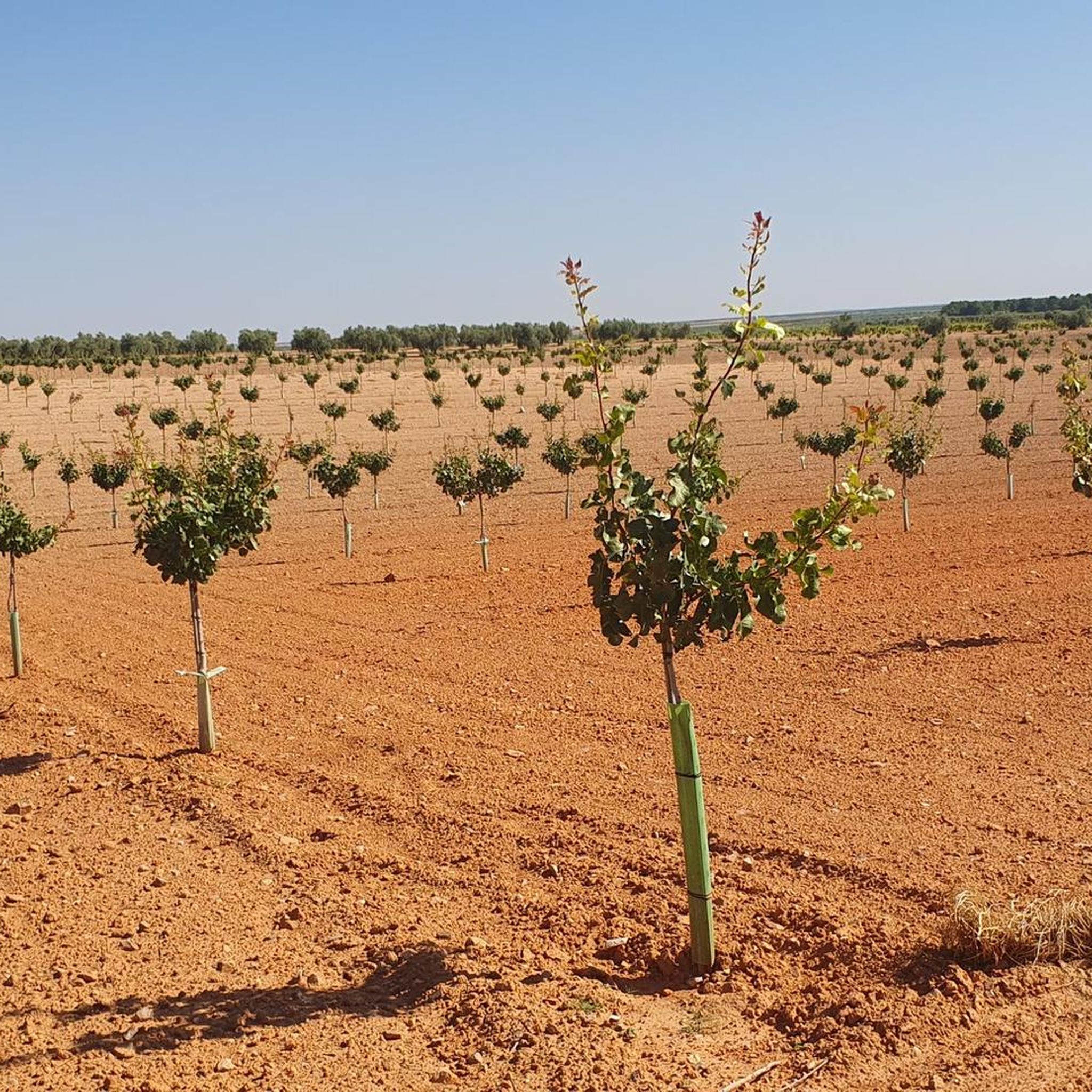
Turleque is a charming little town in Toledo, perfect for a peaceful getaway. Just outside the town, it's ideal for hiking and birdwatching. A route winds between the La Mancha steppe and the foothills of the Montes de Toledo.
10
0
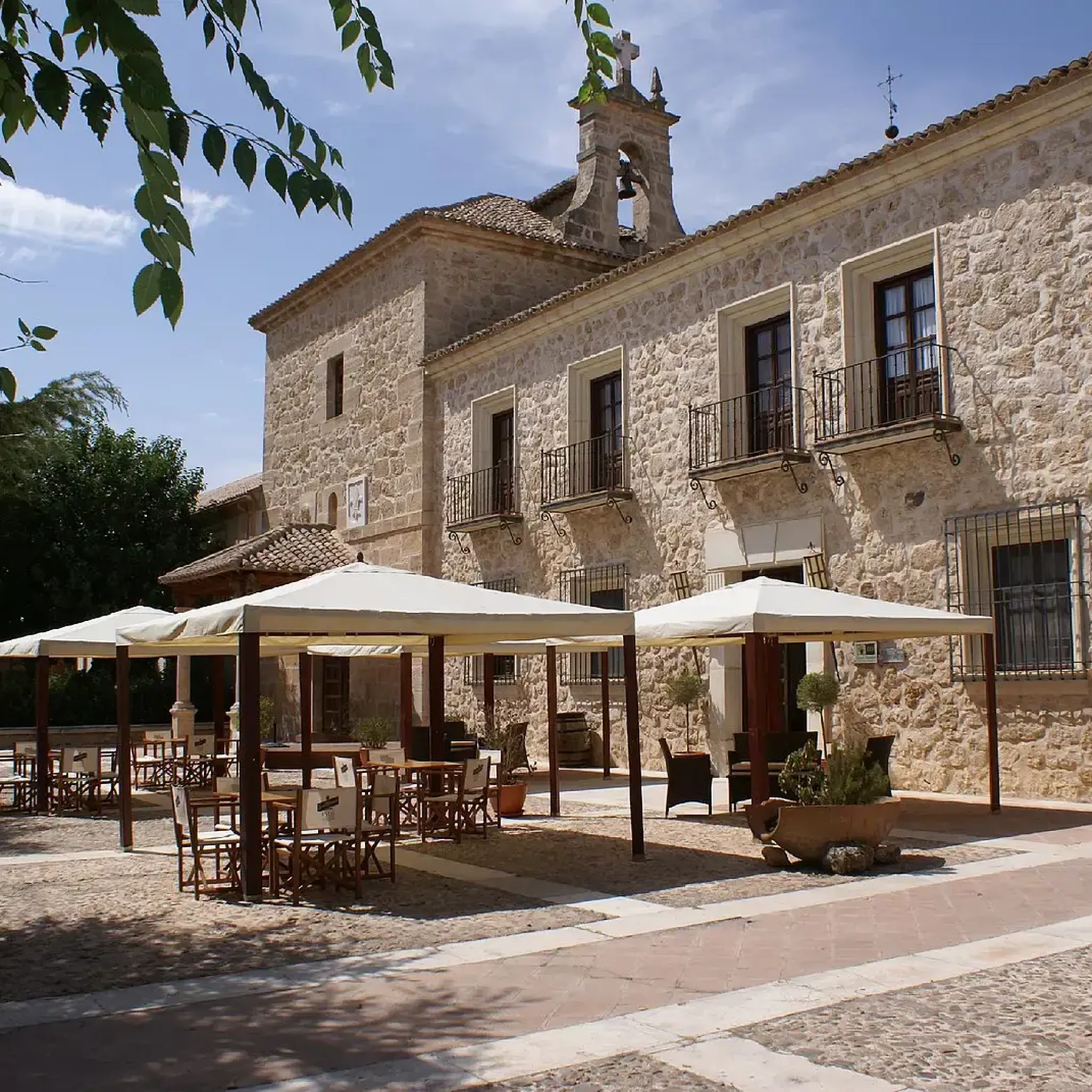
The Church of Our Lady of the Assumption in Turleque, Toledo province, is a neoclassical Catholic church dating back to the 18th century. This building replaced the old parish church, which was demolished due to its dilapidated state. The church is located in the Plaza del Generalísimo and stands as a testament to the region's history and architecture.
9
0
La Guardia (Toledo) is a very interesting destination in the Ocaña Plateau, offering historical heritage, nature, and cultural routes. Church of Our Lady of the Assumption Renaissance church with Baroque details, a main altarpiece, and a bell tower. Casa de los Jaenes (Ethnological Museum) An old 18th-century manor house with collections about traditional La Mancha life.
4
0
Frequently Asked Questions
How many gravel bike trails are available around Lillo?
There are 4 curated gravel bike routes around Lillo, Spain, offering a range of experiences from moderate to difficult. These routes are designed to showcase the unique landscapes of the Toledo region.
What kind of terrain can I expect on gravel bike trails around Lillo?
The gravel trails around Lillo, Spain, feature diverse terrain. You can expect routes that wind through the La Mancha steppe, expansive farmland, and areas with unique saline wetlands. Some routes may include mostly paved surfaces, while others require good fitness and advanced riding skills, potentially involving segments where you might need to push your bike.
Are there challenging gravel routes in Lillo?
Yes, there is at least one challenging gravel route around Lillo. For instance, the Casa de las Torres – Plaza Mayor de Tembleque loop from Estación de Tembleque is rated as difficult, covering over 53 km with significant elevation gain. Other routes are rated moderate, offering a good balance of distance and climb.
Are there any easy gravel bike trails in Lillo suitable for beginners?
While all the listed routes are rated moderate or difficult, the region does offer varied terrain. Some segments of routes, particularly those with mostly paved surfaces, might be more accessible for beginners. It's always recommended to check the route details for specific elevation and surface information to determine suitability for your skill level.
Are there circular gravel routes around Lillo?
Yes, all the gravel routes provided for Lillo are designed as loops. For example, you can explore the La Guardia – Windmills of El Romeral loop from Estación de Tembleque or the Plaza Mayor de Tembleque – Casa de las Torres loop from Estación de Tembleque, both offering a return to your starting point.
What natural features can I see along the gravel trails around Lillo?
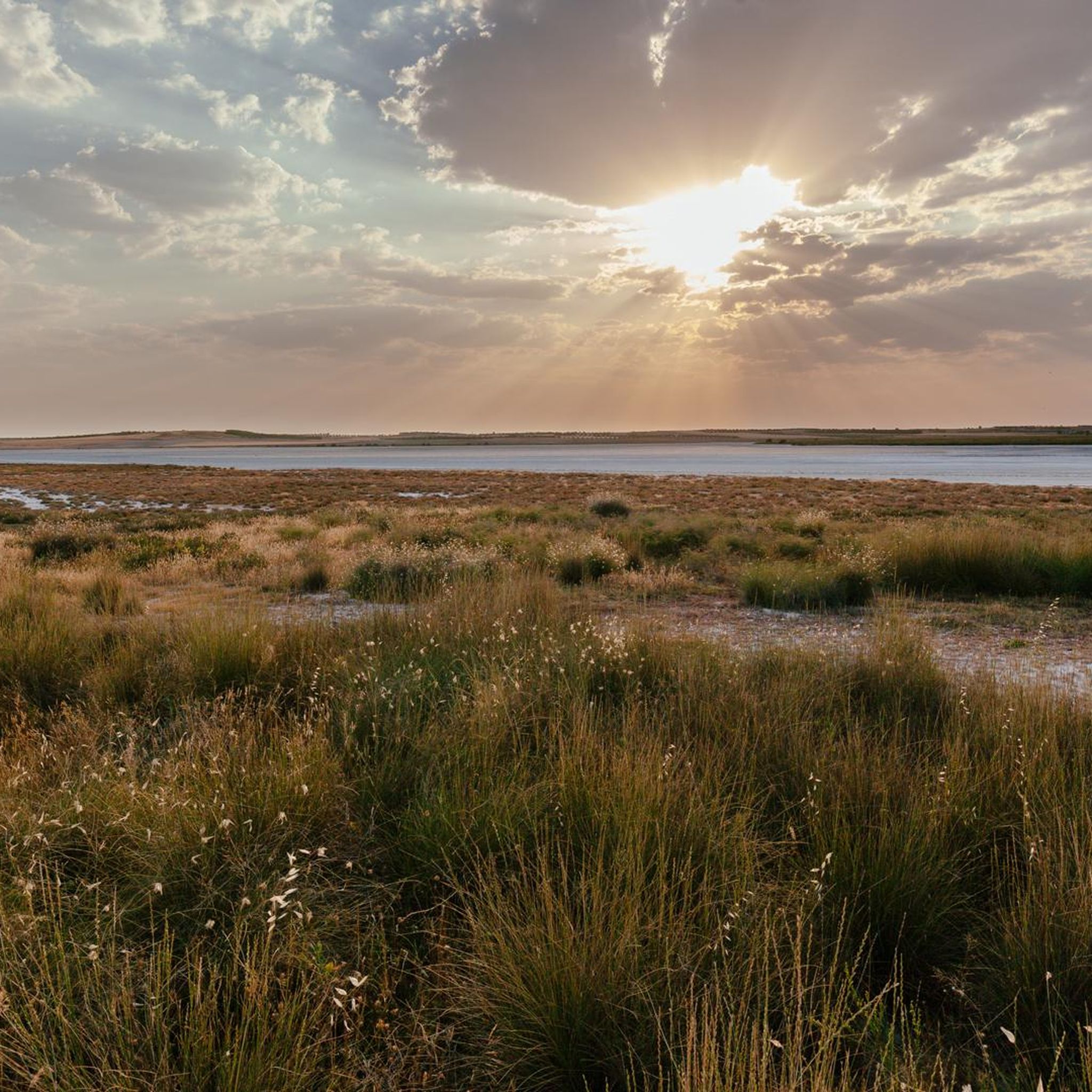
The Lillo area in Spain is known for its distinct natural features. Along the trails, you might encounter unique saline wetlands and the expansive La Mancha steppe. You can also visit natural highlights such as the Flamingo Observatory, Laguna Larga of Villacañas, or the La Alberca Spring.
Are there any historical or cultural landmarks to explore near the gravel routes?
Absolutely. The Lillo region is rich in history and culture. Many routes pass near or offer access to significant landmarks. You can visit the impressive Church of Nuestra Señora de la Asunción (Tembleque), the 18th-century Baroque Casa de las Torres, or the charming Plaza Mayor of Tembleque. The area is also part of the famed Don Quixote Route.
Is there parking available for gravel bike trails in Lillo?
The routes often start from towns like Tembleque or Estación de Tembleque, where public parking facilities are generally available. It's advisable to check local signage upon arrival for specific parking regulations and availability.
Can I access Lillo's gravel trails using public transport?
Some routes, such as the Casa de las Torres – Windmills of El Romeral loop, start from Tembleque, which may have public transport connections. For routes starting from Estación de Tembleque, train services might be an option. It's recommended to check local bus and train schedules for the most up-to-date information on reaching your desired starting point.
Are the gravel bike trails in Lillo family-friendly?
While the listed routes are rated moderate to difficult, the region's expansive farmland and relatively flat sections can be enjoyable for families with older children or those comfortable with longer distances. For younger children, it's best to consider shorter, less challenging segments or look for dedicated family-friendly paths in the wider Toledo province.
What is the best time of year for gravel biking in Lillo, Spain?
The best time for gravel biking in Lillo, Spain, is typically during spring (March to May) and autumn (September to November). During these seasons, the weather is generally mild and pleasant, avoiding the intense heat of summer and the cooler, potentially wetter conditions of winter. This allows for comfortable riding and enjoying the scenic landscapes.
Are there places to eat or drink along the gravel routes?
The routes often pass through or near towns and villages like Tembleque and La Guardia. These settlements typically offer local cafes, restaurants, and shops where you can refuel and find refreshments. It's a good idea to plan your stops in advance, especially on longer routes, as services might be sparse between towns.
Most popular attractions around Lillo

Get inspired with the komoot mobile app


Explore more
Browse the best Gravel rides in other regions.
