Top 16 Castles around Thunersee
Best castles around Thunersee offer a blend of historical architecture and scenic landscapes. The Thunersee region, nestled amidst the Bernese Alps, features a collection of 16 castles. These historical sites provide insights into various architectural eras and offer views of Lake Thun and the surrounding mountains. The area is known for its cultural significance and natural beauty, making it a notable destination for exploring historical fortifications.
Best castles around Thunersee
- The most popular castles is Spiez Castle and Marina,…
Last updated: November 20, 2026
Thun Old Town and Castle
Highlight • Castle
Translated by Google •
Tip by

Amsoldingen Basilica
Highlight • Religious Site
Tip by

Sign up now to discover places like this
Get recommendations on the best single tracks, peaks, & plenty of other exciting outdoor places.
Schadau Castle
Highlight • Castle
Translated by Google •
Tip by

Burgkirche and Ringgenberg Castle Ruins
Highlight • Castle
Marvel at a medieval and baroque castle church
The Ringgenberg Castle Church is a charming place, full of Bernese history and at the …
Translated by Google •
Tip by

Oberhofen Castle
Highlight • Castle
Today, the castle is a museum designed to reflect the history of former residents.
Translated by Google •
Tip by

Sign up for free to discover even more castles around Thunersee.
Already have an account?
Start today with a free account
Your next adventure awaits.

Tips from the Community

Ringgenberg Castle Church from the 13th century Marvel at a medieval and baroque castle church The Ringgenberg Castle Church is a charming place, full of Bernese history and at the same time one of the most impressive castle complexes in the Bernese Oberland. It was built by Imperial Bailiff Cuno von Brienz in the 13th century. With the founding of the Swiss Castle Association in 1928, historical interest in the castle ruins arose. The Ringgenberg Castle Church stands proudly on the northern shore of Lake Brienz. Two monuments from different historical eras and areas of life can be found on the castle rock in Ringgenberg. Together, the ruins of the medieval castle of the high nobility and the Baroque reformed church form a contrasting, distinctive interplay. The courtly culture cultivated here in the Middle Ages can still be sensed. The ballroom in the tower is reminiscent of intoxicating parties with a view of the lake. Since 2008, the castle tower has been accessible via stairs, a gallery and a viewing terrace. Once at the top, you can enjoy a unique view over Lake Brienz. In contrast, there is the modesty of the hall church, which is geared to the needs of reformed services. In 1837, the castle church received its church organ, which Felix Mendelsohn played in 1847. Text / Source: Interlaken Tourism, Marktgasse 1, Interlaken https://www.interlaken.ch/erlebnisse/poi/burgkirche-ringgenberg
13
1

The Amsoldingen Basilica, attributed to Rudolf II of Burgundy and Berta of Alamannia, was built around 1000 on the site of an earlier 7th-century church and shows Lombard architectural influences. Originally lacking a tower and transept, it later gained a tower in place of the southern apse, and its collegiate chapter was dissolved in 1484. The church underwent Gothic modifications, became a Pietist center under Samuel Lutz (1726–1738), and was renovated in 1978–1980; its crypt includes Roman spolia, and its stained glass windows by Max Brunner depict the Trinity.
0
0


Beautiful castle with a particular location, best admired from the outside while sailing on Lake Thun
2
0

Story The mighty keep of the former Oberhofen fortified castle was built around 1200 and passed to the House of Habsburg in the 14th century. After the defeat of the Habsburgs at the Battle of Sempach in 1386, Bern took control of Oberhofen and sold it to Ludwig von Sehaften and his sister Antonia von Scharnachtal. In 1421 the castle and rule finally came to the Scharnachthal, one of the leading and richest families in the city of Bern. It remained in family ownership until the death of the last representative in 1590. Oberhofen then came to a branch of one of the most important Bernese families, the von Erlach family. The bailiff's seat from 1652 to 1798 and expanded into a castle, the property came into private ownership in 1801. In 1844, Albert Graf de Pourtalès bought Oberhofen Castle from Neuchâtel, which was still Prussian at the time, and converted it into a summer residence. The buildings and towers in the historicist style still characterize the appearance today. In 1926 there was a change of ownership; the new owner of the castle was the American lawyer William Maul Measey. He transferred the properties and the park to a foundation in 1940 and ensured that Oberhofen Castle became a branch of the Bernese Historical Museum, which set up a residential museum and opened it to the public in 1954. In 2009, Oberhofen Castle became independent and has since operated as an independent foundation under private law. With the new building, which forms the sea-side end of the dependencies, a bridge was built into the 21st century. The Schloss Oberhofen restaurant has been in operation in the cube with a terrace by the lake since 2013.
0
0

Wouldn't let it linger a bit when you were in Thun, with .....
1
0

The romantic palace complex with the keep built around 1200 looks back on an eventful history of ownership. Bought by the Pourtalès family of counts from Neuchâtel and Prussia in 1844 and converted into a summer residence, the castle was given its current appearance. A museum has been set up inside since 1954, which deals with the history of the former residents. The oriental smoking room at the top of the tower offers a unique experience and a spectacular view over the lake and the mountains. The castle chapel with its impressive murals, which can be used for weddings and baptisms, dates from the 15th century. A tour through the many rooms of the castle leads to the traces of the previous owners and those who once lived in the castle. This includes not only the count families of the 19th century, but also the servants who looked after the well-being of the rulers. Under the title "Always at your service", an exhibition conveys the everyday life of domestic workers in a clear and interactive way. Attached to the castle is a 2.5 hectare park, which impressively shows the different trends in the history of garden art. Striking groups of trees, exotic shrubs, colorful flower arrangements and the view of the imposing mountain scenery above the lake make it one of the most beautiful gardens in the Alpine region. https://www.myswitzerland.com/de-de/erlebnisse/schloss-oberhofen-wohnmuseum-und-park/
3
0

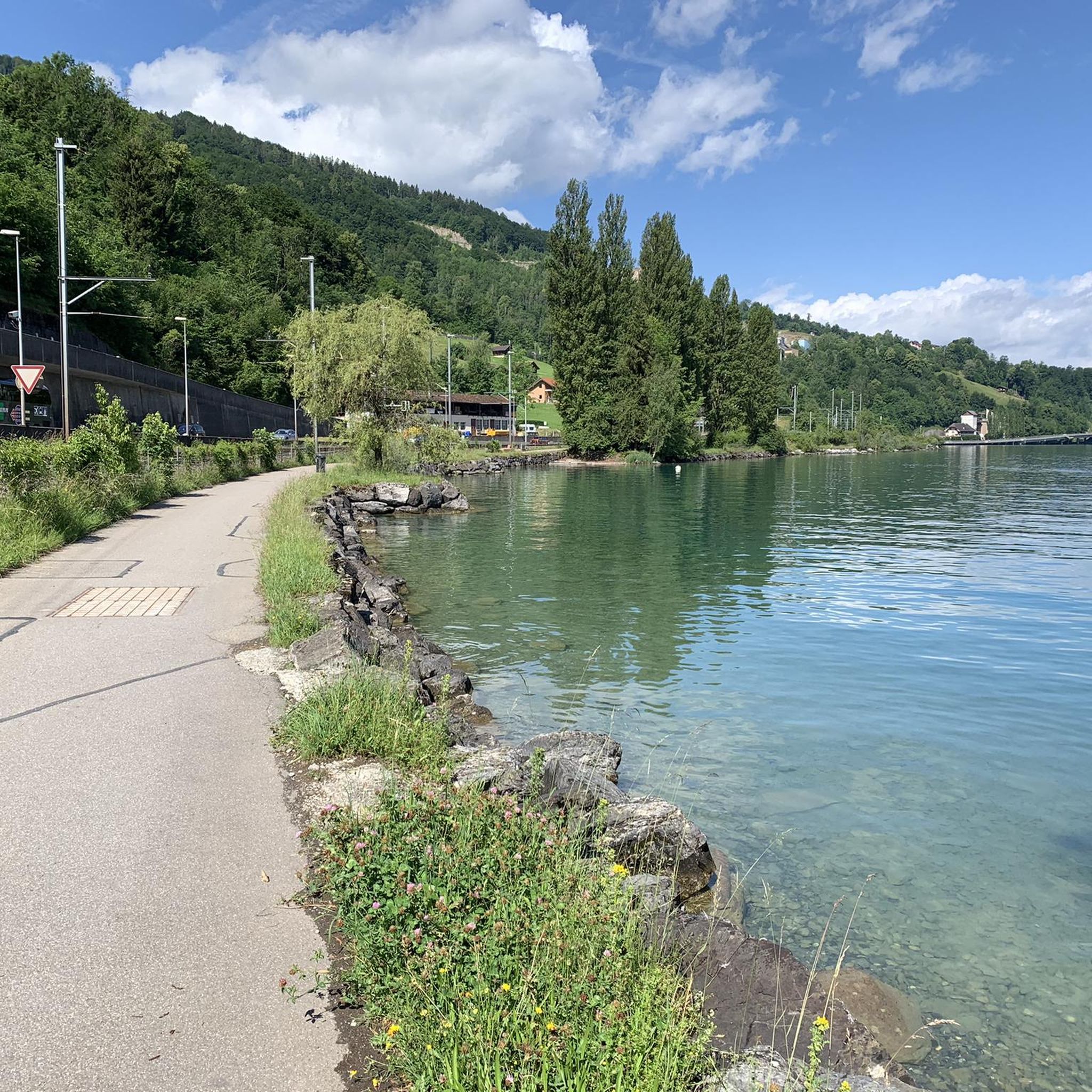
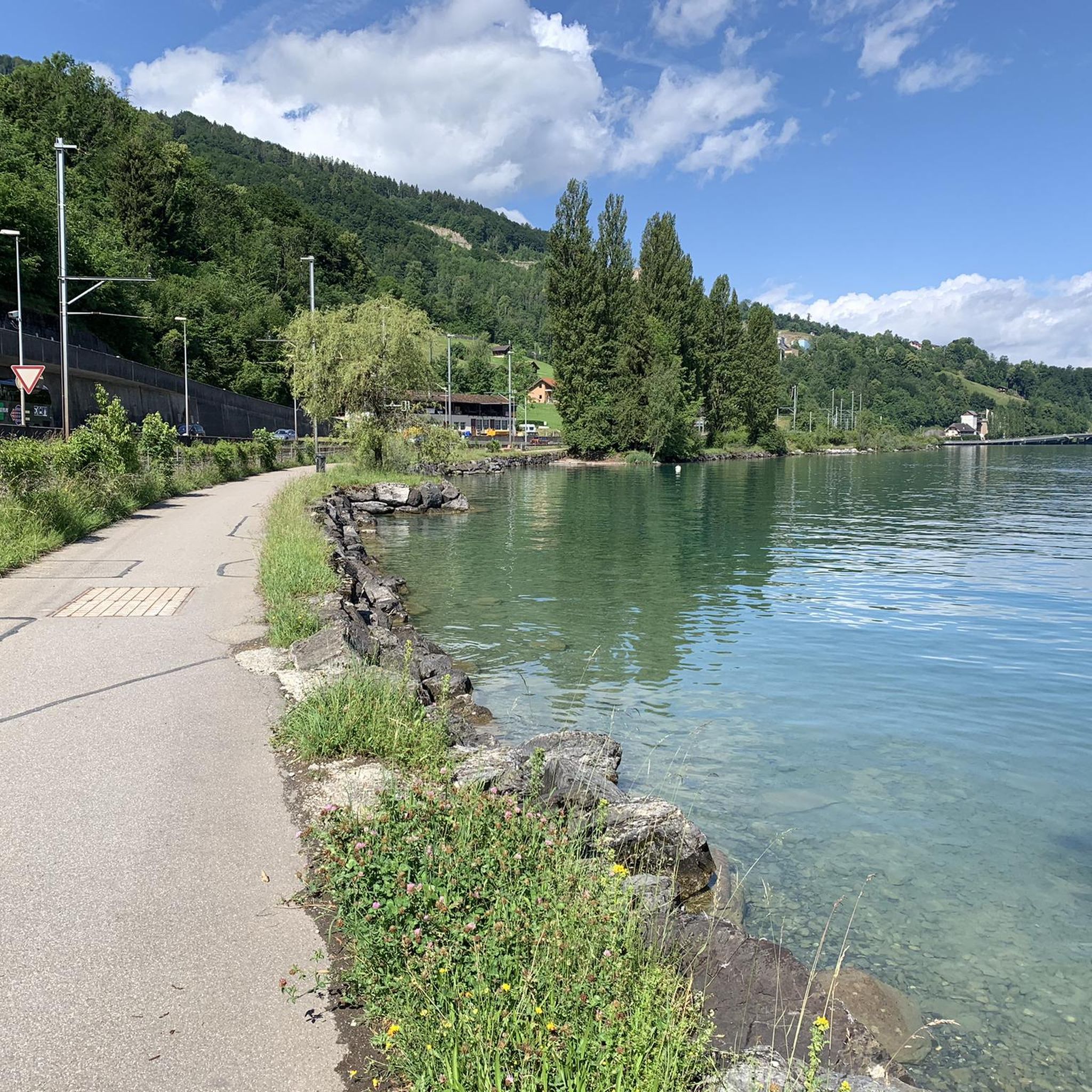
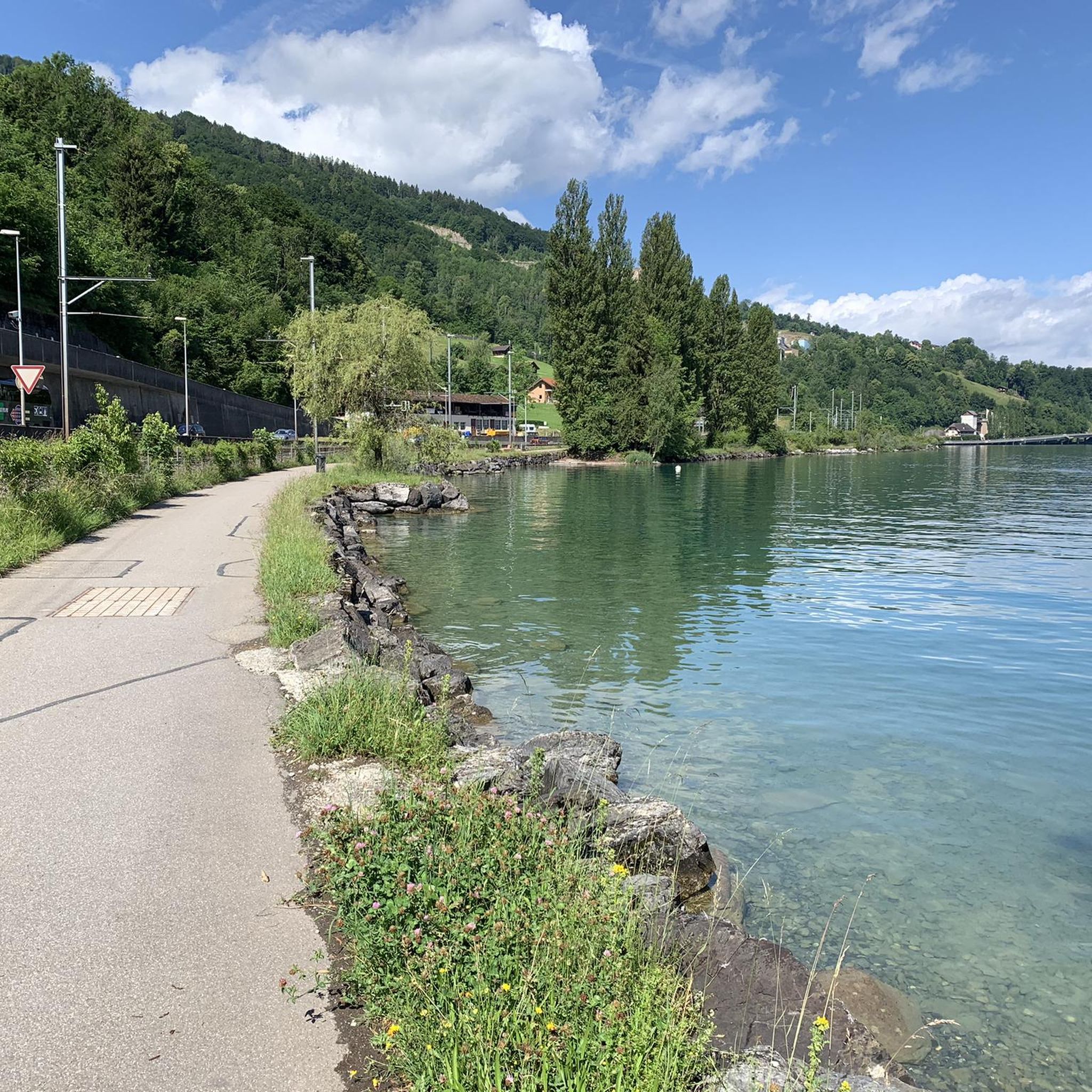
The Lake Thun shore landscapes - a picturesque/diverse paradise in the Bernese Oberland👌🇨🇭
0
0
Frequently Asked Questions
Which castles around Thunersee are particularly family-friendly?
Several castles in the Thunersee region offer engaging experiences for families. Spiez Castle and Marina, for instance, features interactive exhibits and a stunning location that appeals to all ages. Thun Old Town and Castle also provides a captivating historical museum within its medieval walls, while Schadau Castle is set within a beautiful park perfect for family strolls.
What kind of historical insights can I gain from visiting the castles?
The castles around Thunersee offer a deep dive into various historical periods. Thun Castle, dating back to the 12th century, houses a historical museum with one of Europe's best-preserved medieval Knights' Halls. Spiez Castle boasts a 1300-year history and a thousand-year-old early Romanesque castle church with 12th-century frescoes. Oberhofen Castle provides a glimpse into the lives of its former residents, particularly its transformation into a summer residence in the 19th century.
Are there good walking or hiking opportunities near the castles?
Yes, the Thunersee region offers numerous walking and hiking routes that often incorporate castle views. You can find a variety of trails, from easy strolls to more challenging mountain hikes. For detailed routes, explore the Hiking around Thunersee guide or the Mountain Hikes around Thunersee guide. Many routes offer stunning views of the lake and the Alps, often passing by or offering vistas of the castles.
What are the best viewpoints to see the castles and the surrounding landscape?
Many castles themselves offer exceptional viewpoints. From atop Thun Castle's towers, you get panoramic views over Thun, Lake Thun, and the Bernese Alps. Spiez Castle's location on a peninsula provides stunning vistas of vineyards, the lake, and the Alps. Additionally, the park surrounding Schadau Castle offers incredible views of Lake Thun and the Eiger, Mönch, and Jungfrau mountains.
Can I reach the castles using public transport?
Yes, most castles around Thunersee are well-connected by public transport. For example, Spiez Castle is easily accessible, and the town of Spiez is a significant traffic hub. Thun Castle is located in the heart of Thun, a town with excellent public transport links. Utilizing local buses and boats on Lake Thun can be a scenic way to visit multiple castles.
Are there any castles that are particularly romantic or picturesque?
Oberhofen Castle is often described as fairytale-like due to its picturesque lakeside location and charming lake tower. Its spacious park is considered one of the most magnificent gardens in the Alpine region, making it a very romantic setting. Schadau Castle, with its neo-Gothic architecture and scenic position within Schadau Park, also offers a beautiful and romantic ambiance.
What is the best season to visit the castles around Thunersee?
The best season to visit the castles around Thunersee generally depends on your preferences. Spring and autumn offer pleasant temperatures for exploring the castle grounds and parks, with fewer crowds and beautiful natural scenery. Summer provides warmer weather for lake activities and longer opening hours. Even in winter, some castles remain accessible, offering a unique, often snow-dusted, charm.
Are there dining options or cafes available at or near the castles?
Many castles in the region offer dining facilities. Schadau Castle, for example, functions as a hotel and restaurant, providing fine dining in a historic setting. Thun Castle also has a restaurant within its premises. Oberhofen Castle features the restaurant Schloss Oberhofen with panoramic views, and Hünegg Castle includes a terrace and café. Additionally, the towns surrounding the castles, like Thun and Spiez, have numerous cafes and restaurants.
Which castle offers the most authentic glimpse into 19th-century life?
Hünegg Castle stands out for its remarkably preserved interiors. Built in 1861, its furnishings have remained largely unchanged since 1900, offering an authentic, true-to-original museum experience of a 19th-century residence. It provides a unique window into the lifestyle and aesthetics of that era.
Are there any castles with unique architectural styles?
Yes, the Thunersee region showcases a variety of architectural styles. Schadau Castle is a notable example of neo-Gothic architecture. Hünegg Castle, inspired by the French Loire Valley, features a distinct neo-Renaissance style. Thun Castle is a classic medieval fortress with its iconic four white towers, while Spiez Castle combines various architectural styles reflecting its long history.
What outdoor activities can I do near these castles besides hiking?
Beyond hiking, the Thunersee region offers various outdoor activities. You can enjoy running along the lakeside paths, with routes like the "Thun Lakeside Stage" or "Lakeside Path Spiez–Faulensee" available in the Running Trails around Thunersee guide. The lake itself provides opportunities for boat trips, and the surrounding areas are popular for cycling and other water sports. Many castles are situated in parks ideal for leisurely strolls.
Are any of the castles wheelchair accessible?
While historical buildings often present accessibility challenges, Thun Old Town and Castle is listed as having wheelchair accessible areas. It's always recommended to check the specific castle's official website or contact them directly for detailed information on accessibility features and any limitations before your visit.
Most popular routes around Thunersee
Most popular attractions around Thunersee

Get inspired with the komoot mobile app


Explore more
Looking for the best castles somewhere else? Discover other guides around Thunersee:
