Attractions and Places To See in Eyja- og Miklaholtshreppur - Top 5
Best attractions and places to see in Eyja- og Miklaholtshreppur are found within this region on the Snæfellsnes Peninsula in West Iceland. The area is known for its rugged natural beauty, blending geological wonders, historical sites, and tranquil landscapes. It offers diverse landscapes, often referred to as "Iceland in Miniature," with significant cultural history. The municipality features a variety of natural features, including mountains, hot springs, and unique rock formations.
Best attractions and places to see in Eyja- og Miklaholtshreppur
…Last updated: June 28, 2026
Gerduberg Basalt Columns
Highlight • Natural Monument
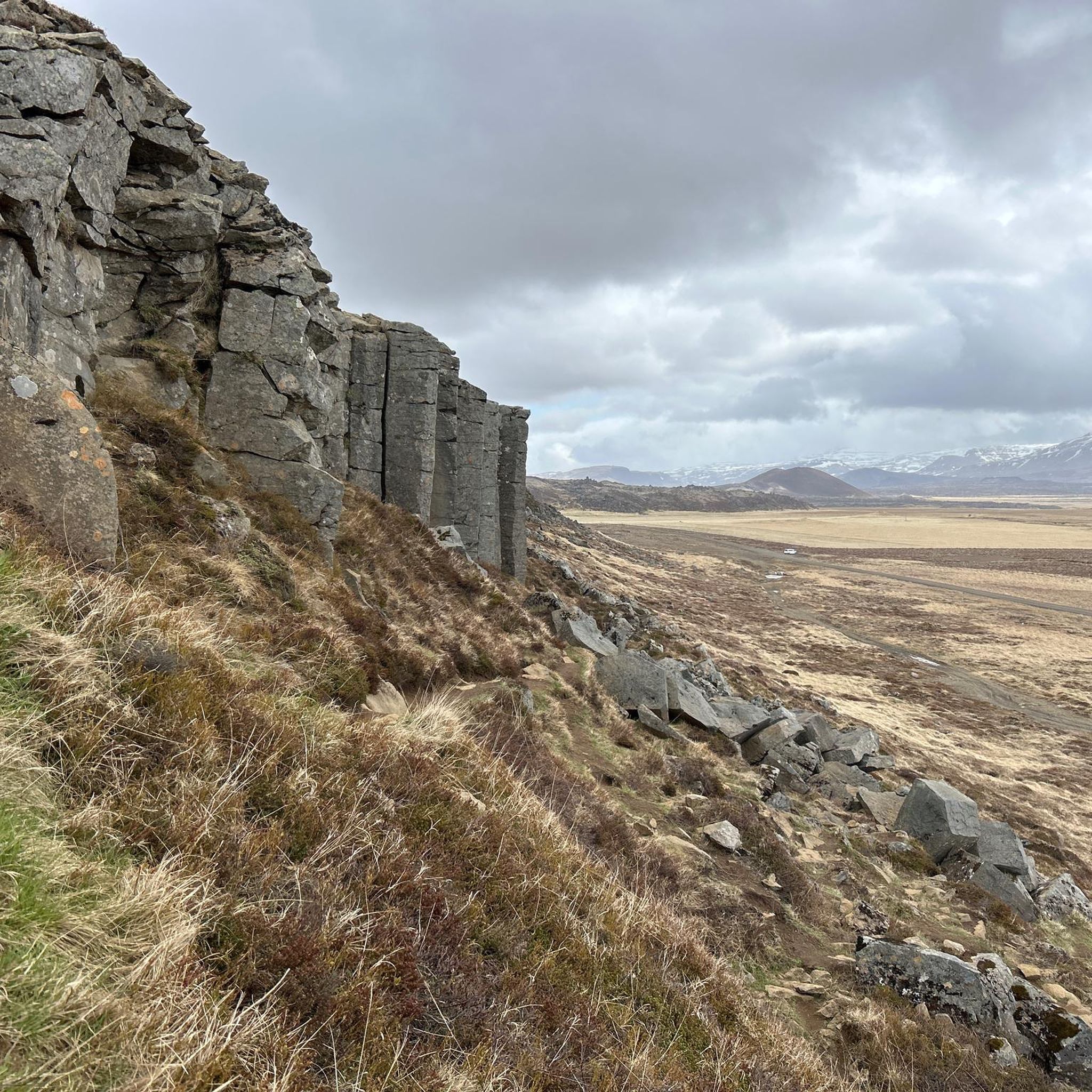
Today the sea is a long way away. If a basalt column crumbles, the solidified lava breaks into cubes.
Translated by Google •
Tip by

Landbrotalaug Hot Spring
Highlight • Natural Monument
Translated by Google •
Tip by

Sign up now to discover places like this
Get recommendations on the best single tracks, peaks, & plenty of other exciting outdoor places.
Sign up for free
Gerðuberg Cliffs
Highlight • Natural Monument
A natural wall of hexagonal basalt columns, 7–14 m high and 1–1.5 m wide, stretched for more than 1 km along a quiet road …
Translated by Google •
Tip by

Rauðamelskirkja Church
Highlight • Religious Site
Translated by Google •
Tip by
Ytri-Rauðamelskúlur Volcano
Highlight • Volcano
Translated by Google •
Tip by
Start today with a free account
Your next adventure awaits.
Login or Signup
Popular around Eyja- og Miklaholtshreppur
Tips from the Community

This volcano, although modest in height, offers one of the most beautiful color contrasts in the area: reddish and brown volcanic rocks covered in a blanket of bright green moss. On a clear day, it's worth climbing to the summit (relatively easy to access via a trail) to enjoy 360° views of the Snæfellsnes volcanic landscape. Ideal for nature and geological photography.
0
0
I recommend this area. Riding around the volcano is an experience you'll never forget. The sandy track is suitable for everyone, and if you ride an e-bike, you can even access the volcano's crater.
0
0
The columns that look like giants A natural wall of hexagonal basalt columns, 7–14 m high and 1–1.5 m wide, stretched for more than 1 km along a quiet road on the Snæfellsnes Peninsula. Formed by the sudden cooling of lava flows upon contact with the sea, these formations look like the work of artisans… but they are pure fire and rock. Visit them near the church (Rauðamelskirkja): the contrast between the countryside and the geology is striking, and the pedestrian path invites you to walk at the foot of the “wall.” Excellent photo opportunities at sunset.
0
0
A small hidden gem on the Snæfellsnes Peninsula, at the foot of the Ytri-Rauðamelskúlur volcano (222 m). Built in 1916, this white wooden Lutheran church with a red roof is surrounded by a volcanic rock wall that protects it from the wind. Its simple interior reflects rural Icelandic life from over a century ago. Perfect for a photo stop and to experience the calm of the Icelandic countryside. Tip: Come at sunset to see how the sun tinges the red roof and the volcano behind it.
0
0

Glowing lava in the sea, frozen in shock, formed into such basalt columns. Today the sea is a long way away. If a basalt column crumbles, the solidified lava breaks into cubes.
2
1


This place has been closed since Corona. This says a sign on the access road and the gate is locked. Go in anyway...! You are almost completely alone.
0
0

Unfortunately still closed due to COVID 19th.
0
1
Frequently Asked Questions
What unique geological formations can I explore in Eyja- og Miklaholtshreppur?
The region is renowned for its striking geological features. You can visit the Gerðuberg Basalt Columns, a natural monument formed by lava cooling rapidly upon contact with the sea. These impressive hexagonal columns reach heights of 7 to 14 meters and extend for over a kilometer. Another notable site is the Ytri-Rauðamelskúlur Volcano, which offers beautiful color contrasts with its reddish volcanic rocks and green moss, providing panoramic views from its summit.
Are there any hot springs in the area for relaxation?
Yes, Eyja- og Miklaholtshreppur offers several hot springs. The Landbrotalaug Hot Spring is a small, hidden pool with temperatures between 35 °C and 40 °C, offering a distinctive experience amidst lava fields. The Miklaholtshver Hot Spring also provides warm waters believed to offer natural relief for tired muscles, set within surrounding lava fields.
What kind of hiking opportunities are available in Eyja- og Miklaholtshreppur?
Eyja- og Miklaholtshreppur offers diverse hiking experiences. You can find trails ranging from easy to moderate difficulty. For example, the Eldborg Crater Ascent is an easy 6.3 km loop from Kaldá, and the Gerduberg Basalt Columns loop from Þverá is an easy 1 km walk. For more options, you can explore various routes like the Brook – Selvellir Gorge loop or the Lava Tube Cave – Volcanic Crater loop. Find more details on these and other trails in the Hiking in Eyja- og Miklaholtshreppur guide.
Are there any historical or religious sites to visit in the region?
Yes, the region has cultural points of interest. The Rauðamelskirkja Church, built in 1916, is a small, white wooden Lutheran church with a red roof, offering a glimpse into rural Icelandic life and a peaceful atmosphere. Additionally, the Kjarnarkirkjan Church, situated in a valley between two mountains, provides serene views and a tranquil setting.
Where can I observe wildlife, such as seals, in Eyja- og Miklaholtshreppur?
For wildlife viewing, Ytri Tunga Beach is a popular spot where visitors can often observe seals. While the seals are timid, it offers a unique opportunity to see them in their natural habitat. Remember to keep a respectful distance to avoid disturbing them.
What are some family-friendly attractions in Eyja- og Miklaholtshreppur?
Many of the natural and cultural sites in Eyja- og Miklaholtshreppur are suitable for families. The Gerðuberg Cliffs are easily accessible and offer an impressive natural spectacle that children often enjoy. The Rauðamelskirkja Church provides a peaceful stop with historical context. Easy hiking trails, such as the Gerduberg Basalt Columns loop, are also great for families looking for gentle outdoor activities.
What do visitors enjoy most about the Gerðuberg Basalt Columns?
Visitors are often captivated by the sheer scale and unique formation of the Gerðuberg Basalt Columns. They appreciate the natural wall of hexagonal columns, describing them as looking like 'giants' or 'the work of artisans.' Many enjoy the pedestrian path at the foot of the 'wall' and find it an excellent spot for photography, especially at sunset, due to the striking contrast between the geology and the surrounding countryside.
What is the best time to visit Eyja- og Miklaholtshreppur?
The best time to visit Eyja- og Miklaholtshreppur largely depends on your preferred activities. Summer months (June to August) offer milder weather, longer daylight hours, and easier access to hiking trails and natural sites. This is ideal for exploring the basalt columns, hot springs, and enjoying panoramic views. Winter can be beautiful for snow-covered landscapes but may present challenges with accessibility and colder temperatures.
Are there any scenic viewpoints or panoramic spots in the region?
Yes, Eyja- og Miklaholtshreppur offers several scenic viewpoints. The Ytri-Rauðamelskúlur Volcano provides 360° views of the Snæfellsnes volcanic landscape from its summit. Additionally, the Vatnsdalskarð Pass offers panoramic views of the surrounding mountains and valleys, connecting different parts of the region.
What are some other natural attractions near Eyja- og Miklaholtshreppur on the Snæfellsnes Peninsula?
While Eyja- og Miklaholtshreppur itself is rich in attractions, the broader Snæfellsnes Peninsula, often called 'Iceland in Miniature,' offers many more. You can explore the distinctive, arrow-shaped Kirkjufell mountain, the striking black timber Budir Church, or the scenic Arnarstapi village with its natural rock formations like Gatklettur sea arches. These are popular additions to any visit to the area.
Can I find any unique natural phenomena related to lava flows in the area?
Absolutely. The region is a testament to Iceland's volcanic activity. The Gerðuberg Basalt Columns are a direct result of rapid lava cooling upon contact with the sea. You can also find the Sprengisandur Fossils, which are unique prehistoric animal remains embedded within volcanic sands, offering a glimpse into the area's ancient geological past.
Most popular routes in Eyja- og Miklaholtshreppur

Get inspired with the komoot mobile app


Explore more
Still not found the Highlight you’re looking for? See guides of the top attractions in other regions:
