The best gravel rides in Riserva Naturale Cornate E Fosini
4.4
(7)
41
riders
3
rides
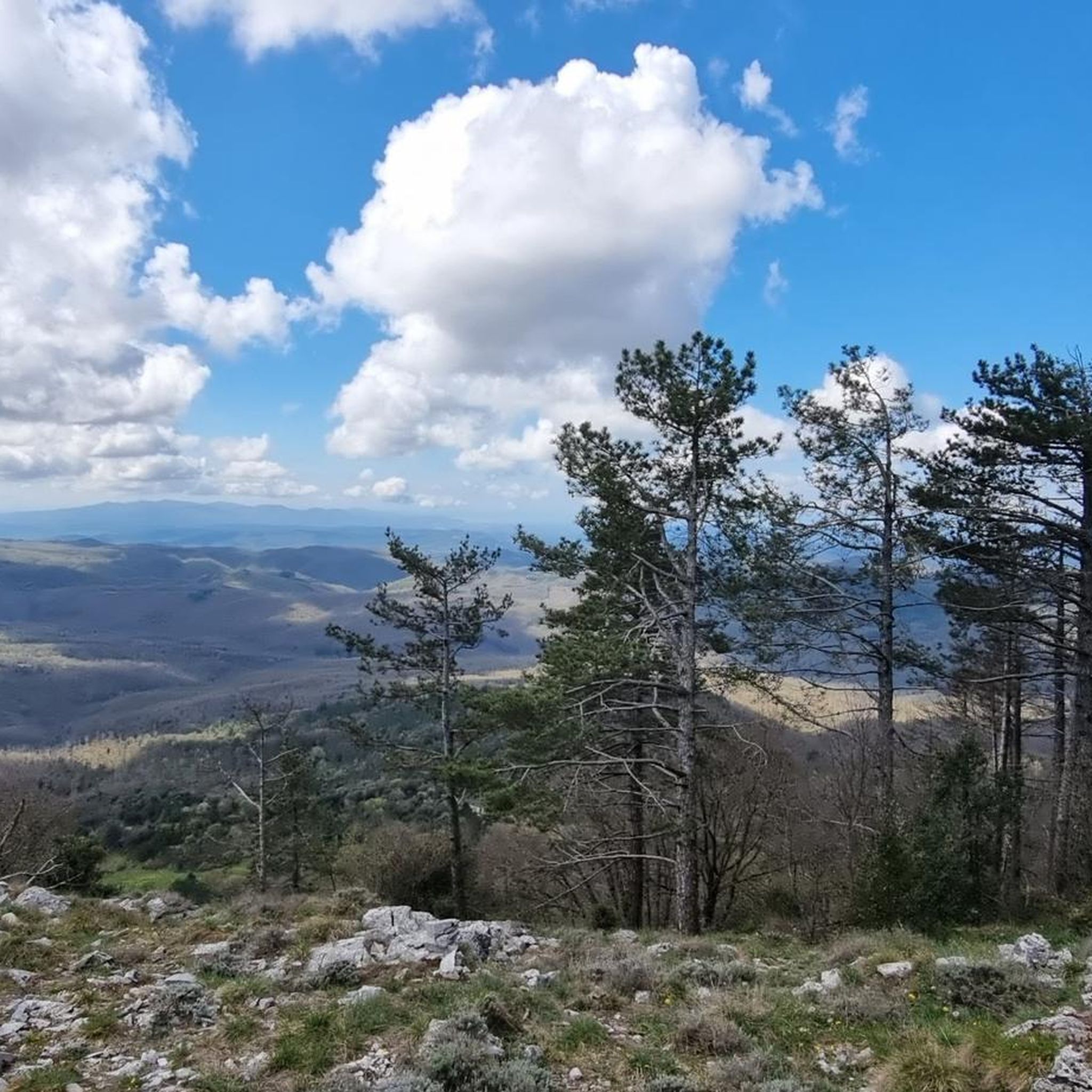
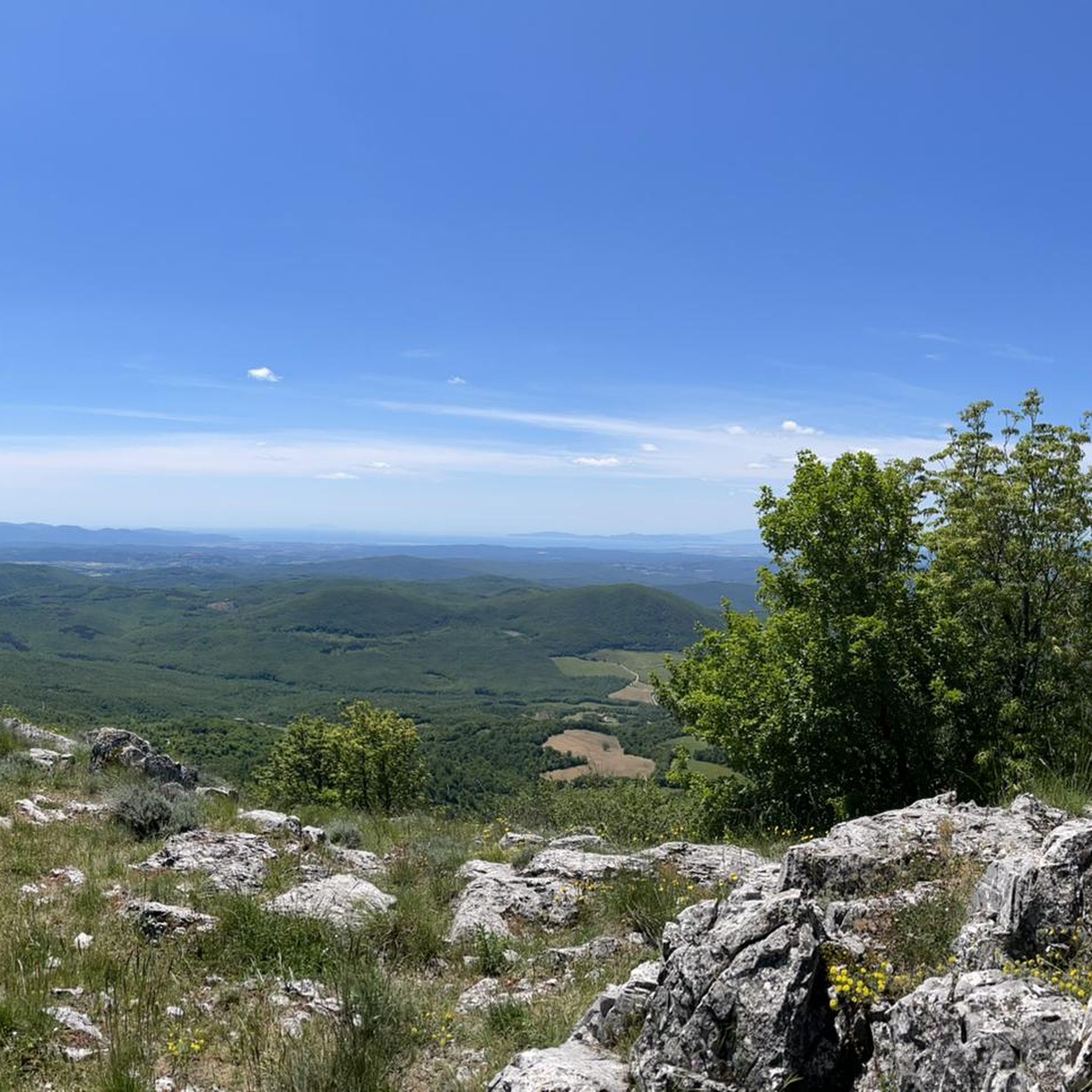
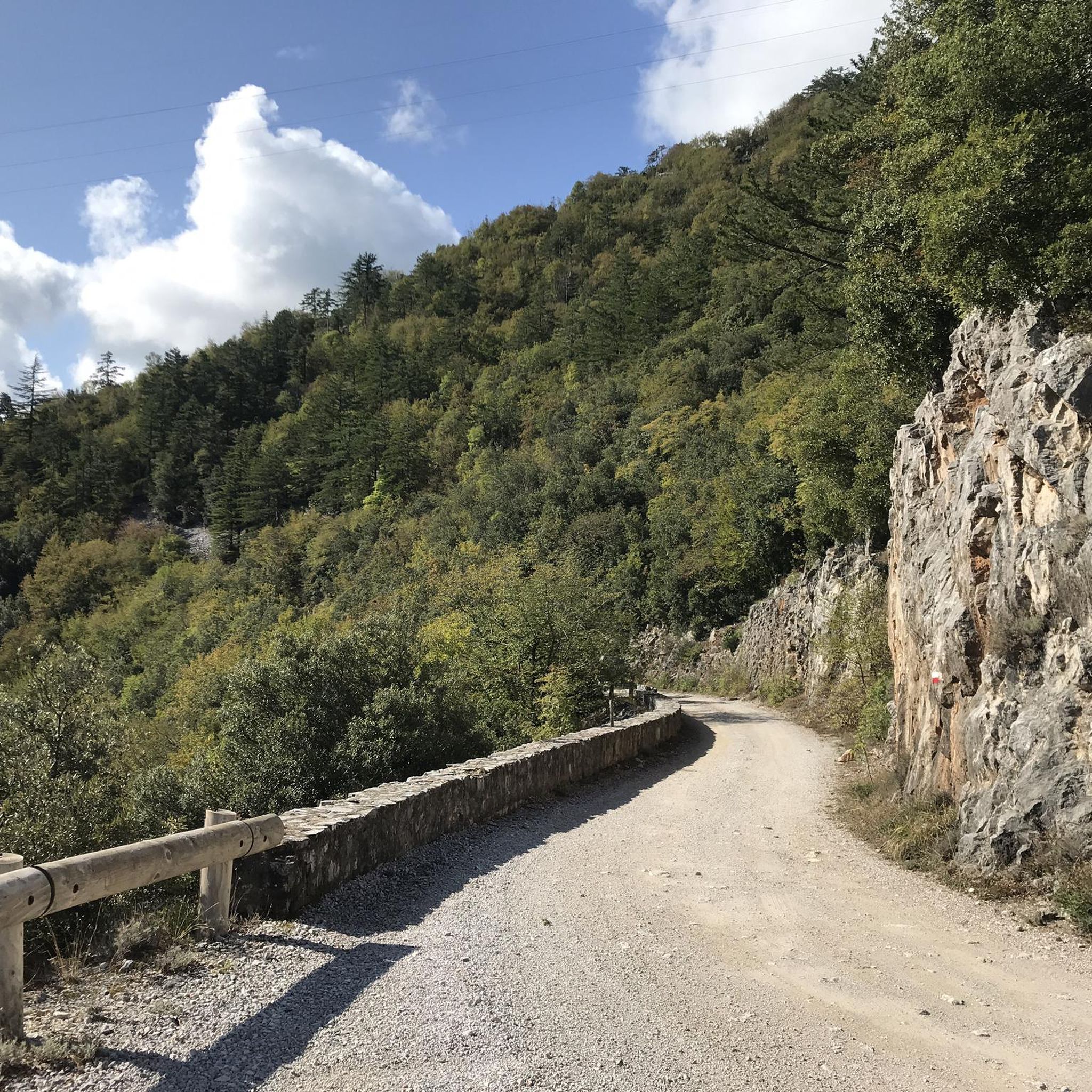
Gravel biking in Riserva Naturale Cornate E Fosini offers routes through a mountainous calcareous massif, characterized by varied terrain and significant elevation changes. The landscape features diverse forests, including mixed deciduous, hop hornbeam, and oak woods, alongside open grasslands. Riders can expect panoramic views extending towards the Gulf of Follonica and the Tuscan Archipelago from higher elevations. The region also incorporates historical elements such as the medieval Castello di Fosini and ancient mining tunnels, adding a cultural dimension to the…
Last updated: June 26, 2026
4
riders
Hard gravel ride. Very good fitness required. Mostly paved surfaces. Suitable for all skill levels.
4.0
(1)
6
riders
28.7km
02:15
670m
670m
Hard gravel ride. Very good fitness required. Mostly paved surfaces. Suitable for all skill levels.

Sign up for free
4.8
(6)
31
riders
49.7km
03:34
990m
1,000m
Hard gravel ride. Very good fitness required. Mostly paved surfaces. Suitable for all skill levels.
Our route recommendations are based on thousands of hikes, rides, and runs completed by other people on komoot.
Start today with a free account
Your next adventure awaits.
Login or Signup
Tips from the Community

Beer and food! And the brewery is right inside the venue.
0
0

At the foot of the Cornate mountains, like a miniature nativity scene, lies the charming village of Gerfalco, a perfect subject for photography and painting enthusiasts. Also a hub of mining exploration and controlled during the Middle Ages by the noble Pannochieschi family, it owes its name to the words ger-Falke, from the Medieval German, meaning "hawk-bearer." The road that encircles the village's perimeter suddenly seems lost in time. The church of San Biagio, consecrated in 1323, watches over the village. It was built with an adjoining convent, now a parish house and summer youth center.
0
0
At the foot of the Cornate mountains, like a miniature nativity scene, lies the charming village of Gerfalco, a perfect subject for photography and painting enthusiasts. Also a hub of mining exploration and controlled during the Middle Ages by the noble Pannochieschi family, it owes its name to the words ger-Falke, from the Medieval German, meaning "hawk-bearer." The road that encircles the village's perimeter suddenly seems lost in time. The church of San Biagio, consecrated in 1323, watches over the village. It was built with an adjoining convent, now a parish house and summer youth center.
0
0
The Montesiepi Hermitage was built immediately after the saint's death, over the ancient hut where San Galgano lived during his last year (1181). The hermitage was consecrated in 1185 by the bishop of Volterra, Ildebrando Pannocchieschi. The small complex consists of the circular church interrupted only by the small apse, the chapel with frescoes by Lorenzetti, and the entrance porch. In the porch, look down to the left and look for an "original" medieval plaque that reminds the pilgrim... that he must die and that life is short. The original church was circular, then the entrance hall was added in 1200. The bell tower and Lorenzetti's chapel were added in the following century. The rectory dates back to the 18th century. The dome, constructed from alternating rows of white stones, is extremely elegant. Inside the Hermitage, in the center of the Rotonda, there is the famous Sword of San Galgano, stuck in the rock for over 800 years.
0
0

Beautiful road along the Cornia river that alternates asphalted and dirt stretches
0
0
Built in the 13th century in Gothic style and dedicated to the saint from Chiusdino, today it is completely in ruins: only the walls remain standing, with the apse still in evidence, perfectly facing east, while on the upper part of the facade there are two pointed windows. The roof of the Abbey of San Galgano is no longer there today. The "official" version says that it deteriorated and then fell over the centuries, while an alternative version, according to some legend and according to others truth, states that it was originally made of lead, and was sold by Girolamo Vitelli in 1550. Whatever the truth behind the roof of the abbey, after some restoration attempts that went badly, at the end of the 18th century it was deconsecrated and left to the elements until the present day. The ruins of the Abbey of San Galgano, with its profile still intact and immersed in the Tuscan countryside, offer a truly incredible and particular view. In addition to the roof, the floor is also missing, which during the summer turns into a grassy blanket, while you can still see a transept with three naves and 4 chapels with cross vaults. Next to the Abbey of San Galgano there is the cloister, which was rebuilt at the beginning of the last century, using the original materials. Some accessory rooms are also very beautiful, which can also be visited with the entrance ticket to the abbey, including the chapter house, where the monks originally met to deliberate the main rules of the community, and the scriptorium, which was the place where the monks copied the manuscripts.
2
0

Wonderful road, very shaded and perfect in the summer months. Road with little traffic.
1
0

At the end of the path, immediately after the concrete passage over the river, you can turn right onto a dirt road and, after a few hundred meters, you reach the Mulino delle Pile which is better known as "Il Mulino Bianco".
1
0
Frequently Asked Questions
How many gravel bike trails are available in Riserva Naturale Cornate E Fosini?
There are 5 gravel bike trails available in Riserva Naturale Cornate E Fosini, offering a variety of routes through its unique landscape. All of these routes are rated as difficult, providing a challenge for experienced riders.
What kind of terrain and elevation can I expect on the gravel bike trails?
The trails in Riserva Naturale Cornate E Fosini are characterized by mountainous terrain with significant elevation changes. You'll encounter diverse surfaces, from unpaved roads to trails winding through mixed deciduous forests, hop hornbeam woods, and oak groves, as well as open grasslands. Expect challenging climbs and rewarding descents.
Are there any circular gravel bike routes in the area?
Yes, many of the gravel bike routes in Riserva Naturale Cornate E Fosini are designed as loops. For example, you can explore the Gerfalco Historic Village – Montieri Village Center loop from Gerfalco, which is a 14.3-mile (23.1 km) difficult trail with over 1,800 feet (549 meters) of elevation gain.
What natural features can I see while gravel biking in Riserva Naturale Cornate E Fosini?
The reserve offers a wealth of natural beauty. You can experience challenging climbs towards the Cornate di Gerfalco, which reaches over 1,000 meters, and enjoy panoramic views extending to the Gulf of Follonica and the Tuscan Archipelago. The diverse forests and grasslands provide varied scenic routes, and the area is also known for its interesting geology, including ancient silver mining tunnels near Poggio Mutti.
Are there any historical landmarks or points of interest along the gravel bike routes?
Yes, the region is rich in history. You might pass by the medieval Castello di Fosini, a striking landmark perched on steep limestone cliffs. Additionally, near Poggio Mutti, you can find ancient silver mining tunnels that are practically intact, offering a glimpse into the area's mining past. The View of Sasso Pisano – Le Biancane Geothermal Park loop from Monterotondo Marittimo, for instance, leads through areas of geological interest.
What do other gravel bikers enjoy most about the trails in Riserva Naturale Cornate E Fosini?
The area is highly rated by the komoot community, with an average score of 4.8 stars from 6 reviews. Riders often praise the challenging climbs, the diverse natural landscapes, and the historical elements that enrich the biking experience. The panoramic views from higher elevations are also a frequently mentioned highlight.
What is the best time of year to go gravel biking in Riserva Naturale Cornate E Fosini?
While specific seasonal details aren't provided, the diverse forests and mountainous terrain suggest that spring and autumn would offer pleasant temperatures and vibrant scenery. Summer might be warm, especially on exposed sections, while winter could bring colder conditions at higher altitudes. Always check local weather forecasts before your ride.
Are there any particularly long or challenging gravel bike routes?
Yes, the reserve features several challenging routes. The Chiusdino Historic Center – Abbey of San Galgano loop from Montieri is a difficult 35.6-mile (57.4 km) path with over 3,290 feet (1,000 meters) of elevation gain, passing through varied forest and open areas. Another option is the Abbey of San Galgano – Abbey of San Galgano loop from Chiusdino, a 30.6-mile (49.3 km) difficult route with similar elevation.
Is Riserva Naturale Cornate E Fosini suitable for family-friendly gravel biking?
The gravel bike routes in Riserva Naturale Cornate E Fosini are generally rated as difficult, featuring significant elevation changes and technical descents. This makes them more suitable for experienced riders. Families with younger children or those seeking easier rides might find these trails too challenging.
Are there opportunities for stargazing in the area?
Yes, the Cornate area is recognized as an excellent location for night sky and star observation due to minimal light pollution. This offers a unique nocturnal outdoor experience, perfect for combining with a multi-day biking trip.
Where can I find information about parking or public transport to access the trails?
While specific parking areas for cyclists aren't detailed, access points to the reserve's trails are typically found near villages like Gerfalco, Montieri, or Monterotondo Marittimo. For public transport, it's advisable to check local bus schedules to these towns, as direct routes into the heart of the reserve might be limited. Planning your starting point from a village with amenities is recommended.
Are there any specific regulations or permits required for cycling in the Riserva Naturale Cornate E Fosini?
The Riserva Naturale Cornate E Fosini is a protected area. While general cycling is often permitted on established trails, it's always best to consult official sources for any specific regulations or permits that might apply to certain areas or activities within the reserve. You can find more general information about the reserve on VisitTuscany.com.
Most popular routes in Riserva Naturale Cornate E Fosini

Get inspired with the komoot mobile app


Explore more
Browse the best Gravel rides in other regions.
