Attractions and Places To See around Souto Da Casa - Top 8
Best attractions and places to see around Souto Da Casa include 8 hidden gems waiting to be explored. This region, including Souto da Serra, offers a mix of historical sites, natural viewpoints, and traditional settlements. Built on granite, the area preserves a unique architectural heritage and diverse landscapes. It is an ideal destination for those seeking outdoor activities and cultural exploration in Portugal.
Best attractions and places to see around Souto Da Casa
- The most popular attraction is Castelo Novo…
Last updated: July 3, 2026
Castelo Novo Castle Ruins
Highlight • Castle
Translated by Google •
Tip by

Chafariz da Bica
Highlight • Monument
Translated by Google •
Tip by

Sign up now to discover places like this
Get recommendations on the best single tracks, peaks, & plenty of other exciting outdoor places.
Sign up for free
Alardo Water Bottling Plant
Highlight • Structure
Translated by Google •
Tip by
Castelo Velho
Highlight • Viewpoint
Translated by Google •
Tip by

São Vicente da Beira
Highlight • Settlement
Translated by Google •
Tip by
Sign up for free to discover even more attractions around Souto Da Casa.
Sign up for free
Already have an account?
Start today with a free account
Your next adventure awaits.
Login or Signup
Tips from the Community

Built in the 18th century, this Baroque-influenced property is located in Largo da Bica. It features a rectangular backrest with two pilasters, topped with a beveled Latin cross and the coat of arms of King João V. It is accessed by a grand staircase decorated with flaming vases and modillions used to tether horses. It is a drinking water fountain.
0
0
Nestled on a hill overlooking the cliffs of the Serra da Gardunha, the village of Castelo Novo is linked to the early history of the nation. It was in 1208, during the reign of Sancho I, that Pedro Guterres donated the land—of which he was a grantee—in his will to the Knights Templar, and it is believed that at this time the castle was already under construction. Decades later, King Dinis ordered its structure to be renovated, and it was this campaign of works that gave the Castelo Novo fortress the Gothic characteristics it still displays today. Like many other villages along the Beira border, Castelo Novo grew in the shadow of and around its walls, with narrow streets winding up the hillside to the keep. In the center stands the Town Hall, with its arcades beneath the terrace of the main floor. In the center, integrated into the town hall's façade, stands the monumental and imposing King João V fountain, commissioned by King Magnanimous. Opposite, the Manueline pillory marks the center of the square, and further on, the main church dedicated to Our Lady of Grace rises, its white walls contrasting with the Baroque forms of the granite windows and portals. Throughout the village, as you wander the winding streets, you can discover architectural details, small traces that tell the story of its inhabitants. In Castelo Novo, be sure to visit: The castle; The Bica and King João V fountains; The main church and the Misericórdia church; The manor houses; The old gallows. The Castelo Novo Museum Center Alardo Park
1
0

São Vicente da Beira was founded in 1173, when King Afonso Henriques named it in honor of the saint's relics arriving in Lisbon. It received a charter in 1195 from King Sancho I, who wanted to repopulate these lands, nearly deserted after the Muslim invasions. Between renewed charters and stories of the nobles who lived here, the parish became one of the most important in the region, preserving the weight of its medieval memory to this day.
1
0
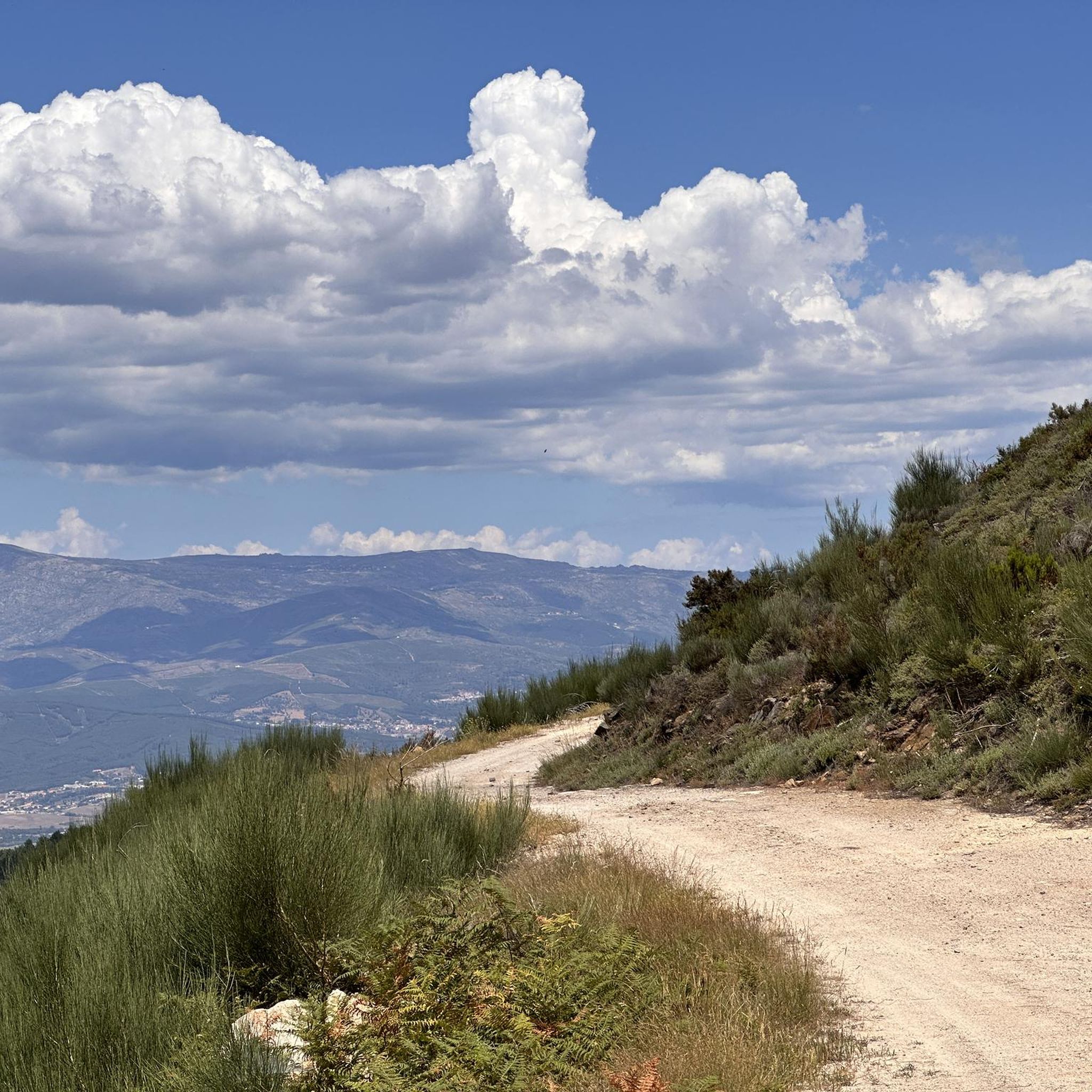
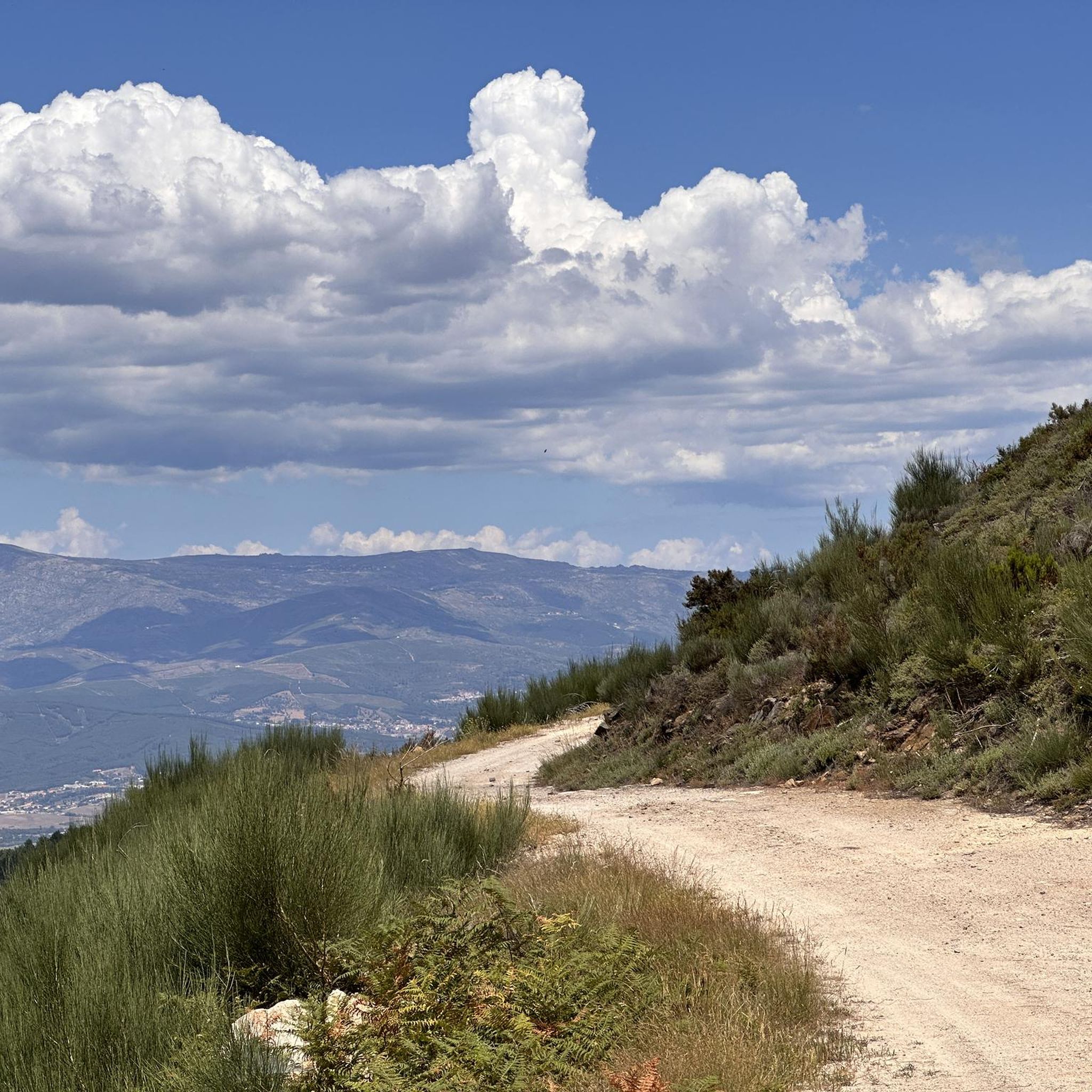
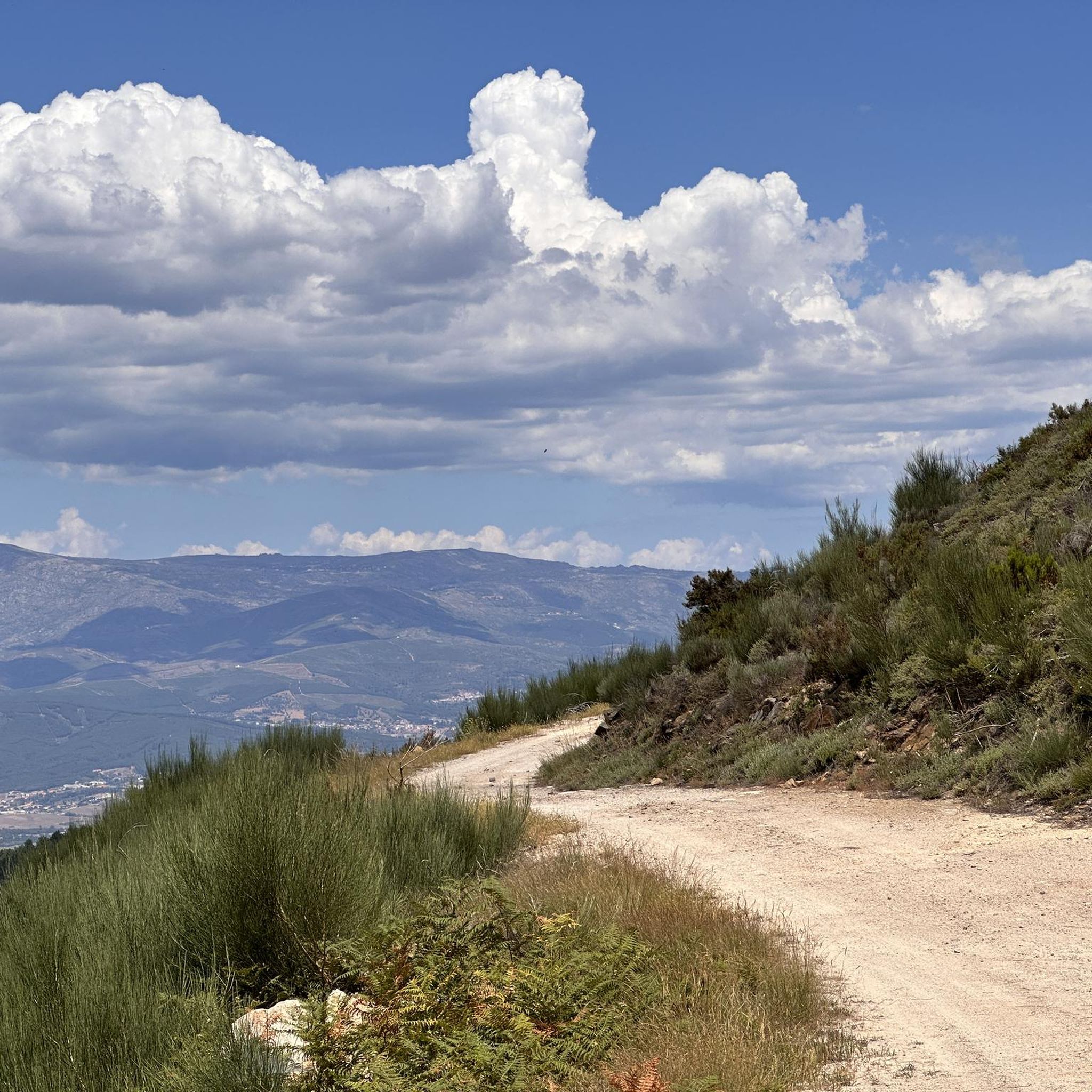
At the top of Gardunha, almost 1,000 meters above sea level, stands the Castelo Velho site. From here, the view reaches the Castelo Branco plain and continues to the Tagus River, an endless horizon. Among balanced rocks, blocks sculpted by time, and curious granite forms, this place is a veritable open book of geology and a privileged viewpoint of the mountains.
2
0

Built in the 18th century, this Baroque-style fountain is located in the Largo da Bica square. Access is via a grand staircase.
3
0

The historic village is a surprise with its unique manor houses, once owned by noble families. The 12th-century castle, severely damaged during the earthquake of 1755, was given the name "novo," or "new," because another castle had already existed in its immediate vicinity, which had been abandoned due to its insufficient defensive capabilities.
4
0

In the middle of the Serra da Gardunha, the Historic Village of Castelo Novo rises in shades of green and gray. Built on granite, Castelo Novo preserves a unique architectural heritage over time. For gastronomy visit the restaurant "Le Lagarto".
4
0

One of the 12 Old Historic Villages of Portugal
4
0
Frequently Asked Questions
What historical sites can I explore around Souto Da Casa?
The region is rich in history. You can visit the Castelo Novo Castle Ruins, part of one of Portugal's 12 Historic Villages, featuring a ruined castle and a bell tower. Another significant historical site is Chafariz da Bica, an 18th-century Baroque-style fountain accessed via a grand staircase. The settlement of São Vicente da Beira also preserves its medieval memory, founded in 1173.
Are there good viewpoints in the Souto Da Casa area?
Yes, the area offers stunning panoramic views. Castelo Velho, almost 1,000 meters above sea level, provides extensive views reaching the Castelo Branco plain and the Tagus River, amidst balanced rocks and granite formations. The Castelo Novo Castle Ruins also offer a viewpoint from the highest point of the village.
What outdoor activities are available near Souto Da Casa attractions?
You can enjoy various outdoor activities. For hiking, explore moderate routes like the 'Castelo Velho loop from Louriçal do Campo' or the 'View of Castelo Novo – Castelo Novo Castle Ruins loop from Castelo Novo'. Cyclists can find challenging routes such as the 'Wolf Mural – Castelo Velho loop from Fundão'. For more options, check the dedicated guides for Hiking around Souto Da Casa and Cycling around Souto Da Casa.
Are there family-friendly attractions in Souto Da Casa?
Yes, the historical settlement of São Vicente da Beira is considered family-friendly, offering a glimpse into the region's medieval past. Exploring the traditional villages and natural landscapes can be an enriching experience for families.
Where can I park when visiting attractions near Souto Da Casa?
A convenient parking option is available at the Alardo Water Bottling Plant, located next to Castelo Novo. This spot is ideal for leaving your car before embarking on a walk to nearby attractions.
What is the best time of year to visit Souto Da Casa for outdoor activities?
The region is generally pleasant for outdoor activities during spring and autumn, when temperatures are milder. These seasons are ideal for hiking and exploring the historical sites and viewpoints without the intense heat of summer or the chill of winter.
Are there easy walking routes suitable for beginners around Souto Da Casa?
While many routes in the area are moderate to difficult, you can find shorter, less strenuous walks within the traditional settlements like Castelo Novo or São Vicente da Beira. For specific easy routes, it's best to consult the Hiking around Souto Da Casa guide for detailed trail information and difficulty ratings.
Can I find cafes or pubs near the trails in Souto Da Casa?
Yes, particularly in the traditional villages. For instance, near Castelo Novo Castle Ruins, you can find local gastronomy, with the restaurant "Le Lagarto" being a recommended option for visitors.
What kind of natural features can I expect to see?
The landscape around Souto Da Casa is characterized by granite formations and diverse natural settings. At Castelo Velho, you'll encounter balanced rocks and curious granite forms, offering insights into the region's geology. The area is also surrounded by shades of green, particularly around Castelo Novo, nestled in the Serra da Gardunha.
Are there any hidden gems or less-known spots to discover?
Beyond the main highlights, the charm of Souto Da Casa lies in its traditional settlements and the unique architectural heritage built on granite. Exploring the smaller streets and less-trodden paths within villages like Castelo Novo can reveal quaint corners and local life, offering a more intimate experience of the region's character.
What should I pack for hiking in Souto Da Casa?
For hiking in Souto Da Casa, it's advisable to pack sturdy walking shoes, layers of clothing suitable for varying weather conditions, water, snacks, and sun protection. Given the granite terrain and viewpoints, a camera is also recommended to capture the scenic landscapes.

Get inspired with the komoot mobile app


Explore more
Still not found the Highlight you’re looking for? See guides of the top attractions in other regions:
