The best gravel rides around Évosges
5.0
(4)
39
riders
8
rides
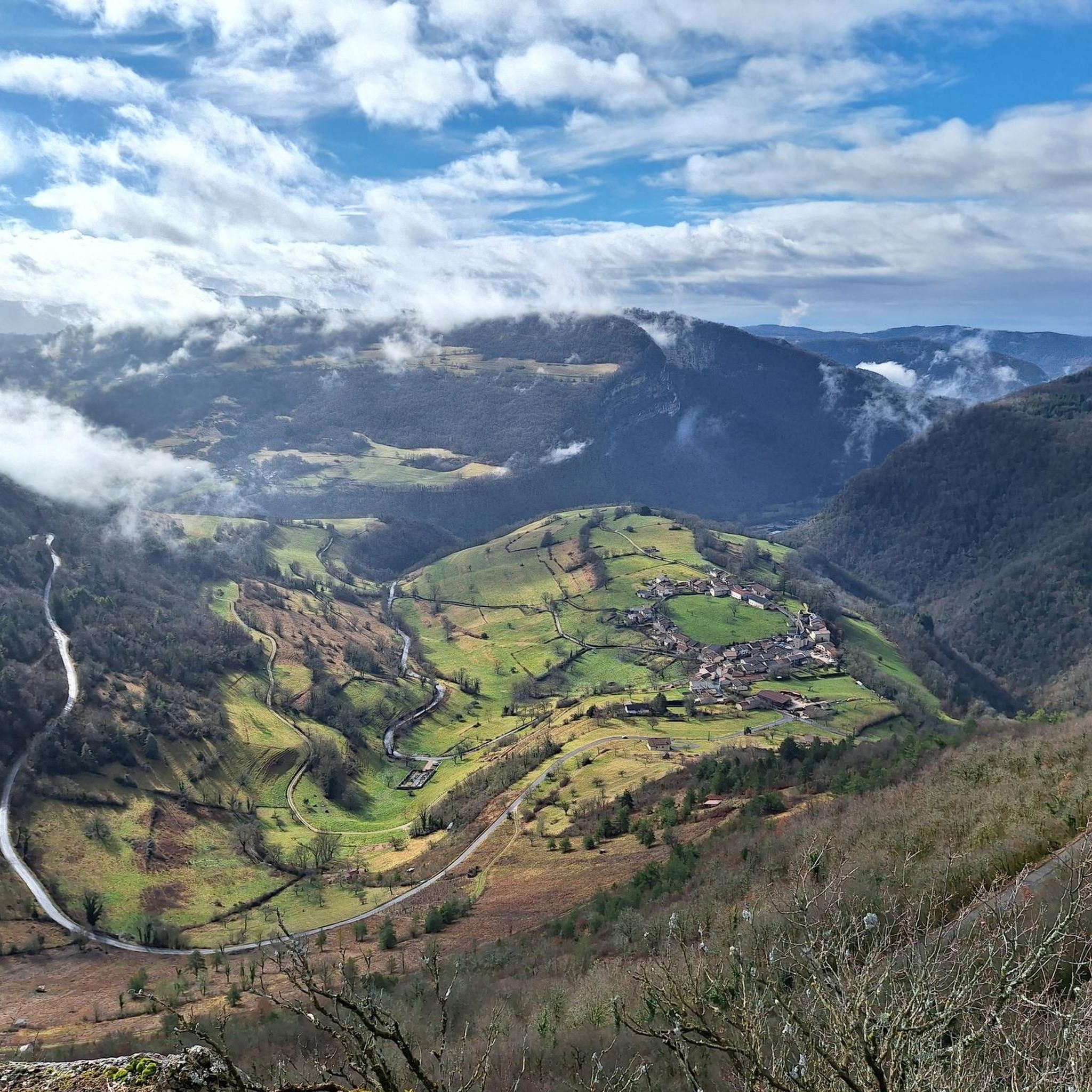
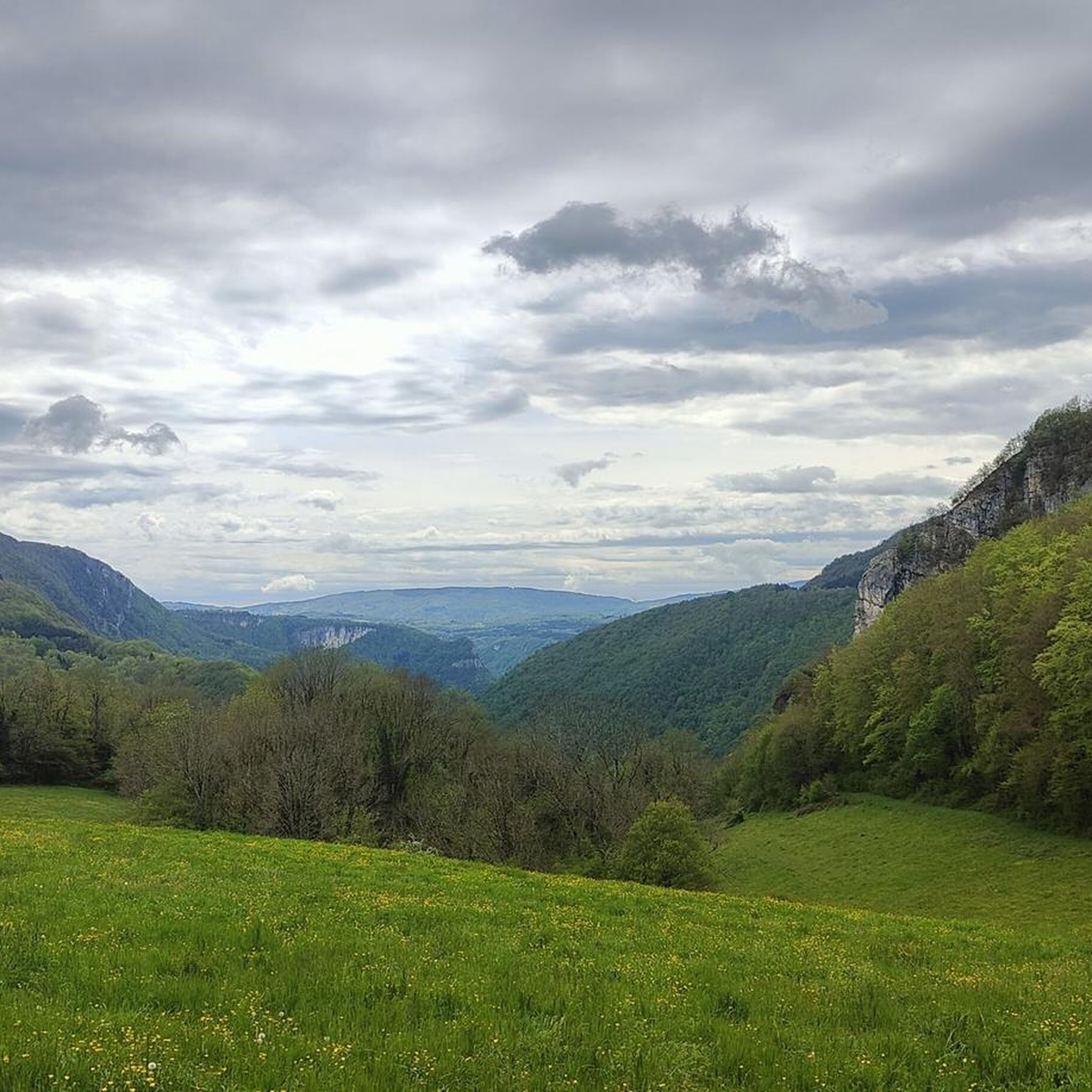
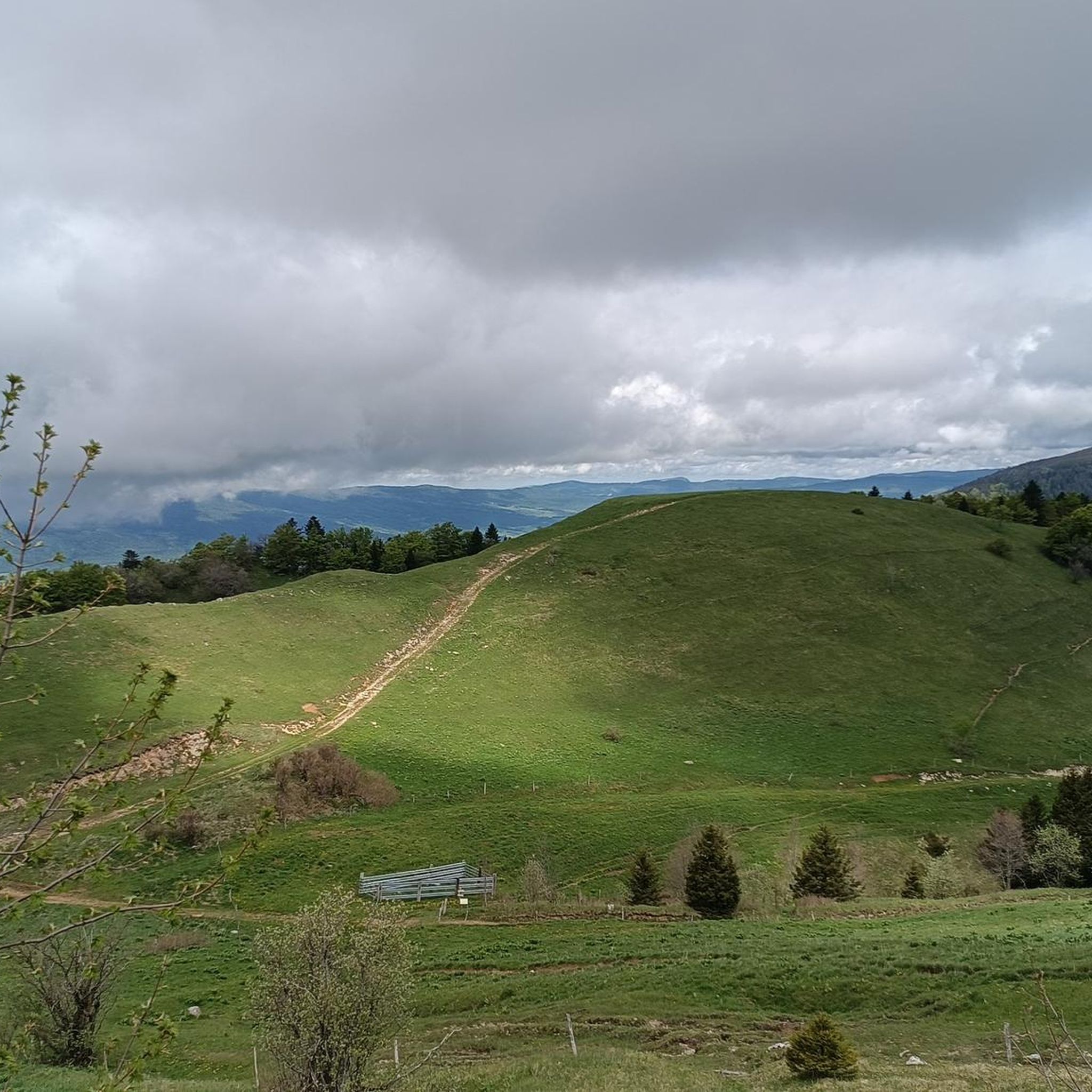
Gravel biking around Évosges features a diverse landscape with rolling hills, verdant forests, and deep valleys, providing varied terrain for cyclists. The region is characterized by a mix of secondary roads, dedicated bike paths, and gravel tracks, many of which are former forestry routes. These paths wind through a landscape that includes moderate climbs and offers a balance between mountain biking and road cycling.
Best gravel bike trails around Évosges
- The most popular gravel bike trail is Evosges Pass –…
Last updated: October 23, 2026
5.0
(1)
6
riders
39.5km
02:51
820m
820m
Hard gravel ride. Very good fitness required. Mostly paved surfaces.
5
riders
59.4km
04:13
1,010m
1,010m
Hard gravel ride. Very good fitness required. Mostly paved surfaces.

5.0
(1)
4
riders
41.2km
02:57
450m
450m
Hard gravel ride. Very good fitness required. Mostly paved surfaces.
4
riders
27.1km
01:56
510m
510m
Hard gravel ride. Very good fitness required. Mostly paved surfaces.
5.0
(1)
5
riders
Hard gravel ride. Very good fitness required. Mostly paved surfaces.
Get access to more routes and recommendations from other explorers.
Already have an account?
Our route recommendations are based on thousands of hikes, rides, and runs completed by other people on komoot.
Start today with a free account
Your next adventure awaits.
Tips from the Community

The commune of Vertrieu, located in the department of Isère within the Balcons du Dauphiné, has the unique particularity of housing two major historical buildings: the Château Vieux (or Maison-Forte) and the Château Neuf (or Château Moderne).
0
0
The Sault-Brénaz dam (also called Villebois dam or Sault-Brénaz facility) is an important hydroelectric infrastructure located on the Rhône River. It is situated on the border between the departments of Ain and Isère, mainly near the communes of Sault-Brénaz and Villebois. Commissioned in 1986, this structure was the last major facility built by the Compagnie Nationale du Rhône (CNR) on the upper Rhône.
0
0
The Sault-Brénaz dam (also called Villebois dam or Sault-Brénaz facility) is an important hydroelectric infrastructure located on the Rhône River. It lies on the border between the departments of Ain and Isère, mainly near the communes of Sault-Brénaz and Villebois. Commissioned in 1986, this structure was the last major development built by the Compagnie Nationale du Rhône (CNR) on the upper Rhône.
0
0

Very beautiful campsite, quiet, well-maintained, clean sanitary facilities, swimming pool. Open from mid-April to the end of September.
0
0

The Cormaranche Bike Park is made up of seven downhill trails, five enduro trails, and a Ludi Park for the youngest. Enough to have fun whatever your level. Picnic tables, a barbecue area, and a bivouac area are also available on site.
0
0
In addition to being the starting point for several walking and cycling routes, the La Praille estate offers everything you need to regain your strength after an outing. Besides accommodation and catering at the inn, there is a wellness area (spa and Nordic bath) to recharge your batteries in a magnificent mountain setting.
0
0
These two lovely ponds were built by humans in 1234. They were attached to the old abbey of Saint-Sulpice, the ruins of which can be found a little further north. They offer a pleasant setting for riding in peace and quiet.
0
0
The Abbey of Ambronay was founded in 800 by Barnard de Romans, a soldier, an officer of Charlemagne, and a future saint canonized in 944. The abbey church, built on the ruins of the Carolingian church, features gargoyles, sculptures, and paintings that will amuse children with their fascinating details. The cloister is a space of serenity that invites meditation: your imagination may perhaps chase some ghostly figures of monks. The visit will end in the gardens where you will discover medicinal plants on the botanical trail. https://www.ain-tourisme.com/visiter-patrimoine/monuments-religieux-a-visiter-dans-l-ain/abbaye-benedictine-dambronay/
1
0
Frequently Asked Questions
What kind of terrain can I expect on gravel rides in Évosges?
Gravel biking in Évosges offers a diverse landscape, characterized by rolling hills, verdant forests, and deep valleys. You'll encounter a mix of small secondary roads, dedicated bike paths, and extensive gravel tracks, many of which are former forestry routes. These paths wind through a landscape that includes moderate climbs, providing a balanced experience between mountain biking and road cycling.
Are there any easy gravel routes in Évosges for beginners?
While many routes in Évosges are considered difficult, there are options for less experienced riders. For example, the Fresne Washhouse – Haut Bugey country of calm loop from Hauteville-Lompnes is a moderate 12.8 km trail that offers a gentler introduction to gravel biking in the region.
What natural features or landmarks can I see on gravel rides in Évosges?
The Évosges region is rich in natural beauty. You can discover picturesque lakes, such as Lac Bleu on the Gardon, and stunning waterfalls like the Melogne Waterfalls or the impressive Charabotte Waterfall. Many routes also traverse the distinctive 'Ballons' (dome-shaped mountains) which offer panoramic views.
Are there any routes that pass by historic sites or charming villages?
Yes, several gravel routes in Évosges will lead you through areas with historical significance or quaint villages. The Ambronay Abbey loop from Jujurieux, for instance, takes you through varied terrain around the historic Ambronay Abbey. The wider Vosges region is known for its picturesque villages with traditional half-timbered houses and medieval castles.
What is the best time of year for gravel biking in Évosges?
The spring, summer, and autumn months are generally ideal for gravel biking in Évosges. During these seasons, the weather is more favorable, and the extensive forest tracks and mountain paths are most accessible. While the region transforms into a winter sports destination, gravel biking is best enjoyed when the trails are clear of snow and ice.
Are there any long-distance or challenging gravel routes in Évosges?
Absolutely. Évosges offers several challenging routes for experienced gravel bikers. The Evosges Pass – Lesines Pond loop from Évosges is a difficult 59.4 km trail with significant elevation gain, traversing the Evosges Pass. Another demanding option is the Brénod – Col de la Cheminée loop from Hauteville-Lompnes, a 50.4 km route with considerable climbing.
Can I find routes with good viewpoints for panoramic scenery?
Yes, the Évosges region is known for its stunning panoramic views. While specific viewpoints vary by route, the distinctive 'Ballons' (dome-shaped mountains) and higher-altitude sections of trails often provide breathtaking vistas of the surrounding forests and valleys. Routes that climb towards passes like Evosges Pass or Col de Ballon are likely to offer expansive views.
Is it possible to access gravel trails in Évosges using public transport?
While specific public transport links directly to trailheads can vary, many towns and villages in the wider Vosges region are accessible by train or bus. From these points, you may be able to cycle to nearby gravel routes. It's advisable to check local transport schedules and bike carriage policies when planning your trip.
What do other gravel bikers enjoy the most about gravel biking in Évosges?
The komoot community highly rates gravel biking in Évosges, with an average score of 5.0 stars. Reviewers often praise the region's extensive network of well-maintained forest tracks, the diverse terrain that keeps rides interesting, and the immersive experience of cycling through lush, wild landscapes. The balance of challenging climbs and scenic descents is also frequently highlighted.
Are there any routes that are particularly good for spotting wildlife?
The Évosges region, particularly within its extensive forests and natural parks, is known for its rich biodiversity. While no specific route guarantees wildlife sightings, cycling through the quieter, more remote forest tracks, such as those found on the The Albarine – Tour Saint-Denis loop from Torcieu, increases your chances of encountering local fauna like deer, wild boars, or various bird species. The Northern Vosges Regional Nature Park, a UNESCO World Biosphere Reserve, is particularly noted for its pristine forests and lush landscapes, making it a prime area for nature observation.
Are there any specific regional parks or areas known for excellent gravel biking?
Yes, the wider Vosges region is home to several areas renowned for outdoor activities. The Ballons des Vosges Natural Park is particularly noted for its diverse terrain, extensive forest tracks, and numerous lakes and waterfalls. The Northern Vosges Regional Nature Park is also excellent for its pristine forests. For more information on the Northern Vosges Regional Nature Park, you can visit visitstrasbourg.fr.
Most popular attractions around Évosges

Get inspired with the komoot mobile app


Explore more
Browse the best Gravel rides in other regions.
