The best gravel rides around Dompnac
5.0
(1)
16
riders
2
rides
Gravel biking around Dompnac offers routes through wild, sculpted landscapes characterized by schist and granite terrain, alternating with ancient terraced fields. Chestnut trees are a dominant feature, contributing to the natural ambiance of the region. The varied topography includes steep, chestnut-covered slopes and valleys leading to rivers, providing diverse terrain for gravel cyclists. This area of the Ardèche department features both well-paved surfaces and challenging unpaved segments, including "white paths" suitable for gravel bikes.
Best gravel bike trails around Dompnac
…Last updated: May 25, 2026
4
riders
35.4km
03:24
1,160m
1,150m
Hard gravel ride. Very good fitness required. Mostly paved surfaces. Suitable for all skill levels.
8
riders
103km
07:53
2,090m
2,090m
Hard gravel ride. Very good fitness required. Mostly paved surfaces. Suitable for all skill levels.

Sign up for free
3
riders
Hard gravel ride. Very good fitness required. Mostly paved surfaces. Suitable for all skill levels.
5.0
(1)
1
riders
17.2km
01:14
320m
320m
Moderate gravel ride. Good fitness required. Mostly paved surfaces. Suitable for all skill levels.
Our route recommendations are based on thousands of hikes, rides, and runs completed by other people on komoot.
Start today with a free account
Your next adventure awaits.
Login or Signup
Tips from the Community

Etymology: comes from Mas d’Adam, the name of the old estate that was located on the site of the current village, which was ceded by the lord of Géorant to the bishop of Viviers to allow him to found the abbey of Mazan. It all begins with the foundation of the Cistercian abbey in the heart of the village. This takes place between 1119 and 1122. At the beginning of the 12th century, canons came to settle on the site of Mas d’Adam (a toponym that would evolve into MAZAN), and were joined by monks from the abbey of Bonnevaux. These religious men built a huge abbey, of which only the remains exist today, which experienced a period of apogee that lasted until the Hundred Years' War. It gave birth to four other abbeys which are Bonneval, Sénanque, Sylvanès and le Thoronet as well as establishments for nuns. After this prosperous period, misfortunes followed one another at the abbey of Mazan: it was plundered by the great companies of the Hundred Years' War, then attacked by the Huguenots in the modern period. Before this last looting, the monks, according to legend, would have melted a golden bell with all their treasures, which they would have buried somewhere, facing and opposite the bull's-eye window, within earshot of the rooster's crow. montagnedardeche.com/patrimoine-culturel/village-de-mazan-labbaye-2387
0
0
Etymology: comes from Mas d’Adam, name of the old domain which was located at the site of the current village which was ceded by the lord of Géorant to the bishop of Viviers to allow him to found the abbey of Mazan. It all begins with the foundation of the Cistercian abbey in the heart of the village. This takes place between 1119 and 1122. At the beginning of the 12th century, canons came to settle on the site of Mas d’Adam (toponym that would evolve towards MAZAN), and were joined by monks from the abbey of Bonnevaux. These religious men built an immense abbey, of which only the remains are left today, which experienced a period of apogee that lasted until the Hundred Years' War. It gave birth to four other abbeys which are Bonneval, Sénanque, Sylvanès and le Thoronet as well as establishments of nuns. After this prosperous period, misfortunes followed one another at the abbey of Mazan: it was plundered by the great companies of the Hundred Years' War, then attacked by the Huguenots in the modern period. Before this last pillage, the monks, according to legend, would have melted a golden bell with all their treasures, which they would have buried somewhere, opposite and in front of the bull's eye, within earshot of the cock's crow. https://www.montagnedardeche.com/patrimoine-culturel/village-de-mazan-labbaye-2387/
0
0

The small shop and café are ideal for a break at the top of the pass. Closed for lunch.
0
0


We had a very good meal here with a fantastic view.
0
0

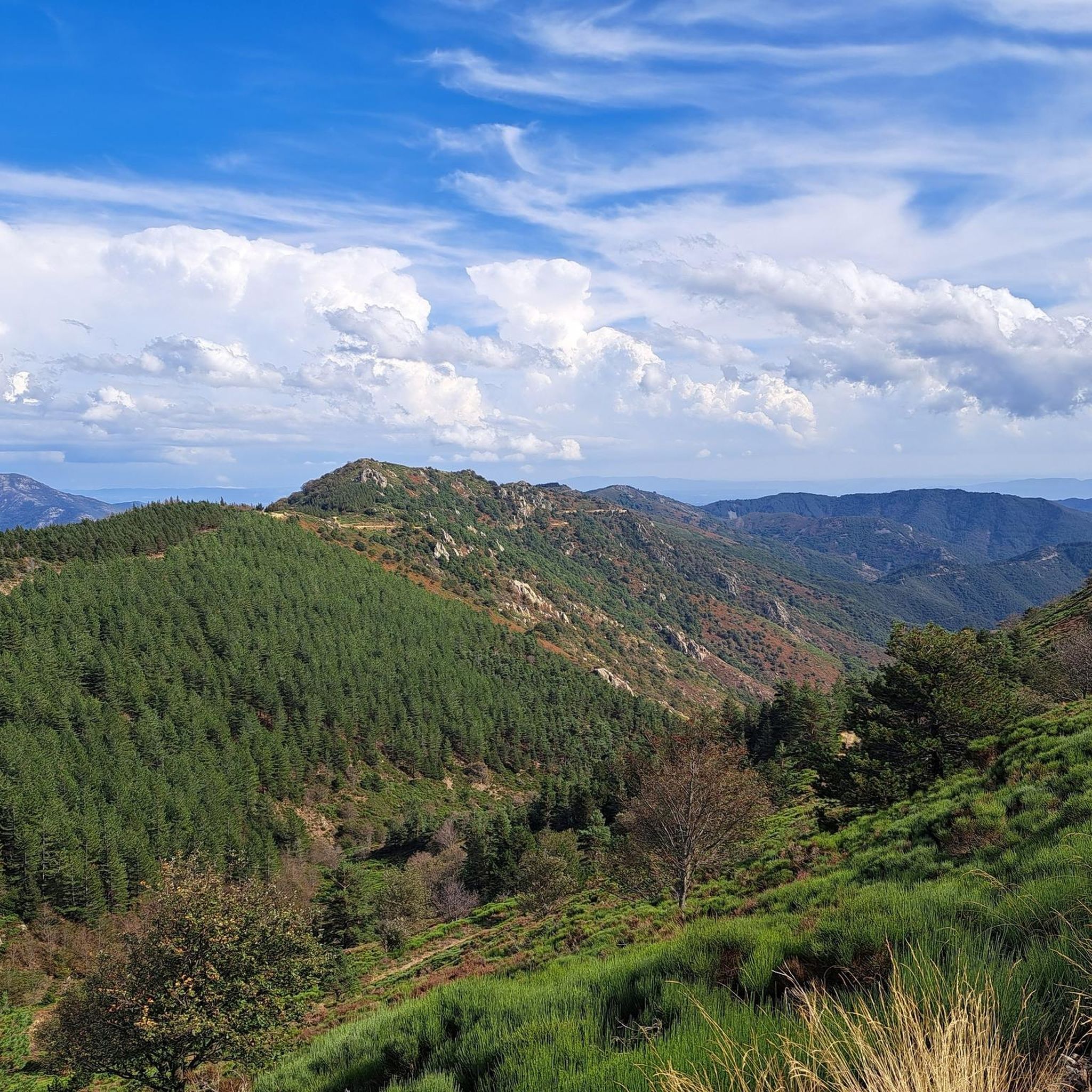
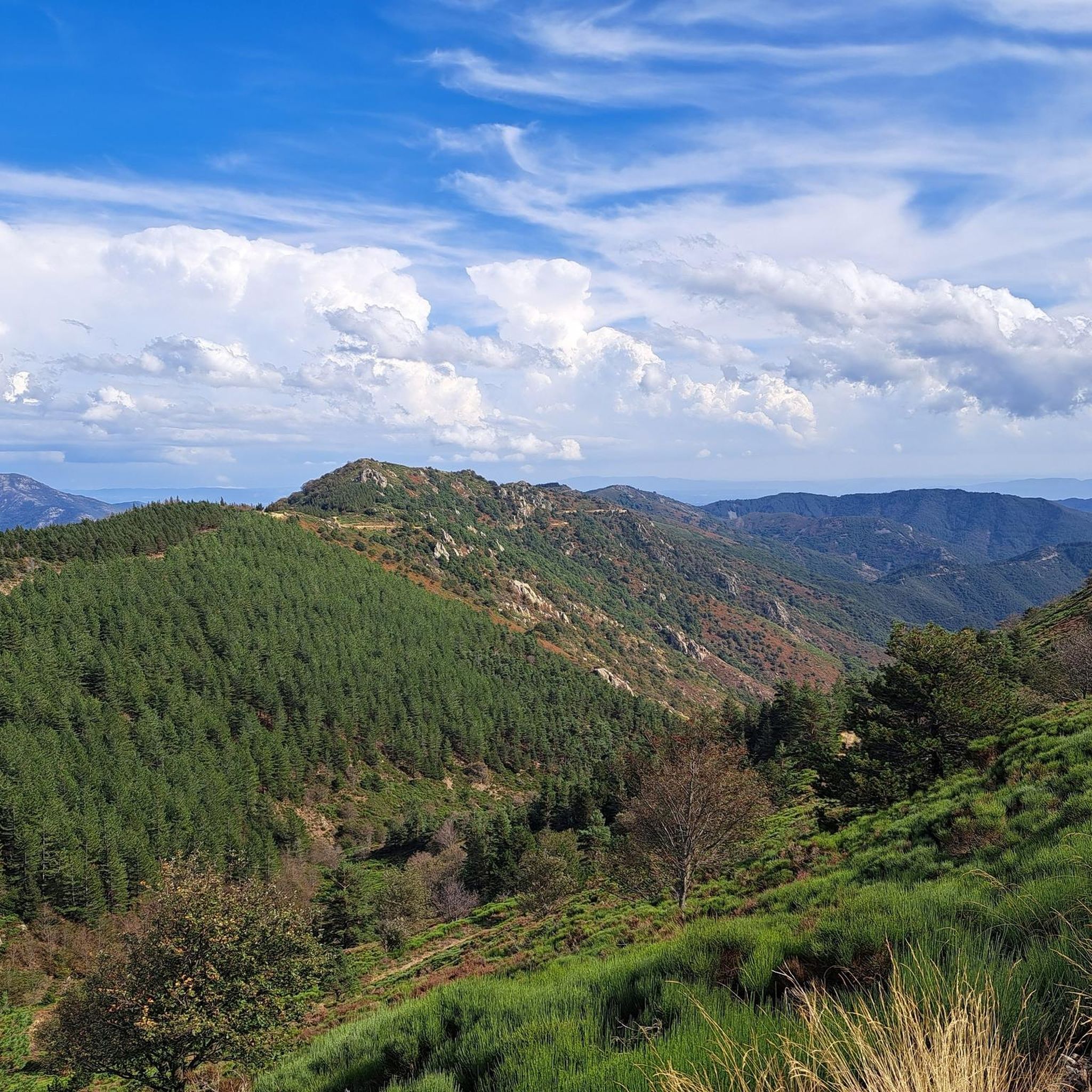
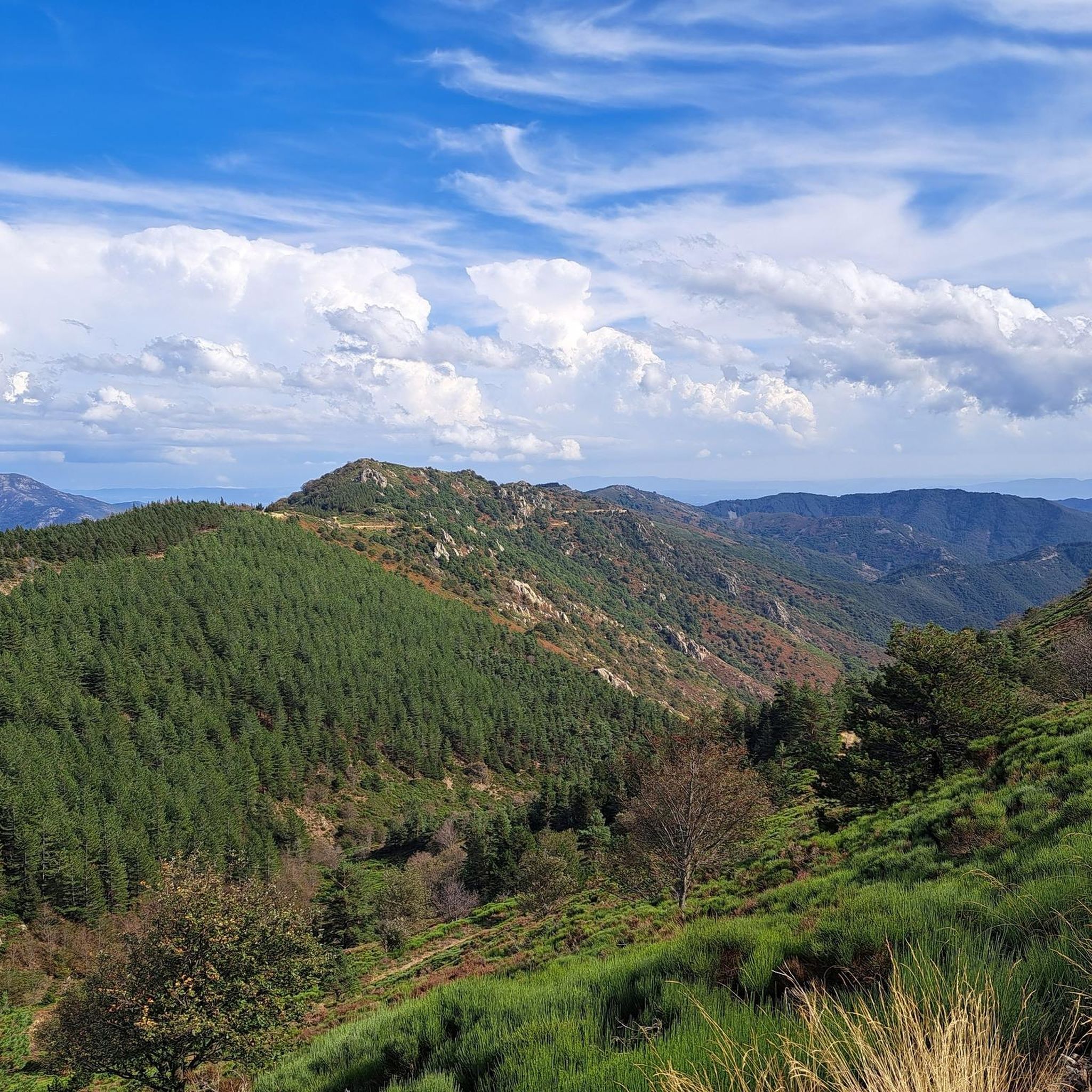
The view from the pass over the Monts d'Ardèche Regional Natural Park is breathtakingly beautiful. The new Meyrand viewpoint, a little south of the summit of the pass, was inaugurated in July 2024. It offers an exceptional panorama of the Monts d'Ardèche, the Cévennes, and you can even see as far as Mont Ventoux.
0
0

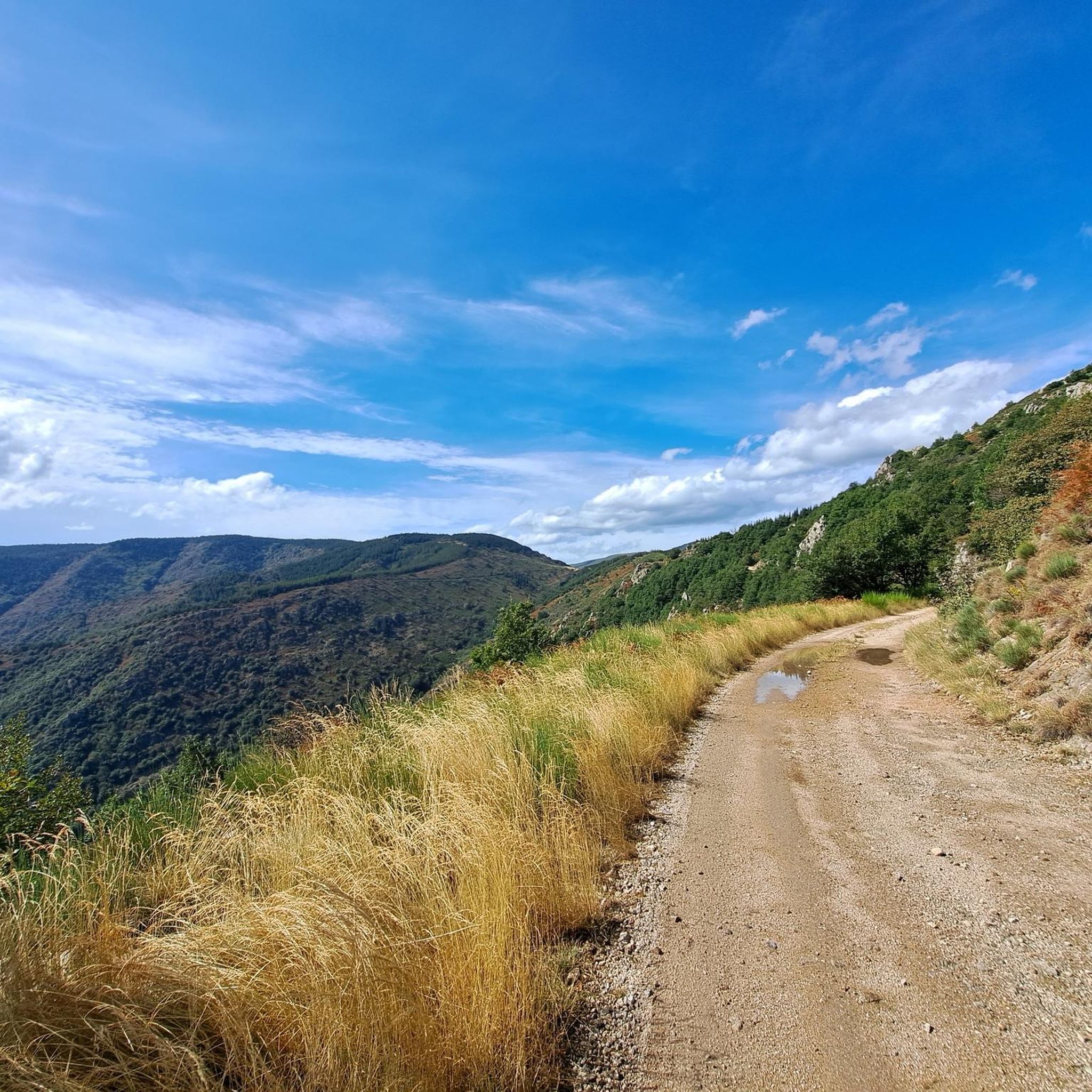
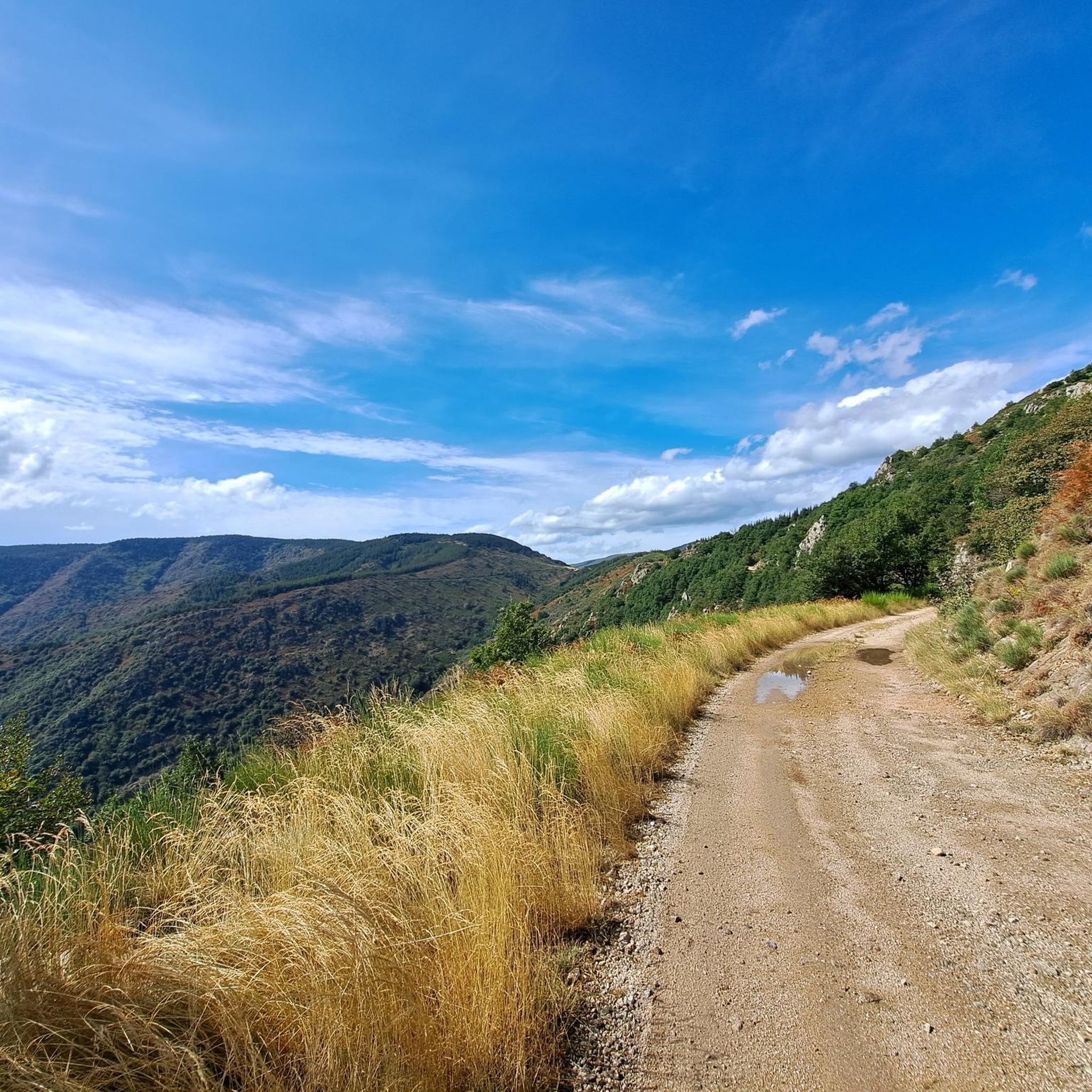
Climbing up to the Col du Meyrand from Valgorge, you get a magnificent view of the gorges of the valley from which you came. To do this, you have to overcome sixteen kilometers at an average of 5.1%.
0
0
Frequently Asked Questions
What kind of terrain can I expect on gravel bike trails around Dompnac?
Gravel biking around Dompnac features a diverse landscape characterized by wild, sculpted terrain. You'll encounter schist and granite surfaces, ancient terraced fields known as 'faÿsses', and numerous chestnut groves. The routes often include steep, chestnut-covered slopes and valleys leading to rivers like the Sueille, offering a mix of well-paved sections and more challenging unpaved segments, including 'white paths' suitable for gravel bikes.
Are there gravel routes suitable for beginners or those looking for an easier ride?
Yes, while many routes in the Dompnac area are challenging, there are options for a more accessible experience. For instance, the Church of Bres – Col de Planzolles loop from Planzolles is a moderate 17.2 km path that offers varied landscapes without the extreme difficulty of some longer tours.
What are some of the longer or more challenging gravel bike routes in the Dompnac area?
For experienced gravel bikers seeking a challenge, the region offers several demanding routes. The Col de Meyrand Viewpoint – View from Col de Meyrand loop from Mayres is a difficult 102.6 km trail with significant elevation gain. Another challenging option is the Croix de Millet Pass – Croix de Rocles Pass loop from Joannas, covering 34.7 km through mountain passes.
What natural attractions or landmarks can I see while cycling around Dompnac?
The Dompnac area is rich in natural beauty and interesting landmarks. You can explore the stunning La Drobie Valley or the Beaume Valley. Other notable points include the Col de La Croix de Millet and various viewpoints offering outstanding vistas, such as the Outstanding view of the Beaume.
Are there any cultural or historical sites accessible by bike in Dompnac?
Beyond the natural landscapes, Dompnac and its surroundings offer cultural points of interest. You might encounter sites like the Église Sainte Marie-Madeleine with its distinctive bell tower porch, or the Chapelle Saint Régis. While not directly on gravel routes, these sites provide a glimpse into the region's heritage amidst your ride.
What is the best time of year for gravel biking in Dompnac?
The Ardèche region, including Dompnac, generally offers pleasant conditions for gravel biking from spring through autumn. Spring brings blooming landscapes, while autumn showcases vibrant chestnut foliage. Summers can be warm, so early mornings or late afternoons are often preferred. Always check local weather patterns before heading out.
Can I find circular gravel bike routes in Dompnac?
Yes, many of the gravel routes around Dompnac are designed as loops, allowing you to start and finish in the same location. Examples include the Church of Bres – Col de Planzolles loop from Planzolles and the Croix de Millet Pass – Croix de Rocles Pass loop from Joannas, providing convenient options for exploring the area.
What makes the landscape of Dompnac unique for gravel biking?
Dompnac's landscape is unique due to its wild, sculpted character, where schist and granite terrain blend with ancient terraced fields. The prevalence of chestnut trees creates a serene and authentic natural ambiance. This varied topography, from steep slopes to river valleys, provides a constantly changing and engaging environment for gravel cyclists.
Are there any specific valleys or gorges that are particularly scenic for gravel biking?
Absolutely. The region is known for its beautiful valleys and gorges. The La Drobie Valley and the Beaume Valley are particularly scenic, offering stunning views and immersive experiences as you cycle through them. You might also encounter the Borne Valley.
What is the overall rating for gravel biking in Dompnac by the komoot community?
The gravel biking routes in Dompnac are highly regarded by the komoot community, holding an average score of 5.0 stars. While based on a limited number of reviews, this indicates a strong positive reception for the quality and experience of cycling in the area.
What kind of wildlife might I encounter on the gravel trails around Dompnac?
As Dompnac is nestled in a natural, isolated valley within the Ardèche department, you're likely to encounter diverse wildlife. The chestnut forests and varied terrain provide habitats for various bird species, small mammals, and insects. Keep an eye out for local fauna, especially during quieter times of day.
Are there any routes that offer views of the Ardèche Mountains Regional Nature Park?
While Dompnac itself is within the broader Ardèche department, many routes will offer glimpses and immersive experiences within the characteristics of the Ardèche Mountains Regional Nature Park. The park's diverse terrain, including ancient chestnut groves, dry stone terraces, and forests, is a defining feature of the region's cycling landscape.
Most popular attractions around Dompnac

Get inspired with the komoot mobile app


Explore more
Browse the best Gravel rides in other regions.
