The best gravel rides around La Forêt-De-Tessé
5.0
(5)
38
riders
3
rides
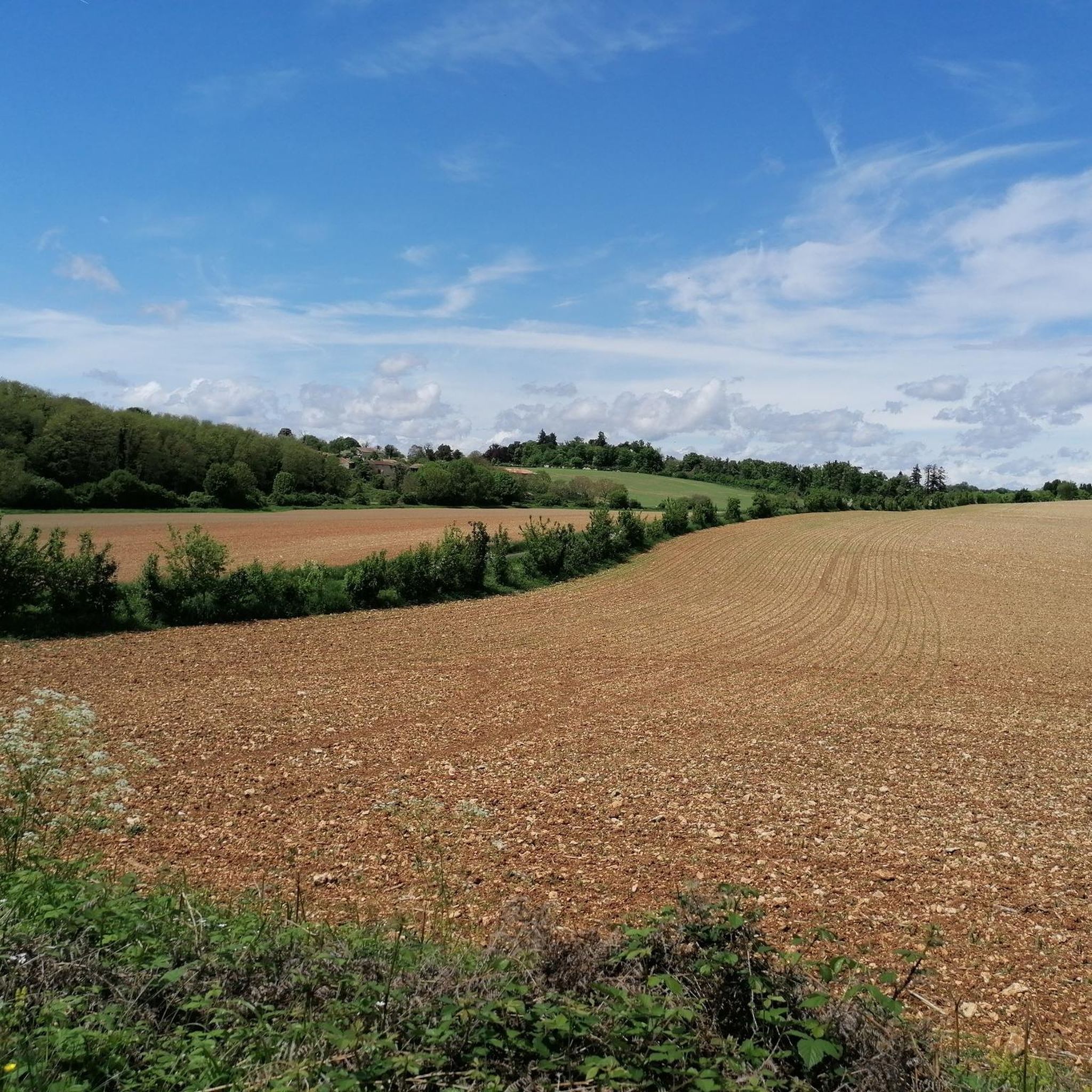
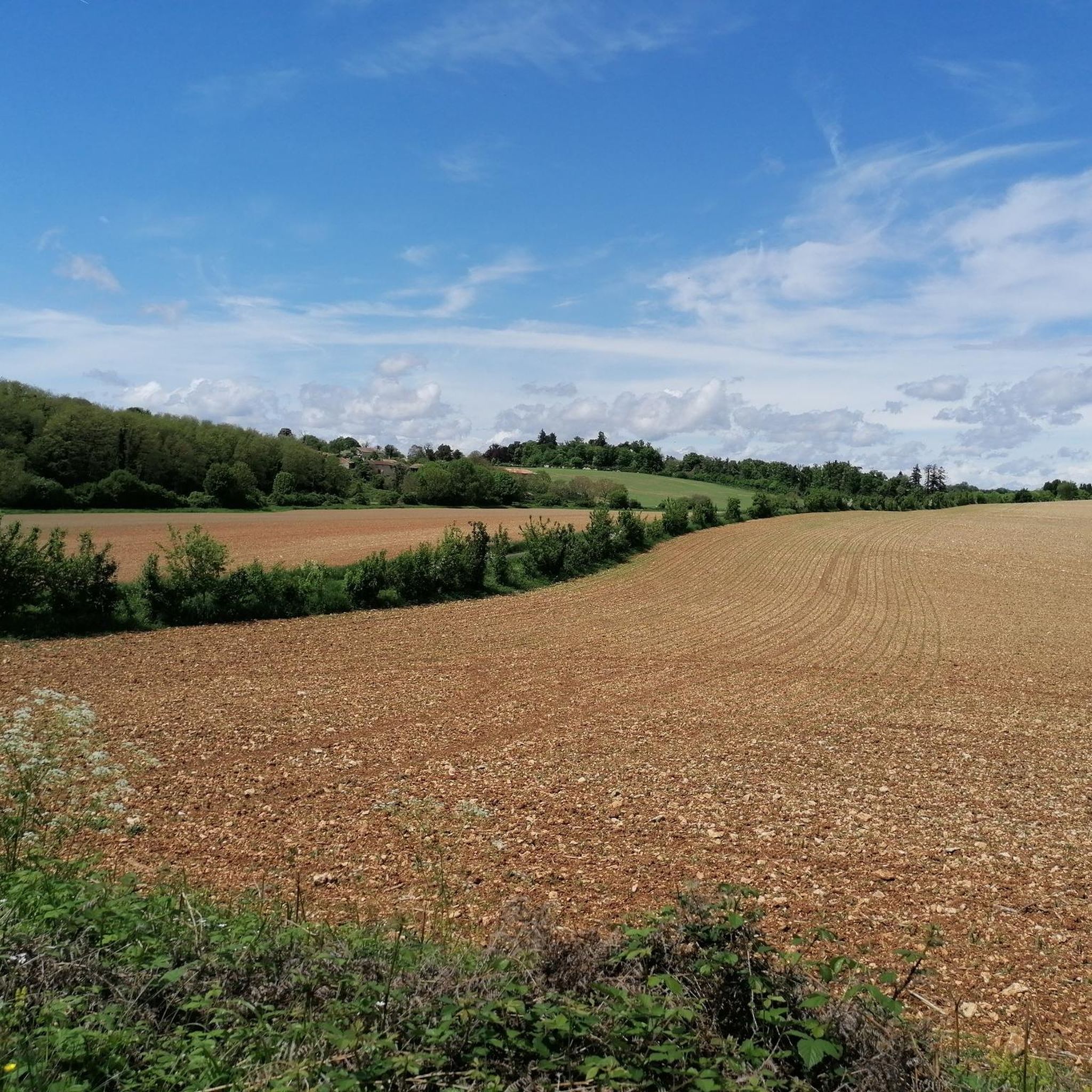
Gravel biking around La Forêt-De-Tessé offers routes through a landscape characterized by rolling agricultural fields, scattered woodlands, and quiet rural roads. The terrain typically features gentle ascents and descents, providing a mix of surfaces suitable for gravel bikes. This region in Nouvelle-Aquitaine, France, is known for its tranquil countryside and small villages.
Best gravel bike trails around La Forêt-De-Tessé
- The most popular gravel bike trail is Ruffec Town Hall – Church loop from Ruffec (Charente), a 65.8 miles (105.9…
Last updated: July 6, 2026
20
riders
111km
07:43
750m
750m
Hard gravel ride. Very good fitness required. Mostly paved surfaces. Suitable for all skill levels.
5.0
(1)
6
riders
70.6km
04:48
460m
460m
Hard gravel ride. Very good fitness required. Mostly paved surfaces. Suitable for all skill levels.

Sign up for free
7
riders
70.7km
05:04
530m
520m
Hard gravel ride. Very good fitness required. Mostly paved surfaces. Suitable for all skill levels.
5.0
(3)
2
riders
6.02km
00:23
20m
20m
Easy gravel ride. Great for any fitness level. Mostly paved surfaces. Suitable for all skill levels.
5.0
(1)
1
riders
39.4km
02:36
230m
230m
Moderate gravel ride. Good fitness required. Mostly paved surfaces. Suitable for all skill levels.
Our route recommendations are based on thousands of hikes, rides, and runs completed by other people on komoot.
Start today with a free account
Your next adventure awaits.
Login or Signup


Tips from the Community

A beautiful castle that can be visited. The friendly owner gave us a tour. There's a good infrastructure for cyclists, including a well-equipped workshop. All free of charge or in exchange for donations.
0
0

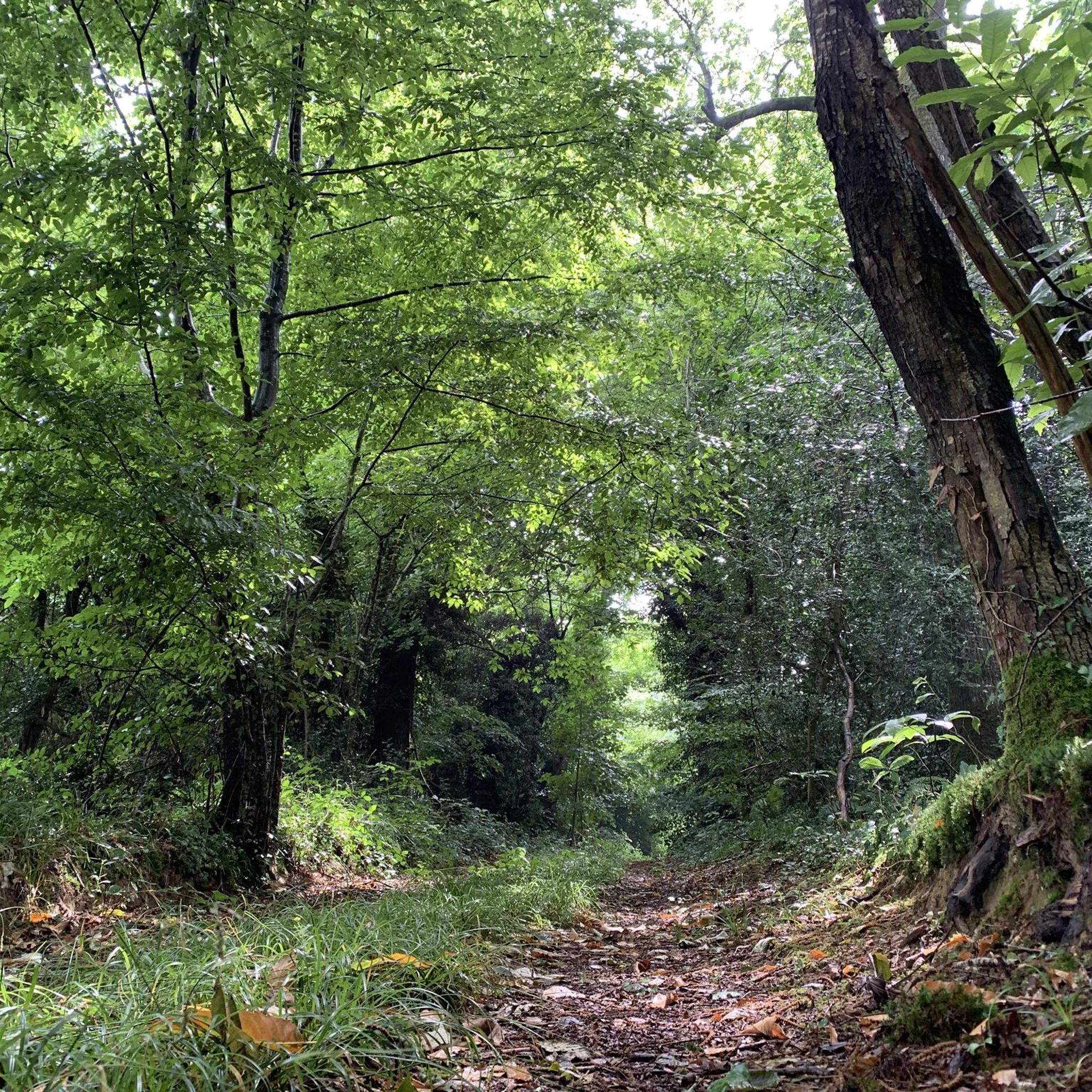
Here you are in the Tusson and Villejesus forest. This is classified as a natural area of ecological, fauna and flora interest. The oaks are very present. By taking the time to silently observe the nature around you, you may come across some animal species. Many raptors find refuge there.
0
0
The White Stone dolmen was erected between 4,500 and 4,000 BC, approximately 6,000 years ago. It is located in the axis of the four tumulus of Tusson. However, the dolmen is no longer topped by its tumulus.
0
0

This small town, known for the forecourt of its Saint-André church, is a stopover town on the road from Paris to Spain between Poitiers and Angoulême.
0
0

Located in the archpriest of Ambérac, diocese of Angoulême, the conventual priory of Notre-Dame de Lanville, founded at an unknown date, was attached around 1120 to the rule of the canons regular of Saint Augustine. It will remain conventual until its suppression in 1791. The buildings were largely in ruins in 1632 and the difficulties becoming greater and greater, the priory was united with the abbey of Sainte-Geneviève du Mont. The visit reports of 1636 and 1672 indicate that major work was carried out to raise the priory in the second half of the 17th century. The buildings located to the south of the church could be the lodgings of the prior or the chaplain. They include a main building for residential use, flanked by two north and south wings constituting the outbuildings, arranged around a closed courtyard. The partly modern north wing has retained some openings characteristic of the 14th and 15th centuries. A long vaulted cellar of a broken cradle develops under the entire length of this wing. The south wing has semicircular openings alternating with small rectangular bays, no doubt from the 17th century. The rectangular main building opens, to the west, onto a terrace overlooking a pool spanned by a bridge-staircase. The house itself is built on a long barrel-shaped cellar with a basket handle. The church was fortified in the 15th century. In its primitive state, its nave was covered with three domes which collapsed and were replaced, in the 15th century, by ribbed vaults. In 1904, the presence of a channeled stream having weakened the foundations of the building, the facade collapsed.
1
0
The dolmen of Petite Pérotte and its neighbor of Grosse Pérotte belonged to a vast group of funerary monuments dating from the Neolithic period (4500 to 4000 years BC) Its table, that is to say the enormous stone resting on vertical pillars, weighs about 40 tonnes and comes from a cliff on the banks of the Charente 4 or 5 km away ... In the Neolithic period, the dolmen was not visible: it is covered with a stone and earth construction called a tumulus. A covered corridor allows entry into the burial chamber. The excavations and then the restorations carried out in 2012 and 2013 made it possible to materialize on the ground the influence of this circular tumulus, the corridor and a secondary chamber under a stone table now resting directly on the ground.
1
0
Frequently Asked Questions
How many gravel bike trails are available around La Forêt-De-Tessé?
There are a few dedicated gravel bike trails around La Forêt-De-Tessé, offering a variety of experiences through the tranquil countryside. You can find options ranging from short, easy loops to longer, more challenging rides.
What is the general difficulty level of gravel biking in this region?
The gravel biking routes around La Forêt-De-Tessé generally feature rolling hills and gentle ascents and descents, making them accessible for various skill levels. While there are some longer, more demanding routes, you can also find easier options suitable for a relaxed ride.
Are there any family-friendly gravel bike routes near La Forêt-De-Tessé?
Yes, for a shorter, easier ride suitable for families or beginners, consider the Melleran loop from Melleran. This 6.0 km trail leads through rural paths and is often completed in under half an hour, offering a gentle introduction to gravel biking in the area.
What are some options for longer gravel bike rides around La Forêt-De-Tessé?
For those seeking a longer adventure, the Ruffec Town Hall – Church loop from Ruffec (Charente) is a substantial 105.9 km route featuring varied rural landscapes. Another excellent option is the White Stone Dolmen loop from Courcôme, which covers 70.0 km.
Are there any circular gravel bike routes in the area?
Yes, many of the gravel bike routes around La Forêt-De-Tessé are designed as loops, allowing you to start and finish in the same location. Examples include the Church of Sainte-Madeleine – Saveille Castle loop from La Magdeleine, which is a moderate 39.1 km path, and the shorter Melleran loop from Melleran.
What is the best season for gravel biking around La Forêt-De-Tessé?
The region benefits from a temperate climate, making spring and autumn particularly pleasant for gravel biking. During these seasons, the weather is generally mild, and the countryside is vibrant with either blooming flora or autumnal colors. Summer can also be enjoyable, especially during cooler mornings or evenings.
What kind of terrain can I expect on the gravel bike trails?
The terrain around La Forêt-De-Tessé is characterized by rolling agricultural fields, scattered woodlands, and quiet rural roads. You'll encounter a mix of surfaces, including compacted gravel, dirt tracks, and paved country lanes, all suitable for gravel bikes. The landscape features gentle ascents and descents rather than steep climbs.
Are there any cafes or places to stop for refreshments along the routes?
While the immediate area of La Forêt-De-Tessé is quite rural, many routes pass through or near small villages and towns like Ruffec or Melleran. These larger settlements typically offer local cafes, bakeries, or small shops where you can find refreshments. It's always a good idea to check opening hours, especially in smaller villages.
What do other gravel bikers enjoy most about gravel biking in La Forêt-De-Tessé?
The komoot community highly rates the gravel biking experience here, with an average score of 5.0 stars. Reviewers often praise the tranquil countryside, the quiet rural roads, and the opportunity to explore charming small villages away from heavy traffic. The varied rural landscapes and gentle terrain are also frequently highlighted.
Are there any permits required for gravel cycling in La Forêt-De-Tessé?
No, there are generally no specific permits required for gravel cycling on the public roads and designated trails around La Forêt-De-Tessé. You are free to explore the countryside responsibly.
What should I know about parking when planning a gravel bike ride?
Parking is generally available in the villages and towns that serve as starting points for many routes, such as Ruffec, Melleran, or La Magdeleine. Look for public parking areas, often near town halls or churches. Always ensure you park considerately and legally.
Are there any moderate-difficulty gravel routes available?
Yes, for a moderately challenging ride, consider the Church of Sainte-Madeleine – Saveille Castle loop from La Magdeleine. This 39.1 km route explores the local countryside and historical points of interest, offering a good balance of distance and effort.
Most popular routes around La Forêt-De-Tessé

Get inspired with the komoot mobile app


Explore more
Browse the best Gravel rides in other regions.
