The best gravel rides around Casteltermini
4.0
(6)
95
riders
3
rides
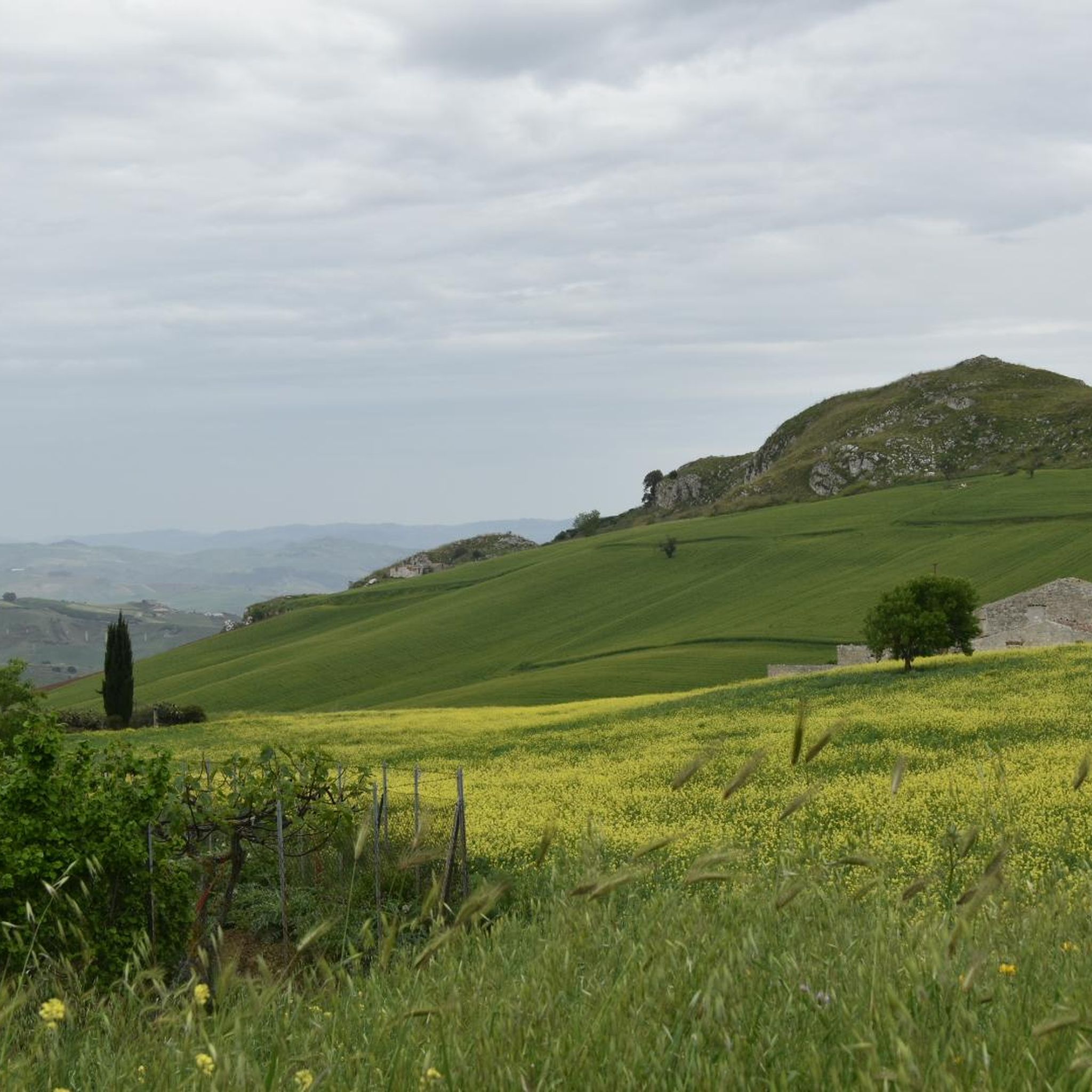
Gravel biking around Casteltermini offers routes through the varied terrain of central Sicily. The region is characterized by rolling hills, historical sites, and river valleys, providing a mix of challenging climbs and scenic descents. Gravel bike trails often traverse agricultural lands and connect small towns, with significant elevation changes across the landscape. The area's geology includes limestone formations and fertile plains, making for diverse riding conditions.
Best gravel bike trails around Casteltermini
- The most popular gravel bike trail is Mussomeli…
Last updated: October 4, 2026
5.0
(4)
56
riders
117km
08:58
3,030m
3,030m
Hard gravel ride. Very good fitness required. Mostly paved surfaces. Suitable for all skill levels.
3.0
(2)
16
riders
112km
08:22
2,830m
2,830m
Hard gravel ride. Very good fitness required. Mostly paved surfaces. Suitable for all skill levels.
Our route recommendations are based on thousands of hikes, rides, and runs completed by other people on komoot.
Start today with a free account
Your next adventure awaits.
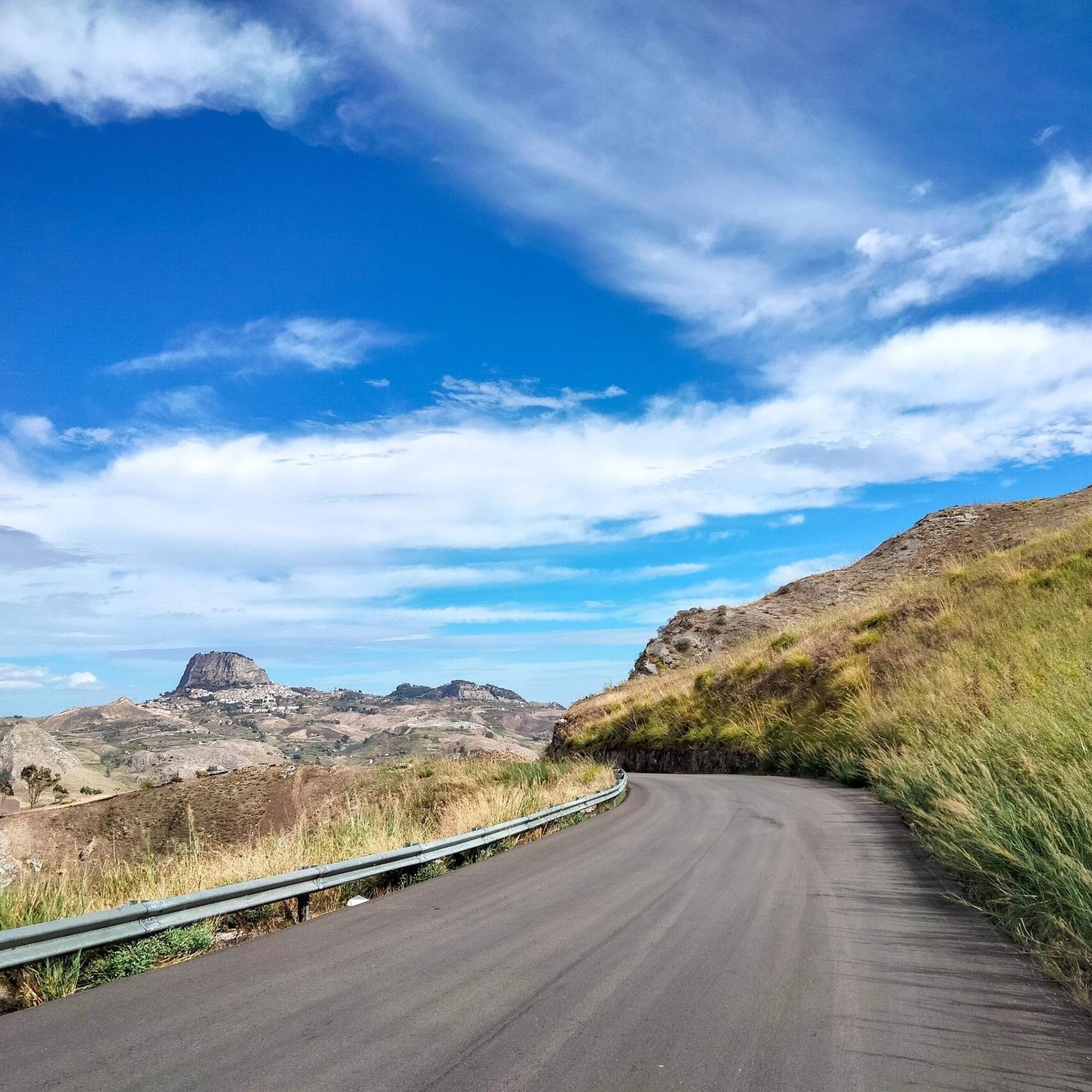
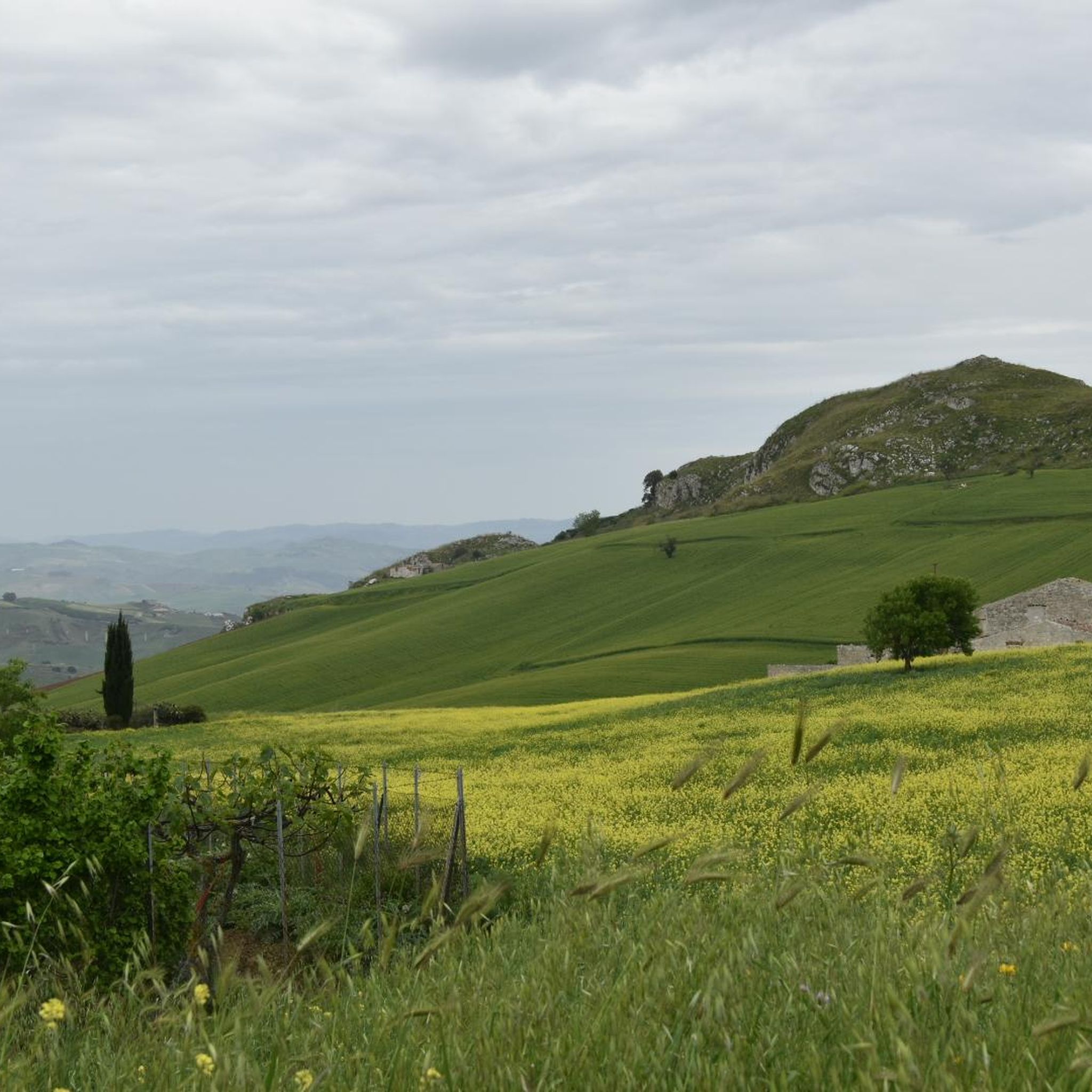
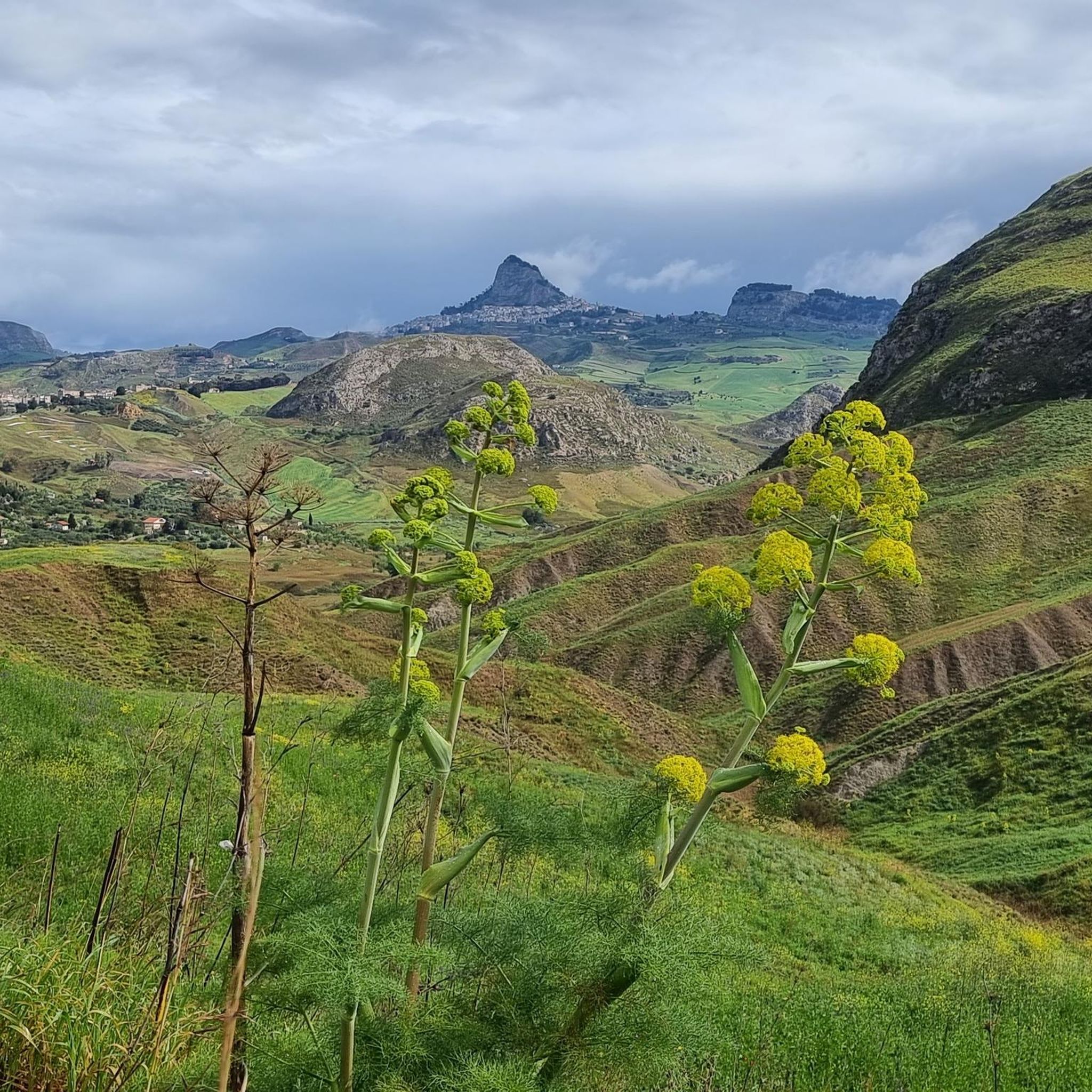
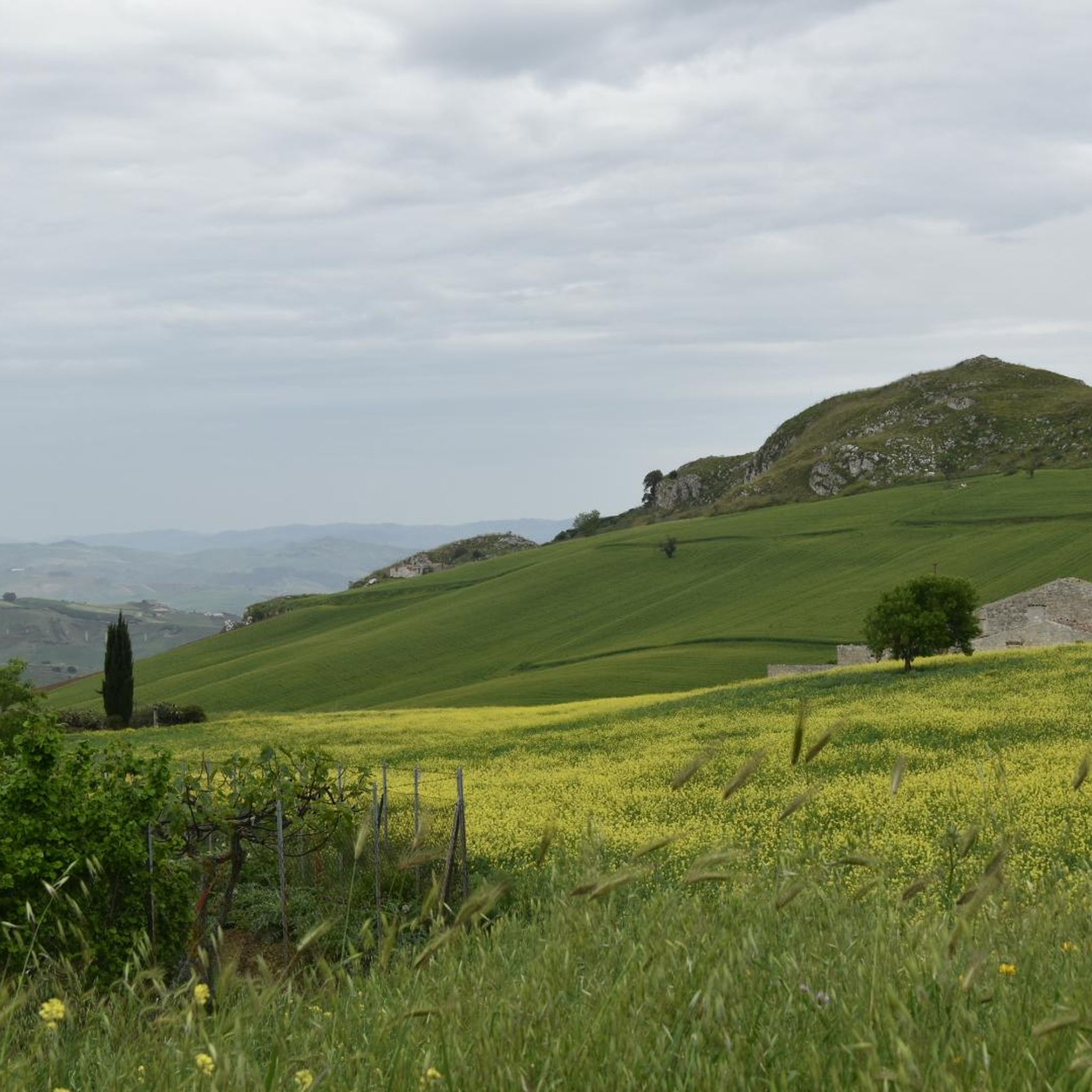
Tips from the Community

Formerly known as Santo Stefano di Melia and then Santo Stefano di Bivona, Santo Stefano Quisquina assumed its current name in 1863. Surrounded by the Sicani mountains, it boasts important monuments such as the hermitage of Santa Rosalia and the Mother Church. With rich natural and architectural resources, it represents a significant piece of Sicilian heritage.
1
0
Formerly known as Santo Stefano di Melia and then Santo Stefano di Bivona, Santo Stefano Quisquina assumed its current name in 1863. Surrounded by the Sicani mountains, it boasts important monuments such as the hermitage of Santa Rosalia and the Mother Church. With rich natural and architectural resources, it represents a significant piece of Sicilian heritage.
2
0

be careful in case of rain it is an area that becomes really difficult to cross
1
0
beautiful village with truly exciting views of a truly unexpected Sicily. I stayed overnight in a widespread hotel obtained from the old school list.
2
0
beautiful castle perched on a rocky outcrop just below the town of Mussomeli. It is said that the manor was built in just three years, between 1364 and 1367, on a previous Swabian fort, by order of Manfredi III of Chiaramonte, Duke of Modica, conquered by its location on an inaccessible hill that made it strategic from a military point of view. The fortress was at the center of an event that went down in history as the "Sala dei Baroni", which we are going to tell you about. Frederick III of Aragon, formally king of Trinacria (1355-1377), governed by establishing good relations with the notables of the island and, to do this, in 1374 he was a guest of Chiaramonte at the castle of Mussomeli with his daughter Maria of Sicily or of Aragon who, upon the death of her father, in 1377, still a minor, inherited the crown of Trinacria (1377-1401). Flanked by 4 vicars, Artale Alagona, Guglielmo Peralta, Francesco Ventimiglia and Manfredi Chiaramonte, she saw them clash because while Alagona intended to marry her to Gian Galeazzo Visconti, the powerful duke of Milan, Ventimiglia instead sided with the Aragonese prince Martino, future king of Aragon and Sicily. In the end, the latter, having the young ruler kidnapped, now compromised, thanks to the help of Guglielmo Raimondo Moncada, managed to marry her. This marital union, born with deception, was, however, disapproved by Pope Boniface IX, Alagona and Manfredi Chiaramonte who gathered in a room of the castle, from that moment on called the "Barons' Hall", the notables of the Island trying to convince them, but without success, of the illegitimacy of that marriage. When Martin the Elder Duke of Montblanc of Aragon, landed in Sicily in 1392, had himself crowned, in the cathedral of Palermo, king of Trinacria, the only ones who did not accept it were Artale Alagona and Manfredi Chiaramonte, who, as punishment, had all their assets confiscated, partly attributed to the Moncada family, loyal, instead, to the Aragonese.
0
0
rushed by during the Sicily Divide, it is worth a careful visit
1
0
Up and up and up…. But what a beauty
1
0
Spectacular passage along the Sicily Divide itinerary. The valley that you cross is a monument to silence. Spectacular view of the canyon a few km from the village of Bompensiere
1
0
Frequently Asked Questions
What is the general difficulty level of gravel bike trails around Casteltermini?
The gravel biking routes in Casteltermini are predominantly challenging. All five available tours are rated as difficult, featuring significant elevation changes and long distances through the Sicilian countryside. Riders should be prepared for demanding climbs and descents.
Are there any family-friendly gravel bike routes in Casteltermini?
The gravel bike trails around Casteltermini are generally designed for experienced riders due to their difficult rating and substantial elevation gain. There are currently no routes specifically categorized as easy or moderate, which would typically be more suitable for families or beginners.
What kind of terrain can I expect on gravel bike trails near Casteltermini?
You can expect varied terrain characterized by rolling hills, historical sites, and river valleys. The routes often traverse agricultural lands and connect small towns, with significant elevation changes. The area's geology includes limestone formations and fertile plains, offering diverse riding conditions.
Are there any circular gravel bike trails available?
Yes, all the gravel bike routes listed for Casteltermini are circular. For instance, you can explore the Mussomeli and Its Castle – Ascent towards Serradifalco loop from Casteltermini - Acquaviva Platani, which is a substantial 117.8 km loop, or the shorter Fountain of Piazza Castello – Cammarata loop from Case Gargiuffè at 40.1 km.
What are some scenic viewpoints or hidden gems along the gravel routes?
Many routes offer scenic views of the Sicilian landscape. The Mussomeli and Its Castle – Mussomeli Castle loop from Sutera explores the area around the historic Mussomeli Castle, providing both historical scenery and challenging climbs. For natural beauty, the Mussomeli and Its Castle – Gallo d'Oro River Canyon loop from Contrada Giancatalano takes you near the impressive Gallo d'Oro River Canyon.
What attractions can I see along the gravel bike trails in Casteltermini?
The routes often pass by significant historical and natural landmarks. You can encounter impressive castles like Mussomeli and Its Castle and Torre del Salto d’Angiò. Natural highlights include the Monte Conca Nature Reserve and the Gallo d'Oro River Canyon.
What is the best season for gravel biking in Casteltermini?
While specific seasonal data isn't provided, central Sicily generally experiences hot, dry summers and mild, wet winters. Spring and autumn typically offer the most pleasant temperatures for demanding activities like gravel biking, avoiding the intense summer heat and potential winter rains.
How long do the gravel bike trails near Casteltermini typically take to complete?
The duration varies significantly depending on the route and your pace. The longest route, Mussomeli and Its Castle – Ascent towards Serradifalco loop from Casteltermini - Acquaviva Platani, is estimated to take around 10 hours and 45 minutes. Shorter options, like the Fountain of Piazza Castello – Cammarata loop from Case Gargiuffè, can be completed in approximately 3 hours and 40 minutes.
What do other gravel bikers enjoy most about the routes in Casteltermini?
The gravel biking routes in Casteltermini are highly rated by the komoot community, with an average score of 5.0 stars from 4 reviews. Riders often praise the challenging nature of the routes, the significant elevation gains, and the opportunity to explore the varied Sicilian terrain and historical sites.
Are there options for advanced gravel bikers looking for a challenge?
Absolutely. All five gravel bike routes around Casteltermini are rated as difficult, making them ideal for advanced riders seeking a significant challenge. These routes feature substantial elevation gains, with some reaching over 3000 meters of ascent, and cover long distances through mountainous and hilly terrain.
What kind of elevation changes can I expect on these gravel bike trails?
You should expect significant elevation changes. For example, the Mussomeli and Its Castle – Ascent towards Serradifalco loop from Casteltermini - Acquaviva Platani route involves over 3000 meters of ascent. Even shorter routes, like the Mussomeli and Its Castle – Gallo d'Oro River Canyon loop from Contrada Giancatalano, still feature over 1200 meters of climbing, indicating a consistently hilly and demanding landscape.
Most popular attractions around Casteltermini

Get inspired with the komoot mobile app


Explore more
Browse the best Gravel rides in other regions.
